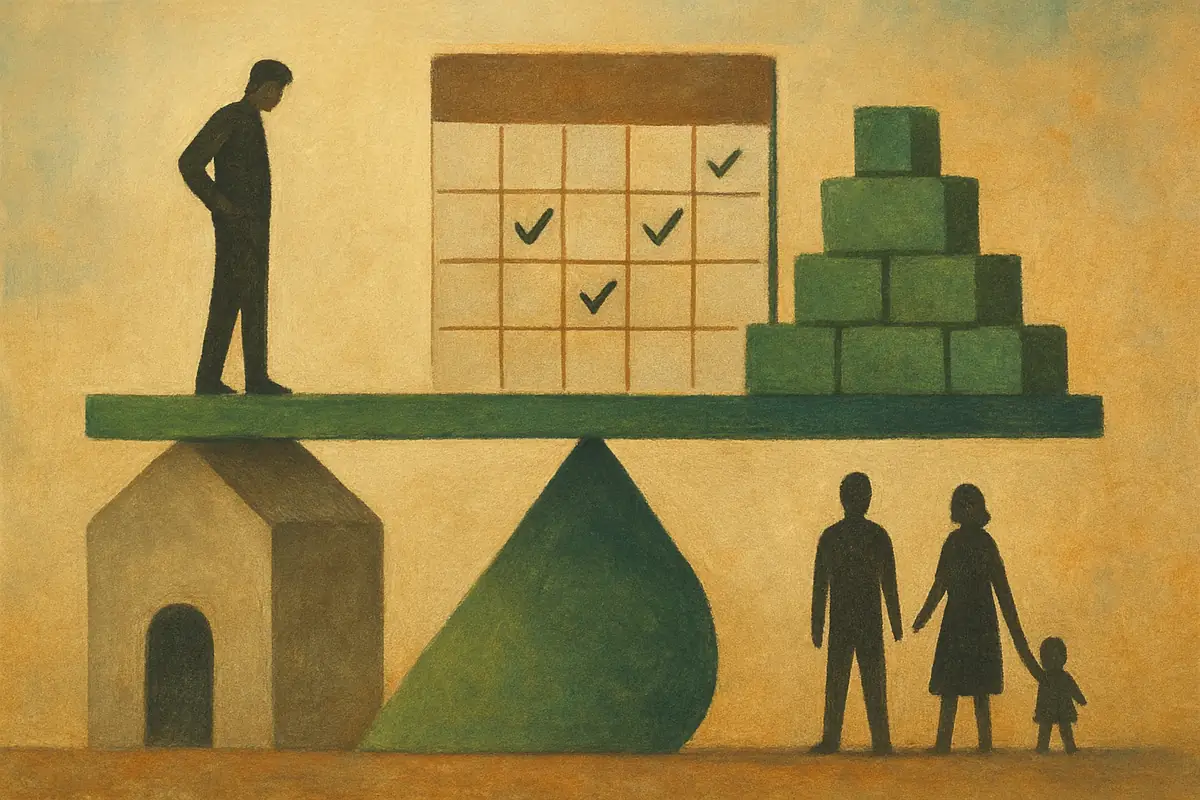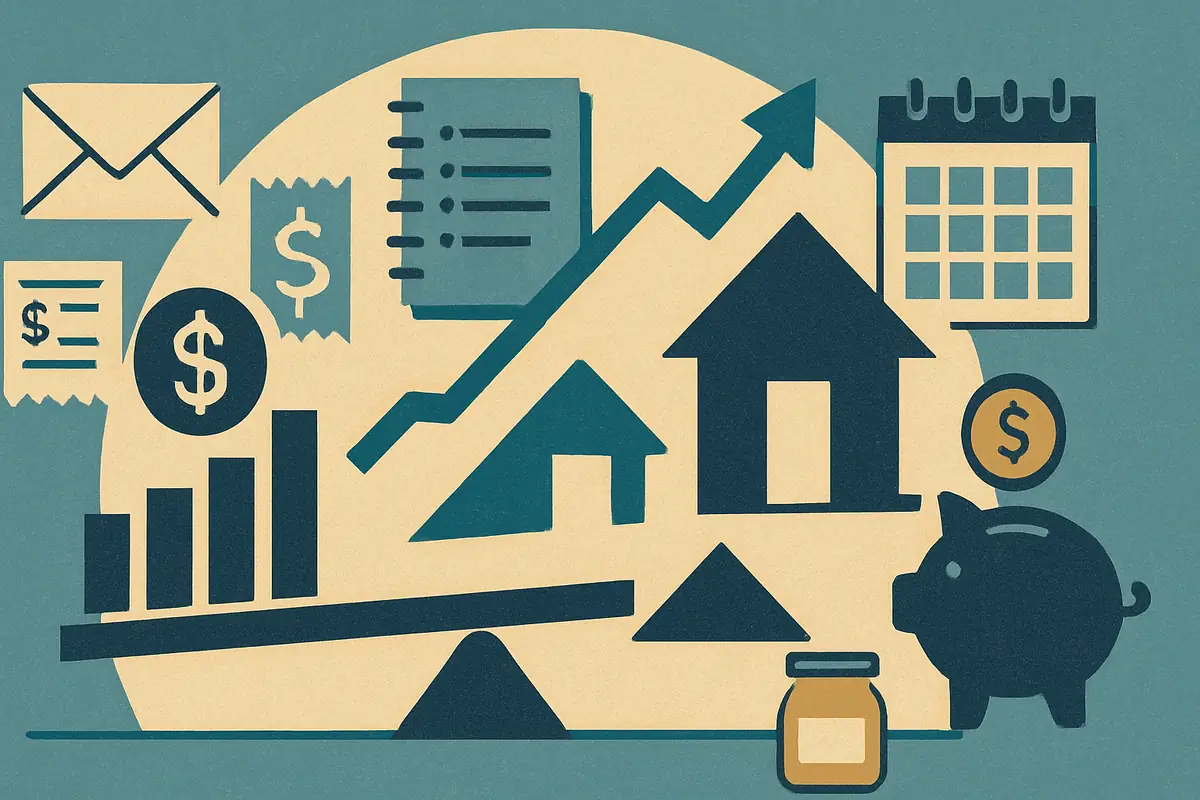
When the monthly bills start piling up but the dream of owning a home or securing retirement savings still lingers, how can households keep financial balance? Managing day-to-day cash flow while advancing toward long-term goals often feels like walking a tightrope. This article unpacks that tension through realistic scenarios, common mistakes, and practical corrections to help families navigate the push and pull between immediate needs and future security.
Why is balancing short-term cash flow with long-term goals so challenging?
Imagine a family of four living paycheck to paycheck, where rent, groceries, utilities, and transportation consume most monthly income. The pressure to cover these essential expenses creates stress every month before any money can be set aside. At the same time, postponing saving for emergencies or retirement increases vulnerability to unexpected events or future financial insecurity. Balancing these competing demands requires constant attention to timing, amounts, and priorities — an imperfect juggling act that many households face.
On average, typical household budgets allocate roughly 50% of income to necessities like housing and food, 20-30% to discretionary spending, and aim for about 10-15% toward savings or debt repayment. Yet fluctuating bills or income changes often disrupt this ideal split. For example, an unexpected car repair costing $500 might wipe out a month’s planned savings contribution. Inflation adds another layer of complexity—rising costs mean more dollars are needed just to maintain the same lifestyle.
What common mistakes derail household cash flow management?
One frequent misstep is ignoring timing differences between income and expenses. Many monthly bills have fixed due dates, while paychecks might arrive biweekly or on varying schedules. Without careful tracking, it’s easy for accounts to become overdrawn or for payments to be delayed unintentionally, triggering fees that further strain budgets. Overreliance on credit cards for routine expenses without a clear repayment plan is another pitfall; credit card annual percentage rates (APRs) commonly range from 18% to 30%, making carrying balances costly over time.
Another mistake is treating emergency savings as an optional goal rather than a nonnegotiable priority. Households without at least three to six months’ worth of essential expenses set aside risk needing high-interest loans when urgent costs arise. Lastly, some families underestimate discretionary spending leaks—small regular purchases that add up to hundreds monthly—limiting their ability to build reserves or reduce debt.
How can a better system improve financial balance?
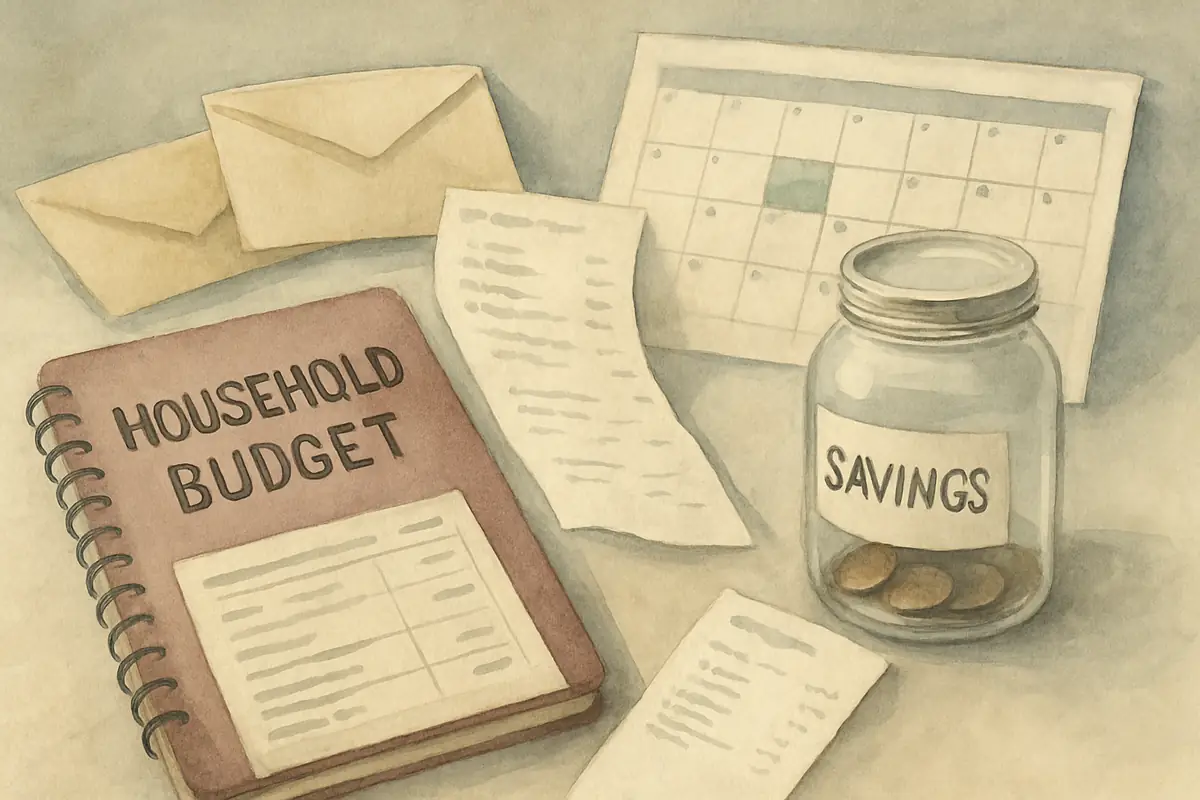
A structured budgeting system tailored around cash flow helps families anticipate and smooth out fluctuations. One approach is creating a calendar-based budget: listing all known upcoming bills with due dates alongside expected income days. This visibility enables pre-funding accounts and avoiding overdrafts or late fees. For instance, if rent of $1,200 is due on the first of each month but paychecks arrive on the 5th and 20th, saving half the rent from each paycheck in advance keeps the payment ready.
Tracking variable expenses monthly reveals where adjustments are possible. Using budgeting software or even simple spreadsheets can highlight patterns such as utility spikes in winter months or recurring subscriptions no longer needed. Building flexibility into budgets by including a miscellaneous buffer—often 5-10% of income—helps absorb minor surprises without disrupting savings goals.
What trade-offs must households accept in balancing priorities?
"Trade-offs" might sound harsh but they capture everyday decisions families face: choosing between paying down debt faster versus increasing emergency savings; allocating funds for a birthday celebration versus topping off an investment account; cutting back on dining out now versus preserving mental wellbeing. For example, putting an extra $200 per month toward credit card debt at an APR of 24% can save substantial interest over years but leaves less immediate cash for other needs.
"Safety versus flexibility" is another balancing act: holding large emergency savings offers security but those funds don’t grow much since typical savings accounts yield under 1%. Meanwhile investing in stocks might generate higher returns long term but exposes money to market risk and reduces liquidity if funds are needed suddenly.
Scenario: The Johnsons’ juggling act of bills and goals
"Stretching Every Dollar: The Johnson Family's Budget Journey"
"The Johnson family earns $4,500 monthly after taxes. Their fixed expenses include $1,300 rent, $400 utilities, $600 food, $300 transport, and $200 phone/internet bills—all totaling $2,800. They allocate $400 monthly debt payments on credit cards with an average APR of 22%. Their variable discretionary spending averages $600. They’ve saved only $1,000 in emergency funds (less than one month's essentials). Their goal is building a six-month emergency fund (~$16,800), reducing credit card debt within two years, and saving steadily for college tuition ($250/month). After reviewing timing issues—paychecks on the 1st and 15th—they create staggered bill payments from each paycheck to avoid overdrafts. They identify $150 monthly discretionary spending they can cut (mostly takeout meals). Redirecting this money plus an extra $100 from reduced utility use toward emergency savings boosts it by $250 monthly. They accept slower debt payoff progress (extending from 18 to about 24 months) as a trade-off for improving liquidity. Working through this system over eight months increases their emergency fund from $1,000 to approximately $3,000 while maintaining timely bill payments."
"This scenario reflects common real-world juggling where perfect budgeting meets imperfect incomes and expenses. It also highlights incremental progress: adding $250 monthly means reaching their six-month safety net in roughly four years if consistent — shorter if windfalls or raises occur."
"How do inflation and rising costs impact this balance?"
"Inflation affects household budgets by increasing prices on essentials such as groceries and energy. A typical inflation rate may range from 2% up to occasionally over 8%, squeezing fixed incomes especially hard. For example: If grocery expenses are currently $600/month and inflation rises by just 5%, that’s an additional $30 per month needed next year just to cover the same items. Households must adjust budgets annually or quarterly based on price changes; otherwise they risk falling behind on both current payments and long-term saving targets."
"Adjustments might include seeking lower-cost alternatives (switching brands), reducing discretionary spend temporarily (fewer restaurant visits), or increasing income sources if possible (part-time work). The key is monitoring inflation's impact regularly instead of assuming static costs."
Incorporating Flexibility in Budgeting to Handle Life's Uncertainties
An often overlooked aspect of effective household budgeting is the incorporation of flexibility to adapt to unexpected changes. Life is inherently unpredictable, with sudden expenses such as medical emergencies, job transitions, or urgent home repairs frequently disrupting even the most well-planned budgets. To mitigate the stress such events can cause, households should design budgets that include contingency funds or adjustable category limits. For instance, allocating a certain percentage of monthly income into a flexible emergency fund ensures that short-term cash flow disruptions do not derail long-term financial goals. This approach fosters resilience by providing a financial buffer that preserves stability without compromising saving and investment plans.
In practice, flexibility can mean revisiting and adjusting budget categories every few months to reflect changing priorities and circumstances. For example, if an unexpected car repair exceeds the allocated transportation budget, other non-essential expenses like dining out or entertainment can be temporarily reduced. Such dynamic adjustments require ongoing monitoring and honest communication among household members to maintain transparency. By embedding this adaptability into the budgeting process, families can avoid resorting to high-interest credit options or dipping into long-term savings prematurely, thereby maintaining both their immediate financial health and future objectives.
Moreover, recognizing seasonal variations in expenses can enhance budgeting flexibility. Utilities may spike during winter months, or holidays might increase discretionary spending temporarily. Planning ahead for these fluctuations through dedicated sinking funds—small savings accounts set aside for specific future costs—allows households to smooth out cash flow over time. This strategic foresight balances the need for short-term liquidity with the discipline required for sustained wealth accumulation.
Leveraging Technology to Streamline Cash Flow Management
Modern technology offers powerful tools that help households manage cash flow more efficiently while keeping long-term goals front and center. Budgeting apps and financial management platforms provide real-time insights into spending patterns, alert users about upcoming bills, and even suggest adjustments based on historical behavior. By harnessing these tools, families gain enhanced visibility into their day-to-day finances, enabling proactive decision-making rather than reactive scrambling.
For example, applications that categorize expenses automatically reduce manual tracking errors and make it easier to spot areas of overspending early on. Notifications about low balances or unusual transactions act as safeguards against overdrafts or fraudulent activity. Some platforms also offer goal-setting features where users can set monthly saving targets aligned with long-term aspirations such as buying a home or funding education. This constant feedback loop keeps financial priorities salient amidst competing demands.
Importantly, technology can facilitate collaboration among multiple household members by sharing access to budgets or expense reports. Transparent digital records minimize miscommunication and foster collective accountability toward financial goals. However, it remains essential to supplement digital tools with regular family discussions about financial values and progress to ensure alignment beyond mere numbers.
Balancing Debt Repayment with Savings: A Strategic Approach
Debt management plays a critical role in balancing short-term cash flow with long-term wealth building within household budgets. While prioritizing debt repayment reduces liabilities and interest burdens—improving future cash flows—it must be weighed against the equally important goal of maintaining adequate savings for emergencies and investments. Allocating all surplus income toward debt without any reserve can leave families vulnerable to new financial shocks.
A strategic approach involves assessing interest rates on debts alongside potential returns on investments or the risk cost of having no emergency fund. High-interest debts like credit cards generally warrant aggressive payoff strategies due to their compounding costs. Conversely, lower-interest loans such as mortgages may allow for simultaneous contributions toward retirement accounts or college funds while making consistent payments.
Practical methods include adopting the 'debt avalanche' technique—paying off highest-interest debts first while maintaining minimum payments on others—or combining this with periodic lump-sum payments when extra cash becomes available. Simultaneously setting aside a modest emergency cushion prevents disruption of debt repayment plans by unexpected expenses, preserving overall financial momentum.
The Psychological Impact of Financial Goal Setting on Household Discipline
Beyond numerical calculations, psychological factors deeply influence how households balance short-term spending with long-term goals. Setting clear, meaningful financial objectives enhances motivation and discipline in daily money decisions by providing tangible reasons behind sacrifices made today for benefits tomorrow. Behavioral economics research indicates that people are more likely to adhere to budgets when goals are emotionally resonant rather than abstract.
'Mental accounting'—the tendency to treat money differently depending on its source or intended use—can be leveraged positively through goal-specific savings accounts or visual reminders like charts tracking progress toward milestones. Celebrating small achievements along the way reinforces positive habits and reduces feelings of deprivation that often lead to impulsive spending.
"Implementation intentions," which involve planning specific actions in response to anticipated challenges (e.g., 'If I feel tempted to overspend at the mall, I will call my spouse instead'), have been shown to improve self-control in budgeting contexts. Encouraging open conversations about financial aspirations within households also creates social support networks that bolster commitment and reduce stress associated with monetary trade-offs.
Incorporating Emergency Funds Without Sacrificing Growth
One of the most challenging aspects of balancing short-term cash flow with long-term financial goals is determining how much to allocate toward an emergency fund versus investments or debt repayment. An emergency fund acts as a financial cushion, protecting households from unexpected expenses like medical emergencies, car repairs, or sudden job loss. While it is tempting to direct all surplus funds toward wealth-building avenues, neglecting this safety net can jeopardize financial stability. A practical approach involves setting a target emergency fund amount, typically covering three to six months of essential living expenses, and contributing to it consistently until the goal is reached. During this phase, households may need to temporarily reduce investment contributions or discretionary spending. Once established, the emergency fund provides confidence to pursue more aggressive savings or investment strategies without fearing immediate cash flow disruptions.
Additionally, keeping emergency funds in highly liquid accounts such as savings accounts or money market funds ensures easy access when needed but often yields lower returns. This trade-off between liquidity and growth potential highlights the importance of maintaining a balanced household budget that prioritizes immediate accessibility alongside long-term accumulation. It is also crucial for families to periodically reassess their emergency fund levels as incomes rise or expenses change to maintain adequate coverage. By thoughtfully integrating an emergency fund into the budget without sacrificing all other financial goals, households can achieve resilience and progress simultaneously.
Leveraging Budget Flexibility During Income Fluctuations
For many households, income variability presents significant hurdles in balancing short-term needs with long-term ambitions. Freelancers, commission-based earners, and seasonal workers often experience unpredictable cash flow that can derail carefully laid budgets if they are not designed with flexibility in mind. Building a buffer within the budget itself—setting aside a small percentage of monthly income during high-earning months—can provide breathing room during leaner periods without resorting to debt or sacrificing essential spending. This strategy requires disciplined tracking and proactive adjustments but ultimately supports smoother financial management over time.
Moreover, categorizing expenses into fixed, variable essential, and discretionary items allows households to identify areas where spending can be scaled back quickly if income dips unexpectedly. For instance, discretionary spending such as dining out or entertainment can be temporarily reduced to preserve core financial commitments like mortgage payments and retirement contributions. Using budgeting tools that allow scenario planning can help families visualize the impact of fluctuating income on both short-term liquidity and long-term goals and prepare contingency plans accordingly. Embracing budgeting flexibility turns income uncertainty from a crisis trigger into a manageable aspect of financial planning.
Optimizing Debt Management Within Cash Flow Constraints
Debt repayment strategies play a pivotal role in balancing immediate cash demands with future financial freedom. High-interest debts such as credit card balances can quickly erode available cash flow through interest charges but often compete for attention alongside savings and investment priorities. Employing methods like the debt avalanche—paying off debts with the highest interest rates first—or the debt snowball—targeting smaller balances first for psychological wins—can accelerate debt elimination while preserving some liquidity for emergencies and goal-oriented savings.
However, rigidly committing every extra dollar to debt repayment without regard for short-term cash flow needs may lead to missed payments or increased reliance on costly borrowing elsewhere. A nuanced approach involves maintaining minimum payments on all debts while allocating additional funds towards the most burdensome ones and simultaneously contributing modest amounts toward long-term goals. Refinancing options for mortgages or student loans at lower interest rates should also be considered as they can reduce monthly outflows and free up resources for simultaneous progress in multiple financial areas. Ultimately, effective debt management requires balancing urgency against sustainability within household budgets.
Aligning Household Spending Habits With Financial Priorities
Habits shape how families allocate resources every day and directly impact their ability to meet both immediate obligations and future aspirations. Cultivating mindful spending habits starts with awareness—tracking actual expenditures against planned budgets reveals patterns that may otherwise go unnoticed. For example, recurring small purchases such as daily coffee runs or subscription services can cumulatively divert significant amounts away from savings goals over time.
Households might implement strategies like adopting a zero-based budgeting system where every dollar is assigned a purpose before the month begins, reducing wasteful spending by design. Encouraging open family discussions about money values and priorities fosters collective commitment and helps prevent conflicting expenditures that strain budgets. Additionally, automating savings transfers immediately upon receiving income enforces discipline by treating long-term goals as non-negotiable expenses rather than optional extras. Over time, these habit changes create an environment within which both short-term cash flow stability and long-range financial success become achievable realities.
Utilizing Technology Tools for Real-Time Budget Adjustments
Advancements in financial technology have dramatically expanded opportunities for households to manage budgets dynamically and responsively. Budgeting apps enable real-time monitoring of income and expenses across multiple accounts, alerting users when spending categories approach limits or when bills are due soon. This immediacy helps prevent overspending that would disrupt short-term cash flow while keeping long-term savings targets visible.
"Smart" budgeting platforms often incorporate artificial intelligence features that analyze historical data to suggest personalized adjustments based on changing circumstances such as fluctuating utility bills or irregular income patterns. Many tools also facilitate goal-setting modules where users can track progress toward specific objectives like home down payments or retirement funds alongside daily spending habits. By harnessing these technologies effectively, households gain greater confidence in making informed decisions rapidly—balancing competing financial demands without losing sight of overarching goals.