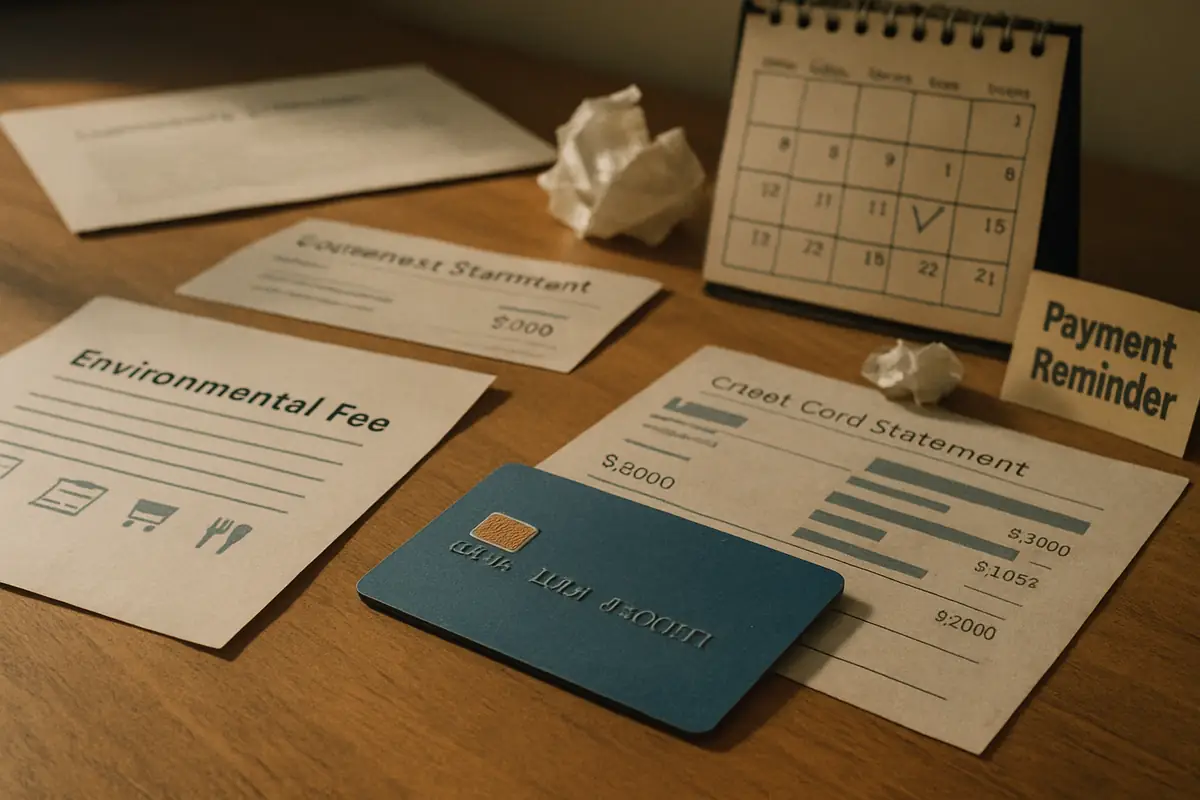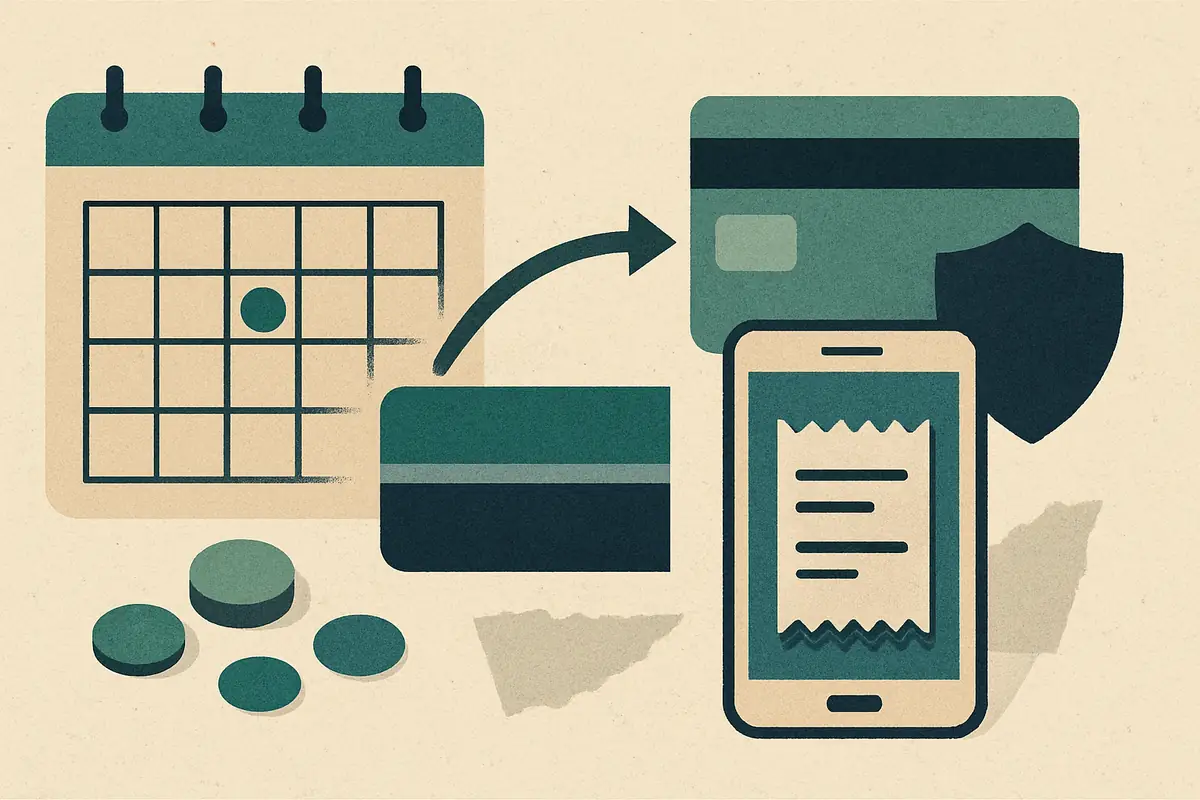
Imagine having a $1,200 credit card balance after a busy shopping month. You pay off the statement minimum on time but wonder if you still owe any interest. How does the credit card’s grace period affect whether interest hits your next bill? Many cardholders encounter this puzzle without realizing that payment timing, statement cycles, and grace periods work together to influence interest charges and overall costs. This article breaks down these factors with clear comparisons and practical examples.
What Exactly Is a Credit Card Grace Period?
A grace period is the window of time between the end of your credit card’s billing cycle (statement closing date) and the payment due date. During this period, typically 21 to 25 days long for most U.S. cards, you can pay your full new balance without incurring any interest charges on new purchases made during that cycle. It essentially gives you an interest-free loan if you settle the amount in full before the payment due date.
However, not all transactions qualify equally for a grace period. Cash advances and balance transfers usually start accruing interest immediately. Purchases benefit from the grace period only if you had no previous balance carried over from last month. That’s why understanding when your billing cycle closes and how your payments align with it is crucial.
How Do Grace Periods Affect Interest Charges?
If you pay your entire statement balance by the due date every month, you will likely avoid paying any interest on purchases thanks to your grace period. But if you carry even $50 from one month to the next, many cards immediately withdraw this grace period benefit, charging interest daily on new purchases starting the moment they post.
For example, suppose your billing cycle ends on June 30 with a $1,000 purchase total. Your payment due date is July 21—giving you a 21-day grace period. If you pay all $1,000 by July 21, no interest accrues on those purchases. If instead you pay only $700 by July 21 and carry a $300 balance into August, your grace period vanishes for new purchases made after July 1, causing daily interest to start accumulating immediately on those new charges.
Comparing Credit Card Statements: When Does Your Cycle Start and End?
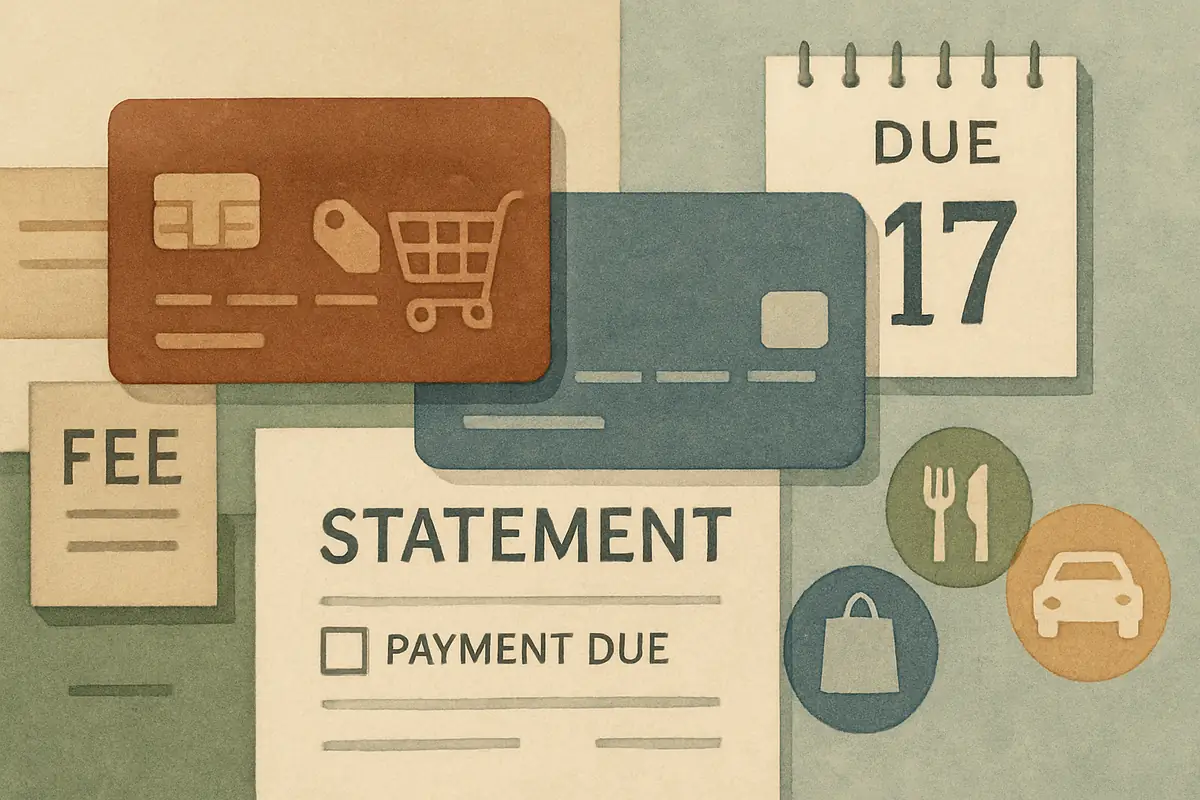
Credit card billing cycles commonly last about 28 to 31 days but do not align neatly with calendar months. For example, a billing cycle might run from May 15 to June 14, producing a statement dated June 14 with a payment due date around July 5 or July 6. This means transactions made on June 15 fall into the next billing period.
Understanding this timing helps you plan payments strategically. Paying after the statement closes but before the due date preserves your grace period benefits for that cycle’s purchases. Making payments early—before the statement close—can reduce reported balances and impact credit utilization ratios favorably on your credit report.
Common Fees and Costs Hidden in Grace Period Misunderstanding
Failing to fully understand or utilize the grace period can lead to unexpected interest charges that add up quickly. Credit card annual percentage rates (APRs) typically range between about 18% to over 25%, depending on creditworthiness and card type. Carrying even small balances means daily interest accrues roughly based on dividing APR by 365 days.
For instance, if your APR is 20% annually and you keep a $500 balance unpaid past due date without a grace period active, daily interest equals about (0.20 /365) × $500 ≈ $0.27 per day. Over a month of carrying balance unpaid while adding new purchases without paying in full could easily tack on $8 or more in interest charges each month.
Where readers should be careful
['"Grace period lost" means that once you carry any unpaid balance past due date or add certain types of transactions like cash advances, your credit card may charge immediate daily interest until you pay off all balances completely.', '"Minimum payments" do not prevent losing the grace period—they only help avoid late fees but rarely stop interest build-up.', '"Late payments" can trigger penalty APRs often exceeding typical rates by several points (up to above 30%), compounding costs further.']
"How Does Paying Different Amounts Affect Interest — A Step-by-Step Example"
"Consider a cardholder who spent $3,000 in a billing cycle ending March 31 with a payment due April 20 (20-day grace period). The card’s APR is approximately 22%. Suppose they make only partial payments before April 20."
"Scenario A: Full Payment" They pay $3,000 by April 20. Result: No interest charged; full use of grace period. Scenario B: Partial Payment" They pay only $1,500 by April 20. Result: Interest accrues daily starting April 1 on remaining $1,500 plus any new purchases after April billing cycle close. Step Calculation: Daily periodic rate = APR/365 = 0.22 /365 ≈ .0006027 Interest first day = .0006027 × $1,500 ≈ $0.90 Over one month (30 days), ignoring compounding: $0.90 ×30 = $27 in interest alone. Actual accrued amount would be slightly higher due to compounding."
"Behavioral Patterns That Impact Grace Period Benefits"
"Many consumers unknowingly lose their grace periods due to habits like paying only minimum amounts or making late payments occasionally—even if they regularly pay most bills off."
Where Using Grace Periods Helps You Save Money
- Paying full monthly balances keeps you free from purchase-related interest charges.
- Grace periods give short-term liquidity for cash flow management between spending and income dates.
- Maintaining zero or low revolving balances supports healthy credit utilization ratios under recommended thresholds (below about 30%).
Where Caution Is Needed With Grace Periods
- Carrying even small unpaid balances removes grace benefits leading to immediate daily-interest costs.
- Mixing transaction types like cash advances bypasses grace periods entirely.
- Relying solely on minimum payments increases total cost significantly over time.
How Grace Periods Interact With Rewards and Credit Scores
Grace periods impact more than just costs — they interact directly with how timely payments reflect in your credit profile and how rewards accumulate or expire.
On-time full payments within the grace window contribute positively toward payment history — the most significant factor affecting FICO scores (about 35% weight). Repeatedly clearing balances reduces reported utilization levels seen by creditors because statements show low ending balances each month.
However, carrying balances—even small ones—to accumulate rewards points can backfire financially if those earned rewards are overshadowed by finance charges stemming from lost grace periods.
Payment Timing
Paying full statement balance before due date preserves no-interest benefits from grace periods.
Rewards Strategy
Maximize points without carrying balances that trigger immediate interest expenses.
Credit Utilization
Lower end-of-cycle balances reported improve scores; consider early payments before statement close.
How Grace Periods Interact with Different Types of Credit Card Transactions
It's important to understand that grace periods generally apply only to purchases, and not all credit card transactions benefit from this feature equally. For example, cash advances typically do not have a grace period, meaning interest starts accruing immediately from the date of the transaction. Similarly, balance transfers often begin accruing interest right away unless your card issuer offers a specific promotional grace period for these transactions. This distinction means that even if you pay your purchase balances in full each month, carrying a cash advance or balance transfer balance can result in interest charges that accumulate without delay. Understanding these nuances ensures that you can manage your credit card use strategically, avoiding unnecessary interest costs by knowing which transactions qualify for grace periods and which do not.
Moreover, some credit cards may treat rewards redemptions or certain fees differently with respect to grace periods. For instance, if you redeem points for statement credits or make payments that include fees, these might not reset or establish a new grace period. It's crucial to review the terms and conditions of your specific credit card agreement because policies can vary widely between issuers and card types. Knowing how different transaction types impact the grace period can help you plan payments more effectively and minimize finance charges.
Strategies to Maximize Benefit from Credit Card Grace Periods
To fully leverage grace periods and avoid unnecessary interest, timing your payments becomes essential. One effective strategy is to pay off your entire statement balance before the due date each month. Doing so preserves the grace period on new purchases and prevents any interest from accumulating. Additionally, consider making multiple payments throughout the billing cycle rather than waiting until the due date. By reducing your balance earlier in the cycle, you minimize average daily balances upon which interest is calculated if you cannot pay in full every month.
Another tactic involves tracking your statement closing dates carefully. Since the grace period usually begins after the statement closing date rather than after each purchase date, understanding when your billing cycle ends allows you to plan purchases accordingly. For instance, if you know your statement closes on the 25th of each month, delaying large purchases until after this date could extend your payment window without losing the grace period on those amounts. Such strategic timing requires attention but can lead to significant savings in interest charges over time.
Furthermore, avoid carrying balances across billing cycles whenever possible—this is when grace periods are lost and interest starts applying immediately on new purchases. If unexpected expenses arise and full payment isn't feasible, prioritize paying down as much as possible before the due date to reduce principal for interest calculations. Combining this approach with disciplined spending habits ensures you maintain optimal use of grace periods and keep financing costs manageable.
The Impact of Grace Periods on Credit Scores and Financial Health
While grace periods primarily affect how much interest you pay on credit card balances, they also indirectly influence your credit score and overall financial well-being. Consistently paying your statement balance in full within the grace period demonstrates responsible credit management behavior valued by credit scoring models like FICO and VantageScore. This timely repayment lowers credit utilization ratios—one of the most significant factors impacting scores—and reduces risk indicators associated with revolving debt.
Conversely, failing to maintain payments within the grace period can lead to growing balances that increase utilization rates, possibly triggering score declines due to elevated perceived risk. Furthermore, routine interest payments add up over time, diminishing funds available for saving or investing elsewhere in your financial portfolio. Therefore, gracefully using credit card features aligns with both short-term savings goals and long-term financial health objectives by minimizing cost while maximizing positive credit impact.
Common Misconceptions About Credit Card Grace Periods
Many consumers mistakenly believe that having a grace period means they can carry a balance indefinitely without paying interest as long as minimum payments are made on time. This is incorrect; grace periods only apply when previous balances are paid in full by the due date. Carrying any leftover balance generally results in losing the grace period for new purchases until the entire balance is cleared again. Another common myth is that all cards offer a standard 21- to 25-day grace period—however, lengths vary significantly depending on issuer policies and even individual card agreements.
Additionally, some people assume that making multiple partial payments throughout a billing cycle resets or extends their grace period; this rarely happens since grace periods are tied to statement closing dates and full payment of total balances owed rather than payment frequency or amounts alone. Clarifying these misconceptions helps consumers avoid costly mistakes related to unexpected finance charges and enables smarter use of credit resources.
What Happens When You Miss Your Grace Period?
Missing a payment deadline despite having a grace period can have immediate financial consequences beyond just incurring interest charges on outstanding balances. Once one payment is late or incomplete, many issuers revoke your grace period privileges temporarily or permanently according to their terms. This means all subsequent purchases may begin accruing interest immediately from transaction dates until you restore good standing by paying off balances fully.
Beyond added finance charges, late payments can trigger penalty APRs—significantly higher interest rates applied retroactively—that increase borrowing costs substantially until rectified through consistent timely payments over several months. Moreover, late or missed payments may be reported to credit bureaus affecting your credit score negatively which impacts future loan approvals or favorable rate eligibility.
How Technology Can Help You Manage Grace Periods Effectively
Modern banking apps and budgeting tools offer features designed to help users avoid missing deadlines associated with their credit card grace periods. Many apps allow you to set automatic payment reminders days before due dates or even schedule automatic full-balance payments when funds are available—ensuring you capitalize on your card’s no-interest benefits every billing cycle without manual tracking stress.
Furthermore, some digital platforms provide detailed breakdowns of billing cycles and predict upcoming statement closing dates based on transaction patterns—giving users enhanced visibility into when new purchases will lose their grace period if unpaid promptly. Utilizing these technologies encourages disciplined financial habits while mitigating human error risks such as forgetting payment timings or misunderstanding issuer terms related to grace periods.
References
- https://www.consumerfinance.gov/consumer-tools/credit-cards/
- https://www.fdic.gov/consumer-resource-center/credit-cards
- https://www.consumerfinance.gov/consumer-tools/credit-reports-and-scores/
- https://www.consumerfinance.gov/ask-cfpb/what-is-a-credit-score-en-315/
- https://consumer.ftc.gov/articles/what-know-about-identity-theft
- https://www.consumerfinance.gov/ask-cfpb/what-is-apr-en-45/