Imagine opening a new credit card that promises 0% interest for 15 months on purchases and balance transfers. It sounds like a great deal—who wouldn’t want to save hundreds in interest? But before you jump in, it’s important to understand how these offers really work and what they mean for your wallet and credit health in the long run.
The Basics of Introductory APR Offers
APR stands for Annual Percentage Rate—it’s the yearly cost you pay to borrow money on your credit card, expressed as a percentage. Typical credit card APRs commonly range from about 18% to 30%, depending on your creditworthiness. An introductory APR is a temporary promotional rate credit card issuers offer to attract new customers. This rate can be as low as 0% and usually lasts between 6 and 21 months.
For example, a card might offer a 0% introductory APR for 12 months on purchases and balance transfers, after which the rate jumps to a standard variable APR of around 20%. The variable APR means the rate can change periodically based on an index plus a margin set by the issuer.
How Do Low Introductory APRs Work in Practice?
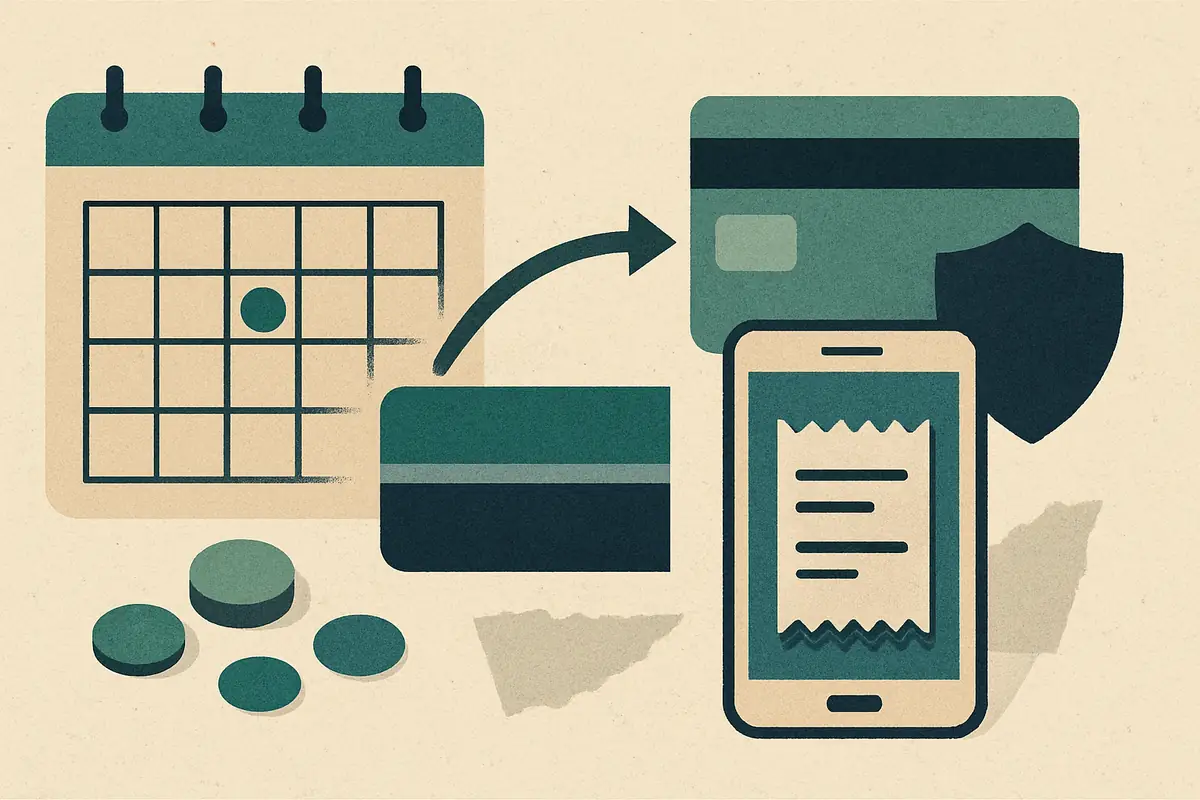
When you make purchases or transfer an existing balance during the introductory period, you won’t be charged interest—or you’ll pay very little—on those amounts until the promotional period ends. However, if you carry a balance after the intro period, your remaining debt could start accruing interest at the much higher regular APR.
Consider Sarah, who opens a new card offering 0% APR for 15 months. She transfers $3,000 from an older card with a 24% APR. During the intro period, she pays off $2,000 but still owes $1,000 when the promo ends. If her regular APR is 22%, that remaining $1,000 will start accumulating interest at roughly $18.33 per month (22% ÷ 12 × $1,000), adding up quickly if unpaid.
Hidden Costs Beyond the Introductory Rate
Low introductory rates can mask other fees and terms that affect the overall cost. Balance transfer fees are common—usually between 3% and 5% of the amount transferred. For Sarah’s $3,000 transfer at a 3% fee, that adds $90 upfront.
Annual fees may also apply; while many cards waive these fees for the first year, some do not. Additionally, if you miss payments or pay late during or after the intro period, penalty APRs can kick in—often as high as 29.99%, which can erase any savings.
"Behavior Traps" That Can Offset Introductory Savings
Low introductory APR offers can encourage spending more than usual or delaying payments because there appears to be no immediate cost. This behavior can lead to larger balances that become costly once the intro expires.
"Minimum payments" during the intro period usually only cover tiny portions of your balance since interest is low or zero—but they don’t reduce principal quickly. If Sarah pays only minimum amounts on her $3,000 balance transfer during the promo (say $60/month), it will take well over two years to fully repay—even though she thinks she's saving money.
Advantages of Low Introductory APR Offers
- Can reduce or eliminate interest costs for several months.
- Useful for paying down existing high-interest balances faster.
- Helps manage cash flow during tight financial periods.
- "Interest-free" purchasing power if paid off before intro ends.
Cautions When Using These Offers
- "Teaser" rates expire after a set term and revert to higher regular rates.
- "Balance transfer fees" add upfront costs that may reduce savings.
- "Penalty APRs" triggered by late payments can greatly increase costs.
- "Behavior traps" risk overspending or underpaying minimums.
"Worked Example: Calculating Costs With and Without Introductory APR"
"Jessica has a $5,000 credit card balance charging her 22% regular APR with no introductory offer. Let’s compare two scenarios over one year."
- "Without an introductory offer: Jessica makes fixed monthly payments of $460 (just enough to clear debt in one year). Her total interest paid sums around $530 over those 12 months."
- "With a new card offering 0% intro APR for 12 months but with a 3% balance transfer fee: Jessica transfers her full $5,000 balance and pays a one-time fee of $150 (3% × $5,000). She then makes monthly payments of approximately $417 ($5,000 ÷ 12) to clear debt before intro ends. Total cost is just the $150 fee—saving nearly $380 compared to paying high interest."
"However, if Jessica only pays minimum amounts (about $100/mo) during the intro period instead of clearing her balance fully in time, when the promotion ends she’ll owe most of the principal plus accrued interest at her regular rate—quickly eroding her savings."
"Credit Score Impact: More Than Just Saving Interest"
"Your credit score (typically ranging from about 300–850) reflects how responsibly you handle credit. Low utilization (the ratio of your current balances to your credit limits) helps maintain good scores; experts suggest keeping utilization below about 30%."
"Opening new cards with low introductory rates can temporarily increase your available credit limit—which may lower utilization—and potentially improve your score if managed well. But carrying large balances right up to or beyond your credit limits hurts scores."
Where readers should be careful
Be cautious not to view low introductory APR offers as "free money." They are tools requiring disciplined use: timely payments are critical since penalty rates can erase expected savings quickly. Also consider all fees involved—balance transfers aren’t free—and plan repayment strategies well before promos expire.
Key Checks Before Using Low Introductory APR Offers
- Calculate total effective cost including any balance transfer fees.
- Set clear payoff timelines aligned with promotional period expiration.
- Avoid using these offers as reasons to increase spending beyond budget.
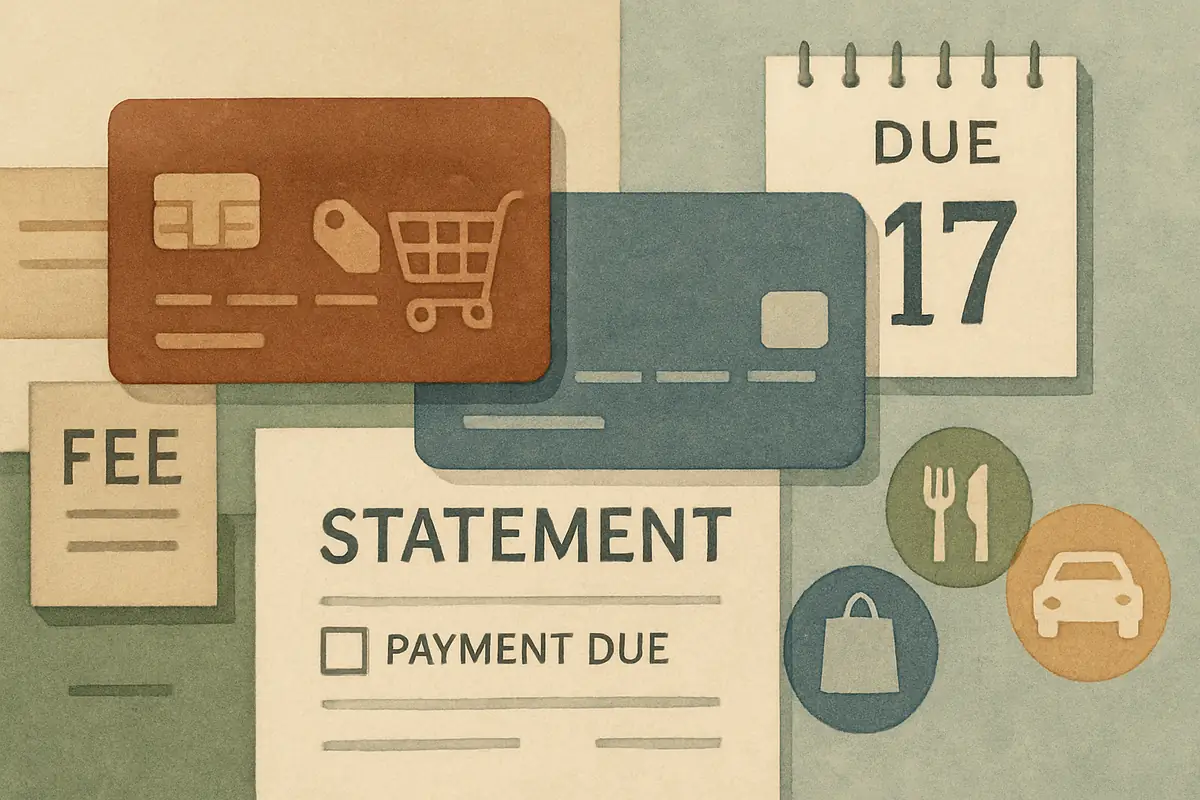
- Track statement cycles closely so you understand when new purchases begin accruing regular interest.
- Make at least minimum payments on time every month to prevent penalty rates.
- Consider how opening new accounts affects your overall credit utilization and score.
- Compare rewards earning potential relative to your spending habits.
Understanding the Fine Print: Beyond the Introductory APR
When considering a credit card with a low introductory APR, it's crucial to look beyond the headline rate and carefully examine the terms and conditions. Often, these offers come with specific limitations that can affect your overall financial strategy. For instance, some cards may only apply the introductory APR to purchases, excluding balance transfers or cash advances. Others might have a short introductory period that ends abruptly, leading to higher interest rates if balances remain unpaid. Additionally, fees such as annual fees or balance transfer fees can offset the benefits of a low APR. By scrutinizing these details, you avoid surprises that could undermine your efforts to minimize interest costs.
Beyond the initial rate, consider how the regular APR compares after the promotional period ends. A card with a slightly higher ongoing APR but no fees might be more advantageous than one with a steep jump in rates post-introductory period. Moreover, some issuers impose penalty APRs if you miss payments or exceed your credit limit, which can be significantly higher than both introductory and regular rates. Thus, maintaining discipline in payments is vital to preserving any initial savings offered by low introductory APRs.
Another aspect worth noting is how payments are applied during and after the introductory period. Some credit cards allocate payments first toward lower-interest balances instead of high-interest balances like cash advances or promotional balances. This allocation method can prolong the time it takes to pay off costlier debt segments, ultimately increasing your total interest paid despite an initially attractive APR.
When Low Introductory APR Offers Can Backfire
While low introductory APR offers seem beneficial at first glance, they can sometimes encourage risky financial behavior. Cardholders might be tempted to carry larger balances longer than usual or delay paying down existing debt in favor of taking advantage of seemingly interest-free periods. This approach can lead to accumulating significant debt that becomes difficult to manage once the promotional rate expires and higher interest kicks in.
Additionally, some consumers may apply for multiple introductory APR cards simultaneously to juggle debts or finance expenses without fully understanding the potential impacts on credit scores due to frequent hard inquiries and increased overall credit utilization. This strategy can backfire by lowering credit scores and reducing eligibility for better terms or loans in the future.
There's also a psychological factor at play: the false security provided by a low introductory rate might decrease urgency in budgeting and spending control. Without a clear repayment plan that accounts for eventual rate increases, cardholders risk facing large unexpected interest bills later on.
Strategies for Maximizing Benefits from Introductory APR Offers
To make the most of low introductory APR offers without falling into common pitfalls, it’s essential to approach these cards strategically. First, plan your repayment timeline carefully so you can pay off as much balance as possible before the promotional period ends. Creating a budget that prioritizes debt reduction during this window helps minimize accumulation of high-interest charges later.
Second, avoid adding new purchases or cash advances on these cards unless absolutely necessary since such transactions often do not benefit from the introductory rate. Instead, use these offers primarily for consolidating existing high-interest debt through balance transfers if allowed.
Third, monitor account statements regularly to stay aware of when the promotional term concludes and what new interest rates will apply. Setting reminders well in advance allows you to adjust your payment strategy accordingly.
Comparing Introductory APR Offers with Other Credit Card Features
While introductory APRs are attractive features, they should not be considered in isolation when choosing a credit card. Many cards also offer rewards programs such as cashback or travel points, which might provide greater long-term value depending on your spending habits. Sometimes cards with slightly higher regular APRs but robust rewards and no fees may be more beneficial over time.
"Additionally, other features like fraud protection, customer service quality, mobile app usability, and credit reporting practices should factor into your decision-making process. A card offering excellent service and security may save money and stress in unexpected ways that outweigh small differences in interest rates."
Understanding the Fine Print: Beyond the Introductory APR
While a low introductory APR can appear enticing at first glance, it's crucial to delve deeper into the terms and conditions to fully understand its implications. Many credit card issuers offer these promotional rates for a limited time, typically ranging from six to eighteen months. However, once this period expires, the regular APR often kicks in, which can be significantly higher. This shift can catch cardholders off guard if they haven't planned accordingly. Additionally, some offers may come with caveats such as balance transfer fees or restrictions on qualifying transactions that benefit from the introductory rate. Failing to recognize these nuances might lead to unexpected costs, negating any initial savings. Thus, a savvy credit card strategy requires a comprehensive examination of all associated fees and terms rather than focusing solely on the introductory APR.
Moreover, the way payments are applied during and after the introductory period can affect your overall financial outcome. For instance, if you carry a balance across multiple transactions with different APRs—such as purchases versus balance transfers—the issuer’s payment allocation method becomes critical. Some cards prioritize paying off lower-rate balances first, which might prolong high-interest debt accumulation on other balances. This subtlety is often overlooked but can make a substantial difference in how beneficial the introductory APR truly is. Therefore, understanding your credit card’s payment hierarchy and how it interacts with promotional rates is essential when planning your repayment strategy.
When Low Introductory APRs May Not Align With Your Financial Goals
Not every consumer benefits equally from low introductory APR offers; your personal financial habits and goals play a pivotal role in determining their usefulness. For example, if you typically pay your full credit card balance each month, the introductory APR may have little practical value since you’re already avoiding interest charges on purchases. In such cases, other card features like rewards programs, cash back rates, or travel perks might provide greater long-term advantages than simply focusing on introductory interest rates. Conversely, if you anticipate needing to carry a balance for an extended period due to large expenses or cash flow fluctuations, then these promotional rates could offer meaningful relief by reducing finance charges during that grace window.
Additionally, some consumers may find themselves lured into overspending because of perceived ‘interest-free’ periods created by low introductory APRs. This psychological effect can lead to accumulating debt beyond one’s capacity to repay once higher rates apply. It's important to assess whether using a low intro APR card aligns with your budgeting discipline and spending patterns. If not managed responsibly, what initially seems like a cost-saving opportunity can morph into financial strain later on.
Strategic Uses of Low Introductory APR Offers
When employed thoughtfully, low introductory APR offers can be powerful tools within a broader credit management strategy. One common approach is leveraging these offers for balance transfers from higher-rate cards to reduce interest accumulations while paying down existing debt faster. By consolidating balances under a single card with an attractive intro rate, consumers can focus payments more effectively and potentially shorten their debt payoff timeline. However, it’s vital to factor in any associated balance transfer fees and ensure that payments during the promotional period exceed at least the minimum required to avoid penalties.
Another strategic use involves timing large purchases just before or during an introductory period of low purchase APRs. For example, if you anticipate an expensive home improvement project or need new appliances, applying for a card with a 0% purchase APR for twelve months could allow you to spread out payments without incurring interest charges during that timeframe. This tactic requires disciplined budgeting to ensure full repayment before the promotional rate expires; otherwise, deferred interest might apply retroactively.
Potential Pitfalls and How to Avoid Them
One notable pitfall associated with low introductory APR offers is the risk of penalty rates triggered by late or missed payments. Many credit cards stipulate that if you fail to make on-time payments during the promotional phase, the issuer may revoke your introductory rate and impose a much higher default APR immediately. This consequence can abruptly increase borrowing costs and derail careful repayment plans. To avoid this scenario, setting up automatic payments or reminders ensures consistent timely payments and protects access to favorable terms throughout the offer duration.
Another challenge arises when consumers underestimate how quickly their balances may grow due to fees or new purchases made after the intro period ends. For example, cash advances often do not qualify for introductory rates and usually incur immediate finance charges alongside transaction fees. Additionally, some cards exclude certain transaction types from promo rates altogether or have restrictions on how balance transfers are applied against new purchases. Reading through all fine print details before applying is necessary to avoid surprises.
Evaluating Alternatives: When Other Credit Card Features Matter More
While low introductory APR offers are popular marketing tools designed to attract new customers, they are not always the best feature depending on your priorities as a cardholder. Cards that emphasize rewards earning—such as points accumulation on groceries or travel benefits—may offer more tangible value for those who consistently pay balances monthly and want perks over financing flexibility. Alternatively, cards with robust fraud protections or no foreign transaction fees might be preferable for frequent travelers even if they lack special intro rates.
130
References
- https://www.consumerfinance.gov/consumer-tools/credit-cards/
- https://www.consumerfinance.gov/ask-cfpb/what-is-apr-en-45/
- https://www.fdic.gov/consumer-resource-center/credit-cards
- https://www.consumerfinance.gov/consumer-tools/credit-reports-and-scores/
- https://consumer.ftc.gov/articles/what-know-about-identity-theft
- https://www.consumerfinance.gov/ask-cfpb/what-is-a-credit-score-en-315/