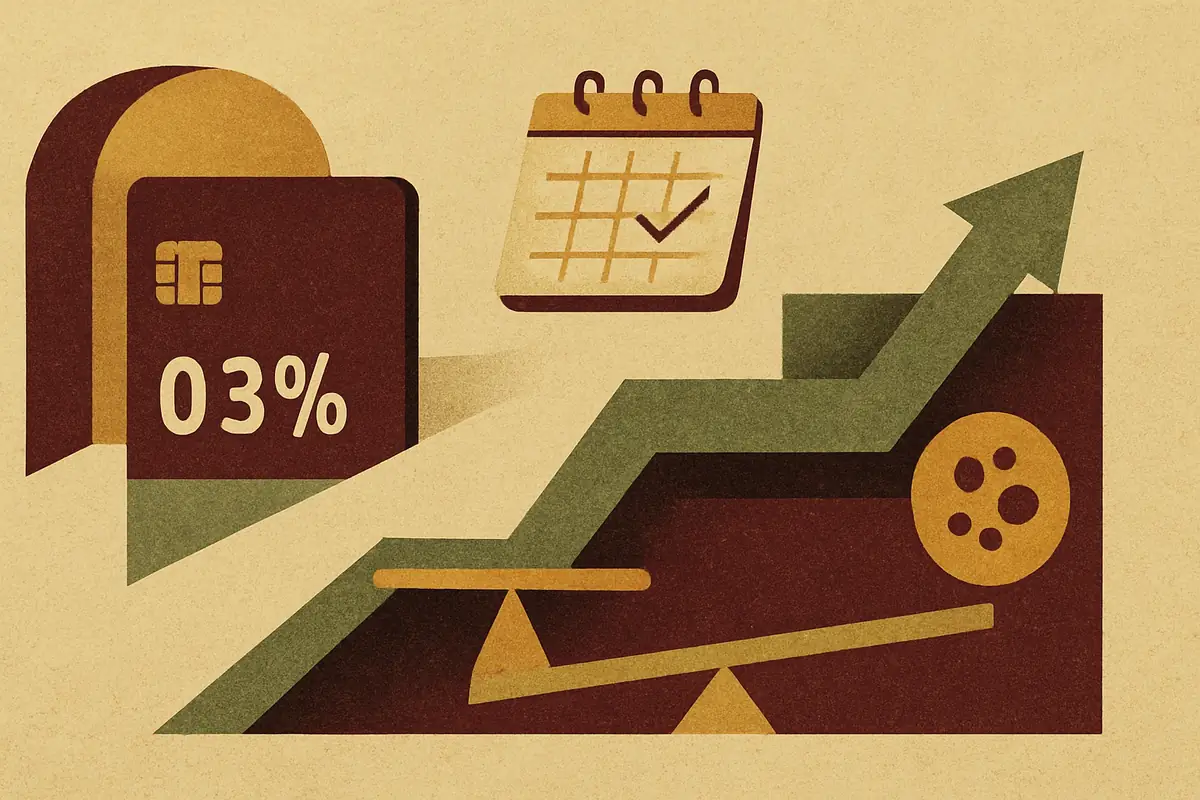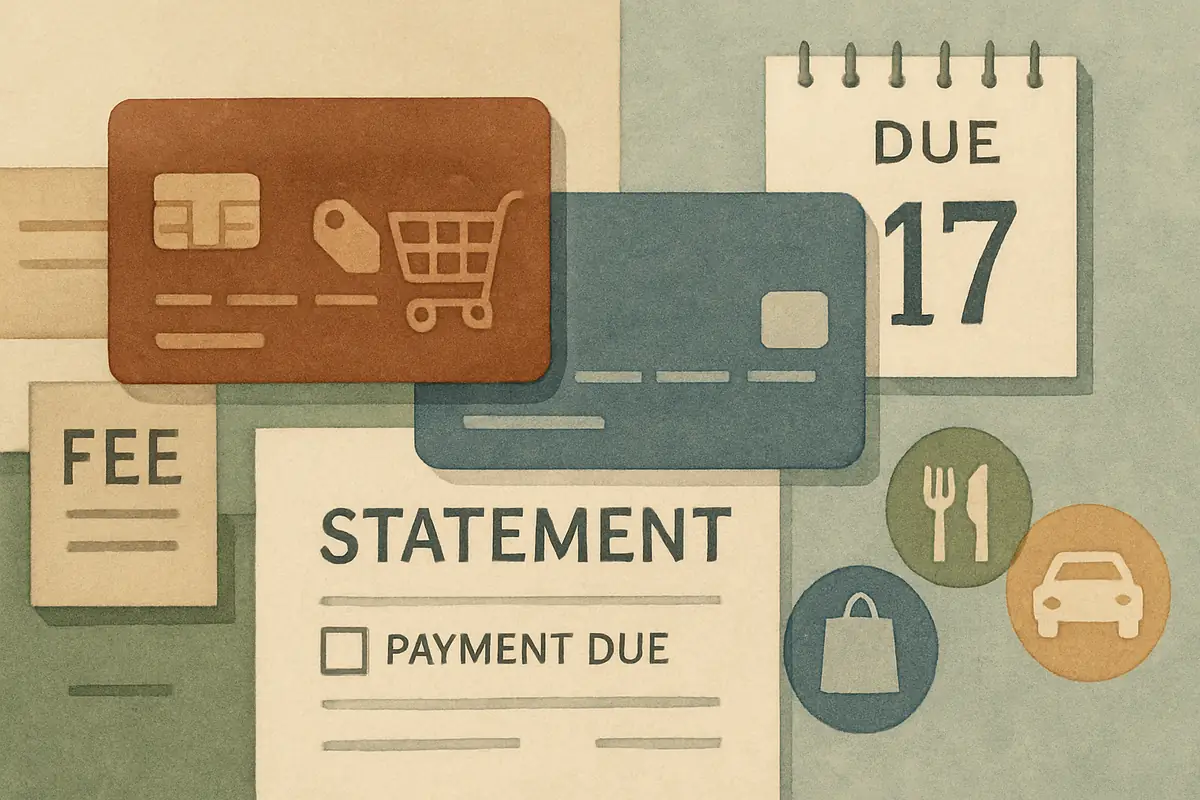
In the United States, it’s typical for credit card annual percentage rates (APRs) to range between 18% and 30%, yet many cardholders misunderstand how these rates translate into daily charges on their balances. These misconceptions can lead to unexpected fees, carryover debt, and stress on personal finances. This article explores common misunderstandings about credit card interest, demystifies core concepts like APR and statement cycles, and offers practical examples to help you see how your balance grows over time when interest is applied.
How Credit Card Interest Is Actually Calculated
Many cardholders think of credit card interest as a simple flat fee added monthly, but the reality involves more detailed calculations. The APR, or annual percentage rate, expresses the yearly cost of borrowing on a credit card. However, interest is usually calculated daily using a daily periodic rate, which is the APR divided by 365 days. For instance, if your card has an 24% APR, your daily periodic rate would be approximately 0.06575% (24% ÷ 365). Each day’s balance is multiplied by this daily rate to accumulate daily interest charges that sum up over the billing cycle.
The billing cycle typically lasts around 28 to 31 days depending on your issuer. At the end of this period, all accumulated daily interest charges are added to your statement balance. This method means that carrying a higher balance for more days leads to more total interest charges, unlike simply applying a monthly percentage.
Misconception #1: Interest Starts Immediately on Every Purchase
One common misunderstanding is that every purchase immediately starts accruing interest from the moment you make it. In fact, most credit cards offer a grace period — usually between 21 and 25 days after the statement closing date — during which new purchases do not accrue interest if you pay your full statement balance by the due date. This grace period applies only if you start the billing cycle with a zero balance or if you paid your previous balance in full.
If you carry any balance from month to month—meaning you made only the minimum payment or less than full payment—new purchases begin to accrue interest right away because the grace period no longer applies. Understanding this distinction can help prevent surprises at billing time.
Misconception #2: Paying Just the Minimum Amount Stops New Interest
Another widespread belief is that making the minimum payment will prevent further interest charges. However, minimum payments are usually just enough to cover part of the balance and some fees; they rarely cover all accrued interest plus principal. When you pay only the minimum—commonly around 2% to 4% of your balance—you continue carrying a debt that accrues new interest daily at your APR.
For example, imagine a $3,000 balance on a card with a 20% APR and a minimum payment set at 3% of your statement balance or $90 whichever is greater. If you pay $90 this month but make no additional payments, you could owe hundreds of dollars in interest over months as your unpaid principal continues to generate daily interest charges.
How Timing Within Statement Cycles Influences Interest Charges
Your spending timing during each billing cycle affects how much interest you pay. Since daily balances determine interest accrual, purchases made early in the cycle generate more cumulative interest than those made just before the statement closing date. Similarly, payments applied early in the cycle reduce outstanding principal sooner and lower total interest.
If you make a $1,000 purchase on day one of a 30-day billing cycle with a 15% APR (daily periodic rate ~0.041%), that purchase accrues about $12 in interest by month-end ($1,000 × 0.041% × 30). But if the same purchase happens five days before statement closing, it accrues only about $2 in interest for that cycle. Small timing differences matter because they compound over multiple cycles.
Hidden Costs: Fees That Add Up Alongside Interest
'Interest' is not always just about borrowing costs. Various fees may also increase what you owe and affect how quickly balances grow. Annual fees commonly range from $0 to $150 depending on card type; late payment fees often range from $25 to $40; returned payment fees may add another $30 or more; and cash advances typically have both fees (3% to 5%) plus immediate high-interest charges without grace periods.
Where readers should be careful
'Late payments can trigger penalty APRs that raise your rate substantially — sometimes from around 18% up to near 30%. This steep increase makes carrying balances far more expensive going forward.'
'Imagine missing one payment on a $2,000 balance at an initial APR of 20%. The penalty rate might jump to around 29%, increasing monthly interest from about $33 to nearly $48 overnight.'
Behavioral Scenarios: How Common Habits Affect Your Balance Growth
How Grace Periods Work and Their Impact on Interest Charges
Many cardholders are unaware of how the grace period functions and how it can influence the accrual of interest on their credit card balances. A grace period is the time between the end of your billing cycle and your payment due date, during which you can pay off your new balance without incurring interest charges. However, this grace period typically only applies if you started the billing cycle with a zero balance or if you paid your previous balance in full by the due date. If you carry a balance from one month to the next, many credit card issuers will apply interest charges immediately, eliminating the grace period and compounding interest daily. This means that even if you pay off your new purchases in full within the current billing cycle, you may still be charged interest on the previous balance. Understanding this nuance is crucial because it influences how and when you should pay your bills to avoid unnecessary finance charges.
To illustrate, consider a scenario where a cardholder carries a $1,000 balance from last month and makes an additional $500 in purchases during the current cycle. Even if they pay off the $500 in new purchases right before the due date, they will still incur interest on the $1,000 carried over plus any interest that accrued during the billing cycle on new purchases since no grace period applies until that balance is cleared. This reality contradicts a common misconception that paying off new purchases immediately always prevents interest charges. Therefore, paying attention to your statement balance versus your current balance and timing payments accordingly can have significant implications for managing credit card debt effectively.
Why Interest Rates Vary Across Different Transactions
Another common misunderstanding among credit card users is that all transactions attract the same interest rate. In truth, credit cards often have different Annual Percentage Rates (APRs) depending on transaction types such as purchases, cash advances, and balance transfers. For example, cash advances usually carry higher APRs and begin accruing interest immediately without any grace period. Balance transfers may have promotional APRs for an introductory period but revert to higher regular rates once expired. Purchases often benefit from lower APRs coupled with grace periods when paid timely. These distinctions matter because using your credit card for cash advances or failing to understand promotional terms can lead to disproportionately high-interest costs.
Consider a person who takes out a $500 cash advance with an APR of 25% and no grace period versus making $500 in purchases at an APR of 15% with a 21-day grace period. Despite having similar principal amounts, the cash advance will accumulate interest immediately at a higher rate, resulting in significantly more charges by the time it is repaid. This difference highlights why savvy consumers should carefully read their credit card agreements and limit cash advance usage or pay those balances off as quickly as possible to avoid escalating debt burdens.
The Misconception of Only Paying Minimum Payments
One prevalent misconception is that making only minimum payments each month is sufficient to maintain good credit health without incurring excessive costs. While minimum payments help avoid late fees and keep accounts in good standing, relying solely on them leads to prolonged debt repayment timelines and substantial interest accumulation. Typically set as a small percentage of the outstanding balance or a fixed amount, minimum payments barely cover monthly interest during high usage periods, causing principal balances to decrease very slowly.
For example, if someone owes $5,000 with an APR of 20% and pays only 3% of their balance (i.e., $150) monthly, most of that payment goes toward monthly interest (around $83), leaving only about $67 reducing principal. It could take years to pay off the debt fully while spending thousands more in finance charges than if larger payments were made early on. This misconception traps many borrowers in cycles of revolving debt with minimal progress toward financial freedom.
How Daily Interest Calculation Magnifies Debt
Many people do not realize that credit card companies typically calculate interest daily based on average daily balances rather than simply monthly statements. This method means that carrying varying balances throughout the month can result in fluctuating finance charges that compound over time. Each day’s balance accrues interest which then adds to subsequent daily balances if unpaid promptly—creating what’s called compound interest.
For instance, suppose a consumer makes multiple small purchases throughout a billing cycle but only makes one payment at the end near the due date. The average daily balance remains relatively high across many days instead of reflecting lower balances after each purchase payment had they been made sooner. Consequently, total interest charged will be higher than expected under flat monthly calculations assumptions some might mistakenly hold onto when planning payments.
The Impact of Promotional Offers on Interest Charges
Promotional offers such as zero-percent APR for purchases or balance transfers are attractive but frequently misunderstood aspects affecting how interest accumulates. While these offers allow consumers to defer paying interest for a specified introductory period—often six to eighteen months—they require careful management to avoid steep penalties afterward. Failure to pay off the entire balance before promotional periods end usually results in backdated accumulated interests being applied retroactively or regular APRs kicking in unexpectedly.
"Deferred interest" promotions are particularly tricky because although you may not see immediate finance charges within promotional terms, missing full repayment deadlines triggers large lump-sum charges including all accrued interests from day one of purchase or transfer dates. This punitive approach contrasts starkly with normal monthly compounding models and catches many consumers by surprise who assumed promotions offered simple savings rather than complex conditional agreements.
How Grace Periods Can Influence Your Interest Charges
One often overlooked aspect of credit card interest is the grace period, which can significantly impact how and when interest accrues on your balance. A grace period typically refers to the time between the end of a billing cycle and the date your payment is due. During this period, if you pay your full balance by the due date, you can avoid paying any interest on new purchases made during that cycle. However, many cardholders mistakenly believe that simply making a minimum payment or partial payment keeps their grace period intact, which is not true. Failing to pay the balance in full usually results in immediate interest charges on new transactions, negating any benefits from the grace period.
It’s important to understand that grace periods usually only apply to new purchases and not to cash advances or balance transfers, which often start accruing interest immediately. Additionally, if you carry a balance from one month to the next without paying it off completely, your grace period may be forfeited for subsequent billing cycles. This means interest will start accumulating from the date each purchase posts rather than after the billing cycle ends. Being aware of these nuances helps consumers make strategic payment decisions to reduce or eliminate interest payments and manage their credit card balances more effectively.
The Impact of Compounding Interest on Your Balance
Another critical factor many cardholders misunderstand is how compounding interest affects their outstanding balances. Unlike simple interest that is calculated only on the principal amount, credit card interest generally compounds daily or monthly, meaning you are charged interest not just on your original balance but also on any accumulated interest. This can cause balances to grow rapidly if payments are delayed or insufficient. For example, if you only make minimum payments each month, a significant portion goes toward paying accrued interest rather than reducing the principal balance, which prolongs debt repayment and increases total costs.
Understanding compounding also emphasizes the importance of making payments as early in the billing cycle as possible. Since daily compounding means interest accumulates every day based on your current balance, paying down debt quickly reduces the amount of principal subject to further interest charges. Conversely, waiting until the due date or later to make a payment allows interest to compound for longer periods and increases your financial burden over time. Educating yourself about compounding schedules and strategies to minimize its effects can lead to smarter credit management and less overall debt.
Why Minimum Payments Can Lead to Long-Term Debt
Minimum payments might seem like an easy way out when finances are tight, but they often contribute to prolonged debt cycles and increased interest costs. Most credit cards set minimum payments at around 1-3% of your outstanding balance plus any accrued fees and interest. While this keeps monthly obligations low, it barely covers all accrued charges and has minimal impact on reducing the principal amount owed. Consequently, it takes years—sometimes decades—to pay off balances if only minimum payments are made consistently.
For example, carrying a $5,000 balance with an APR of 18% while making minimum payments may result in paying thousands more in interest over time compared to making larger monthly payments. The slow reduction in principal causes ongoing interest accruals that exceed payment amounts initially. It’s essential for consumers to view minimum payments as a temporary solution rather than a sustainable repayment strategy. Increasing monthly payments even slightly above the minimum can dramatically shorten payoff times and reduce total interest paid.
The Role of Promotional Rates in Interest Calculation
Promotional rates such as 0% APR offers for purchases or balance transfers are powerful tools advertised by credit card issuers but can also create confusion around when and how much interest is charged. These introductory rates apply for specified periods—often six months to over a year—and mean no interest accrues during that timeframe provided terms are met. However, once the promotion ends, standard APRs take effect retroactively on remaining balances unless fully paid off.
Many consumers mistakenly believe that they won’t owe any interest if they don’t pay off balances within promotional periods because they didn’t get charged initially. In reality, any remaining unpaid balance after promotional expiration starts accumulating regular high-interest charges immediately—sometimes with backdated interests depending on issuer policies. It’s crucial to track promotional deadlines carefully and plan repayments accordingly; otherwise, unexpected spikes in finance charges can occur.
How Different Transaction Types Affect Interest Accrual
Not all transactions on your credit card are treated equally when it comes to how interest applies. Purchases typically benefit from grace periods assuming full payments are made each month; however, cash advances and balance transfers usually start accruing interest immediately without grace periods. This means carrying balances from these transaction types can lead to higher financing costs faster than with regular purchases.
Additionally, cash advances often carry higher APRs compared to purchase rates plus additional fees upfront, substantially increasing cost if not repaid promptly. Some cards also treat certain fees or penalties differently concerning interest calculation—another area where misconceptions arise among users who don’t scrutinize terms closely enough. Awareness of these distinctions helps consumers prioritize repayment strategies effectively—for example by tackling cash advance debts first due to their higher cost implications.
References
- https://www.consumerfinance.gov/consumer-tools/credit-cards/
- https://www.fdic.gov/consumer-resource-center/credit-cards
- https://www.consumerfinance.gov/consumer-tools/credit-reports-and-scores/
- https://consumer.ftc.gov/articles/what-know-about-identity-theft
- https://www.consumerfinance.gov/ask-cfpb/what-is-a-credit-score-en-315/
- https://www.consumerfinance.gov/ask-cfpb/what-is-apr-en-45/