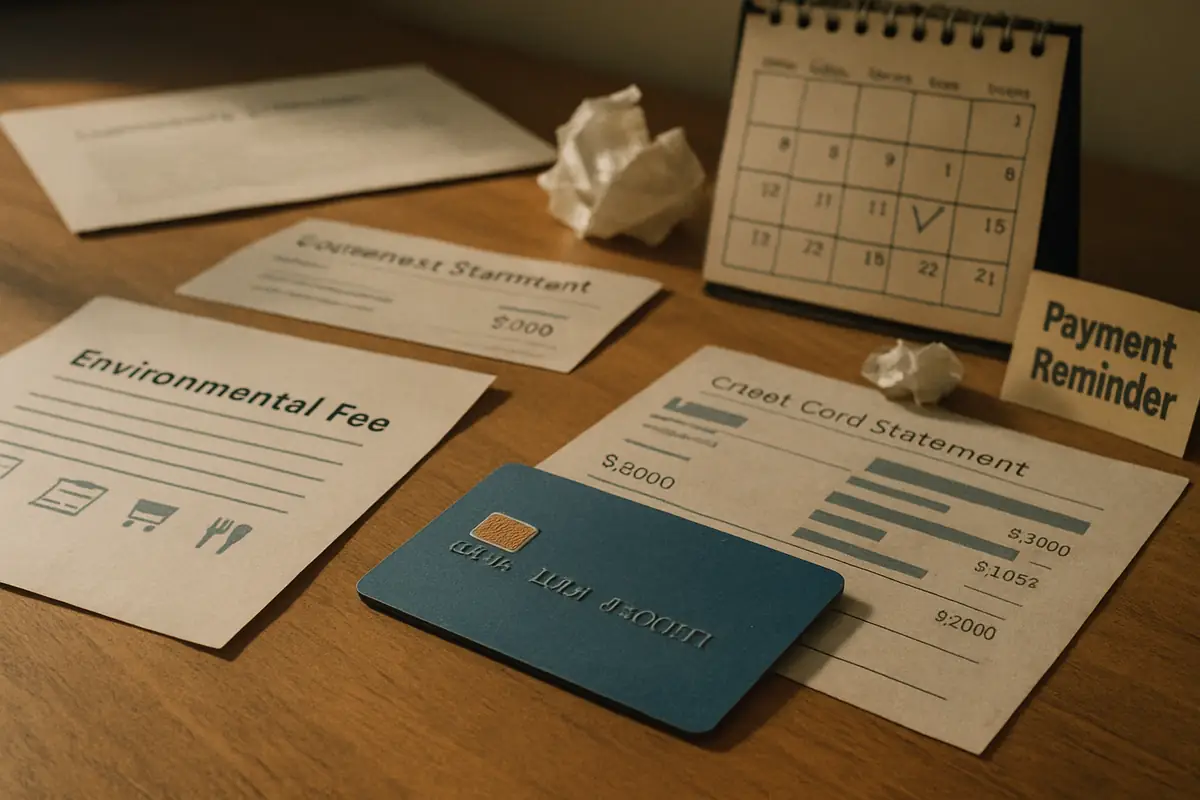
Many credit cardholders believe interest charges are avoidable if they pay off their balances soon. However, misunderstanding how the grace period works can lead to unexpected interest fees that quietly increase debt. This article explains the mechanics behind the grace period, why skipping a payment or carrying a balance past it can cost you more, and how timing your payments affects your credit and wallet.
What Is a Credit Card Grace Period?
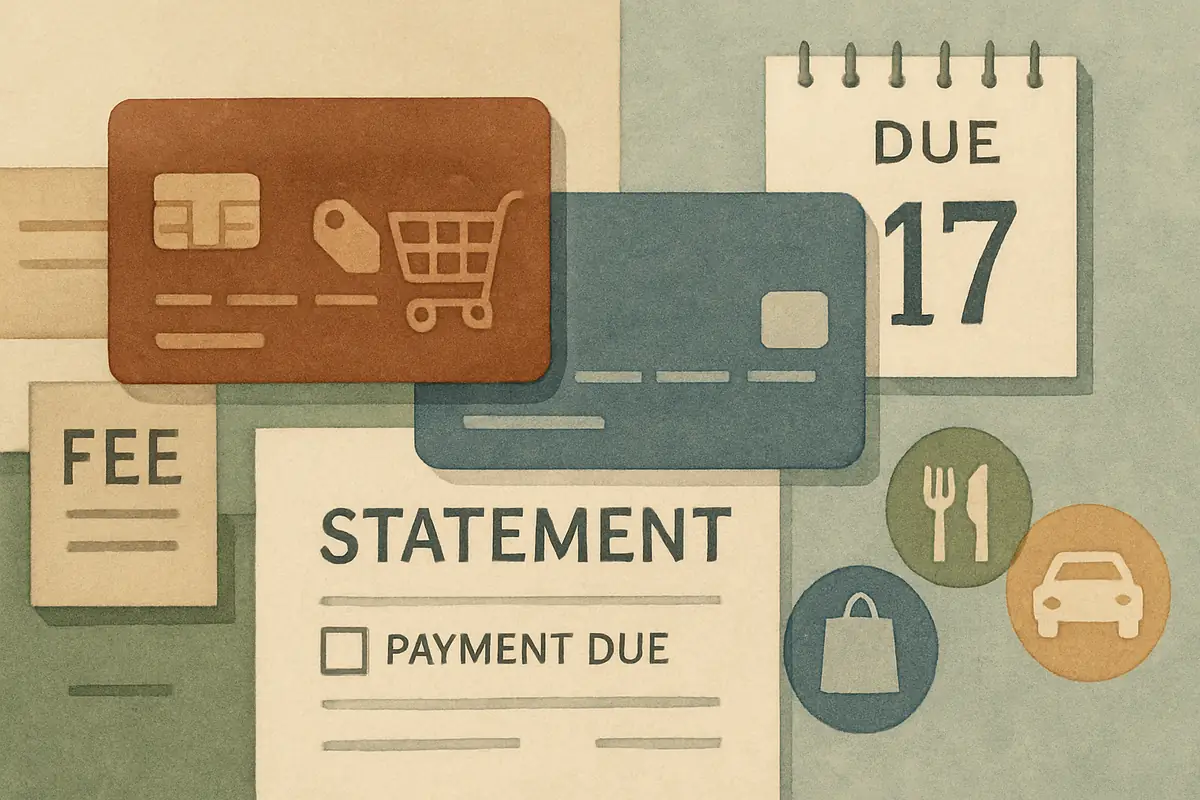
A credit card’s grace period is the time between the end of your billing cycle and when your payment is due. Typically, this window lasts around 21 to 25 days. During this period, if you pay your full statement balance by the due date, you usually owe no interest on purchases made during that cycle. The key here is paying the entire balance shown on your statement — not just the minimum payment or a partial amount.
For example, if your billing cycle ends on March 1st and your payment is due March 26th, you have about 25 days (the grace period) to pay the full statement balance without incurring interest on those purchases. If you pay less than the full amount by March 26th, interest starts accruing right after the statement closing date.
Why Missing the Grace Period Can Mean Paying More Interest
Many cardholders underestimate how quickly interest can add up once you miss paying in full by the due date. Credit card APRs (annual percentage rates) commonly range from about 18% to 30%. Interest is typically calculated daily on your average daily balance, so even a few days late or a small unpaid balance can cause noticeable charges.
Consider carrying a $1,000 balance with an APR of 24%. The daily periodic rate is roughly 24% divided by 365 days, or about 0.06575%. Each day you carry that balance past the due date without paying in full, you’ll accrue approximately $0.66 in interest ($1,000 × 0.06575%). Over a month (about 30 days), that adds up to nearly $20 in interest, assuming no new purchases.
Scenario: How Not Paying in Full Adds Up
Imagine Sarah has a $3,000 balance on her credit card with a 22% APR. She pays only $500 by her due date instead of the full $3,000. Interest will be charged on the remaining $2,500 starting immediately after her billing cycle closes. With daily compounding, she could pay around $15-$20 in interest within just one month — money she didn’t expect to spend.
How Carrying a Balance Affects Your Credit Score
Beyond interest costs, not managing payments within the grace period impacts your credit health. Credit utilization—the percentage of available credit used—is a major factor in credit scores and typically should stay below 30%. Carrying high balances or missing full payments raises your reported utilization because credit bureaus receive data at statement closing.
For instance, if your credit limit is $10,000 but your statement shows a balance of $5,000 because you didn’t pay off recent charges before closing day, your utilization reports as 50%. This higher utilization can lower your credit score by several points temporarily until it’s paid down before the next cycle closes.
The Role of Statement Closing Dates and Payment Due Dates
Your billing cycle ends on a specific closing date each month—say the 5th—and this is when your statement is generated showing all transactions and balances owed. The due date usually falls about three weeks later—around the 26th in this case—marking the end of your grace period.
"Paying by the due date" means settling this statement balance before interest begins accruing on those purchases. If you make purchases after closing but before payment is received in full for prior balances, those new buys may not yet appear on the current statement but will be included in next month’s cycle.
Hidden Costs Around Grace Periods Most People Miss
"Grace period" might sound like free time or bonus days to delay payment without penalty, but it comes with conditions that often get overlooked. If you don’t pay the previous statement’s full balance by the due date—even by one cent—you lose that grace period for new purchases too. That means new transactions start accruing interest immediately from their purchase date.
"Interest on interest" or compound interest can then kick in if you continue carrying balances month over month. It’s common for cardholders who miss one payment cut-off to see their monthly finance charges balloon unexpectedly because they lose their grace privileges until they clear all past debts.
"Minimum Payments" Don’t Preserve Your Grace Period
"Minimum payments" are often mistaken as enough to keep things smooth with your card issuer. While making at least this amount prevents late fees and negative marks on your credit report, it does not maintain your grace period privilege. Paying only minimum means interest continues growing on remaining balances from day one after each statement closes.
"On a typical $1,200 balance with an APR of about 20%, minimum payments might be around $25 to $35 per month," explains financial educators. "But paying only minimum extends debt repayment over years and results in hundreds or thousands more in total interest charges."
| Payment Type | "Balance Status" | "Interest Accrued" | "Grace Period Effect" |
|---|---|---|---|
| Full Statement Balance | "Zero", paid off fully | $0 if paid by due date | "Grace period preserved for next cycle" |
| Partial Payment (above minimum but less than full) | "Remaining principal", reduced | "Interest charged daily on remaining balance" | "Grace period lost until full payoff" |
| Minimum Payment Only | "Large remaining principal", slowly decreasing | "High total interest over time" | "Grace period lost; more costly long term" |
Practical Tips to Manage Payments and Protect Your Grace Period
To avoid costly surprises related to grace periods and interest accruals, aim to pay off your statement balance completely every month before your due date—typically within about three weeks after billing closes. Setting automatic payments for at least this amount helps avoid forgetting or underpaying.
If you occasionally cannot pay in full right away, pay as much as possible quickly to reduce how much daily interest accumulates afterward. Also monitor statement closing dates closely: paying just before closing decreases reported balances and utilization ratios that affect credit scoring.
Scenario: Timing Made Simple with Emily’s Card Payment Plan
Emily’s billing cycle ends each month on the 10th; her payment due date is always on the 31st—giving her a roughly 21-day grace period. She schedules automatic payments for her full statement balance by the 28th every month to ensure she never misses preserving her no-interest window while also lowering her credit utilization reported at each close.
How Rewards Programs Interact With Grace Periods and Payments
Many cards offer rewards like cash back or points based on spending amounts. It might seem tempting to carry balances longer thinking "I’m earning rewards," but if you are paying significant interest because you don’t respect grace periods, those fees easily outweigh gained rewards.
For example: earning 1% cash back on $1,000 spent gives you $10 back annually—but carrying that same $1,000 with an average APR of around 20% could cost $200 or more yearly in interest if balances aren’t cleared promptly.
Know Your Billing Dates
Mark both bill closing and payment due dates clearly.
Pay Full Statement Balances
Avoid partial payments that trigger immediate finance charges.
Set Up Auto-Payments When Possible
Automate timely payments for peace of mind.
Why Understanding Minimum Payments Alone Isn’t Enough
Minimum payments keep accounts current but do little else beneficially. They neither protect from accumulating expensive finance charges nor reduce reported utilization substantially because large principal amounts linger unaddressed.
Being aware of these limitations helps consumers avoid traps where making only minimums leads to extended debt repayment stretching years despite regular monthly payments.
Strategies to Maximize the Benefits of Grace Periods
Understanding and leveraging credit card grace periods can significantly reduce the amount of interest you pay, but doing so effectively requires thoughtful financial management. One key strategy is to always pay off your balance in full by the due date. This simple habit not only helps maintain a positive payment history but also ensures that you make the most of the grace period, avoiding interest charges altogether. Setting up automatic payments for at least the full statement balance can be a practical approach to prevent missed payments, especially for those managing multiple credit cards or other financial obligations.
Another practical tactic involves timing your purchases. Since grace periods typically apply only to new purchases on your credit card if you had no prior outstanding balance, making major or discretionary purchases early in the billing cycle gives you a longer interest-free window. This approach helps stretch your cash flow and may allow you to earn rewards or take advantage of promotional offers without incurring unnecessary finance charges. On the other hand, if carrying a balance is unavoidable, focusing on paying down high-interest debt first can help mitigate the impact of interest accrual during periods without grace.
It's equally important to remain vigilant about your billing statements and due dates. Regularly reviewing your statements enables you to spot any unauthorized transactions or errors early, which can save money and protect your credit score. Additionally, staying informed about changes in your card's terms and conditions—including any alterations to your grace period policies—ensures there are no surprises that could lead to unexpected interest charges. Many credit card issuers notify customers of such changes, but proactively checking your account notifications and statements is a good habit.
For consumers who occasionally carry balances or find it difficult to pay off their cards each month, understanding how waivers or exceptions work can be beneficial. Some credit card companies offer temporary grace period extensions as part of hardship programs or promotional campaigns. Engaging with customer service representatives to inquire about such options during times of financial stress may provide breathing room and reduce the cost burden associated with interest payments. However, these are generally exceptions rather than standard practice, so relying on them long-term is not advisable.
How Grace Periods Influence Credit Card Rewards and Fees
Credit card rewards programs often work hand-in-hand with grace periods in shaping consumers’ payment behaviors. Many rewards cards encourage users to pay balances in full each month—not only to avoid interest charges but also because most issuers do not award points or cashback on balances that carry over and accrue interest. In this way, the grace period becomes a critical factor in maximizing reward earnings without incurring offsetting finance costs. Cardholders who miss payments risk forfeiting rewards or facing penalties that diminish overall benefits.
In addition, fees such as late payment fees or penalty APRs can disrupt how grace periods function. When a late payment occurs, many credit cards immediately remove the benefit of any grace period until the account is brought current and maintained in good standing for several months. This loss means that even new purchases will start accruing interest from the transaction date rather than benefiting from a typical grace period window. Therefore, beyond just paying by the due date, avoiding fees through consistent on-time payments is vital for preserving all aspects of your credit card’s cost structure.
Some cards also impose annual fees which do not have a direct link to grace periods but impact overall cost-efficiency when compared against the value derived from rewards or interest savings. Consumers should weigh these fees against their payment habits—particularly whether they routinely clear their balances within the grace period—to determine if a no-annual-fee card might better suit their needs while still offering appropriate rewards or benefits.
Common Misconceptions About Grace Periods
Many consumers harbor misunderstandings about how grace periods operate, which can lead to costly mistakes. A frequent misconception is that all types of credit card transactions qualify for a grace period; however, cash advances and balance transfers typically begin accruing interest immediately without any grace window. This distinction matters because using cash advances for urgent liquidity needs might result in significantly higher expenses than anticipated if one assumes a grace period applies universally.
Another common error is believing that making only minimum payments preserves the grace period and avoids finance charges. In reality, carrying even a partial balance past the due date usually eliminates any future grace periods until full payment is made again. Minimum payments serve more as damage control than as an avoidance tactic for interest; they help maintain good standing but do not prevent ongoing interest accrual on outstanding balances.
Finally, some users think that paying after the due date but before their next statement date will still avoid interest charges thanks to some form of extended leniency; unfortunately, this is not true for most issuers. Payments made after the due date generally trigger immediate interest calculations backdated to purchase dates unless otherwise negotiated with the provider under special circumstances.