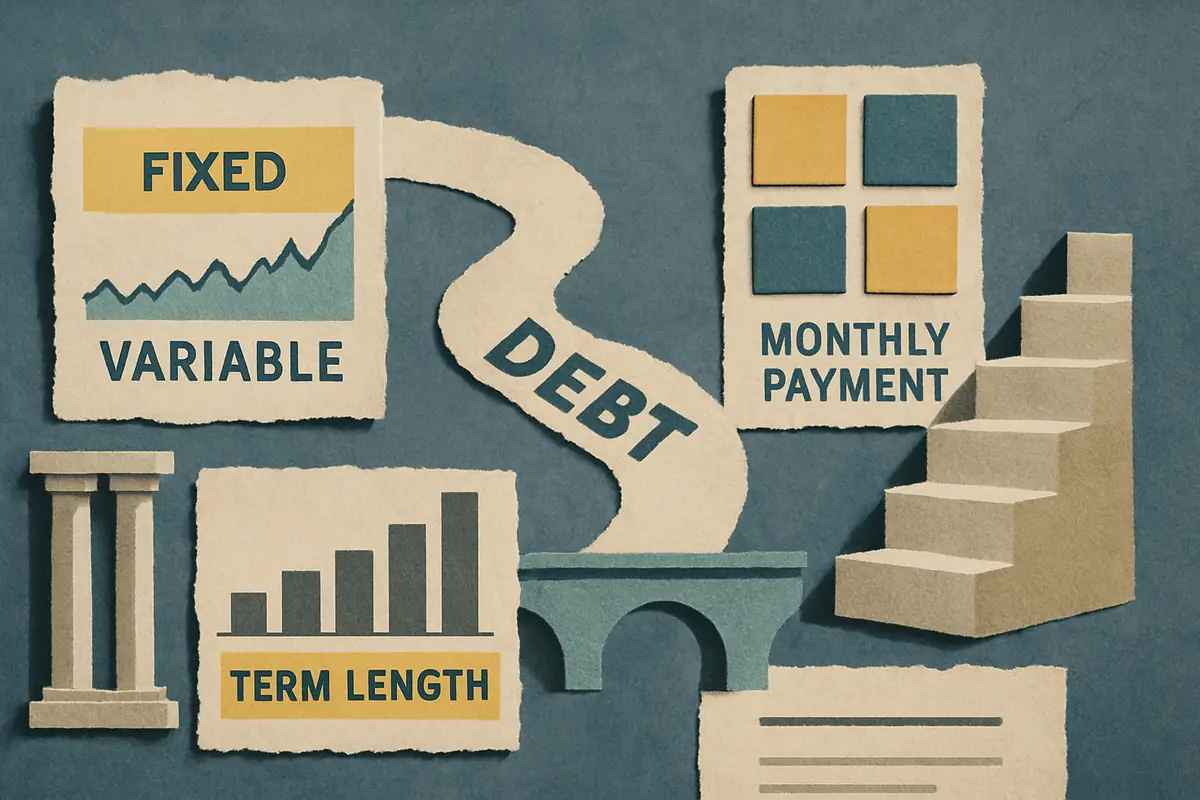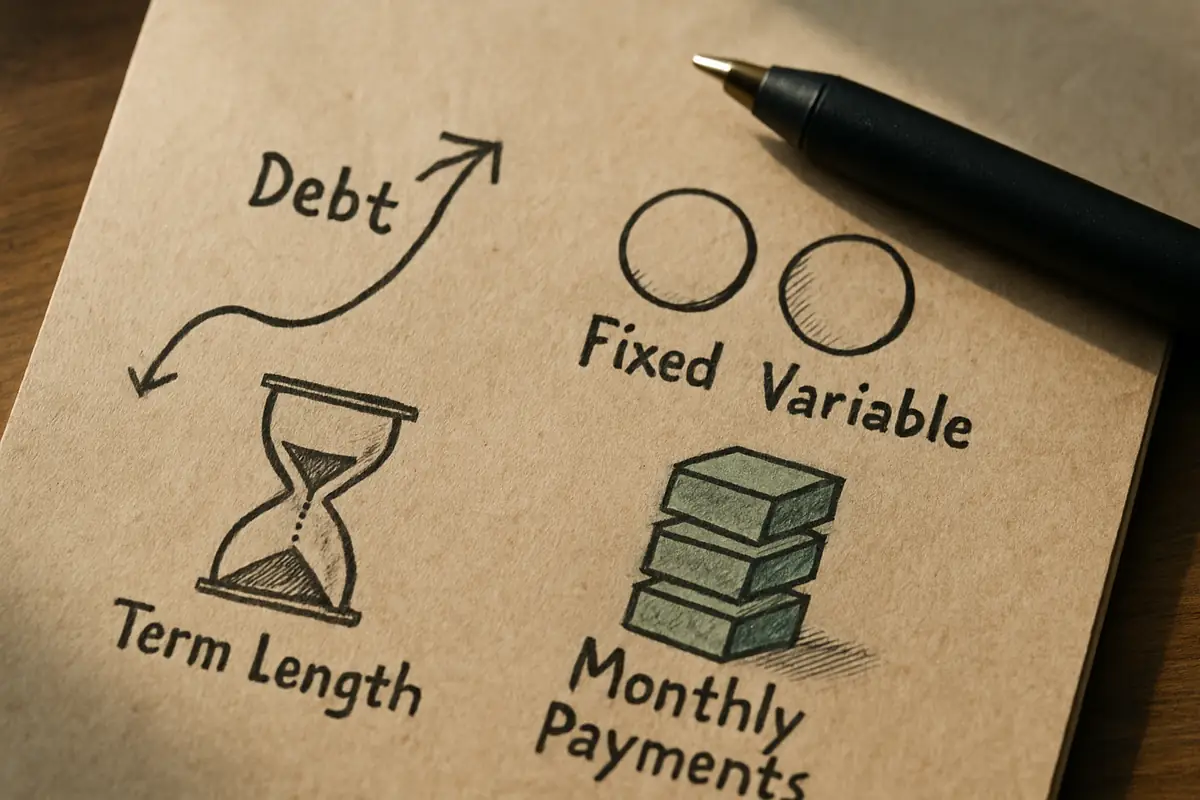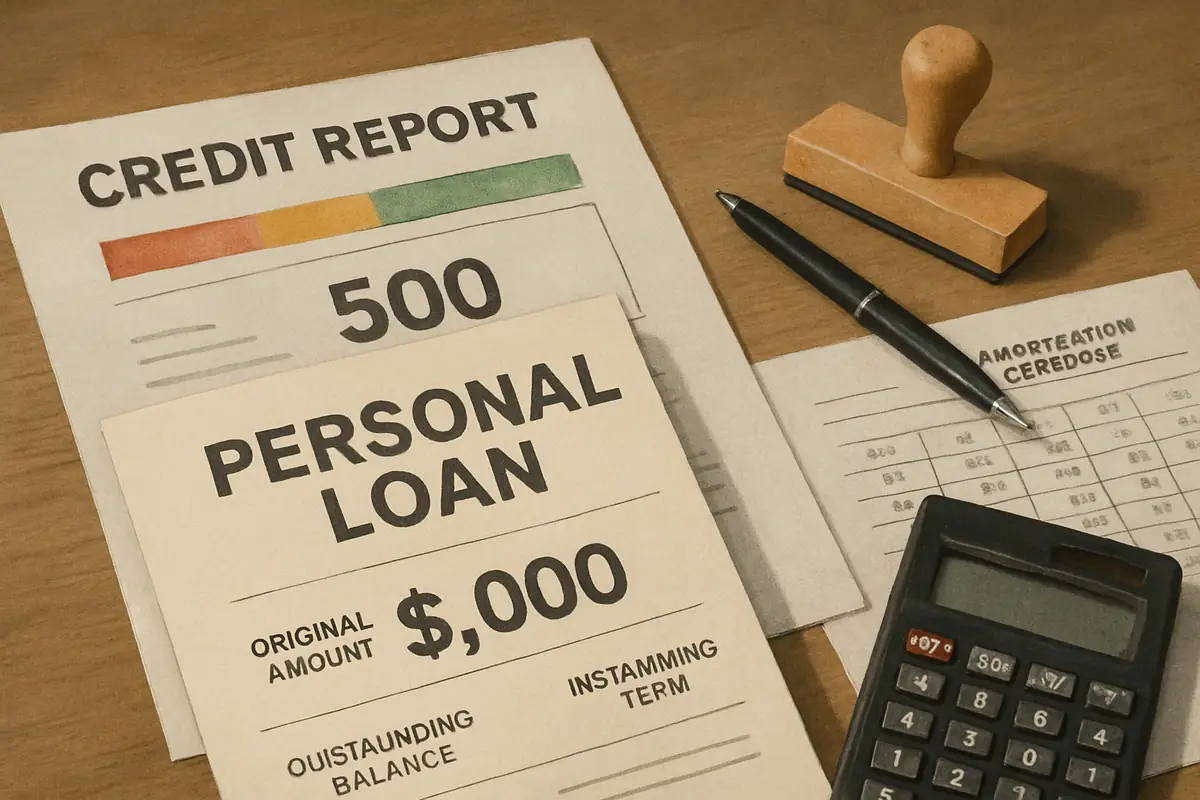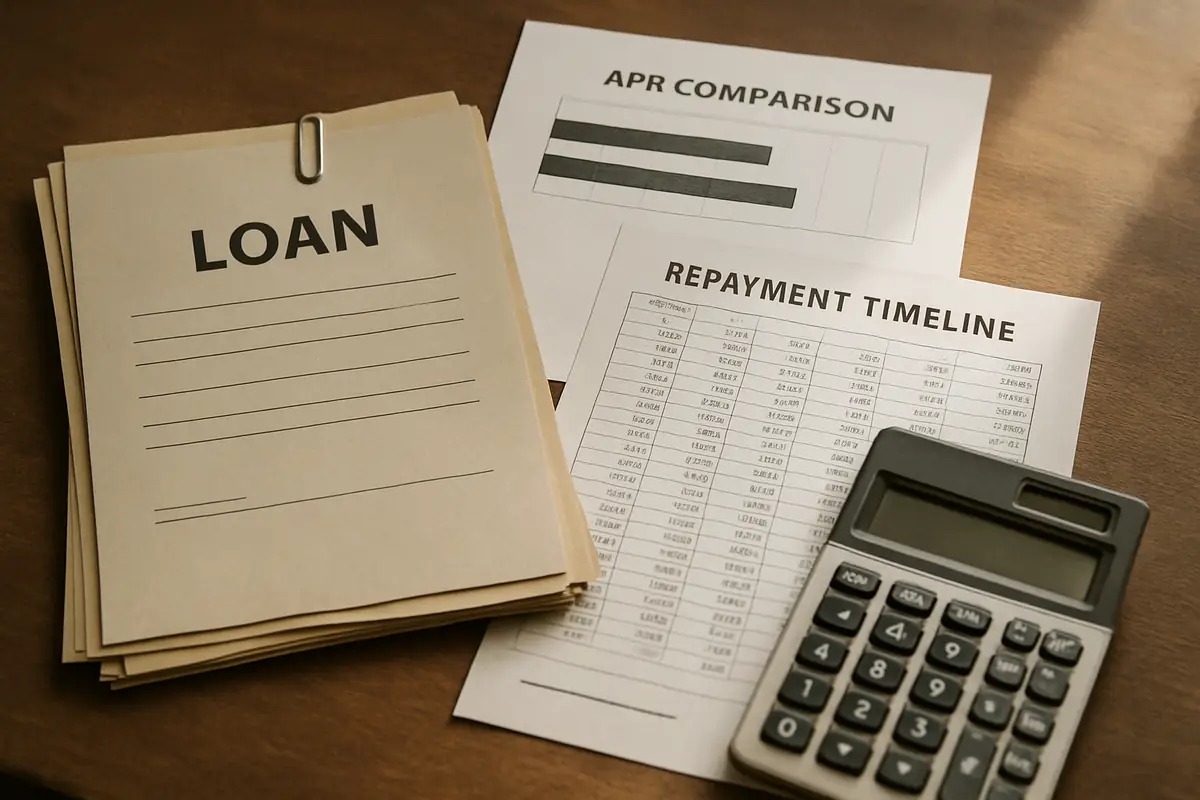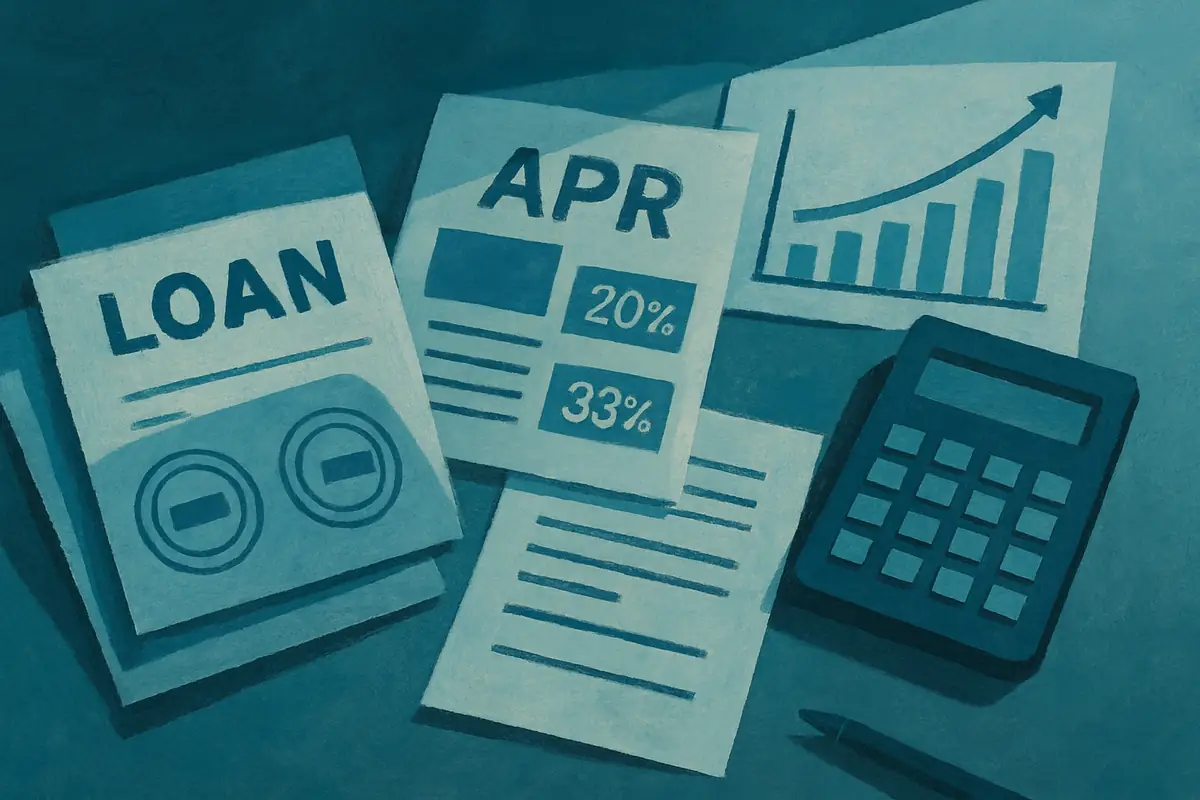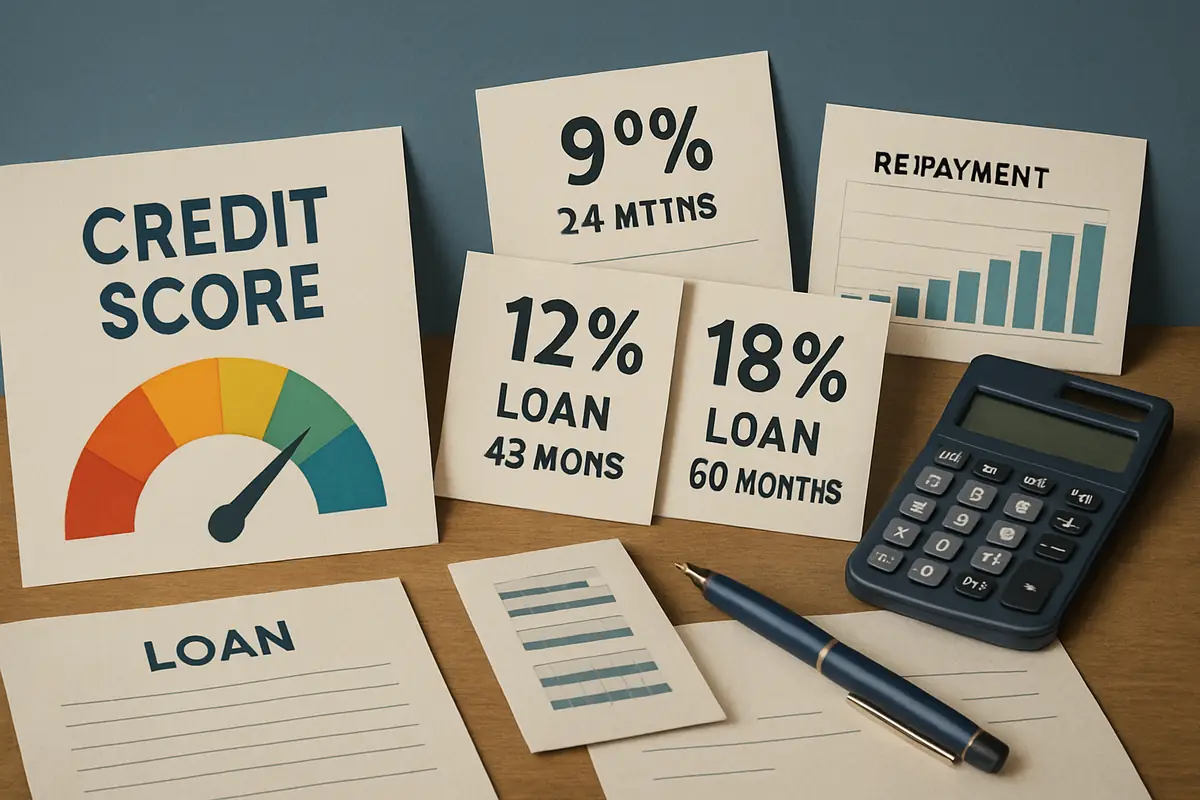
When Maya applied for a $15,000 auto loan to replace her aging car, her credit score hovered around 620. Across three lenders, the same loan amount came with sharply different terms: APRs ranged from 9% to 18%, loan durations varied from 36 to 60 months, and some required collateral while others did not. This disparity reveals how credit scores directly affect not only approval chances but also borrowing costs and contractual obligations.
Credit Scores as Gatekeepers: Influence on Loan Approval
A credit score is a numerical summary of a borrower’s creditworthiness derived from credit reports and payment history. Typically ranging between 300 and 850, higher scores signal lower risk to lenders. Borrowers with scores above 720 generally receive quicker approvals and more favorable interest rates, while those below 640 face stricter scrutiny or outright denials. For example, a household with a credit score of 680 might be approved for a personal loan but at an APR roughly 2 to 5 percentage points higher than a borrower with a score exceeding 750.
Lenders use credit scores alongside other factors like income stability and debt-to-income ratios. However, credit scores often serve as initial filters. Many banks and online lenders set minimum score thresholds—usually above 600—for unsecured personal loans. Applicants below this can face rejection or offers with significantly less attractive terms, reflecting higher perceived risk.
Where readers should be careful
Low credit scores increase the likelihood of loan denial but also push approval offers toward higher interest rates and fees. Borrowers should avoid assuming prequalification means final approval without understanding their exact credit-based pricing.
Impact on Interest Rates, Fees, and Payment Terms
Interest rates offered to borrowers closely correlate with their credit scores due to the underlying risk premium. A borrower with excellent credit (above 750) might get a fixed-rate auto loan at around 3% to 6% APR. In contrast, someone in the fair credit range (around 620) might be quoted rates between 9% and 15%, or even higher for unsecured loans.
To illustrate: imagine Lena taking out a $10,000 fixed-rate personal loan over 4 years. At an APR of 6%, her monthly payment would be approximately $235, totaling about $1,280 in interest across the term. If her APR increases to 12% due to a lower credit score, monthly payments rise to roughly $265, with total interest paid nearing $2,700—more than double the lower rate scenario.
| Credit Score Range | Typical APR Range (Personal Loan) | Typical Loan Term Lengths |
|---|---|---|
| 750+ | 6% - 9% | 24 - 60 months |
| 650 - 749 | 9% - 15% | 12 - 48 months |
| 600 - 649 | 15% - 25% | 12 - 36 months |
| Below 600 | 20% - 35% or higher | 6 - 24 months |
Besides interest rates, fees such as origination fees or prepayment penalties may vary by credit tier. Borrowers with lower scores often encounter upfront fees of up to 5% of the loan amount or restrictive clauses that increase total borrowing costs if they refinance early or miss payments.
Collateral Requirements and Their Relationship to Credit Profiles
Loan types secured by collateral—such as auto loans or mortgages—offer lenders reduced risk if borrowers default. For those with lower credit scores, collateral requirements become common; lenders may refuse unsecured options or only offer them at punitive terms.
For instance, Thomas seeks a $250,000 mortgage. With his excellent credit score above 770, he readily qualifies for a conventional fixed-rate mortgage at about a 4% APR over 30 years without additional security beyond the property itself. Conversely, Julie's score near 620 leads her lender to require private mortgage insurance (PMI), increasing her monthly payments by approximately $100 to $200 despite an often higher base interest rate.
Where readers should be careful
Collateral reduces lender risk but increases borrower vulnerability—defaulting can lead to repossession or foreclosure. Those with lower credit scores relying on secured loans should carefully evaluate their ability to sustain payments under long-term contracts featuring variable rates or potential refinancing requirements.
Variable Rates and Refinancing Pressure: What Borrowers Should Know
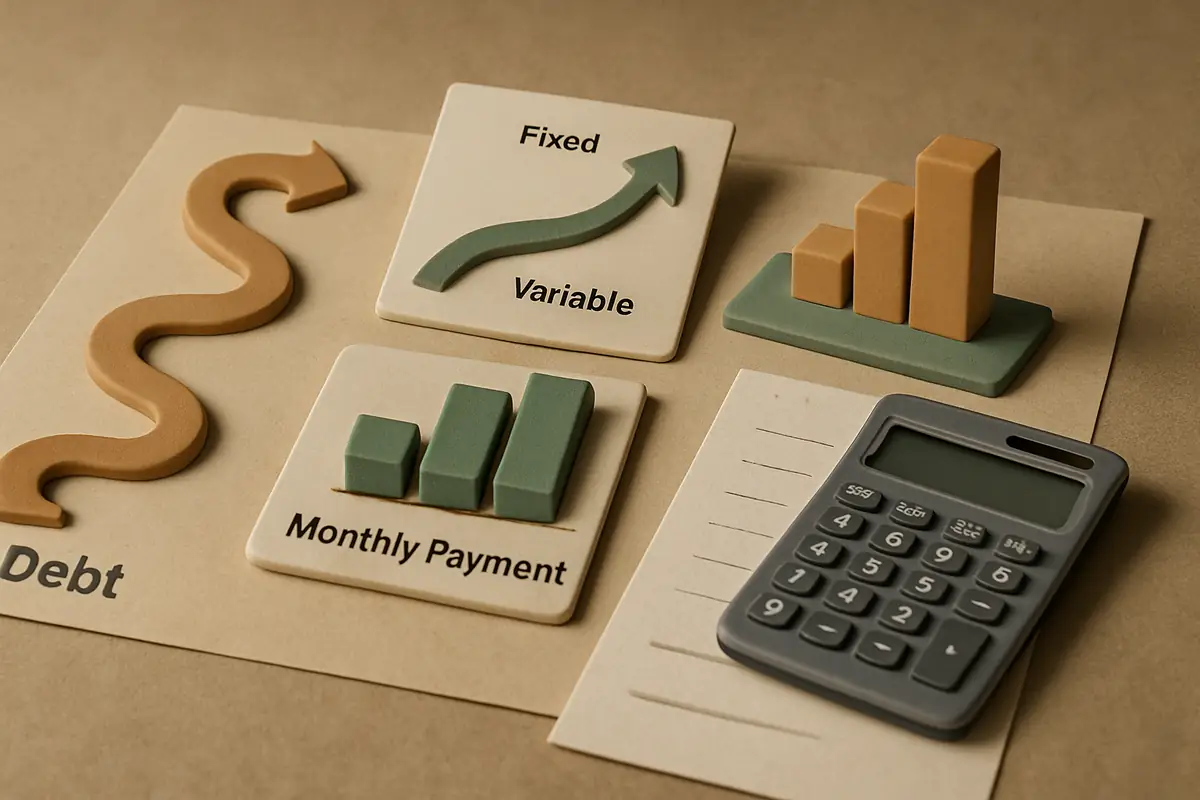
Some loans carry adjustable or variable interest rates that reset after an initial fixed period—commonly seen in home equity lines of credit or adjustable-rate mortgages (ARMs). Borrowers with weaker credit may initially secure loans with low teaser rates but face sharp increases when adjustments occur.
Consider Samuel who secures a $20,000 ARM car loan at an introductory rate of 4% for two years based on his borderline good credit (around score of 700). Afterward, his rate adjusts annually based on an index plus margin and could rise by several percentage points if market conditions worsen or his personal financial situation declines.
Understanding the Role of Credit Scores in Interest Rates
One of the most significant ways credit scores impact loan terms is through the interest rate lenders offer. Borrowers with higher credit scores typically qualify for lower interest rates because they are perceived as less risky. Lower interest rates reduce the total cost of borrowing, making loans more affordable over time. For example, a borrower with a credit score above 750 might secure a mortgage at 3.5%, whereas someone with a score around 620 could see rates closer to 5% or higher. This difference can translate into thousands of dollars saved over the life of a loan. Lenders use credit scoring models to predict default risk, so maintaining or improving creditworthiness directly benefits borrowers by unlocking more favorable pricing.
Conversely, those with lower credit scores often face higher interest rates or may only qualify for subprime loans, which carry additional fees and penalties. These elevated costs serve as compensation for the increased risk lenders associate with borrowers who have a history of missed payments or high debt utilization. Understanding how your credit score influences these rates can empower you to take steps toward improving your score before applying for a loan, potentially saving you significant money in interest expense.
Credit Score Thresholds and Approval Odds Across Loan Types
Different types of loans come with varied minimum credit score requirements that influence approval chances. For example, conventional mortgages might require a minimum score of 620, while FHA loans are usually more flexible, accepting scores as low as 580 or sometimes even lower with compensating factors. Auto loans and personal loans also have varying thresholds depending on the lender and loan product. Understanding these benchmarks helps potential borrowers identify which lenders or loan programs align with their current credit profiles.
Approval odds improve not only when crossing these minimum thresholds but also as scores climb higher within those ranges. A borrower with a 700 score stands a better chance than one just clearing the minimum cutoff. Many lenders incorporate tiered pricing models where loan offers become progressively more competitive as the borrower's score increases. This tiering affects interest rates, down payment requirements, and even loan amounts.
Variations in Lender Credit Score Policies and Their Impact
It is important to recognize that different lenders apply unique policies regarding credit score requirements and weighting during underwriting. Some lenders might emphasize recent payment history over older derogatory marks, while others rely heavily on overall debt-to-income ratios combined with scores to make decisions. This variability means that a borrower rejected by one institution may receive approval from another offering more flexible standards or alternative evaluation methods.
For instance, fintech lenders often use advanced algorithms incorporating nontraditional data like employment history and cash flow patterns alongside credit scores to assess risk more holistically. This approach can open lending opportunities for individuals whose traditional scores don’t fully reflect their repayment capacity. Comparing multiple offers from diverse lender types is therefore advisable to maximize approval chances and secure optimal terms.
The Role of Credit Score Components in Loan Evaluations
Credit scores themselves are composites derived from several factors including payment history, amounts owed, length of credit history, new credit inquiries, and types of credit used. Lenders may scrutinize specific components differently depending on the loan product. For example, mortgage lenders often place significant weight on payment history and debt-to-income ratios due to the long-term nature of these loans.
In contrast, personal loan providers might focus more on recent activity such as new inquiries or high revolving balances that could indicate financial stress. Understanding which aspects of your credit profile are most influential for particular loans allows you to target improvements strategically before applying, such as paying down balances to reduce utilization or avoiding new lines of credit that trigger hard inquiries.
Practical Strategies for Improving Loan Terms Through Credit Enhancement
Borrowers looking to enhance their loan terms should consider proactive measures aimed at boosting their credit scores prior to application. These include consistently making on-time payments, reducing outstanding balances particularly on revolving accounts like credit cards, correcting errors on credit reports, and limiting new credit applications that generate hard inquiries.
Additionally, maintaining a diverse mix of credit types—such as installment loans alongside revolving accounts—can demonstrate responsible management skills valued by lenders. Strategic improvements not only increase approval odds but also position borrowers for better pricing tiers that reduce borrowing costs substantially.
How Loan Amounts and Terms Adjust Based on Credit Scores
Credit scores also influence the maximum loan amounts and repayment terms lenders are willing to offer borrowers. High-scoring individuals often qualify for larger sums and longer repayment periods because they pose lower default risks. Longer terms can translate into smaller monthly payments although total interest paid over time may increase depending on rate structures.
"Risk-based pricing" further adjusts available options based on individual borrower profiles; those with weaker scores might see reduced borrowing limits or be required to provide collateral or co-signers to offset perceived risks. It's essential for borrowers to weigh these trade-offs carefully and understand how improving their score could unlock more favorable borrowing flexibility.
Understanding the Nuances of Credit Score Ranges and Their Impact on Loan Offers
Credit scores are not just numbers; they represent a complex assessment of an individual's creditworthiness based on various financial behaviors. Different lenders categorize these scores into ranges that affect loan terms significantly. For instance, a score above 750 is typically considered excellent and often qualifies borrowers for the most favorable interest rates and flexible repayment options. Conversely, scores in the 600 to 649 range may still secure a loan but usually come with higher interest rates or less favorable conditions. Understanding these distinctions is crucial because lenders weigh differing factors within each range to assess risk and profitability. Consequently, even a slight improvement within a score bracket can lead to noticeable enhancements in loan offers, such as reduced fees or extended terms.
Moreover, some lenders use proprietary scoring models alongside traditional credit scores to refine their risk evaluation further. This means that two individuals with identical FICO scores might receive different loan offers from separate institutions because each lender emphasizes different aspects like payment history, length of credit history, or recent inquiries. This variability underscores the importance of not only knowing one's credit score but also understanding how that score is interpreted by various lenders. Borrowers should proactively engage with multiple lenders to compare terms and leverage their credit standing effectively.
In addition, certain types of loans place unique emphasis on specific credit score components. For example, mortgage lenders might scrutinize long-term payment history more heavily due to the loan's extended duration, while personal loan providers might focus more on recent credit behavior to gauge short-term risk. This specialization means that the influence of credit scores on approval chances and terms can vary widely depending on the loan type applied for. Therefore, borrowers seeking different kinds of loans should consider tailoring their credit management strategies accordingly to maximize approval odds and secure better terms.
The Role of Credit Score Trends Over Time in Loan Approval Processes
Lenders increasingly evaluate credit score trends rather than relying solely on a static snapshot at the time of application. This dynamic approach allows them to identify improving or deteriorating financial habits that might impact future repayment ability. For instance, an upward trend in a borrower’s score over six to twelve months may signal responsible debt management and prompt lenders to offer improved loan conditions despite a previously lower credit rating. Conversely, a declining trend could raise red flags leading to higher interest rates or outright rejection even if the current score appears adequate.
This trend-based analysis incentivizes borrowers to maintain consistent positive financial behaviors well before applying for loans. Actions such as paying bills promptly, reducing outstanding debt balances steadily, and avoiding new credit inquiries can all contribute to an ascending credit profile. Lenders appreciate this evidence of discipline as it suggests lower default risk over the life of the loan. Therefore, understanding that credit evaluation is an ongoing process rather than a momentary judgment encourages better long-term financial planning.
Furthermore, some advanced lending platforms employ machine learning algorithms that incorporate historical credit data trajectories when making approval decisions. These technologies analyze patterns such as volatility in payments or sudden debt increases that traditional scoring models might overlook. Borrowers with stable or improving trends benefit from this comprehensive scrutiny by potentially accessing loans with competitive rates previously unavailable based only on numeric scores.
Practical Strategies for Leveraging Credit Scores Across Multiple Lenders
Given the heterogeneity in how lenders interpret credit scores, borrowers can adopt strategic approaches to optimize their borrowing outcomes across institutions. One effective method includes pre-qualification processes offered by many lenders which allow applicants to gauge potential loan terms without impacting their credit reports negatively. By comparing these offers side-by-side, borrowers identify which lender values their specific credit profile most favorably.
Additionally, timing applications strategically can minimize adverse impacts from multiple hard inquiries within short periods. Credit scoring models typically treat similar loan inquiries within a defined window—usually 14 to 45 days—as a single inquiry when related to major loans like mortgages or auto financing. Hence, consolidating loan applications during this timeframe reduces cumulative negative effects on scores and maximizes approval chances across lenders.
Borrowers should also consider negotiating loan terms based on comparative offers obtained through transparent communication with prospective lenders. Presenting competing proposals highlights market willingness to extend better conditions and sometimes prompts lenders to improve their terms proactively.
Conclusion: Enhancing Loan Outcomes Through Informed Credit Management
Ultimately, understanding how credit scores influence loan terms and approval probabilities requires more than knowing one’s number; it demands insight into lender-specific criteria, market trends, and proactive financial behavior over time. By appreciating these complexities, borrowers can position themselves advantageously across diverse lending environments.
Effective credit management not only improves access to capital but also empowers individuals to negotiate better rates and repayment structures tailored to their unique circumstances. This informed approach fosters sustainable borrowing practices that support long-term financial health and growth.
References
- https://www.consumerfinance.gov/consumer-tools/credit-reports-and-scores/
- https://www.consumerfinance.gov/consumer-tools/
- https://www.consumerfinance.gov/ask-cfpb/what-is-the-difference-between-a-fixed-rate-and-adjustable-rate-mortgage-arm-loan-en-100/
- https://www.consumerfinance.gov/consumer-tools/auto-loans/
- https://www.fdic.gov/consumer-resource-center/loans
- https://www.consumerfinance.gov/consumer-tools/mortgages/