A household with a $5,000 personal loan experiences changes in their credit report and score as they navigate repayment. This article examines how securing and managing a personal loan impacts credit scoring models, identifies key risk factors like APR and penalties, and clarifies subtle trade-offs borrowers face when considering such loans.
How Does a Personal Loan Appear on Your Credit Report?
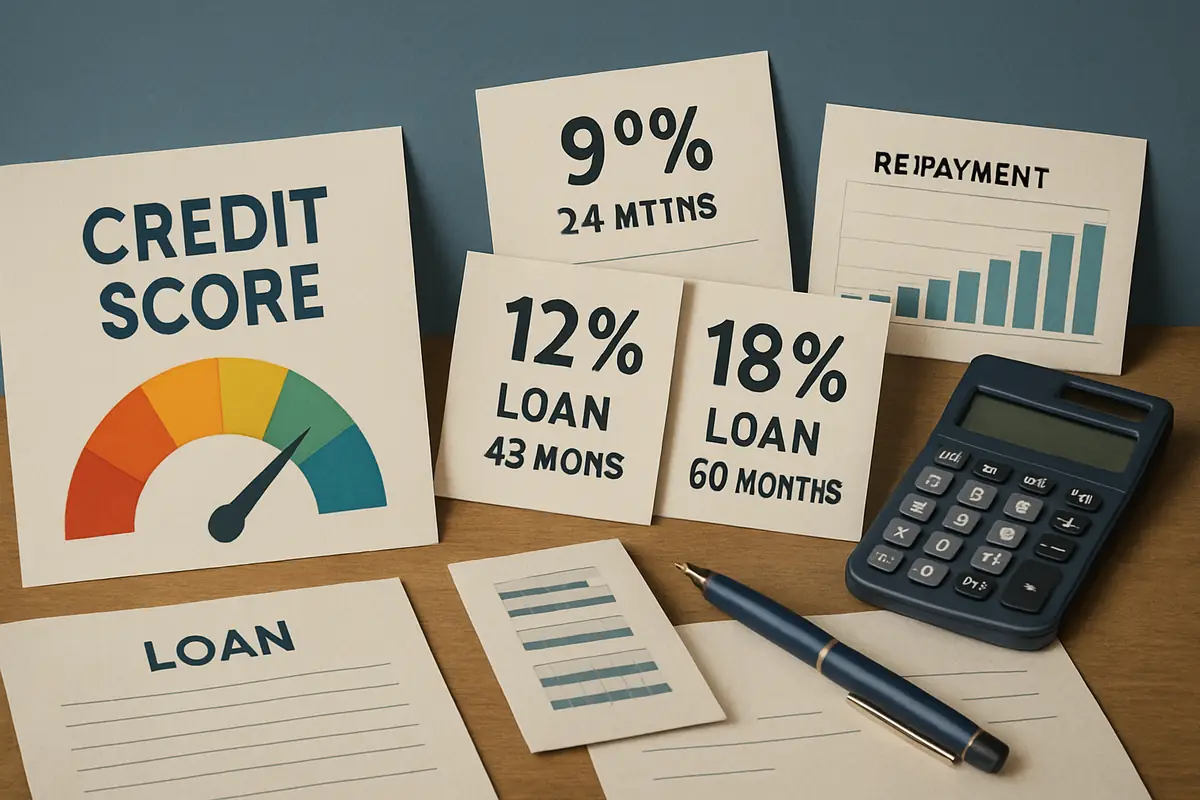
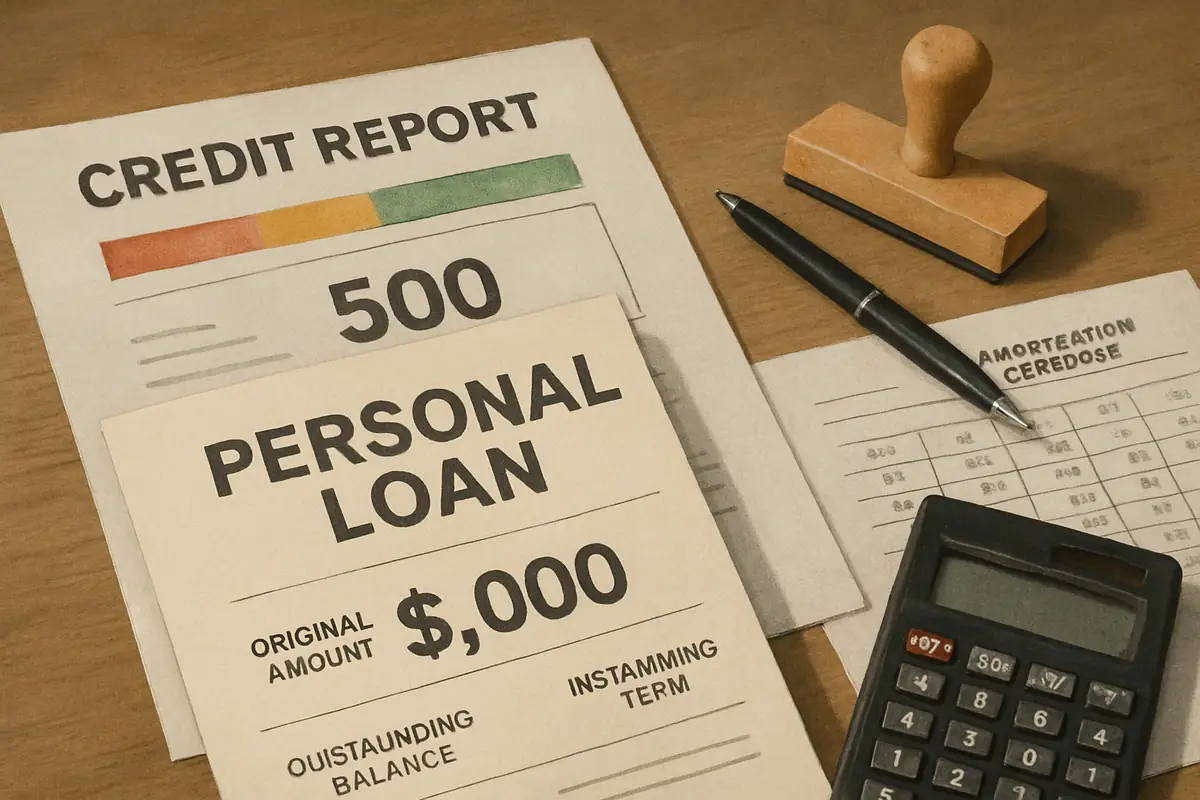
A personal loan is typically reported as an installment loan on your credit report. Unlike revolving credit such as credit cards, installment loans require fixed monthly payments over an agreed term, usually ranging from 12 to 60 months. When you take out a personal loan of, for example, $7,000 at an APR of 12%, the lender reports the original loan amount, the outstanding balance, payment history, and the loan status (open or closed) to credit bureaus monthly. This data feeds into your credit score calculation by showing how you handle installment debt.
Credit scoring models consider several factors related to your personal loan account: payment history contributes about 35% to most scores; amounts owed roughly 30%, including your installment balances; length of credit history about 15%; types of credit accounts about 10%; and new credit inquiries about 10%. A new personal loan adds a fresh account to your report, possibly lowering the average age of accounts and triggering a hard inquiry that can temporarily drop your score by up to 5 points. However, demonstrating consistent on-time payments over the loan term will usually increase your score over time by reducing perceived risk.
Scenario: The Smith Family’s $6,000 Loan at 15% APR — What Happens To Their Score?
How this can look in practice
The Smith family needed $6,000 for home repairs. They obtained a three-year personal loan with an APR of 15%, resulting in monthly payments around $208. After receiving the loan, their credit score dipped by approximately 4 points due to the hard inquiry and new account. Over six months of timely payments, their score rose steadily as the balance decreased and payment history was positive.
The Smiths’ experience highlights common effects: initial small dip followed by gradual improvement if managed well. Late or missed payments would have reversed this trend quickly, potentially causing a severe drop of 30-50 points depending on other factors in their report. It is important to know that payment history dominates impact; even one missed payment often remains on your record for seven years.
| Factor | Explanation | Potential Impact |
|---|---|---|
| Hard Inquiry | Lender checks your credit before approving the loan. | Temporary score drop of 2-5 points lasting up to one year. |
| New Account | Opening a new loan reduces average account age. | May reduce score by up to 10 points initially. |
| Payment History | On-time or late payments reported monthly. | On-time payments improve score; missed ones reduce it significantly. |
| Credit Mix | Having diverse types of credit accounts. | Positive effect if balanced; minor impact overall. |
| Loan Balance | Outstanding principal compared to original amount. | Higher balances compared to original may lower score due to risk perception. |
APR, Fees, and Contract Terms: How They Influence Repayment Behavior and Credit Impact
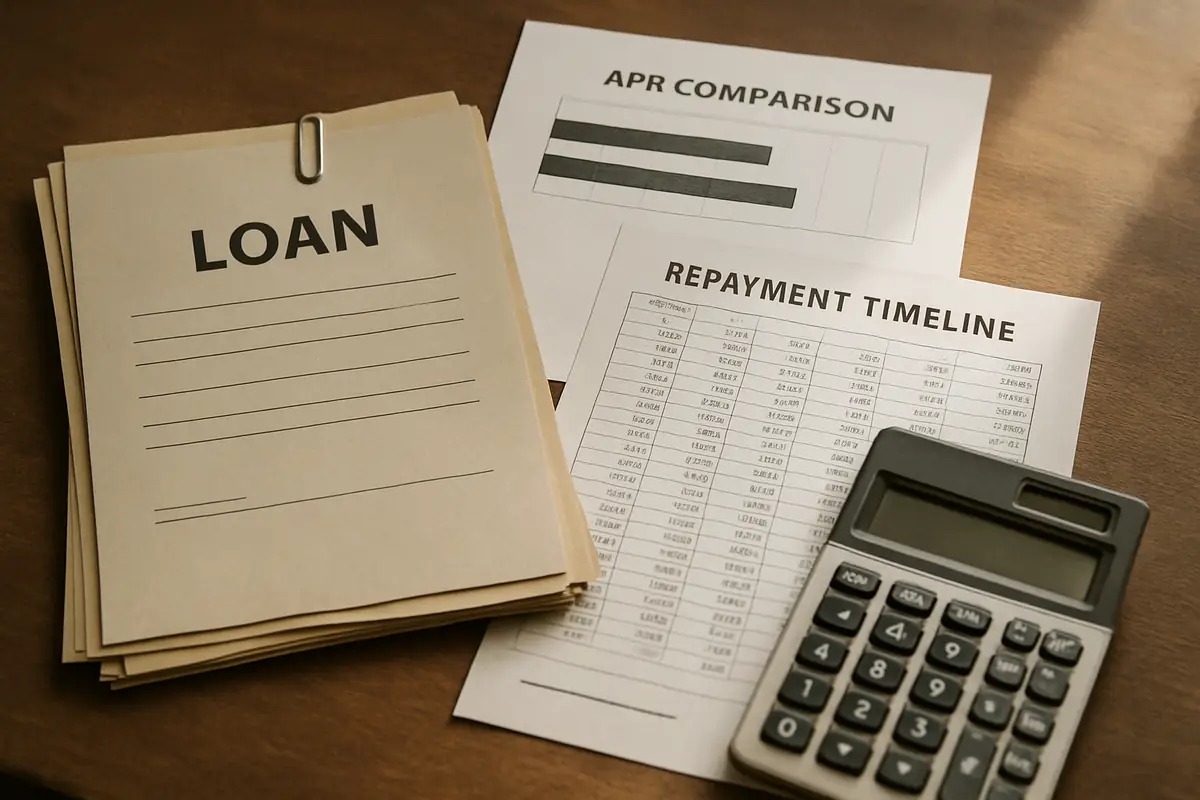
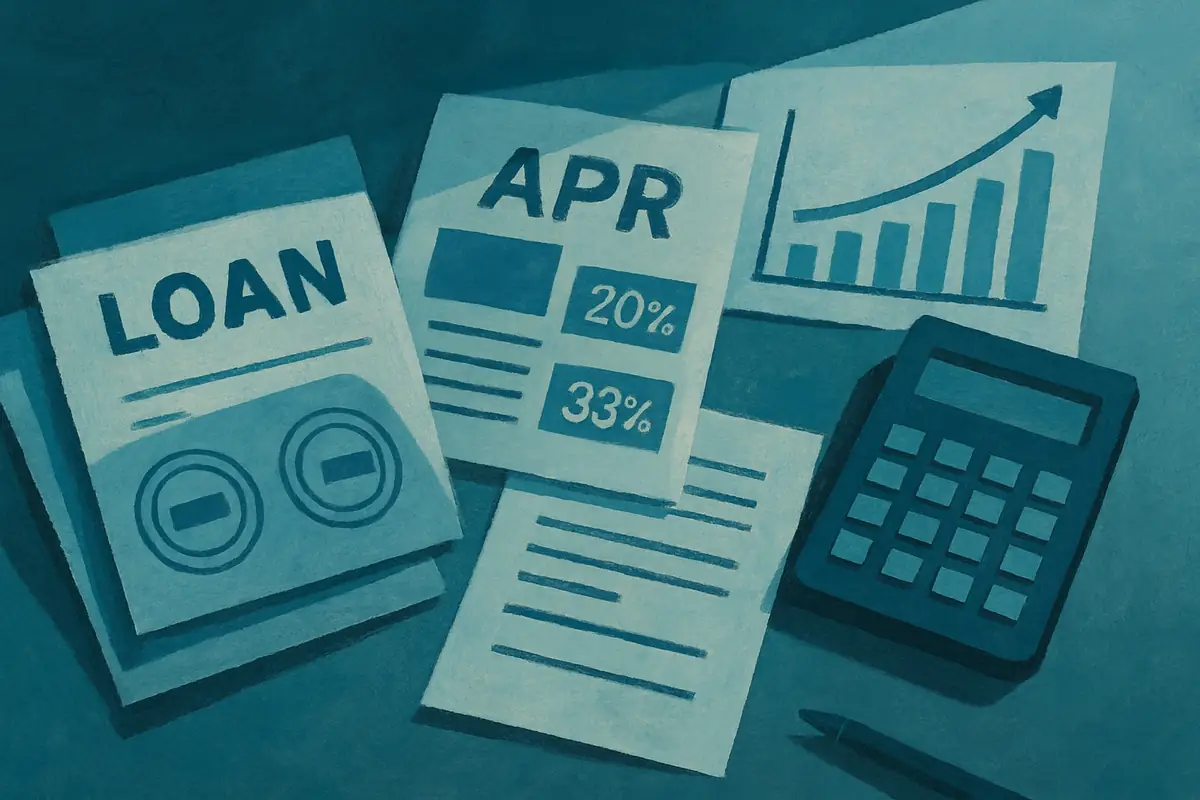
APR (Annual Percentage Rate) represents the yearly cost of borrowing including interest and certain fees expressed as a percentage. Typical unsecured personal loans have APRs ranging from around 6% for prime borrowers up to 36% or more for higher-risk applicants. Fees include origination fees (often between 1% to 5% of the loan amount), prepayment penalties (rare but possible), late fees typically $25-$40 per missed payment, and sometimes administrative fees during servicing.
Consider a borrower taking a $4,500 personal loan at an advertised APR of 18% with a 3-year term. The actual cost over three years includes interest plus an origination fee of 3%, equaling $135 upfront. Monthly payments calculate roughly as follows: Using amortization formula for fixed payments we find the monthly payment P using P = [r*PV]/[1-(1+r)^-n], where r = monthly interest rate (0.18/12=0.015), PV = principal plus fee ($4,500 + $135 = $4,635), and n = number of months (36). This yields P ≈ $160 per month.
Borrowers sometimes underestimate these additional costs leading to repayment strain. Missing payments can cause late fees plus reported delinquencies that harm credit scores substantially. Furthermore, some contracts impose balloon payments or variable rates that increase repayment pressure unpredictably.
Where readers should be careful
Watch for advertised APR versus effective APR including all fees when comparing offers. Contracts with hidden prepayment penalties or variable rates can extend debt exposure beyond initial expectations.
Repayment Pressure: The Effect on Borrower Behavior and Credit Risk
Repayment pressure arises from how affordable monthly installments are relative to income and other obligations. For example, a $7,500 loan at 20% APR over two years requires roughly $380 monthly payments calculated via amortization formulas. For households earning $3,500 monthly after taxes with existing debts totaling $800 per month payment obligations, adding another $380 increases total commitments by nearly 23%. This elevated debt-to-income ratio signals greater risk to lenders and rating agencies.
Borrowers under stress may delay or miss payments resulting in late reporting on credit files that drops scores between 30 and 80 points depending on severity and prior history. Missed payments also trigger additional fees compounded over time raising effective costs beyond initial terms. Persistent delinquency can lead to default or collections actions further damaging scores for multiple years.
Proactive refinancing or consolidating high-cost loans into lower-rate products can ease repayment pressure but may generate new hard inquiries or reset account age counters impacting scores short term.
Alternatives to Personal Loans: When Credit Score Impact Matters Most
Before committing to a personal loan with potential credit ramifications, households should assess alternatives based on cost-effectiveness and credit profile sensitivity. Options include using existing credit cards with manageable balances (considering typical APRs between 18%–30%), employer payroll advances without interest (subject to availability), borrowing from family or friends with written agreements minimizing default risk impact on reporting agencies, or secured loans such as auto title loans—which carry collateral risks but sometimes offer lower rates near 10%-15% APR.
Each alternative has trade-offs: revolving credit fluctuates utilization ratios impacting scores differently than installment loans; informal loans lack formal reporting but may cause relational strain; secured loans reduce interest cost but expose assets like vehicles or property as collateral risking repossession if unpaid.
Will applying for multiple personal loans hurt my credit?
Yes. Each application generates a hard inquiry which can temporarily lower your credit score by several points. Multiple inquiries within a short period may compound this effect unless done within rate-shopping windows recognized by scoring models.
Does paying off a personal loan early improve my score?
Paying early stops accruing interest costs but might slightly reduce your average account age impacting scores marginally. Generally timely full repayment is viewed positively but does not instantly boost scores beyond removing outstanding debt obligations.
Can missing one payment on a personal loan cause serious damage?
A single missed payment reported after typically 30 days past due can cause significant score drops between 30–50 points especially if prior history was clean. It also triggers late fees increasing total cost of borrowing.
Borrower Checklist: Managing Personal Loans While Protecting Your Credit Score
The critical checklist items every borrower should consider include:
- Request full disclosure upfront including APR with all fees factored in before signing any contract.
- Calculate true monthly payment obligations using amortization formulas considering principal plus origination fees.
- Check if prepayment penalties apply before planning early payoff strategies.
- Monitor your budget ensuring that total debt service ratios remain below recommended thresholds (typically under 36%).
- Make every payment on time even if only minimum due is possible; late payments severely harm scores.
- Consider alternatives carefully weighing collateral risks versus unsecured higher-cost options.
- Review your credit reports regularly during repayment period for errors or fraudulent entries affecting your standing.
- Plan ahead for refinancing opportunities if market rates drop but be aware refinancing resets account age counters impacting short-term scores.
Adhering strictly to this checklist helps minimize unexpected negative impacts on both finances and credit profile during the life cycle of a personal loan.
What Remains After Understanding Personal Loan Impact on Credit Scores?
How Personal Loan Repayment Behavior Impacts Credit Score
One of the most significant ways personal loans affect your credit score is through your repayment behavior. Timely payments on a personal loan can boost your credit profile by demonstrating reliability and financial responsibility. Each on-time payment is reported to credit bureaus and contributes positively to your payment history, which constitutes about 35% of a FICO credit score. Conversely, missed or late payments can hurt your score substantially, as they signal potential risk to lenders. Importantly, the severity of the impact depends on how late the payment is and how many occur. A single late payment may cause a drop of 50 to 100 points, but repeated delinquencies can lead to even deeper declines and may stay on your report for up to seven years.
Additionally, the length of time you keep the loan open affects your credit mix and average account age, both factors influencing credit scoring models. Paying off a personal loan early might reduce interest costs but could shorten your credit history and diversity, potentially leading to a minor dip in score if not balanced with other accounts. Therefore, strategically managing repayments—prioritizing on-time payments while considering loan term length—is crucial. Making just the minimum payment keeps you in good standing but paying extra toward principal can reduce overall interest expenses and free up future borrowing capacity.
The Role of Credit Inquiries in Personal Loan Applications
When you apply for a personal loan, lenders perform a hard inquiry on your credit report to assess your creditworthiness. This inquiry can cause a small, temporary drop in your credit score—typically around 5 points—and remains visible on your report for two years. Although this reduction is usually minimal and recovers quickly, multiple applications within a short period can compound the effect and raise concerns among lenders about potential financial distress or aggressive borrowing behavior. To mitigate this, some credit scoring models treat multiple inquiries for the same type of loan as a single inquiry if made within a specific timeframe (usually 14 to 45 days), allowing consumers to shop around without excessive penalty.
Understanding how inquiries impact your credit score can help you plan more effectively when seeking personal loans. For instance, consolidating all loan applications into a short window minimizes scoring damage. Moreover, soft inquiries—such as prequalification checks that do not require full application processing—do not affect your credit score at all. Therefore, starting with prequalification tools gives you an idea of potential offers without lowering your score. Being mindful of these nuances enables borrowers to maintain healthy credit profiles throughout their search for financing options.
Using Personal Loans to Improve Credit Mix and Financial Health
Personal loans contribute positively to your credit mix by adding an installment account alongside revolving accounts like credit cards. Credit mix accounts for approximately 10% of most credit scoring models, reflecting the variety of debt types you manage responsibly. Having a diverse set of account types signals financial maturity and reduces risk from lenders’ perspectives because it shows you can handle different repayment structures effectively. For example, successfully managing both revolving debt such as credit cards and installment debt such as personal loans may make you eligible for better interest rates on future borrowing.
Additionally, using personal loans strategically—for consolidating high-interest debts or funding essential expenses—can improve overall financial health when executed with discipline. Consolidation loans simplify payments by replacing multiple obligations with one fixed monthly payment often at lower interest rates than credit cards. This disciplined approach reduces total debt faster while maintaining positive payment history. However, it is critical not to accumulate new debt after consolidation or miss payments since doing so undermines any improvements gained through the loan’s benefits.
Potential Downsides: When Personal Loans Can Harm Your Credit
While personal loans have many advantages for building credit when used responsibly, there are scenarios where they can negatively impact your score or financial standing. Taking out multiple loans simultaneously increases debt-to-income ratio and monthly obligations, potentially reducing available income for other expenses or emergencies. High levels of debt also increase risk from lenders’ perspectives and may lower future borrowing limits or raise interest rates on subsequent applications.
Moreover, defaulting on a personal loan—where missed payments exceed 90 days—can result in severe consequences including charge-offs or collections accounts appearing on your credit report. These derogatory marks remain for years and severely depress scores while making it difficult or costly to obtain new credit lines or insurance policies. Even before default occurs, consistently maxed-out loans or requests for extensions signal financial strain which may cause lenders to question reliability during pre-approval processes.
Best Practices for Managing Personal Loans to Protect Your Credit
References
- https://www.consumerfinance.gov/consumer-tools/credit-reports-and-scores/
- https://www.consumerfinance.gov/consumer-tools/
- https://www.consumerfinance.gov/consumer-tools/auto-loans/
- https://www.fdic.gov/consumer-resource-center/loans
- https://www.consumerfinance.gov/consumer-tools/mortgages/
- https://www.consumerfinance.gov/consumer-tools/student-loans/