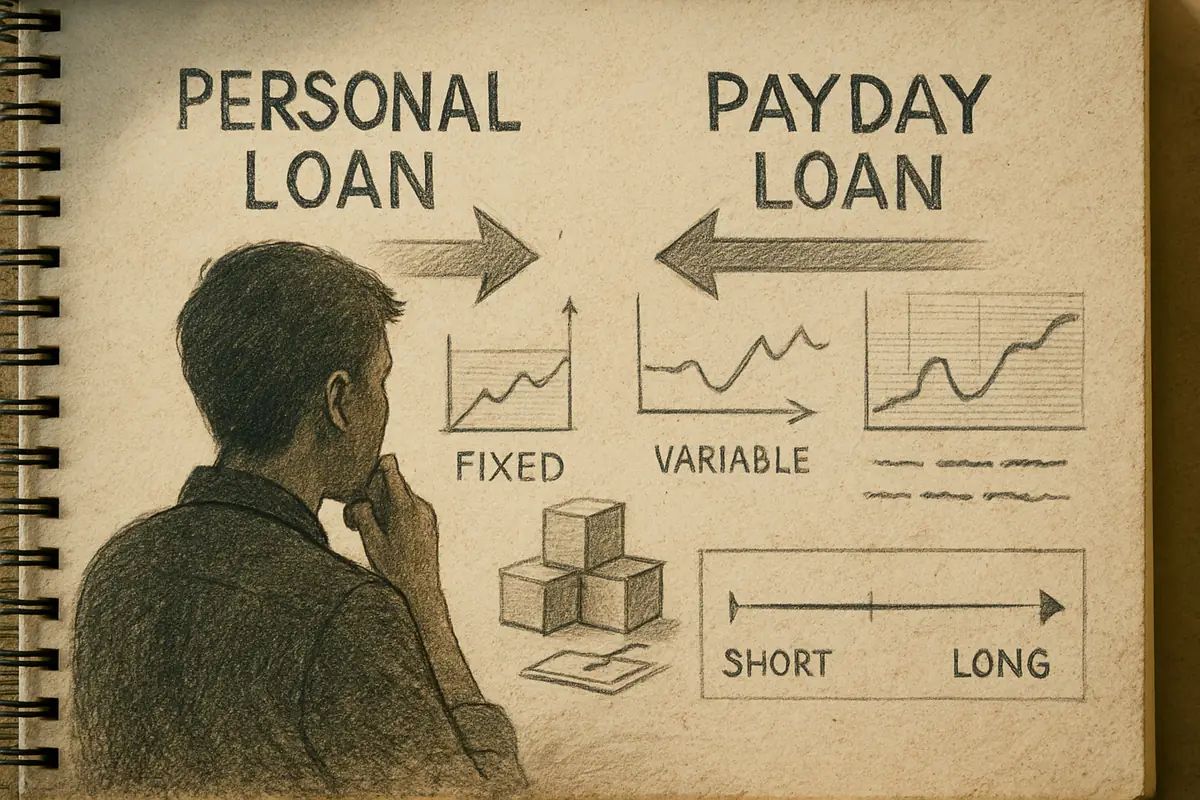
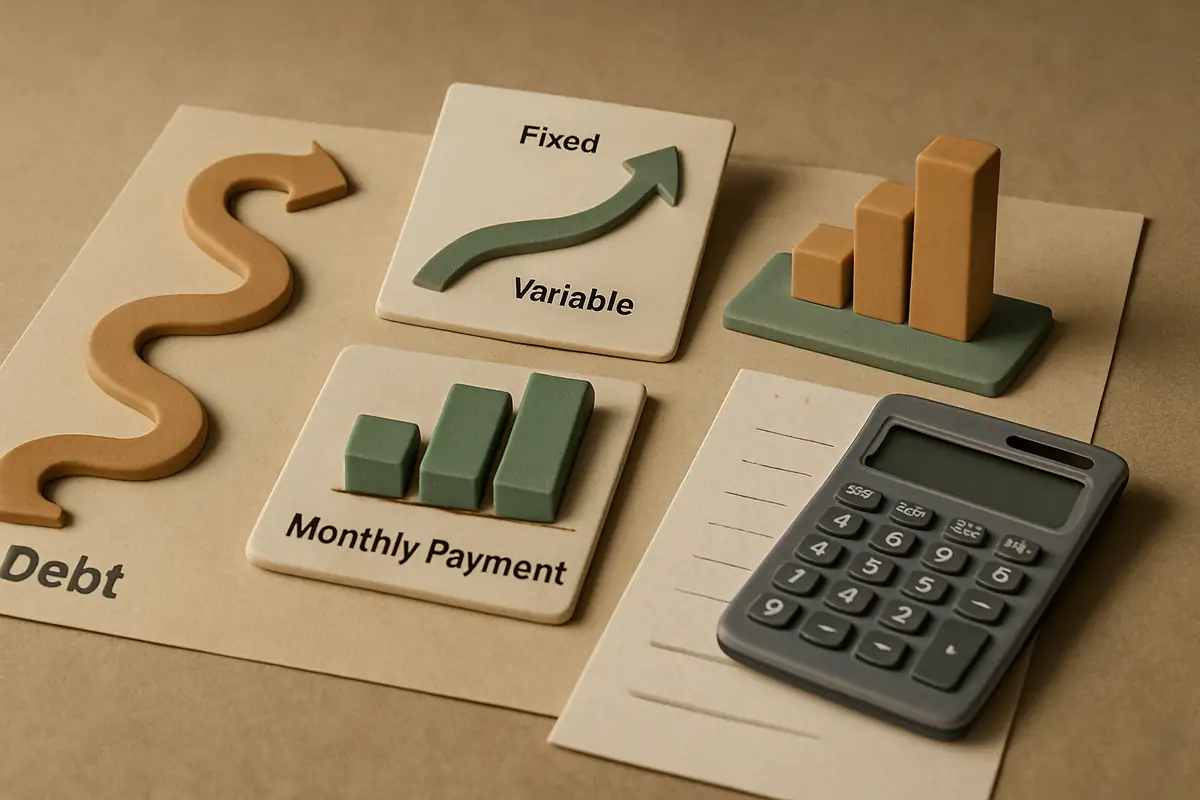
Payday loans often present themselves as quick fixes for urgent cash needs, promising rapid approval and immediate access to funds typically ranging from $300 to $1,000. However, the advertised ease masks a complex reality marked by exceptionally high annual percentage rates (APRs), short repayment windows usually between two to four weeks, and fees that can inflate borrowing costs beyond initial expectations. This article examines whether payday loans genuinely serve short-term borrowing purposes or whether they create longer-term financial strain through hidden costs and repayment pressures.
Borrower Situations: When Payday Loans Enter the Picture
Borrowers typically consider payday loans in scenarios where immediate cash is needed but conventional credit options are unavailable or too slow. Common examples include covering unexpected medical bills of around $500, emergency car repairs costing $700, or utility payment deadlines requiring $400. These urgent needs often coincide with poor credit scores or lack of collateral that restrict access to traditional installment loans or credit cards with lower interest rates. The appeal of payday loans lies in their no-collateral requirement and speed; however, these features come at a significant financial trade-off.
In many cases, payday borrowers have limited disposable income and live paycheck-to-paycheck, making the typical payday loan term of 14 to 30 days particularly risky. Failure to repay within the brief term often leads to rollovers or renewals, each adding new fees and compounding interest costs. For borrowers facing a $500 loan with a 15% fee due in two weeks, the effective APR can exceed 390%, vastly surpassing most personal loan or credit card rates. This short-term urgency combined with high cost creates a cycle difficult to escape without further financial instability.
Cost Mechanics: Understanding True Costs Behind Payday Loans
The headline cost of payday loans is usually presented as a flat fee — for instance, $15 per $100 borrowed over two weeks. While this sounds straightforward, converting this fee into an APR reveals the true expense. APR stands for Annual Percentage Rate and represents the yearly cost of borrowing including fees and interest expressed as a percentage. Payday loan APRs commonly range between 300% and 600%, dwarfing typical credit card rates of 18% to 30% or personal loan rates between 6% and 36%.
To illustrate the cost mechanics, consider a borrower who takes out a $500 payday loan with a $75 fee due in 14 days. The repayment amount is $575. To annualize this cost using APR formula: calculate the fee as a percentage of principal ($75 / $500 = 0.15), then multiply by the number of periods in a year (365 days / 14 days ≈ 26). This gives an APR estimate around 390%. Such figures highlight how quickly costs escalate on short-term loans with flat fees.
| Cost Factor | Explanation | Impact on Borrower |
|---|---|---|
| Flat fees per $100 borrowed | Fixed fee charged regardless of repayment speed | Increases effective interest rate when loan term is short |
| Short repayment terms (14-30 days) | Loan must be repaid quickly or renewed | Pressure to repay multiple times adds cumulative fees |
| Rollovers/renewals | Extending loan term by paying new fees instead of principal | Creates debt spirals with escalating total costs |
| No collateral required | Loan granted on promise to repay next paycheck | Higher risk compensated by higher fees |
| APR (Annual Percentage Rate) | True yearly borrowing cost including fees and interest | Frequently exceeds 300%, far above traditional credit |
Understanding these factors is crucial for borrowers considering payday loans as they reveal that what seems like a small one-time fee can translate into very high borrowing costs if repayment is delayed or extended.
Contract Risks: Fine Print That Shapes Borrower Obligations
Payday loan agreements often include provisions that increase borrower risk beyond stated fees and terms. One such risk comes from automatic withdrawals scheduled shortly after disbursement, which earmark borrowers’ bank accounts for repayment without flexibility if funds are insufficient. If funds bounce due to overdraft, additional bank fees compound the borrower’s burden.
Another contract risk lies in mandatory arbitration clauses and restrictions on legal recourse. Borrowers may find it difficult to challenge unfair practices or errors because contracts limit court actions. Furthermore, some lenders explicitly permit repeated rollovers within the contract, encouraging cycle debt rather than full repayment.
Where readers should be careful
Payday loan contracts frequently include automatic payment authorization that withdraws funds immediately on due dates. If your bank balance cannot cover this withdrawal, you may face overdraft charges on top of loan fees. Confirm payment timing before agreeing to avoid unexpected penalties.
Additionally, prepayment penalties are rare but possible; some contracts discourage early payoff by imposing extra fees if a borrower settles before the due date. Such clauses reduce incentives for financial recovery and prolong indebtedness.
Repayment Pressure and Behavioral Impact on Borrowers
The two-to-four-week repayment window places intense pressure on borrowers who must budget their next paycheck primarily towards settling payday debts rather than routine expenses like rent or groceries. This pressure generates psychological stress and reduces financial flexibility during critical periods.
Because many borrowers lack savings cushions, they may resort to taking out subsequent payday loans immediately after repaying prior ones—a practice known as “churning.” Each rollover increases total borrowing costs exponentially and often results in escalating debt rather than relief.
Where Payday Loans May Help Short-Term Needs
- Quick access to cash without collateral requirements enables emergency liquidity.
- Simple application process suits those with poor credit or banking history.
- No lengthy underwriting delays unlike bank loans can be beneficial during acute financial crises.
Where Caution Is Needed With Payday Loans
- Extremely high effective APRs make them costly relative to other credit forms.
- Short terms force repayment within single pay cycles creating pressure.
- High likelihood of rollovers leads to growing debts over time.
- Contract clauses can limit borrower rights and increase penalty risks.
- Automatic repayments coupled with bank overdrafts add unforeseen charges
Comparing Alternatives: Cost and Risk Profiles Beyond Payday Loans
For short-term cash needs under $1,000 lasting more than two weeks, several alternatives generally offer lower overall costs though with varying access barriers. Credit cards permit revolving balances with APRs typically between 18% and 30%; while still expensive compared to traditional installment loans (6%–36%), they usually allow minimum payments spreading cost across multiple months without mandatory full payoff.
Short-term personal installment loans available online or through credit unions often provide fixed monthly payments over three to six months at APRs ranging from roughly 9% to 36%. Unlike payday loans, they amortize principal plus interest across scheduled payments reducing debt pressure at each paycheck cycle.
Scenario: Emergency Car Repair Funding Options for a $700 Need Over One Month Term
This scenario illustrates how payday loans often produce intense immediate repayment demands whereas alternatives distribute cost over longer periods allowing better budgeting despite potentially higher cumulative interest paid.
Refinancing Pressure and Debt Cycles Unique to Payday Products
Because repay-by-next-paycheck terms do not align well with actual borrower income volatility or unexpected expenses emerging post-loan issuance, refinancing via rollovers becomes common. Refinancing involves paying only part of principal plus associated new fees while extending loan maturity dates—effectively increasing lifetime borrowing costs exponentially if repeated multiple times.
Research indicates many payday borrowers take out between three and five successive loans annually leading to average annualized costs far exceeding original estimates based on single-loan assumptions. This pattern demonstrates how quick cash solutions become long-term liabilities trapping borrowers in downward financial spirals without intervention or better financial planning tools.
Borrower Checklist: Evaluating Payday Loan Suitability with Practical Criteria
'When considering a payday loan, evaluate these key points:'
- Confirm exact fee amount per $100 borrowed and calculate implied APR for your intended term length.
- Assess your ability to repay full principal plus fees within the stated short term without relying on rollovers.
- Review contract terms carefully for automatic withdrawal permissions and prepayment penalties.
- Consider alternatives such as credit cards, small personal installment loans, or assistance programs before committing.
- Be aware that missing payments triggers additional fees plus potential overdraft charges from your bank account.
- Avoid multiple consecutive payday loans; seek counseling if facing recurring urgent need cycles.
- Use realistic budgeting models including utility bills, rent obligations, food costs alongside potential repayments before deciding.
- Understand that no-collateral does not mean no risk—default consequences may include collections actions impacting credit reports.
'An informed decision rests on clear visibility into total costs and realistic appraisal of your financial capacity during the next pay period.'
Summary Assessment: Where Payday Loans Fit Within Responsible Borrowing Strategies
'Payday loans occupy an extreme corner of consumer lending characterized by ultra-short terms combined with high flat fees equating to punitive APRs exceeding typical credit products many times over.'
'While offering expedient access without collateral checks or underwriting delays useful for crisply defined emergencies under strict repayment discipline they impose heavy contract-related pressures likely unsuitable for widespread use.'
Where readers should be careful
'Repeated reliance on payday loans signals underlying gaps in financial resilience requiring structured intervention rather than quick fix borrowing.'
'Borrowers should carefully evaluate whether their specific scenario truly necessitates this form of credit versus exploring slightly slower but more sustainable alternatives.'
Understanding the True Cost of Payday Loans
One of the most critical aspects to consider when evaluating payday loans is understanding their true cost. Although these loans are often marketed as quick and easy solutions for urgent financial needs, the fees and interest rates involved can be alarmingly high. Typically, payday loans charge fees equivalent to an annual percentage rate (APR) that can range from 300% to even 700%, far exceeding conventional loan rates. Borrowers might see a small upfront fee, but when you extrapolate that over a year, the cost becomes staggering. This makes payday loans one of the most expensive types of credit available, which means their affordability is often misleading. Many borrowers take out payday loans believing they are short-term solutions without realizing how quickly the debt can spiral out of control due to high finance charges.
Moreover, the repayment terms often require full repayment by the borrower’s next paycheck, which may be only two weeks away. This compressed timeline leaves little flexibility for individuals who are already financially strained. If a borrower cannot repay the loan on time, they may face additional fees or must roll over the loan to a new period, which compounds the cost and extends their financial burden. These repeated rollovers can trap borrowers in a cycle of debt that is difficult to escape without intervention or restructuring. Understanding these hidden costs helps uncover why payday loans are frequently criticized despite their easy accessibility.
The Impact of Payday Loans on Credit Scores and Financial Health
Contrary to popular belief, payday loans generally do not help build credit because they are usually not reported to major credit bureaus. This means that timely repayments will not improve a borrower’s credit score, whereas missed payments or defaults can lead to collections activity and subsequent damage to creditworthiness. Without positive credit reporting, borrowers miss out on opportunities to enhance their financial profile through responsible loan management. This lack of impact on credit scores diminishes one of the typical benefits associated with other forms of borrowing.
Additionally, reliance on payday loans can have broader implications for an individual’s overall financial health. The stress and financial pressure caused by high-interest debt can affect mental well-being and decision-making capabilities. Borrowers may prioritize paying off payday loans over essential expenses such as rent, utilities, or groceries, potentially resulting in evictions or service disconnections. This vicious cycle exacerbates existing financial instability rather than providing meaningful relief from short-term cash flow issues.
Alternatives to Payday Loans: Exploring More Sustainable Options
Given the potential pitfalls associated with payday loans, it is crucial to explore alternative borrowing options that offer more sustainable and affordable solutions for short-term cash needs. One common alternative is borrowing from family or friends, which often involves little or no interest and more flexible repayment terms. However, this option requires trust and clear communication to avoid damaging personal relationships.
Another option gaining popularity is credit unions or community banks that offer small-dollar personal loans with significantly lower interest rates than payday lenders. These institutions may require proof of income but usually provide longer repayment periods and better terms tailored to consumers with limited credit history or low income. Additionally, some non-profit organizations provide emergency assistance programs designed to help borrowers cover unexpected expenses without incurring exorbitant fees.
For those with established credit histories, using credit cards responsibly can also serve as a short-term borrowing method with manageable interest rates if paid off promptly during grace periods. It’s important for consumers to evaluate these alternatives carefully by considering interest rates, fees, repayment flexibility, and long-term impacts before opting for high-cost payday loans.
Regulatory Measures and Consumer Protection Efforts
Recognizing the dangers posed by payday lending practices, many jurisdictions have introduced regulatory measures aimed at protecting consumers from predatory lending. These measures include caps on interest rates and fees, limits on the number of rollovers allowed per loan cycle, mandatory cooling-off periods between loans, and requirements for clearer disclosure of loan terms. Such regulations strive to create a safer borrowing environment by reducing exploitative practices and encouraging transparency.
Some states have even banned payday lending entirely or replaced it with state-run small-dollar loan programs that offer fairer terms and lower costs. Federal agencies like the Consumer Financial Protection Bureau (CFPB) also actively monitor industry practices and provide resources for consumer education on responsible borrowing strategies. However, enforcement challenges remain due to online lending platforms operating across state lines without consistent oversight.
Final Considerations: Weighing Convenience Against Long-Term Consequences
Ultimately, whether a payday loan serves as a viable solution depends largely on an individual's financial situation, awareness of costs involved, and availability of alternatives. While these loans provide quick access to funds when emergencies occur outside traditional banking hours or for those lacking access to other forms of credit, their steep costs and potential for debt cycles make them risky choices in most scenarios.
Borrowers should approach payday loans cautiously and consider them only as last-resort options after exploring safer alternatives like emergency funds, personal installment loans from reputable lenders, or seeking assistance through community resources. Financial literacy plays an essential role in empowering consumers to make informed decisions that protect their long-term economic well-being rather than sacrificing future stability for immediate relief.