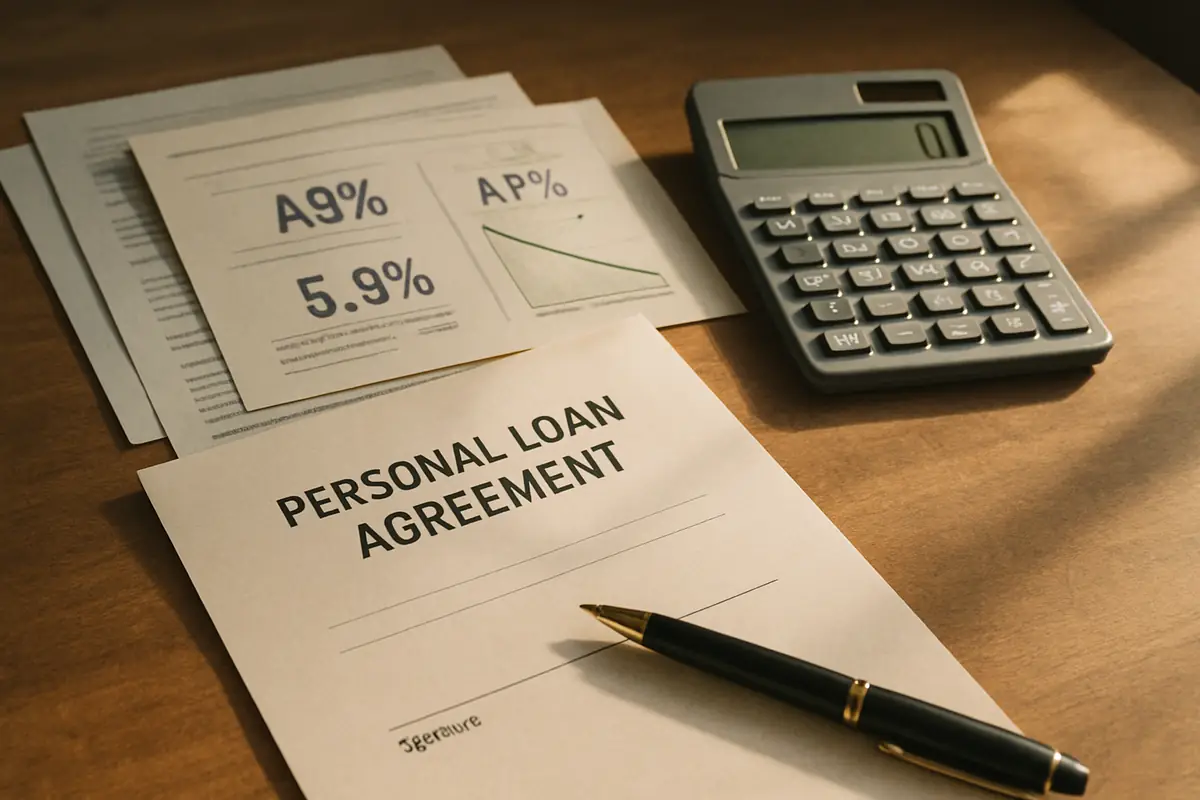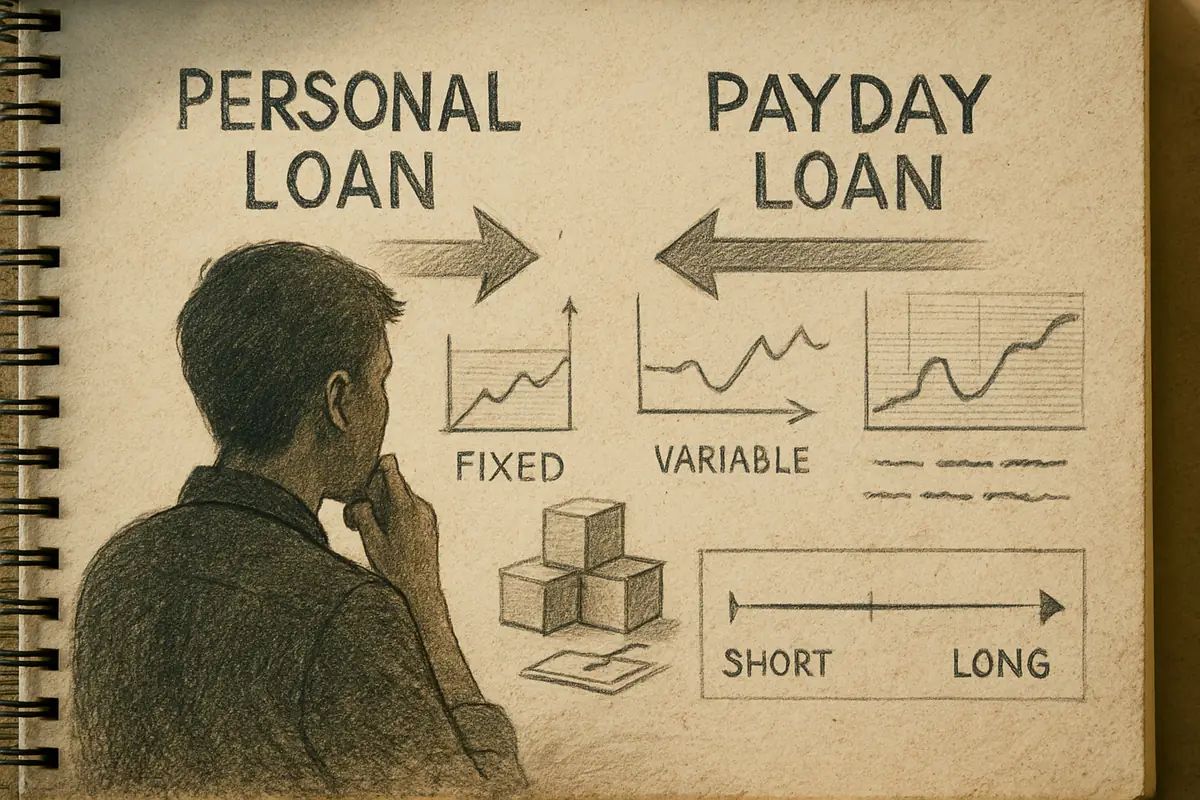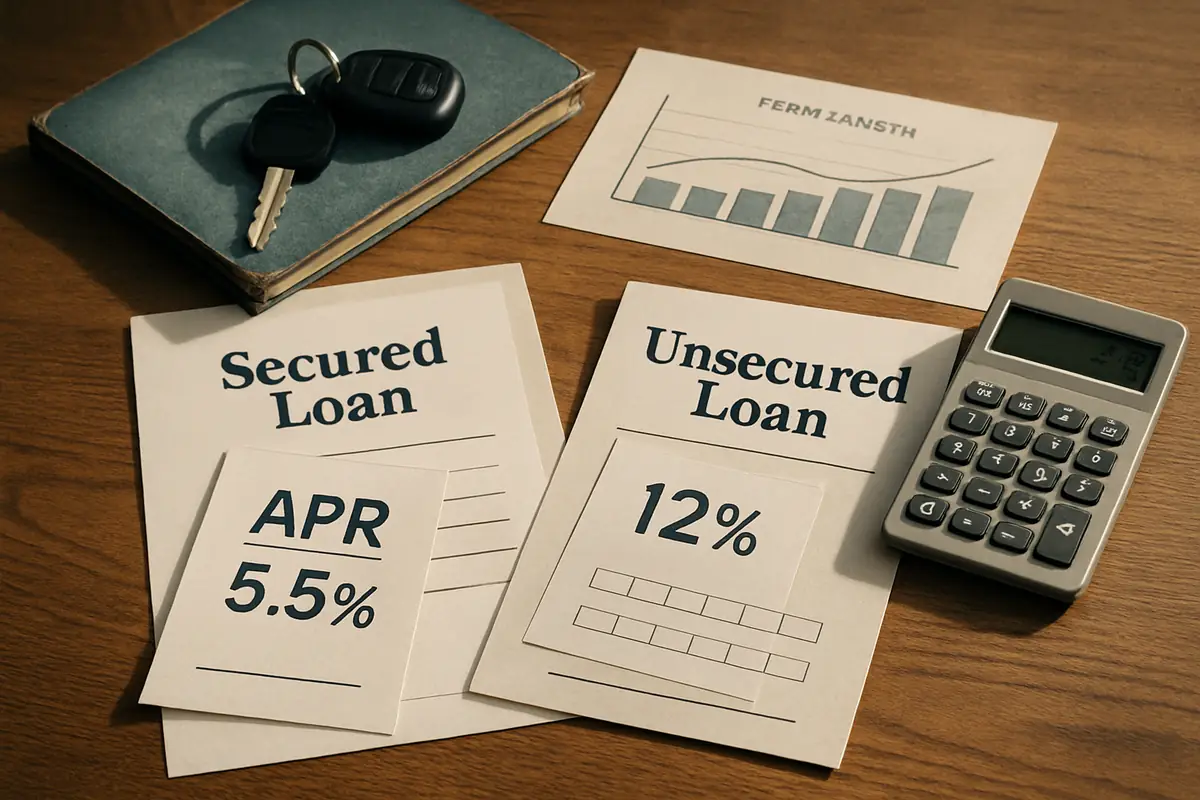
When Sarah applied for a $25,000 auto loan to replace her aging sedan, she was surprised to see an additional $750 deducted immediately as a loan origination fee. Although the advertised interest rate seemed reasonable at 6.5% APR over five years, this upfront cost altered her effective borrowing price significantly. This scenario highlights the critical importance of understanding loan origination fees before committing to any loan contract.
What Are Loan Origination Fees and Why They Matter
A loan origination fee is a one-time charge imposed by lenders to cover the administrative costs of processing a new loan application. Typically expressed as a percentage of the loan amount, these fees commonly range from 0.5% to 3%. For instance, on a $10,000 personal loan, a 2% origination fee means $200 is deducted upfront or added to the loan balance. Unlike interest paid over time, this cost is paid at or near closing and effectively raises the total cost of borrowing. Recognizing that the advertised Annual Percentage Rate (APR) may not fully reflect these upfront fees is essential for borrowers evaluating true loan expenses.
Loan origination fees appear in various types of loans including personal loans, auto loans, and mortgages. While mortgage closing costs incorporate broader categories beyond just origination fees—such as appraisal and title fees—the origination fee remains a significant component and can be up to 1% of the mortgage amount. These fees impact monthly payments and total interest paid over the loan term by increasing the principal or reducing net proceeds for borrowers who are drawing down funds.
| Loan Type | Typical Origination Fee Range | Common Loan Term Length | Usual APR Range |
|---|---|---|---|
| Personal Loan | 1% - 5% | 2 to 7 years | 6% - 36% |
| Auto Loan | 0.5% - 3% | 3 to 7 years | 4% - 15% |
| Mortgage Loan | 0.5% - 1.5% | 15 to 30 years | 2.5% - 6.5% |
Scenario: Calculating True Cost with Loan Origination Fees
How this can look in practice
Mark wants to borrow $20,000 through a personal loan with a nominal rate of 9% APR and a term of four years. The lender charges a 3% origination fee deducted from the loan amount upfront.
In this case, Mark’s origination fee equals $600 (3% × $20,000). Instead of receiving $20,000 cash upfront, he actually receives $19,400 because $600 is withheld to cover processing costs. However, his monthly payment and interest calculations are based on the full $20,000 principal balance over four years.
(1) Monthly payment calculation: Using standard amortization formulas for a fixed-rate loan at 9% APR over 48 months on $20,000 principal yields approximately $492 per month. (2) Total repayment: $492 × 48 = $23,616. (3) Effective borrowing amount: $19,400 (net funds received). (4) Total costs: $23,616 repaid minus $19,400 net proceeds equals $4,216 in interest plus fees. This example shows how an upfront fee increases Mark’s effective borrowing cost beyond nominal APR calculations.
How Origination Fees Affect Loan Repayment Pressure and Affordability
Because origination fees reduce net funds provided yet do not reduce monthly payments proportionally, borrowers face higher repayment pressure relative to usable proceeds. For consumers living close to their budget limits or those refinancing existing debt with tighter cash flow margins, these upfront costs can tip affordability scales unfavorably.
"The nominal APR excludes front-loaded fees that increase effective interest rates," explains Foster. "Consequently, borrowers might accept terms thinking they secure affordable financing only to encounter greater financial strain later." For example, in auto loans with typical fees between $300 and $1,000 depending on vehicle price and credit risk factors, monthly payment estimates based solely on interest rates could underestimate true monthly obligations by several dollars per hundred borrowed.
"Advertising Versus Reality": Understanding APR With Fees Included
"APR," or Annual Percentage Rate, includes both stated interest and certain upfront costs like origination fees expressed as an annualized rate representing total borrowing expense over one year. However, some lenders exclude all fees from APR calculations or present multiple APR figures that confuse consumers when comparing offers.
"Borrowers should verify whether advertised APR covers all upfront fees," Foster cautions. "For example, two loans both quoting a '7%' APR might differ substantially if only one includes origination fees in that rate calculation." In other words, an offer appearing cheaper upfront may become more expensive once all costs are factored into amortized payments.
"Benefits of Loan Origination Fees"
- "Helps lenders cover administrative costs and risk screening efforts."
- "May allow borrowers access to loans from lenders who rely on these fees instead of higher interest rates."
"Risks and Costs Borrowers Face"
- "Raises effective borrowing cost beyond advertised interest rates."
- "Reduces net funds received especially problematic for tight budgets."
- "Sometimes obscured in marketing leading to misleading comparisons."
"Contractual Risks Related to Upfront Fees and Borrower Obligations"
[Borrowers] should carefully examine their loan agreements regarding how origination fees are assessed: whether deducted upfront from proceeds or added as part of the principal balance affecting amortization schedules. Some contracts impose non-refundable status on these fees regardless of early payoff or refinancing decisions.
Where readers should be careful
Watch for contracts where you pay full origination fees even if you refinance or prepay soon after initial funding; these can lock you into high effective costs despite short-term use.
Collateralized loans like auto or mortgage loans typically include detailed disclosures about fees annually through Truth-in-Lending statements required by regulation; however, unsecured personal loans may vary widely in transparency depending on lender practices.
Upfront Fee Deduction
Check if your lender deducts the fee before disbursing funds or adds it onto your principal.
APR Clarity
Confirm whether APR includes all upfront costs for apples-to-apples offer comparisons.
Refund Policies
Review whether origination fees are refundable if you repay early or refinance.
Alternatives and Strategies: Minimizing Impact of Upfront Loan Fees
Borrowers concerned about origination fees should explore several options including negotiating lower fees with lenders—common in competitive markets—or seeking no-fee loan products which sometimes carry higher interest but lower initial costs. Refinancing existing high-fee loans cautiously after some amortization period may reduce overall expenses but beware of new closing costs replacing old ones.
Another strategy involves comparing total repayment amounts rather than monthly payments alone since low monthly payments combined with hefty upfront deductions create hidden long-term costs. Always calculate your break-even horizon—how long it takes before paying off makes sense considering all charges.
How Loan Origination Fees Affect Your Total Loan Cost
When considering a loan, it's easy to focus primarily on the interest rate, but the origination fee can significantly influence the total cost of borrowing. This upfront fee, typically expressed as a percentage of the loan amount, is charged by lenders to cover the administrative tasks related to processing the loan application. For instance, a 1% origination fee on a $200,000 mortgage translates to an immediate $2,000 expense. This cost is often rolled into the loan balance or paid separately at closing. Borrowers need to understand that even with a competitive interest rate, high origination fees can inflate overall expenses and affect monthly payments if added to the principal. Being aware of these fees allows borrowers to negotiate better terms or shop around for loans with lower upfront costs, potentially saving thousands over the life of the loan.
Moreover, origination fees can vary widely depending on the lender type and loan product. Traditional banks might charge different fees compared to online lenders or credit unions. Some lenders use these fees as negotiation points or offer promotions that waive or reduce them to attract customers. Additionally, government-backed loans like FHA or VA loans often have standardized fee structures that might be more favorable for certain borrowers. Understanding how these fees integrate with other closing costs—such as appraisal fees, credit report charges, and underwriting fees—is essential for estimating your out-of-pocket expenses accurately during loan approval.
Negotiating Loan Origination Fees: Tips and Strategies
Borrowers frequently overlook origination fees as negotiable expenses when shopping for loans. However, many lenders are willing to negotiate these fees depending on your creditworthiness, loan amount, and relationship with the institution. One key strategy is obtaining multiple loan estimates from different lenders and using these quotes to leverage better terms. If another lender offers a lower origination fee or waives it altogether, presenting this information during negotiations can encourage your preferred lender to match or beat those offers. Additionally, having a strong credit score and stable income can provide you with greater bargaining power since lenders may view you as less risky and more attractive.
Another approach is opting for 'no-fee' or 'no-origination-fee' loans which might have slightly higher interest rates but save upfront cash payments. It's important to carefully analyze if paying higher interest over time outweighs the benefit of avoiding upfront fees. Some borrowers prefer paying the origination fee upfront in exchange for lower monthly payments throughout their loan term. Understanding your financial priorities and future plans helps in deciding whether negotiating down origination fees or accepting certain trade-offs makes more sense financially.
Impact of Loan Origination Fees on Different Types of Loans
Loan origination fees apply across various types of loans including mortgages, personal loans, auto loans, and student loans, but their impact differs based on each product’s characteristics. For mortgages, especially large home loans, even a small percentage fee can result in substantial upfront costs that might affect affordability and closing timelines. In contrast, personal loans often have fixed fees or smaller percentages reflecting shorter terms and smaller principal amounts. Auto loans usually incorporate fees differently; some dealers may add them into vehicle financing packages while others charge separately.
Student loans funded through federal programs generally do not impose origination fees in the traditional sense; however, private student loans frequently include such charges which can increase debt burden upon graduation. Borrowers should always review their loan agreements carefully to understand how origination fees are structured relative to their specific borrowing needs because this knowledge assists in budgeting accurately and avoiding surprise expenses after approval.
Understanding How Origination Fees Influence Loan Comparisons
When comparing various loan offers, many borrowers focus primarily on advertised interest rates without fully factoring in origination fees which can distort true cost comparisons. For example, a lender offering a 3% interest rate with a 1% origination fee might be more expensive than one charging 3.5% interest but no upfront fee depending on how long you plan to hold the loan. Calculating the annual percentage rate (APR) helps integrate both interest costs and fees into one metric for apples-to-apples comparisons.
'Loan shopping' becomes much more effective when borrowers request detailed cost breakdowns inclusive of all closing costs before committing. Using online calculators that input origination fees alongside interest rates provides clearer insight into monthly payments and lifetime costs associated with each option. This comprehensive approach prevents underestimating borrowing expenses due to seemingly low-interest rates accompanied by hefty upfront charges.
Potential Consequences of Ignoring Loan Origination Fees
Overlooking origination fees during loan selection can lead to unintended financial strain down the line. Many borrowers find themselves surprised by large sums due at closing or added principal balances increasing monthly obligations beyond initial expectations. These hidden costs reduce available cash reserves needed for emergencies or other investments immediately after securing financing.
"Failure to account for these fees could also affect eligibility for certain loans where maximum debt-to-income ratios are calculated based on total payment obligations including all associated charges," explains financial advisor Laura Kim. Being caught unprepared may delay important purchases like homes or vehicles if funds aren’t appropriately allocated at signing times.
Where readers should be careful
"Always request complete loan disclosures early in your application process so you avoid surprises related to origination fees and better plan your finances accordingly."
"How Technology Is Changing Loan Origination Fee Transparency"
Recent advances in financial technology have begun reshaping how consumers experience loan application processes including fee transparency aspects like origination charges. Online lending platforms streamline disclosures by providing digital breakdowns of all costs involved before formal applications proceed allowing borrowers immediate access to detailed fee schedules customized by credit profile and requested amounts.
Automation also enables lenders to offer dynamic pricing models where borrowers receive personalized offers reflecting real-time market conditions rather than fixed flat-rate charges hidden deep within paperwork texts. This increased visibility encourages competition among providers driving down unnecessary fees while empowering consumers with clearer choices about different deal structures based on their unique situations.
References
- https://www.consumerfinance.gov/consumer-tools/
- https://www.consumerfinance.gov/consumer-tools/auto-loans/
- https://www.fdic.gov/consumer-resource-center/loans
- https://www.consumerfinance.gov/consumer-tools/mortgages/
- https://www.consumerfinance.gov/ask-cfpb/what-is-the-difference-between-a-fixed-rate-and-adjustable-rate-mortgage-arm-loan-en-100/
- https://www.consumerfinance.gov/consumer-tools/student-loans/