A sudden car repair or medical bill demands quick funds. Many consumers face the dilemma: should they tap a credit card or apply for a personal loan? Each option carries distinct cost structures, repayment terms, and financial pressures that can affect long-term financial stability.
Understanding Borrower Situations That Trigger Emergency Financing
Unexpected expenses typically range from $500 to $5,000 in common consumer emergencies such as car repairs, urgent home maintenance, or medical bills. These events often require prompt payment but not always large sums requiring collateral. Distinguishing when smaller revolving credit or formal installment lending fits best depends on the size and timing of the expense, cash flow availability, and credit profile. For example, a $1,200 vet bill may be managed differently than a $4,000 plumbing emergency.
Borrowers considering options must also assess their current debt load and credit history. A credit card with available limit might seem convenient but usually has higher interest rates and minimum payments that may prolong debt. Personal loans present fixed terms with scheduled payments but can carry origination fees and possible prepayment penalties.
Cost Mechanics: APRs, Fees, and True Borrowing Costs
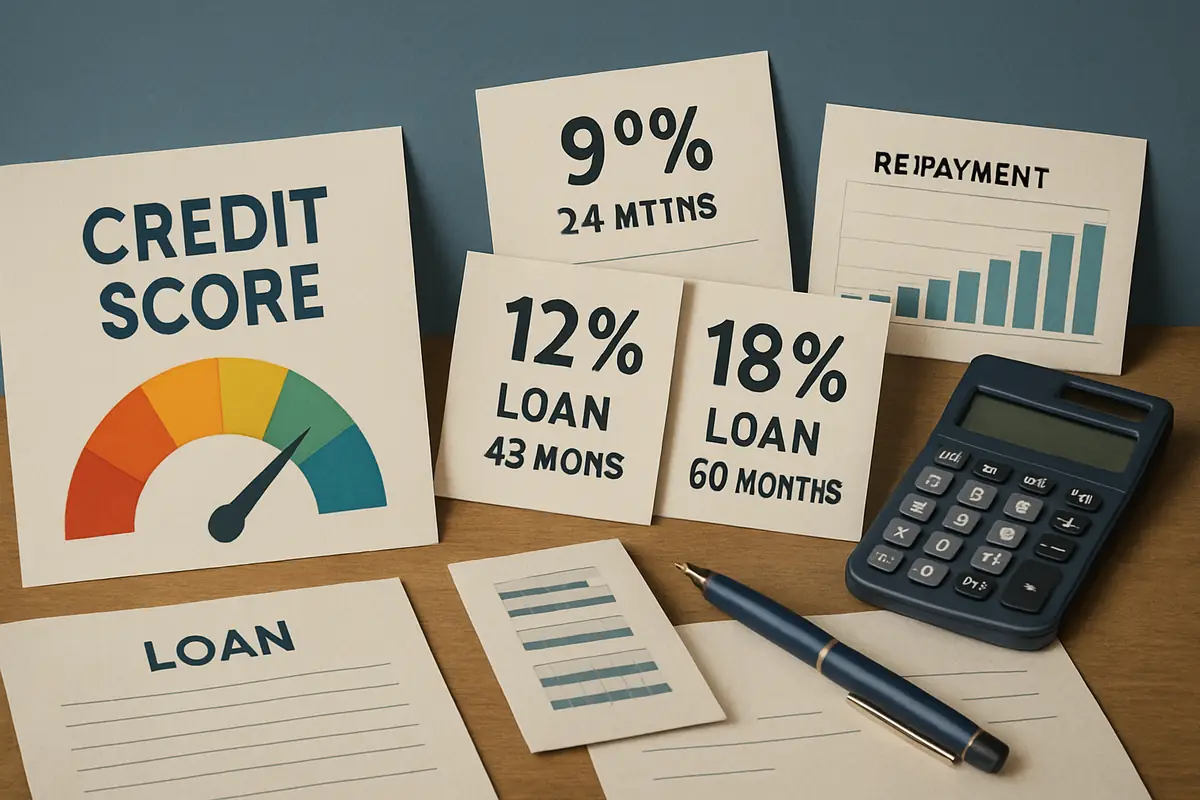
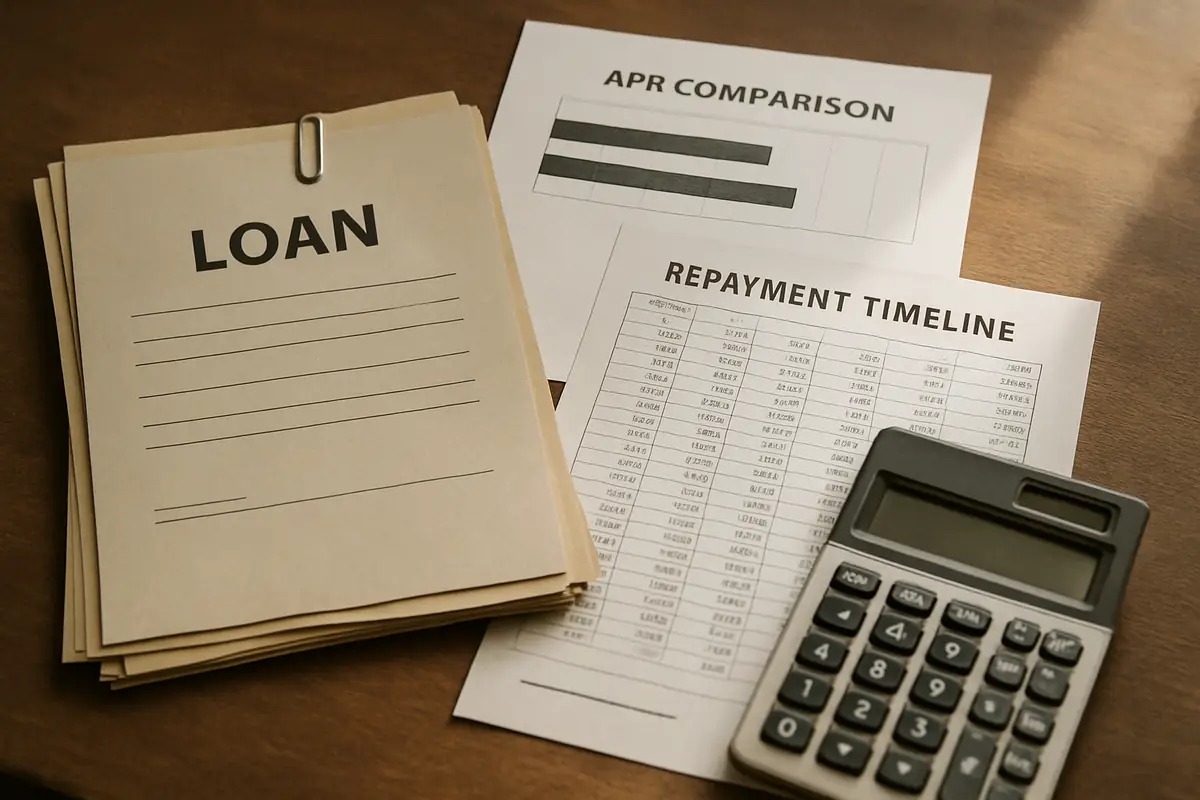
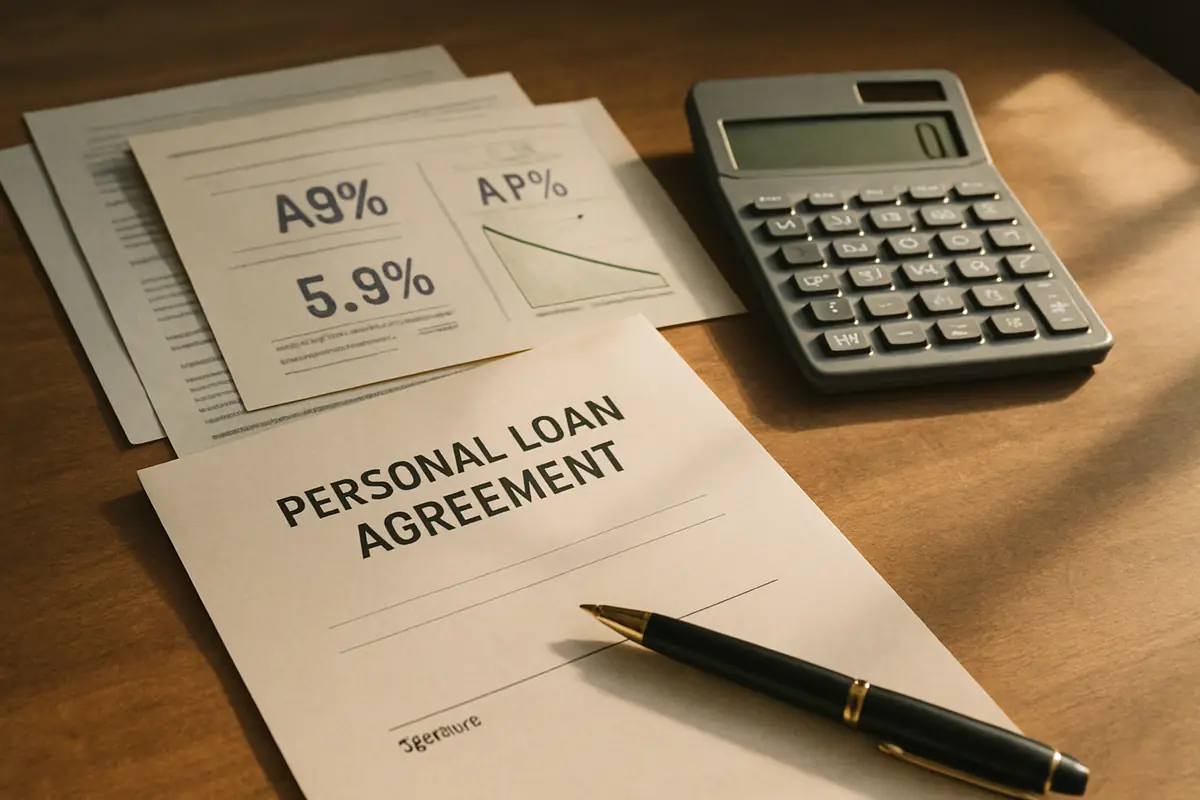
Annual Percentage Rate (APR) represents the full yearly cost of borrowing including interest and mandatory fees expressed as an annual rate. Typical credit card APRs range between 18% and 30% though promotional rates may temporarily be lower. Personal loan APRs for consumers with fair to good credit commonly range from 7% to 24%. These loans often carry origination fees of 1% to 6% deducted upfront from the funded amount.
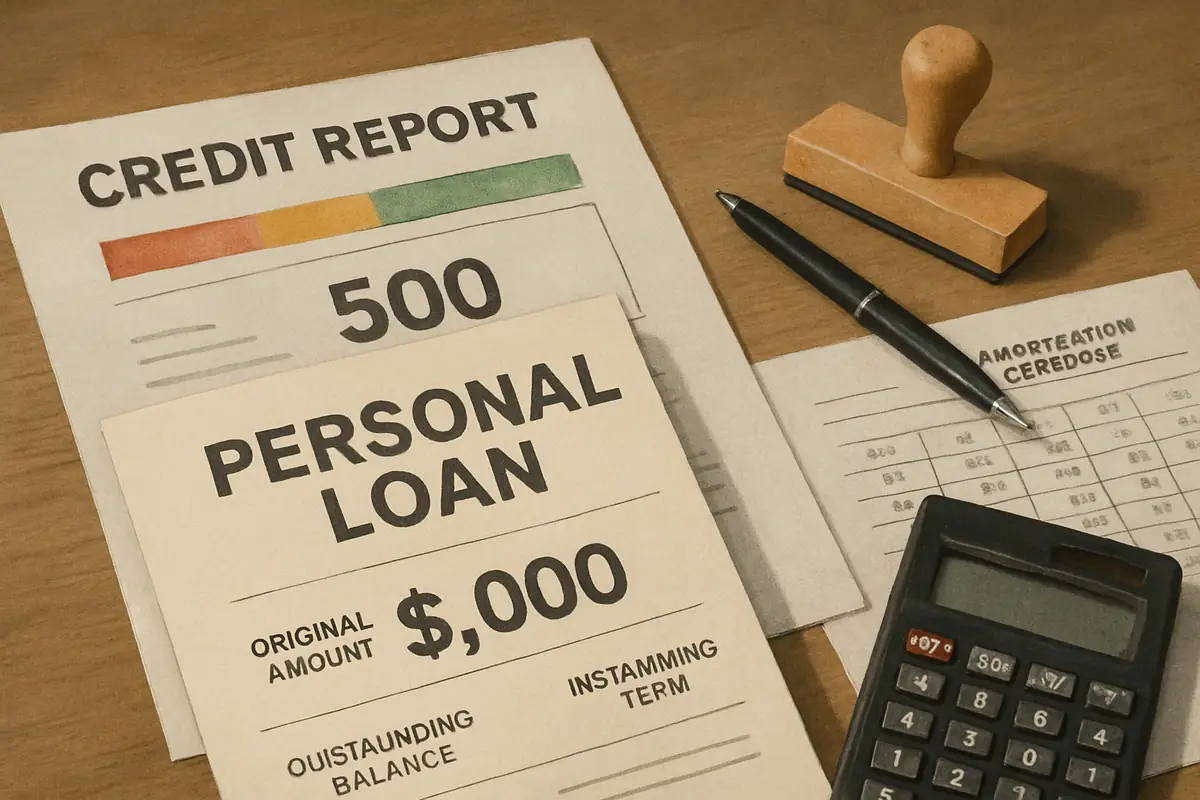
For example, a $3,000 personal loan at 15% APR over 36 months with a 3% origination fee means the borrower receives $2,910 after fee deduction ($3,000 - $90). Monthly payments are approximately $104.92 each month (calculated via amortization formula). Total payments equal about $3,777, which includes roughly $777 in interest plus the $90 upfront fee. This example clearly shows upfront costs reduce net proceeds while fixed payments limit surprises.
On the other hand, carrying a $3,000 balance on a credit card at 22% APR without additional purchases results in minimum monthly payments that can vary widely but often include interest compounding daily. If minimum payments average about 2% of balance ($60), paying only minimums could take years to clear debt with total interest paid exceeding $2,000 over time if no additional payments occur.
| Cost Factor | Personal Loan | Credit Card |
|---|---|---|
| APR Range | 7%-24% | 18%-30% |
| Fee Structure | Upfront origination fees (1%-6%) | Annual fees possible; late fees common |
| Repayment Term | Fixed term (12-72 months) | Revolving credit - no fixed term |
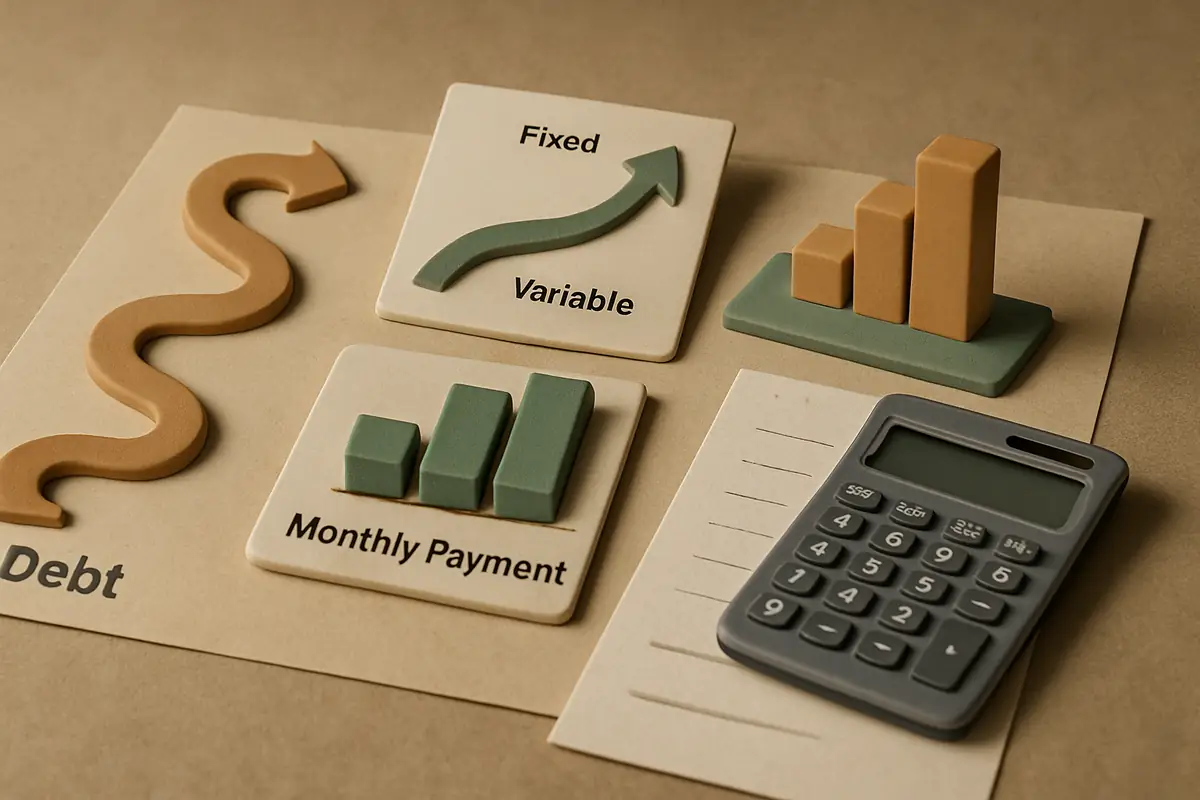
| Payment Amounts | Fixed monthly | Variable monthly minimum |
| Interest Calculation | Amortized principal and interest | Daily compounding on average daily balance |
Contractual Risks: Collateral, Penalties, and Fine Print
'Personal loans' come in secured and unsecured varieties. Unsecured loans do not require collateral but often have stricter approval requirements reflecting borrower risk. Secured personal loans may use assets like vehicles or savings accounts as collateral lowering APR but introducing risk of asset loss upon default.
Credit cards generally do not require collateral but often include penalty APR clauses if minimum payments are missed — these can push rates above advertised levels rapidly. Additionally, late payment fees typically range from $25 to $40 per missed payment adding to cost.
'Prepayment penalty' is a critical contract term that appears more commonly on personal loans than on credit cards since revolving accounts allow flexible repayment without penalty. Some personal loan contracts impose fees if paid off early to recoup lender’s interest losses — usually ranging from 1% to 5% of remaining principal.
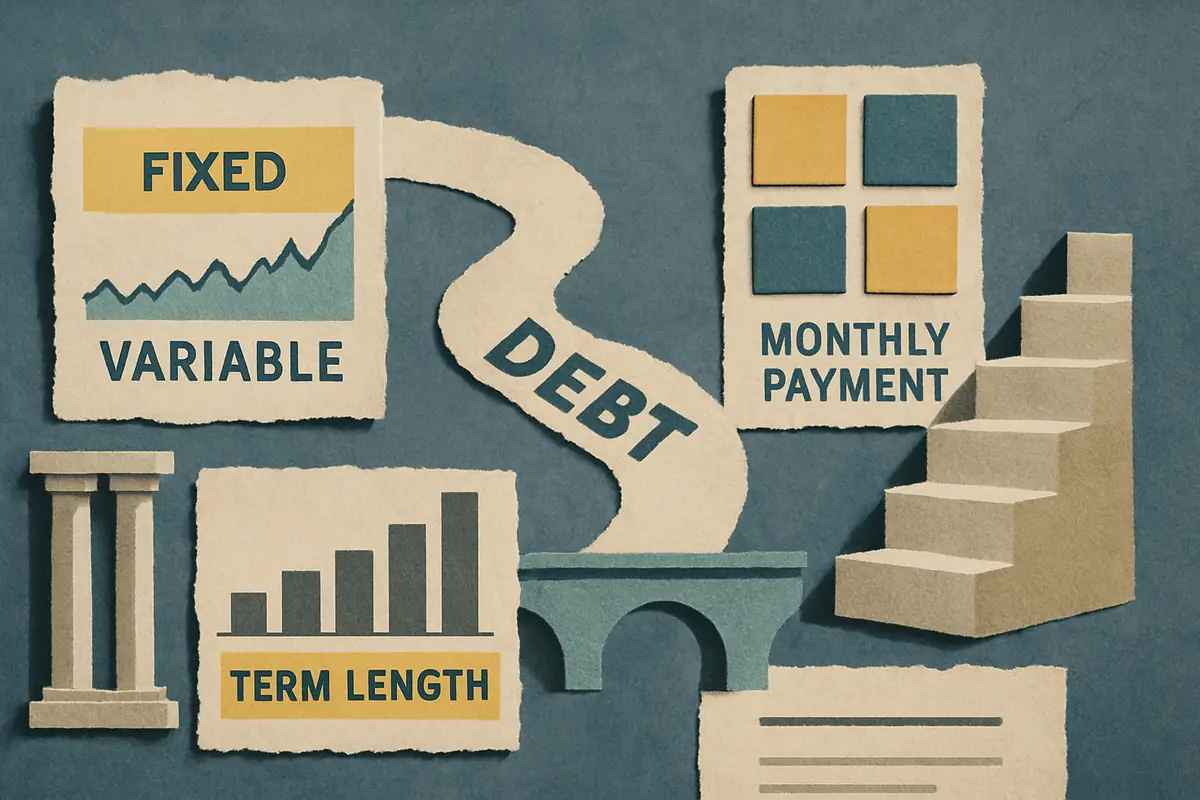
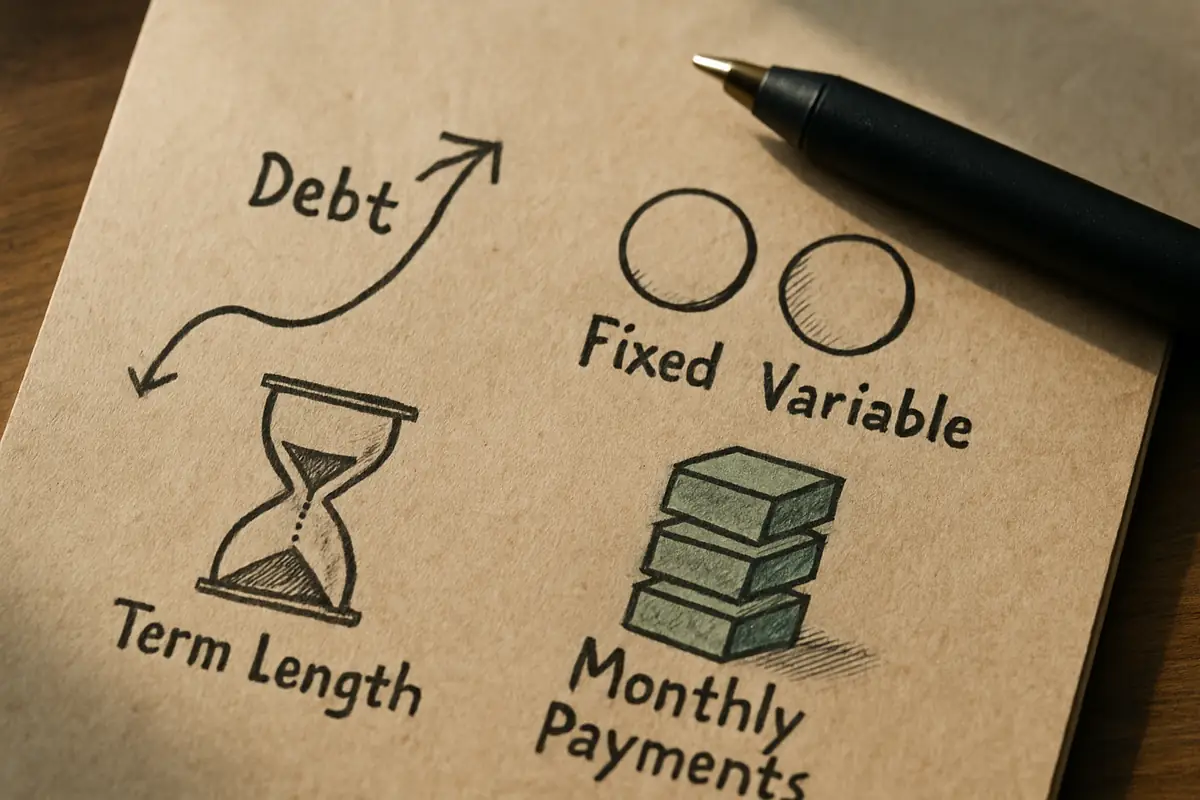
'Variable rates' are more common with credit cards; lenders may adjust APR based on prime rate benchmarks plus margins tied to borrower risk factors. This exposes cardholders to sudden cost increases unrelated to their behavior beyond late payments. Personal loans often have fixed rates providing predictable cost schedule but less flexibility if rates fall.
Repayment Pressure and Behavioral Patterns Among Borrowers
'Repayment pressure' refers to the financial strain imposed by mandatory loan repayments relative to income flow and existing obligations. Fixed monthly payments on personal loans create clear timelines but can stress borrowers if income fluctuates or unexpected expenses recur during term length (commonly 1-6 years). Missing a payment risks penalties or default consequences.
'Minimum payments' on credit cards provide short-term relief by setting low payment amounts (often around 1%-3% of balance). However, this slows principal reduction exposing borrowers to prolonged indebtedness with escalating interest costs as balances compound daily. The behavioral risk includes ‘minimum-payment trap’ where borrowers cycle debt indefinitely without payoff progress.
'Utilization ratio'—the percentage of used vs available credit—on revolving cards influences credit scores heavily; high balances relative to limits can reduce scores even if timely payments occur. This effect complicates financial recovery amid emergencies if new borrowing is needed on short notice.
Scenario: Managing a $4,000 Car Repair Bill
Maria has two options for her $4,000 auto repair needed immediately: she could put it on her credit card with a 20% APR or take out a personal loan at 12% APR over 24 months with a 4% origination fee. If Maria uses the credit card and pays only minimum amounts (about 2.5%), she’d pay roughly $100 monthly initially but might need up to four years and nearly $900 in interest before clearing the balance. Choosing the personal loan requires upfront fee: 4% of $4,000 equals $160 deducted from funds received ($3,840). Monthly loan payments would be about $188 fixed for two years totaling approximately $4,512 (including about $512 interest plus fee). The loan offers more predictable payoff timing despite its higher upfront cost; relying solely on the credit card risks longer-term financial strain due to compounding interest and variable monthly required payments.
APR Explanation
APR stands for Annual Percentage Rate; it reflects all borrowing costs including fees expressed annually.
Origination Fee Description
An upfront charge by lenders taken from your loan amount before disbursement.
Minimum Payment Definition
The lowest amount you must pay monthly to keep an account current but may extend total debt duration.
Can I negotiate better terms on personal loans or credit cards?
While some lenders may offer flexibility on personal loan rates especially with strong credit scores or relationship banking, most consumer credit cards have fixed published rates with little room for negotiation except through promotional offers.
Is it better to pay off credit card balances fully each month?
Paying full balances avoids interest charges entirely since most cards provide grace periods for new purchases; however carrying small balances or using personal loans spreads repayment over time possibly easing cash flow.
What happens if I miss a payment on my personal loan?
Missing a scheduled payment can trigger late fees typically ranging from $15-$40 along with potential negative reporting to credit bureaus impacting your score; repeated defaults risk acceleration of debt due immediately or legal action depending on agreement.
Are there scenarios where combining both options makes sense?
Some borrowers may use credit cards for small urgent expenses due immediately while securing longer-term personal loans for larger expected costs; managing both requires discipline to avoid overlapping debts increasing overall financial stress.
"Actionable Checklist: What Every Borrower Should Review Before Choosing"
"Review your total cost." Calculate estimated total payments including all fees and compare them side-by-side rather than focusing solely on advertised rates. "Understand your repayment capacity." Assess whether fixed monthly installments fit your budget better than fluctuating minimum amounts. "Check contract terms carefully." Identify prepayment penalties, variable rate conditions, collateral requirements or late fee policies that may add risk. "Consider your usage pattern." For expenses under about $1,500 with available low-interest promotions or zero-fee cards, revolving credit might suffice; larger sums often warrant installment lending. "Beware of compounding effects." High-interest revolving debts can grow unexpectedly when only minimums are paid. "Plan for contingencies." Have back-up plans in case income drops or other emergencies arise during repayment. "Avoid multiple simultaneous debts." Managing different debts compounds pressure reducing effective cash flow control. "Consult reputable consumer finance resources." Learn rights regarding disclosures and protections offered by regulatory agencies before committing."
Interest Rates and Their Impact on Cost
One of the most critical factors when deciding between personal loans and credit cards for managing unexpected expenses is understanding how interest rates influence the total cost of borrowing. Personal loans generally offer fixed interest rates that remain consistent throughout the loan term. This feature provides predictability in monthly payments and overall cost, which can be reassuring for borrowers who want to plan their budgets with certainty. On the other hand, credit cards often have variable interest rates that can fluctuate based on market conditions or credit card company policies. These rates tend to be higher than those of personal loans, especially for individuals with less-than-excellent credit scores. When carrying a balance beyond the grace period, high credit card interest rates can quickly accumulate, leading to significantly greater debt than initially anticipated.
Moreover, credit cards typically have a grace period during which new purchases do not accrue interest if the full balance is paid off each month. However, unexpected expenses may necessitate carrying a balance over multiple billing cycles, causing interest charges to mount. In contrast, personal loans start accruing interest immediately but at a lower and fixed rate, facilitating more manageable repayment schedules. Therefore, evaluating the effective annual percentage rate (APR) and calculating potential total repayment amounts based on your expected repayment timeline is essential in determining the more cost-effective option.
Repayment Flexibility and Borrower Discipline
Another important consideration is how repayment structures differ between personal loans and credit cards and how these differences may influence borrower behavior. Personal loans typically come with fixed monthly payments over a set term—often ranging from one to five years—providing a clear roadmap for debt elimination. This structured approach encourages disciplined repayment by establishing regular intervals and amounts, helping borrowers avoid prolonged indebtedness. In contrast, credit cards usually require only a minimum payment each month, which is a small percentage of the outstanding balance. While this offers flexibility during tight financial periods, it can also lead to longer repayment durations if only minimum payments are made.
The flexibility of credit cards can be both advantageous and risky. For borrowers who are diligent about paying off their balances quickly, credit cards offer convenience and immediate access to funds without requiring lengthy application processes. However, for others lacking strong repayment discipline, this flexibility may inadvertently foster debt accumulation due to rising balances from ongoing purchases and compounding interest charges. In contrast, personal loans’ fixed schedule reduces ambiguity around payoff dates and total costs, making them an attractive solution for those seeking structured debt management.
Credit Impact Considerations
The effect of taking out a personal loan versus using credit cards on your credit score is another vital factor to consider when managing unexpected expenses. Both types of borrowing impact your credit report differently. Personal loans are installment loans that appear as separate accounts with fixed payment schedules on your credit report. Timely payments on these loans can contribute positively by demonstrating responsible debt management over time. Conversely, missed or late payments can significantly harm your score due to their regular payment requirements.
Credit cards function as revolving accounts where your utilization ratio—the amount owed relative to your available credit limit—plays a substantial role in determining your credit score. High utilization ratios can lower your score even if payments are made on time because they signal higher reliance on borrowed funds. Using credit cards for unexpected expenses may temporarily increase utilization if balances remain unpaid across billing cycles. Therefore, if you anticipate needing several months to repay an unexpected expense, a personal loan might help maintain a healthier credit profile by avoiding spikes in revolving debt usage.
Application Process and Approval Speed
When facing an unexpected expense, how quickly you can access funds often determines which borrowing option is most suitable. Credit cards typically provide instant access to available credit lines without additional application procedures once approved initially. This immediacy allows cardholders to manage emergencies swiftly without delays associated with loan underwriting or approval processes.
Personal loans generally require submitting an application that includes income verification and sometimes collateral assessment or co-signer information depending on the lender's policies and your credit profile. While many lenders now offer streamlined online applications with quick decisions—sometimes within minutes or hours—the overall process can still take longer than simply using an existing line of credit like a credit card. Therefore, if speed is paramount due to urgent needs such as medical bills or car repairs, using a credit card may provide faster relief whereas personal loans might be better suited for planned or slightly less urgent expenses where terms and affordability matter more.
Fees and Additional Costs
Beyond interest rates, borrowers should also assess fees associated with each borrowing method as they impact total borrowing costs considerably. Credit cards commonly impose fees like annual fees (depending on the card), late payment fees, cash advance fees if funds are withdrawn directly as cash rather than used through purchases, and sometimes foreign transaction fees as well.
In contrast, personal loans may include origination fees—which are upfront charges deducted from the loan amount before disbursement—or prepayment penalties if you pay off the loan early in certain cases (though many lenders now waive these). Understanding these costs before committing helps prevent surprises that could increase financial strain during already stressful situations caused by unforeseen expenses.
Practical Scenarios: Choosing Based on Expense Type
How this can look in practice
Consider two common unexpected expense scenarios: car repairs costing $3,000 and an emergency medical bill totaling $1,200. For car repairs—a relatively larger fixed amount—a personal loan might make sense due to its structured repayments over months or years at a predictable rate. This setup helps spread out the cost while avoiding high-interest charges typical of carrying large balances on credit cards. For smaller expenses like medical bills under $1,500 where you expect quick repayment within one or two billing cycles, using an existing low-interest or zero-interest promotional balance transfer offer on a credit card might be more convenient and less costly overall compared to initiating a new loan application process.
Pros and Cons Summary
Where this helps
- Personal Loans: Fixed interest rates; predictable payments; improved budgeting discipline; positive installment loan impact on credit score.
- Credit Cards: Immediate access; flexible repayment; beneficial grace periods if balances paid fully; rewards programs associated with some cards.
Where caution is needed
- Personal Loans: Application process may delay fund availability; possible origination fees; less flexible once terms established.
- Credit Cards: Higher variable interest rates; risk of accumulating revolving debt; potential negative impact from high utilization ratios.