When an unexpected expense arises—whether a car repair or a medical bill—many consumers consider short-term borrowing options like personal loans or payday loans. The immediate decision often hinges on speed and convenience, but the underlying terms, costs, and long-term consequences vary widely. This article dissects these two common borrowing methods by examining their annual percentage rates (APR), fee structures, repayment demands, collateral requirements, and refinancing pressures, helping borrowers understand realistic costs before committing.
Typical Borrower Situations Prompting Short-Term Loans
Short-term financial needs frequently emerge from unforeseen events such as vehicle breakdowns costing $500 to $1,500, urgent home repairs averaging $1,000 to $3,000, or temporary income gaps when paychecks are delayed. Borrowers looking for quick cash often face a narrow window to decide between loan types. For example, a consumer might only have a few days to cover a $1,200 car repair or else risk losing transportation. These circumstances place pressure on loan selection but also call for careful cost evaluation given the high stakes of repayment.
In such cases, personal loans and payday loans emerge as accessible choices. Personal loans typically offer fixed amounts ranging from $1,000 up to $35,000 with repayment terms between one to five years. Payday loans are designed specifically for very short durations—usually two to four weeks—and provide smaller sums around $300 to $1,000. Understanding these basic differences in loan size and term length is essential for assessing suitability relative to the borrower’s cash need and repayment capacity.
Breaking Down Cost Mechanics: Fees and APR Comparisons
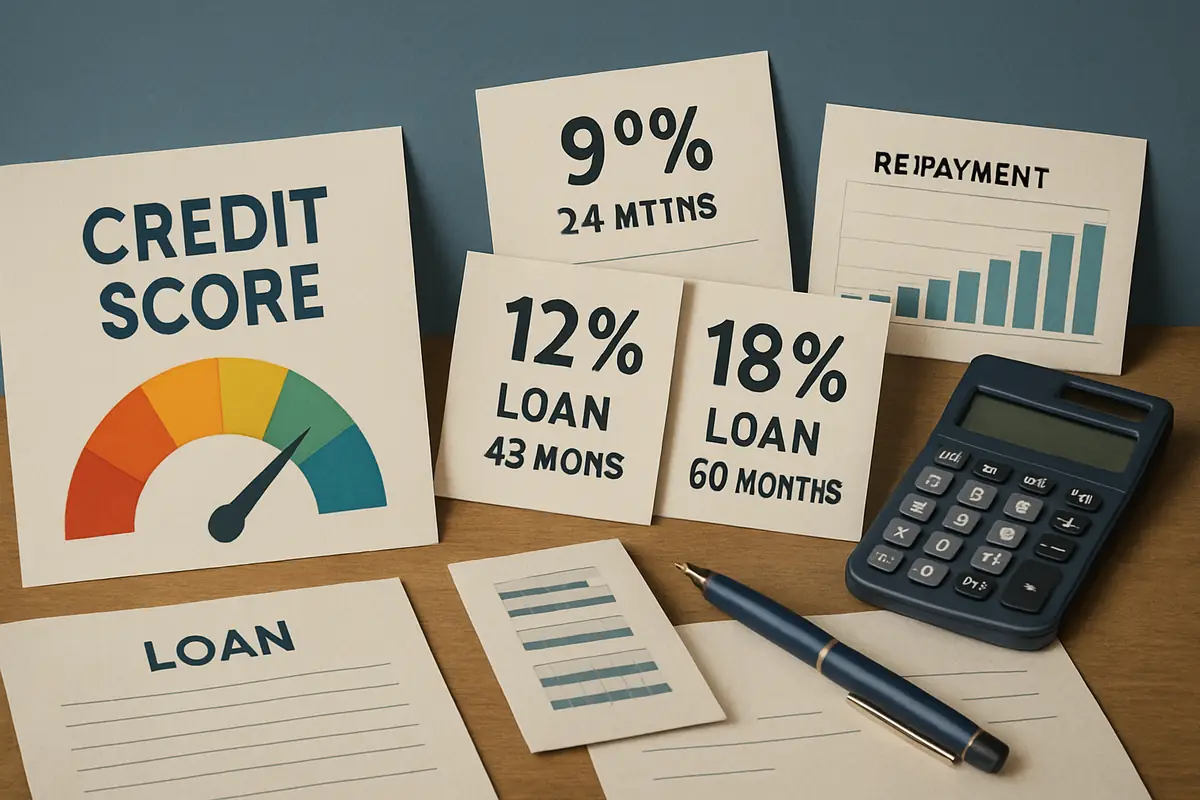
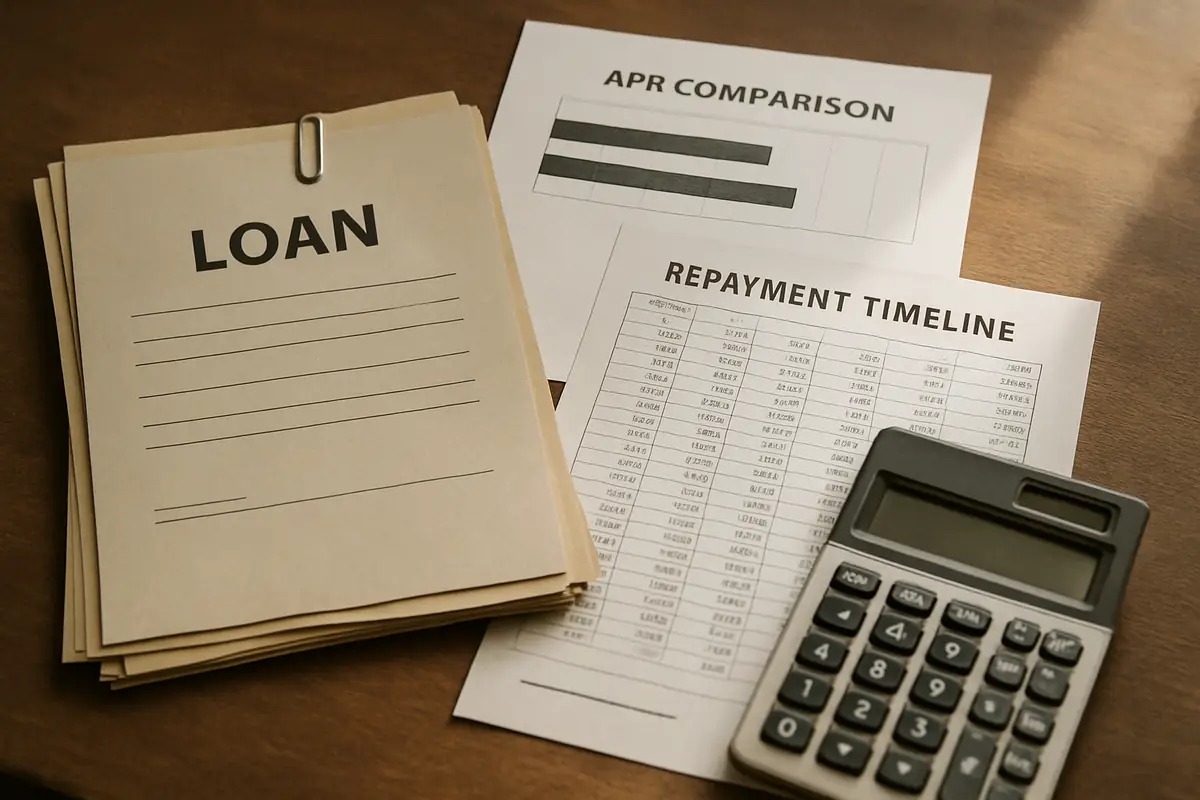
A critical factor distinguishing personal and payday loans is the annual percentage rate (APR), which accounts for interest charges plus certain fees over one year. Personal loan APRs commonly range between 6% and 36%, depending on creditworthiness and lender policies. Payday loans carry APRs that can escalate from 300% up to even 600% or more due to their short repayment cycles combined with flat fees. This creates a stark contrast in borrowing costs despite superficially similar loan amounts.
For example, consider a $500 payday loan with a typical fee of $75 due in two weeks. To calculate the APR: multiply the fee ($75) by 26 (the number of two-week periods in one year), then divide by the loan amount ($500), finally multiply by 100 for percentage: (75 × 26 / 500) × 100 = 3900%. Although this number appears exorbitant annually, it reflects the intense short-term cost structure rather than a true annual financing scenario typical of longer loans.
In comparison, a $3,000 personal loan with an APR of 15% over three years results in total interest payments totaling roughly $720 assuming fixed monthly payments. This equates to monthly payments near $96. While the upfront cost is less shocking than payday fees, the borrower commits to longer payment obligations which may strain monthly budgets depending on income stability.
Contract Structure and Hidden Risks in Loan Agreements
Loan contracts often contain provisions that create pressure beyond just stated interest rates. Personal loans usually involve legally binding amortization schedules where fixed monthly payments reduce principal and interest evenly over term length. Early repayment is often allowed but may incur prepayment penalties ranging from zero up to several months’ interest depending on lender policy.
Payday loan agreements are typically simpler but carry considerable risk through mandatory lump-sum repayments at the end of very short terms—often within two weeks. Failure to repay triggers automatic rollovers or renewals with additional fees added each time debt is extended. This cycle can escalate total costs dramatically if not resolved quickly.
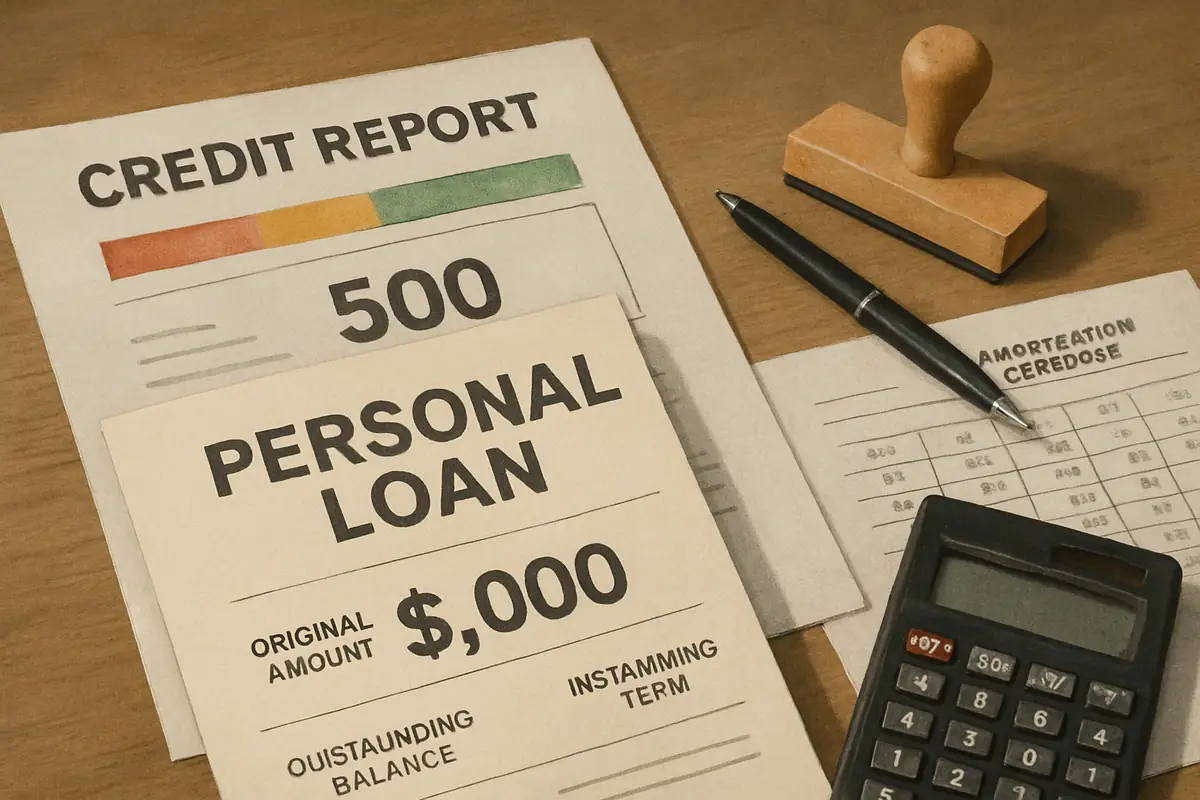
Neither loan type generally requires collateral; both are unsecured credit based on borrower credit profile or paycheck verification for payday lenders. However, personal loans sometimes bolster approval odds by accepting co-signers or imposing minimum credit score thresholds usually above 600 FICO points.
"Repayment Pressure" — Timelines and Consequences
"Repayment pressure" refers to how quickly repayments must be made relative to borrower income flow and reserves. Payday loans demand full payment within days or weeks along with fees often amounting to 15% or more of borrowed capital per cycle. This timing leaves little margin for financial disruptions such as delayed paychecks or additional emergencies.
"Personal loan" repayment schedules generally span months or years with fixed installments reducing principal gradually while interest accrues on decreasing balances. Monthly payments usually range from $50 up to several hundred dollars depending on loan size and term length chosen at origination.
"Rollovers" or refinancing—for instance extending payday loans repeatedly—can trap borrowers in escalating debt cycles due to compounded fees exceeding the original principal multiple times over within months. Personal loans can be refinanced too but often require new credit checks and sometimes fees around 1%–3% of outstanding balances.
"Pros and Cons" Overview
"Where Personal Loans Help"
- "Lower effective APR compared to payday loans when repaid over standard terms."
- "Fixed payment schedules assist budgeting over longer periods."
- "Potentially higher borrowing limits suited for larger expenses."
- "No requirement for immediate full repayment."
"Risks with Personal Loans"
- "Longer commitment period may strain monthly cash flow."
- "Possible prepayment penalties increase cost if borrower repays early."
- "Credit score requirements may limit access for some borrowers."
"Where Payday Loans Help"
- "Fast approval processes delivering cash within a day."
- "Minimal credit score requirements make them accessible."
- "Useful for very small amounts needed briefly."
"Risks with Payday Loans"
- "Extremely high APRs create substantial repayment burdens."
- "Short repayment timelines increase default risk."
- "Rollover cycles can trap borrowers in growing debt."
"Scenario Analysis: Choosing Between Loan Types"
$1,200 Urgent Car Repair — Which Loan Fits?
['"Borrower A has steady monthly income but limited savings set aside for emergencies."', '"Personal Loan Option: A three-year fixed-rate personal loan at 18% APR would have monthly payments approximately $45."', '"Payday Loan Option: A two-week payday loan charging a 15% fee would require about $180 repayment at once."', '"Implications: If Borrower A lacks $180 upfront due in two weeks but can afford an extra $45 monthly payment reliably, the personal loan mitigates immediate financial pressure despite longer obligation."']
$400 Unexpected Medical Bill Quickly Due — Immediate Options Examined.
['"Borrower B faces an unexpected bill due within days but has irregular income due next month."', '"Payday Loan Option offers quick funds but repayment plus fees will total about $460 in two weeks."', '"Personal Loan Option requires application processing that could take several days to weeks—not viable here."', '"Implications: Borrower B must weigh urgent cash access against high cost; alternative solutions like seeking assistance programs might be safer than payday rollovers."']
Practical Borrower Checklist Before Committing
Before agreeing to either personal or payday loans, borrowers should rigorously evaluate their ability to meet repayment demands under realistic scenarios including potential income interruptions or additional expenses. Key considerations include reviewing all fees beyond headline interest rates such as origination charges on personal loans (typically 1%–5%), late payment penalties (which can add tens or hundreds of dollars), and rollover policies especially relevant for payday lending.
Request clear amortization schedules showing monthly payment amounts from lenders before signing contracts. Confirm whether prepayment is allowed without penalty as early payoff reduces overall interest cost significantly on personal loans. Verify total repayment amounts including all fees across entire term rather than focusing only on initial borrowed sums.
Check your credit score prior as it strongly influences eligibility and borrowing costs for personal loans; scores below roughly 600 typically lead to higher APRs above 30%. Consider alternative sources such as credit unions offering lower interest installment loans which may provide better terms than both payday lenders and some online personal lenders.
Understanding Interest Rates and Fees: The True Cost of Borrowing
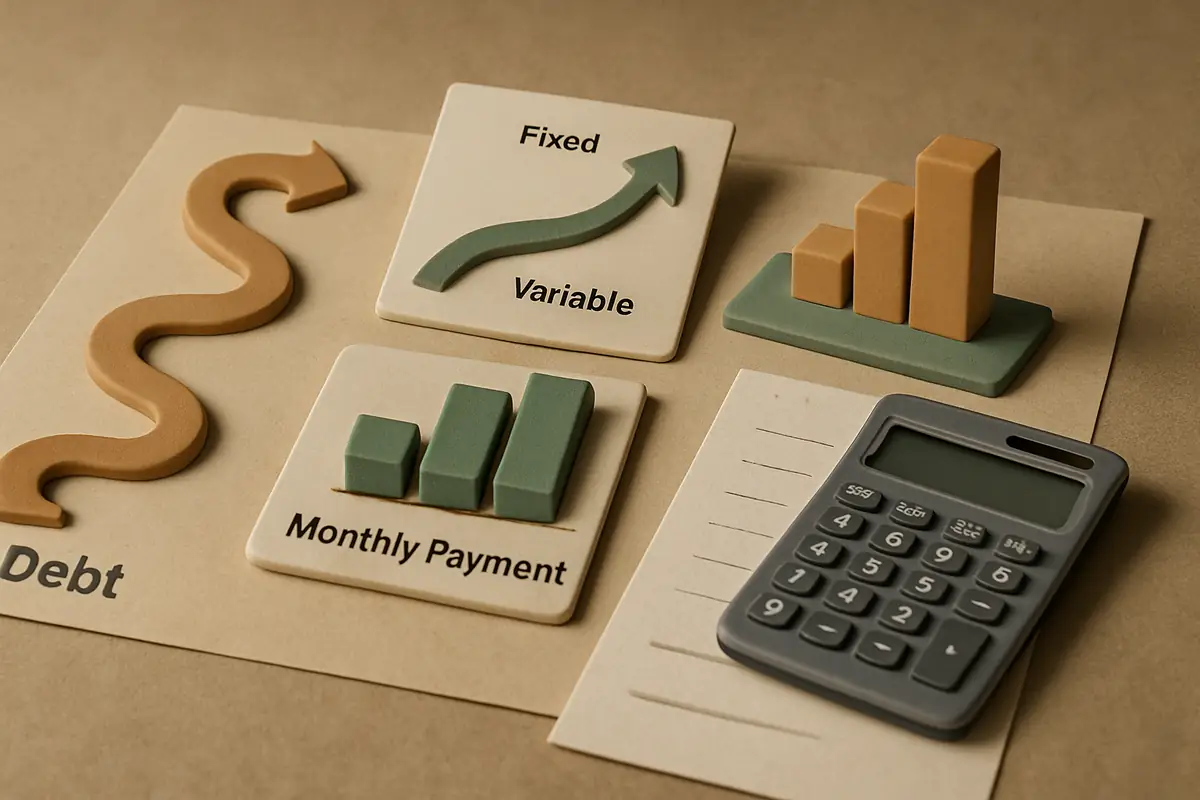
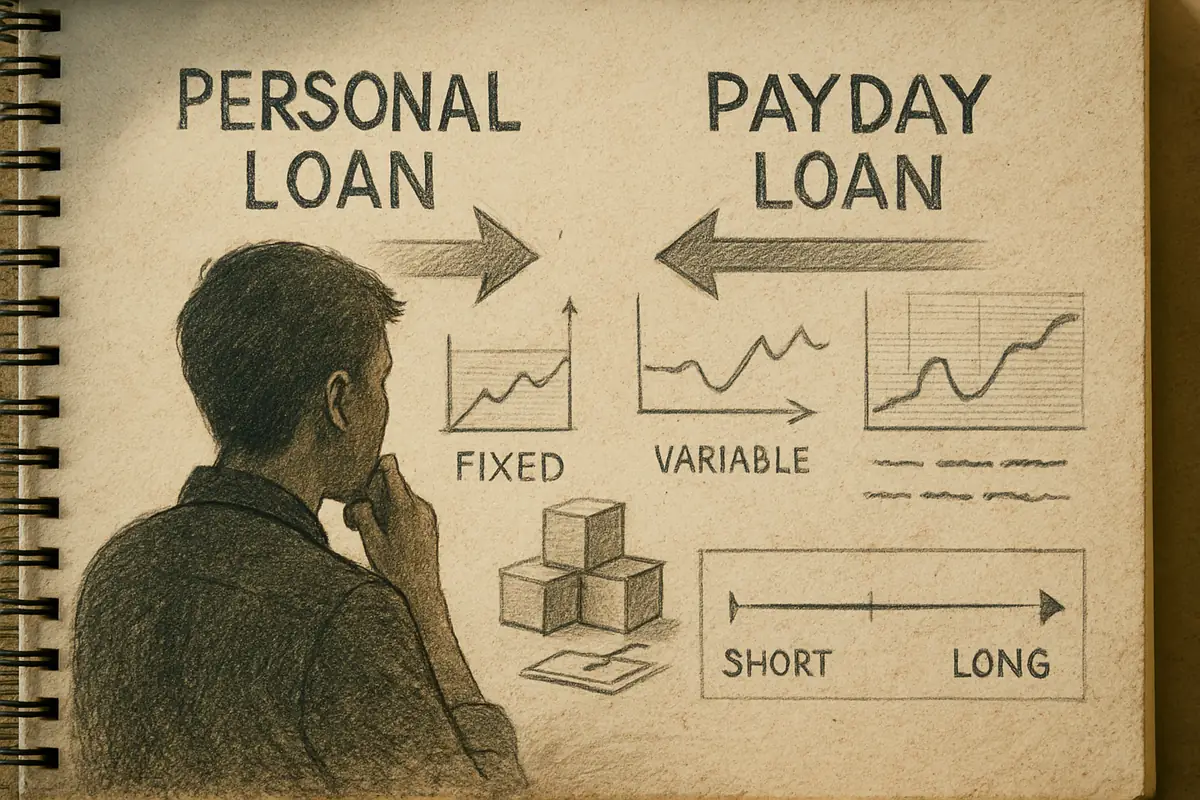
When comparing personal loans to payday loans, interest rates and fees play a critical role in determining which option is truly more affordable. Personal loans typically come with fixed or variable interest rates that can range widely depending on the borrower’s creditworthiness, lender policies, and loan terms. Generally, personal loan interest rates vary from around 6% to 36%. In contrast, payday loans often have extremely high annual percentage rates (APRs), sometimes exceeding 300% or more annually due to their short-term nature and associated fees. While a payday loan might seem inexpensive upfront due to the small dollar amount borrowed, the rolled-up fees and interest can quickly balloon the cost. Therefore, borrowers should carefully calculate the total repayment amount including all fees before deciding which option suits their short-term financial needs.
Moreover, personal loans usually come with clear and transparent fee structures, including origination fees that are typically a small percentage of the loan amount. Payday loans often include high flat fees or finance charges per $100 borrowed, which may not be immediately apparent to first-time borrowers. This lack of transparency can result in unexpected costs and financial strain when it’s time to repay. Some states regulate payday loan fees tightly or restrict their availability altogether because of these concerns. Understanding these nuances helps consumers make better-informed decisions by focusing not just on nominal interest rates but on the overall cost of borrowing.
Loan Terms and Repayment Flexibility: Impact on Financial Health
One significant difference between personal loans and payday loans lies in the length of the repayment term and flexibility offered. Personal loans generally offer repayment periods ranging from several months up to five years or more. This longer timeframe allows borrowers to spread out payments, reducing monthly financial pressure. Conversely, payday loans are typically due in full within two to four weeks—often aligned with the borrower’s next paycheck date. This short repayment timeline means borrowers must pay back the entire principal plus fees quickly, which can be challenging if funds are tight.
The rigid repayment schedule of payday loans frequently leads some borrowers into cycles of debt where they must take out additional payday loans to cover previous ones. This cycle can be costly and damaging to long-term financial health. Personal loans’ more extended terms provide room for adjustment if unforeseen circumstances impact income or expenses, sometimes allowing for deferment or restructuring options depending on lender policies. Thus, repayment flexibility is an essential factor when considering how each loan type fits into an individual’s broader financial situation.
Credit Impact: Building Versus Risking Your Credit Score
Another important consideration when choosing between personal loans and payday loans is how each impacts your credit score. Personal loans are generally reported to major credit bureaus such as Experian, Equifax, and TransUnion. Timely payments on personal loans can help build or improve your credit history by demonstrating responsible borrowing behavior. Conversely, missed payments can harm your credit score significantly.
Payday lenders often do not report positive payment activity to credit bureaus; however, they may report defaults or collections if payments are missed. This means timely repayment does little to enhance your credit profile, but failure to repay can lead to negative marks similar to other forms of debt delinquency. For individuals aiming to establish or rebuild credit while addressing short-term needs, personal loans may provide an additional advantage by contributing positively toward credit history when managed properly.
Accessibility and Approval Criteria: Who Qualifies for Each Loan?
Personal loans typically require a relatively good credit score, steady income verification, and sometimes collateral depending on whether the loan is secured or unsecured. Lenders assess a borrower’s ability to repay over a longer term through underwriting processes that may involve credit checks and proof of employment or income stability. As a result, not all applicants qualify for personal loans—especially those with low credit scores or unstable financial situations.
In contrast, payday loans market themselves as accessible options for individuals with poor credit who need funds quickly without extensive approval hurdles. These lenders often do not require credit checks but will verify employment status and direct deposit information as part of their qualification process. However, this accessibility comes at a cost—higher fees and shorter repayment timelines—as discussed earlier. Understanding eligibility requirements helps borrowers weigh whether convenience justifies higher costs or if pursuing alternatives like personal loans is feasible.
Alternatives and Strategies for Managing Short-Term Financial Challenges
Before opting for either personal or payday loans for short-term needs, consumers should explore alternative strategies that might offer more sustainable solutions. For example, many employers provide paycheck advances or emergency assistance programs with lower costs compared to high-interest lending options. Additionally, negotiating payment plans directly with creditors for bills such as utilities or medical expenses can reduce immediate financial pressure without incurring debt.
Another viable option could be using a low-interest credit card if available or seeking community-based assistance programs that offer grants or low-cost emergency funds designed for urgent expenses. Establishing an emergency savings fund over time also helps reduce reliance on costly short-term borrowing in future situations. While these alternatives require planning and proactive financial management, they ultimately contribute toward better long-term stability than relying heavily on either personal or payday loans repeatedly.
References
- https://www.consumerfinance.gov/consumer-tools/
- https://www.fdic.gov/consumer-resource-center/loans
- https://www.consumerfinance.gov/consumer-tools/auto-loans/
- https://www.consumerfinance.gov/consumer-tools/mortgages/
- https://www.consumerfinance.gov/ask-cfpb/what-is-the-difference-between-a-fixed-rate-and-adjustable-rate-mortgage-arm-loan-en-100/
- https://www.consumerfinance.gov/consumer-tools/student-loans/