Over 60% of American consumers carry credit card debt at some point each year, with typical balances ranging between $2,000 and $5,000. Yet despite the prevalence of credit card use, many misunderstand how debt actually accumulates and impacts their financial standing. Misconceptions around minimum payments, interest rates, rewards programs, and credit scores can lead to costly mistakes. This article unpacks common myths about credit card debt and offers clear facts every cardholder should understand to manage their accounts wisely.
Myth 1: Paying Only the Minimum Balance Is a Safe Strategy
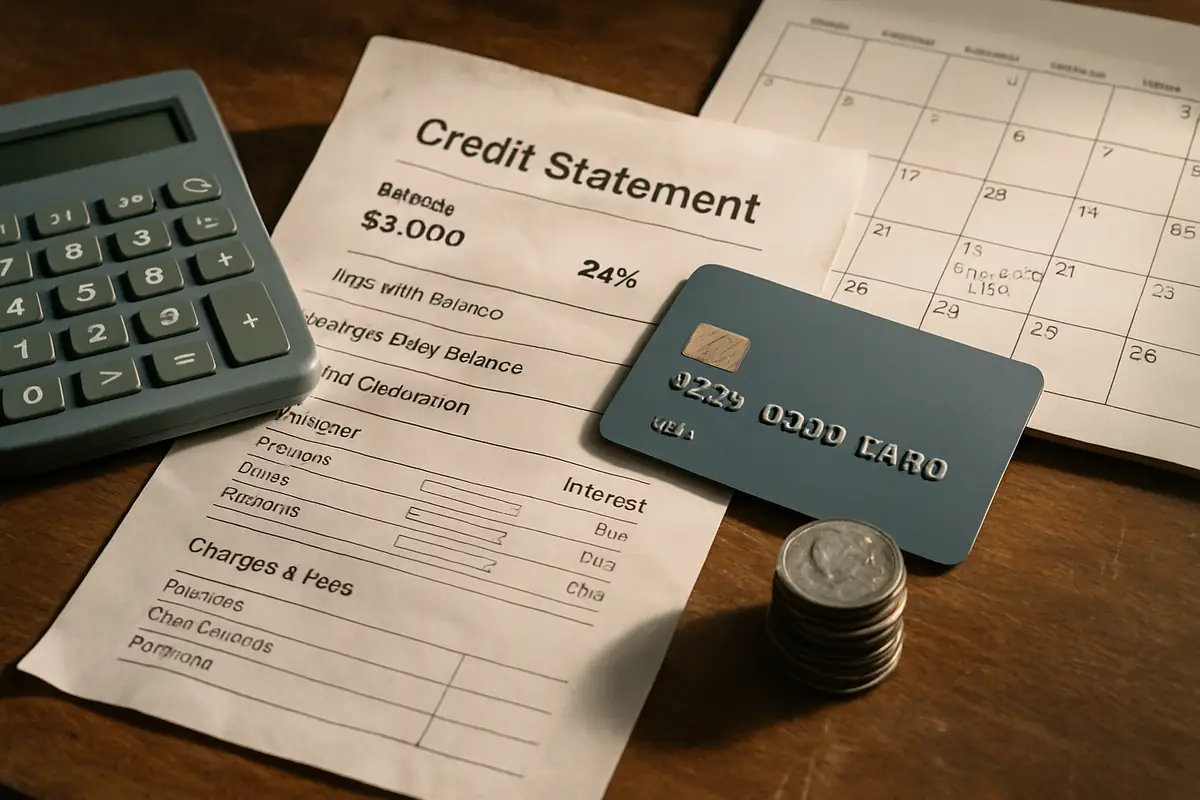
Many cardholders assume that making the minimum payment each month keeps their account in good standing without consequence. While it does prevent late fees and negative reports, paying only the minimum—often between 1% and 3% of the balance or a fixed dollar amount like $25—can extend debt repayment for years while accruing substantial interest. For example, carrying a $3,000 balance with an 20% annual percentage rate (APR) and paying just 3% monthly could take over 20 years to pay off and cost more than double the original balance in interest charges.
To illustrate, if your monthly minimum is $90 on that $3,000 balance (3%), the monthly interest would be approximately $50 (because 20% APR translates roughly to 1.67% monthly). You pay $90 total; after covering interest ($50), only about $40 goes toward principal reduction. This slow progress means your debt lingers longer than many expect.
How Credit Card Interest Actually Works
The APR on a credit card represents the yearly cost of borrowing expressed as a percentage. It doesn't mean you pay that entire rate each month but rather that your daily balance accrues interest calculated daily and summed monthly. Most cards use an average daily balance method over the statement cycle—usually around 28 days—to determine what you owe in finance charges.
For example, a 24% APR translates roughly to a daily periodic rate of about 0.065%. If your balance is constant at $3,000 for a 28-day cycle, your monthly interest charge would be approximately $55 (($3,000 × 0.00065) × 28). However, if you reduce your balance quickly within the cycle by making payments early, you lower the average daily balance and thus reduce interest charged.
Myth 2: Rewards Earned Cover Interest Costs
Rewards programs are popular selling points for credit cards—offering cashback of around 1% to 5%, points redeemable for travel or merchandise, or other perks. However, a common misconception is that these rewards offset or wipe out any interest charges incurred by carrying a balance.
Consider a card offering 2% cashback. On a $3,000 purchase carried on the balance with an APR of 20%, monthly interest might be about $50 as shown earlier. The maximum reward earned on this purchase would be $60 (2% of $3,000). But since you normally won't be paying off the entire balance immediately—and interest compounds monthly—the net cost is usually far greater than the modest reward earnings.
Timing Matters: Statement Cycles and Payment Posting
Understanding your card’s statement cycle dates is crucial for managing balances effectively. Each billing period generates a statement showing your new balance and minimum payment due date—typically about 21 days after statement closing for payment without late fees or penalty APRs.
Paying before the statement closing date lowers your reported balance to credit bureaus because they record balances at statement time. This can improve your credit utilization ratio—a key factor in credit scoring—which ideally stays below 30%. Paying after statement closing but before due date avoids late fees but does not affect the reported utilization for that period.
Benefits of Paying Before Statement Closing
- Reduces reported balance to credit bureaus immediately.
- Improves credit utilization ratio used in scoring models.
- Potentially lowers finance charges by reducing average daily balance.
Challenges With Early Payments
- Requires monitoring statement cycle dates closely.
- Might lead to back-to-back payment schedules if purchases continue.
- Does not eliminate all interest if full balance isn’t paid.
Myth 3: Carrying Credit Card Debt Always Hurts Your Credit Score
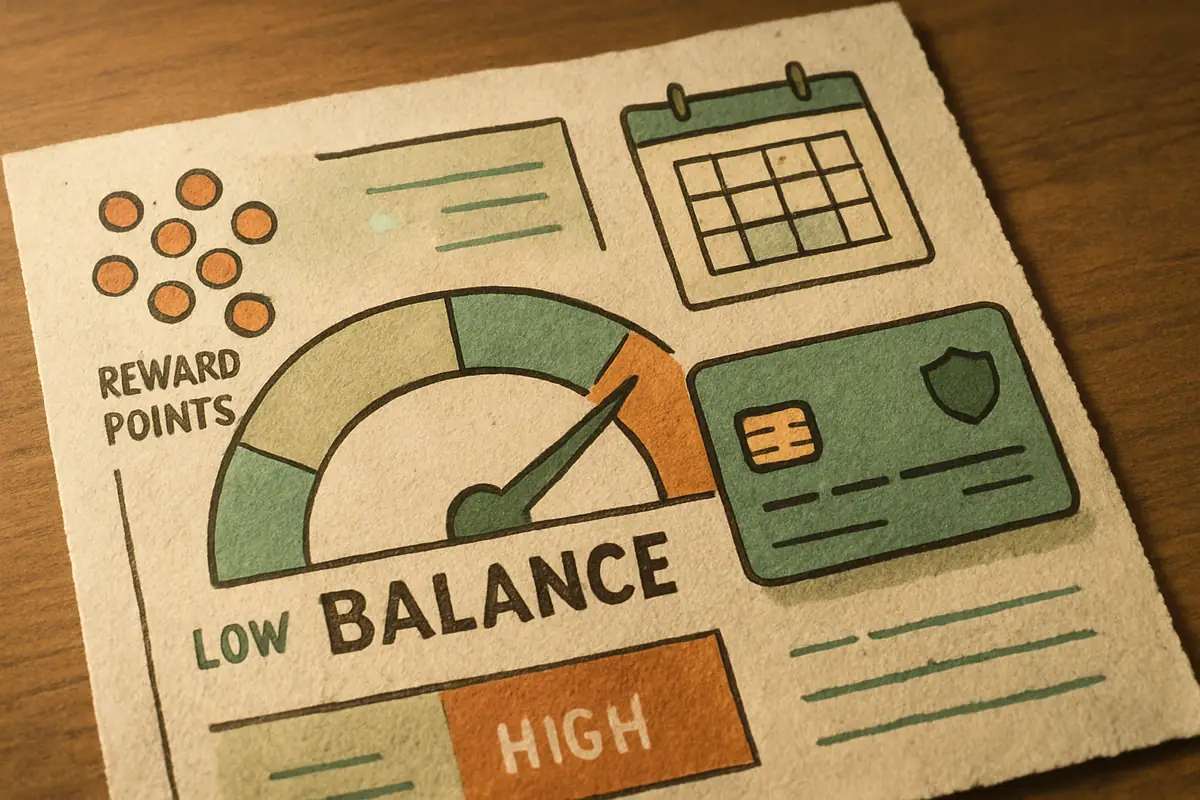
"Your score drops if you carry balances" is often repeated advice but lacks nuance. Credit scoring models focus mostly on how much of your available credit you use—the utilization ratio—not simply whether you have any debt. Utilization under about 30% generally supports a healthy score; above that can signal risk.
"Responsible use" means making payments on time and keeping balances low relative to limits. For example, having a $5,000 limit card with a $1,000 balance (20% utilization) typically won’t harm your score and can even help build it if you maintain punctual payments over months. Conversely, maxing out cards or missing payments damages scores significantly regardless of presence or absence of debt.
"Hidden" Fees That Increase Debt Costs
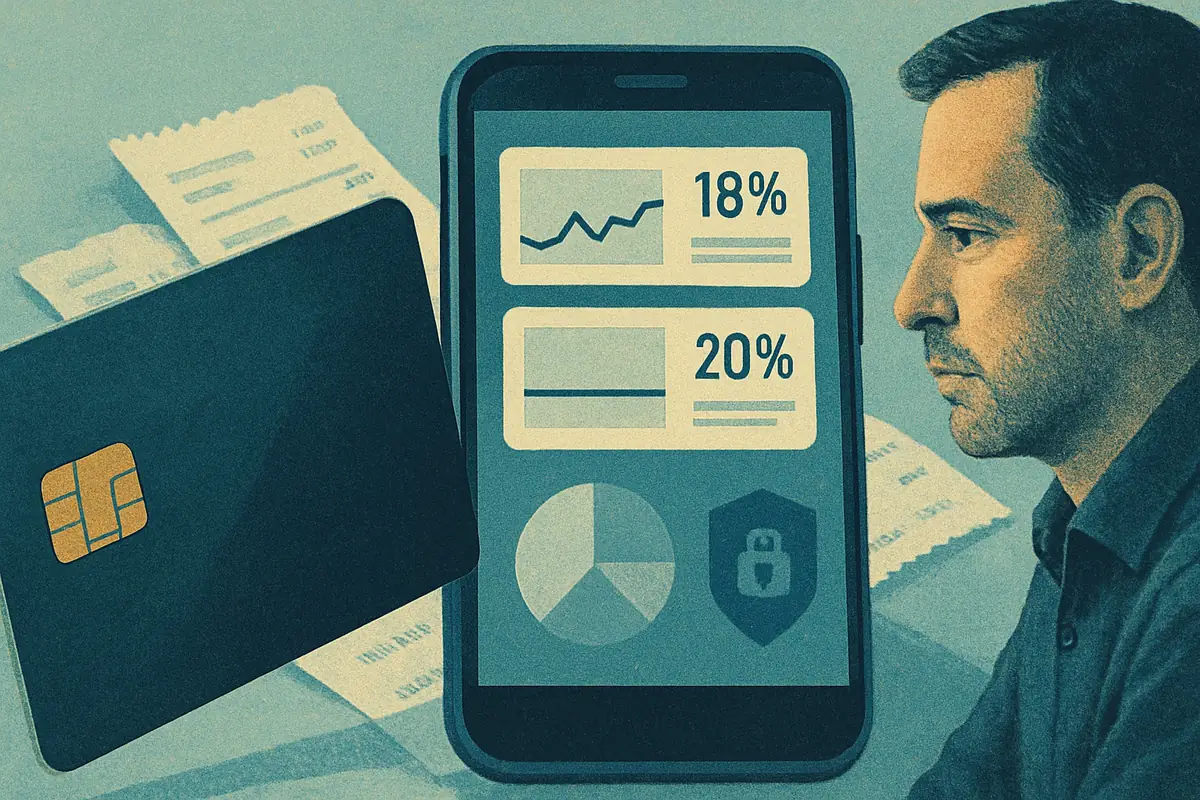
$25 to $40 late payment fees are common when payments miss their due date. These hit your wallet directly plus trigger penalty APRs — often raising rates from typical ranges (18%-25%) up to near-max rates around 29%-30%. Returned payment fees add another layer of expense if bank transfers fail.
"Cash advance" transactions usually incur higher fees (around 3%-5% per transaction) plus immediate higher APRs (often exceeding 25%), with no grace period before interest accrues. Using cash advances without understanding these costs can quickly balloon debt beyond initial expectations.
Where readers should be careful
"If you rely on minimum payments while racking up fees like late charges or cash advances, your overall debt grows faster than anticipated—even if your purchases stay steady."
How Behavior Drives Debt Growth and Recovery
A key factor behind persistent credit card debt is behavioral: overspending beyond means combined with low payment amounts due to budget constraints or misunderstanding statements. Many consumers treat minimum payments as acceptable targets rather than floor limits necessary to avoid penalties.
Conversely, disciplined habits such as tracking spending weekly to avoid surprises; paying off full statements when possible; setting reminders ahead of due dates; and avoiding cash advances altogether help avoid compounding costs and protect credit scores long-term.
Common Questions About Managing Credit Card Debt
What’s the real cost difference between paying minimum vs full balance?
Paying only minimum prolongs repayment exponentially due to compounding interest; paying full statement balance avoids most finance charges completely if done before due date.
How do rewards affect my decision to carry balances?
Rewards are nice but rarely offset high-interest costs on carried balances; prioritize paying down balances first before chasing rewards benefits.
Can I negotiate lower APRs or fees?
Many issuers offer lower rates or waive fees for responsible customers upon request; proactive calls can reduce costs but aren’t guaranteed.
Is it better to have multiple cards or one?
Multiple cards can spread utilization improving scores but require careful management so as not to miss payments or overspend across accounts.
Advantages of Understanding Credit Card Debt Mechanics
- Better control over spending and repayment plans.
- Ability to minimize unnecessary fees and interest.
- Improves chances of maintaining good credit scores through smart utilization.
- Enhanced awareness leads to behavior adjustments benefiting long-term financial health.
Potential Pitfalls Without This Knowledge
- Surprise high-interest costs adding burden over time.
- Risk of damaging credit scores unknowingly through poor payment habits.
- Increased vulnerability to hidden fees eroding budgets.
- Reduced effectiveness from rewards programs when misapplied against debt costs.
Payment timing
Pay before statement closing for lower reported balances; pay by due date to avoid late fees.
Minimum payment basics
Usually around 1-3% of balance plus any past-due amounts; covers interest first then principal.
APR explanation
Annual Percentage Rate shows yearly borrowing cost but accrues daily; affects finance charges monthly.
Where readers should be careful
Avoid assuming that skipping payments or making partial payments won’t catch up with you later — late fees compound with rising APRs rapidly increasing total amounts owed.
Myth 1: Carrying a Balance Improves Your Credit Score
A common misconception among credit card users is that carrying a balance from month to month boosts their credit score. Many believe that showing lenders they are actively using and managing debt responsibly will improve their creditworthiness. However, credit scoring models such as FICO and VantageScore typically reward borrowers who pay off their balances in full each month or maintain low credit utilization rates. Carrying a balance, especially if it accumulates high interest charges, can actually harm your credit profile over time by increasing your debt-to-credit ratio and potentially leading to missed payments if the debt becomes unmanageable.
Instead of carrying a balance to ‘prove’ creditworthiness, the best practice is to use your cards regularly for small purchases and pay them off entirely before the statement due date. This behavior demonstrates responsible credit management without incurring unnecessary interest expenses. Additionally, keeping your overall credit utilization below 30% is generally recommended for maintaining or improving your credit score. The myth that carrying a balance is beneficial often leads consumers to pay more in interest while not reaping any actual advantage in their credit reports.
Myth 2: Closing Old Credit Cards Helps Manage Debt Better
Some consumers assume that closing old or unused credit card accounts will simplify their finances and reduce their debt burden. While closing accounts might seem like an effective way to prevent further spending, this action can negatively impact your credit score. Credit scoring models consider factors such as the length of your credit history and your total available credit limit. Closing older accounts shortens your average account age and reduces your overall available credit, potentially raising your credit utilization rate.
Maintaining older accounts open—even if you rarely use them—can benefit your credit profile by increasing your total available credit and extending the average age of your accounts. If the card has no annual fee, keeping it active with occasional small purchases paid off promptly is often advisable. However, if fees are involved or you struggle with overspending, closing the account might be necessary despite the temporary credit impact. Understanding how account closures affect your overall financial health helps you make informed decisions about managing old cards without inadvertently harming your creditworthiness.
Myth 3: Making Minimum Payments Is Enough
Many consumers believe that making only the minimum payment on their credit card balances is sufficient to maintain good standing and avoid penalties. While minimum payments do keep your account current and prevent late fees, relying solely on them can trap you in a cycle of long-term debt due to accruing interest charges. Minimum payments typically cover just a small portion of the principal balance plus interest, meaning most of what you pay each month services the interest rather than reducing what you owe.
This scenario can extend repayment timelines for years or even decades and cost thousands of dollars in interest payments beyond the original balances. Credit counselors often advise paying more than the minimum amount whenever possible to accelerate debt payoff and reduce total interest costs. Utilizing strategies like the avalanche or snowball methods can help prioritize which debts to pay down first while maintaining minimum payments on others. Ultimately, making only minimum payments may provide short-term relief but usually results in long-term financial strain.
Myth 4: All Credit Card Debt Is Bad Debt
"Debt" often carries a negative connotation, but not all credit card debt is inherently harmful. Responsible borrowing can actually support financial goals when managed carefully. For example, using a credit card for business expenses or large necessary purchases while paying off balances promptly can build positive payment history and even earn rewards or cash back benefits. Some consumers strategically leverage promotional 0% APR offers to finance purchases without immediate interest costs.
"Bad" debt typically refers to high-interest balances that remain unpaid over long periods or borrowing beyond one’s means leading to financial distress. In contrast, "good" debt involves controlled use where borrowing enhances purchasing power or cash flow flexibility without incurring damaging costs. The key lies in understanding terms, limits, and repayment plans thoroughly before using cards as financial tools rather than sources of ongoing liabilities.
Myth 5: Applying for Multiple Cards Will Ruin Your Credit
"Hard inquiries," which occur when you apply for new lines of credit including credit cards, do temporarily lower your score slightly due to perceived increased risk from lenders’ perspectives. As such, some consumers avoid applying for multiple cards fearing irreversible damage to their scores. However, when done strategically over time, opening several new accounts may not ruin—and can sometimes improve—your overall credit profile by increasing available credit limits and diversifying types of accounts.
"Hard inquiries" typically impact scores minimally (by less than 5 points) and fade after about a year; meanwhile, responsible use of new accounts in subsequent months contributes positively through timely payments and low utilization ratios. Problems arise primarily when many applications occur within short periods or when new accounts lead to overspending or missed payments. Therefore, thoughtful timing combined with disciplined management mitigates risks associated with multiple applications.
References
- https://www.fdic.gov/consumer-resource-center/credit-cards
- https://www.consumerfinance.gov/consumer-tools/credit-cards/
- https://www.consumerfinance.gov/consumer-tools/credit-reports-and-scores/
- https://www.consumerfinance.gov/ask-cfpb/what-is-a-credit-score-en-315/
- https://consumer.ftc.gov/articles/what-know-about-identity-theft