When Sarah needed a $15,000 auto loan to replace her aging vehicle, her own credit score was too low for favorable terms. Her father agreed to co-sign the loan, allowing her lender to offer a 7.5% APR over five years instead of the typical 12%. But this decision introduced financial and legal complexities that neither fully anticipated. This article unpacks the mechanics, costs, and risks of involving a co-signer in loan agreements through detailed scenarios and practical analysis.
Understanding the Basics of Co-Signing in Loans
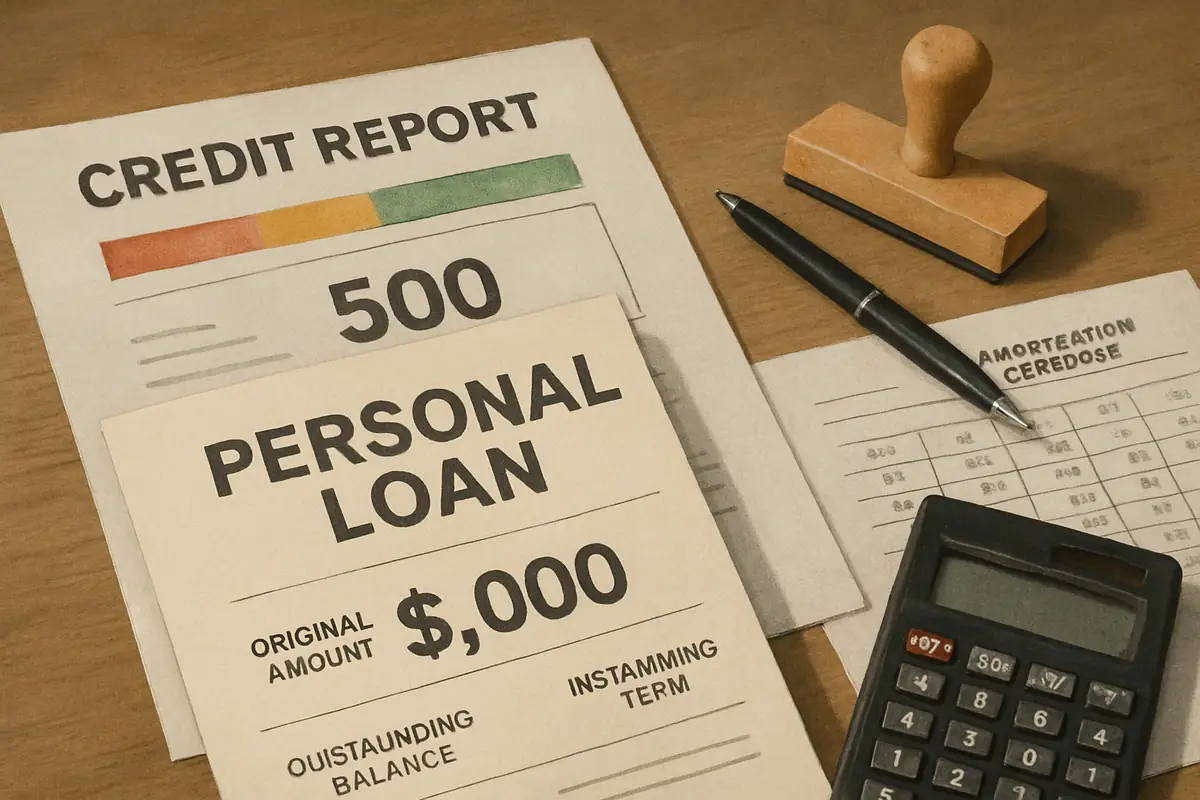
A co-signer is someone who agrees to share responsibility for a loan if the primary borrower fails to repay. Unlike guarantors who are typically secondarily liable after default, co-signers hold equal legal liability from the outset. This means if the borrower misses payments or defaults, the lender can pursue either party for repayment without delay. Co-signing commonly arises when borrowers have limited credit history, poor credit scores (usually below 620), or insufficient income documentation to qualify independently. Typical loans involving co-signers include auto loans ranging from $5,000 to $30,000 with terms between three and seven years, personal loans under $20,000 for one to five years, and student loans where parents may co-sign for amounts up to $50,000.
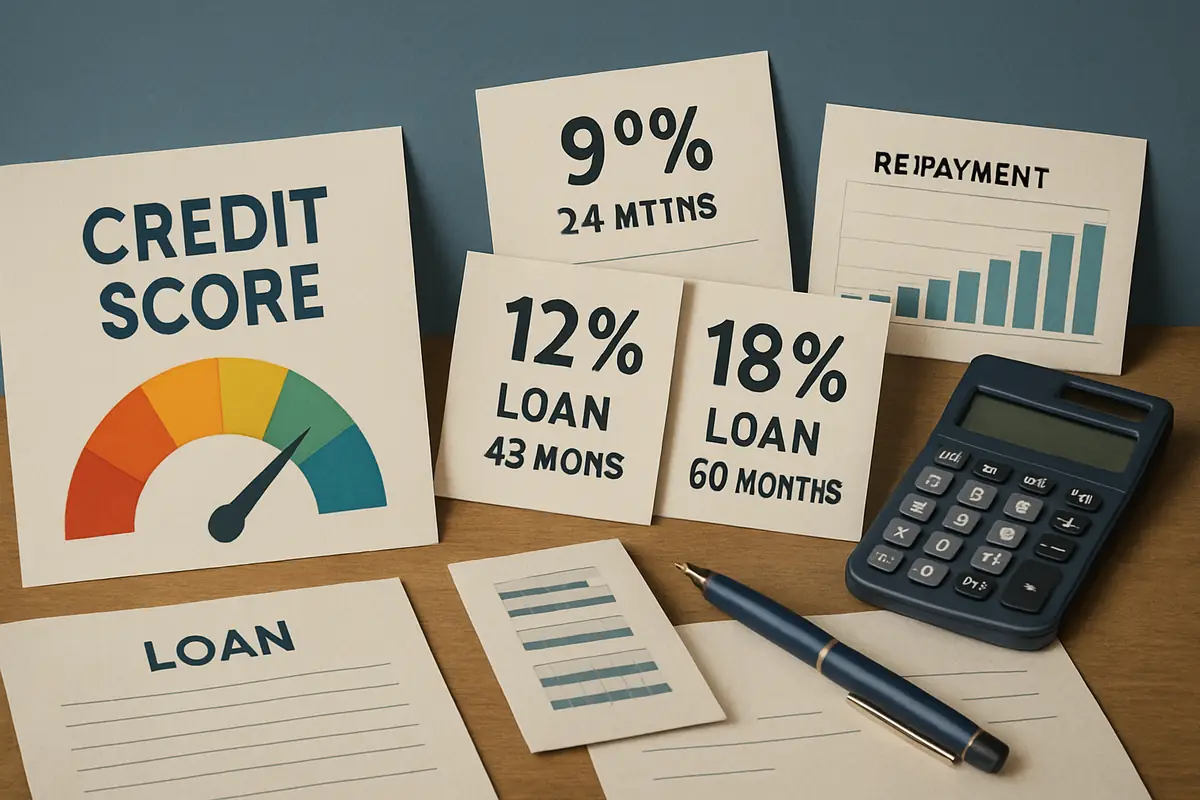
The presence of a co-signer often reduces perceived risk for lenders. For example, an individual with a credit score around 580 might face interest rates near 15% on a $10,000 unsecured personal loan over three years. With a co-signer boasting a score above 700, that rate could improve to roughly 8-10%. However, these benefits come with higher exposure for the co-signer: beyond potentially repaying principal and interest themselves, they assume responsibility for fees including late charges (commonly 5% of overdue amounts) and collection costs.
Scenario: Emily’s Student Loan Co-Signing Decision
How this can look in practice
Emily is enrolling in graduate school requiring $40,000 in loans across four years. Because her credit history is limited and her income is minimal as a full-time student, she cannot qualify alone. Her mother agrees to co-sign a federal parent PLUS loan with an average fixed interest rate near 7%, compared to unsubsidized student loans at about 6%, but with no income restrictions. The repayment term is 10 years after graduation.
Emily’s loan accumulates interest during school and grace periods. Once repayment begins, her monthly payments will be approximately $460 at a fixed APR of 7%. Although Emily will be responsible for monthly payments during repayment, her mother remains legally liable. If Emily misses payments or defaults after graduation—either due to unemployment or financial hardship—the lender can demand payment from the mother immediately without waiting for other remedies.
This scenario highlights common risks: the co-signer’s credit is at risk of damage if payments are late; their debt-to-income ratio could increase affecting future borrowing; and their assets might be pursued if they fail to cover missed payments. Moreover, refinancing options may be limited since many lenders require both borrower and co-signer approval or release conditions tied to improved credit scores after several years.
How Co-Signers Influence Loan Costs: APRs and Fees Explained
Annual Percentage Rate (APR) represents the total annual cost of borrowing including interest and mandatory fees expressed as a percentage of the principal loan amount. For example, consider a $15,000 auto loan with an APR of 8% over 60 months (five years). Using amortization formulas or online calculators, monthly payments are about $304. Total paid over five years equals approximately $18,240 — meaning roughly $3,240 in interest and fees.
If a co-signer improves the borrower's credit profile enough to reduce APR from 12% to 8%, monthly payments drop significantly—from about $333 down to $304—saving nearly $1,740 over the life of the loan. However, fees such as origination charges (often 1-3% of principal), prepayment penalties (rare but possible), or late fees must be understood clearly before signing.
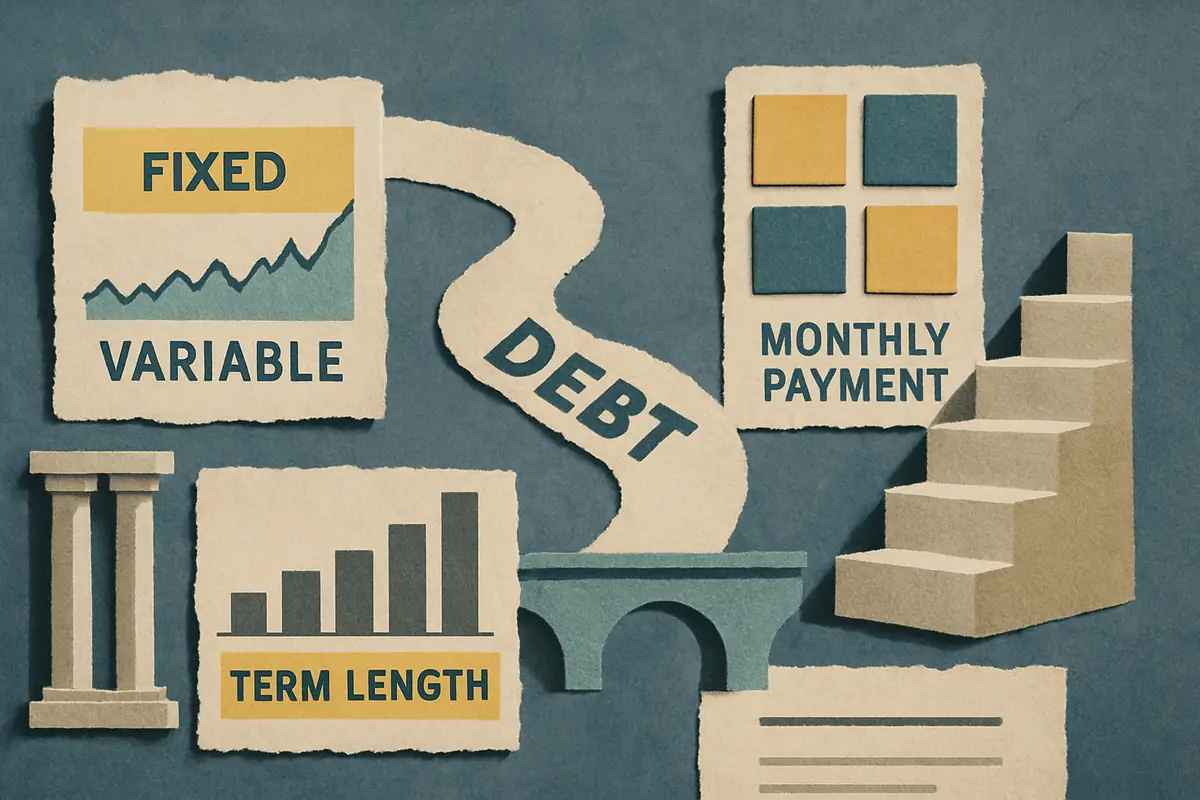
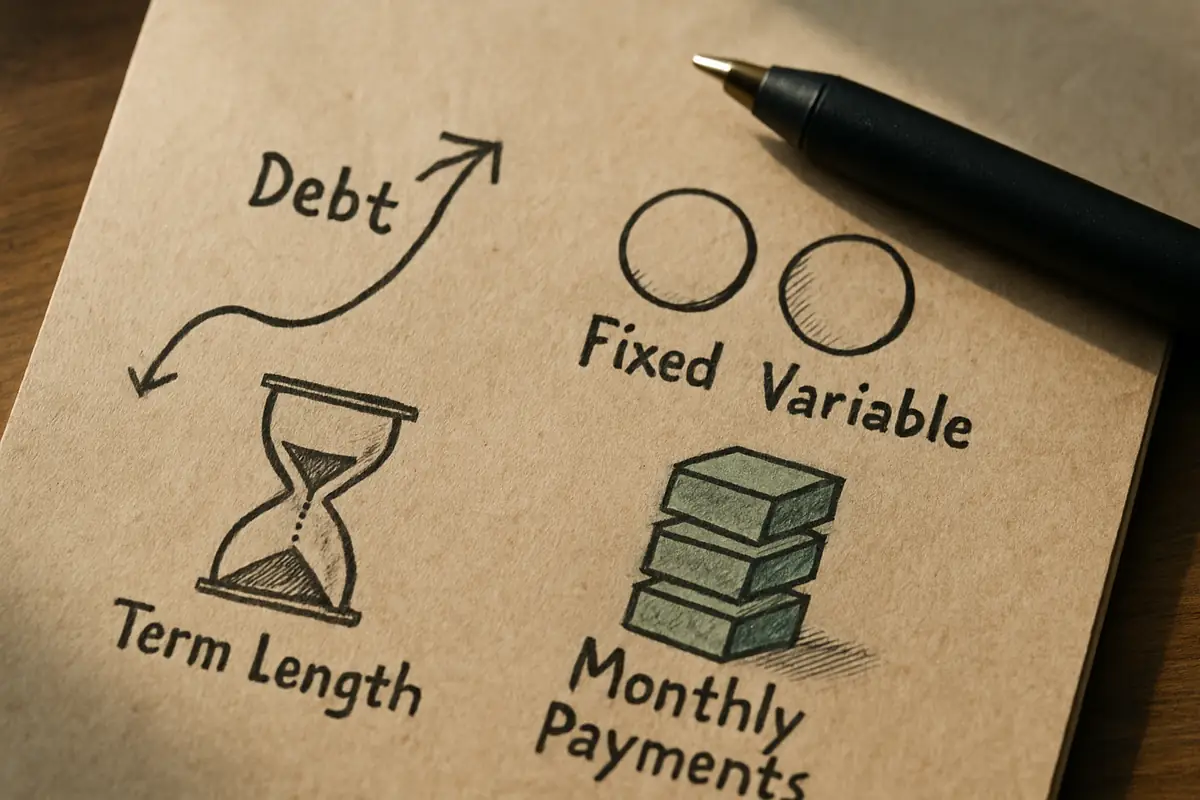
Importantly, advertised rates do not always reflect real borrowing costs when variable rates or balloon payments apply. If an adjustable-rate auto loan starts at 6% APR but resets annually based on prime rate plus margin (e.g., prime rate currently near 8%), payments could increase substantially after initial fixed periods unless refinancing occurs—a process which may require additional approval from both borrower and co-signer.
Warning: Legal and Financial Exposure for Co-Signers
Where readers should be careful
Co-signing removes many protections borrowers have alone because the lender gains multiple recovery targets upfront. Missed payments impact both parties’ credit scores immediately—commonly by lowering scores by 50 to over 100 points depending on severity—and both are subject to collection actions including wage garnishment or asset liens if balances remain unpaid beyond typical cure periods (30-90 days). Importantly, courts generally enforce written contracts strictly; verbal side agreements offering release or forgiveness often lack legal force without formal paperwork.
Additionally, many do not realize that paying late once can trigger cross-default provisions affecting all related accounts involving both individuals if stated in contract terms. For example, one late payment on an auto loan might prompt lender reevaluation of mortgage applications jointly held by borrower and co-signer due to increased risk profile reported by credit bureaus.
In some cases borrowers request early release from co-signer obligations after demonstrating improved creditworthiness post several on-time payments—typical minimum period ranges from one to three years depending on lender policies—but approval is not guaranteed and may involve new underwriting procedures with potential fees.
Repayment Pressure: Managing Dual Accountability in Practice
Having two legally liable parties can complicate communication with lenders but also amplifies pressure to maintain timely payments since any missed installment threatens both individuals’ financial standing simultaneously. For instance, John borrowed $10,000 with his sister as co-signer at an APR of 9%, five-year term fixed-rate installment loan requiring monthly payments around $208.
When John faced temporary unemployment resulting in two missed payments totaling around $416 plus accumulated late fees near $20 each month overdue past grace periods commonly set at 15 days per lender contract terms; his sister immediately received collection notices affecting her credit report as well. Despite repayment assurances from John promising upcoming salary restoration within six months covering arrears plus ongoing installments, lender protocol required full payment or formal restructuring discussion involving both parties together.
Where Co-Signing Can Provide Tangible Advantages
- Improves chances for borrowers with poor or limited credit history to secure loans at lower rates.
- Enables access to larger loan amounts or longer repayment terms.
- Lenders view dual liability as reduced default risk potentially lowering overall borrowing cost.
- Can help build positive credit history when repayments are timely.
- Parental support often critical for students transitioning into independent financial lives.
Risks That Require Careful Consideration Before Co-Signing
- Co-signer assumes full legal responsibility equal to borrower from day one.
- Missed payments damage both parties’ credit reports simultaneously.
- Potential for damaged personal relationships due to financial strain.
- Co-signer’s debt-to-income ratios increase which may hinder future lending opportunities.
- Release from obligation requires formal process; no automatic discharge even if borrower pays off independently.
- Collection actions may target co-signer’s assets including bank accounts or wages without prior consent.
Alternatives and Mitigations: Reducing Co-Signing Risk
Before agreeing to co-sign loans exceeding typical thresholds ($5,000-$20,000 range), explore alternatives such as secured loans where collateral limits loss exposure—for example using vehicles or savings accounts as security lowers risk-based pricing though default still implicates pledged asset seizure rather than full personal liability extension. Another option includes cosigning only smaller amounts or shorter-term loans designed explicitly as bridge financing rather than long-term obligations.
Mitigation strategies include formalizing clear agreements between borrower and co-signer addressing responsibility boundaries beyond lender contracts; establishing joint budgeting plans; setting up automatic payment systems reducing missed payment likelihood; obtaining periodic statements detailing outstanding balances; monitoring credit reports regularly; considering insurance products that cover payment defaults under certain conditions; reviewing refinancing options within first few years once borrower improves financial standing.
Worked Example: Calculating Cost Differences With and Without Co-Signers
Consider Mark seeking a five-year personal loan of $12,000 for home repairs. Without a co-signer due to his subprime credit score (~590), offers show an APR around 16%, equating monthly payments near $280 using standard amortization formulas [(P × r) / (1 – (1 + r)^-n)], where P=$12,000 principal; r=monthly interest rate = annual rate/12 =0.16/12=0.01333; n=60 months.
'With r=0.01333,' monthly payment calculation: Payment = (12000 × 0.01333) / (1 – (1 + 0.01333)^-60) ≈160 / (1 – (1.01333)^-60) ≈160 / (1 – 0.439) ≈160 /0.561 ≈$285 Total repayments equal roughly $17,100 over five years. With a qualified friend co-signing who has strong credit (>720), Mark qualifies for a lower APR near 9%. Monthly payment recalculated: Payment = (12000 × 0.0075) / (1 – (1 + 0.0075)^-60) ≈90 / (1 –(1.0075)^-60) ≈90 / (1 –0.648) ≈90 /0.352 ≈$256 Total repayments drop approximately to $15,360. Savings exceed $1,700 but introduce shared liability risks outlined earlier.
Final Reflections: Returning to Real-world Borrower Experience
Sarah’s initial choice involved weighing lower monthly costs against exposing her father’s finances directly—an agreement made informally but carrying contractual obligations enforceable by lenders immediately upon default events unlike personal promises typically made among family members. Their experience illustrates how expedient solutions sometimes conceal longer-term pressures arising from variable APR changes potential fees hidden within fine print plus emotional strain triggered when repayment problems surface unexpectedly.
'Co-signing can unlock access otherwise denied but requires thorough understanding,' concludes Daniel Foster—a borrowing analyst specializing in risk assessment across secured lending transactions—to emphasize no borrowing decision exists in isolation outside legal terms nor without real economic trade-offs impacting multiple parties simultaneously.
Understanding the Financial Implications for Co-Signers
When agreeing to become a co-signer, individuals must recognize that they are committing to a legal and financial responsibility that extends beyond mere goodwill. The primary loan applicant might be the one receiving the funds and responsible for monthly payments, but the co-signer shares equal liability in the eyes of lenders and credit bureaus. This means that if the borrower fails to make timely payments or defaults on the loan, the lender has every right to pursue repayment from the co-signer. Beyond increased debt obligations, this can affect the co-signer’s credit score and borrowing capacity. Therefore, co-signers should carefully evaluate their own financial stability before entering into such agreements.
For example, consider a parent co-signing a student loan for their child. While motivated by a desire to help, if the child struggles with repayments, the parent might find themselves making payments unexpectedly. This could potentially strain their personal finances, delay retirement plans, or limit their ability to take on new credit such as mortgages or auto loans. It is essential for co-signers to assess whether they can comfortably absorb these potential costs without jeopardizing their financial goals.
How Co-Signing Affects Credit Reports and Scores
From a credit reporting perspective, loans with co-signers appear on both parties’ credit reports. Each on-time payment can help build positive credit history for both borrower and co-signer alike. However, missed or late payments will also impact both parties equally. This dual exposure can be advantageous if managed well but risky if problems arise. Moreover, having a significant loan balance with an outstanding obligation can increase debt-to-income ratios used by creditors to assess creditworthiness in future lending scenarios for both parties.
For instance, even if the primary borrower diligently makes payments on time, occasional delays or errors may still negatively influence the co-signer's credit rating until resolved. Additionally, because some lenders count co-signed debt fully when evaluating new loan applications, prospective borrowers may find themselves unable to secure additional financing due to perceived high risk levels tied to existing obligations. This reality underscores why potential co-signers should regularly monitor both their own and the borrower’s payment activities to mitigate surprises.
Evaluating When to Accept or Decline Co-Signing Requests
Deciding whether to co-sign requires careful balancing of relationship considerations against financial prudence. Many feel compelled out of familial loyalty or close friendship ties; however, it is important not to let emotional factors override practical judgment. Before committing, individuals should examine factors such as the primary borrower's income stability, repayment history, and overall financial responsibility. If there is significant doubt about the borrower's ability to repay, it may be wiser to decline despite personal ties.
Additionally, potential co-signers should consider alternatives that might provide support without assuming full liability — such as helping improve the borrower's credit profile first or assisting in building savings for a down payment which could reduce loan amounts needed. Transparent communication about expectations and consequences is crucial to prevent misunderstandings later on.
Legal Rights and Protections Available for Co-Signers
Co-signing agreements are legally binding contracts that grant lenders rights not only against borrowers but also against co-signers in case of default. However, some protections exist depending on jurisdiction and loan type. For example, federal regulations governing certain student loans provide processes for disputing charges or seeking deferment options in hardship cases that may also involve co-signers indirectly. Awareness of these protections can help co-signers navigate challenges more effectively.
Moreover, some states impose limitations on how aggressively lenders can pursue repayment from co-signers or require specific disclosures about risks involved before signing. Consulting legal counsel before entering into agreements may uncover relevant state-level safeguards or negotiation possibilities such as adding clauses allowing release of obligations after consistent borrower performance.
Strategies for Minimizing Risks When Co-Signing
To reduce exposure when acting as a co-signer, individuals can adopt several strategies aimed at mitigating potential negative outcomes. Firstly, insisting on clear access to account information allows monitoring of payment status in real time rather than discovering problems post default. Setting up automated alerts or shared online accounts helps maintain transparency between borrower and co-signer.
Secondly, negotiating conditions within the loan contract such as including a clause releasing the co-signer after a certain number of successful payments or refinancing once creditworthiness improves can provide an exit path sooner than later. Thirdly, maintaining emergency funds earmarked specifically for covering unexpected missed payments safeguards personal finances while supporting the borrower through temporary hardships.
References
- https://www.consumerfinance.gov/consumer-tools/
- https://www.consumerfinance.gov/consumer-tools/auto-loans/
- https://www.fdic.gov/consumer-resource-center/loans
- https://www.consumerfinance.gov/consumer-tools/mortgages/
- https://www.consumerfinance.gov/ask-cfpb/what-is-the-difference-between-a-fixed-rate-and-adjustable-rate-mortgage-arm-loan-en-100/