Imagine two friends, each with a $5,000 credit limit on their cards. One uses nearly all of it every month; the other spends less than half and pays off the balance promptly. Months later, their credit scores diverge noticeably. Why does similar access lead to such different outcomes? Understanding how your credit limit interacts with spending habits—and the timing of payments—can help you avoid costly pitfalls and keep your credit score healthy.
Why Credit Utilization Matters More Than You Think
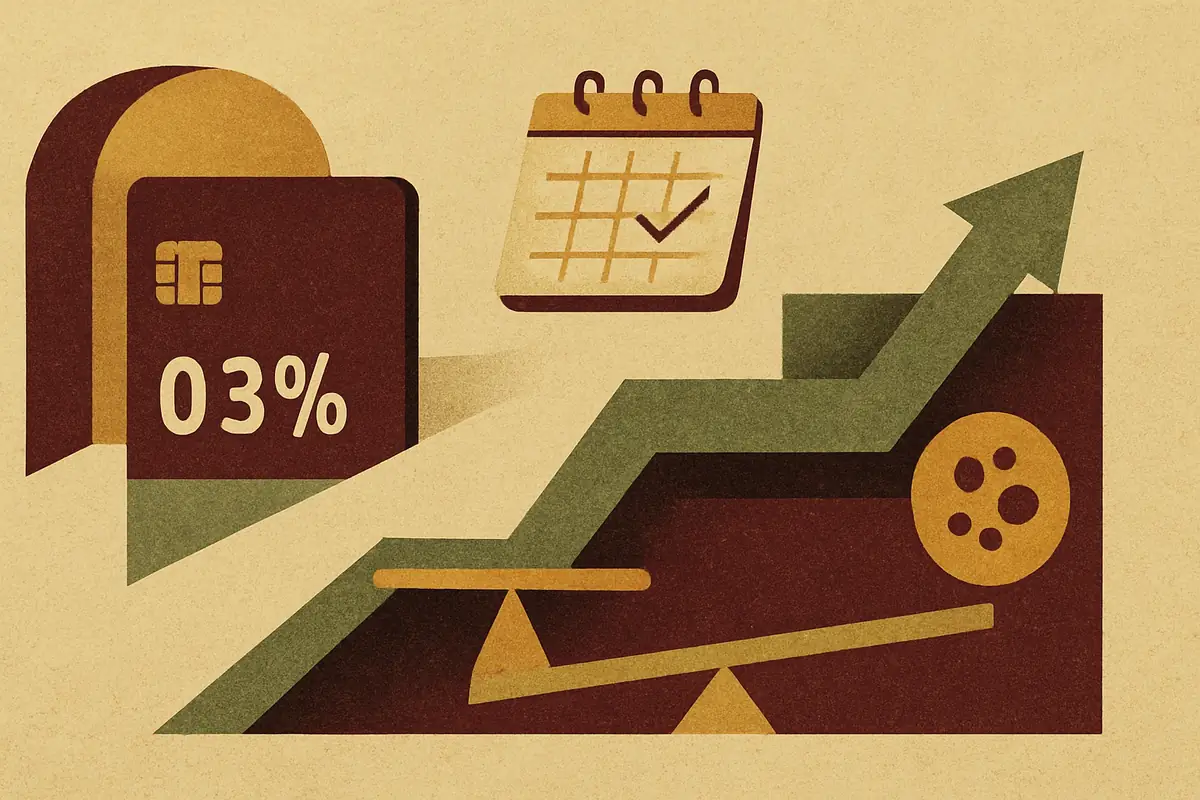
Credit utilization refers to the percentage of your available credit that you are using at any given time. For example, if you have a $5,000 credit limit and your current balance is $1,500, your utilization is 30%. Credit scoring models typically reward lower utilization rates; experts often recommend keeping it below 30% to support a good credit score. Utilization accounts for roughly 30% of the commonly used FICO score. High utilization signals potential financial stress, which can lower your score even if you pay bills on time.
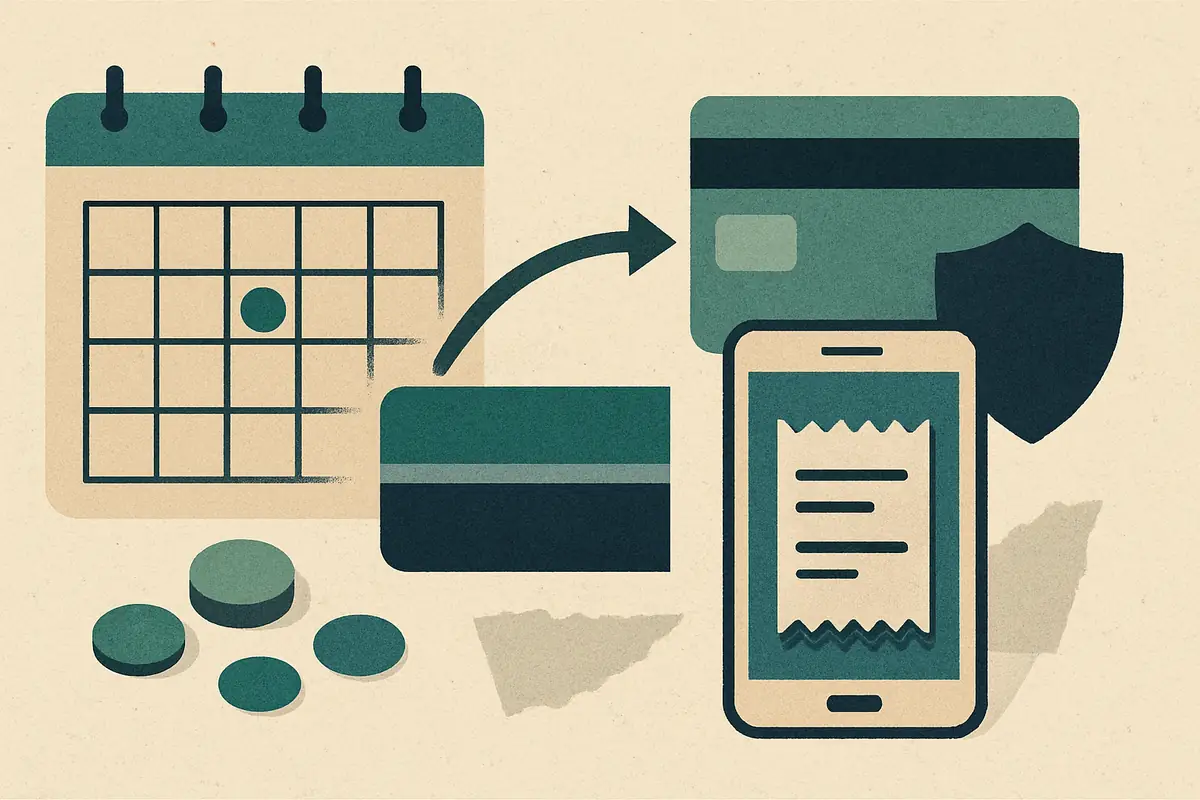
This metric resets monthly based on your statement balance—not what you pay off during the month but what’s reported to credit bureaus. So if you spend $4,000 across a billing cycle but then pay $3,500 before the statement closing date, only the remaining $500 is reported. Being mindful of when you pay relative to your billing cycle can significantly impact how much balance shows up on your report.
How Your Spending Habits Affect Credit Scores
Consistently maxing out a card or carrying high balances increases your utilization ratio and can cause lenders to view you as riskier. On the other hand, using your card regularly—but keeping balances low—and paying in full or near full by the statement due date demonstrates responsible management. This behavior encourages higher credit limits over time and better rewards from issuers.
Frequent small purchases that are paid off quickly pose little risk to your score. Conversely, occasional large balances that remain unpaid after due dates can trigger interest charges (APR) commonly ranging between 18% and 30%. For example, carrying a $3,000 balance at an APR of 24% could cost approximately $60 in interest monthly if unpaid (calculated as ($3,000 x 0.24) ÷ 12). Over time, that adds up significantly.
Practical Scenario: Timing Payments to Optimize Your Reported Balance
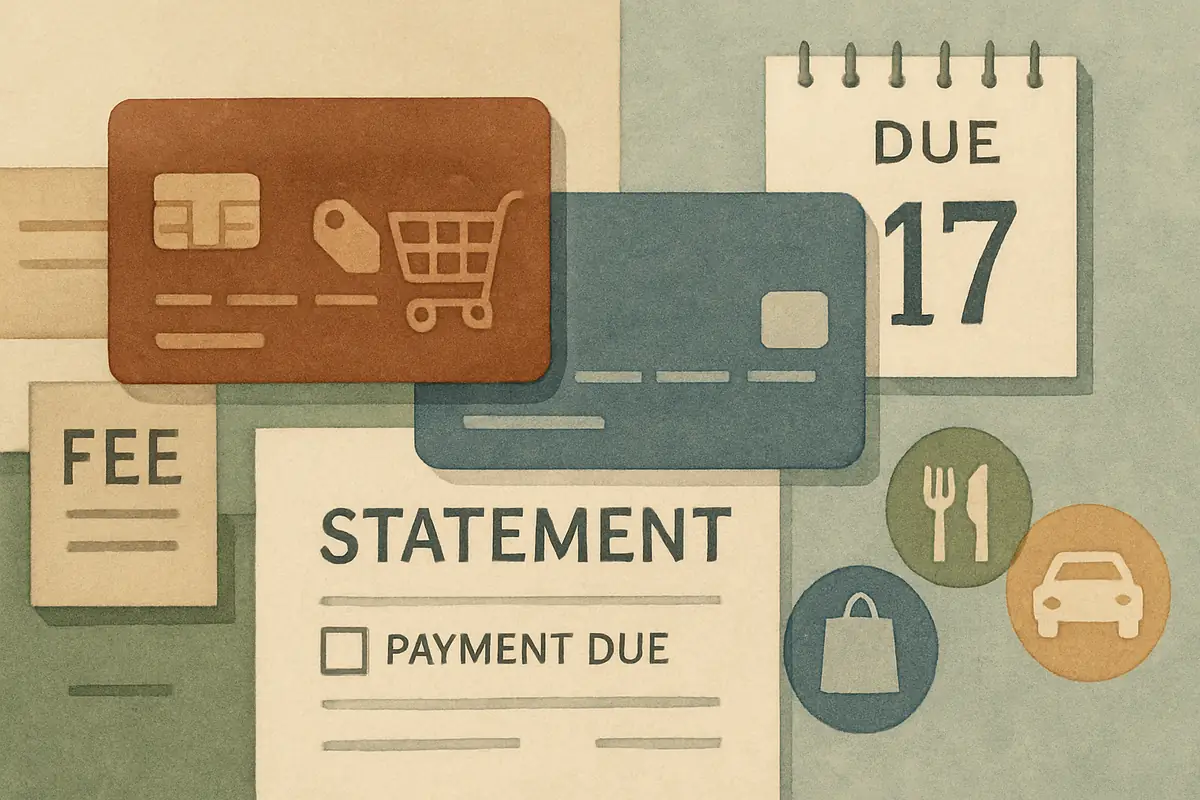
Adjusting payment timing around statement closing dates is an effective way to manage what gets reported to credit bureaus. However, it requires discipline not to overspend after payment or miss due dates—which could lead to late fees typically around $25–$35 per missed payment and penalty APR hikes potentially above 30%.
Hidden Costs: Fees and Interest That Can Erode Rewards
Rewards programs tempt many cardholders with points or cashback offers tied to spending amounts or categories like dining or groceries. But carrying balances month-to-month often negates these benefits because interest costs typically exceed rewards value by several percentage points. For instance, earning 1% cashback on $2,000 spending nets about $20 back monthly while paying interest on a carried balance at 20% APR would cost roughly $33 per month—resulting in a net loss rather than gain.
Additionally, some cards charge annual fees ranging from $0 up to $550 or more depending on benefits offered. While premium cards may provide valuable perks like travel credits or insurance coverage worth more than fees for some users, others may find these costs unnecessary if they don’t utilize those features enough.
Payment timing
Paying before statement closing date lowers reported balance and utilization ratio.
Minimum payments
Typically around 1-3% of balance; paying only minimum extends interest costs dramatically.
APR meaning
Annual Percentage Rate reflects yearly borrowing cost; typical ranges are 18%-30% for most cards.
Behavioral Patterns That Can Harm Your Credit Over Time
A common mistake is revolving balances by paying just the minimum amount due each month. While this avoids late fees temporarily, it extends interest accumulation over many months or years. For example, carrying a $2,500 balance with a minimum payment of 2% ($50) at an APR of 22%, interest charges can add hundreds per year while principal reduces slowly.
Another risky habit is using multiple cards close to their limits simultaneously—known as high overall utilization—even if individual cards appear manageable. Lenders view total debt load across all accounts when evaluating risk. Spreading balances evenly but keeping total utilization under 30% is usually better for scores than maxing out one card entirely.
Timeline: How Credit Reporting Works Vis-à-Vis Balances
Understanding Your Credit Utilization Ratio
One of the pivotal factors affecting your credit score is the credit utilization ratio, which is the percentage of your available credit that you are actually using. For instance, if you have a credit card limit of $10,000 and you consistently carry a balance of $3,000, your utilization ratio is 30%. Credit scoring models generally view lower utilization ratios as a positive sign because they suggest you are not overly reliant on borrowed money. Maintaining a utilization below 30% is commonly recommended, but aiming even lower can further demonstrate responsible credit use to lenders.
It’s important to note that how and when you pay off balances affects this ratio. If you frequently charge up close to your credit limit but then pay in full before the statement closing date, the reported balance might still be high if your issuer reports the balance at the statement time. This can temporarily inflate your utilization and potentially lower your score, even if your overall behavior is responsible. Strategically timing payments or requesting multiple reporting cycles can help optimize this aspect.
For those managing multiple credit cards, spreading out spending across cards rather than maxing out one card can improve perceived credit management. For example, using two cards each with a $5,000 limit and keeping balances under $1,000 on each is preferable to carrying a $2,000 balance on just one card with a $5,000 limit. This practice shows lenders diversified credit use without over-dependence on any single line of credit.
Balancing Spending Habits with Credit Limits: Practical Strategies
Developing spending habits that respect your credit limits ensures that you maintain financial flexibility while safeguarding your credit health. One effective strategy is to budget monthly expenses carefully by categorizing essential costs versus discretionary spending. Allocating specific amounts for each category helps prevent overspending and encourages paying balances in full each month where possible. This discipline is crucial for avoiding interest charges and maintaining a low utilization ratio.
Another practical insight involves setting personal alerts or limits through your credit card provider’s app. Many issuers allow users to receive notifications when they approach certain spending thresholds or to set temporary caps on purchases. These tools encourage mindfulness about current spending levels relative to available credit and help avoid unintentional overuse that can negatively impact scores.
Additionally, consider aligning your payment schedule strategically with billing cycles. By making multiple payments within a cycle — for example, once every two weeks instead of only once per month — you can reduce reported balances and lower utilization rates seen by credit bureaus. This approach requires attention but can significantly benefit those aiming to optimize their credit profiles without increasing overall debt.
The Impact of Credit Limit Increases on Spending Behavior
While higher credit limits might seem like an automatic boon for your financial health by lowering utilization ratios, they can also tempt some consumers into increasing their spending beyond sustainable levels. It’s essential to approach limit increases with a clear plan rather than viewing them simply as additional disposable funds. Studies have shown that individuals often spend more when their available credit increases — a psychological effect sometimes referred to as 'credit limit creep.' This phenomenon underscores the need for self-discipline in balancing newfound borrowing capacity with actual repayment ability.
If you receive an unsolicited offer for a limit increase, reflect first on whether this aligns with your budgeting goals and whether it will improve or jeopardize your financial standing. Some consumers may benefit from increased limits if it helps avoid high utilization during significant purchases or emergencies without resorting to multiple cards or loans. Conversely, others may find it challenging to control impulse spending after an increase and should consider declining or postponing the raise until habits are firmly established.
Recognizing When to Adjust Your Credit Limits
Adjusting your credit limits proactively based on changes in income, expenses, or financial goals is another critical element of healthy credit management. For example, if you experience a significant income increase coupled with growing regular expenses—such as childcare or education costs—it may be beneficial to request higher limits cautiously while ensuring that monthly payments remain manageable. Conversely, if you face tighter budgets or reduced income periods, lowering limits can serve as an effective tool to restrain spending temptation and minimize risk exposure.
It’s also wise to evaluate how changes in life circumstances impact your overall debt strategy beyond just limits—for instance, considering consolidating balances onto fewer cards with better terms or negotiating interest rates alongside limit adjustments. Periodic review of these aspects ensures alignment between borrowing capacity and repayment ability while reinforcing positive behaviors essential for maintaining strong scores over time.
Understanding Credit Utilization Ratios and Their Impact
A critical factor in maintaining a healthy credit score is understanding the credit utilization ratio, which is the percentage of your available credit that you actually use. For example, if you have a total credit limit of $10,000 across all your cards but consistently carry a balance of $3,000, your utilization ratio stands at 30%. Most financial experts recommend keeping this ratio below 30% to avoid negative impacts on your credit score. This figure is crucial because it reflects how reliant you are on borrowed money relative to your credit limits. A lower utilization ratio signals to lenders that you manage your credit responsibly without maxing out your cards. It’s important to monitor this ratio regularly, especially before applying for new loans or credit lines, as sudden spikes can adversely affect your creditworthiness.
Practical management of the credit utilization rate involves thoughtful spending habits and timely payments. For example, even if you pay off your balance in full each month, high spending close to the statement closing date might still show a high utilization when the creditor reports to credit bureaus. To counteract this, consider making multiple payments throughout the billing cycle rather than a single payment at the end. This strategy helps keep reported balances low and ensures that your utilization appears healthy. Additionally, spreading purchases across multiple cards can help keep individual card utilizations low, which can further optimize your overall credit profile.
Balancing Multiple Credit Cards Without Overextending
While having multiple credit cards can increase your total available credit—thus lowering your overall utilization ratio—it also requires disciplined management to avoid overspending. Each additional card comes with its own set of due dates, minimum payments, and potential fees that can complicate personal finance management if not tracked carefully. A practical approach involves setting up automatic payments for at least the minimum required amounts on each card to avoid late fees and penalties. Using budgeting apps or spreadsheets to track expenditures across all cards can help maintain awareness and prevent accidental overspending.
Furthermore, it’s essential to periodically review whether each card’s benefits align with your spending habits. For instance, a card offering dining rewards might be beneficial if you frequently eat out, but less so if most of your expenses are on groceries or gas. Optimizing the use of each card according to its reward structure maximizes value while helping maintain balanced spending levels on each account. Remember that simply having more cards isn’t inherently beneficial; the key lies in how effectively you manage and utilize them in harmony with your financial goals.
The Role of Payment Timing in Maintaining Healthy Credit Scores
Timing payments strategically can significantly influence how your credit behavior is perceived by scoring models. Many people assume that paying their balance in full once a month suffices; however, considering when those payments are made within the billing cycle can impact reported balances and therefore utilization ratios. Making payments before the statement closing date reduces the balance reported to credit bureaus since balances are typically reported at the end of each billing cycle. This practice ensures lower reported utilization without necessarily reducing actual cash flow flexibility during the month.
In addition to payment timing, consider setting reminders for payment due dates well ahead of time to avoid late submissions that negatively affect both scores and wallets through fees and interest charges. Some consumers benefit from splitting large purchases into smaller amounts paid off more frequently throughout the cycle rather than one lump sum later on. This technique not only manages utilization but also reduces risk by distributing payment responsibility evenly over time. Ultimately, mastering payment timing integrates smoothly with budgeting discipline and serves as a powerful tool for sustaining excellent credit health.
Avoiding Common Pitfalls When Managing Credit Limits
One common mistake consumers make is assuming that having high limits means unlimited spending power without consequences. Overextending beyond comfortable repayment capacity can lead quickly into debt traps despite initially good credit scores. Another frequent error is neglecting to update or negotiate credit limits as financial circumstances evolve; for instance, after a raise or improved financial stability, requesting higher limits can help reduce utilization ratios but should be balanced against temptation to increase spending.
Additionally, some individuals close older cards believing it will improve their score by reducing available credit or simplifying finances; however, this often backfires by increasing overall utilization and shortening average account age—a key scoring factor. Instead of closing accounts outright, it may be wiser to retain older cards with zero balances active while focusing spending on primary cards that offer better rewards or benefits. If managing multiple accounts becomes overwhelming, consolidating under fewer well-chosen cards is preferable over impulsive closures.
Final Takeaway: Cultivating Sustainable Credit Habits
Ultimately, balancing credit limits with spending habits goes beyond simple arithmetic; it requires cultivating sustainable habits aligned with long-term financial well-being. Consistent monitoring combined with proactive adjustments—whether through payment timing strategies or judicious use of available limits—can lead not only to a healthy score but also improved financial confidence. Developing an intuitive sense for how spending decisions ripple through one’s overall profile empowers consumers to leverage credit as a tool rather than fall victim to its pitfalls.
References
- https://www.consumerfinance.gov/consumer-tools/credit-cards/
- https://www.consumerfinance.gov/consumer-tools/credit-reports-and-scores/
- https://www.fdic.gov/consumer-resource-center/credit-cards
- https://www.consumerfinance.gov/ask-cfpb/what-is-a-credit-score-en-315/
- https://consumer.ftc.gov/articles/what-know-about-identity-theft