Every year, millions of Americans face the consequences of credit card fraud, with losses often reaching hundreds or even thousands of dollars per victim before recovery steps begin. Despite layers of security built into credit cards, many users underestimate how exposed their information can be—and how some protections come with hidden costs or timing traps. This article digs into the real mechanics behind common card security features, from EMV chips to zero-liability policies, revealing where weak spots and fine print matter most for your wallet and credit score.
Why Credit Card Security Matters More Than You Think
Identity theft and credit card fraud aren’t just stories in the news—they directly affect how you pay your bills, your credit score, and even your ability to borrow for big purchases. Annual credit card fraud losses in the U.S. typically range between $5 billion and $10 billion. While no one wants to become a statistic, these losses happen partly because cardholders don’t fully grasp how fraud can sneak past security features or how long it takes to fix damage afterward. For example, a stolen card number used repeatedly before detection can rack up charges totaling several thousand dollars within a few weeks.
If fraudulent charges go undiscovered and unpaid beyond the billing cycle—usually about 21 to 25 days—you might lose out on certain dispute rights. Even with zero-liability policies that most credit cards offer today, delays in reporting fraud can temporarily impact your available credit and credit utilization ratio, which in turn may lower your credit score by 20 to 50 points depending on your overall credit profile.
The key takeaway? Security is not only about technology but also about timely behavior—how quickly you spot fraud, report it, and manage your account statements and payments. Understanding this timeline is crucial to avoiding costly mistakes.
How Common Credit Card Security Features Work
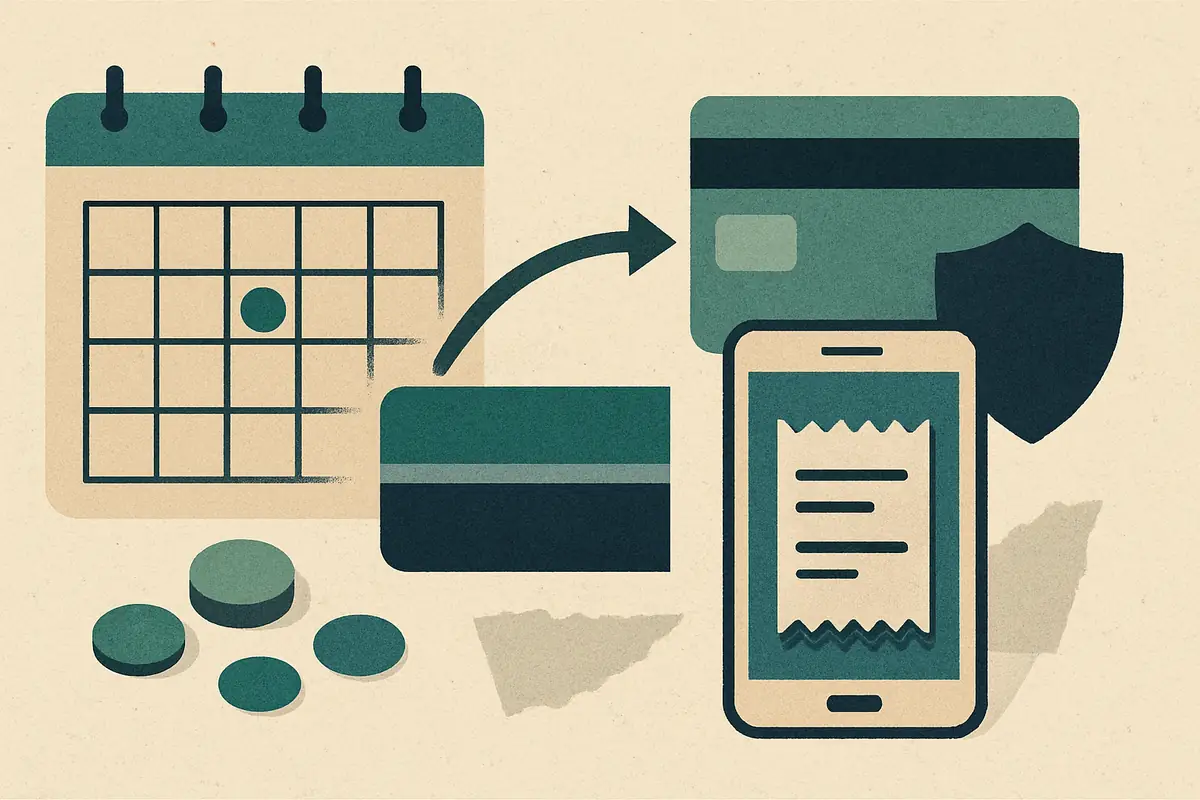
Most modern credit cards come equipped with various security features designed to protect against unauthorized use. The EMV chip embedded in cards encrypts transaction data uniquely for each purchase, making it significantly harder for thieves to clone your card compared to traditional magnetic stripes. Contactless payments add another layer by using tokenization—sending a one-time code instead of your actual card number during transactions.
Beyond hardware, many issuers monitor spending patterns using artificial intelligence algorithms that flag suspicious charges automatically. For example, a sudden large purchase overseas might trigger a temporary card freeze or a request for identity verification. Additionally, text or email alerts notify you of transactions over set amounts—often $50 or $100—so you can quickly confirm legitimacy.
However, these systems aren’t foolproof: if you rarely use alerts or ignore them because they seem frequent, fraudulent activity can slip through unnoticed for days or weeks. Many consumers assume that notifying the bank late does not matter due to 'zero liability' protections—but delayed reporting affects dispute outcomes and your access to funds during resolution.
Scenario: The Cost of Delayed Fraud Reporting
Imagine Sarah finds a $1,200 charge on her statement she did not make. She waits three weeks before contacting her issuer—a period spanning two billing cycles. During this time, her available credit decreases as the fraudulent balance remains unpaid. This causes her credit utilization ratio to jump from 20% to nearly 50%, temporarily lowering her credit score by approximately 40 points. Although she ultimately is not responsible for the fraud amount under her card’s policy, the timing impacts her ability to qualify for a loan she applied for shortly after.
Hidden Costs Behind ‘Free’ Fraud Protection
'Zero liability' policies sound reassuring—and they are a vital safety net—but they do not guarantee zero hassle or cost. Most cards require you to report unauthorized charges within 60 days of the statement date containing those charges; missing this window can mean full financial responsibility for fraudulent expenses. Also, while fraud itself might not cost you money directly under these protections, indirect costs can add up.
For instance, consider time spent disputing claims: phone calls, paperwork, and temporary account holds often make managing everyday finances harder. During investigations lasting several weeks or months—common durations—your account may be frozen or replaced with a new card number that isn’t immediately usable at all merchants due to billing address mismatches or pending subscriptions.
"Hidden costs" also include potential interest on balances impacted by fraud-related confusion around minimum payments—if you miss a payment deadline because you waited on resolution instructions from your issuer, interest rates (APR) typically ranging from 18%–30% might apply on your carried balance until settled.
| Fee/Cost Type | What it Means | Typical Range | Risk Impact |
|---|---|---|---|
| Interest (APR) | Annual percentage rate charged on unpaid balances | 18%–30% | Larger balances during disputes increase total interest paid |
| Late Fees | A fee charged when minimum payment is missed | $25–$40 per missed payment | Can worsen during fraud investigations if payments are delayed |
| Replacement Card Fees | Costs some issuers charge for new cards | $0–$15 per card | Rare but adds inconvenience |
| Credit Score Impact | Drops due to increased utilization or payment issues | 20–50 points typical drop | Affects borrowing power temporarily |
Practical Behavior That Enhances Your Card’s Security
"Technology alone won’t keep your accounts safe if daily habits don’t match up." Regularly reviewing your account statements every 21 to 25 days—the typical statement cycle length—helps spot unauthorized transactions early enough for smooth dispute processing without penalty. Setting up low-threshold transaction alerts (for example alerts above $25) means you get immediate notice of unexpected activity that could indicate fraud.
"Avoid storing card information across multiple online retailers unless necessary," as breaches in one place can expose data usable elsewhere if passwords overlap or phishing attacks succeed. Use unique strong passwords combined with two-factor authentication on banking apps where available.
"Effective Cardholder Practices"
- "Regular statement reviews reduce time fraud goes unnoticed."
- "Low threshold alerts catch small but suspicious expenses quickly."
- "Limiting saved payment data reduces exposure across platforms."
"Common Challenges"
- "Alert fatigue leads many users to ignore legitimate warnings."
- "Delays in checking accounts due to busy schedules increase risk."
- "Some online merchants require stored cards for subscription management."
"Why Credit Utilization Is Key During Fraud"
"Credit utilization" is the percentage of your total available credit you're using at any time—influencing roughly 30% of most credit scoring models. Let’s say you have two cards: one with a $5,000 limit and another with $3,000 limit totaling $8,000 available credit. If fraudulent charges add $1,500 unpaid balance before detection and removal during dispute resolution, your utilization spikes from a comfortable 20% ($1,600 out of $8,000) to nearly 40%. This jump alone can cause a short-term score drop affecting loan approvals or mortgage rates.
"Even though the fraudulent charges might be removed later," explains why quick reporting is essential: the sooner disputed balances are cleared from reports (which typically takes one full billing cycle plus investigation time), the less impact on your score and borrowing power.
The Role Of Statement Cycles In Fraud Detection And Resolution
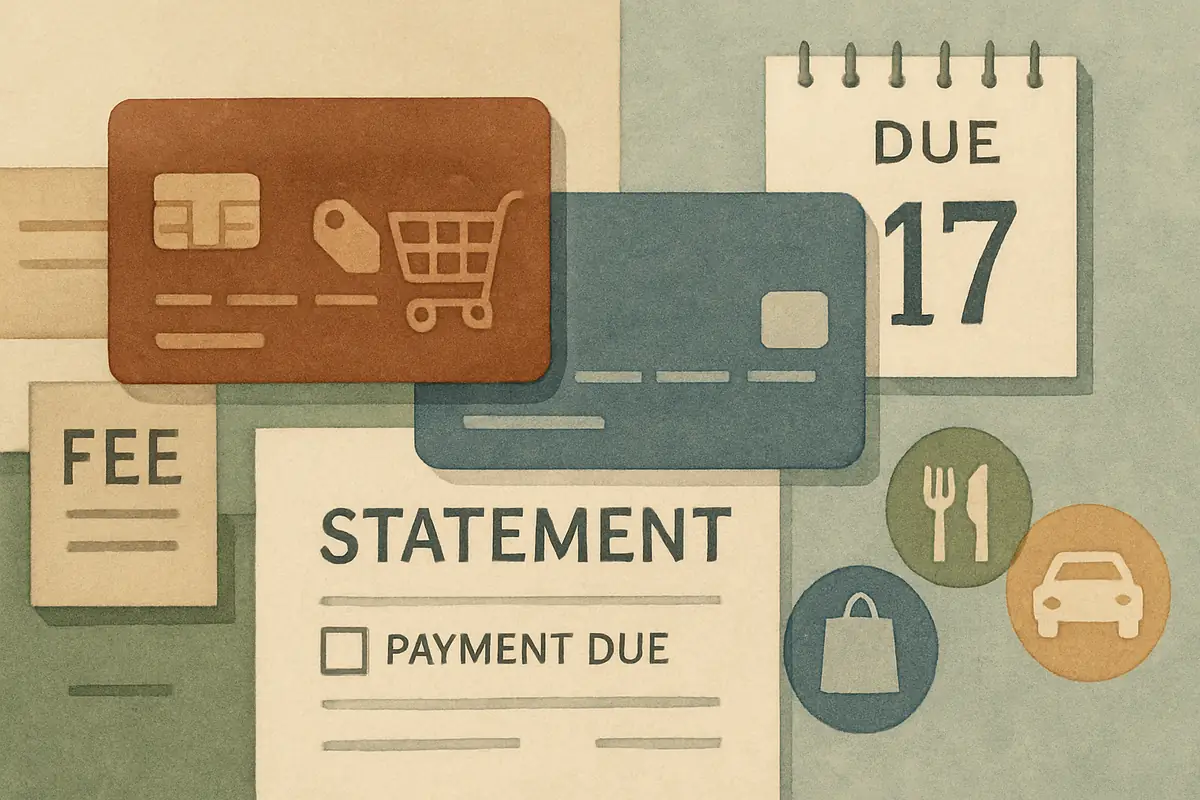
The typical credit card statement cycle lasts around 21 to 25 days—a period during which all transactions post before generating a monthly bill. Understanding this timeline helps manage when fraudulent charges appear versus when you must act. For example: if unauthorized spending happens mid-cycle but isn’t noticed until after statement issuance (about day 25), you still have about 35 more days (the standard payment grace period) from statement date before penalties kick in—assuming timely reporting.
However, waiting too long risks losing dispute options tied to specific billing cycles if reporting windows close—usually within 60 days from statement date containing the charge. Also consider that some issuers may flag accounts differently depending on how soon after posting you notify them; faster alerts often mean quicker holds on compromised cards.
Scenario: Statement Cycle Timing Catches Many Off Guard
John uses his card heavily through the first half of June but doesn’t check his statement until July 10th—nearly two weeks after his June cycle ended around June 25th. He sees several unfamiliar charges totaling around $900 dating back five weeks and calls his issuer then. While his bank eventually waives those costs due to zero liability rules since he reported within about 45 days from statement date (June 25), John’s utilization skyrocketed temporarily causing score dip and minor loan application delay.
Additional Security Tools And Their Trade-Offs
Besides chip technology and transaction monitoring there are other tools worth knowing about such as virtual account numbers that generate temporary card numbers for online shopping or biometric authentication methods requiring fingerprint or facial recognition on mobile wallets. Virtual numbers limit merchant exposure but can complicate recurring payments if not managed properly.
While enabling multi-factor authentication improves protection significantly by requiring two proofs of identity rather than just passwords or PIN codes alone—it sometimes introduces user inconvenience leading some consumers not to activate it consistently.
Virtual Account Numbers and Multi-Factor Authentication Benefits
- Virtual numbers reduce risk exposure when shopping online by masking real account details.
- Multi-factor authentication adds an extra barrier against unauthorized access.
- Many issuers offer these tools free as part of digital wallet services.
Potential Drawbacks
- Recurring subscriptions may fail if virtual numbers expire without updating merchant records.
- Increased login steps can slow down account access causing user frustration.
- Not all merchants support biometric authentication methods yet.
What To Do Immediately If You Suspect Fraud
If you detect any transaction you didn’t authorize—even if it’s as small as $10—act immediately by calling your issuer’s fraud department or using their secure app interface. Prompt reporting locks down accounts faster and typically eliminates liability for those charges under federal law protections like Regulation Z.
Next steps include checking recent statements carefully for other unauthorized activity and changing online banking passwords linked with that card account along with email accounts used for notifications—a common target for
Warning: Delaying Fraud Reports Harms You More Than You Realize
Waiting more than 60 days after your statement containing fraudulent charges puts you at risk of losing legal protections that cap losses at $50 or nothing at all under federal rules. Additionally, prolonged unresolved disputes increase chances that interest accrues on unpaid balances potentially costing hundreds more beyond stolen amounts.
Maintaining Control Through Discipline And Smart Habits
Security isn’t just what banks provide; it depends heavily on how disciplined you are as a consumer managing timing of reviews and payments especially under suspicious circumstances. Even spending rewards programs interact with this discipline since carrying high balances while chasing rewards leads to greater interest costs offsetting any cashback gained.
Try setting calendar reminders around billing dates plus weekly quick reviews during statement cycles so no charge goes unnoticed longer than seven days—the ideal discovery window balanced against busy everyday life demands.
Frequently Asked Questions About Credit Card Security Features
What does zero-liability really cover?
Zero-liability policies mean you aren’t financially responsible for unauthorized charges if reported promptly according to issuer timelines usually within 60 days from statement date containing those charges.
How soon should I check my statement?
Ideally within one week after receiving it so suspicious activity is caught early without risking delayed disputes.
Does using contactless payment improve security?
Contactless uses encrypted tokenization which reduces risk compared to swiping magnetic stripes but still requires vigilance as thieves can sometimes exploit terminal vulnerabilities.
Are virtual account numbers worth setting up?
Yes if you shop frequently online; they limit merchant exposure but be prepared to update recurring payments manually as numbers change.
The Role of Tokenization in Modern Credit Card Security
Tokenization is a critical advancement in protecting credit card information during transactions. Instead of transmitting actual card details, tokenization replaces the sensitive data with a unique identifier or token. This token has no intrinsic value outside the specific transaction or merchant environment, meaning even if intercepted, it cannot be used fraudulently. Many payment processors and digital wallets employ tokenization to reduce the risk of data breaches and unauthorized charges. This technology adds an extra layer of security by decoupling physical card information from the payment process, significantly limiting exposure.
When you tap your phone to pay or use a one-time payment code generated by your credit card app, tokenization is often at work behind the scenes. Unlike traditional magnetic stripe transactions where raw data is read and transmitted, tokenized payments ensure that
Biometric Authentication: Adding a Personal Layer of Security
Biometric authentication methods such as fingerprint scanning, facial recognition, and voice identification are increasingly integrated into credit card security measures. These technologies verify the identity of the cardholder based on unique biological characteristics, making it difficult for unauthorized users to gain access even if they have physical possession of the card or its details. Many mobile wallets now require biometric verification before completing a transaction, ensuring that only the rightful owner can authorize payments.
This personal layer of security helps combat scenarios where credit cards are lost or stolen but remain in use due to lack of verification beyond PINs or signatures. Biometrics provide a more reliable method since physical traits cannot easily be replicated or shared like passwords or PINs. However, it’s important to recognize that biometric systems themselves must be designed with privacy and security in mind to prevent spoofing or misuse. Overall, combining biometrics with other security features offers robust protection for sensitive financial information.
Real-Time Fraud Monitoring and Alerts
Another powerful security feature offered by many credit card issuers is real-time fraud monitoring paired with instant alerts. These systems analyze spending patterns using artificial intelligence algorithms that detect unusual transactions based on factors like location, amount, frequency, and merchant type. If suspicious activity is identified, the cardholder receives immediate notifications via text message, email, or app alerts allowing them to quickly confirm or deny the charges.
This proactive approach minimizes damage from fraudulent activity by enabling faster response times to potential breaches. Instead of discovering unauthorized purchases weeks later on monthly statements, consumers can freeze cards or report problems instantly. Additionally, many banks offer zero-liability policies that protect customers from paying for fraudulent charges once reported promptly. Real-time monitoring not only safeguards funds but also builds consumer trust by demonstrating commitment to secure service.
Contactless Payments: Convenience Meets Enhanced Security
Contactless credit cards equipped with Near Field Communication (NFC) technology have revolutionized payment convenience while enhancing security measures simultaneously. By allowing users to simply tap their card against a terminal without physically swiping or inserting it, contactless payments reduce opportunities for data skimming attacks common to magnetic strips. The short-range communication required also limits exposure as transactions must occur within close proximity.
Additionally, contactless transactions typically incorporate dynamic cryptograms—a one-time code generated uniquely for each payment—making intercepted signals useless for subsequent fraud attempts. Many issuers set transaction limits on contactless purchases without PIN entry further reducing risk exposure for small payments while still maintaining ease of use. As adoption grows globally, contactless technology exemplifies how convenient payment methods can align with stringent security protocols.
Multi-Factor Authentication: More Than Just Passwords
Multi-factor authentication (MFA) is an essential component in securing online credit card usage beyond traditional username and password combinations. MFA requires users to provide two or more verification factors—something they know (like a password), something they have (a mobile device), or something they are (biometrics). For example, when making an online purchase with certain cards or through banking apps, you might receive a one-time passcode on your phone to enter alongside your login credentials.
This layered defense significantly reduces chances of unauthorized access even if passwords are compromised through phishing scams or data leaks. Cybercriminals would need access to multiple independent factors simultaneously which is exponentially more difficult to achieve. While MFA may add minor friction during authentication processes, it greatly enhances protection for sensitive financial accounts and should be enabled wherever possible by cardholders.
Educating Consumers About Security Best Practices
While advanced technological features play vital roles in credit card security infrastructure, equally important is educating consumers on best practices for safeguarding their information. Cardholders should regularly monitor account statements for unknown transactions and report discrepancies immediately. Avoiding sharing full credit card details over unsecured networks or suspicious websites can prevent interception by malicious actors.
Moreover, consumers should update passwords frequently and utilize password managers to maintain complex credentials without reliance on memory alone. Being aware of phishing techniques and recognizing signs of potential scams is crucial in preventing social engineering attacks aimed at stealing sensitive data indirectly. Ultimately empowering users with knowledge complements technological safeguards creating a comprehensive defense against financial fraud.
References
- https://www.consumerfinance.gov/consumer-tools/credit-cards/
- https://consumer.ftc.gov/articles/what-know-about-identity-theft
- https://www.fdic.gov/consumer-resource-center/credit-cards
- https://www.consumerfinance.gov/consumer-tools/credit-reports-and-scores/
- https://www.consumerfinance.gov/ask-cfpb/what-is-a-credit-score-en-315/