In recent years, the borrowing landscape has experienced considerable shifts influenced by fluctuating interest rates and tightening lending criteria. Consumers navigating personal finance increasingly encounter a choice between secured and unsecured loans—each carrying distinct contractual obligations and risk profiles. Understanding these differences is critical for borrowers facing varied financial needs, from purchasing a home or vehicle to managing unexpected expenses without collateral.
Household Scenario: Choosing Between a Secured Auto Loan and an Unsecured Personal Loan
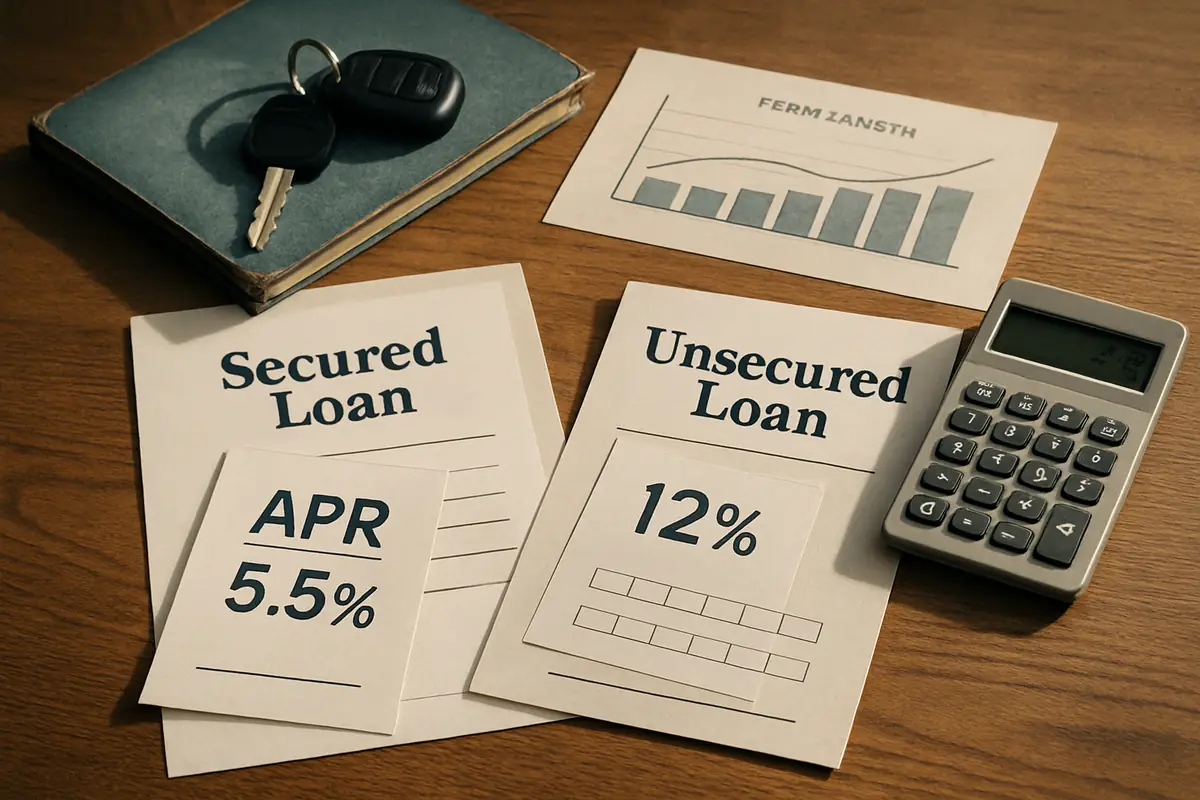
Consider the case of the Reynolds family seeking $25,000 to finance a used car purchase. They received two offers: a secured auto loan with a fixed APR of 5.5% over 60 months requiring the car as collateral, and an unsecured personal loan with an APR of 12% over 36 months without collateral demands. At first glance, the unsecured loan’s quicker payoff appeals but comes with higher monthly payments and interest rates due to increased lender risk.
The Reynolds must weigh the lower interest cost and longer term against the risk of repossession if they default on the secured loan. Conversely, the unsecured loan reduces asset risk but increases monthly financial pressure and total interest paid. This scenario exemplifies fundamental loan trade-offs—collateral requirements drastically influence both pricing and borrower obligations.
Cost Mechanics: APR, Fees, and Term Length Impact on Loan Affordability
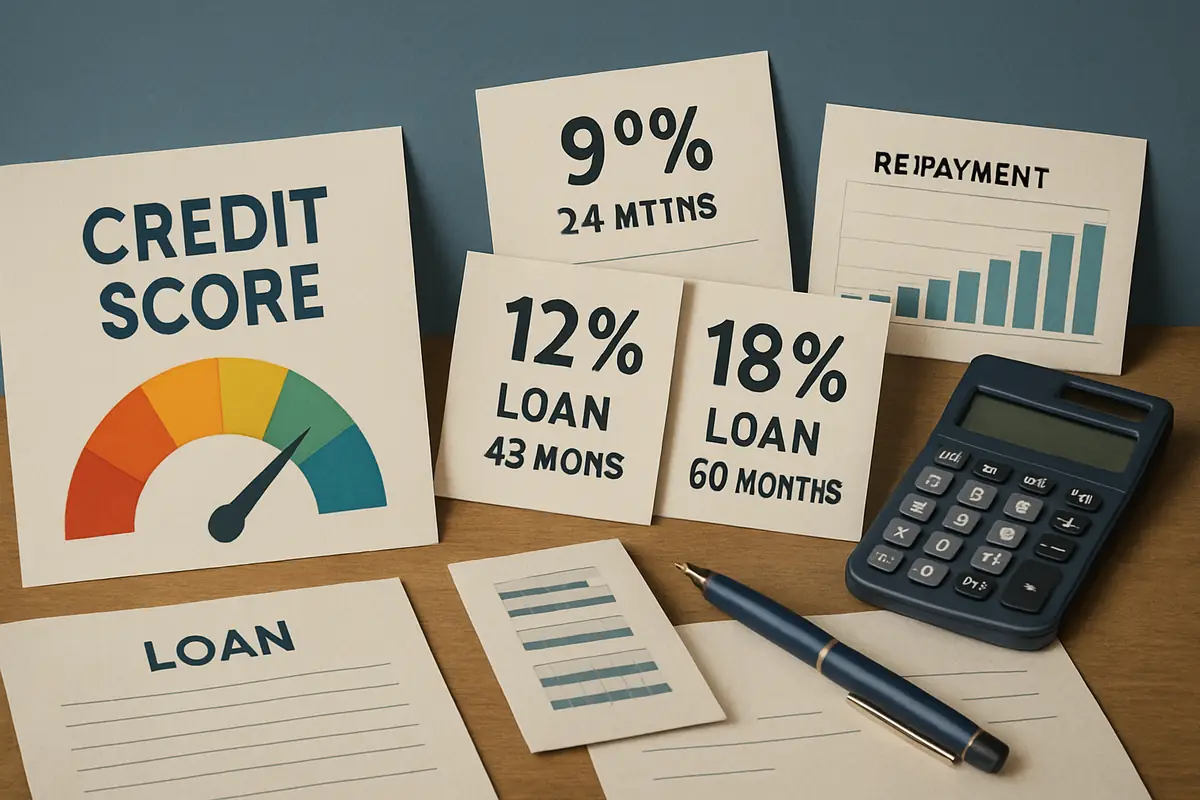
Annual Percentage Rate (APR) represents the total yearly cost of borrowing including interest and some fees expressed as a percentage. Typical secured loans such as mortgages or auto loans have APRs ranging from 3% to 8%, reflecting lower lender risk due to collateral backing. Unsecured loans often have APRs between 7% and 25%, accounting for higher default risks.
For example, a $10,000 unsecured loan at 18% APR over 24 months will incur roughly $2,000 in interest payments alone. By contrast, a secured loan for the same amount at 6% APR over 48 months would have approximately $1,300 in total interest but spread over twice as long a period. Borrowers must assess whether higher monthly payments on shorter unsecured loans or longer repayment terms with secured loans better fit their cash flow.
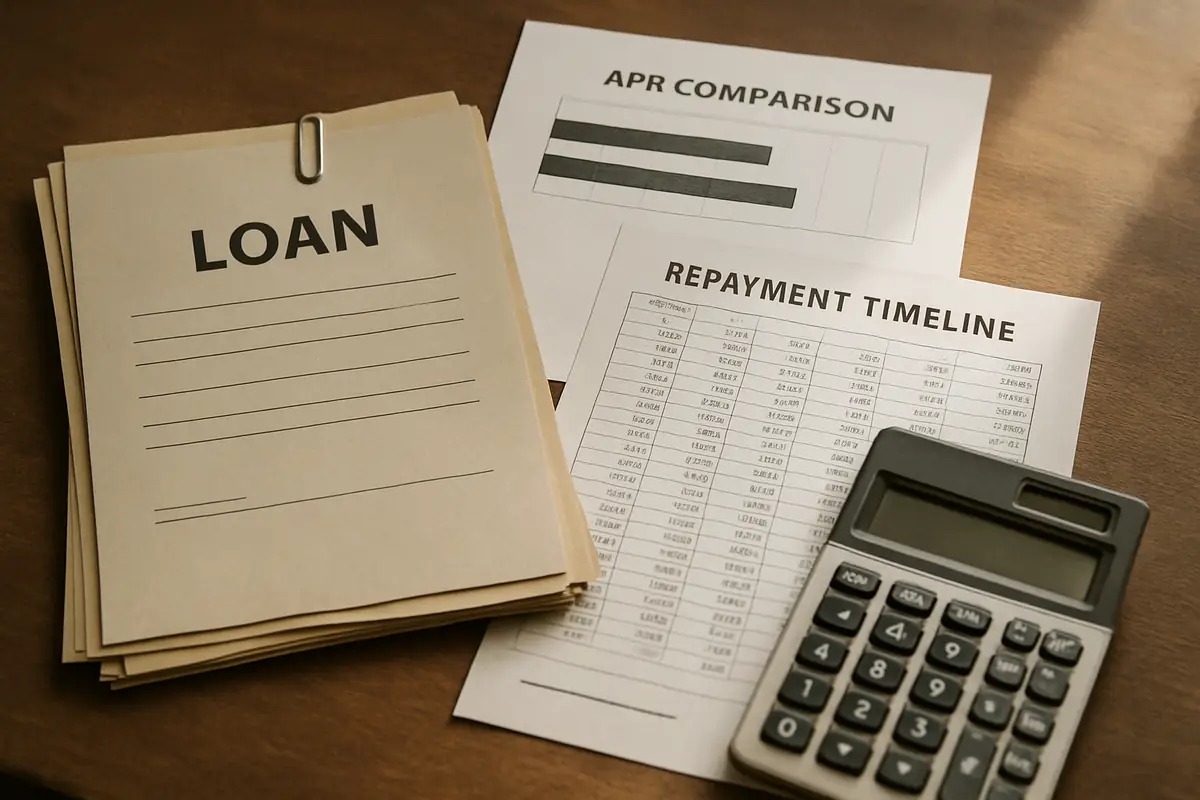
| Loan Type | Typical APR Range | Term Length (months) | Collateral Required |
|---|---|---|---|
| Secured (e.g., auto, mortgage) | 3% - 8% | 36 - 360 | Yes (asset) |
| Unsecured (e.g., personal loan) | 7% - 25% | 12 - 60 | No |
Contract Risks: Collateral Implications and Default Consequences
Secured loans use borrower assets as collateral, increasing lender security but adding risk for borrowers who may lose property upon default. Repossession or foreclosure can reduce credit scores significantly and introduce additional fees. For instance, missing payments on a mortgage can lead to foreclosure after legal notices typically spanning several months.
Unsecured loans do not involve collateral but often impose severe financial penalties upon default including accelerated balances, collection agency involvement, wage garnishment, or legal action. The absence of collateral does not remove risk; it shifts consequences towards immediate financial strain without asset loss but with potential credit damage. Borrowers need thorough contract review to identify clauses like prepayment penalties or variable rate triggers that may increase costs unexpectedly.
Where readers should be careful
Warning: Advertised loan offers frequently highlight low introductory APRs or no-collateral terms but do not fully disclose potential fees such as origination charges or late payment penalties that inflate effective borrowing cost. Always request the Annual Percentage Rate (APR) disclosure statement mandated by regulations before committing.
Repayment Pressure: Balancing Monthly Payments with Household Budgets
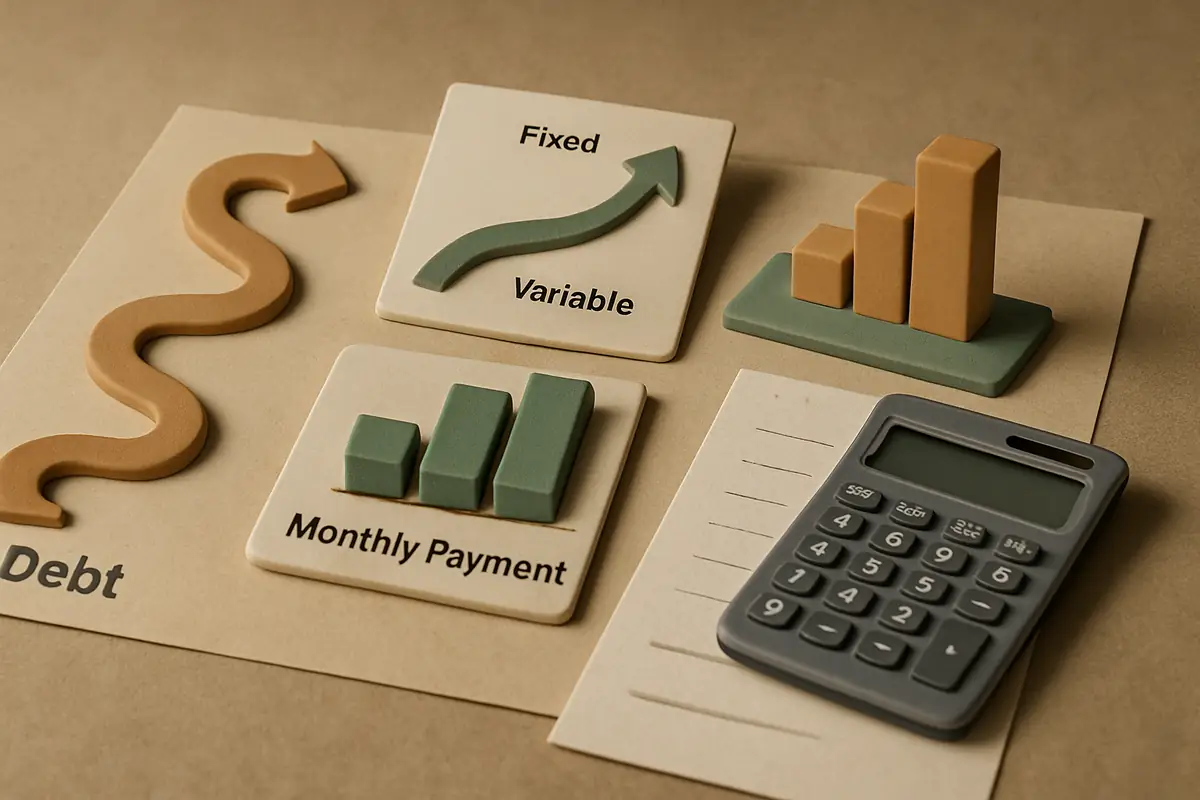
Borrowers should calculate monthly payment obligations accounting for principal, interest, fees, and insurance when applicable. For example, a $20,000 secured auto loan at 6.5% APR over 60 months results in a monthly payment around $390. The same amount on an unsecured personal loan at 15% APR over 36 months raises monthly payments to approximately $700—almost double.
High monthly payments can strain household budgets especially if income fluctuates or unexpected expenses arise. Longer-term loans reduce monthly burden but increase total interest paid and lengthen debt exposure risk. Borrowers facing tight cash flow should consider impact on savings buffers before committing.
Scenario: Mrs. Lee’s Emergency Unsecured Loan Decision After Medical Expenses
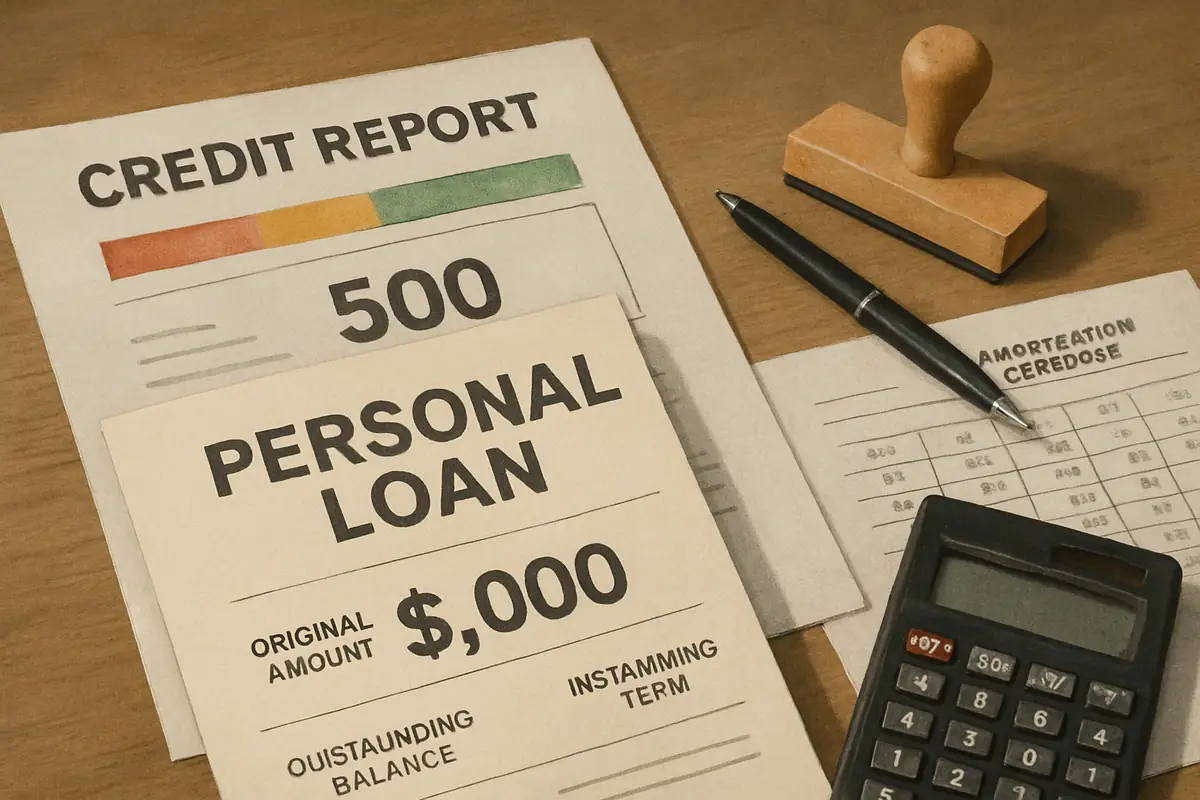
Mrs. Lee required $8,000 urgently to cover medical bills not covered by insurance. She qualified only for an unsecured personal loan with an APR of 22%, payable in 24 months with fixed monthly installments around $410. The lack of collateral expedited approval but imposed high interest costs compared with typical secured alternatives available under normal circumstances. Her choice prioritized speed against longer-term repayment pressures influencing her budget stability.
Refinancing Options: Managing Interest Rate Volatility and Loan Terms Over Time
Refinancing allows borrowers to replace existing debt with new loans offering different terms—often lower interest rates or extended repayment periods. Secured loans commonly allow refinancing; for instance, homeowners frequently refinance mortgages when market rates drop from averages around 6% to near 4%. This decreases monthly payments or shortens term length but may incur closing costs between $2,000 and $5,000.
Unsecured loans are less often refinanced due to limited availability of cheaper alternatives; however, some lenders offer debt consolidation products combining multiple debts under one payment structure often at marginally lower rates around 10%-15%. Refinancing requires careful contract analysis for prepayment penalties or application fees that may offset savings.
Hidden Costs: Origination Fees, Prepayment Penalties, and Insurance Requirements
Beyond stated APRs lenders often charge origination fees ranging from 0.5% to 3% of the loan amount which increase initial borrowing costs effectively raising APRs slightly above advertised levels. Prepayment penalties common in some secured loan contracts discourage early payoff by imposing fees typically equal to 1-2 months’ interest—significant if refinancing opportunities arise.
Additionally, secured loans generally require insurance coverage protecting lender interests such as comprehensive auto insurance on vehicles or homeowner’s insurance for property-backed mortgages adding ongoing expenses unrelated directly to principal or interest but mandatory under contract terms.
Practical Checklist for Borrowers Evaluating Secured Versus Unsecured Loans
- Confirm total borrowing cost including all fees expressed by Annual Percentage Rate (APR).
- Understand whether collateral is required and what assets are at stake.
- Evaluate monthly payment amounts relative to stable income streams.
- Review contract terms carefully for prepayment penalties or adjustable rate clauses.
- Consider refinancing possibilities before committing especially for long-term loans.
- Assess insurance requirements tied to secured loans adding recurring expenses.
- Calculate total interest paid under various term lengths using online amortization tools.
- Avoid offers promising fast approval without full disclosure of costs or contractual obligations.
- Consult professional credit counselors if unclear about potential risks before signing.
Responsible borrowing demands vigilance regarding credit terms beyond face-value offers commonly marketed by lenders. The interplay between collateral presence and contractual conditions shapes affordability far more than initial advertised rates suggest—borrowers should always prioritize transparency about effective costs over promotional claims.
Understanding Secured Loans in Depth
Secured loans are often favored for their relatively lower interest rates and higher borrowing limits, primarily because they are backed by collateral. This collateral could be a house, a car, or other valuable assets that the lender can claim if the borrower defaults. The presence of collateral reduces the risk faced by lenders, enabling them to offer more favorable terms to borrowers. However, this advantage comes with a responsibility for borrowers to maintain the asset’s value and meet repayment schedules diligently. If the borrower fails to make payments, repossession or foreclosure could lead to significant financial and emotional consequences.
From a practical standpoint, secured loans such as mortgages and auto loans are common examples that most people encounter. Mortgages typically span long durations, often 15 to 30 years, making them an essential part of financial planning for many families. Auto loans generally have shorter terms but similarly require careful assessment of affordability and asset depreciation. Borrowers should also consider insurance costs and potential maintenance expenses associated with the collateralized asset. Overall, secured loans serve as important financial tools but demand a clear understanding of obligations and risks.
It is also critical to recognize how economic fluctuations impact secured loans. In times of declining property values or market instability, the collateral may lose worth, increasing the lender's risk exposure. This situation might prompt lenders to tighten lending criteria or require additional guarantees. Borrowers must remain alert to such changes and maintain open communication with lenders to navigate potential challenges effectively. Furthermore, building equity over time through regular payments can enhance financial security and open up opportunities for refinancing or accessing additional credit.
Exploring Unsecured Loans: Flexibility Meets Higher Risk
Unsecured loans differ significantly from secured loans by not requiring any form of collateral. These loans rely heavily on the borrower’s creditworthiness, income stability, and debt-to-income ratio for approval. Because lenders face greater risk without collateral as a safety net, unsecured loans usually carry higher interest rates compared to their secured counterparts. Common examples include personal loans, credit cards, and student loans. Despite their higher cost, unsecured loans provide flexibility since they do not tie up assets or expose borrowers to potential repossession.
The application process for unsecured loans typically involves thorough credit checks and proof of steady income streams. Lenders assess factors such as credit scores, employment history, and existing debt obligations before deciding loan amounts and interest rates. Borrowers with strong credit profiles can secure competitive rates that make unsecured borrowing more manageable. However, those with poor credit may face higher rates or even denial of credit altogether. It is essential for applicants to understand their credit standing beforehand and explore options like co-signers or secured alternatives if necessary.
One key advantage of unsecured loans is their versatility in usage; funds can be deployed for diverse needs ranging from debt consolidation to home improvements without restrictions tied to specific assets. Additionally, some lenders offer quick disbursement processes which prove useful during emergencies or time-sensitive expenditures. On the downside, missed payments on unsecured loans can severely damage credit scores and lead to legal actions like wage garnishment or court judgments if unpaid debts escalate significantly.
Comparing Features: Which Loan Type Fits Your Needs?
Choosing between secured and unsecured loans hinges primarily on your financial goals, asset ownership status, credit health, and risk tolerance. For example, if you own a home or vehicle you feel comfortable using as collateral and need a large loan amount at affordable terms, a secured loan might be appropriate. Conversely, if you lack valuable assets or prefer not risking them but require smaller sums for short-term needs or emergencies, unsecured borrowing could serve better despite its higher costs.
It's also worth considering hybrid approaches where borrowers start with unsecured credit lines for minor expenses while building savings or improving credit scores that eventually qualify them for secured financing options with better terms. Financial advisors often recommend maintaining diversified borrowing strategies aligned with overall budgeting plans rather than relying heavily on one type alone.
Practical Tips for Managing Loan Repayments Effectively
Managing loan repayments is crucial regardless of whether you choose a secured or unsecured loan type. Timely payments protect your credit rating and reduce overall interest costs by avoiding penalties or default charges. Setting realistic budgets incorporating monthly installments helps prevent financial strain while ensuring consistent progress toward debt elimination. Utilizing automation tools like direct debit setups or reminders can simplify tracking due dates so that missed payments become less likely even amidst busy schedules.
Another effective strategy involves prioritizing high-interest debts first when managing multiple obligations simultaneously—a method known as the avalanche approach—saving money in interest over time compared to paying debts arbitrarily. Alternatively, the snowball method focuses on paying off smaller balances quickly to build motivation through visible achievements which suits some psychological preferences better than strict mathematically optimal plans.
References
- https://www.consumerfinance.gov/consumer-tools/
- https://www.consumerfinance.gov/consumer-tools/auto-loans/
- https://www.fdic.gov/consumer-resource-center/loans
- https://www.consumerfinance.gov/consumer-tools/mortgages/
- https://www.consumerfinance.gov/consumer-tools/student-loans/
- https://www.consumerfinance.gov/ask-cfpb/what-is-the-difference-between-a-fixed-rate-and-adjustable-rate-mortgage-arm-loan-en-100/