When considering borrowing $10,000 for a home renovation or emergency expense, the choice between secured and unsecured loans can shape your financial future. The difference is not just about whether you pledge collateral; it influences interest rates, repayment pressure, contract terms, and hidden costs. This guide unpacks those key differences to help you make a measured decision.
Loan Types Defined: What Makes Secured and Unsecured Loans Distinct?
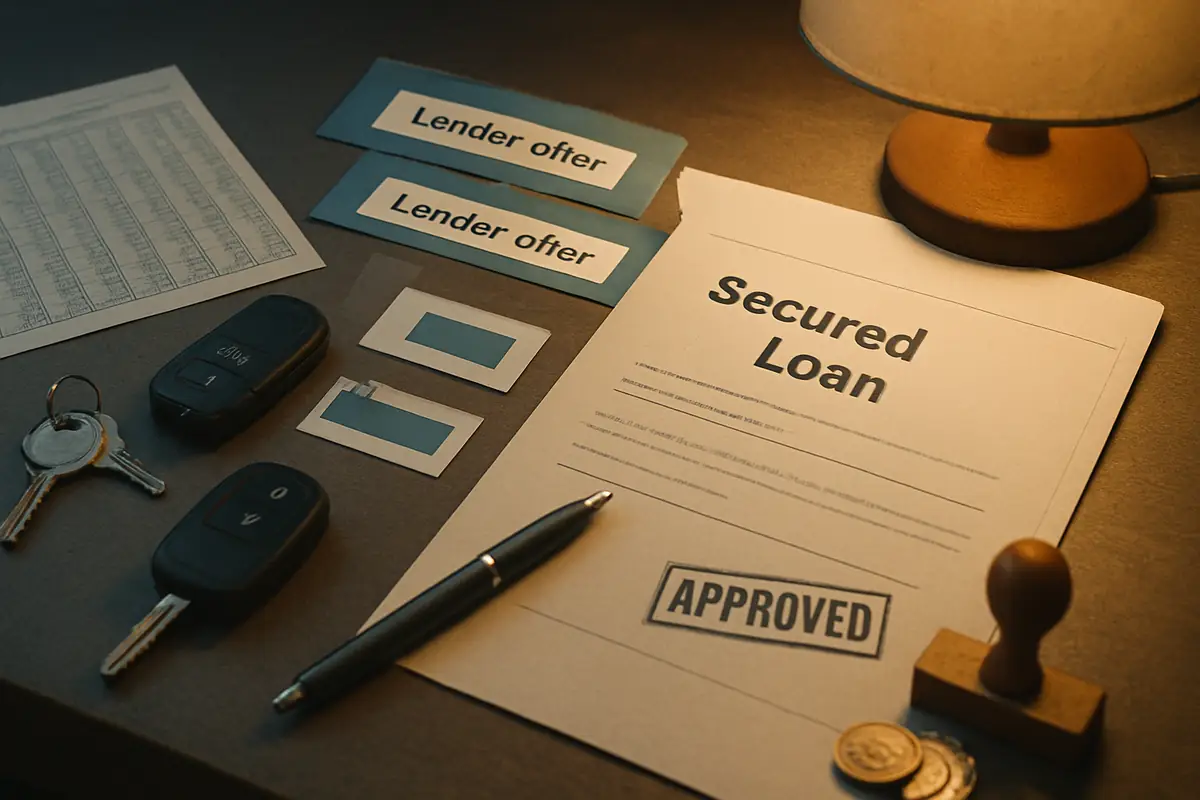
Secured loans require collateral—an asset like a car, home equity, or savings account that the lender can claim if you default. This collateral reduces lender risk and often results in lower Annual Percentage Rates (APRs), typically ranging between 5% and 12% for personal secured loans. For example, a 30-year fixed mortgage might carry an APR of around 4% to 6%, reflecting the long term and security of the loan.
Unsecured loans do not require collateral but compensate for higher risk with increased interest rates and stricter contract terms. Consumer unsecured loans such as personal loans or credit cards commonly have APRs between 10% and 30%. A typical personal unsecured loan might charge about 12% to 20% APR depending on creditworthiness. Credit cards often hover around 18% to 24% APR. Without collateral, lenders rely heavily on credit scores and income verification.
The Cost Mechanics: APR, Fees, and Term Lengths
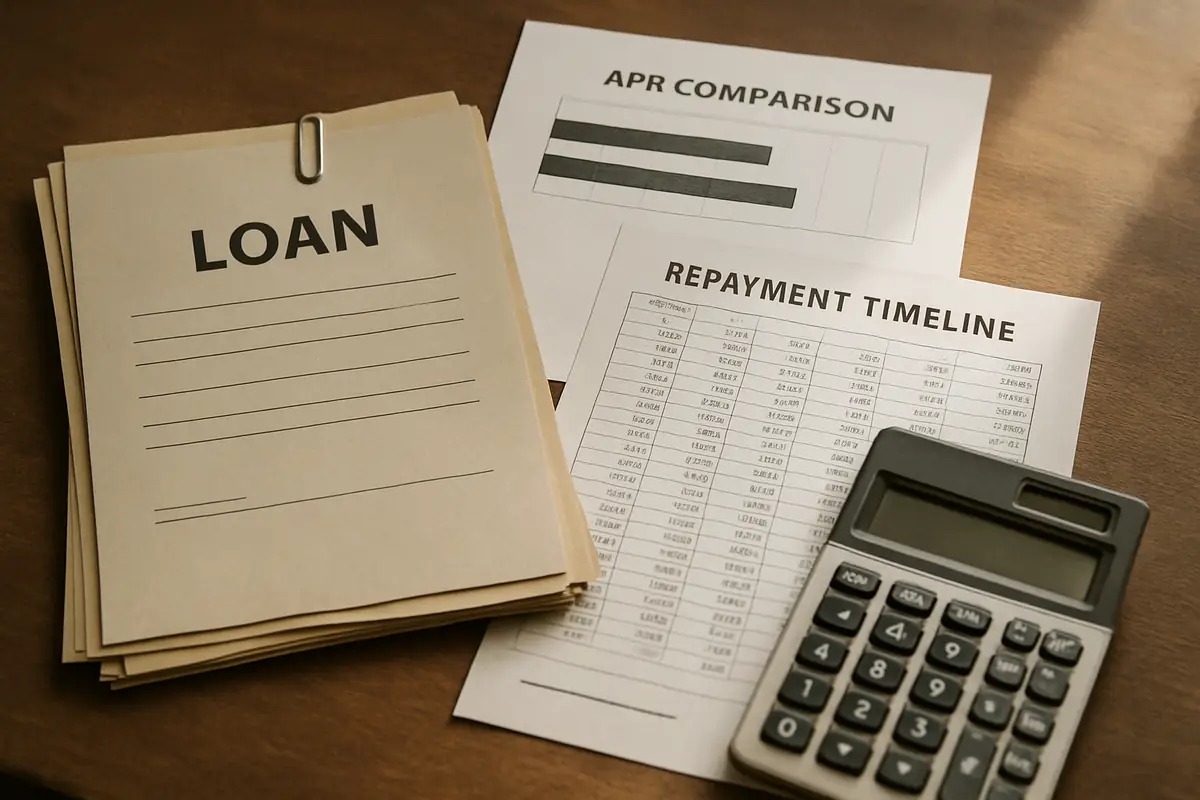
Understanding the true cost of borrowing requires parsing the APR—the annualized cost of credit including interest and most fees expressed as a percentage. Unlike simple interest rates, APR includes loan origination fees and sometimes mandatory insurance or closing costs rolled into payments.
Consider a $15,000 secured auto loan over 5 years with an advertised interest rate of 6%. The lender charges a $300 origination fee included in the loan amount. To estimate monthly payments: first add the fee to principal ($15,000 + $300 = $15,300). Using amortization formulas at 6%, monthly payments approximate $295. Total payment over 60 months would be $17,700 implying an effective APR slightly above nominal rate due to fees.
In contrast, a comparable unsecured personal loan for $15,000 might have a nominal rate of 15% over 3 years with no upfront fees but higher monthly payments near $520 due to the shorter term and higher rate. Total repayment here is approximately $18,720. This illustrates how shorter terms and higher APRs increase monthly strain but reduce total interest paid compared to longer secured loans.
Collateral Trade-Offs: Benefits and Risks
Collateral lowers borrowing costs by providing lenders an asset to recover if you miss payments. However, it also increases your risk significantly. Defaulting on a secured loan can lead to repossession of valuable property such as your car or home equity.
"Reclaiming Collateral" is a legal process that can take weeks or months but has serious financial consequences beyond losing an asset — including damage to credit scores and ongoing deficiency judgments requiring further payments if sale proceeds fall short.
"Collateral Risk Reminder"
['"Never pledge an asset you cannot afford to lose."', '"Repossession impacts your credit report for up to seven years."', '"Some secured loans have strict acceleration clauses allowing immediate full repayment demand on missed installments."']
"Unsecured loans avoid direct asset risk but come with other pressures": lenders may apply aggressive collection tactics or legal action that could lead to wage garnishment or bank levies if you default.
"Repayment Pressure" Beyond Monthly Installments
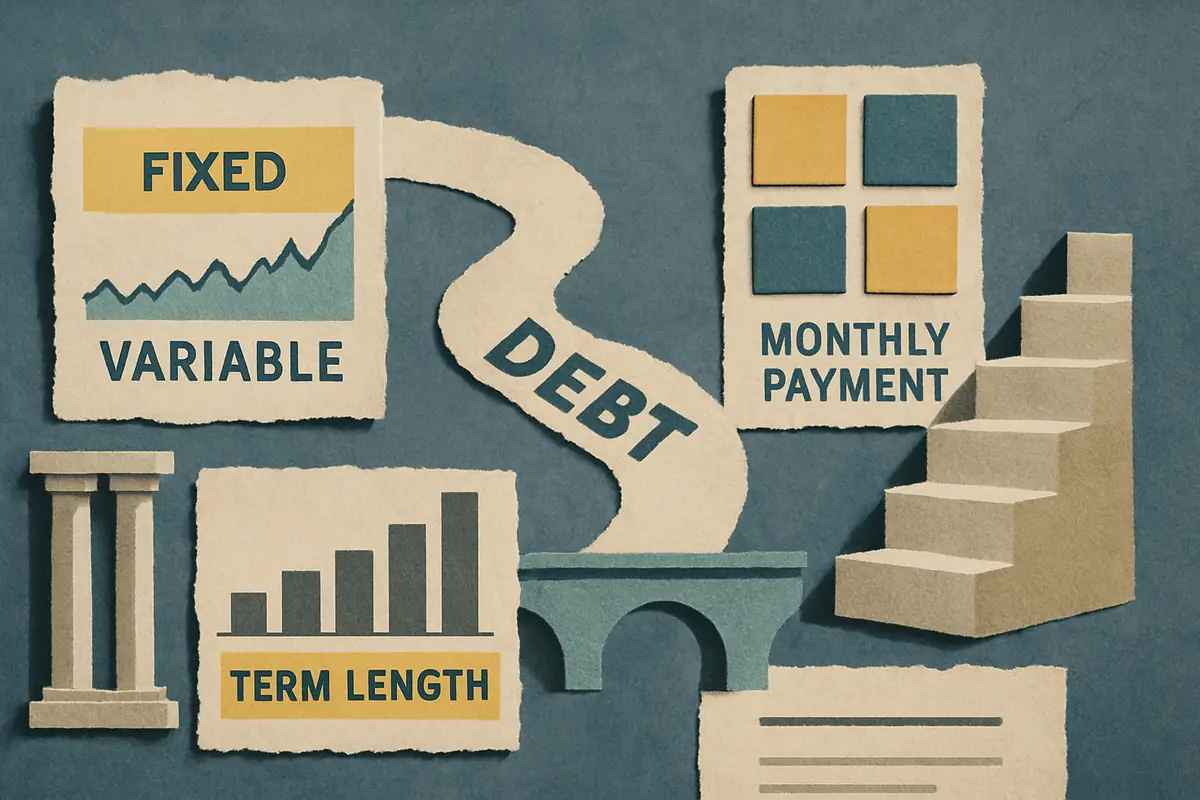
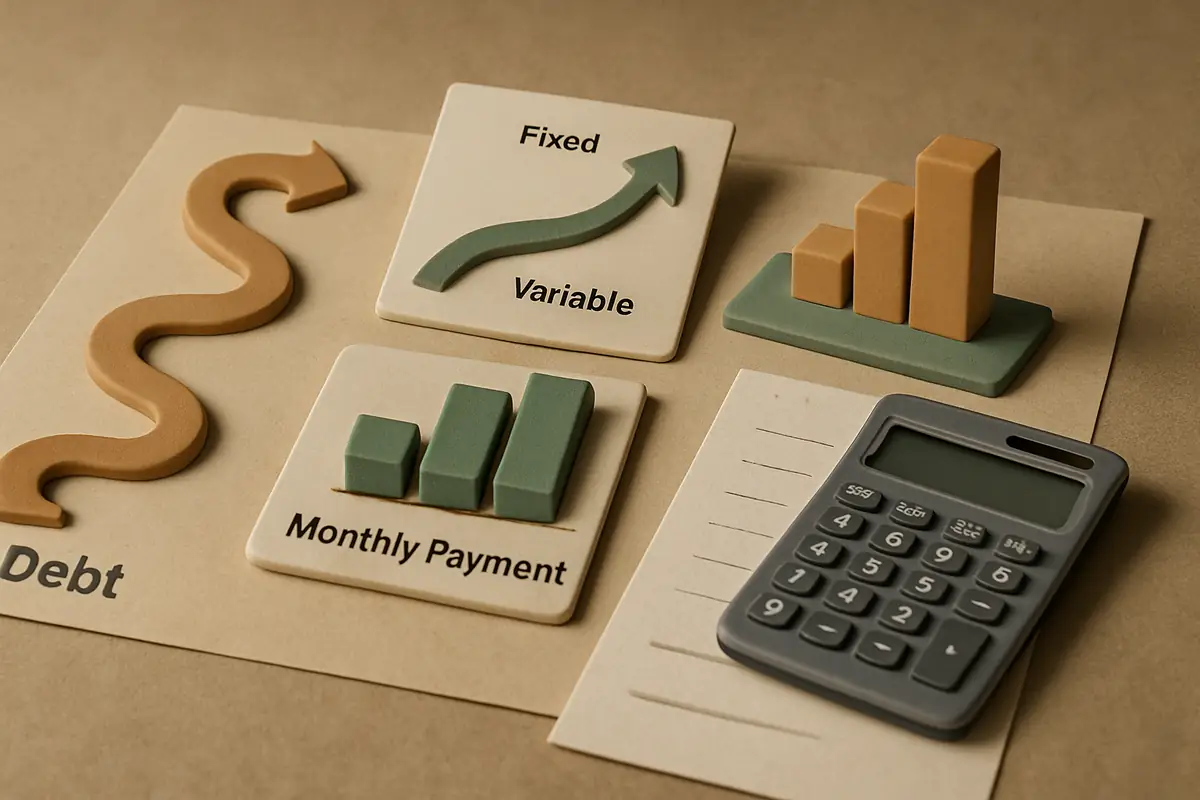
"Repayment pressure" includes monthly payment size relative to income but also contract conditions like prepayment penalties, late fees, variable rates increasing payments unexpectedly, and refinancing demands.
"Variable-rate secured loans like many home equity lines of credit (HELOCs) start with low teaser rates near 3% but can adjust annually based on index rates plus margins — potentially pushing APRs above 8% or more within few years."
"Unsecured personal loans typically have fixed rates but come with higher initial costs and shorter repayment terms — increasing monthly burden."
Scenario: Unexpected Rate Increase on Secured HELOC
A borrower takes out a $50,000 HELOC at an introductory rate of 3%. After two years the rate adjusts upwards to 7%. This raises their monthly minimum from approximately $200 (interest-only) to $350 or more if principal repayment is required — stretching their budget significantly.
Advantages of Secured Loans
- Lower interest rates reduce total borrowing cost.
- Longer repayment terms can lower monthly payments.
- Access to larger loan amounts due to collateral backing.
Cautions with Secured Loans
- Risk of losing pledged asset upon default.
- Fees for appraisal or insurance can add unexpected costs.
- Potentially complex contracts with acceleration clauses.
Advantages of Unsecured Loans
- No collateral required - no direct asset loss risk.
- Usually simpler contracts with fixed rates.
- Faster approval processes in many cases.
Cautions with Unsecured Loans
- Higher interest rates increase total cost.
- Shorter repayment terms increase monthly payment pressure.
- Stricter qualification criteria limit access for some borrowers.
Contractual Risks Often Overlooked
Loan agreements include fine print affecting your obligations beyond stated interest rates—such as origination fees which may be deducted upfront but financed into the principal balance; prepayment penalties that discourage early payoff; mandatory insurance requirements; late payment penalties ranging from flat fees ($25-$50) up to percentage-based charges (3%-5%). Understanding these details helps anticipate real costs.
One common trap lies in adjustable-rate provisions where the contract permits lenders to increase rates after initial periods based on indices plus margins. These changes are permitted without borrower renegotiation yet severely impact affordability.
| Contract Factor | Meaning | Borrower Risk |
|---|---|---|
| APR including fees | True annual cost combining interest + fees | May exceed advertised interest rate by several points |
| Prepayment Penalty | Fee charged for early payoff | Limits flexibility; increases total interest paid if ignored |
| Collateral Clause | Terms defining lender’s rights on default | Loss of pledged asset possible |
| Late Payment Fee | Additional charge applied after missed due date | Increases debt burden; possible trigger for default |
| Variable Rate Adjustment | Contract allowing changes in interest rate | Unexpected payment increases possible |
Borrower Scenarios Highlighting Decision Trade-Offs
Scenario A: Choosing Between a Secured Auto Loan and Unsecured Personal Loan for $20,000
A borrower qualifies for a secured auto loan at about 7% APR fixed over six years or an unsecured personal loan at about 14% fixed over four years. The secured option offers lower monthly payments (~$340 vs ~$560), but failure risks repossession of their car used as collateral. The unsecured option avoids asset risk but doubles monthly expenses which might strain budget stability.
Scenario B: Using Home Equity vs Personal Loan for Emergency Repairs
Homeowners may tap home equity lines (HELOC) at introductory variable rates around 4%, but these adjust annually risking payment shock later. A personal unsecured loan may have fixed rates near 12%, offering predictable payments but higher overall cost due to shorter term and elevated rate.
Evaluating Refinancing Options Amid Changing Financial Circumstances
Refinancing allows borrowers to replace existing debt with new loans usually at better terms but carries costs such as application fees ($300-$750 typical), appraisal charges ($300-$500), or prepayment penalties on original loan. Refinancing secured loans requires reevaluating current market rates compared against remaining term length—early refinancing may save money only if interest drops substantially.
For unsecured loans refinancing options are limited; however consolidating multiple high-interest debts into one personal loan with lower APR can reduce payment strain yet lengthen debt timeline increasing cumulative interest paid.
Refinancing Caution
['Do not refinance solely because monthly payments seem affordable without checking total interest costs.', 'Confirm no prepayment penalties exist on current or new loans which could negate savings.', 'Beware variable-rate refinances if economic conditions predict rising benchmark rates.']
Practical Borrower Checklist Before Committing
Understand Your True APR
Look beyond advertised interest rates by calculating APR including all fees.
Assess Collateral Risks
If pledging assets like your car or home equity consider what losing them implies financially and personally.
Evaluate Repayment Capacity
Calculate monthly payments against income including possible late fees or adjustments.
Impact of Credit Scores on Secured and Unsecured Loans
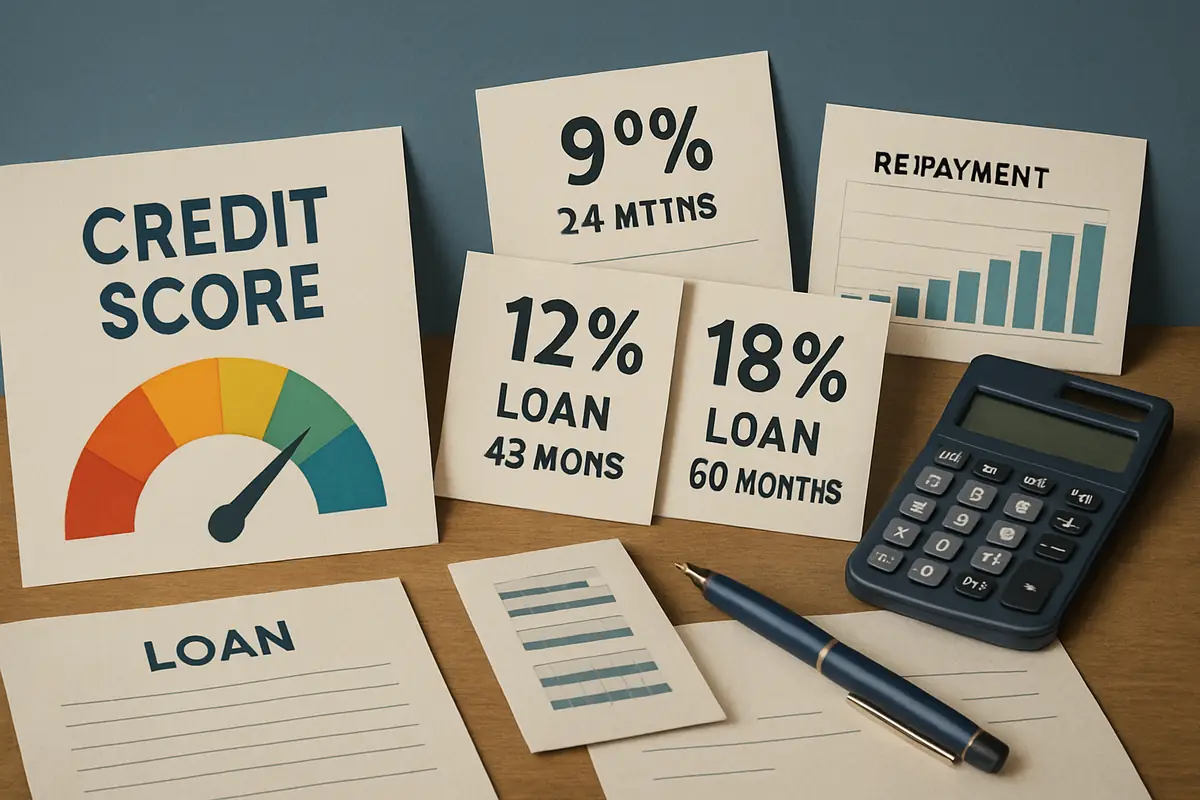
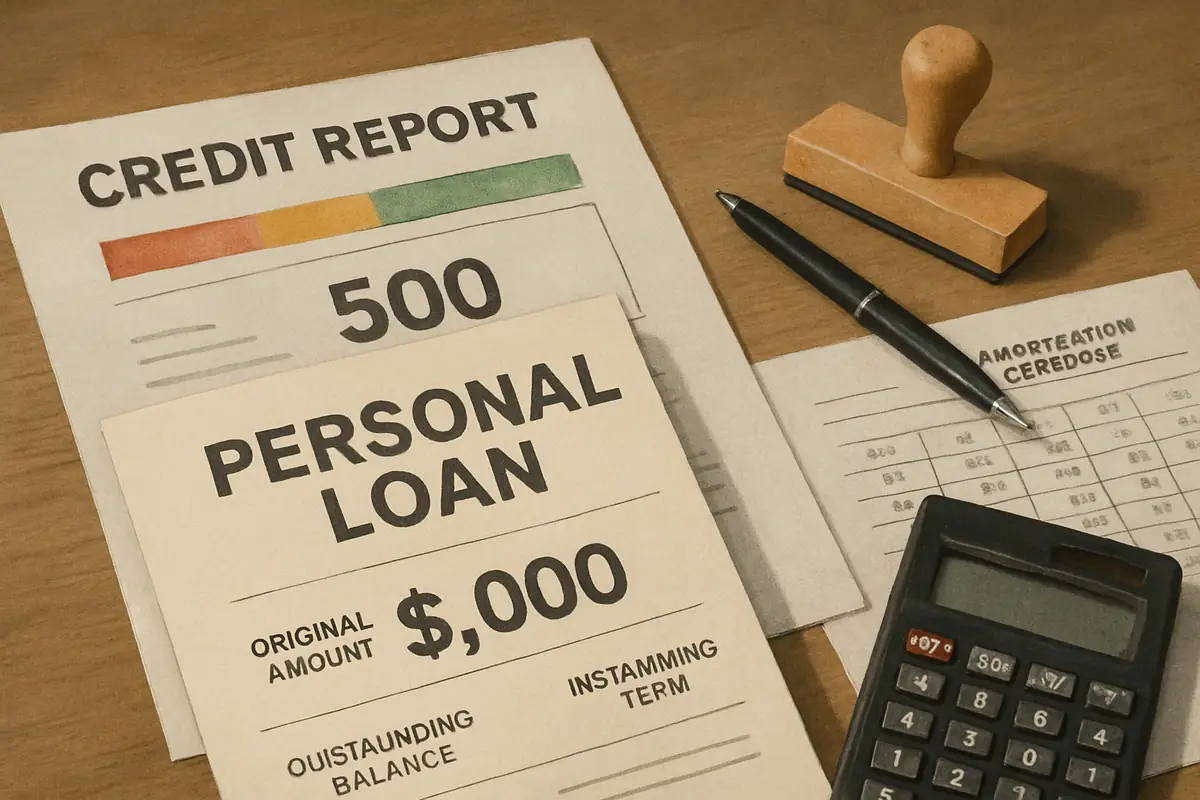
Credit scores play a crucial role in determining loan eligibility, interest rates, and terms for both secured and unsecured loans. For secured loans, since the lender has collateral as a backup, borrowers with lower credit scores can still often qualify, albeit sometimes at higher interest rates or with stricter terms. This makes secured loans more accessible to individuals with imperfect credit histories. On the other hand, unsecured loans rely heavily on the borrower's creditworthiness because there is no collateral to offset the lender’s risk. Therefore, individuals with high credit scores have a significant advantage when applying for unsecured loans — they are more likely to secure lower interest rates and favorable repayment options. Conversely, those with poor credit may find it challenging to obtain an unsecured loan or may face prohibitively high interest rates.
Moreover, the impact of credit scores extends beyond approval to influence the overall cost of borrowing. On secured loans like mortgages or auto loans, a good credit score can lead to better loan-to-value ratios and reduced insurance costs tied to the loan. In contrast, unsecured personal loans or credit cards can carry steep penalties for late payments or defaults if a borrower’s credit profile is weak. This dynamic emphasizes the importance of maintaining and improving credit health before seeking an unsecured loan. Borrowers who anticipate needing an unsecured loan may benefit from first taking a secured loan to build positive repayment history and improve their credit standing.
Risks and Benefits from a Borrower’s Perspective
From the borrower's viewpoint, understanding the risks associated with secured versus unsecured loans is vital for responsible financial decision-making. Secured loans carry the inherent risk of losing the collateral asset if repayments are missed. For example, defaulting on a mortgage could ultimately result in foreclosure on your home. This potential loss can cause significant emotional and financial strain but also serves as motivation for timely repayments. Conversely, unsecured loans do not put specific assets at immediate risk; however, failure to repay these loans affects credit ratings severely and can lead to legal action or wage garnishment. Unsecured debts often come with higher interest rates as a trade-off for this lack of collateral.
The benefits of each loan type reflect these risks: secured loans generally offer lower interest rates and higher borrowing limits due to reduced lender risk. They are well-suited for substantial purchases or investments where collateral is readily available or intended to be part of the transaction, such as buying property or vehicles. Unsecured loans offer faster access, simpler application processes, and flexibility since they do not require assets as collateral—making them attractive for smaller amounts or short-term needs like medical bills or emergency expenses. Borrowers must weigh these factors carefully against their financial stability and long-term goals before choosing between secured and unsecured borrowing.
Role of Interest Rates and Loan Terms in Decision Making
Interest rates typically provide one of the clearest distinctions between secured and unsecured loans. Secured loans usually come with significantly lower interest rates because lenders face less risk when collateral backs the debt. For instance, mortgage rates often fall below personal loan rates by several percentage points. Additionally, secured loans tend to feature longer repayment periods — sometimes spanning decades — enabling smaller monthly payments but increasing total interest paid over time. These terms make secured options more suitable for long-term financing projects where monthly budget constraints matter.
Unsecured loans tend to carry higher interest rates reflecting increased lender risk without collateral protection. Shorter loan durations are common here; personal loans might span only a few years compared to mortgages or auto loans lasting 10 years or more. While this means less interest accumulated overall in some cases, monthly payments can be higher due to compressed repayment schedules. The borrower must therefore consider both monthly affordability and total cost when evaluating loan offers. Comparing APRs (annual percentage rates) rather than nominal interest alone provides a clearer picture of actual borrowing costs across different types.
Practical Scenarios Illustrating Loan Choice Implications
How this can look in practice
Consider an individual planning to purchase a car worth $25,000 but lacking sufficient savings for a full cash payment. Opting for a secured auto loan allows leveraging the vehicle as collateral while benefiting from lower interest rates compared with an unsecured personal loan for the same amount. This decision results in manageable monthly installments over five years without risking other assets like their home or savings accounts directly.
How this can look in practice
Alternatively, someone facing unexpected medical expenses requiring $5,000 might prefer an unsecured personal loan due to speedier approval without risking property collateral; despite higher interest costs, this offers flexibility without jeopardizing valuable assets during emergencies.
Emerging Trends Shaping Secured and Unsecured Lending Markets
Recent technological advancements have introduced innovative lending platforms that blur traditional distinctions between secured and unsecured loans. Peer-to-peer lending platforms often assess alternative data points beyond classic credit scores allowing previously underserved borrowers access to both types of loans under new conditions. Additionally, fintech companies increasingly offer hybrid products such as partially secured lending options using non-traditional assets like future income streams or digital assets as collateral.
Moreover, regulatory changes continue affecting how lenders underwrite risk across these categories — pushing toward greater transparency and consumer protections especially in unsecured lending markets prone to rapid rate fluctuations or predatory practices. Understanding these evolving dynamics is essential for borrowers trying to navigate options effectively while lenders seek sustainable growth amid changing risk landscapes.