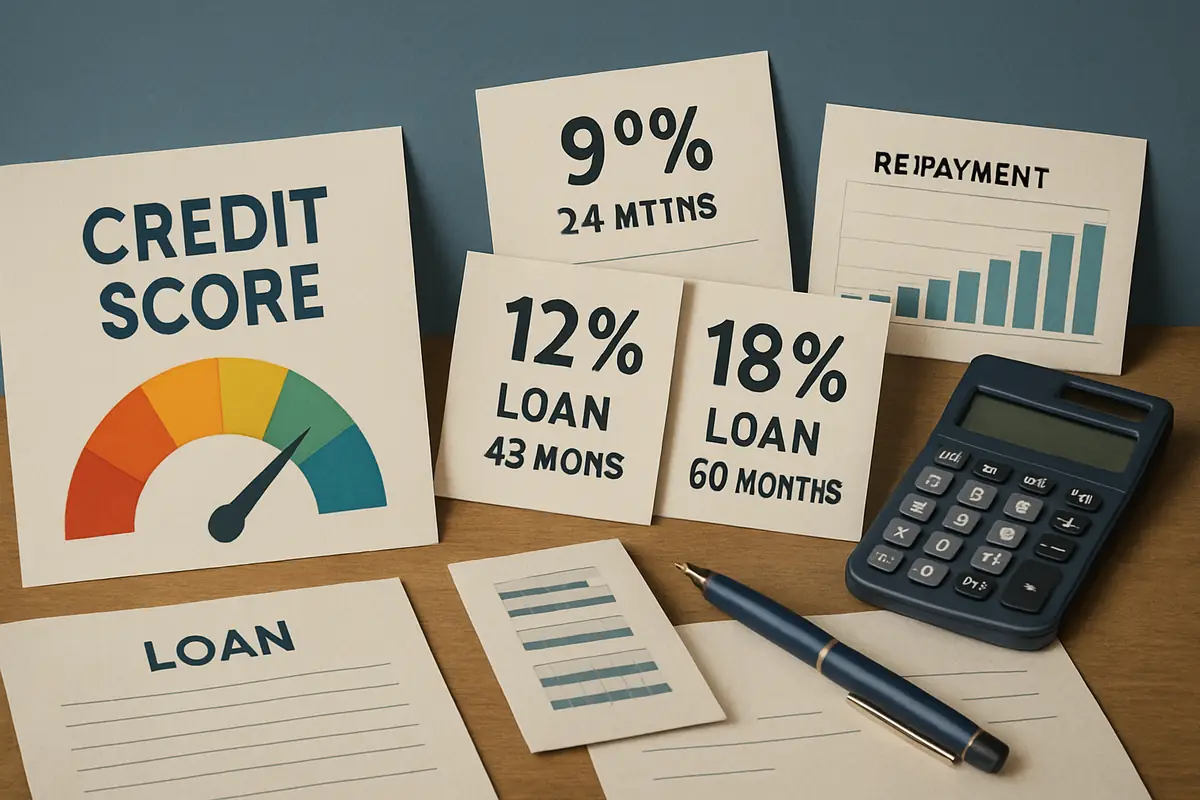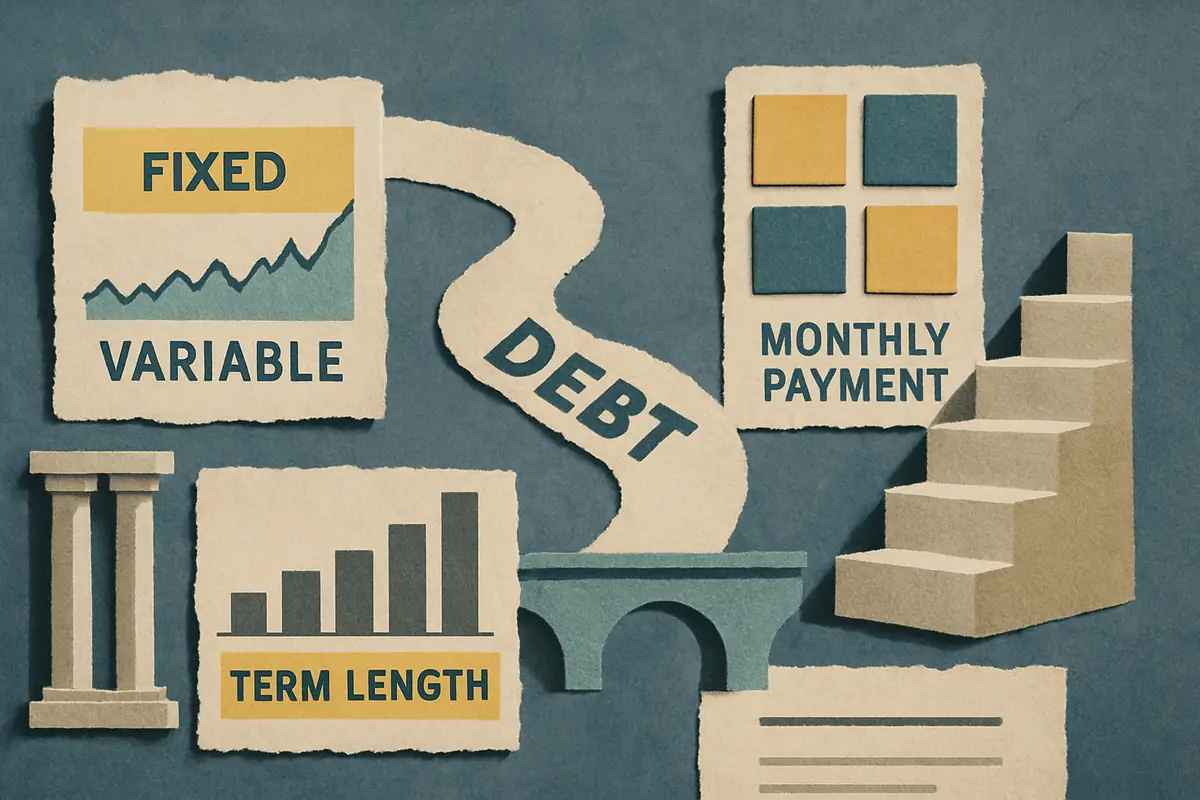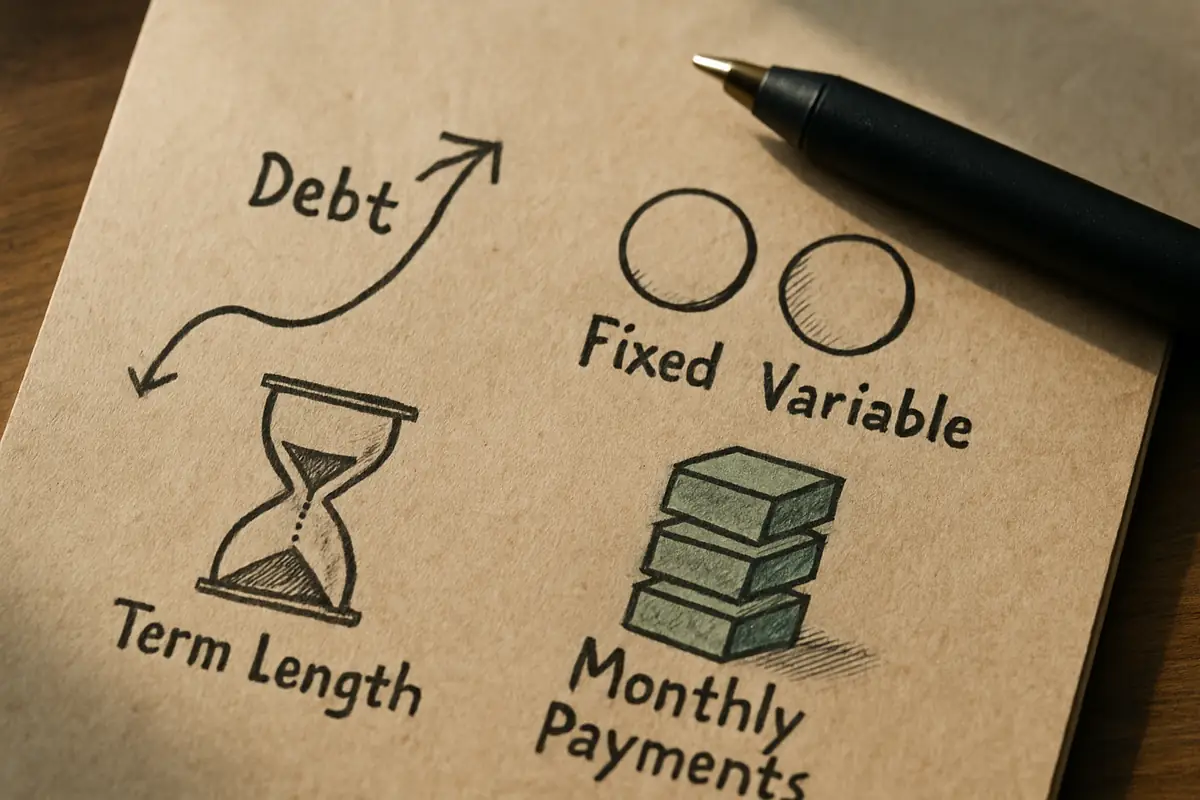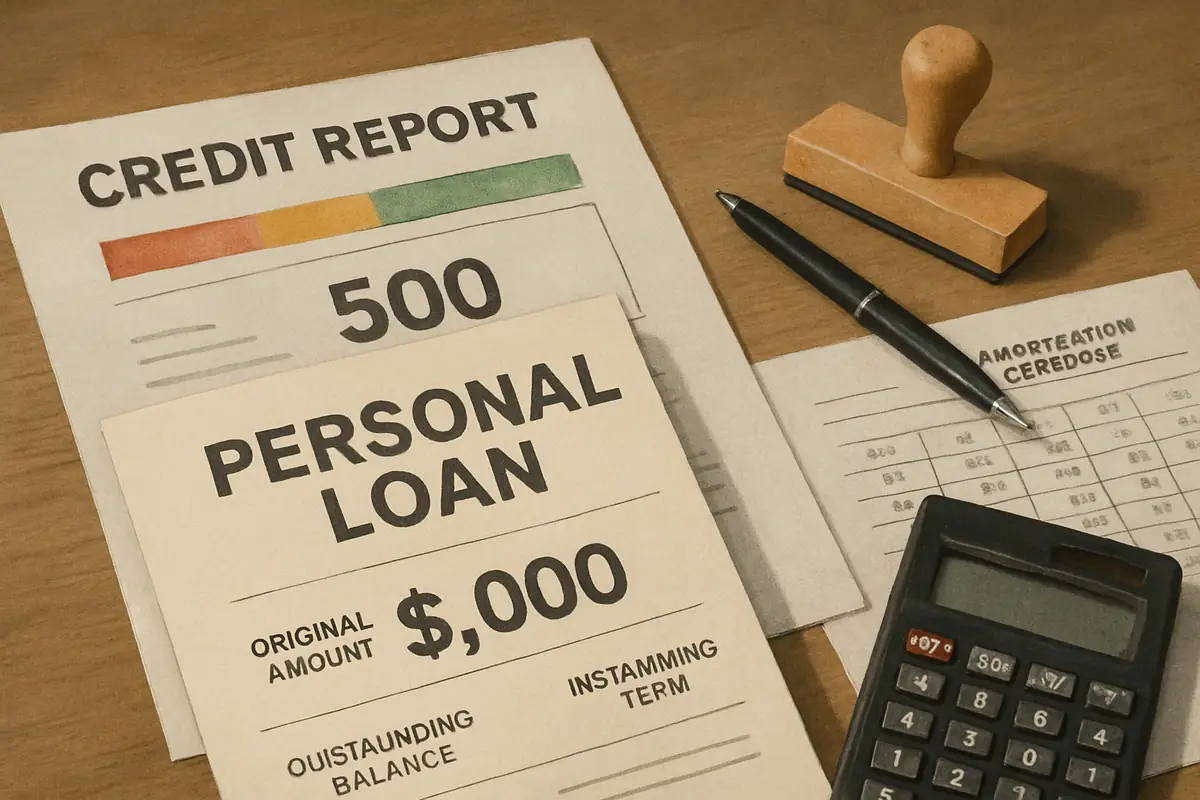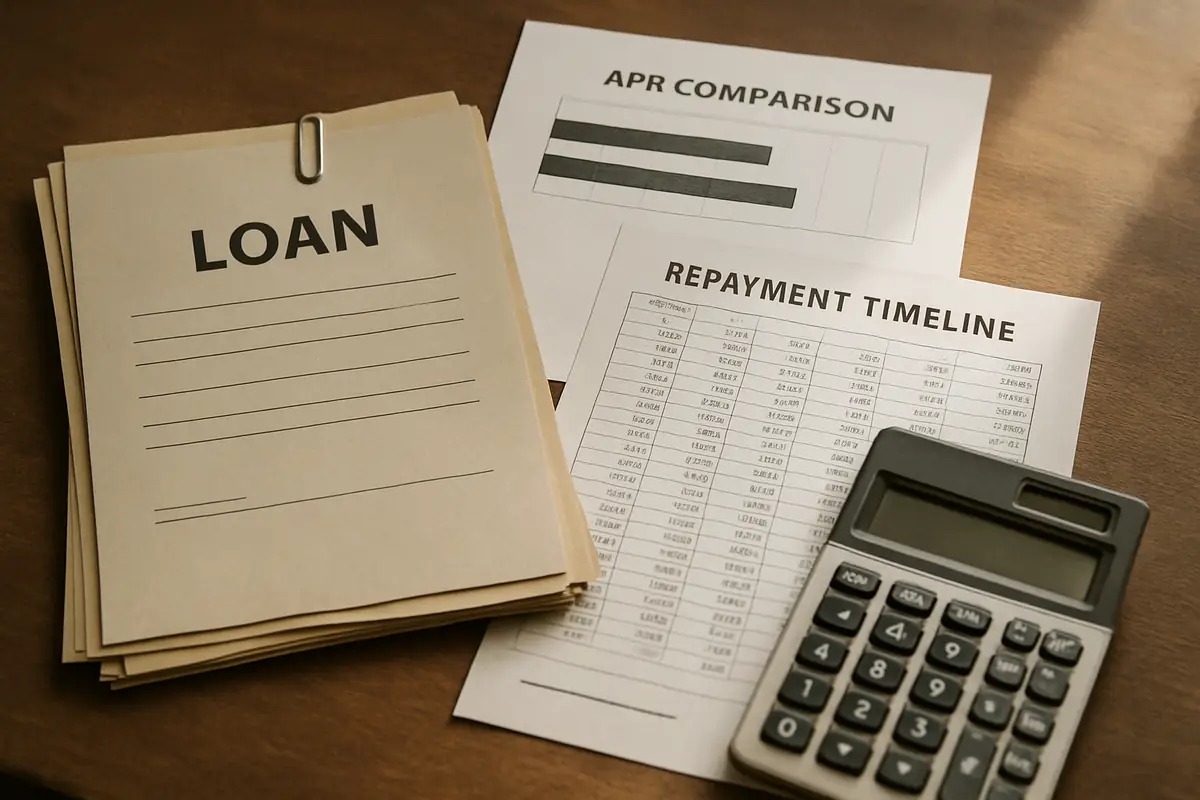
Over 70% of borrowers consider early loan repayment as a way to reduce interest costs, yet this decision involves complex trade-offs including potential penalties, contract restrictions, and liquidity impacts. Accelerating loan payoffs can save thousands in interest but may also trigger prepayment fees ranging from 1% to 5% of the outstanding balance or impose other financial and psychological costs. A thorough understanding of these factors is essential before committing extra funds to pay down debt ahead of schedule.
Early Loan Repayment Involves Costs Beyond Interest Savings
Early repayment refers to paying more than the scheduled principal amount or fully settling a loan before the original maturity date. While this reduces the total interest accrued—since interest is typically calculated on the remaining principal balance—many lenders include prepayment penalties to safeguard expected revenue streams. These penalties often range from 1% to 5% of the outstanding principal or may be a fixed dollar amount. For example, a $20,000 auto loan with a 3% prepayment penalty would require an additional $600 fee if paid off early, potentially erasing short-term interest savings.
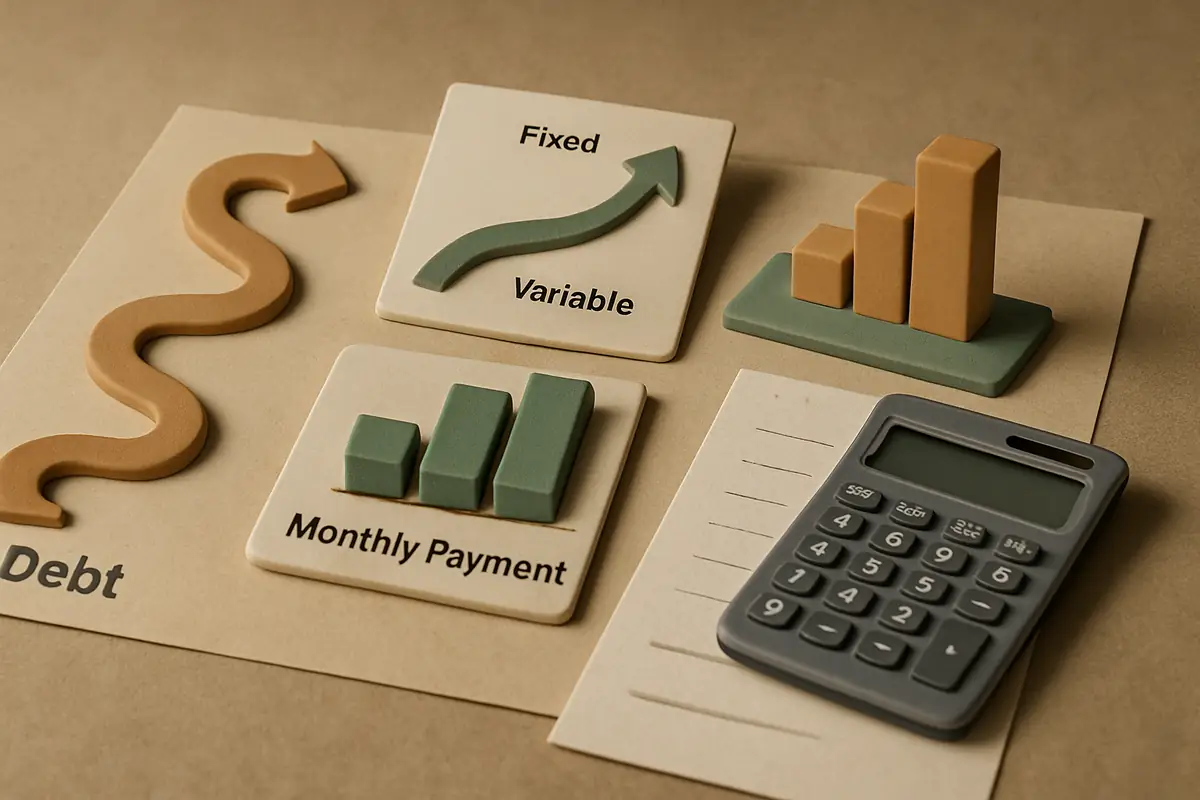
Interest rates also play a crucial role. Variable-rate loans, which adjust periodically based on market benchmarks like the prime rate or LIBOR, can make early repayment less advantageous if rates are currently high but expected to fall. Conversely, fixed-rate loans offer predictable payments but may have clauses restricting early payoff without penalty during an initial lock-in period, often the first two to five years of a mortgage or personal loan.
Another important concept is the Annual Percentage Rate (APR), which represents the total yearly cost of borrowing, including interest and fees, expressed as a percentage. For instance, a personal loan may carry a 9% APR, which combines the nominal interest rate and any associated fees. Understanding APR helps borrowers compare loan offers and evaluate the true cost of early repayment.
Scenario Analysis: Early Repayment of a $15,000 Personal Loan
How this can look in practice
Imagine a $15,000 personal loan with a fixed APR of 9%, amortized over five years, resulting in monthly payments of roughly $311. Amortization is the process of spreading loan payments over time so each installment covers both interest and principal reduction according to schedule. Over the full term, total interest paid would be approximately $3,650.
Suppose the borrower opts to repay the remaining principal after three years. At this point, about $6,900 remains outstanding. The lender charges a prepayment penalty equal to two months’ interest on the remaining balance. Calculating this penalty step by step:
- Monthly interest rate = 9% annual rate ÷ 12 months = 0.75% per month
- Interest for two months on $6,900 = 0.75% × $6,900 × 2 = $103.50
- Prepayment penalty = $103.50
By repaying early, the borrower avoids approximately $1,460 in future interest but pays the $103.50 penalty. This reduces net savings by about 7%. Additionally, the borrower must consider the opportunity cost of using $6,900 in cash now instead of investing or maintaining emergency reserves.
This example assumes a fixed-rate loan without other fees. Variable-rate loans or those with origination or administrative fees may alter the balance of savings and costs when repaid early.
Collateral and Contractual Terms Affect Early Repayment Risks
Secured loans, such as mortgages or auto loans, are backed by collateral that lenders can claim if borrowers default. These loans introduce additional considerations for early repayment. For example, lenders may require continued insurance coverage or retain title documents until the loan is fully paid off, regardless of accelerated payments. Contractual language can delay lien release or impose administrative processing periods of 30 to 60 days after payoff.
Some mortgage products include yield maintenance clauses designed to compensate lenders for lost interest income when loans are paid off early during low-interest rate periods. These fees can equal several months’ worth of interest or be calculated using present value formulas, potentially amounting to thousands of dollars on large loans.
Borrowers should carefully review promissory notes and disclosure documents for terms such as prepayment penalties, yield maintenance fees, liquidated damages, or rebate calculations that could increase the cost of early repayment unexpectedly. These terms often vary by loan type, lender, and jurisdiction.
Repayment Pressure and Financial Discipline Considerations
Accelerating loan repayment generally requires reallocating funds from savings, investments, or discretionary spending. This can reduce liquidity buffers that protect against emergencies or income disruptions, increasing financial stress. For example, diverting $500 monthly from an emergency fund to pay down debt faster may leave a household vulnerable to unexpected expenses.
Psychologically, borrowers who commit to higher monthly payments to accelerate payoff may feel pressure to maintain this pace consistently. Missing an accelerated payment could trigger frustration or contractual penalties, especially if installment schedules are rigid. This dynamic can lead to financial strain or reduced motivation.
Households with variable income should be cautious: committing to increased payments during high-earning periods reduces flexibility when income declines temporarily. Maintaining a buffer equal to three to six months of essential expenses is often recommended before pursuing aggressive repayment strategies.
Timeline Overview: Standard vs Accelerated Repayment Effects on Interest
Prepayment Penalties Explained
Fees charged when a borrower pays off all or part of a loan before scheduled due dates, typically expressed as a percentage of outstanding principal or a fixed dollar amount. These penalties compensate lenders for lost interest income and can range from 1% to 5% of the remaining balance.
Annual Percentage Rate (APR) Definition
The total annual cost of borrowing, including interest and fees, expressed as a single percentage rate. APR enables comparison across loan products by reflecting the true borrowing cost.
Amortization
The process of spreading loan payments over time so each payment covers both interest and principal reduction according to a set schedule, often monthly.
Alternatives to Early Full Repayment and Their Trade-Offs
Instead of paying off a loan entirely before term, borrowers might consider making occasional extra payments toward principal without closing the loan. Many lenders allow voluntary partial prepayments without penalties if contract terms permit. This approach reduces principal faster while preserving flexibility to return to standard payments when cash flow tightens.
However, some loans restrict the frequency or amount of extra payments, requiring advance notice or imposing limits. Borrowers should verify these terms to avoid unexpected fees.
Another alternative is refinancing existing debt at lower interest rates or longer terms to reduce monthly payments rather than aggressively accelerating repayment. Refinancing typically involves closing costs ranging from 0.5% to 3% of the principal. For example, a borrower with a $250,000 mortgage at 4.5% fixed for 30 years might consider refinancing after five years if rates drop to around 3%. Closing costs of approximately $6,250 (2.5%) could be offset by reducing monthly payments by about $300 and potentially saving several thousand dollars in total interest depending on the new term chosen.
How this can look in practice
Consider a $250,000 mortgage at 4.5% APR fixed for 30 years with a monthly payment of roughly $1,266. After five years, the borrower has paid down some principal and contemplates refinancing at 3%. If closing costs are $6,250, but monthly payments drop by $300, the borrower recoups closing costs in just over 20 months, with additional savings accruing over the loan’s remaining term.
This example illustrates why rushing into early full repayment without evaluating alternatives can cause unnecessary financial friction and lost opportunities.
Checklist for Borrowers Considering Early Loan Repayment
Financial Impact of Early Loan Repayment
Repaying a loan early can substantially reduce total interest expense because interest is calculated on the outstanding principal balance. For long-term loans such as mortgages or student loans, early repayment can save thousands or even tens of thousands of dollars over decades. However, these benefits depend on loan terms including prepayment penalties, fees, and interest calculation methods. Borrowers should weigh potential penalties—often 1% to 5% of the remaining balance—against expected savings. Early repayment also improves debt-to-income ratios, which measure monthly debt payments relative to gross income and influence creditworthiness. A lower ratio can enhance credit scores and reduce borrowing costs.
Beyond direct monetary savings, early repayment frees monthly cash flow previously allocated to debt service. This income can be redirected toward investments, emergency savings, or lifestyle improvements. For instance, paying off a $400 monthly car loan early allows redirecting that amount to build an investment portfolio or save for a home down payment. However, funds used for early repayment are unavailable for other uses that might yield higher returns or address urgent needs. Assessing alignment with broader financial goals and risk tolerance is essential.
Potential Drawbacks and Important Considerations
Despite clear advantages, early loan repayment has drawbacks. Prepayment penalties embedded in loan agreements can reduce or negate savings by imposing additional costs. Borrowers must carefully review contracts for such fees before making extra payments. Additionally, not all loans accrue interest the same way; some may have fixed or tiered interest structures where early repayment offers limited benefit.
Opportunity cost is another consideration. Using available funds to pay down low-interest debt may be less beneficial than eliminating higher-cost obligations first, such as credit cards with APRs commonly between 18% and 30%. Investing surplus funds in retirement accounts or diversified portfolios with potential long-term growth may improve net worth more than aggressively repaying low-interest loans. A holistic approach evaluating all financial aspects ensures informed decisions.
Case Study: Early Mortgage Repayment
Jane and Mark, a married couple, took out a 30-year fixed-rate mortgage at 4%. After eight years, they received an inheritance enabling them to pay off half their remaining principal immediately. By making this lump sum payment, they reduced monthly payments by about 25%, improving cash flow significantly.
However, their lender imposed a 1% prepayment penalty on the lump sum. Despite this cost, they calculated total interest savings of nearly $15,000 over the remaining loan term, yielding a net gain after penalty. Lower monthly payments freed funds for retirement contributions and college savings. This example highlights the importance of understanding loan terms and performing detailed calculations to optimize early repayment decisions.
Strategies for Effective Early Loan Repayment
Borrowers can maximize benefits and minimize risks by adopting strategic approaches. Making incremental extra payments rather than lump-sum payoffs reduces principal progressively without depleting cash reserves suddenly. Prioritizing loans with the highest interest rates first, a method known as the debt avalanche, optimizes total interest cost savings.
Verifying loan agreements for prepayment penalties or fees prevents unexpected costs. Engaging with lenders to clarify terms and negotiating where possible empowers informed decisions. Regularly reviewing personal financial goals ensures early repayment aligns with overall fiscal health.
Implications for Credit Scores and Future Borrowing
Paying off loans early often positively affects credit scores by lowering outstanding debt and improving credit utilization ratios—the percentage of available credit currently used. Lower utilization signals responsible credit management to lenders, potentially leading to better loan terms.
However, closing installment accounts quickly may reduce the average age of credit history or credit mix diversity, two factors credit scoring models consider. These effects can cause temporary score fluctuations. Borrowers should monitor credit reports after payoff to ensure accurate reporting and maintain active credit lines responsibly to offset minor changes.
For those planning major purchases requiring financing, timing early repayments strategically can optimize borrowing capacity and loan terms.
Long-Term Financial Planning Implications of Early Loan Repayment
Early loan repayment influences long-term financial goals by freeing monthly cash flow that can be redirected toward retirement savings, emergency funds, or investments. However, opportunity costs arise when funds used for repayment could yield higher returns elsewhere. For example, if a loan’s interest rate is below 5%, investing surplus funds in diversified portfolios with average historical returns of 7% to 10% might increase net worth more over time.
Conversely, clearing high-interest debt early offers psychological relief and improves creditworthiness. Tax considerations also matter: mortgage interest may be deductible, so early repayment could reduce tax benefits and increase liabilities. Borrowers should evaluate whether savings from early payoff exceed lost deductions. Consulting financial advisors can help optimize tax efficiency and debt management.
Psychological Effects and Behavioral Finance Perspectives
Beyond financial metrics, early loan repayment impacts borrower psychology. Paying off debt ahead of schedule often produces accomplishment and reduces stress associated with owing money. This emotional benefit can improve well-being and promote disciplined behavior in budgeting and saving. Behavioral finance studies suggest individuals who successfully reduce debt early develop greater confidence managing finances, positively influencing spending and investment decisions.
However, psychological drawbacks exist. Some borrowers may develop a false sense of security post-repayment, leading to increased discretionary spending and potential new debts. Others might prioritize debt reduction excessively, neglecting emergency savings or retirement investments. Awareness of these tendencies helps avoid unintended consequences. Structured financial planning balancing debt management with savings goals supports sustained healthy financial habits.
Impact on Credit Score and Future Borrowing Capacity
Early loan repayment affects credit scores in nuanced ways depending on credit models and individual profiles. Reducing debt lowers credit utilization and demonstrates responsible behavior, often improving scores over time. However, closing accounts can reduce average credit history length and credit mix, possibly causing temporary score declines.
Borrowers intending to apply for significant loans like mortgages or auto financing should maintain optimal credit profiles. Strategic timing of repayments and understanding credit report impacts ensure borrowing capacity is preserved or enhanced. Regular credit monitoring post-repayment helps detect and address unexpected changes promptly.
Case Study: Early Loan Repayment in Different Economic Conditions
Economic context influences early repayment outcomes. During periods of low inflation and stable interest rates, paying off fixed-rate loans early locks in guaranteed interest savings without significant opportunity costs. Borrowers in this environment often reduce debt burden predictably with tangible benefits.
Conversely, during rising inflation or volatile rates, holding fixed-rate debt while investing surplus funds may yield greater long-term wealth despite ongoing obligations. Variable-rate loans pose risks as rising rates increase payments; early repayment here can hedge against future cost increases but may reduce liquidity needed in uncertain times.
Strategies for Maximizing Benefits When Repaying Loans Early
To maximize benefits, borrowers should consider making incremental extra payments to reduce principal without draining cash reserves abruptly. Prioritizing high-interest loans first optimizes total interest savings. Confirming loan terms for prepayment penalties prevents unexpected fees. Engaging lenders for clarification or negotiation enhances decision-making.
Combining these strategies with regular reviews of personal financial goals ensures early repayment contributes positively to overall financial health and resilience.
References
- https://www.consumerfinance.gov/consumer-tools/student-loans/
- https://studentaid.gov/manage-loans/repayment/plans
- https://www.consumerfinance.gov/consumer-tools/
- https://www.fdic.gov/consumer-resource-center/loans
- https://www.consumerfinance.gov/consumer-tools/auto-loans/
- https://www.consumerfinance.gov/ask-cfpb/what-is-the-difference-between-a-fixed-rate-and-adjustable-rate-mortgage-arm-loan-en-100/