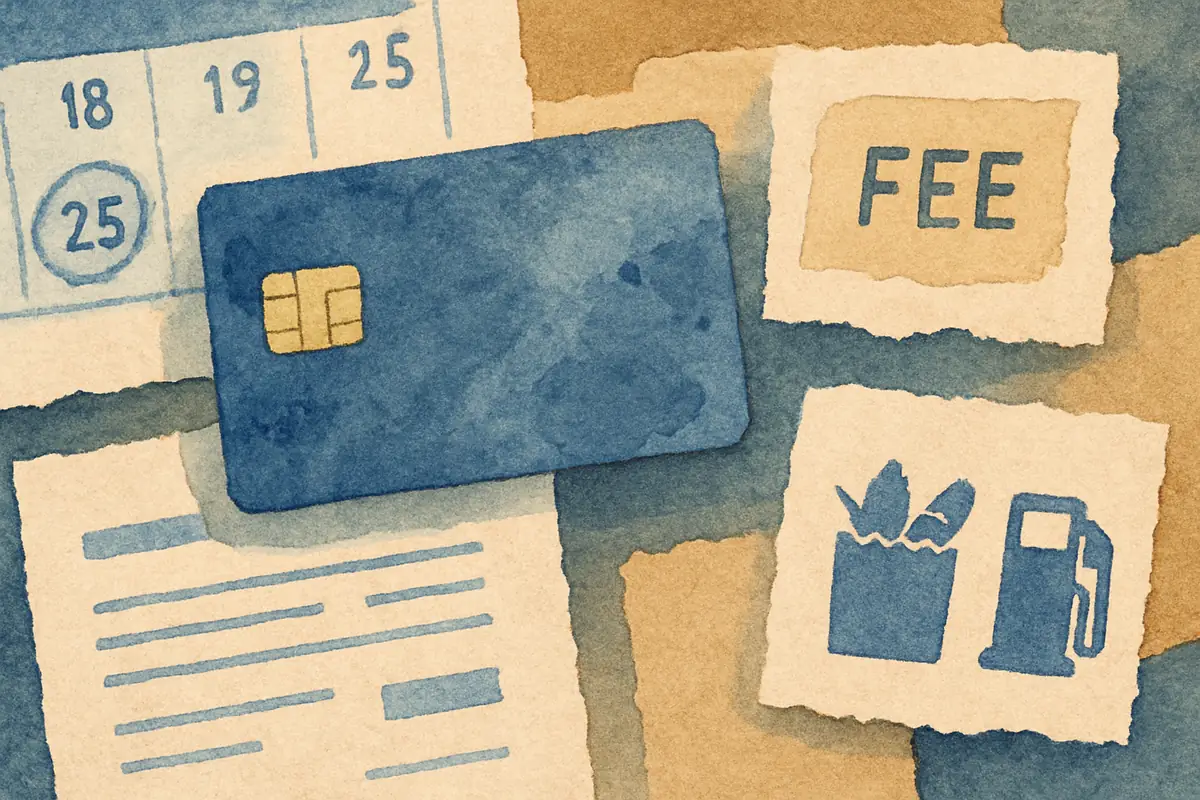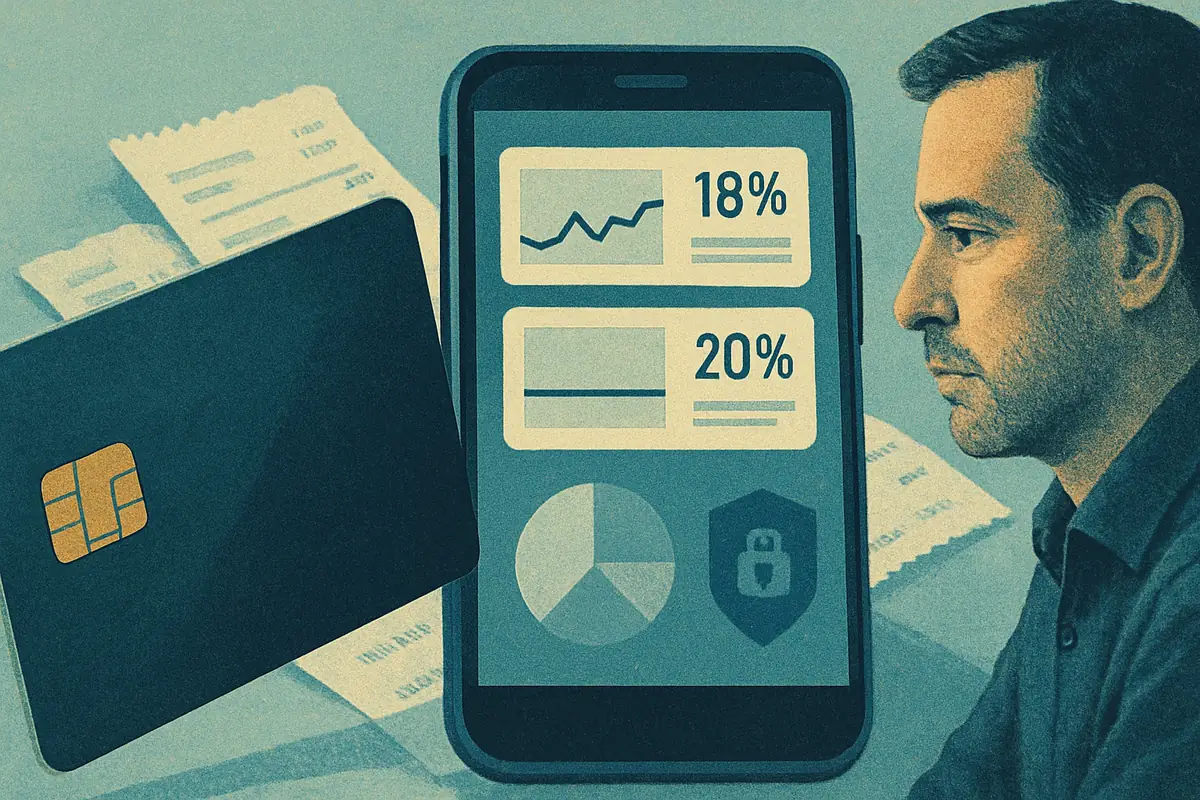

Imagine two credit cards side by side. One boasts a 25% APR but offers solid cash back on groceries and no annual fee. The other promises a 19% APR with travel rewards but charges $95 a year. Which is the better choice? This article breaks down key questions to ask before applying for a new credit card, helping you understand how fees, interest rates, rewards, billing cycles, and your personal spending habits interact — so you avoid costly surprises.
Why Understanding the APR Matters More Than You Think
The Annual Percentage Rate (APR) is the yearly cost of borrowing on your credit card expressed as a percentage. Typical credit card APRs commonly fall between 18% and 30%. This means if you carry a balance rather than paying in full, interest can add up quickly. But the APR isn’t always straightforward. Some cards have variable APRs tied to an index like the prime rate plus a margin, which can change over time. Others have promotional introductory APRs, such as 0% for 12 months on purchases or balance transfers, after which the rate jumps to a higher standard rate.
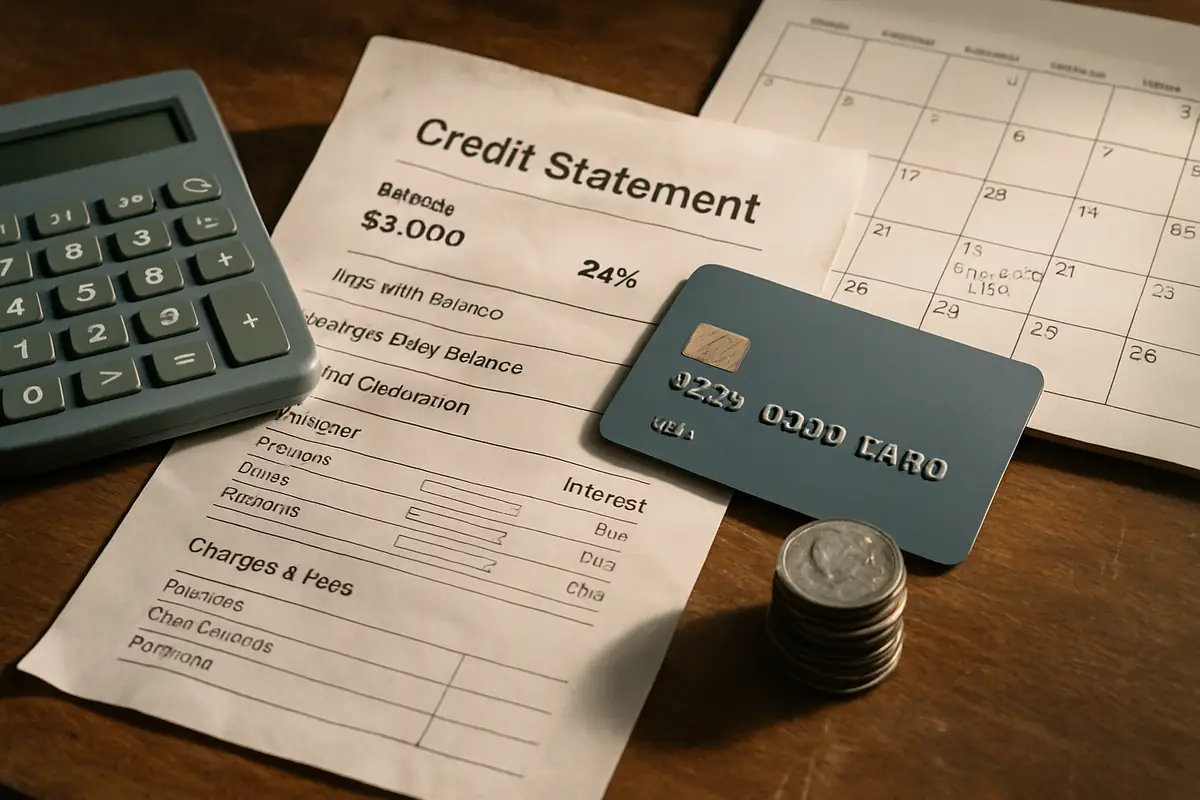
To see this in action: say you have a $3,000 balance at an APR of 24%. If you make only minimum payments each month—around 2% of your balance plus interest—it could take more than 20 years to pay off the debt, and you’d pay over double that amount in interest alone. Understanding how APR affects your monthly payments helps you avoid long-term debt traps.
Comparing Fees: Annual Fees, Late Fees, and Hidden Charges
Fees are where many cardholders get caught off guard. Annual fees can range from $0 to $550 or more depending on premium benefits. Cards without annual fees might charge higher interest rates or offer fewer perks. Late payment fees typically range from $30 to $40 but can increase if payments are repeatedly late. Cash advance fees usually run between 3% and 5% of the amount withdrawn, with APRs often much higher than purchase rates—sometimes over 30%.
For example, if you make a late payment when your minimum due is $50, a $35 late fee adds significantly to what you owe—and might push your account into penalty APR territory where higher rates apply until you catch up. Always check how fees interrelate with your timing and payment habits.
Benefits of Cards with Annual Fees
- Often provide higher rewards rates or valuable perks like airport lounge access.
- May offer enhanced fraud protection or better customer service.
- Can include credits for travel or statement offsets that reduce effective costs.
Drawbacks of Cards with Annual Fees
- The upfront cost may outweigh benefits if you spend little or don’t use perks.
- Annual fees apply regardless of usage; missing payments still incur fees.
- Can lead to overspending to justify fee costs instead of sticking to budget.
How Rewards Structures Influence Your Choice
Rewards vary widely: cash back cards typically offer between 1% and 5% back on categories like groceries or gas; points-based cards may allow redemption for travel or merchandise with varying values per point; some cards rotate bonus categories each quarter requiring activation. Understanding how rewards fit your spending habits helps maximize value without chasing complicated programs.
Beware of restrictions like caps on bonus earnings—for example, earning 5% cash back only on up to $1,500 spent quarterly means additional spending earns just 1%. Also, assess whether redemption options match your needs; some points expire after a few years or lose value if not redeemed smartly.
| Reward Type | Typical Return Range | Common Limitations |
|---|---|---|
| Cash Back | $0.01–$0.05 per dollar spent | $1,000–$1,500 quarterly caps on bonuses |
| Points-Based Travel Rewards | ~1–2 cents per point | 'Blackout' dates and partner airline restrictions |
| Store Cards | $0.05–$0.10 back in points | ] Often valid only at single retailer |
"When Does My Billing Cycle End? Statement Dates Explained"
"Statement cycle" refers to the period during which transactions post before your billing statement generates — typically about 28 to 31 days long. The date this cycle ends determines when your payment is due. Paying by this due date avoids interest charges on new purchases if you pay your previous balance in full. Missing it leads to interest accruing daily on balances carried forward.
"Understanding your statement cycle helps plan payments around due dates and manage credit utilization reported to credit bureaus." For example, if your cycle ends on the 15th of each month and you pay after that but before the due date about three weeks later, purchases made early in the cycle benefit from longer grace periods—sometimes up to 50 days without interest.
"Timing Payments Around Statement Cycles"
"Jessica wants to keep her reported credit utilization low because she’s applying for a mortgage next month. Her statement closes on the last day of each month. She decides to pay down her balance right before the statement date rather than waiting until the due date two weeks later—lowering her reported utilization from 75% down to under 30%, which helps boost her credit score."
"How Does Credit Utilization Affect My Score?"
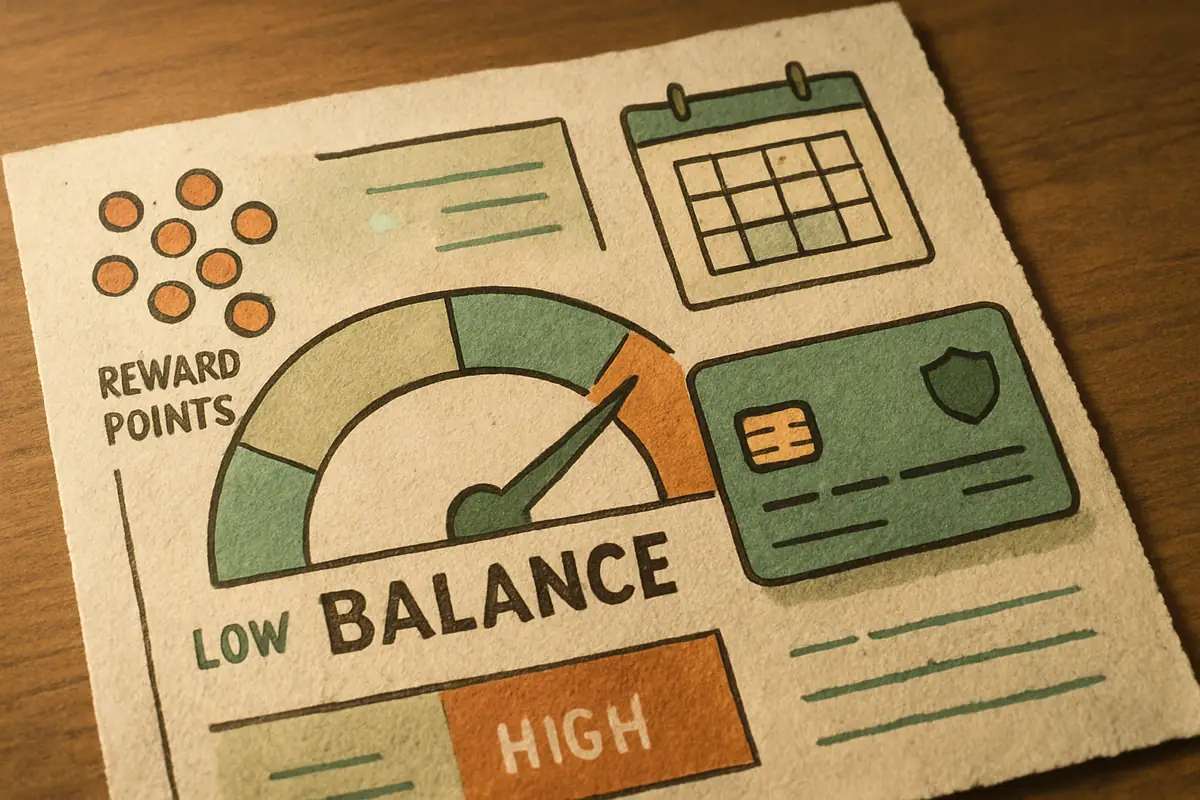
"Credit utilization" is the ratio of your current credit card balances relative to your total available credit limits expressed as a percentage. Experts recommend keeping this ratio below roughly 30%. Higher utilization can signal riskiness to scoring models and lower scores temporarily even if payments are timely.
"If you have two cards with combined limits of $10,000 and carry a total balance of $4,000 on statement dates, that’s a utilization rate of 40%, generally harming scores compared with balancing closer to $2,500 (25%). Knowing how different issuers report balances lets you time payments strategically."
Fee Traps Many Miss Before Applying
Beyond obvious fees like annual charges or late payment penalties are less visible costs that can add up fast if overlooked. Balance transfer fees commonly run about 3-5% each time you move debt from another card but aren’t always clearly highlighted upfront. Some cards impose foreign transaction fees averaging around 3% on international purchases which can undermine travel rewards.
Over-the-limit fees used to be common but are now mostly banned by major issuers; however exceeding your limit still harms scores and sometimes results in declined transactions unexpectedly.
Advantages of Low-Fee Cards
- Good for infrequent users who pay balances monthly.
- Reduce risk of surprise charges.
- Often paired with straightforward terms easier for new users.
Trade-Offs With Low-Fee Cards
- Lower rewards returns overall.
- May have higher purchase APRs.
- Benefit packages often limited compared with premium cards.
What You Should Know About Fraud Protection And Liability
Federal law limits consumer liability for unauthorized transactions on credit cards to a maximum of $50 if reported promptly; many issuers waive this entirely as zero-liability policies. Still, understanding how fraud detection systems work and verifying alerts quickly can prevent headaches.
For instance, some cards alert users immediately through mobile apps about suspicious charges allowing quick freezes, while others rely mainly on customer reports which might delay resolution.
Fraud Protection in Action
Mark noticed an unexpected charge from an overseas merchant on his smartphone notification within hours of it posting. He immediately contacted his issuer’s fraud department which blocked further transactions and issued him a replacement card within three business days — avoiding financial loss and inconvenience.
Does Applying Affect Your Credit Score?
When you apply for a new card, the issuer typically performs a “hard inquiry” on your credit report which can lower your score temporarily by about five points for some months. While minor for most people with good credit histories, multiple applications in short periods might compound score drops causing lenders concern.
Conversely, adding new accounts responsibly increases total available credit potentially lowering overall utilization ratio—a positive factor after initial inquiries fade.
Checklist: Essential Questions Before You Apply
- "What is my likely APR after any introductory period?"
- "Are there annual or maintenance fees I must pay regardless of usage?"
- "What rewards categories align with my typical spending?"
- "When is my statement cycle end date and payment due date?"
- "How does carrying balances affect my cost given this card’s terms?"
- "Are there foreign transaction or balance transfer fees I should consider?"
- "What protections against fraud does this card offer?"
- "Will applying impact my credit score significantly?"
Balancing Trade-Offs When Choosing Your Next Card
No single credit card fits everyone perfectly because trade-offs are unavoidable: lower fees often mean fewer perks; generous rewards programs come with spending requirements or caps; attractive introductory offers expire requiring discipline afterward; better fraud protections might accompany higher annual fees.
The key is matching these factors against your own behavior realistically—do you carry balances monthly? Are you disciplined enough to pay off monthly statements fully? Do travel rewards suit frequent trips or would straightforward cash back benefit more? Understanding these trade-offs prevents costly mistakes down the line.
Evaluating Interest Rates and Fees: Beyond the APR
When applying for a new credit card, understanding the interest rates is crucial, but focusing solely on the Annual Percentage Rate (APR) can be misleading. Various fees and penalty charges often accompany credit cards, which may significantly increase the overall cost of borrowing. For example, balance transfer fees, cash advance fees, annual fees, and foreign transaction fees can all add up unexpectedly if not carefully considered. It's essential to look beyond the advertised APR and review the card’s fee schedule thoroughly. Some cards offer low introductory rates but charge hefty fees later on. By evaluating these additional costs alongside the interest rate, consumers can avoid surprises on their statements and better assess how affordable a particular credit card truly is for their spending habits.
An illustrative case is a traveler who frequently makes purchases abroad. A credit card with a competitive APR but a 3% foreign transaction fee could end up costing them far more than a card with a slightly higher APR but no such fee. Similarly, individuals who plan to carry a balance should scrutinize penalty APRs that may be triggered by late payments or exceeding credit limits. These penalty rates can jump drastically and persist for months or indefinitely if not managed correctly. Hence, careful comparison of all fees and interest-related terms supports smarter decision-making tailored to individual financial behaviors.
Credit Limits and Their Impact on Your Financial Flexibility
Another critical factor to assess before applying is the offered credit limit. This determines not only your borrowing capacity but can influence your credit utilization ratio — a major component of your credit score calculation. Too low a limit might restrict your purchasing power or emergency access to funds, while too high a limit could tempt overspending or increase risk exposure. Understanding how issuers set these limits based on income verification, credit history, and other factors will help you predict whether an application is likely to be approved with a suitable limit.
Additionally, some cards allow for limit adjustments over time, either automatically through responsible usage or upon request. Being proactive in monitoring your credit utilization by keeping it below 30% is advisable to maintain healthy credit scores. Therefore, when evaluating cards, ask about typical initial limits and policies around increases or decreases as they could affect your financial planning. For example, newly approved applicants might start with conservative limits that gradually grow with consistent payments and low balances.
Rewards Programs: Matching Benefits to Spending Patterns
Rewards programs are often the most attractive features of new credit cards but require scrutiny to ensure they align with your actual spending habits. Cards may offer cashback percentages on groceries, gas, dining out, or travel purchases; however, rewards categories can vary widely between issuers and even rotate quarterly on some cards. Before applying, analyze your typical monthly expenditures to identify which program provides real value rather than chasing generic perks that might go unused.
Furthermore, consider the ease of redeeming rewards points or cashback. Some programs have complicated redemption processes or impose minimum thresholds before you can cash out benefits. Others may offer limited options such as only travel bookings through specific portals or gift cards that hold less value than equivalent cash rewards. These nuances affect how beneficial a rewards program truly is over time. By questioning the flexibility and relevance of these incentives upfront, you avoid picking cards whose rewards don’t complement your lifestyle.
Understanding Introductory Offers and Their Conditions
Introductory offers like zero percent APR for six months or bonus points after spending a certain amount within the first few months can be tempting reasons to apply for a new card. However, it's important to read the fine print regarding these promotions because they often come with strings attached. For example, some zero-interest periods apply only to purchases but not balance transfers or cash advances; others might revert to very high rates immediately after the intro period ends.
Additionally, bonus rewards tied to minimum spends require careful budgeting; failing to meet spend thresholds means losing out on promised perks without gaining any benefit from having the card itself during that time frame. Also, keep in mind that applying for multiple cards simultaneously to chase various introductory deals can negatively impact your credit score due to multiple hard inquiries within short periods. Evaluating whether these deals genuinely align with your financial goals rather than just chasing incentives leads to more sustainable credit decisions.
Customer Service Quality: A Crucial Yet Overlooked Aspect
While terms and conditions dominate considerations when choosing a new credit card, customer service quality often gets underestimated despite its significant impact on user experience during disputes or account issues. Accessing prompt support when facing fraud alerts, billing errors, or technical difficulties can prevent stress and potential financial loss. Researching issuer reputation through online reviews or asking friends about their experiences provides practical insights into responsiveness and problem-solving capabilities.
Moreover, many issuers now offer digital support channels such as chatbots and mobile apps that streamline communication beyond traditional phone calls. Checking whether your preferred card issuer provides multiple convenient contact methods helps ensure smooth interactions whenever needed. Remember that excellent customer service can sometimes offset minor drawbacks in other areas by delivering peace of mind after enrollment.