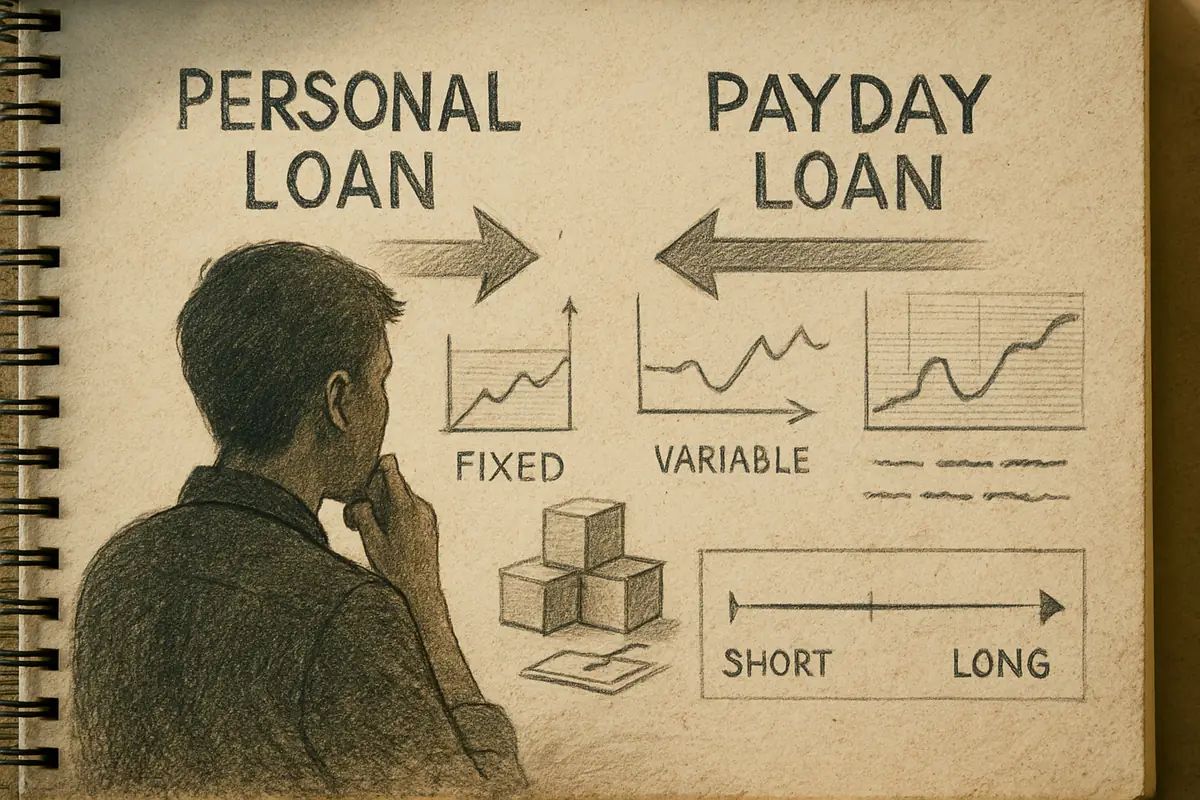
How does the real cost of borrowing compare across typical loan options, and what key factors should a borrower evaluate before signing? Responsible borrowing requires more than just spotting a low interest rate; it involves understanding fees, repayment pressures, collateral obligations, and refinancing risks over the entire loan term.
What Is the True Cost of Borrowing? Understanding APR and Fees
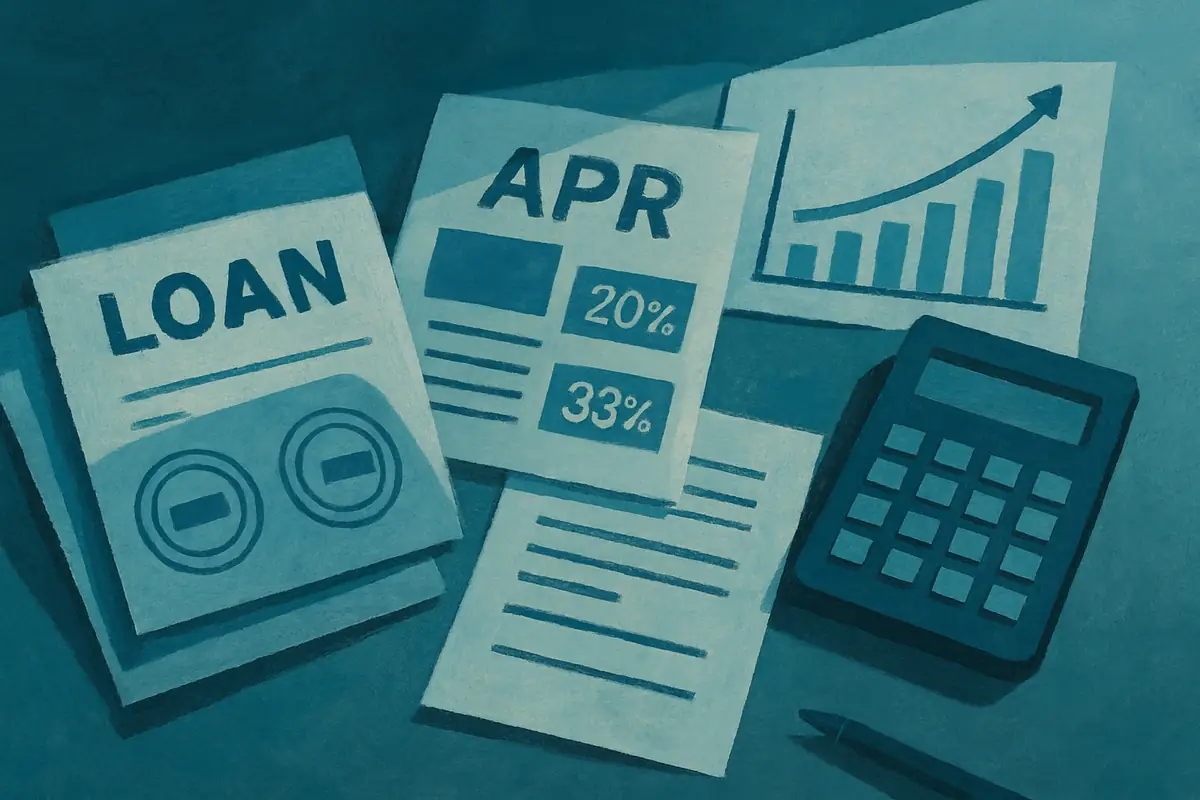
The Annual Percentage Rate (APR) is a critical measure representing the true annual cost of borrowing, including interest and many fees. Interest rates alone can mislead borrowers because they often exclude origination fees, closing costs, or insurance requirements bundled into loan charges. For example, a personal loan with a nominal interest rate of 10% but a 3% upfront origination fee might have an APR closer to 13%. Typical APR ranges vary by loan type: unsecured personal loans often fall between 6% and 36%, auto loans average 4% to 15%, while mortgages commonly range from 3% to 8% depending on term length and creditworthiness.
Fees beyond interest can also dramatically increase borrowing costs. Origination fees up to 5% of the principal are common in unsecured loans. Mortgages may require closing costs amounting to 2% to 5% of the borrowed amount. Some lenders charge prepayment penalties or late payment fees that inflate costs if repayment schedules slip. Understanding these components helps borrowers avoid surprises that inflate the real expense of credit.
| Cost Factor | Typical Range | Effect on Borrower |
|---|---|---|
| Nominal Interest Rate | 4% – 36% | Determines base borrowing cost before fees |
| Origination Fees | 0% – 5% upfront | Raises upfront cost, increasing APR |
| Closing Costs (Mortgages) | 2% – 5% | Adds upfront payment obligations |
| Late Payment Fees | $25 – $50 per missed payment | Increases total repayment if delayed |
| Prepayment Penalties | None to 3% of balance | Discourages early payoff; raises long-term cost |
Loan Term Length and Repayment Structure: Balancing Cash Flow Versus Total Cost
Loan duration significantly impacts total interest paid and monthly cash flow needs. Longer terms reduce monthly payments but increase overall interest costs due to more periods accruing interest. For instance, a $15,000 auto loan at an 8% APR over three years requires roughly $470 monthly payments totaling about $16,900—$1,900 in interest. Extending that same loan to five years reduces the payment to approximately $304 monthly but increases total payments to around $18,200—over $3,200 in interest.
Repayment structures also vary by loan type. Installment loans typically amortize principal and interest over fixed terms with consistent monthly payments. Credit cards or lines of credit feature revolving balances with minimum payments linked to outstanding amounts; this flexibility often causes higher total costs if only minimums are paid. Borrowers must assess their ability to maintain consistent payments without strain or risk default.
Collateral and Secured Versus Unsecured Loans: Risk Trade-Offs
"Secured loans" require collateral such as a car or home that the lender can repossess if repayments fail. This lowers the lender’s risk and often results in lower interest rates—for example, mortgage rates typically start around 3%–6%, while unsecured personal loans may exceed that by several percentage points. However, borrowers face the risk of losing valuable assets if unable to meet obligations.
"Unsecured loans" rely solely on borrower creditworthiness without collateral backing. They generally carry higher APRs between roughly 9% and 36%, reflecting increased lender risk and potential for stricter repayment terms or shorter durations. Though they mitigate asset loss risk for borrowers, default consequences include credit damage and collection actions.
"Variable Rate" Versus "Fixed Rate": How Interest Resets Affect Long-Term Planning
"Fixed-rate" loans maintain constant interest rates throughout the term, offering predictable monthly payments and simplified budgeting. For example, a fixed-rate mortgage might lock in at 4.5% APR for 30 years regardless of market changes.
"Variable-rate" or adjustable-rate loans begin with lower initial interest rates—sometimes as low as 2%–4%—but reset periodically based on market benchmarks plus a margin. Rates might increase or decrease every year or every few years after an initial fixed period (e.g., five years). This introduces uncertainty: payments could rise significantly over time causing budget stress if income does not keep pace.
How this can look in practice
[{'@title': 'Scenario: Variable Rate Auto Loan Reset Impact', '@body': 'A borrower takes a $20,000 variable-rate car loan at an initial rate of 3%, fixed for two years then adjusting annually. After two years the rate resets upward to 7%. Monthly payments rise from approximately $360 initially to about $390 despite principal having been partially repaid—raising total borrowing cost unpredictably.'}]
"Repayment Pressure" and Contractual Penalties: What Borrowers Should Watch
"Repayment pressure" refers to how demanding loan contracts are in requiring timely payments under penalty threat. Many lenders impose late fees typically between $25 and $50 per missed installment plus possible negative credit reporting after one missed payment cycle (usually about 30 days). Repeated delinquencies compound financial hardship through escalating fees and collection efforts.
"Prepayment penalties" discourage early payoff by charging a fee based on remaining balance or several months’ interest—often between 1% and 3%. While not universal, such clauses lock borrowers into longer terms increasing total interest exposure if financial circumstances improve mid-loan but contract terms prevent refinancing or early payoff savings.
Late Payment Fees
Typically range from $25-$50 per occurrence; add substantial cost when payments are delayed.
Credit Reporting Consequences
Missed payments reported after ~30 days affect credit scores reducing future borrowing access.
Prepayment Penalties
May apply mostly in mortgages or some personal loans; usually around 1-3% of remaining balance.
"Refinancing Pressure": When Changing Loan Terms Can Become Risky
"Refinancing" involves replacing an existing loan with a new one typically aiming for lower rates or better terms. While potentially beneficial, it can create additional risks when new loan origination fees are charged or when extending terms increases total interest costs over time despite lower monthly payments.
How this can look in practice
[{'@title': 'Worked Example: Refinancing Costs Versus Savings ', '@body': 'Starting mortgage : $250 ,000 ; remaining term :15 years ; rate :5 % APR . Monthly payment : approximately $1 ,975 . Total remaining interest expected : about $90 ,300 . Refinanced mortgage : new principal same amount , extended term :30 years ; rate :4 % APR initial . New monthly payment : approx . $1 ,193 ; total expected interest over thirty years : roughly $181 ,680 . Monthly cash flow improves by nearly $780 , but total costs double unless early payoff is pursued cautiously .'}]
Responsible Borrower’s Checklist: Key Questions Before Signing
Before accepting any loan offer , carefully assess several factors beyond headline rates . Start by clarifying effective APR inclusive of all fees rather than nominal interest alone . Understand exact repayment schedules —monthly amounts , due date strictness , grace periods if any—and what penalties apply for late or missed payments . Evaluate whether collateral is required and potential consequences for default including asset forfeiture risk . Confirm whether the rate is fixed or variable with possible future adjustments . Finally , consider alternative financing options such as paying down expenses gradually , using employer benefits , or exploring grants if applicable instead of taking on high-cost debt . These comprehensive checks reduce long-term financial pressure from impulsive borrowing decisions .
Understanding Interest Rates and Their Impact
When considering a loan, understanding how interest rates work is crucial. The interest rate determines the cost of borrowing money and directly affects your monthly payments and the total amount you will repay over the life of the loan. Loans can have fixed or variable interest rates; fixed rates remain constant throughout the loan term, providing predictable payments, while variable rates can fluctuate based on market conditions, which may lead to higher costs if rates rise. Borrowers must carefully analyze not only the stated interest rate but also the annual percentage rate (APR), which includes additional fees and charges, giving a more comprehensive view of the loan’s true cost.
For example, a borrower might be offered a low nominal interest rate but with high upfront fees that increase the overall cost. Understanding these nuances can save you from unexpected financial strain. It’s also important to consider how interest compounds—whether daily, monthly, or annually—as this affects how much interest accrues over time. Being informed about these details enables borrowers to compare multiple loan offers accurately and select the option that aligns with their financial capacity and long-term goals.
Additionally, it’s wise to consider how changes in your credit score can influence the interest rate you qualify for. Higher credit scores typically result in lower rates because lenders perceive you as less risky. Therefore, maintaining or improving your credit score before applying for a loan can significantly reduce borrowing costs. As part of responsible borrowing, always ask lenders for detailed explanations of how your interest rate is determined and seek clarification on any terms that are unclear.
Assessing Your Repayment Capacity Realistically
One of the most important factors in responsible borrowing is assessing your ability to repay the loan without compromising your financial stability. This means taking an honest look at your current income streams, monthly expenses, existing debts, and any anticipated changes such as upcoming large purchases or potential job shifts. Creating a detailed budget that incorporates your projected loan payments helps ensure that you won’t overextend yourself financially. Overestimating your repayment capacity can lead to missed payments, penalties, or damage to your credit rating.
Consider building a buffer into your budgeting plan to account for emergencies such as medical expenses or sudden unemployment. For instance, if your monthly loan payment is $500, try to ensure that this amount fits comfortably within your disposable income rather than stretching it too thin. Some financial advisors recommend that total debt repayments should not exceed 30-40% of your monthly income to maintain healthy finances. Using online calculators can assist in visualizing how different repayment scenarios impact your budget and help you decide which loan terms are manageable.
In addition to quantifying how much you can pay monthly, consider the length of the repayment period and its effect on total cost. Longer terms result in smaller payments but accrue more interest over time, while shorter terms may have higher payments but reduce overall interest paid. Aligning your repayment plan with realistic expectations about job security and income growth ensures that you do not face undue stress during repayment.
Evaluating Loan Terms and Conditions Thoroughly
Loan agreements often include numerous terms and conditions beyond just interest rates and repayments that borrowers must understand before signing. These may include prepayment penalties for paying off loans early, late payment fees, grace periods, collateral requirements for secured loans, and clauses related to default or renegotiation options. Carefully reviewing these details prevents surprises down the line and empowers borrowers to negotiate better terms when possible.
For example, some lenders impose hefty penalties if you decide to refinance or pay off your loan ahead of schedule—costs which may offset potential savings from doing so. Similarly, understanding whether a loan is secured by assets like a home or vehicle is critical because defaulting could risk losing those valuable possessions. You should also inquire about any mandatory insurance products tied to the loan and whether opting out is an option without affecting approval.
Seeking legal or financial advice before finalizing contracts can provide clarity on complex clauses and offer guidance on protecting yourself against unfavorable conditions. Additionally, keep all documentation organized and accessible throughout the loan term so you can refer back if questions arise.
Considering Alternative Financing Options
Before committing to a traditional bank or payday loan, explore alternative financing options that might better suit your needs or provide more favorable terms. Peer-to-peer lending platforms connect borrowers directly with investors willing to lend at competitive rates without conventional bank overheads. Credit unions often offer lower interest rates than commercial banks due to their nonprofit structure focused on member benefits.
Personal lines of credit, home equity loans, or borrowing from family under formalized agreements can also be viable alternatives depending on individual circumstances. Each option has its own risk profile and cost structure; hence researching thoroughly ensures you select an option aligned with both affordability and flexibility requirements.
For example, peer-to-peer lenders typically evaluate creditworthiness differently than traditional institutions; they may emphasize community reputation or social proof alongside conventional metrics. Credit unions might require membership eligibility but reward members with personalized service and financial education resources—a valuable bonus for first-time borrowers seeking support.
"What-If" Scenarios: Preparing for Unexpected Changes
How this can look in practice
"Imagine you take out a five-year personal loan expecting steady income from your current job but then face unforeseen unemployment halfway through the term." This situation highlights why planning for contingencies is vital when borrowing responsibly.
Preparing "what-if" scenarios involves evaluating risks such as job loss, illness, or sudden major expenses that could impact your ability to meet repayments. Setting aside emergency savings equivalent to three to six months' worth of essential expenses can serve as a protective buffer during tough times. Furthermore, some lenders offer payment holidays or restructuring options; knowing about these provisions beforehand enables proactive communication rather than reactive crisis management.
Another approach includes opting for income protection insurance policies designed specifically for borrowers; these cover repayments temporarily if income ceases due to disability or unemployment. While such policies increase upfront costs slightly, they provide peace of mind by mitigating default risk under adverse circumstances.
Where readers should be careful
Failing to account for potential disruptions in repayment ability could lead not only to financial hardship but also negatively affect credit history — making future borrowing more difficult and expensive.
Key Takeaways for Responsible Borrowing
References
- https://www.consumerfinance.gov/consumer-tools/
- https://www.fdic.gov/consumer-resource-center/loans
- https://www.consumerfinance.gov/consumer-tools/auto-loans/
- https://www.consumerfinance.gov/consumer-tools/mortgages/
- https://www.consumerfinance.gov/consumer-tools/student-loans/
- https://www.consumerfinance.gov/ask-cfpb/what-is-the-difference-between-a-fixed-rate-and-adjustable-rate-mortgage-arm-loan-en-100/