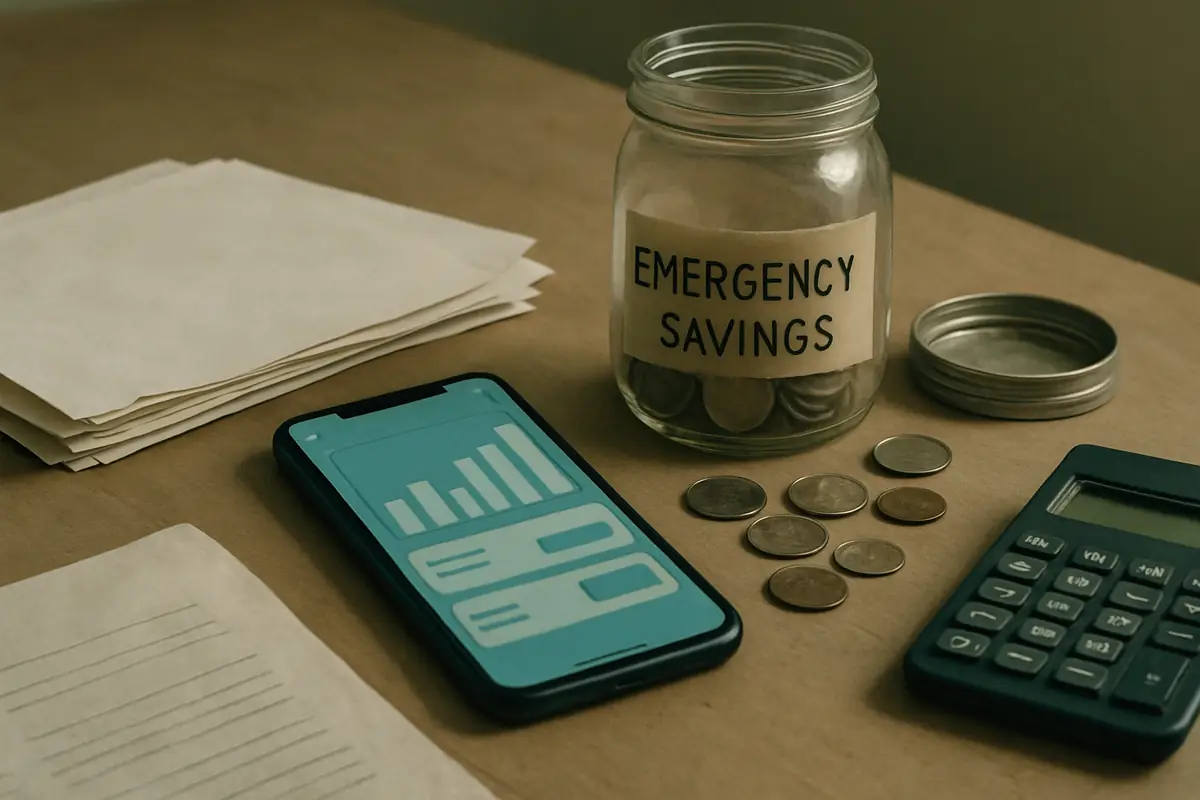
Imagine Sarah and Michael, a couple juggling two kids, a mortgage, and irregular freelance income. Each month, they struggle to know exactly where their money goes despite using an app and spreadsheets. At times their budget feels out of sync with reality — missing bills or misclassifying expenses that lead to surprise shortfalls. If you’ve ever felt this way trying to monitor your own monthly spending, this article is for you. We’ll break down common challenges in tracking monthly expenses, explore practical evaluation criteria for efficiency, and share realistic household scenarios showing what works — and where compromises appear inevitable.
Understanding the Purpose of Your Expense Tracking System
Before diving into tools or strategies, it’s important to clarify why you track expenses at all. Most households aim to answer some combination of these questions: Are we living within our means? Where can we cut back? How do we prepare for irregular costs or emergencies? A monthly expense tracking system should provide timely and accurate visibility into cash flow — the movement of income and spending over the month — and support achievable budgeting decisions. However, many systems fail because they try to be too comprehensive or rigid, overlooking the imperfect realities of fluctuating bills or unplanned purchases. An efficient system balances detail with usability; it must feel manageable even when life feels chaotic.
For example, Emily’s household tracks roughly 30 expense categories including groceries, utilities, childcare, and subscriptions. But every other week she finds herself updating the spreadsheet to reflect unexpected doctor visits or variable heating bills due to weather swings. Overloading the system with too many line items can make it more of a chore than a helpful tool.
Common Challenges That Affect Tracking Efficiency
Expense tracking often gets derailed by several recurring issues: timing mismatches, inconsistent data entry, vague category definitions, and fluctuating income streams. Timing mismatch happens when expenses are recorded inconsistently — say rent paid on the 5th one month but the 1st next month — making month-to-month comparisons tricky. Missed entries occur when receipts pile up or bills are overlooked amidst busy routines. Without clear category definitions like differentiating dining out from groceries, it’s easy to misclassify spending and lose clarity over patterns.
Households with irregular income — freelancers like Michael or seasonal workers — face a double challenge: their income changes unpredictably while fixed expenses such as mortgage payments remain steady. This stress pushes some to abandon detailed tracking altogether because the numbers feel discouraging or confusing rather than empowering.
The Giordano Family’s Variable Income Struggle
The Giordanos rely on rental income plus part-time consulting gigs that pay quarterly. They use an app to track monthly expenses but find it hard to reconcile income spikes with stable costs like $1,200 monthly mortgage payments and $350 utilities. Some months show large surpluses while others dip into savings unexpectedly because they didn’t forecast irregular rental maintenance costs or quarterly tax obligations accurately.
Key Criteria for Evaluating Tracking Efficiency
To assess how well your expense tracking system supports your financial management, consider these criteria: Completeness (are all recurring and irregular expenses captured?), Timeliness (can you enter data promptly?), Accuracy (are categories clear and consistent?), Accessibility (is it easy to review data regularly?), Flexibility (can the system handle income fluctuations?), and Usability (does it fit your lifestyle without undue effort?).
Each criterion involves trade-offs. Increasing completeness by adding many micro-categories may reduce usability because it takes more time per entry. Enhancing flexibility by accepting rough estimates for irregular costs might slightly reduce accuracy but boost timeliness and reduce stress. Understanding your own tolerance for complexity versus precision helps maintain motivation over months or years.
Benefits of a Well-Evaluated Expense Tracking System
- Improved awareness of where money goes each month supports better budgeting decisions.
- Early detection of overspending trends helps prevent credit card debt accumulation.
- Better preparation for irregular expenses reduces emergency borrowing needs.
- Supports realistic saving goals aligned with actual cash flow patterns.
Potential Downsides When Systems Are Over-Optimized
- Excessive categorization can cause burnout leading to abandoned tracking.
- Rigid systems may not adapt well during life changes like job fluctuations.
- Over-focus on minor variances may distract from bigger financial priorities.
- Data entry delays degrade usefulness if not done consistently.
Scenario Breakdown: Tracking Efficiency in Different Household Contexts
To bring these criteria into sharper focus, let’s examine three household scenarios reflecting common realities: a dual-income family with stable paychecks; a single-earner couple facing rising inflation; and a freelancer household with uneven revenue streams.
1) The Johnsons maintain two full-time jobs with predictable $7,000 combined monthly income before taxes. They use a spreadsheet updated weekly with 15 broad categories including mortgage ($1,800), groceries ($600), transportation ($400), childcare ($1,000), utilities ($300), and miscellaneous personal spending ($350). Their budget aims for 20% savings each month after fixed and variable costs. Because their paychecks arrive reliably twice monthly, they find timing easier to manage though occasional extra expenses like car repairs introduce challenges.
Johnson Family Expense Tracking Routine
They update their spreadsheet Sundays after reviewing bank transactions from the past week. The system is simple: a few high-level categories and checkboxes for bills paid on time. They estimate some irregular expenses quarterly rather than monthly but log exact amounts once paid. This gives them both timeliness and accuracy without overwhelming detail demands.
2) The Martins rely on one salary of about $4,500 per month net but face rising inflation pressures that push food prices up by 5-7% annually according to general living cost indexes. They record expenses daily using a mobile app linked to bank accounts but struggle with categorizing frequent small purchases like coffee shop snacks versus grocery store items costing $10-$25 each trip.
Their system captures most spending but occasionally lumps impulse buys into miscellaneous categories due to hurried entries during hectic mornings before work. They also wrestle with balancing strict budget adherence against maintaining social activities that cost around $200 monthly but contribute significantly to family wellbeing.
Martins’ Inflation Impact on Expense Tracking
As food prices climb steadily across months—about $50 increase in grocery bills compared to last year—they find themselves adjusting budget targets frequently while still wanting some discretionary spending flexibility without guilt or anxiety.
How To Measure Completeness Without Overwhelm
Completeness means capturing all meaningful cash outflows so your picture isn’t missing critical costs like annual insurance premiums divided by months or occasional medical copays averaging $60 per visit every few months. You don’t need every coffee receipt logged individually if the total monthly cafe spending approximates $120 regularly—rounding suffices here if tracked consistently over time.
+Worked Calculation Example:+ Suppose Emma estimates annual homeowner insurance at around $1,200 paid once yearly in February. Dividing by 12 gives a monthly expense baseline of $100 added routinely starting March 1 even if payment happens only once per year:
- Annual insurance cost = $1,200
- Divide by 12 months = $100/month
- Record $100 as estimated expense each month
- Adjust actual expense in February when payment occurs
+This approach smooths cash flow analysis despite irregular timing.+ It keeps completeness without requiring constant re-entry outside annual reminders.+ For variable medical visits averaging four annually at $60 co-payments each: tracking these as quarterly averages ($240/4 = $60) can similarly improve forecasting accuracy without tedious daily logging.
Balancing Timeliness With Usability in Data Entry Practices
+Timely recording+ preserves freshness and accuracy while reducing forgotten transactions accumulating stress later.+ But daily entry can be impractical for busy families balancing work schedules.+ Weekly catch-ups offer a reasonable compromise; choosing one fixed day guarantees routine review without constant interruption.+ Apps with bank integration automate much but require manual tagging which can become time-consuming if categories proliferate excessively.+ Automated tracking may miss cash spending which remains significant: surveys suggest about 30% of typical household expenditures are still in cash form.+ Thus combining periodic manual reconciliations with automated feeds enhances reliability while keeping effort manageable.
+ Michael from earlier schedules Sunday afternoons for entering all receipts collected in envelopes throughout week,+ balancing weekend downtime with preparation for coming week.+ He tolerates imperfect immediate capture knowing that patterns reveal themselves over time even if individual entries shift slightly between weeks.+ This pragmatic attitude underpins sustainability over years rather than bursts of intense effort followed by burnout.
Flexibility In Systems Facing Income Variability
+Freelancers+ like Michael must accommodate wide income swings while ensuring fixed commitments such as rent ($1,500) are always covered.+ A flexible tracking method anticipates 'buffer' categories such as emergency savings allocations representing perhaps 10% of irregular income chunks+, smoothing lean months without distress.+ This requires separating 'essential' versus 'discretionary' expenses clearly:+ essential might include utilities averaging $400/month; discretionary could be streaming subscriptions around $50/month which might pause temporarily during tight periods.+ Maintaining this distinction within tracking software or spreadsheets helps highlight where cuts are viable quickly when necessary.
+For example,+ Michael earned only $3,000 last January versus $8,000 in September related to project timing.+ Allocating roughly 20% toward taxes plus mandatory retirement contributions reduces available funds immediately.+ Therefore,+ his expense tracker flags minimum thresholds below which adjusting entertainment or dining budgets becomes imperative.,+ Planned contingency funds aimed at covering two months of fixed costs (~$3,000 x 2 = $6,000) provide breathing room during slow periods without panic-driven overspending+
| Factor | What It Means | Example / Typical Range |
|---|---|---|
| Income Regularity | Consistency of earnings each month | $3,000-$8,000 varying for freelancers |
| Fixed Expenses | Bills consistent regardless of income shifts | Mortgage: $1,200-$1,800 monthly |
| Variable Expenses | Costs changing based on lifestyle choices or season | Groceries: $400-$650 per month |
| Savings Buffer | Extra funds reserved for unexpected shortfalls | 10%-20% of monthly income set aside |
| Data Entry Frequency | How often expenses are logged into system | Weekly preferred; daily ideal but not always practical |
Practical Trade-Offs Between Control And Enjoyment
+Striving for perfect control over every cent risks undermining quality of life if done excessively,+ especially around social occasions where Martin’s family spends roughly $200 monthly on dinners out contributing significantly to wellbeing despite being discretionary.+ Accepting some uncertainty allows households to avoid budgeting fatigue which frequently leads to abandoned expense logs after just weeks.+ The goal isn’t austerity but informed choice,+ weighing which trade-offs provide greatest value while preserving resilience through fluctuating economic conditions such as rising inflation affecting groceries (+5% annually) or energy bills (+7%).+ Rigid systems ignoring human factors risk creating frustration rather than empowerment,
+Sarah sometimes skips logging small purchases under $5 made hurriedly during the workday,+ yet notes overall weekly totals remain reliable within +/- 3%.+ She accepts this margin recognizing diminishing returns from obsessive capture,+ focusing instead on larger fixed costs where precision matters more strongly such as healthcare premiums (~$350/month) or car loan payments ($350 at 4-6% APR).+
Final Checks You Can Apply to Your Expense Tracking System
Once you’ve reflected on your current system against principles discussed here—completeness balanced with usability; timeliness supporting accuracy; flexibility accommodating real-life fluctuations—a simple checklist helps ensure ongoing efficiency:
- Do I capture all major regular expenses including those paid yearly but averaged monthly?
- Is my data entry frequency sustainable given my schedule? Weekly catch-ups are preferable.
- Are categories defined clearly enough that I don’t misclassify large amounts consistently?
- Do I differentiate essential vs discretionary spending clearly?
- Does my system handle income variability without causing undue stress?
- Am I allowing practical rounding or estimates where micro-detail adds complexity disproportionately?
- Do I review summaries regularly enough (at least monthly) to spot trends before they create problems?
Answering yes across most points signals a well-functioning system adapted realistically for your household context rather than chasing idealized perfection unlikely maintained long term. Remember that sustained good habits beat short bursts powered by guilt or pressure every time.