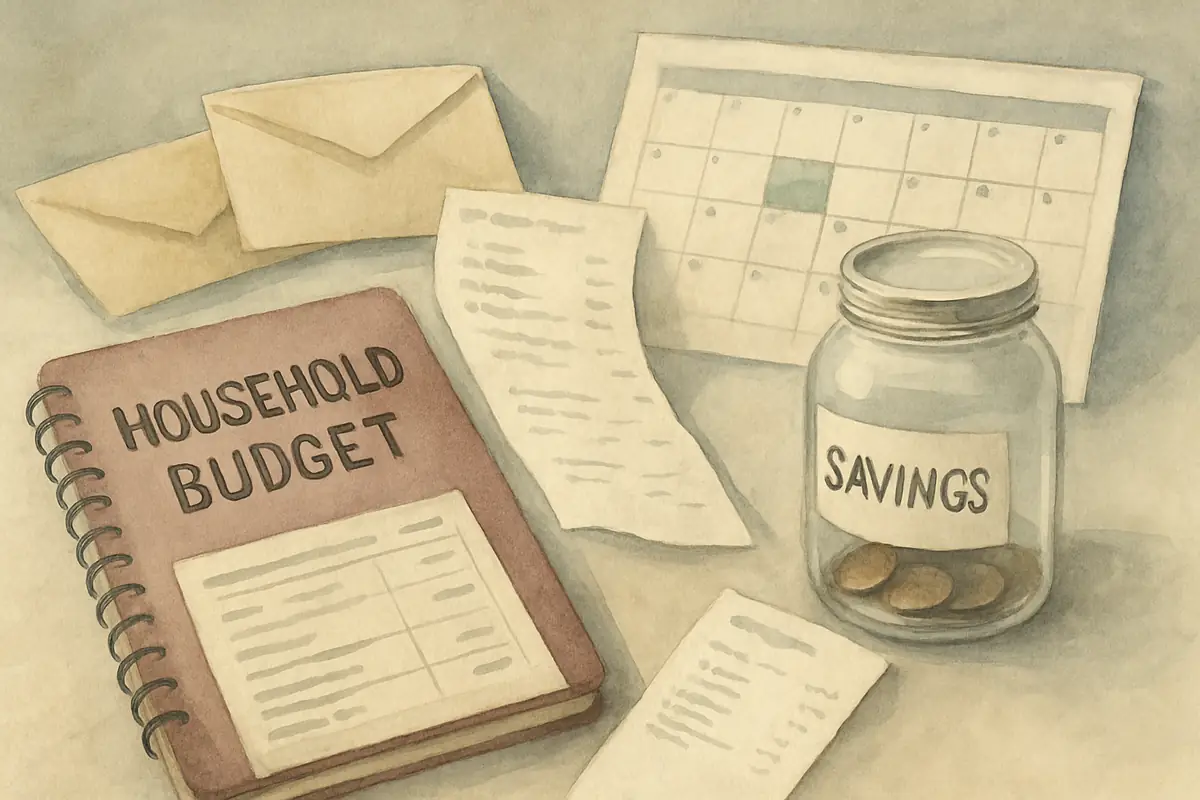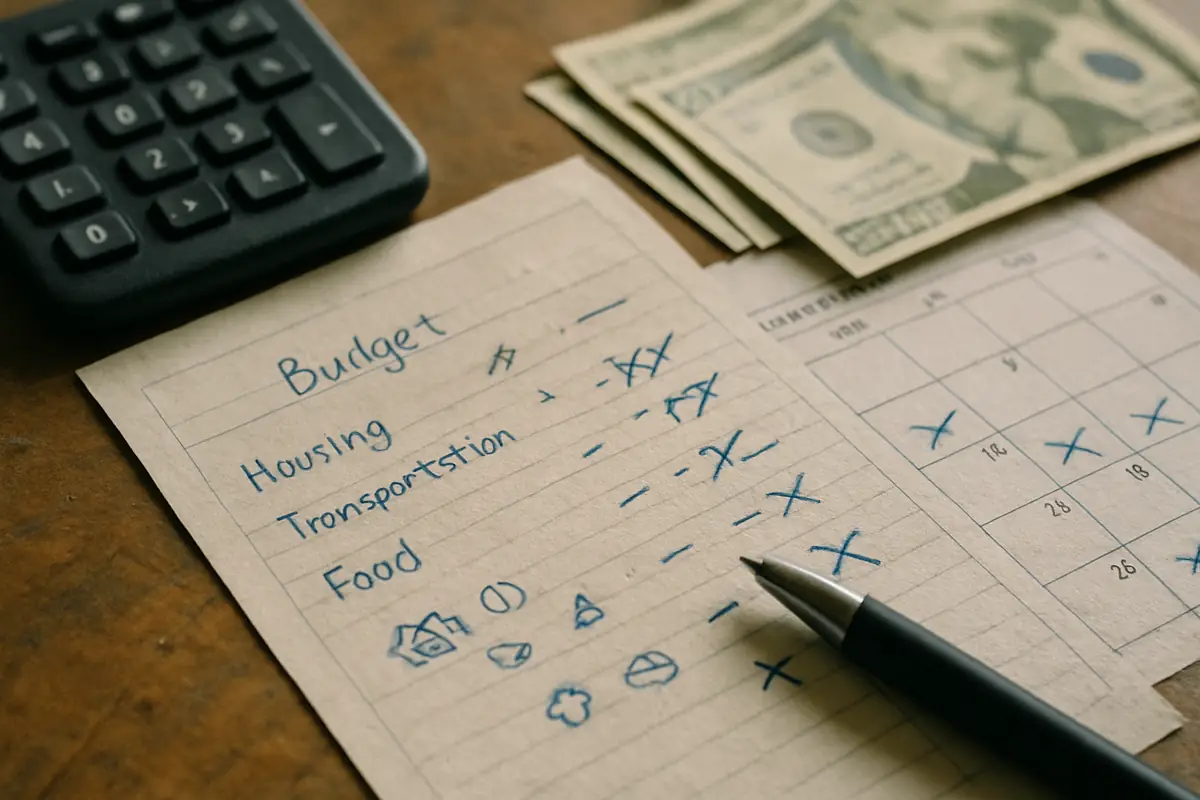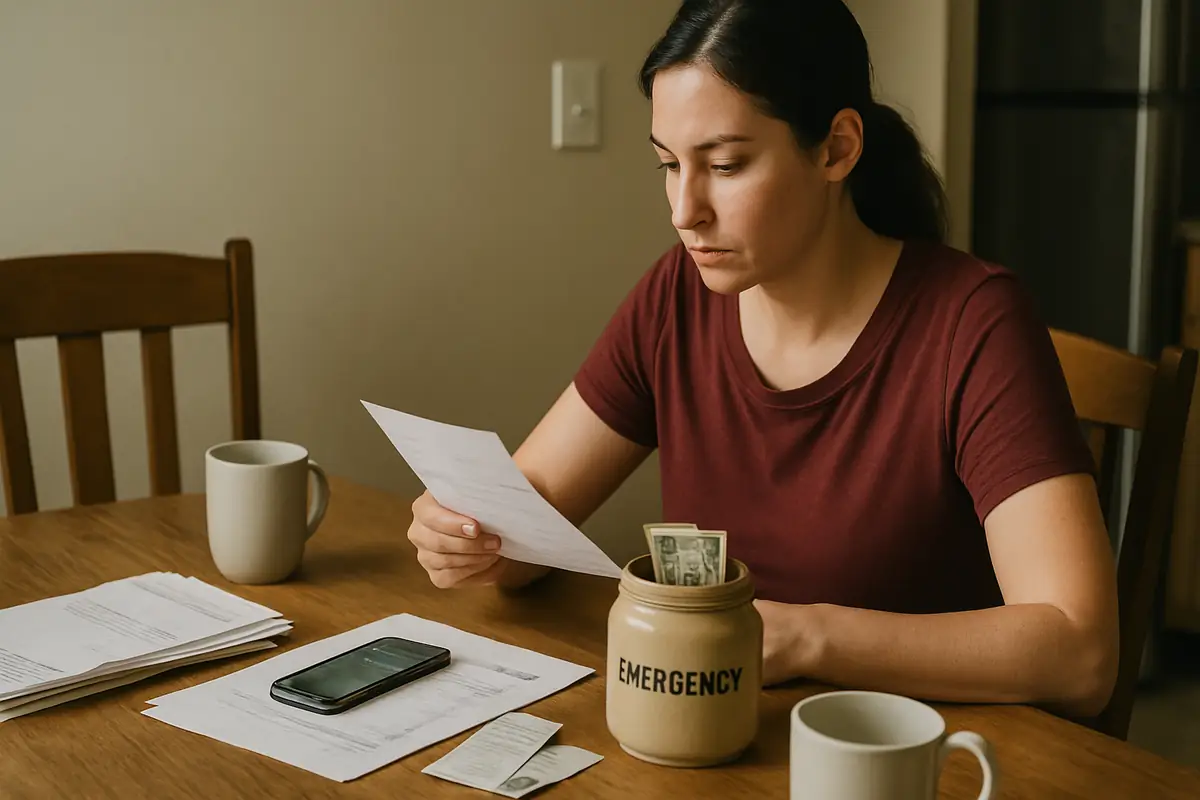
Imagine Sarah and Michael, a couple juggling a $3,500 credit card balance and an irregular combined monthly income averaging around $4,200 after taxes. They wonder if channeling every spare dollar toward aggressive debt repayment should be their main focus or if building an emergency savings cushion first makes more sense. This dilemma is common yet complex, revealing deeper trade-offs between financial security and debt reduction.
Why Might Emergency Savings Be More Vital Than Paying Down Debt Quickly?
At first glance, it seems logical to tackle debt with the highest interest rate immediately. Credit cards often carry annual percentage rates (APRs) between 18% and 30%, making them costly over time. However, without sufficient emergency savings—funds set aside for unexpected expenses such as medical bills, car repairs, or temporary income loss—households risk resorting to additional high-interest borrowing when emergencies occur. This cycle can deepen financial strain rather than relieve it.
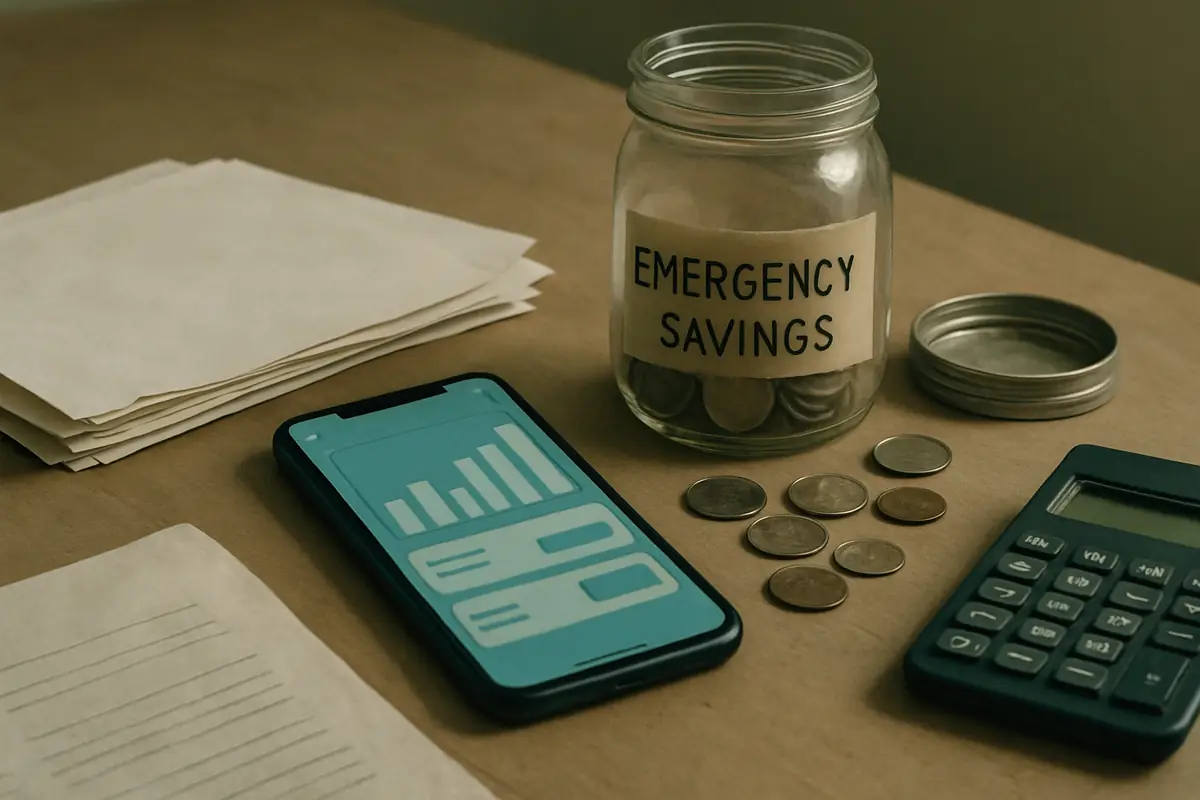
Emergency savings are typically recommended to cover three to six months of essential living expenses. For Sarah and Michael, whose combined monthly expenses average around $3,000, this means setting aside between $9,000 and $18,000. While this may feel daunting amid existing debts, having this buffer reduces vulnerability to sudden shocks that could otherwise force them back onto credit cards or payday loans with APRs commonly soaring beyond 30%.
What Challenges Do Households Face When Balancing Savings and Debt?
One central challenge is cash flow management under imperfect budgets. Household income often fluctuates due to irregular work hours, commissions, or seasonal employment. This variability complicates allocating fixed amounts monthly toward both debt payoff and savings goals simultaneously. Moreover, the psychological tension of carrying debt while trying to save can cause fatigue or discouragement.
Adding to this is inflation: over recent years, typical inflation rates have ranged from 2% to 5% annually for many household essentials like food and utilities. Without adjusting budgets accordingly, families may find their emergency funds eroding in real purchasing power if held too long before use or if not replenished after withdrawals.
How this can look in practice
Sarah’s job hours recently decreased due to company restructuring. Their fixed expenses include rent at $1,200 monthly, utilities averaging $300, groceries around $600 per month, transportation $300 monthly including fuel and maintenance, health insurance premiums at $450 per month, and minimum credit card payments totaling $350 monthly. Their total essential expenses hover near $3,200 monthly. Facing this new income dip without an adequate emergency fund puts them at risk of missing credit payments or accumulating new debt.
How Can Households Create a Balanced System for Savings and Debt Reduction?
Establishing a modest but dedicated emergency savings goal early can provide needed resilience. Many financial educators suggest starting with a target of $1,000 as an initial buffer before focusing aggressively on debt repayment. This small cushion can prevent urgent re-borrowing after unexpected costs.
From there, households like Sarah and Michael might allocate about 60% of their disposable cash flow toward minimum debt payments plus some extra principal reduction, while directing roughly 40% toward building emergency savings until reaching at least one month’s essential expenses—about $3,200 for them. After achieving that milestone within several months (perhaps six to nine), they can shift more aggressively toward reducing higher-interest debt balances.
Benefits of Prioritizing Emergency Savings First
- Provides immediate protection against costly financial shocks.
- Reduces need for high-interest short-term borrowing.
- Minimizes stress from unpredictable expense timing.
- Offers greater budget flexibility during income fluctuations.
Trade-offs When Delaying Aggressive Debt Payoff
- Interest on existing debt continues to accrue longer.
- Debt balances may grow if only minimum payments are made.
- May delay long-term interest savings from early payoff.
- Requires disciplined budgeting to maintain dual goals.
What Does a Worked Example Look Like?
"Suppose Sarah and Michael have a credit card balance of $3,500 with an APR of 24%. The minimum monthly payment is about 3% of the balance ($105 initially). If they pay only the minimum each month without additional payments or new charges," the interest accrues around $70 per month at first (3,500 x 0.24 /12). Over time the payment composition shifts as principal lowers."
"Now consider they decide instead to build a $1,000 emergency fund first by allocating $150 monthly toward savings while paying the minimum on the card ($105). This means about $255 directed monthly to these goals combined."
"Once the emergency fund reaches $1,000 in roughly seven months (1,000 /150 ≈ 6.7), they redirect that $150 toward extra credit card payments increasing total monthly payment to $255 (105 + 150), accelerating payoff considerably."
Understanding the Balance: When to Prioritize Emergency Savings
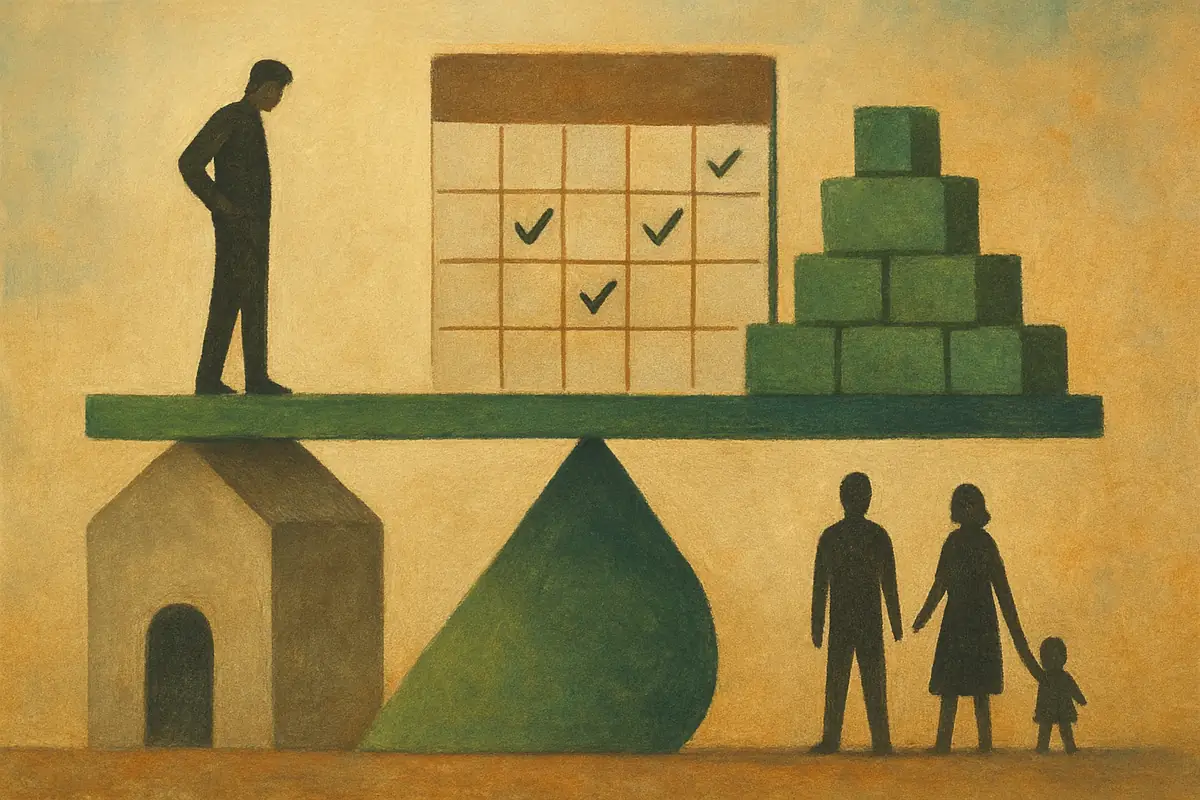
The decision to prioritize emergency savings over aggressive debt payoff is often influenced by individual financial circumstances, risk tolerance, and long-term goals. While reducing debt can save money on interest and improve credit scores, having a reliable emergency fund acts as a financial safety net that can prevent additional debt accumulation in times of crisis. For example, unexpected expenses such as medical emergencies, sudden job loss, or urgent home repairs can quickly derail an aggressive debt payoff plan if no savings buffer exists. In such cases, relying solely on credit or loans to cover these costs may worsen financial strain and increase overall debt levels. Therefore, a balanced approach that initially focuses on building a sufficient emergency fund—typically three to six months’ worth of essential living expenses—provides a foundation of financial security upon which debt reduction strategies can be more effectively executed.
Additionally, this prioritization strategy aligns with behavioral economics principles. When individuals lack an emergency cushion, financial stress and anxiety can inhibit their ability to consistently make payments toward debts. Conversely, having a small but adequate fund set aside reduces the urgency and fear associated with unforeseen expenditures. It fosters a sense of control and confidence that encourages disciplined budgeting and spending habits. This psychological benefit is critical because it often underpins sustained commitment to overall financial health improvements. Therefore, the act of building emergency savings is not merely about accumulating cash reserves but also about cultivating a mindset conducive to responsible money management.
Case Studies: Real-Life Scenarios Highlighting Emergency Fund Importance
Consider the case of Maria, a single mother working full-time while managing student loan repayments aggressively. She initially allocated nearly all her disposable income toward reducing her student loan balance but neglected building an emergency fund. After her car unexpectedly broke down—a necessary asset for commuting—she was forced to put the repair cost on a high-interest credit card, undermining much of her debt repayment progress. Conversely, John prioritized saving three months’ worth of expenses first before focusing heavily on his credit card debt. When he lost his job temporarily, he was able to rely on his emergency savings without incurring new debt or missing payments. These contrasting examples emphasize how an emergency fund acts as insurance against setbacks that might otherwise compromise financial recovery efforts.
Moreover, these scenarios shed light on the role of liquidity in personal finance strategy. Debt payoff typically involves allocating funds toward accounts or liabilities that do not offer immediate access in emergencies without penalties or fees. In contrast, emergency funds are held in liquid accounts such as savings or money market accounts where funds can be quickly accessed without loss of principal. This liquidity feature is crucial because emergencies demand prompt responses without bureaucratic hurdles or transaction delays that could exacerbate problems or incur additional costs.
Practical Steps for Building an Emergency Fund Without Halting Debt Payments
Building an emergency fund does not have to come at the expense of all progress toward debt elimination; it is possible to strike a balance by adopting strategic approaches tailored to one’s budget and income stability. One effective method is the '50/30/20' budgeting rule where 50% of income covers needs, 30% discretionary spending, and 20% goes toward savings and debt repayment combined. Within this 20%, individuals can allocate a portion specifically for emergency savings until reaching their target amount before shifting focus more aggressively to paying down debts.
Another useful technique involves automating deposits into a separate high-yield savings account dedicated exclusively to emergencies. Even small consistent contributions—such as $25 or $50 per paycheck—can accumulate significantly over time without causing drastic cuts in daily living standards or delaying planned debt payments excessively. Additionally, reducing discretionary expenses temporarily or seeking side income opportunities can accelerate both savings accumulation and debt reduction simultaneously.
It is also important to periodically reassess one’s financial situation and adjust allocations accordingly—for instance, increasing emergency savings contributions during periods of stable employment and lowering them once an adequate cushion is established so that more funds can be redirected toward faster debt payoff.
Common Pitfalls When Neglecting Emergency Savings
One frequent mistake individuals make when pursuing rapid debt reduction is assuming that any available funds should be funneled exclusively into paying off balances without regard for liquidity risks. This approach leaves them vulnerable to unplanned expenditures forcing reliance on new credit lines or payday loans often carrying higher interest rates than existing debts. Such behavior may create a vicious cycle where one’s total debt burden grows despite continuous repayment efforts.
Furthermore, neglecting emergency savings may contribute to increased emotional stress and decreased motivation due to perceived financial fragility. Anxiety related to insufficient buffers against shocks can diminish mental bandwidth needed for effective decision-making around budgeting and long-term planning. Over time, this psychological toll may impair overall financial discipline resulting in missed payments or impulsive spending.
Balancing Emergency Savings with Debt Repayment Strategies
While the instinct to aggressively pay down debt is commendable, especially when carrying high-interest balances, it’s important to recognize that an emergency fund serves a fundamentally different purpose. Emergency savings act as a financial buffer against unexpected expenses such as medical emergencies, car repairs, or sudden job loss. Without this safety net, individuals may be forced to rely on credit cards or loans to cover unforeseen costs, potentially worsening their debt situation. Therefore, balancing the allocation of funds between building a sufficient emergency fund and paying off debt can prevent financial backsliding and promote long-term stability.
For example, consider someone with $10,000 in credit card debt at a 15% interest rate and no emergency savings. Diverting all extra money toward debt repayment might seem efficient but leaves no room for emergencies. A single $1,000 car repair could force them to add more debt just to manage a temporary expense. Instead, setting aside even a small portion of monthly income to build an emergency fund while making minimum payments on debt balances ensures both short-term resilience and gradual debt reduction.
Financial advisors often recommend establishing a starter emergency fund of at least $1,000 before aggressively tackling high-interest debts. This initial cushion provides peace of mind and reduces reliance on credit during unexpected events. Once this foundational savings is in place, individuals can switch focus toward accelerating debt repayment while continuing to top up their emergency reserves until they reach three to six months’ worth of essential living expenses.
It’s also important to tailor these recommendations based on individual circumstances such as job security, income variability, and family obligations. For example, freelancers or gig workers whose income fluctuates might prioritize larger emergency savings before committing to aggressive debt payoff strategies. Conversely, those with stable employment and predictable expenses may find it easier to strike a balance between saving and paying down debts simultaneously.
Psychological Benefits of Maintaining Emergency Savings
Beyond financial metrics, maintaining an emergency fund can significantly reduce stress and improve mental well-being. The uncertainty associated with potential emergencies often causes anxiety that can affect decision-making and overall life satisfaction. Knowing there is a dedicated pool of funds available for unforeseen events brings psychological comfort and empowers individuals to make financial choices from a position of strength rather than fear.
For instance, during economic downturns or health crises—such as the recent global pandemic—those with robust emergency savings have reported feeling more secure despite widespread uncertainty. This security translates into better focus at work and healthier personal relationships because the constant worry about finances diminishes. Consequently, efforts invested in building emergency savings can yield returns far beyond mere numbers by enhancing quality of life.
Moreover, this emotional buffer allows for more strategic thinking about debt management. When people aren’t forced into reactive financial decisions due to emergencies, they can plan repayments thoughtfully, negotiate better terms with creditors if necessary, and explore programs like refinancing or consolidation without panic.
Practical Steps to Build Emergency Savings While Managing Debt
To effectively balance savings with debt repayment, start by automating small contributions toward an emergency fund each pay period. Even modest amounts like $25 or $50 per paycheck accumulate over time without creating significant strain on monthly budgets. Automation helps maintain consistency and reduces the temptation to use those funds for discretionary spending.
Simultaneously, continue making minimum payments on debts to avoid penalties and additional interest while focusing any extra disposable income primarily on either building your emergency fund initially or accelerating repayments once your target reserve is met. It’s crucial not to neglect either area entirely; regular progress on both fronts builds momentum toward overall financial health.
Additionally, reviewing monthly budgets regularly helps identify opportunities to trim discretionary spending in favor of savings contributions. Redirecting subscription services you rarely use or dining out less frequently can free up vital cash flow that accelerates progress without sacrificing quality of life significantly.