Imagine this: It’s the 28th of the month, your paycheck arrived three days late, and you have $150 left for groceries, utilities, and gas before the next deposit. You feel the pressure; juggling bills with irregular timing and fluctuating expenses is a familiar struggle. Managing cash flow—the timing of money coming in versus going out—can feel like spinning plates for many households. The question is: which cash flow management techniques can bring real stability without squeezing life’s flexibility too tight?
Understanding Why Cash Flow Management Is Tricky for Most Households
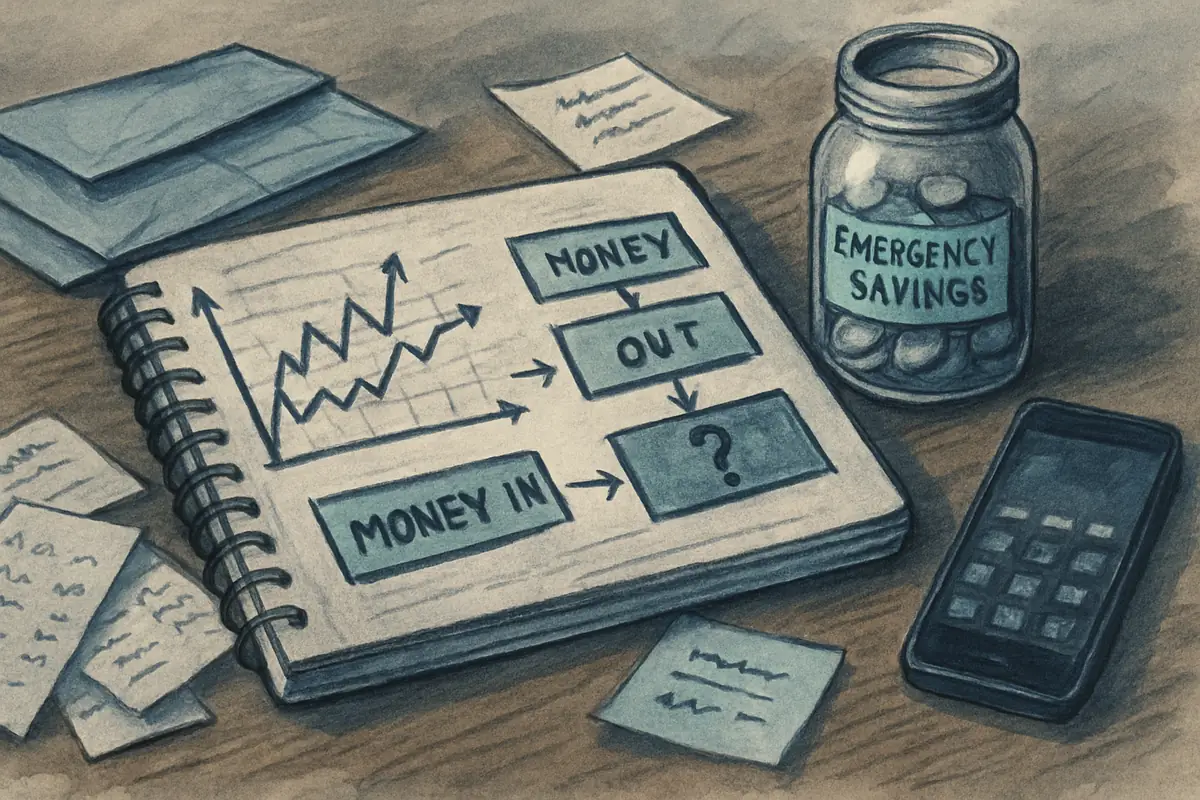
Cash flow refers to how money flows in and out of a household over a specific period, typically monthly. It’s more than just income minus expenses; it involves timing, unpredictability, and prioritization. Many families face uneven income sources—such as part-time jobs or freelance work—that make it harder to budget precisely. For example, about 25% of adults report difficulty covering a $400 unexpected expense without borrowing or selling something. This stress often leads to short-term fixes like credit cards or payday loans that add more costs over time.
Aside from income variability, expenses themselves shift with seasons, inflation, and emergencies. Grocery bills might rise 5–10% annually during inflationary periods, while utility bills spike in winter or summer months. On average, households spend roughly 30–40% of monthly income on essential fixed costs: rent or mortgage payments, utilities, and transportation. This leaves less room to absorb surprises or increase savings consistently.
Common Cash Flow Management Techniques: A Comparative Overview
Several strategies exist to manage cash flow effectively. None are perfect on their own; each comes with trade-offs affecting security, flexibility, and stress levels. Four widely used methods include:
Let’s explore how these work in practice and what compromises they demand.
Envelope System: Hands-On Control Versus Inconvenience
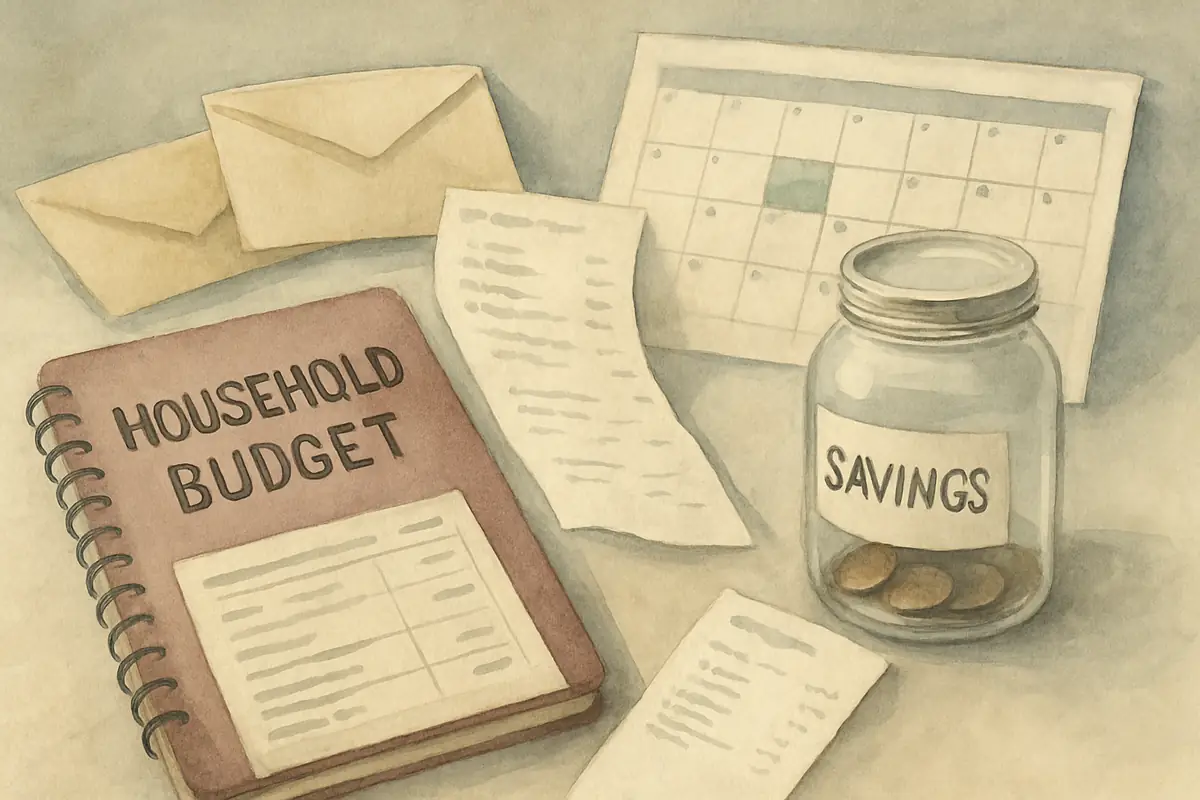
The envelope system dates back decades but remains popular for its tangible approach. You withdraw your income as cash and place fixed amounts into labeled envelopes for each spending category. For example, if you budget $600 monthly for groceries divided across four weeks, you put $150 each week into the grocery envelope. Once that money is spent, you hold off on further grocery purchases until the next envelope refill.
This method helps prevent overspending because you physically cannot spend beyond what’s in an envelope. However, drawbacks include lack of flexibility when unexpected needs arise mid-month—for example, if an urgent car repair costs $350 but your 'car maintenance' envelope has only $100 saved so far.
Where the Envelope System Helps
- Provides clear visual spending limits that reduce impulse buys.
- Encourages disciplined use of cash rather than swiping cards mindlessly.
- Easy to understand without technology.
Where Caution Is Needed
- Inflexible for surprise expenses unless envelopes are overfunded.
- Handling large payments with cash can be impractical or risky.
- Time consuming to manage physical envelopes regularly.
A Household Trying the Envelope Technique
The Johnson family earns $4,500 monthly after taxes and budgets $1,200 for groceries using envelopes split weekly ($300). When their furnace unexpectedly needed repair costing $600 mid-month—more than their small 'home repairs' envelope contained—they had to temporarily borrow $200 from the grocery envelope to cover it. This meant grocery shopping was tighter later that month.
Automated Budgeting Tools: Real-Time Tracking With Privacy Trade-Offs
Apps like Mint or YNAB link directly to checking accounts and credit cards to categorize spending automatically. They provide alerts when you approach category limits and can generate reports showing where your money goes each month. For households comfortable with technology and online data sharing, this reduces manual tracking effort significantly.
However, this dependence on digital tools means some loss of direct control feelings. Technical glitches or delayed transaction postings may cause confusion about actual current balances — especially if bills autopay out unexpectedly. Data privacy concerns also affect some users’ comfort with linking sensitive financial information to third-party services.
Benefits of Automated Tools
- Save time by automating transaction logging.
- Offer visual insights with graphs that reveal spending patterns.
- Support goal-setting features like saving targets or debt payoff timelines.
Limitations to Consider
- Reliant on stable internet connection and app accuracy.
- Potential security risks from sharing banking info.
- Delayed updates can cause misleading available balance estimates.
Zero-Based Budgeting: Precision Planning Meets Reality Gaps
Zero-based budgeting assigns every dollar earned a job in the budget so that total income minus total expenses equals zero perfectly each month. For instance, if your take-home pay is $3,800 monthly, you allocate money toward rent, food, utilities, savings goals, debt payments—adding up all categories exactly to $3,800.
This technique forces awareness of all expenditures but assumes predictable income and bill timing which many families lack. When an unexpected expense arises or paychecks arrive late due to holidays or processing delays (common up to 3 days), rigid budgets can feel shattered causing frustration or impulsive borrowing.
Advantages of Zero-Based Budgets
- Maximizes every dollar’s potential use.
- Helps identify unnecessary spending quickly.
- Clear accountability fosters financial discipline.
Challenges With Strict Zero-Based Systems
- Demands exact income knowledge which is hard with irregular pay schedules.
- Less buffer room increases stress when surprises hit.
- Monthly re-budgeting requires regular time investment.
An Irregular Income Family Using Zero-Based Budgeting
Maria works freelance with fluctuating monthly income between $3,000 and $4,200 after taxes. She builds her zero-based budget assuming a conservative $3,200 per month baseline but still plans flexible buffer categories for variable bills like utilities ($250–$350). In months below baseline earnings she trims discretionary spends but occasionally taps a small credit card loan with 20–25% APR as a last resort — adding cost but preserving essentials.
Buffer Accounts: Creating Breathing Room at a Cost
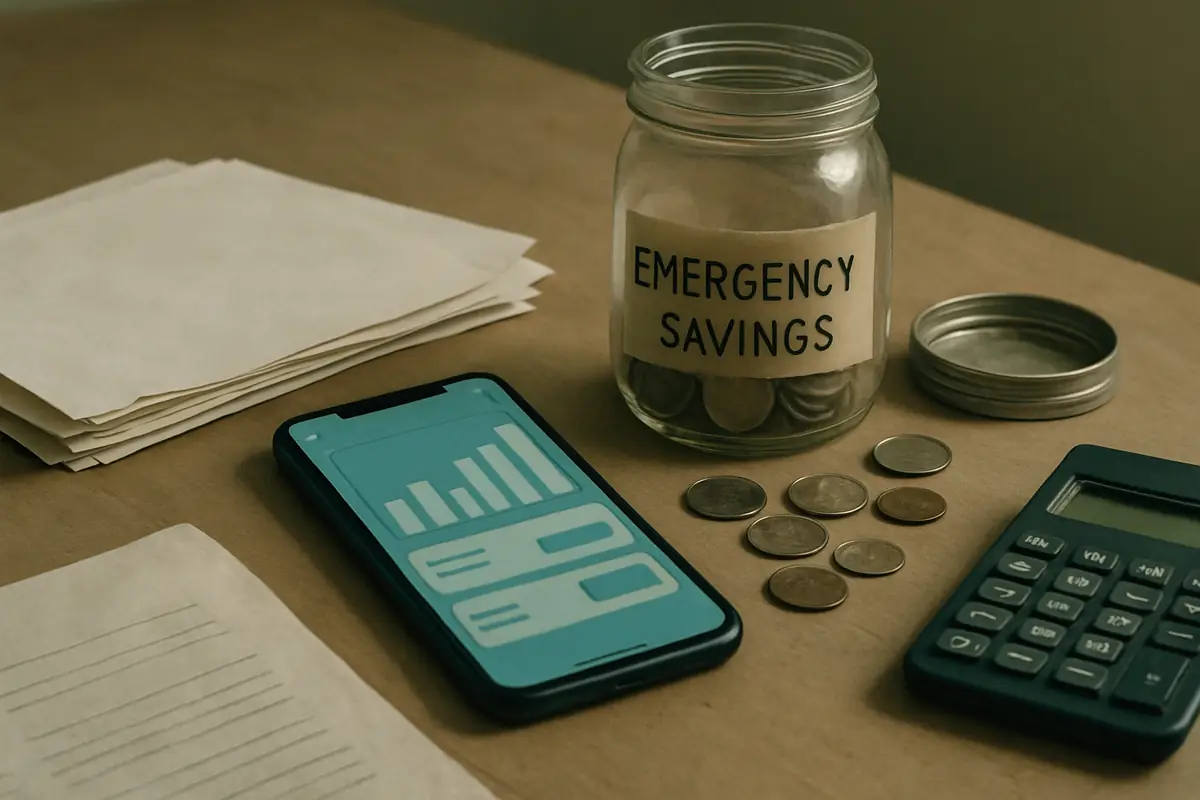
Maintaining a buffer account means keeping one checking or savings account funded with an amount sufficient to cover at least one month’s fixed expenses — often considered around 30% to 40% of monthly income for essentials like rent/mortgage ($1,200-$1,500), utilities ($200-$300), groceries ($400-$600), transportation ($150-$300). Having such reserves smoothes over paycheck delays or unexpected bills without jumping to credit options immediately.
While this adds safety against timing mismatches or emergencies such as car breakdowns costing several hundred dollars at once, it also reduces liquidity by holding funds idle compared to investing or debt repayment priorities — a classic trade-off between security and opportunity cost.
| Factor | What It Means | Typical Range |
|---|---|---|
| Buffer Size Amount | Funds kept liquid covering fixed monthly costs. | $1,500 - $3,000 for average middle-income household |
| Liquidity Trade-off | Cash reserved reduces funds available for higher-return uses. | Opportunity cost varies |
| Emergency Coverage Duration | How long buffer lasts if no new income arrives. | About 30 days typically |
Balancing Security Against Flexibility in Cash Flow Systems
Choosing among these techniques ultimately depends on balancing two main needs: safety (making sure all critical bills get paid on time) versus flexibility (responding sensibly without feeling trapped by rigid rules). For example:
Often combining elements—for example pairing automated tracking with buffer funds—offers practical middle ground where households can adjust dynamically while retaining safeguards against cash shortages.
Real-Life Household Case Study: The Martins’ Mixed Approach
'We started just using envelopes,' Mrs. Martin recalls. 'But when my husband lost hours at work last winter during illness our grocery envelope ran dry fast.' They began integrating an automated app linked only to their checking account—not credit cards—to get alerts whenever balances dipped below preset thresholds around $1,500 in buffer savings plus pending bills totaling approximately $2,000 per month including mortgage payments.
'This combo helped us avoid overdrafts during uneven pay periods,' she explains while acknowledging 'It takes effort weekly updating envelopes alongside the app reports; sometimes we still mess up budgeting dinners out.' Their method requires compromise—trading perfect budgeting ideals for workable routines that fit their busy lives with two kids aged eight and ten.
Knowing Your Timing: A Key Habit in Managing Cash Flow
'Timing is everything' applies literally when planning cash flow cycles. Tracking when paychecks arrive relative to bill due dates minimizes last-minute scrambles and extra fees such as overdraft charges averaging around $35 per incident nationally according to household expenditure surveys.
'Families who adjust bill payment dates where possible can synchronize inflows better,' notes Olivia Hayes from experience coaching households through revenue irregularities every year since 2010.
Leveraging Technology to Optimize Cash Flow Management
In today's digital era, leveraging technology can significantly enhance cash flow management for individuals and businesses alike. Automated tools such as budgeting apps, accounting software, and cash flow forecasting platforms allow for real-time tracking of income and expenses. These technologies reduce human error and provide instant insights into financial health. For example, small business owners can use cloud-based accounting systems that automatically sync bank transactions, categorize expenses, and generate cash flow reports. This automation enables proactive decision-making, such as identifying potential shortfalls before they occur or pinpointing areas where spending can be curtailed. Furthermore, mobile access ensures that stakeholders stay updated on their financial status from anywhere, facilitating faster responses to liquidity challenges.
Beyond tracking, predictive analytics integrated into these tools can offer forecasts based on historical data trends, helping users plan for seasonal fluctuations or upcoming obligations effectively. For instance, a retailer experiencing higher sales during holiday seasons can prepare by analyzing previous years’ cash inflows and outflows. This foresight enables better inventory purchasing decisions and ensures sufficient funds are available to cover increased operational costs. Additionally, technology facilitates seamless integration with invoicing systems, accelerating accounts receivable collections by sending automated reminders to clients and reducing the time it takes to convert sales into liquid assets.
Implementing Cash Flow Forecasting for Strategic Planning
Cash flow forecasting is a pivotal technique that provides a forward-looking view of expected inflows and outflows over a defined period. By creating detailed projections on a weekly or monthly basis, financial managers can identify potential liquidity shortages well in advance. This foresight allows for strategic interventions such as arranging short-term financing, adjusting expenditure plans, or accelerating collections from customers. Accurate forecasting requires comprehensive data inputs including sales forecasts, payment terms, recurring expenses, and anticipated one-time costs to build a realistic picture of future cash positions.
Implementing cash flow forecasts also aids in aligning operational decisions with financial capacity. For example, if projections indicate constrained cash reserves in a coming quarter, businesses might delay non-essential investments or negotiate extended payment terms with suppliers. On the other hand, surplus forecasted cash can be deployed strategically towards growth initiatives like marketing campaigns or capital expenditures that may yield higher returns. Individuals applying forecasting techniques can better time significant purchases or debt repayments to avoid short-term financial strain.
The Role of Working Capital Management in Cash Flow Stability
Working capital management focuses on controlling the components of current assets and liabilities—primarily inventory, accounts receivable, and accounts payable—to maintain optimal liquidity levels. Effective working capital management directly impacts cash flow stability by ensuring that resources are not unnecessarily tied up or depleted prematurely. Maintaining adequate inventory levels prevents overstocking costs while avoiding stockouts that could damage revenue streams or customer satisfaction.
On the receivables side, implementing strict credit policies and timely collection efforts minimizes delays in converting sales into cash. Conversely, managing payables by negotiating favorable terms without harming supplier relationships helps optimize outflow timing without incurring penalties or interest charges. Businesses excelling in working capital management balance these components dynamically according to market conditions and operational cycles which ultimately supports sustained positive cash flows essential for ongoing operations and growth.
Exploring Alternative Financing Options to Bridge Cash Flow Gaps
Despite diligent management techniques, temporary cash flow gaps may still arise due to unexpected expenses or delayed payments. Exploring alternative financing options provides a safety net that can help bridge these periods without disrupting operations. Lines of credit offer flexible borrowing up to a set limit which can be drawn upon as needed for short-term liquidity needs. Similarly, invoice factoring allows businesses to sell outstanding invoices at a discount to receive immediate funds instead of waiting for customer payments.
Other instruments include merchant cash advances which provide quick access to capital repaid through future sales receipts but often come with higher costs that must be carefully evaluated. Peer-to-peer lending platforms also present opportunities for obtaining funding outside traditional banking channels with potentially faster approval times. However, each alternative financing option carries distinct implications for cost structure and repayment obligations; hence aligning choices with one’s overall financial strategy is crucial to avoid exacerbating cash flow issues over time.
The Psychological Impact of Cash Flow Management on Financial Decision-Making
The discipline of managing cash flow extends beyond numerical calculations—it profoundly affects emotional well-being and decision-making behavior related to finances. Uncertainty caused by inconsistent cash inflows often leads to stress and anxiety which can impair judgment when making critical financial choices such as investments or expense approvals. Conversely, maintaining visibility and control over cash positions fosters confidence and clarity enabling more rational decisions aligned with long-term goals.
Financial literacy programs increasingly emphasize this psychological dimension by encouraging regular monitoring practices and contingency planning which create mental preparedness against volatility. Furthermore, adopting transparent communication regarding cash flow status within teams promotes collective responsibility reducing individual burdens associated with financial stress. Ultimately integrating behavioral awareness into cash flow management strategies enhances resilience enabling individuals and organizations to navigate uncertainties more effectively.
References