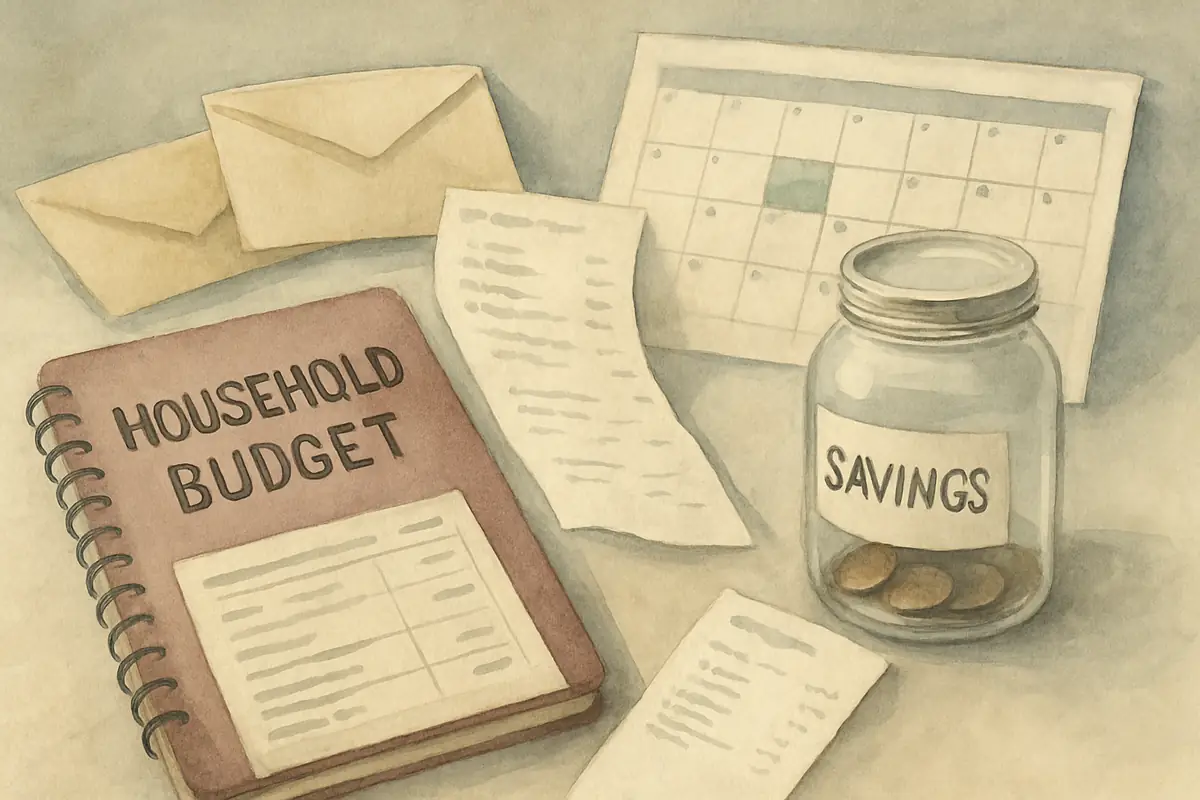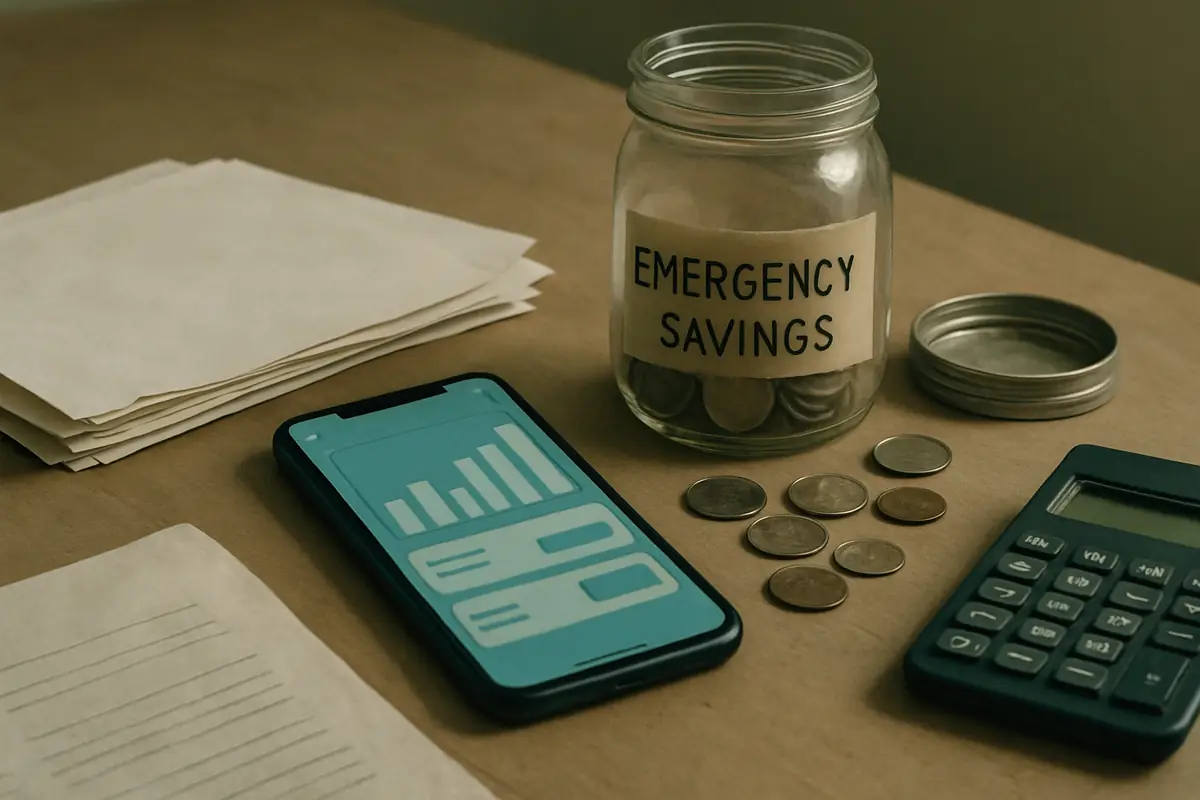
On a chilly November morning, the Johnson family faced an unexpected repair bill for their aging furnace totaling $1,200. With winter approaching rapidly, this unplanned expense threatened to strain their monthly budget, which typically runs about $3,000 for essentials. Fortunately, their emergency fund, covering approximately three months of essential expenses—around $9,000—allowed them to address the repair immediately without turning to credit cards or loans. This real-life example highlights the critical role emergency funds play as a financial buffer against unavoidable shocks that many households encounter.
The Importance of Emergency Funds in Household Finance
An emergency fund is a cash reserve specifically set aside to cover unforeseen expenses such as medical emergencies, urgent home repairs, or sudden income loss. Unlike regular savings earmarked for vacations, major purchases, or discretionary spending, emergency funds prioritize immediacy, liquidity, and accessibility. Financial experts typically recommend maintaining between three and six months’ worth of essential living expenses in this fund to provide a robust cushion during difficult periods. For many U.S. households, this translates to a range of $5,000 to $15,000 depending on monthly costs and income stability.
Essential expenses considered when calculating this fund generally include housing costs (rent or mortgage), utilities, groceries, insurance premiums, transportation, and minimum debt payments, excluding discretionary items like dining out or entertainment. For example, a household with $3,500 in essential monthly expenses would target an emergency fund between $10,500 (three months) and $21,000 (six months).
Life’s unpredictability means that without an emergency fund, families may face difficult choices such as tapping into retirement savings (often incurring penalties and tax consequences), increasing high-interest debt, or drastically cutting day-to-day spending. This pressure on cash flow can elevate stress levels and prolong financial recovery. Having a dedicated safety net reduces panic-driven decisions and enables more thoughtful financial adjustments when challenges arise.
Challenges Households Face in Building Emergency Funds
Building emergency savings is often difficult due to competing financial demands. Typical monthly budgets include rent or mortgage payments ranging from $1,000 to $2,500, utilities between $200 and $400, groceries averaging $400 to $700 for a family of four, and transportation costs that can exceed $300. When income fluctuates—common among hourly workers or gig economy participants—or unexpected bills appear frequently, saving even modest amounts monthly can feel overwhelming.
Inflation further complicates fund maintenance by eroding purchasing power over time. With annual inflation rates generally between 2% and 5%, a fixed emergency fund may cover fewer expenses after several years unless it is periodically reviewed and adjusted upward. For instance, a $10,000 fund today might effectively cover only about $9,500 in equivalent expenses after one year at 5% inflation, emphasizing the need for ongoing evaluation.
Psychological factors such as procrastination, underestimating emergency likelihood, or overestimating borrowing capacity also hinder fund growth. Some households prioritize immediate gratification or debt repayment without balancing the necessity of liquidity, which can leave them vulnerable during crises.
Systematic Approaches to Building Emergency Fund Savings
Adopting a stepwise, disciplined savings plan helps households build emergency funds despite financial constraints. The first step is identifying essential monthly expenses, excluding discretionary items, to clarify the target fund size. For example, if essentials total $3,500 monthly, a three-month emergency fund target is $10,500.
Next, setting achievable monthly savings goals aligned with cash flow is crucial. Even modest amounts accumulate significantly over time. For example, saving $150 per month results in $1,800 after 12 months. Assuming a high-yield savings account with a 1% annual percentage yield (APY)—which reflects the effective annual return including compounding—the balance would grow slightly above the sum of contributions.
Here is a worked example illustrating the accumulation over one year with monthly contributions and interest:
- Monthly contribution: $150
- Total contributions after 12 months: $150 × 12 = $1,800
- Assuming 1% APY compounded monthly, monthly interest rate = 1% ÷ 12 ≈ 0.0833%
- Future value formula for monthly contributions: FV = P × [((1 + r)^n - 1) ÷ r], where P = monthly payment, r = monthly interest rate, n = number of months
- Calculating: FV = 150 × [((1 + 0.000833)^12 - 1) ÷ 0.000833] ≈ 150 × 12.06 ≈ $1,809
The interest earned is approximately $9 over the year, modest but secure growth while maintaining liquidity.
Advantages of a Dedicated Emergency Fund
- Provides quick access to cash during urgent situations without penalties or loss of principal.
- Reduces reliance on costly credit cards or payday loans, which often carry annual percentage rates (APRs) between 18% and 30%.
- Offers psychological reassurance that mitigates stress during financial shocks.
- Helps avoid derailing long-term savings plans for retirement, education, or other goals.
Limitations and Considerations
- Liquidity can be limited if funds are tied up in accounts with withdrawal restrictions.
- Inflation may reduce the real value of funds if not periodically adjusted or invested cautiously.
- Maintaining large sums in low-yield accounts may be less financially efficient than accelerating debt reduction.
- Requires consistent budgeting discipline, which can conflict with other financial priorities.
Managing Medical Emergencies Without Derailing Finances
The Ramirez Family’s Unexpected Medical Bill
Ms. Ramirez’s son required urgent dental surgery costing about $2,500 out of pocket due to insurance deductibles and coverage gaps. Initially, they considered using their credit card with an APR near 24%, which would have resulted in substantial interest if not paid off quickly. However, their emergency fund contained roughly four months of essential expenses, totaling around $12,000. Drawing from this reserve allowed them to avoid costly interest charges while preserving their monthly budget for ongoing bills.
The trade-off meant temporarily pausing contributions toward discretionary savings goals, such as vacations, but prevented further debt accumulation during an already stressful period. This example illustrates how emergency funds can replace high-interest borrowing options that compound repayment complexity and increase financial strain.
Without such a cushion, families may enter revolving debt cycles, as minimum payments on credit cards are often calculated as 2% to 4% of the outstanding balance plus interest charges. For a $2,500 balance at 24% APR, minimum monthly payments could be $50 to $100, extending repayment over many months with substantial interest.
Balancing Emergency Fund Contributions Within Budget Planning
Realistic budgeting involves balancing immediate cash flow needs against multiple financial priorities, including debt payments, retirement savings, and daily living costs. Income fluctuations of 10% to 20%, common in seasonal or commission-based jobs, necessitate flexibility in monthly savings contributions. Maintaining steady, incremental progress toward emergency fund goals is more important than rapid accumulation or perfect timing.
Trade-Offs Between Debt Repayment and Emergency Savings
Households often face the dilemma of allocating limited disposable income toward either repaying existing debts or building emergency savings. Unsecured debts, such as credit cards, commonly carry APRs between 18% and 30%, representing the total annual cost of borrowing, including fees and interest. Prioritizing repayment of high-interest debt typically makes financial sense to reduce overall costs.
However, lacking any emergency fund risks forcing future reliance on these same costly credit lines when unexpected expenses arise. A balanced approach involves dividing surplus funds—allocating, for example, half toward extra debt payments and half toward building a starter emergency fund equivalent to one month’s essentials (around $3,000). Once this baseline is established, focus can shift to accelerated debt reduction while maintaining the fund.
Where Emergency Funds Are Held: Accessibility Versus Growth
Emergency funds are most effective when secure and accessible within days without penalties or loss of principal. High-yield savings accounts typically offer interest rates between 0.5% and 1.5%, providing safety and liquidity superior to keeping cash at home, though returns remain modest due to low risk.
Certificates of Deposit (CDs) may pay slightly higher interest rates—sometimes between 1% and 3%—but usually require locking funds away for fixed terms ranging from three months to several years. Early withdrawals often incur penalties, making CDs less suitable as primary emergency reserves.
Recognizing When Emergency Funds May Be Insufficient
Emergencies are not always limited to small or one-off expenses. Some households face extended income loss due to job layoffs lasting several months or crises requiring larger reserves beyond typical emergency savings. In such cases, additional financial strategies—such as unemployment benefits, insurance policies, or temporary income support—may be necessary alongside savings.
Reflections From the Johnson Family: How Their Emergency Fund Changed Their Outlook
Mrs. Johnson recalls, "When our furnace broke down, we weren’t sure how we'd manage financially this winter without dipping into credit cards." Their emergency fund, covering roughly three months’ worth of necessary expenses—close to $9,000—brought immediate relief beyond just paying the bill. It gave them breathing room to explore furnace replacement options rather than rushing decisions under pressure.
Mr. Johnson adds, "The experience motivated us to keep that cushion intact while closely monitoring other spending categories so we wouldn’t be caught off guard again." They acknowledge that consistent sacrifices, such as postponing vacations in prior years, were worthwhile trade-offs compared to the risk of spiraling debt or facing heating utility gaps during cold months.
Integrating Emergency Funds With Broader Financial Goals
Emergency funds serve as a financial safety net and must be integrated into broader financial planning for effective money management. Rather than existing in isolation, an emergency fund is a foundational pillar supporting other objectives like retirement savings, debt repayment, and investment growth.
For example, a robust emergency fund prevents the need to liquidate long-term investments prematurely, which often results in penalties or lost growth opportunities due to factors like capital gains taxes or unfavorable market timing. When setting financial goals, individuals should allocate resources strategically, ensuring emergency funds are adequately funded before committing significant amounts to riskier or less liquid assets.
This integration fosters disciplined budgeting and prioritization, promoting a balanced approach where immediate security and future wealth creation coexist.
Consider Sarah, who began aggressively paying down student loans but neglected to build an emergency cushion. When her car required a $600 repair unexpectedly, she charged the expense to a high-interest credit card, adding to her debt load. Had Sarah maintained an emergency fund, she could have managed the repair without incurring additional liabilities. This example underscores how emergency funds facilitate smoother progress toward multiple financial goals by absorbing shocks that might otherwise derail plans.
Adapting Emergency Fund Sizes Based on Life Stages and Income Stability
The appropriate emergency fund size is dynamic and varies based on individual circumstances such as life stage and income stability. Young adults starting their careers with stable jobs and minimal financial obligations might maintain a smaller fund—around three months’ worth of living expenses temporarily.
As responsibilities grow with marriage, homeownership, or parenthood, increasing this buffer to four to six months is advisable to cover higher living costs or unexpected events affecting multiple family members. Those with irregular incomes, such as freelancers or gig workers, typically benefit from even larger reserves, often six months or more, due to unpredictable cash flow.
People nearing retirement may adjust their emergency savings based on anticipated healthcare expenses and liquidity from pensions or social security benefits. Regularly reviewing and recalibrating fund targets—annually or after major life events—ensures alignment with evolving financial needs.
Psychological Benefits of Maintaining an Emergency Fund
Beyond tangible financial protection, emergency funds offer significant psychological benefits that enhance overall wellbeing and decision-making. Knowing there is accessible money for unforeseen expenses alleviates anxiety related to financial insecurity and reduces stress during crises.
This peace of mind improves focus, productivity, and resilience by minimizing distractions caused by monetary worries. Individuals lacking a cushion may feel pressured to make hasty decisions under duress, such as withdrawing retirement savings early or taking on high-cost loans, which often have long-term negative consequences.
Conversely, those with adequate reserves demonstrate greater confidence in navigating setbacks calmly and thoughtfully. Emotional stability supports better money management habits and fosters a proactive mindset toward future planning.
Choosing Appropriate Vehicles for Emergency Funds
Selecting where to keep emergency funds is as critical as deciding how much to save. Primary considerations include liquidity—the ability to access funds quickly without penalties—and safety from market fluctuations or principal loss.
Common vehicles include high-yield savings accounts, money market accounts, and short-term CDs. High-yield savings accounts offer instant access with interest rates typically between 0.5% and 1.5%, making them a popular choice for emergency funds.
Money market accounts may provide slightly higher rates but sometimes require minimum balances and limit withdrawals to six per month due to federal regulations. Short-term CDs offer better returns, often between 1% and 3%, but restrict withdrawals until maturity; early access usually incurs penalties, limiting their suitability for emergencies.
Because emergencies are unpredictable, prioritizing liquidity over yield is generally recommended. Some savers diversify across these safe vehicles to optimize returns without sacrificing availability.
Challenges in Building and Maintaining Emergency Funds
Despite their importance, building and maintaining adequate emergency funds presents challenges. Competing financial priorities such as debt repayment, retirement contributions, and daily expenses can delay savings. Inconsistent income streams further complicate regular saving for many households.
Misconceptions about the likelihood of emergencies or overconfidence in borrowing capacity increase vulnerability. Psychological barriers like procrastination or reluctance to sacrifice current lifestyle comforts also delay fund initiation or replenishment after withdrawals.
Addressing these challenges requires education, disciplined budgeting, and setting realistic, incremental goals aligned with individual circumstances.