In 2023, the average American household spent between $4,000 and $6,000 per month on recurring bills and living costs—a figure that has steadily increased over the past decade. This steady climb is driven by a mix of rising essential costs, new subscription services, and the unpredictable nature of emergencies. Managing these evolving monthly expenses requires more than simply reacting to each new charge; it demands a proactive approach grounded in understanding how economic trends, technology, and lifestyle choices shape your financial obligations. This guide examines the mechanics behind changing expenses and provides practical steps for building resilience into your budget.
Key Drivers Behind Shifting Monthly Expenses
Monthly expenses are shaped by a web of economic forces, technological innovations, and shifting lifestyles. Inflation—a general increase in prices—has averaged 2% to 4% annually in recent years, causing necessities like groceries, energy bills, and healthcare to climb steadily. For example, typical utility bills for a three-person household might rise from $180 to $220 per month over five years. Healthcare premiums, which are the regular monthly payments for insurance coverage, often increase by $50 to $100 per month every few years for many families.
Beyond inflation, evolving consumer habits add new layers to budgets. Subscriptions for streaming platforms, meal kits, and wellness apps now account for $50–$100 monthly in many households. The rise of remote and hybrid work has also shifted spending: home office equipment, higher electricity use, and faster internet plans can add $30–$70 per month. Recognizing how these fixed (unchanging, like rent or mortgage) and variable (fluctuating, like groceries or entertainment) costs evolve is crucial for maintaining control over your cash flow.
Effective Methods for Tracking Monthly Spending Amid Constant Change
Keeping tabs on monthly bills, especially as they fluctuate, is essential for long-term financial stability. Many households leverage budgeting apps and bank alerts to monitor trends, but these tools can miss occasional or one-off charges—such as annual subscription renewals or unexpected service fees, which can range from $20 to $150 at a time. Manual review remains indispensable: setting aside an hour each month to compare your actual expenses against your budget can uncover hidden leaks and prevent costly surprises.
For example, consider a household that budgets $300 per month for groceries but sees the total climb to $350 due to inflation and increased delivery fees. By reviewing receipts and bank statements, they might spot a recurring $15 delivery charge and decide to shop in-store more often, saving $180 per year. This blend of technology and hands-on review helps keep your budget accurate and responsive.
Scenario: Emily's Growing Home Expenses
Emily, who works part-time from home, noticed her monthly electricity bill rose from $85 to $120 over a single winter—despite efforts to conserve. Combined with a $25 fitness subscription and a $40 increase in grocery costs, her budget felt stretched. By tracking each expense weekly and comparing with prior months, Emily found that heating her workspace was the main culprit. She invested $200 in a programmable thermostat and energy-efficient heater, which reduced her monthly electricity bill by $18, meaning her investment would pay off in just over 11 months.
Anticipated New Monthly Costs in the Next Five Years
Looking forward, several expense categories are expected to see notable changes by 2029. Utility rates may increase by 10%–20% due to infrastructure upgrades and environmental regulations. Subscription models are expanding beyond media to transportation, tools, and even clothing, potentially adding $100 or more per month for those who opt in. Healthcare premiums, which cover your insurance policy, are likely to rise by $50–$100 per month for many, especially as cost-sharing (splitting costs between insurer and policyholder) becomes more common. Ongoing education fees and digital services could add another $20–$60 monthly, reflecting the growing need for skill development in a changing job market.
| Expense Category | Trend Over Next 5 Years | Potential Impact on Budget |
|---|---|---|
| Utilities (Electricity, Water) | Moderate increase due to infrastructure upgrades | May add $30–$60/month |
| Digital Subscriptions | Increase as services diversify | $10–$50/month extra depending on choices |
| Healthcare Premiums | Likely steady rise with inflation | $50–$100/month more possible |
| Transportation (Subscription Models) | Growing shift from ownership to subscriptions | $100+/month depending on region |
| Home Office Needs | Increased due to hybrid work trends | $20–$40/month for equipment amortization (spreading out the cost of equipment over its useful life) |
These projections vary by location, household size, and preferences but offer a framework for anticipating future expenses. Planning for incremental increases—such as setting aside an extra $50 per month in anticipation—can help absorb these changes without budget shocks.
Strategies for Managing Rising Costs Without Sacrificing Essentials
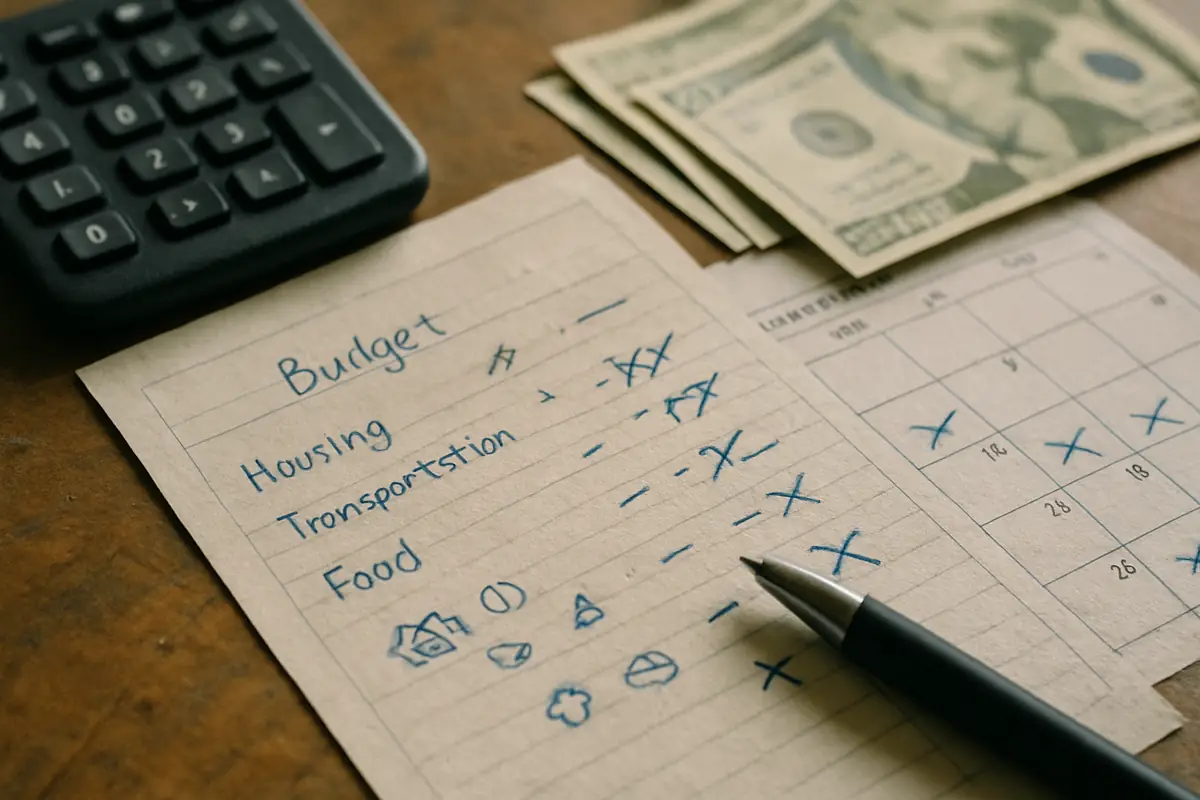
Balancing rising expenses often means making trade-offs. One proven approach is to categorize spending into essentials (housing, food), flexible items (entertainment, dining out), and optional extras (luxuries, impulse buys). For instance, trimming $30–$50 per month from non-essential subscriptions can free up funds for rising grocery or utility costs, which typically account for 20%–30% of a household’s budget.
Efficiency improvements can also deliver savings. Upgrading to LED lighting can reduce electricity use by up to 75%, potentially saving $8–$15 per month. A programmable thermostat, costing around $100–$250, may lower heating and cooling bills by $20–$40 monthly. While these investments require upfront cash, the payback period (the time it takes for savings to equal the initial cost) is often under two years.
Worked Calculation Example: Amortizing a Home Office Upgrade
If you spend $600 on a standing desk and ergonomic chair, and expect to use them for five years, the monthly amortization (spreading the cost over the useful life) is $600 / (5 years × 12 months) = $10 per month. Factoring this into your budget helps you accurately track the true monthly cost of working from home.
The Importance of Regularly Reviewing Your Monthly Expense Plan
Consistency and flexibility are both vital for financial stability. Life changes—such as a new job, expanding family, or market shifts—can alter your expense landscape overnight. Scheduling quarterly budget reviews allows you to compare current bills with projections and adjust as needed. For example, if your winter heating bill spikes by $60, planning ahead by saving during lower-cost months can help smooth out seasonal fluctuations.
During reviews, pay attention to utilization rates (the percentage of a resource you actually use, such as how much of your data plan or streaming service you consume) and look for recurring patterns or unexpected spikes. Adjusting your plan proactively helps maintain resilience, especially when inflation or emergencies threaten to erode your purchasing power.
Where readers should be careful
Relying solely on fixed income assumptions without accounting for inflation—which can reduce purchasing power by 10%–15% over five years—or unplanned emergencies may leave you financially vulnerable. Build in buffers wherever possible.
Adapting to Unexpected Expenses During the Month
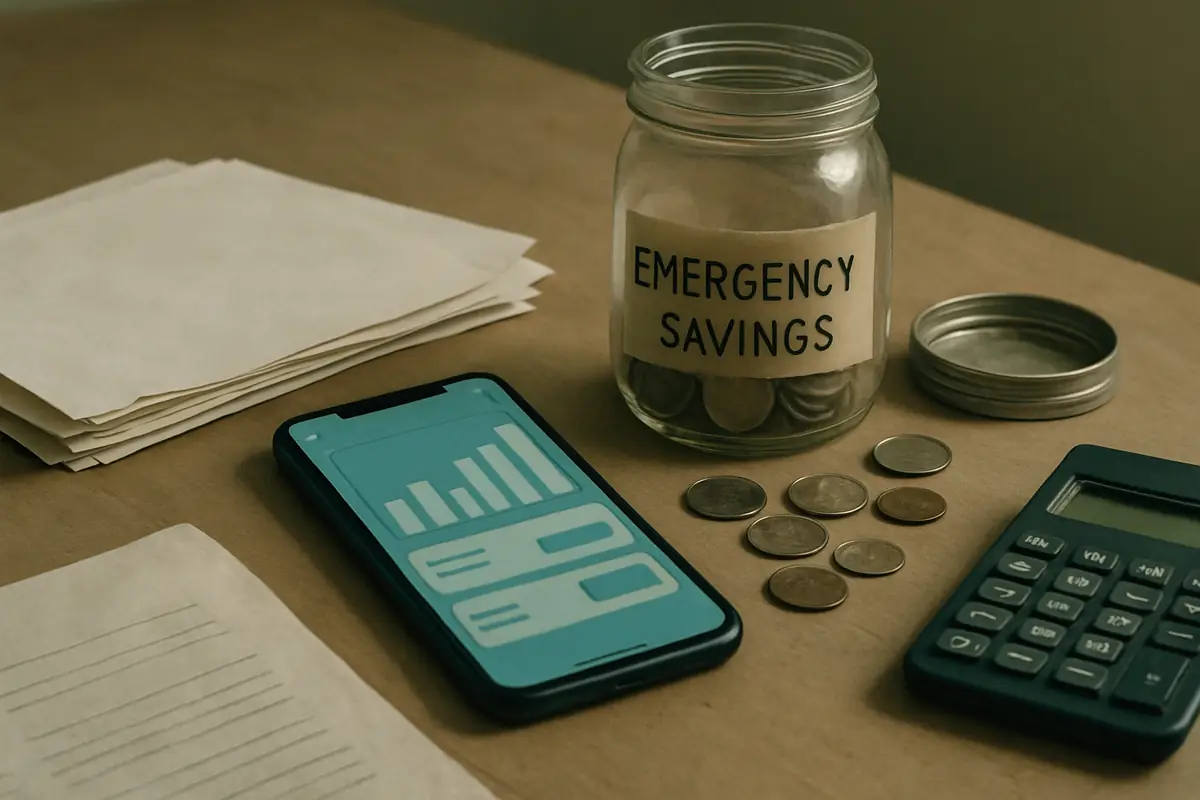
Unplanned expenses, such as emergency repairs or medical bills, can disrupt even the best-laid budgets. Financial experts recommend building an emergency fund equal to at least one to three months’ worth of essential expenses; for a household spending $3,000 monthly, this means saving $3,000–$9,000 over time. If you’re still building your fund, prioritize critical payments (like rent or utilities) and negotiate payment plans for less urgent bills to avoid late fees or credit score impacts. Open communication with service providers can often yield more flexible arrangements than ignoring bills.
Scenario: Marcus Faces an Unexpected Car Repair Bill
Marcus had just finalized his monthly budget when his car broke down, requiring $800 in repairs—well above his available discretionary funds. Rather than missing rent or utility payments, Marcus arranged a $200/month payment plan with the auto shop and paused $60/month in non-essential subscriptions. This approach stabilized his finances without incurring late fees or damaging his credit.
How Lifestyle Choices Influence Monthly Expenses
Lifestyle decisions play a significant role in shaping recurring costs. Choosing minimalism can reduce the need for storage and maintenance, saving $20–$50 per month. Urban living may cut transportation costs by $100–$200 monthly compared to suburban or rural areas, while prioritizing home-cooked meals can lower dining expenses by $100 or more each month. On the other hand, adding smart home devices or premium memberships can introduce $10–$40 in new recurring charges, so it’s important to weigh these benefits against their long-term budget impact.
Benefits of Conscious Lifestyle Planning for Expenses
- Aligns spending with personal priorities and values.
- Improves predictability of future cash flow requirements.
- Reduces the likelihood of surprise charges and financial stress.
Potential Challenges to Consider
- Requires regular self-assessment and adjustment, which can be time-consuming.
- May involve sacrificing some conveniences or comforts.
- Gradual changes can cause temporary uncertainty as habits shift.
Delaying Payments When Money Is Tight: Risks and Considerations
Delaying payments can seem like a short-term solution when cash flow is tight, but it carries risks. Late payments on credit cards—where annual percentage rates (APRs, the yearly cost of borrowing, typically between 18% and 30%) apply—can result in $25–$40 late fees and negative impacts on your credit score. Missing utility or rent payments may lead to service interruptions or eviction proceedings after repeated delinquencies. Whenever possible, prioritize essential bills and communicate with creditors to explore hardship programs or payment plans, which can help avoid long-term financial damage.
Questions to Keep Your Budget Resilient Against Future Surprises
Building a resilient budget is about more than tracking numbers—it requires ongoing self-assessment. Ask yourself: "Have my essential expenses changed by more than 5% in the past six months?" "Am I prepared for a $500–$1,000 emergency without using credit?" "Are there recurring charges I no longer value or use?" Regularly reviewing these questions ensures your budget can adapt to new circumstances and unexpected events.
Final Checks to Prepare for the Future of Monthly Expenses
What if my income doesn’t keep pace with rising expenses?
Consider reducing non-essential costs or exploring additional income sources, such as freelance work or selling unused items, while maintaining a focus on well-being.
Should I cancel all subscriptions I don’t use?
Review each subscription’s value—if you use it less than once per month or have forgotten about it, it may be time to cancel and redirect those funds.
What’s the best way to start an emergency fund?
Begin by setting aside $25–$50 per month into a separate savings account, increasing the amount as your budget allows, until you reach your target cushion.
Can investing in smart home tech really lower my bills?
Many smart devices, like thermostats and energy monitors, can reduce utility bills by 10%–20% over time, but compare upfront costs and expected savings before purchasing.
Adapting to Technological Advancements in Expense Management
Technology is transforming how households manage expenses. Mobile banking apps now offer real-time spending alerts, while automated budgeting tools categorize transactions and highlight trends. These platforms can help users quickly identify overspending and adjust habits before they become problematic. For example, AI-driven budgeting apps analyze spending patterns and suggest personalized savings goals, while voice assistants set bill reminders, reducing the risk of missed payments. As these tools advance, they will further empower consumers to maintain discipline and adapt to economic changes.
Digital wallets and contactless payments, which now account for over 30% of in-person transactions in some regions, make spending seamless but can lead to higher incidental expenses—like $3–$7 daily on coffee or snacks that add up to $90–$210 monthly. Awareness of these small, frequent purchases is key; integrating expense tracking with mindful spending education helps mitigate the risk of budget leaks.
The proliferation of subscription services also impacts monthly budgets. With the average household managing 5–10 recurring subscriptions, tracking and evaluating their necessity is crucial. Subscription management tools can send alerts before renewals and facilitate cancellations, helping prevent 'subscription fatigue' and unnecessary charges.
Environmental and Social Factors Shaping Future Expenses
Environmental sustainability is increasingly reflected in monthly expenses. Households may pay $10–$30 more per month for green energy plans or invest in energy-efficient appliances—often costing $200–$800 upfront but saving $10–$25 monthly on utility bills over time. As governments implement stricter environmental policies, utility costs may fluctuate or rise, especially in regions investing heavily in renewable infrastructure.
Social trends also shift spending. The growing focus on health and wellness has led families to allocate $50–$150 monthly for organic foods, fitness memberships, or mental health apps. These changes often come at the expense of traditional categories like dining out or entertainment. Demographic shifts, such as an aging population, can increase healthcare and home modification costs by $100–$300 monthly, while younger adults may prioritize travel or education, leading to different budgeting needs. Flexibility in budgeting ensures these evolving priorities are accommodated without sacrificing financial stability.
Inflation and Economic Policy: Their Effects on Household Budgets
Inflation, which steadily increases the cost of goods and services, remains a major force affecting monthly expenses. Even a 3% annual inflation rate can raise a $2,000 monthly budget by $60 in a single year. Over five years, this could mean an extra $300–$400 per month needed just to maintain the same lifestyle. Economic policies, such as tax changes or subsidy adjustments, also play a role. For example, increased fuel taxes may add $20–$40 monthly to transportation costs, while new tax credits could offset other expenses. Staying informed about these changes enables timely adjustments to your financial plan.
Practical Techniques for Managing Evolving Monthly Expenses
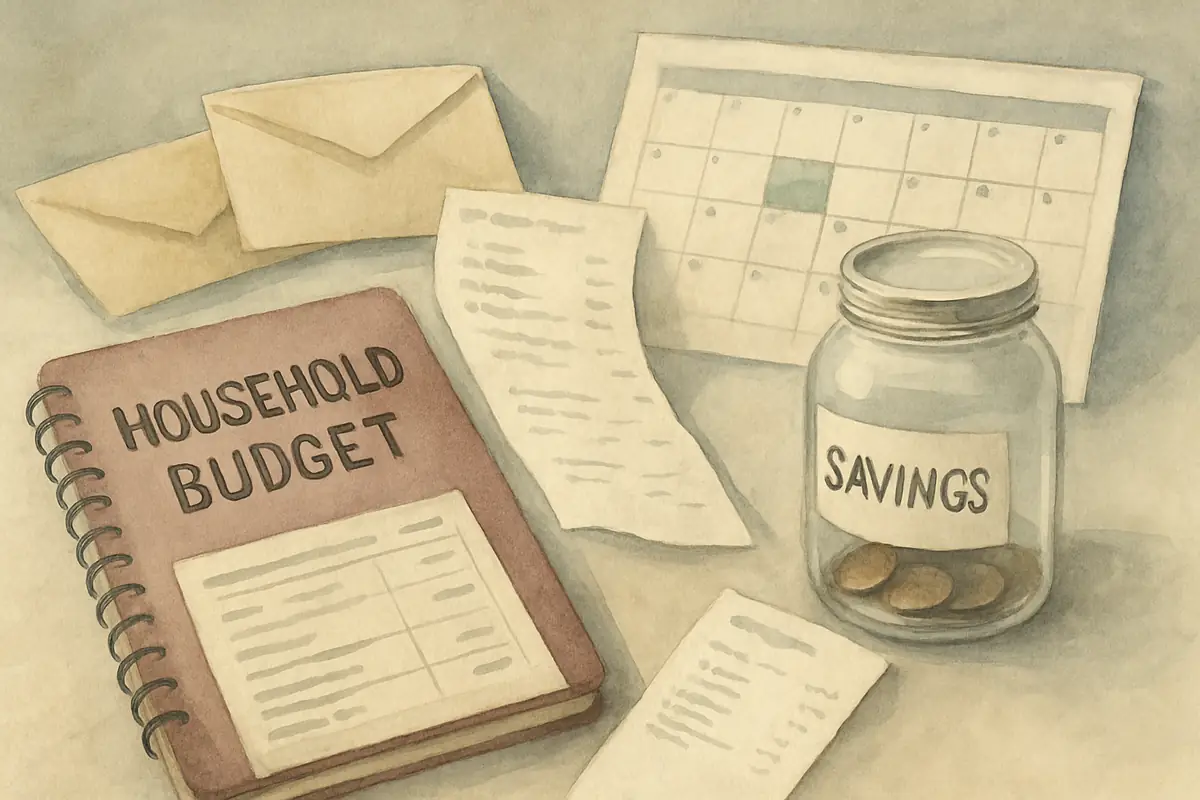
Successfully navigating future expenses requires flexible and proactive budgeting. Consider creating distinct categories for emerging costs—such as technology subscriptions or wellness spending—while maintaining close oversight of fixed costs like rent or utilities. Zero-based budgeting, which allocates every dollar of income to a specific purpose, ensures no funds are left untracked. Envelope budgeting, whether physical or digital, can help control discretionary spending by limiting available funds in each category.
Building an emergency fund tailored to cover one to three months of essential expenses safeguards against inflation spikes or sudden policy changes. Automating savings contributions—such as transferring 5%–10% of each paycheck into savings—can help build this cushion over time. Regular reviews and adjustments, ideally every three to six months, ensure your budget remains aligned with your current needs and future goals.