Millions of households depend on irregular income as their primary source of funds. Freelancers, seasonal workers, commission-based employees, and participants in the gig economy commonly receive paychecks that fluctuate significantly from month to month. Unlike salaried jobs with steady, predictable deposits, this variability introduces complex challenges for managing expenses, building savings, and handling debt. Developing strategies to accommodate fluctuating cash flow is crucial for maintaining financial resilience in an economy where income unpredictability affects roughly one-quarter of households at least occasionally.
The Effects of Irregular Income on Household Budgeting
Irregular income refers to earnings that vary in timing and amount, often unpredictably. For example, a freelance graphic designer might earn $2,000 in a slow month and $5,000 in a busier one depending on client demand. Similarly, a delivery driver’s hours may increase during holiday seasons, pushing income toward $4,000, but drop to $1,800 in off-peak months. This inconsistency complicates routine financial tasks such as covering fixed monthly bills or saving for emergencies. Surveys indicate that approximately 20% to 30% of U.S. households report receiving irregular income at least occasionally, highlighting its widespread impact.
The primary budgeting challenge is aligning cash inflows with cash outflows. Fixed expenses—such as rent or mortgage payments, insurance premiums, and loan repayments—typically consume 30% to 40% of net monthly income and remain constant month-to-month. Variable expenses like groceries, utilities, and transportation are more flexible but still essential. Consider a household with monthly income fluctuating between $2,000 and $4,000 but fixed bills averaging $3,000 monthly. This household must carefully manage funds to avoid shortfalls that could lead to late fees or reliance on high-interest credit.
How Irregular Income Complicates Financial Planning
Traditional budgeting assumes a stable monthly income, allowing for predictable allocation toward essentials, discretionary spending, savings, and debt repayment. Without reliable income estimates, households must adopt conservative assumptions and maintain larger financial buffers. Emotional stress often accompanies income uncertainty, causing some to delay bill payments or forego savings during lean periods.
A common mistake is overspending during high-income months based on inflated income expectations, only to face hardship in leaner times. Another significant challenge is building an emergency fund sufficient to cover several months of essential expenses. While the standard recommendation is three to six months of living costs, those with irregular income often need to target the upper end or beyond—six to nine months—to ensure security during prolonged income gaps.
Developing a Flexible Budget to Manage Fluctuating Income
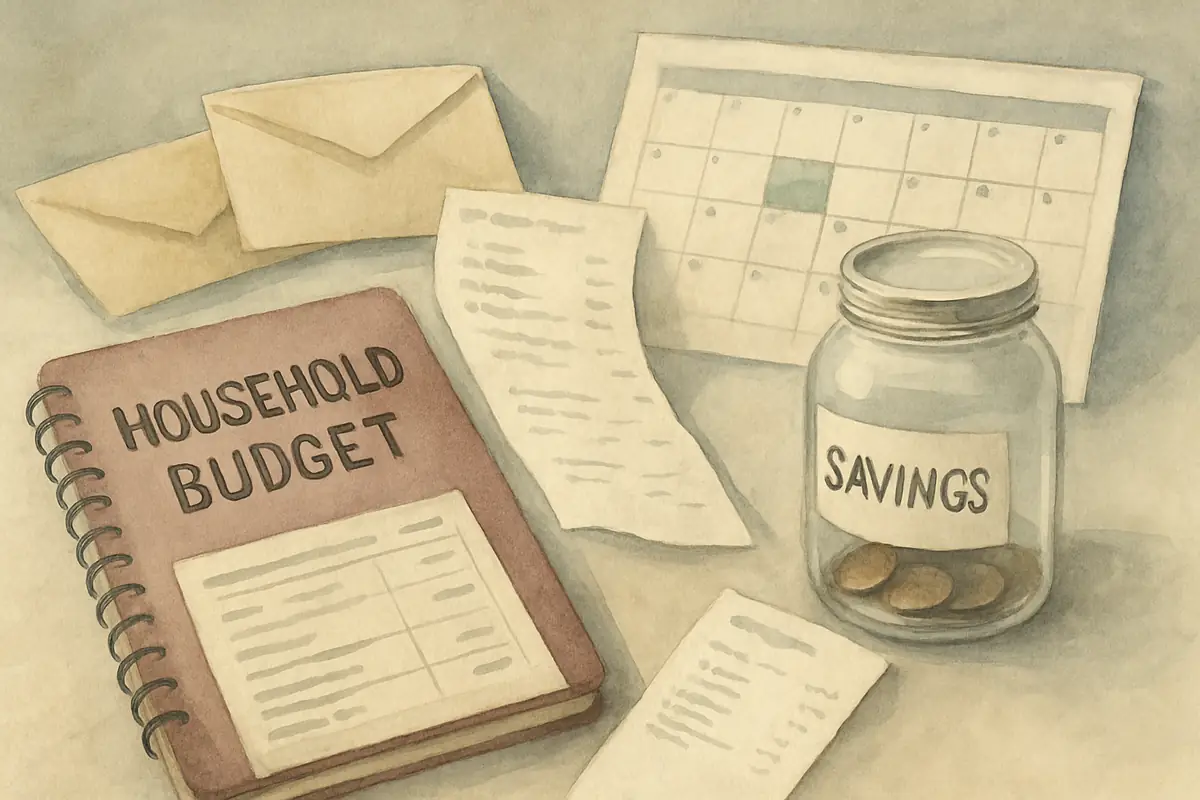
A practical budgeting method begins by establishing a "baseline" budget based on the lowest income received over the past three to six months rather than an average or peak amount. This baseline should cover all fixed expenses plus essential variable costs like food and transportation. For example, if the lowest monthly income recorded was $2,200 and fixed bills total $1,800 (including rent, utilities, and insurance), the household’s sustainable budget target should not exceed $2,200. Discretionary spending must be adjusted accordingly.
Next, categorize expenses into two tiers: Tier 1 includes essentials funded by guaranteed or minimum expected income, and Tier 2 consists of flexible discretionary expenses such as dining out, entertainment subscriptions, and non-urgent purchases. This two-tier system prevents overspending in low-income months while allowing some financial breathing room when income exceeds the baseline.
For example, suppose a household’s baseline income is $2,200, with fixed expenses of $1,800. This leaves $400 for Tier 2 discretionary spending during lean months. In months when income rises to $3,500, the additional $1,300 can be allocated to extra savings, debt repayment, or increased discretionary spending. This approach smooths cash flow challenges and encourages disciplined money management.
Building Emergency Savings with Variable Earnings
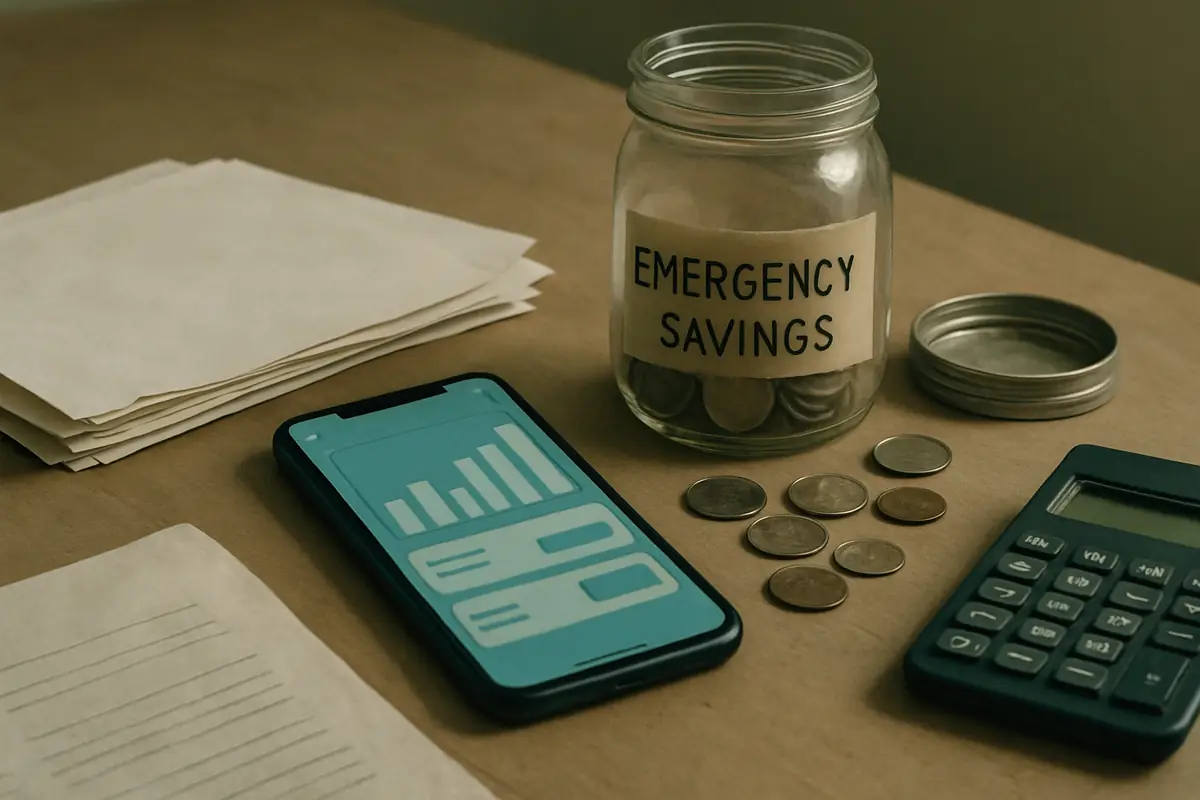
Establishing an emergency fund is vital for financial stability, especially with irregular income. Instead of basing the fund on average income, households should calculate it using their baseline budget—covering essential expenses only. Experts recommend saving at least four to six months’ worth of essential living costs, and for those with unpredictable earnings, aiming for six to nine months provides a more robust safety net.
For example, if a household’s baseline monthly essential expenses are $2,000, the emergency fund target should range from $8,000 to $18,000. Building this fund can be challenging when income is tight some months. One effective strategy is to save a fixed percentage of each payment received—commonly 5% to 10%—rather than a fixed dollar amount. For instance, if a freelancer receives $3,500 in a given month and saves 5%, they would set aside $175 immediately into savings before covering bills and discretionary expenses.
Automating transfers to a dedicated high-yield savings account can help maintain consistency and reduce the temptation to spend emergency funds on non-urgent needs. Maintaining this reserve exclusively for true emergencies such as medical bills, urgent home repairs, or unexpected income gaps preserves financial security.
Managing Payment Timing and Bill Obligations with Uneven Income
One of the greatest stressors for households with irregular income is the mismatch between unpredictable cash inflows and fixed bill due dates. Rent, mortgage, loan repayments, and utility bills often have fixed monthly deadlines, which can create cash shortfalls if funds are delayed or irregular.
- Establish automatic payments timed shortly after expected pay dates when possible to avoid late fees.
- Proactively request due date adjustments from creditors or service providers to better align payment deadlines with income receipt schedules; many providers accommodate such requests when approached in advance.
- Maintain a separate "bill payment" account where funds are pooled before disbursing payments. This helps prevent accidental overspending and ensures bills are prioritized.
- Build a short-term cash buffer equivalent to one month’s rent or mortgage payment by saving surplus income during higher-earning months.
These strategies reduce reliance on costly credit options such as credit cards, which commonly carry annual percentage rates (APR) between 18% and 30%. APR represents the yearly cost of borrowing, including interest and fees, expressed as a percentage. High APRs can cause debt balances to grow rapidly when payments are delayed, exacerbating financial strain.
Balancing Debt Repayment and Savings Growth
Individuals with irregular income often face tough decisions between accelerating debt repayment and building savings. Carrying balances on credit cards or personal loans with APRs ranging from 15% to 25% can lead to significant interest costs, making timely repayment important. However, neglecting savings can leave households vulnerable to emergencies that trigger costly borrowing.
A balanced approach might allocate 60% of discretionary surplus funds toward debt reduction and 40% toward emergency savings until debts reach manageable levels or recommended savings thresholds are met. For example, if a household has $1,000 in surplus income one month, $600 would go toward paying down high-interest debt, while $400 would be saved. This strategy reduces interest burden while gradually building a financial cushion.
Real-Life Scenario: The Parkers' Journey Through Income Variability
Consider the Parkers, a family of four with a combined irregular monthly income ranging from $2,500 to $4,500. Their fixed monthly expenses total $2,200, including rent, utilities, insurance, and minimum debt payments. They build a baseline budget using their lowest recent income of $2,500, covering essentials within that limit. In higher-income months, they allocate surplus funds to an emergency savings account and extra debt payments.
By saving 8% of each payment received, the Parkers steadily grow their emergency fund. For example, in a $4,000 income month, they save $320 immediately. They also negotiate with creditors to shift bill due dates closer to expected paydays, reducing timing stress. Over 12 months, these strategies enable the Parkers to build a reserve covering six months of essential expenses ($13,200) and reduce credit card debt by 30%, improving their financial stability despite income fluctuations.
Monitoring Inflation Within an Irregular Income Framework
Inflation—the general increase in prices over time—impacts essential household costs such as groceries, fuel, and healthcare premiums. Typical inflation rates range from 3% to 7% annually, depending on economic conditions. For households with irregular income, stagnant or declining earnings combined with rising expenses erode purchasing power, tightening budgets further.
Households must track price changes closely and adjust budgets accordingly, ensuring emergency funds account for anticipated inflation. For example, if grocery bills rose from $600 per month two years ago to $660 now—a 10% increase—this increment should be incorporated into the baseline budget. Ignoring inflation risks underfunding essential expenses and depleting reserves prematurely.
Long-Term Habits That Promote Stability Despite Income Variability
Developing disciplined financial habits is essential to managing irregular income successfully. Regular quarterly expense reviews help detect creeping costs before they overwhelm budgets. Automation tools like calendar alerts for bill payments reduce errors caused by distraction or shifting pay schedules.
Open communication among household members fosters shared responsibility, such as agreeing on spending limits for discretionary categories during low-income months to minimize conflict. Tracking actual income against projections over time allows realistic budgeting based on observed income patterns rather than optimistic assumptions.
Consistency, not perfection, is key. Flexible yet disciplined money management builds resilience against shocks like contract cancellations or unexpected repairs, enabling households to maintain financial health despite income unpredictability.
Payment Timing
Align bill due dates with typical income receipt schedules where possible; prioritize essential fixed payments first to avoid late fees and penalties.
Baseline Budgeting
Calculate minimum reliable income over recent months and build budgets conservatively around this figure rather than averages or peaks.
Savings Strategy
Allocate a fixed percentage (e.g., 5% to 10%) of every incoming payment toward emergency savings until the target cushion is reached.
Building a Flexible Budget to Accommodate Income Fluctuations
One of the most effective strategies for managing irregular income is developing a flexible budget that adjusts according to monthly earnings. Unlike traditional fixed budgets, which assume steady income, flexible budgets scale expenses up or down based on actual receipts. This requires prioritizing essentials such as rent, utilities, food, and minimum debt payments, with discretionary spending allocated only after covering necessities.
Individuals with inconsistent income benefit from categorizing expenses into fixed and variable groups and setting realistic spending limits that can shift month to month. For example, during months when income exceeds the baseline, surplus funds can be directed toward savings or paying bills ahead. In leaner months, discretionary expenses are reduced or deferred. This dynamic budgeting prevents overspending and fosters disciplined financial habits tailored to fluctuating cash flow.
Implementing zero-based budgeting—where every dollar of anticipated income is assigned a purpose before the month begins—further enhances flexibility. This method enforces deliberate spending decisions and helps avoid treating higher-income months as opportunities for splurging. Budgeting software and apps designed for irregular income can provide real-time adjustments and alerts when spending nears preset limits. Over time, tracking income patterns enables better forecasting of lean periods and proactive preparation, reducing stress associated with unpredictability and ensuring essential obligations are met consistently.
Establishing an Emergency Fund Amid Variable Income Challenges
An emergency fund is the cornerstone of financial resilience, especially for those with irregular earnings. Building this fund can be difficult when monthly income fluctuates significantly. To address this, individuals should calculate the emergency fund target based on average monthly essential expenses rather than average income. Experts recommend saving three to six months’ worth of living costs, but for unpredictable revenue streams, aiming for six months or more offers greater security during extended dry spells or unexpected shocks.
Growing an emergency fund steadily despite income variability can be facilitated by saving a percentage of each payment received rather than a fixed amount. This aligns contributions with earnings—higher incomes yield larger deposits, while lower incomes require less immediate allocation, maintaining feasibility and motivation. Automating transfers to a separate high-yield savings account immediately after payments are received ensures consistent progress toward the goal without relying solely on willpower. Avoiding use of the emergency fund for non-essential purchases preserves its integrity for genuine crises such as medical emergencies or urgent home repairs.
Managing Debt Repayment with Income Fluctuations
Irregular income complicates debt repayment because inconsistent cash flow may interfere with making timely payments. To mitigate risks like late fees and credit score damage, prioritizing minimum debt payments within the flexible budget is essential. Individuals should maintain minimum payments across all debts to avoid penalties while directing any surplus funds toward high-interest debts such as credit cards or payday loans, which often carry APRs between 18% and 30%. APR (annual percentage rate) is the yearly cost of borrowing, including interest and fees, expressed as a percentage.
Debt repayment strategies like the snowball and avalanche methods can be adapted for irregular income. The snowball method focuses on paying off smaller balances first for psychological motivation, while the avalanche targets debts with the highest interest rates for financial efficiency. For fluctuating incomes, a hybrid approach works well: allocate minimum payments during low-income months and aggressively pay down one priority debt during high-income months, balancing credit health maintenance with accelerated debt reduction.
Leveraging Multiple Income Streams to Stabilize Cash Flow
Diversifying income sources is a popular strategy for individuals facing irregular primary earnings. Supplementary revenues from freelance gigs, part-time jobs, investments, rental properties, or royalties provide additional cash flow that smooths dips in primary income cycles. This diversification reduces reliance on a single income source and enhances financial security over time.
However, managing multiple income streams requires organization and awareness of tax implications, as each source may have different reporting requirements and payment schedules. Tracking combined income monthly helps maintain accurate budgets and ensures compliance with tax obligations. Pursuing passive income avenues such as dividend-paying stocks or automated online businesses can build more stable returns without continuous active effort—a crucial advantage during unpredictable working periods.
Using Technology and Automation to Improve Financial Stability
Technology offers powerful tools that make handling irregular income more manageable through automation and enhanced visibility. Setting up automatic bill payments synchronized with expected pay dates ensures critical expenses are paid on time, even when income arrives late or sporadically.
Budgeting apps with predictive analytics analyze historical earning patterns to forecast future inflows, helping users plan expenditures proactively rather than reactively. These tools enable real-time expense tracking by linking bank accounts or credit cards, providing instant feedback on spending relative to budget limits. This empowers better financial decisions throughout variable income periods and encourages discipline.