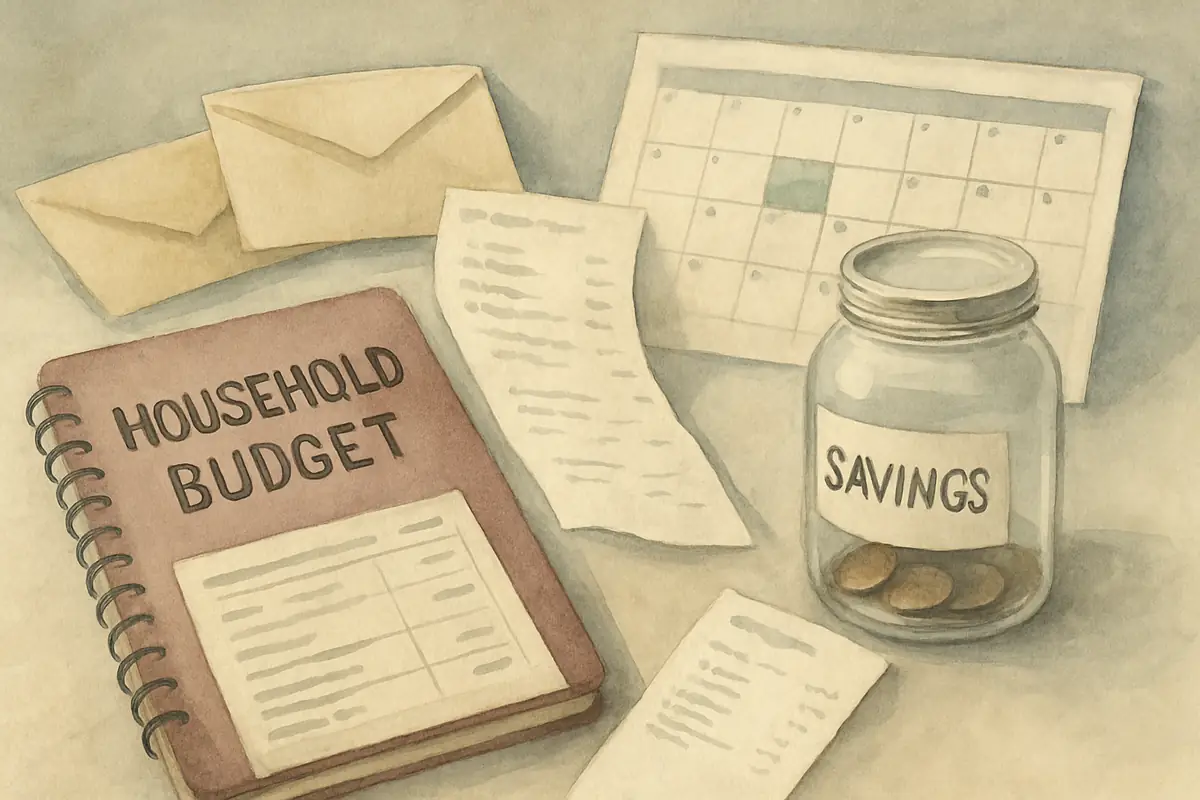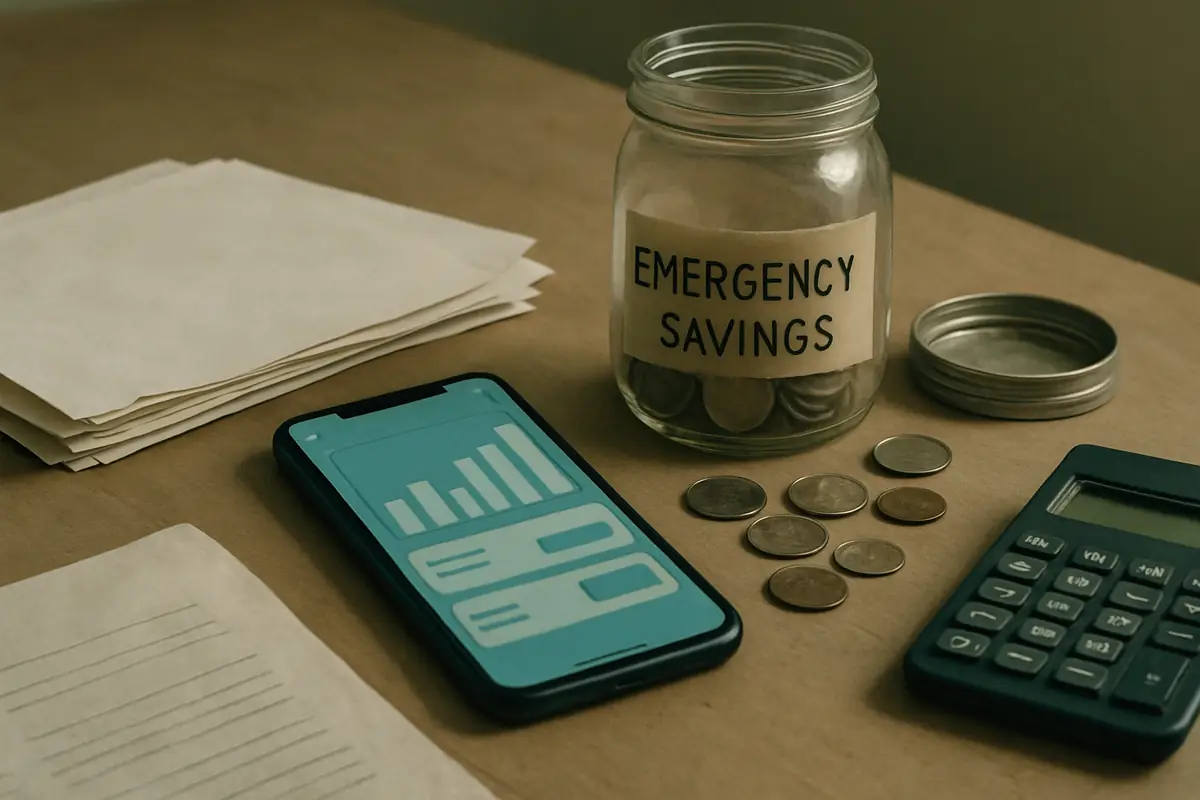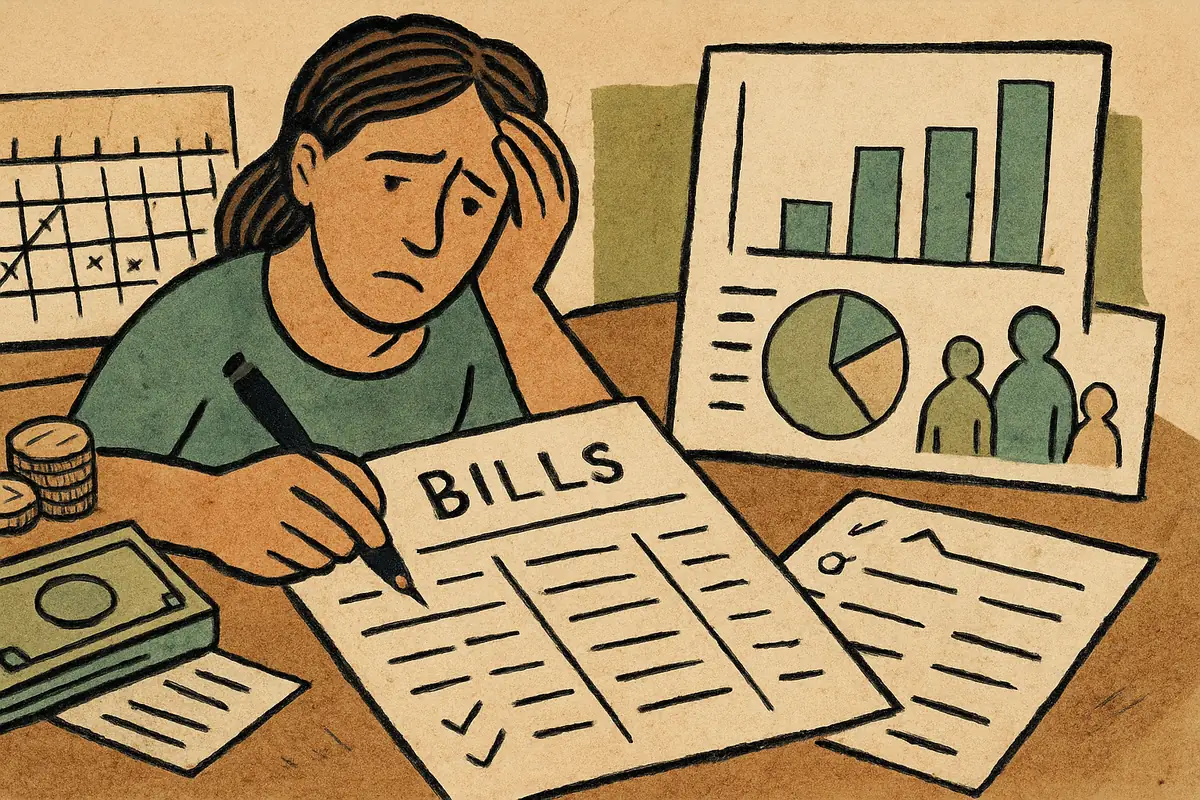
During periods of financial stress, many households see their monthly cash flow shrink by 10% to 40% due to job loss, reduced hours, or unexpected expenses. In these moments, a budget transforms from an abstract plan into a practical survival tool. Rather than demanding perfection, a useful budget during hardship emphasizes flexibility, emotional honesty, and realistic navigation of trade-offs. Its value lies not in flawless tracking, but in its ability to help you make informed decisions and regain a sense of control—even when circumstances are unpredictable.
Consider Sarah, a single mom whose freelance income swings between $2,000 and $3,500 per month. When her income dipped, she initially tried to track every cent, but the process became overwhelming as irregular bills and surprise expenses—like a $120 school fee or a $90 car repair—kept cropping up. Her experience highlights a common pitfall: overly strict budgets can intensify stress, especially when income and expenses are volatile.
Instead, a budget in tough times acts like a flashlight: it won’t reveal every obstacle, but it helps you avoid the biggest pitfalls. This mindset shift—from chasing exact numbers to focusing on workable solutions—makes budgeting a source of support rather than a source of shame or anxiety.
How Budgets Function Under Financial Pressure
Budgets typically serve several functions: tracking spending, planning for upcoming expenses, and guiding savings toward goals. In times of financial strain, priorities shift. Preventing overspending becomes urgent, while building long-term savings may take a temporary back seat. For example, if your income drops by 25%, your budget’s primary job is to ensure essentials—such as rent, utilities, and groceries—are covered before anything else.
In stressful periods, budgets also provide psychological grounding. Writing down your actual income and expenses, even if they fluctuate, can reduce the chaos of not knowing where your money is going. However, this only works if the process itself is manageable; if budgeting feels like a burden, it’s less likely to help you regain control.
Balancing Accuracy and Simplicity in Budgeting
One major decision is whether to track every transaction in detail or use broad categories. Detailed budgets may list every expense—down to a $2.50 coffee or a $15 streaming subscription—offering clarity but requiring significant time and mental energy. During stress, this level of detail can become exhausting, especially if your spending varies week to week.
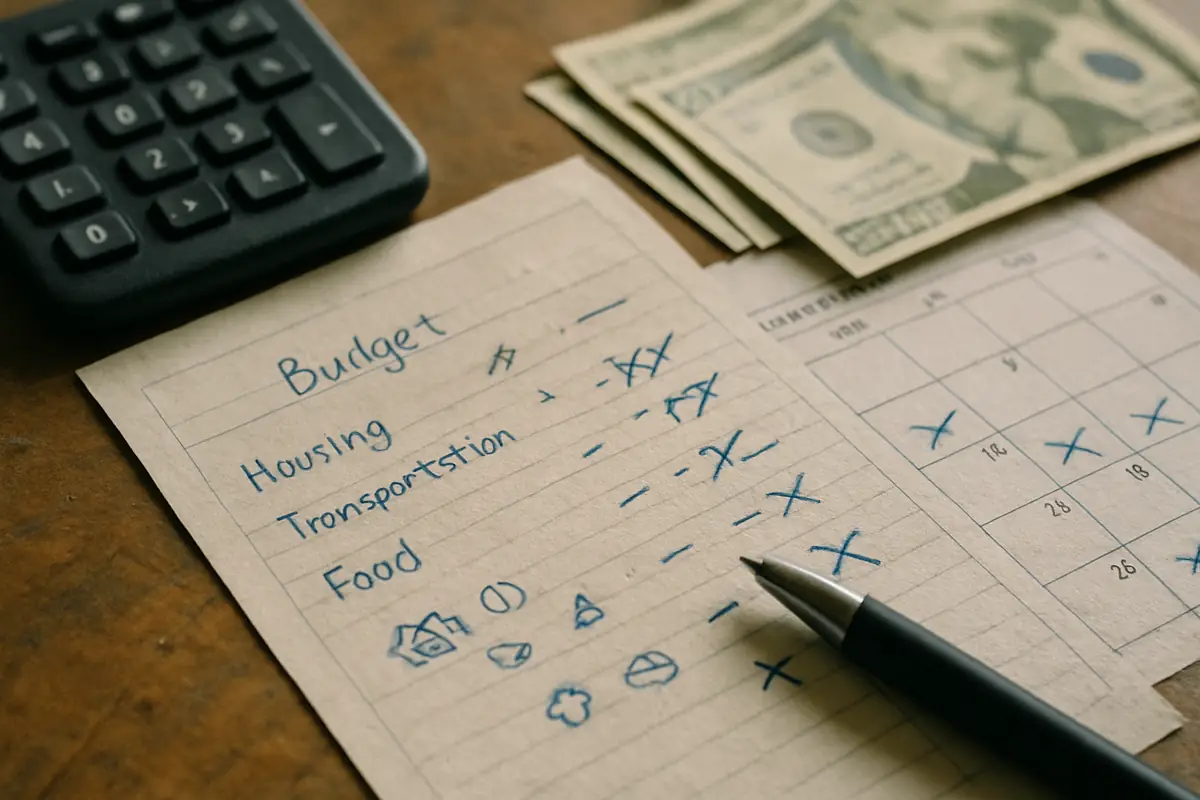
Simpler budgets group expenses into broad categories, such as housing, food, and transportation, using estimated monthly amounts. For example, you might budget $1,200 for rent, $400 for groceries, and $150 for utilities. This approach is less precise but easier to maintain, especially when your focus and energy are limited.
Choosing the right level of detail depends on your current capacity. If tracking every dollar increases anxiety, opting for simplicity can protect your mental health, even if it means missing small expenses that add up over time. On the other hand, if you notice frequent small leaks—like $5 to $10 daily on snacks—reviewing receipts once a week can help identify patterns without becoming overwhelming.
Finding the Right Mix of Flexibility and Discipline
Budgets often focus on discipline: setting fixed limits for categories like food, transportation, or entertainment. However, in periods of financial stress, unexpected expenses—such as a $400 medical bill or a $250 car repair—can quickly derail even the most carefully constructed plan. Strict budgets may not accommodate these surprises well.
Flexibility means allowing yourself to move money between categories as needs arise. For example, if you budget $100 for entertainment but need to cover a $75 prescription, you can temporarily reallocate funds. Building in a buffer—such as a $50 to $100 "miscellaneous" line—provides some breathing room. Reviewing your budget weekly, rather than monthly, helps you respond to changes more quickly.
How this can look in practice
Tom budgeted $150 for car maintenance each month. When he faced a sudden $600 repair, he shifted $100 from his entertainment budget, $50 from groceries by planning lower-cost meals, and split the remaining $450 over the next three paychecks. By reallocating funds and temporarily tightening other categories, he managed the expense without resorting to high-interest debt.
Too much flexibility can lead to losing track of spending, while too much rigidity can make you feel trapped. A balanced approach—adjusting as needed but maintaining overall limits—helps you stay on course.
Embracing Emotional Honesty Over Budget Idealism
Ideal budgets assume steady income and predictable expenses—rarely the case during financial stress. Emotional honesty means acknowledging when you’re anxious, when you slip up, and when your plans need adjustment.
For example, Sarah’s revised budget included a note: "If I overspend $10 on coffee this month, it’s okay as long as my rent and utilities are paid." This mindset keeps budgeting approachable and reduces discouragement when things don’t go as planned.
Emotional honesty also means recognizing when the act of budgeting itself becomes a trigger for anxiety or shame. If reviewing your finances makes you feel guilty, consider changing your approach or frequency. For instance, instead of daily tracking, try a weekly review to reduce stress.
Track behaviors, not just numbers
Notice patterns, such as spending more on takeout during stressful weeks, rather than focusing solely on exact amounts.
Set realistic limits
Allow yourself $20 to $40 per month for small comforts, rather than enforcing a zero-tolerance policy, to prevent frustration.
Reflect regularly
Pair budgeting with journaling to process your feelings about money, helping to identify emotional triggers.
Distinguishing Needs and Wants When Money Is Tight
"Needs" are essential expenses: rent or mortgage (often $900 to $2,000 monthly), utilities ($100–$300), basic groceries ($250–$600), healthcare premiums or out-of-pocket costs (which can vary from $50 to $300 per month), and reliable transportation ($100–$400, including fuel and insurance). "Wants" include non-essential spending, such as dining out, entertainment subscriptions, and new clothing.
While prioritizing needs is crucial, cutting all wants can be unsustainable. Many people set aside a "maintenance allowance"—typically $25 to $75 per month—for discretionary spending. This small amount helps avoid burnout and reduces the risk of later splurges that can undo months of careful budgeting.
Negotiating the line between needs and wants is a monthly process. If you must cut wants to zero for a month, plan to reintroduce them as soon as your situation improves, even in small increments.
Understanding Why Payment Timing Matters in Budgeting
Payment timing can disrupt a budget as much as the amounts due. If multiple bills—such as rent, utilities, and loan payments—are due within the first week of the month, cash flow can become strained, even if your total income covers all expenses.
Adjusting payment schedules can help. For example, if your utility bill is $120 and your paycheck arrives mid-month, ask the provider to move the due date closer to payday. Some companies allow bills to be split into two payments, reducing the risk of late fees (which often range from $25 to $40 per missed payment) and overdrafts.
Recognizing and adjusting for these timing issues turns your budget into a proactive tool, helping you avoid crisis points before they happen.
Where readers should be careful
Avoid treating your budget as a moral scorecard. During hardship, focusing on survival and resilience is more important than perfection, especially given the unpredictable nature of expenses.
Building Budgeting Habits That Support Mental Well-being
Pairing your budget with supportive habits makes it easier to manage. Short, regular check-ins—such as 10-minute weekly reviews—are more sustainable than infrequent, hours-long sessions. Visual reminders, like a calendar noting bill due dates, can help prevent missed payments.
Celebrating small wins, such as paying off a $50 credit card balance or sticking to your grocery budget for a week, reinforces positive behavior. Setting reminders for weekly reviews helps catch trends before they become problems. For example, if you notice your dining out spending creeping up from $30 to $60 in a month, you can adjust before it affects your ability to pay bills.
Practicing self-kindness is vital. Acknowledging progress, even when setbacks occur, supports long-term budgeting success and reduces the risk of burnout.
Adapting Your Budget as Your Financial Situation Changes
A budget’s usefulness depends on its ability to adapt. If your income drops by 30%—for example, from $3,000 to $2,100 per month due to reduced hours—or if you face an unexpected $500 medical bill, your budget should reflect these changes immediately. This means revisiting every category, prioritizing essentials, and temporarily reducing or eliminating non-essentials.
Flexibility also means reassessing income sources, such as taking on part-time work, selling unused items (which can bring in $50 to $200), or using community resources. Routinely updating your budget ensures it remains relevant and actionable, rather than clinging to outdated plans.
Adapting your budget encourages proactive problem-solving. For instance, if you can’t cover a $300 utility bill, negotiating a payment plan can help you spread the cost over several months. This approach reduces immediate pressure and helps maintain your credit score, which is a number between 300 and 850 that lenders use to assess creditworthiness. Even during hardship, setting aside $10 to $25 monthly for emergencies can help rebuild stability over time.
Worked Calculation Example: Suppose your monthly income falls from $2,500 to $1,800. Your fixed expenses are: rent $1,000, utilities $200, groceries $350, transportation $150. Total essentials: $1,700. That leaves $100 for all other expenses. You reduce your entertainment budget from $60 to $20 and pause a $30 subscription. By reassessing and reallocating, you ensure essentials are covered and avoid overdrawing your account, even with a reduced income.
Rigid budgets may ignore these nuances, leading to frustration. Embracing adaptability keeps your budget effective and supports resilience through uncertainty.
The Psychological Benefits of Budgeting in Tough Times
Financial stress can trigger anxiety and a sense of helplessness, making it difficult to plan. A clear budget provides a sense of control by showing exactly how much you have for essentials (like $1,200 for rent or $400 for groceries) versus discretionary spending. This transparency reduces cognitive overload—the mental strain caused by uncertainty about where your money goes.
Having a plan for each dollar, even if it’s imperfect, can improve decision-making and well-being. Achieving small wins—such as paying down $50 of debt or staying within your grocery budget for a week—boosts motivation. Regular budget reviews help maintain focus on priorities and avoid panic-driven choices like unnecessary borrowing, which can lead to high-interest debt (credit card APRs—annual percentage rates—commonly range from 18% to 30%). Over time, this builds both emotional resilience and financial health.
Using Technology to Make Budgeting Easier
Digital tools can make budgeting less burdensome. Apps that track expenses and categorize spending can save hours each month, reduce human error, and alert you when you approach preset limits. For example, receiving a notification when you near your $350 grocery budget helps prevent overspending.
Some apps allow you to simulate changes—like a $200 drop in income or a $100 increase in expenses—helping you see the impact before making decisions. Integration with bill payment systems reduces the risk of late fees and credit damage. However, it’s important to stay engaged with your budget personally, so that technology supports rather than replaces thoughtful planning.
Community Resources: A Key Part of Budgeting During Hardship
Community resources can supplement your budget by covering essentials like food, utilities, or healthcare. For example, food assistance programs can free up $100 to $250 per month in your grocery budget, while utility assistance can reduce bills by $50 to $150. Incorporating these resources into your plan can prevent you from having to cut other critical expenses, such as transportation or medications.
Understanding eligibility and applying in advance ensures you can access help quickly when needed. Community organizations may also offer free financial counseling, helping you create realistic budgets and maximize available benefits. Recognizing these supports as part of your broader strategy strengthens both immediate relief and long-term stability.
Setting Achievable Goals to Stay Motivated
Setting realistic goals within your budget keeps you motivated. Ambitious targets—like saving $500 per month when your income is $1,500—can lead to frustration and quitting. Instead, focus on achievable steps: reducing discretionary spending by $20 to $40, or building an emergency fund by $10 a week.
"Realistic" means considering your current constraints. If you’re prioritizing debt repayment but your income is lower, aim for gradual progress—such as paying $25 more than the minimum each month, or negotiating lower interest rates (which can sometimes reduce APRs by 2% to 5%). Breaking bigger goals into smaller steps makes each success feel meaningful and keeps you engaged with your budget as a tool for empowerment, not punishment.
References
- https://www.consumerfinance.gov/consumer-tools/educator-tools/your-money-your-goals/
- https://www.federalreserve.gov/consumerscommunities/shed.htm
- https://www.fdic.gov/resources/consumers/
- https://www.fdic.gov/resources/consumers/money-smart/
- https://www.mymoney.gov/
- https://www.federalreserve.gov/faqs/economy_14400.htm