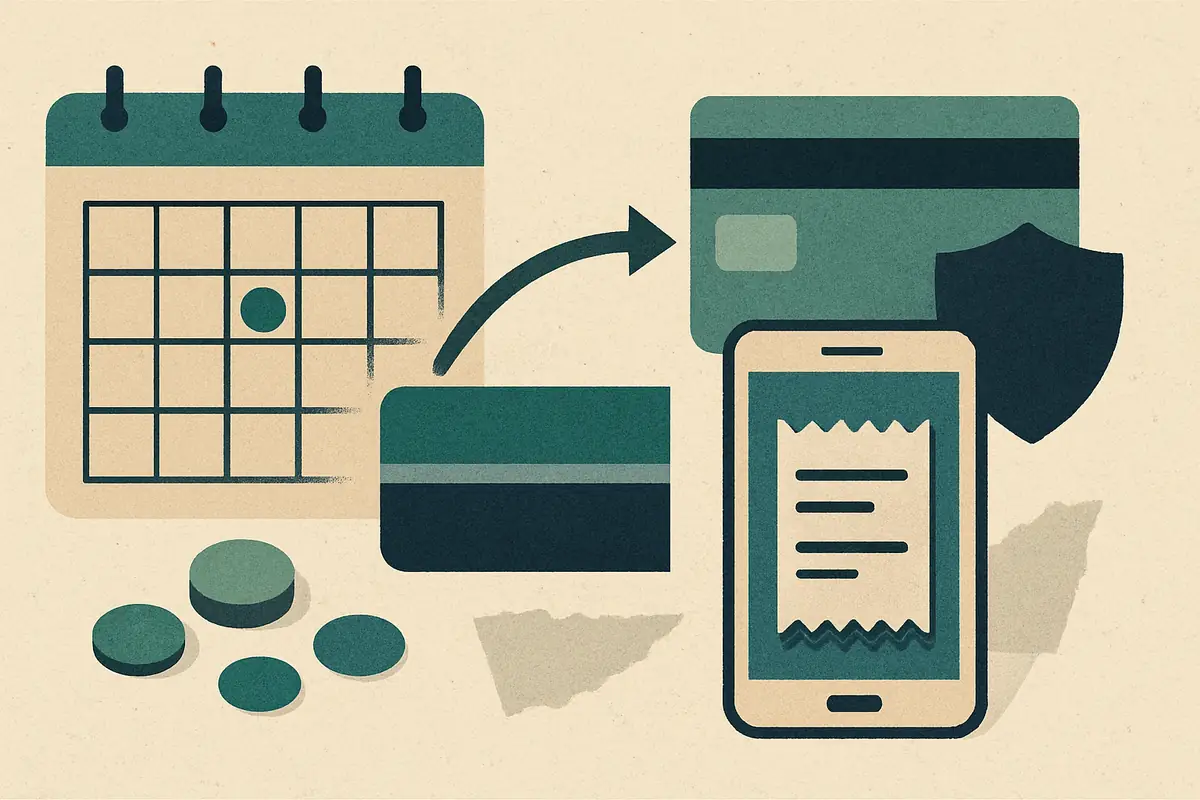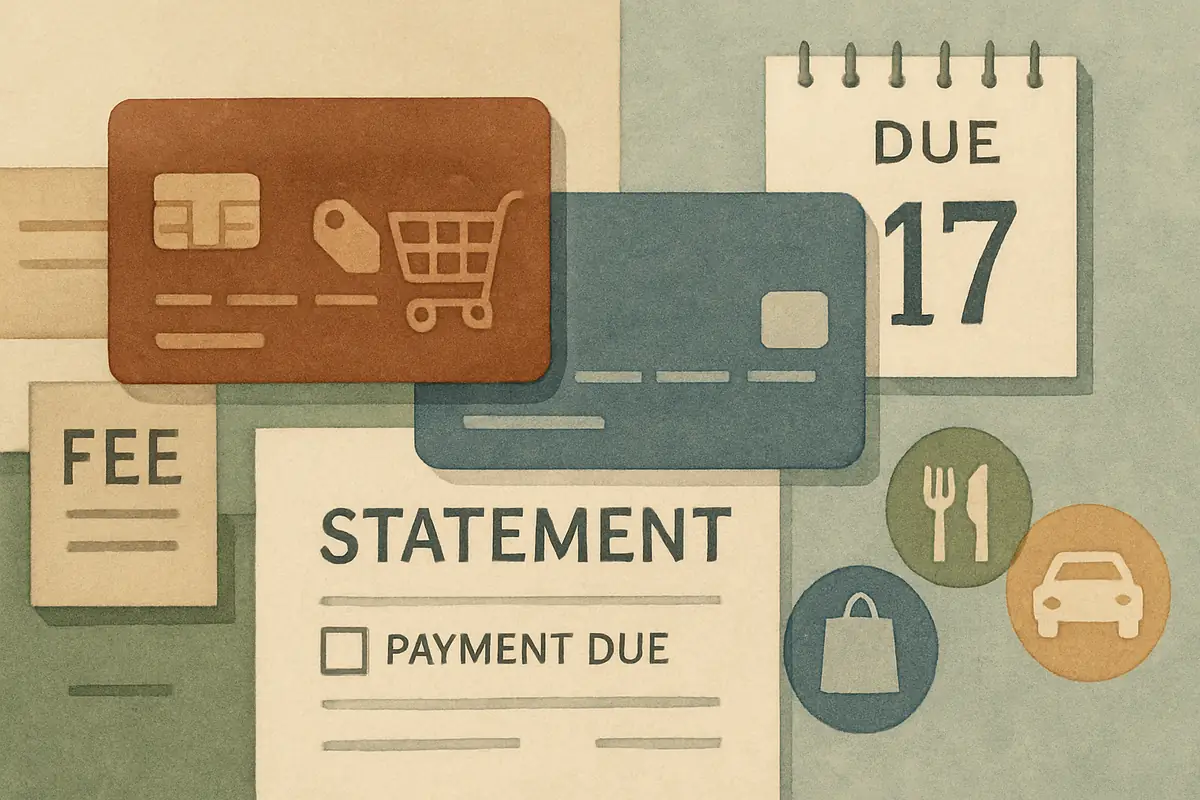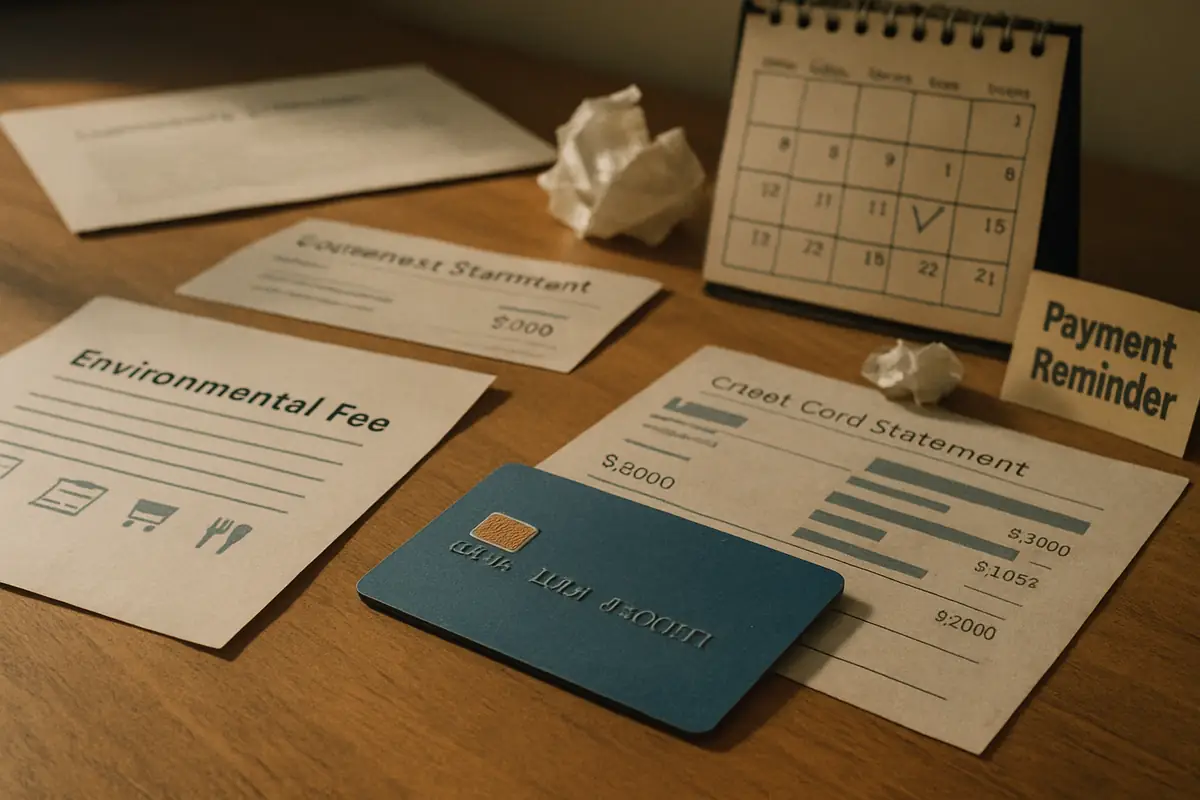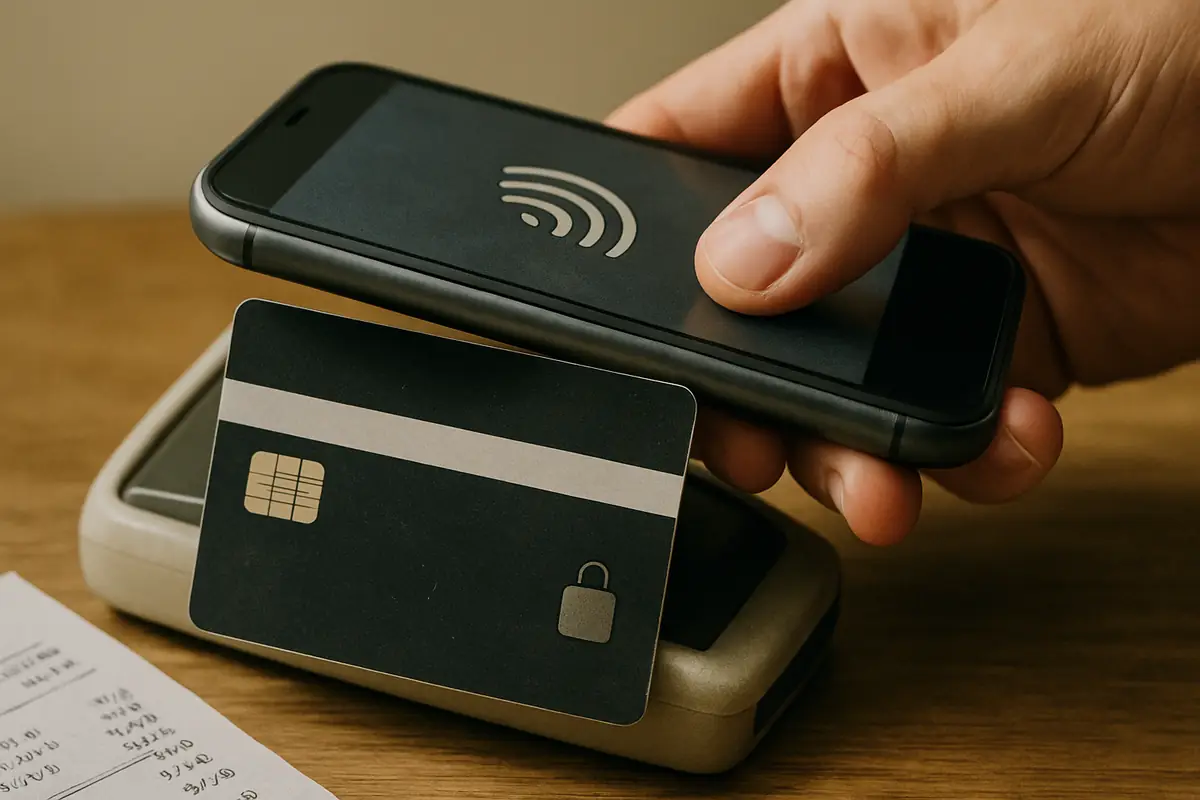
Every day in the U.S., millions of credit card transactions are completed either by swiping, inserting, or tapping cards. Contactless payments—where you simply tap your card or phone near a reader—have grown quickly since they typically take under a second and eliminate the need to handle the terminal. But how do these transactions stack up when it comes to safety compared to traditional chip-and-PIN or magnetic stripe methods? Understanding the practical risks and protections can help you decide how to pay smartly while minimizing fraud exposure.
How Contactless Payments Work Compared to Traditional Methods
Traditional credit card transactions usually involve inserting your chip-enabled card into a payment terminal or swiping the magnetic stripe. The terminal then communicates with your bank through secure networks to authorize the purchase. Contactless payments use a technology called Near Field Communication (NFC) that allows data exchange over just a few centimeters without physical contact. When you tap your card or a digital wallet like Apple Pay against the terminal, encrypted data transmits wirelessly, speeding up checkout.
This speed gain is an obvious convenience, but it also changes some risk factors. For example, unlike chip-and-PIN where you often enter your PIN for purchases above $50 or $100, many contactless transactions under certain limits don't require a PIN or signature. These limits vary by issuer and region but commonly cap around $50 to $100 per transaction. In contrast, traditional methods tend to have more frequent authentication prompts.
Fraud Protection: What Consumer Law and Card Issuers Cover
Under U.S. federal law—specifically the Fair Credit Billing Act—your liability for unauthorized credit card charges is capped at $50 if you report promptly. Most issuers go further and offer zero-liability policies for fraud, whether caused by stolen physical cards or digital payment credentials. This protection applies equally to contactless and traditional credit card transactions.
However, fraudsters adapt their tactics depending on payment type. Magnetic stripe cards are more vulnerable to cloning because their data is static and easier to capture with skimmers—illegal devices that steal card information at terminals. Chip cards drastically reduce cloning risk by generating unique one-time codes for each transaction. Contactless cards use similar dynamic cryptograms that change with every tap, adding another layer of encryption.
Common Fraud Scenarios and Their Typical Costs
Here’s a realistic scenario: Suppose your lost contactless credit card is found and used for ten small transactions averaging $40 each before you report the loss. Total fraudulent charges reach $400. Thanks to zero-liability policies, as long as you notify your issuer within 60 days of your statement date showing those charges, you won't owe this amount out-of-pocket.
In contrast, if someone clones your magnetic stripe data using a skimmer and racks up $3,000 in unauthorized spending quickly, prompt reporting still limits you to $50 maximum liability legally—but missing early detection can lead to significant hassle and temporary credit score impact from disputed payments during investigations.
Convenience vs Security Trade-Offs Explained
Contactless transactions often don’t require entering a PIN or signature for purchases below preset thresholds (commonly $50-$100). This convenience speeds up lines during grocery trips or coffee runs but means anyone with physical access to your card could complete quick low-value purchases if they find it.
On the other hand, traditional chip-and-PIN requires this extra step for higher amounts, creating a deliberate friction that blocks casual thieves from making larger unauthorized purchases without verification. However, this can slow checkout times and frustrate users who prefer speedy tap-to-pay options.
From a behavior standpoint, many consumers rarely check statements daily but make multiple small contactless transactions throughout the week. Small charges may go unnoticed longer than a single large charge would, potentially delaying fraud detection.
| Payment Method | Authentication Required | Typical Transaction Limit Without PIN/Signature | Fraud Risk Type |
|---|---|---|---|
| Contactless Tap | Usually no PIN/signature below limit ($50-$100) | $50-$100 per transaction | Lost/stolen card misuse; digital interception less common due to short range encryption |
| Chip Insert or Swipe + PIN/Signature | PIN required often for amounts over $50-$100; signature sometimes accepted | >$50-$100 per transaction with PIN/signature needed for higher amounts | Skimming (magstripe), stolen physical card misuse |
Hidden Costs: Fees and Impact on Credit Behavior
While payment method choice doesn’t directly affect fees charged by your issuer or merchant, how quickly you detect fraud does influence costs indirectly. If unauthorized charges inflate your balance from $500 to $1,500 due to delayed discovery, interest accruing on that higher balance can add hundreds of dollars monthly at typical APRs ranging from 18% to 30%. For example:
If you carry an unpaid $1,000 balance at 24% APR compounded monthly without new purchases or payments for one month, interest would be approximately: \nInterest = (24% / 12) × $1,000 = 2% × $1,000 = $20 added in one month.
Therefore faster identification of small fraudulent transactions—common with contactless payments—can save you money on interest if you normally carry balances rather than pay in full each billing cycle.
Additionally, disputed fraud transactions can temporarily increase your reported credit utilization ratio—the percentage of available credit you're using—which is a key factor in credit scoring models accounting for about 30% of scores. A sudden spike from 20% utilization on a $5,000 credit limit (equivalent to $1,000 balance) to 60% (about $3,000) due to undetected fraud can lower scores by 10-30 points until corrected.
Behavioral Scenarios: Real-World Examples of Payment Choices
How this can look in practice
Imagine Jane uses her contactless card for daily smaller purchases like coffee ($4), lunch ($12), and gas ($35). She enjoys fast checkout but notices her balance rising each week because she isn’t checking statements frequently. One day she finds three unfamiliar charges of around $30 made in one afternoon at stores she never visited. Because these were under her contactless limit without requiring PINs, her lost card was likely used for quick taps before she canceled it.
In contrast, Thomas prefers chip insertion with PIN entry even for small purchases because he feels safer confirming identity every time. His payment speed is slower but he spots any anomalies quickly since he reviews statements every few days owing to his detailed budget tracking habit.
Both approaches have trade-offs: Jane benefits from convenience but risks delayed fraud detection; Thomas sacrifices speed but gains tighter control over suspicious activity timing.
When Does Contactless Payment Pose More Risk?
Contactless payments pose slightly more risk in scenarios where cards are lost or stolen temporarily and tapped repeatedly for small amounts under the no-PIN limit before the owner notices missing funds. Thieves exploiting this gap might complete multiple low-cost purchases summing over several hundred dollars quickly.
'Card jamming' attacks exploiting NFC signals remotely are technologically challenging due to short communication ranges (usually less than 4 cm) requiring close proximity—far less feasible than traditional skimming which can be covertly installed on terminals outdoors or at gas pumps.
Potential Risks of Contactless Payments Without Vigilance
Multiple small fraudulent transactions under contactless limits can accumulate unnoticed leading to higher balances and interest costs.
Delayed reporting raises risk of credit score impact due to increased utilization while disputes resolve.
Contactless cards lost or stolen require fast action; notifying issuers promptly limits liability.
Some merchants may not reset cumulative daily tap limits properly increasing exposure risk locally.
Practical Tips To Reduce Risks When Using Contactless Payments
First off: always review your credit card statements weekly if possible—not just monthly when bills arrive—to catch any suspicious activity early before balances balloon unexpectedly with fraudulent charges plus interest accrued at APRs commonly between 18% and 30%. Set text alerts if your issuer offers them for spends over certain amounts (e.g., above $50).
Keep your contactless card physically secure since theft leads directly to potential unauthorized taps under preset limits without needing PINs — meaning even brief loss can cost you hundreds until reported. Use mobile wallet options on phones that require biometrics like fingerprint or facial recognition to authorize each tap as an additional barrier beyond just proximity alone.
What About Fees and Rewards With Contactless Use?
Generally speaking, neither contactless nor traditional payment methods charge extra fees from the consumer side; fees such as foreign transaction fees (often around 3%) depend on your specific credit card terms regardless of how you pay in person. However behavior matters here too: quicker taps encourage more frequent small purchases which might increase overall spend leading some consumers into higher APR balances if not paid off promptly.
Rewards programs linked to cards function identically no matter the payment mode used—contactless taps earn points or cash back just like chip insertions do according to program rules (often around 1%-3% cashback per dollar spent). So there’s no advantage nor penalty reward-wise between these methods unless behavior changes spending patterns drastically.
What Should You Take Away From This Comparison?
The Technology Behind Contactless Payments
Contactless payments operate primarily through Near Field Communication (NFC) technology, enabling devices such as credit cards and smartphones to exchange data securely within a few centimeters. Unlike traditional magnetic stripe transactions, which rely on swiping or inserting the card into a reader, contactless payments require only a tap or wave. This proximity-based communication minimizes exposure time and reduces the chance of interception. Additionally, contactless transactions often generate unique cryptographic codes called tokens for each purchase, making it difficult for fraudsters to reuse stolen data. The underlying encryption protocols continually evolve to address potential vulnerabilities, providing an additional layer of security beyond that of conventional chip-and-PIN methods.
This technological backbone also supports mobile wallets such as Apple Pay, Google Pay, and Samsung Pay, which add biometric authentication factors like fingerprint or facial recognition before authorizing transactions. By integrating hardware-based security elements like the secure enclave on smartphones, these systems isolate sensitive information from potential malware or hacking attempts. Despite this complexity, the user experience remains seamless and fast, encouraging broader adoption. However, understanding these mechanisms helps consumers appreciate how contactless technology mitigates many of the risks inherent in traditional physical card usage.
Security Advantages Over Traditional Card Transactions
One significant advantage of contactless payments is their resistance to common fraud tactics such as skimming and cloning. With magnetic stripe cards, criminals can attach devices to capture card information during routine swipes at compromised terminals. Because contactless cards transmit data wirelessly and dynamically generate tokens for each transaction, it becomes nearly impossible to harvest reusable data in this manner. Moreover, traditional PIN entry can be observed by onlookers or recorded via hidden cameras, while contactless transactions usually require no PIN for amounts under specified limits, reducing physical interaction points vulnerable to theft.
Furthermore, the limited range of NFC communication inherently protects against remote interception attempts. Unlike online payment details that can be phished or intercepted over insecure networks, a contactless transaction must occur in close physical proximity. This drastically narrows the attack surface compared to traditional credit card use where details are exposed at multiple stages – from card readers to merchant processing systems. In addition, real-time monitoring systems employed by banks can flag unusual patterns associated with contactless transactions quickly due to distinct usage profiles, enabling rapid response and customer notification if suspicious activity is detected.
Potential Security Concerns and Mitigations
Despite its benefits, contactless payment technology is not without concerns. One worry involves unauthorized charges through 'relay attacks,' where criminals use devices to capture signals from a card and relay them to a nearby terminal without the owner's knowledge. While theoretically possible, such attacks require sophisticated equipment and proximity to both the victim’s card and payment terminal simultaneously, limiting practicality. Moreover, issuers impose transaction limits on contactless payments without PIN input precisely to reduce risk exposure from small-scale fraud.
To enhance protection further, many credit cards incorporate additional features like motion sensors that deactivate contactless functionality when the card is stationary in a wallet for prolonged periods. Consumers can also disable contactless features entirely or set usage alerts through mobile banking apps to monitor activity closely. Using RFID-blocking wallets or sleeves provides an extra physical barrier against electronic pickpocketing attempts by disrupting wireless signals from reaching the card unintentionally.
Consumer Behavior and Practical Security Tips
Ultimately, security in contactless payments also depends on consumer vigilance alongside technological safeguards. Users should regularly review statements for unfamiliar transactions and report discrepancies immediately to their bank’s fraud department. Setting spending limits within mobile wallet apps or issuing banks’ control panels allows tighter management over daily transaction amounts. Additionally, enabling two-factor authentication (2FA) on linked accounts adds an extra hurdle against unauthorized access.
When using physical cards in crowded places like public transit or busy stores, shielding your hand while tapping and avoiding unattended terminals can deter opportunistic thefts or cloning attempts. Consumers should also update smartphone operating systems frequently since security patches often address vulnerabilities affecting mobile wallet applications integrated with contactless payment systems.
Can someone steal my information just by walking past me?
Contactless payment cards typically require very close proximity—usually a few centimeters—for data transfer to occur. While wireless signal interception has been theorized using specialized equipment (relay attacks), they are complex and rare in real-world scenarios. Using RFID-blocking wallets offers additional peace of mind.
Are my purchases safe if I lose my contactless card?
'Tap-and-go' transactions usually have low spending limits without PIN verification; however, notifying your bank immediately after losing your card ensures it is blocked promptly to prevent unauthorized use.