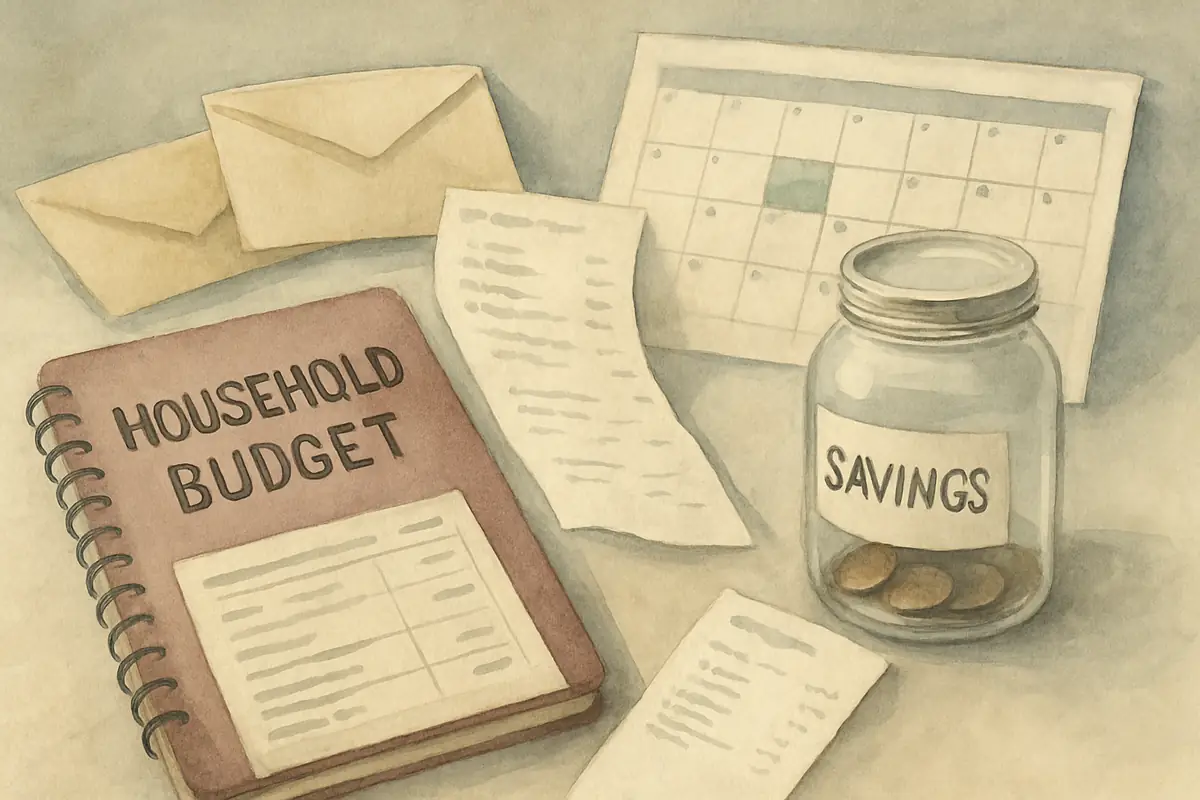
On a quiet Tuesday evening, Emma double-checked her household budget, carefully lining up her $4,200 monthly income against her bills and regular spending. Each expense was accounted for, and the numbers seemed to balance. Yet, as the month progressed, minor timing mismatches and overlooked expenses started to ripple through her cash flow. What initially looked stable on paper soon revealed hidden vulnerabilities beneath the surface.
The Illusion of Stability in Monthly Cash Flow
When spreadsheets or budgeting apps show everything adding up, it’s easy to feel secure. For many households, a monthly cash flow plan feels like a safety net, matching income with expenses. However, this sense of stability often overlooks risks such as fluctuating income timing, variable bills, or small but recurring costs. For example, surveys suggest that 60% to 70% of households have experienced a budget disruption due to a bill or payment arriving out of its expected cycle.
Most cash flow plans assume fixed pay schedules and predictable expense dates. But real-life events—like a paycheck arriving two days late or a utility bill spiking by $40 in a hot month—can quickly throw off the plan. The logic behind cash flow planning works only if actual events closely follow your assumptions. Let’s look at some typical scenarios where this mismatch can cause real financial stress.
Freelancers and the Timing Trap: How Irregular Income Disrupts Plans
How this can look in practice
Mark is a freelance graphic designer whose monthly income varies between $2,000 and $5,000. His cash flow plan assumes clients pay invoices within 30 days, perfectly matching his $1,600 rent and $800 in other bills due around the first of each month. One month, a key client delays payment by 14 days, leaving Mark short on the day his rent is due. He incurs a $35 late fee and is forced to cover groceries with a credit card carrying a 24% annual percentage rate (APR), which is the yearly interest charged on unpaid balances.
Mark’s experience highlights how unpredictable payment timing—common among freelancers and gig workers—can disrupt even carefully crafted cash flow plans. Relying on expected payment dates without a buffer can mislead you about actual available funds. Data shows that freelance income can fluctuate by as much as 50% month to month, and payment delays of 7 to 21 days are not uncommon in project-based work.
To strengthen his plan, Mark could review past income timing and add a two-week buffer before bills are due. If he sets aside $400 each month as a cushion, he can avoid relying on high-interest credit cards during lean periods. Alternatively, securing a line of credit with a lower APR—often between 8% and 15%—could provide short-term liquidity without the high cost.
Overlapping Expense Surprises: The Impact of Non-Monthly Bills
How this can look in practice
The Johnson family budgets monthly for their $1,500 mortgage, $350 utilities, $600 groceries, and $400 car payment. Their plan appears solid, but twice a year, their $2,400 property tax and $1,200 insurance premium come due in lump sums. These large, infrequent expenses don’t fit their normal monthly rhythm, straining their account by $3,600 in those months despite being affordable across the year.
Many households face similar challenges with non-monthly or irregular expenses—such as annual subscriptions, car maintenance, or school fees—that fall outside regular planning. Without proactively saving for these, even a household with a $60,000 annual income can find itself short on cash when a $1,000 insurance bill arrives.
One practical approach is to break down these bills into monthly savings goals. For example, if your annual insurance premium is $1,200, setting aside $100 each month in a dedicated account (sometimes called a "sinking fund") spreads the impact. This method can reduce the need to borrow or dip into emergency funds when big expenses arrive.
Where readers should be careful
Ignoring irregular but predictable expenses like taxes or insurance premiums risks sudden cash shortages that disrupt your entire household budget—even if all monthly bills appear covered. About 40% of households report having to use credit or personal loans to cover such lump-sum bills.
Credit Card Cycles: Hidden Risks in Cash Flow Planning
How this can look in practice
Sarah manages her family’s credit card spending with the goal of paying balances in full each month to avoid interest. She uses three cards, each with different statement closing dates and payment deadlines. Without careful tracking, she sometimes misses a payment window, leading to a $29 late fee and a temporary jump in her card's APR from 19% to 29% for new purchases.
This situation is common: while credit cards offer flexibility, their billing cycles rarely align perfectly with paychecks or bill due dates. For households using several cards, mapping out each card’s billing cycle is crucial. Missing even one payment can trigger penalty APRs—often 5% to 10% higher than standard rates—and hurt credit scores. About 25% to 30% of cardholders miss at least one payment deadline per year, often due to confusion over timing.
To simplify, some households consolidate expenses onto one or two cards, or set calendar reminders for each due date. Tracking utilization—the ratio of your card balance to the credit limit, ideally kept below 30%—also helps prevent surprises.
"Soft" Expenses: The Cumulative Erosion of Your Safety Margin
"Soft" expenses are the small, recurring costs often underestimated in cash flow planning. Examples include $4 daily coffee runs (adding up to over $1,000 per year), $10–$30 monthly subscription services, or seasonal utility overages of $25–$50. While each may seem minor, collectively they can erode the safety margin built into budgets. Surveys show that 60% to 70% of households experience budget shortfalls due to these overlooked expenses.
Budget flexibility means recognizing that real-life spending rarely matches idealized plans. For instance, if you budget $100 per month for "miscellaneous" but actually spend $150, that $50 difference adds up to $600 annually—a sum that could otherwise bolster your emergency fund.
Building Resilience: Practical Steps for Stronger Cash Flow
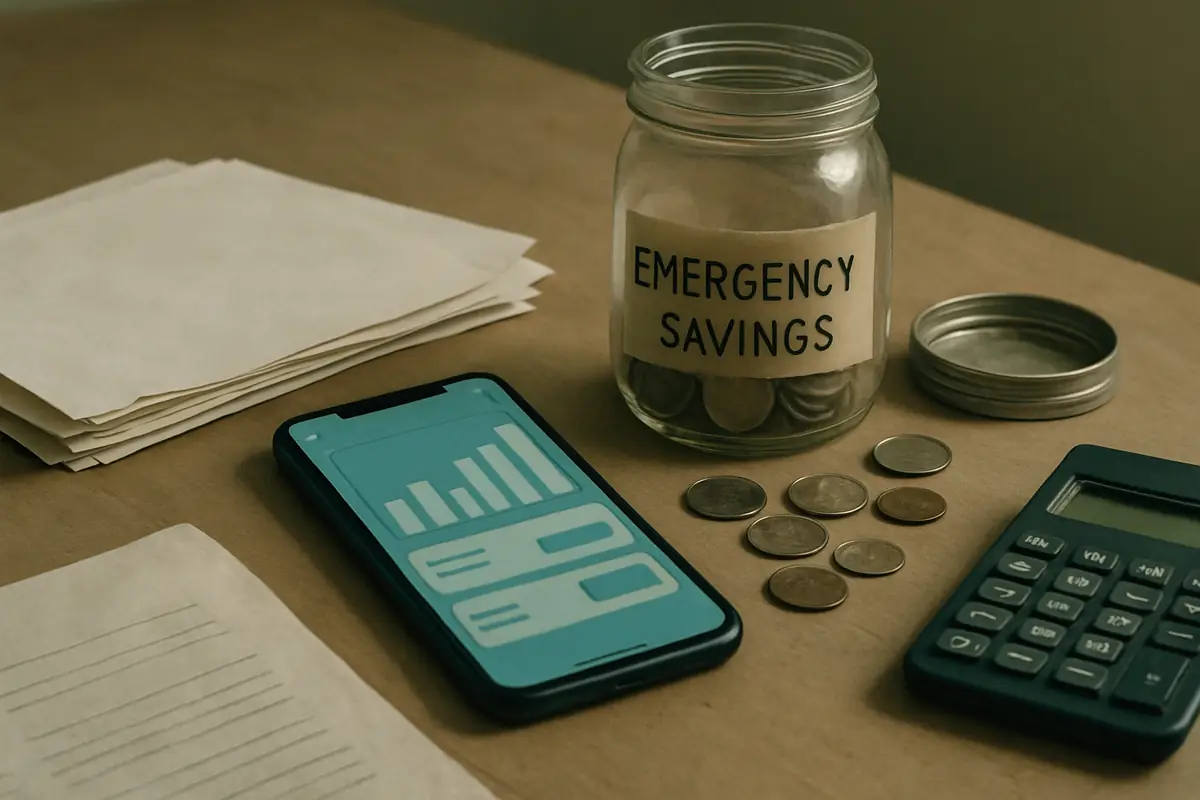
Bridging the gap between a theoretical plan and practical reality requires building buffers and flexibility into your cash flow strategy. Financial planners often recommend an emergency fund covering three to six months of essential expenses (for example, $9,000–$18,000 if your monthly basics are $3,000). This cushion helps prevent short-term timing issues from snowballing into debt.
Regularly reviewing your cash flow plan—ideally every month—helps you adjust for new expenses or changes in income. Keeping some liquidity (readily available cash) rather than committing every dollar to fixed bills ensures you have breathing room for surprises.
Where readers should be careful
Overestimating income regularity or underestimating expense variability can leave households in fragile financial positions. Financial stress often arises not from total income or spending, but from timing mismatches and lack of reserves.
FAQ: Answers to Common Cash Flow Planning Concerns
How often should I update my cash flow plan?
Monthly reviews are recommended to promptly capture changes in income or expenses. For those with highly variable income, reviewing every two weeks can help catch issues early.
What if my income is unpredictable?
Build larger emergency reserves—aim for six months of expenses if possible—and use conservative estimates when forecasting available funds. Track income patterns to identify the most common delay periods and plan accordingly.
Are credit cards safe to use within a cash flow plan?
Credit cards can help manage timing gaps if balances are paid in full each month and billing cycles are tracked. Be aware that average credit card APRs commonly fall between 18% and 30%, making carrying a balance expensive.
How do I handle unexpected bills?
Maintain an emergency fund or create sinking funds—dedicated savings for irregular but predictable costs like car repairs or annual insurance premiums.
Emma’s Calculation Example: Turning Lump Sums Into Manageable Monthly Goals
Emma faces a $1,200 annual insurance premium every July. Rather than scrambling for the full amount at once, she decides to save monthly:
- Annual insurance premium: $1,200
- Monthly savings goal: $1,200 ÷ 12 = $100
- Emma sets up an automatic transfer of $100 each month to a dedicated savings account.
- By July, she has $1,200 ready, avoiding the need to borrow or disrupt her regular budget.
This approach can be applied to any large, infrequent expense—turning financial stress into manageable monthly goals.
Recognizing Hidden Risks in Cash Flow Assumptions
One of the most common pitfalls in cash flow planning is relying on optimistic assumptions. Many plans expect stable income, consistent spending, and predictable market conditions. However, real life often brings surprises. For instance, a job loss or a delayed client payment—even just a one-week delay—can create a shortfall if no buffer exists. Expenses can spike suddenly due to medical emergencies (which can average $500–$2,000 per incident), major home repairs ($1,000–$5,000), or rising interest rates that increase loan payments by $50–$200 per month. Without accounting for these variances, cash flow plans may give a false sense of security, leading to overcommitting or neglecting to build adequate reserves.
Stress testing your cash flow projections—intentionally introducing shocks such as a 20% income drop or a $1,000 surprise expense—can reveal vulnerabilities. By identifying weak points early, you can develop contingency strategies to maintain liquidity. Without this step, many individuals and businesses find themselves scrambling for solutions during crises, rather than managing proactively.
The Illusion of Predictability: Why Apparent Stability Can Be Deceptive
Many cash flow models use historical data as the basis for future projections. While past performance offers insights, it can create an illusion of predictability. Economic cycles, changing consumer habits, new competitors, or regulatory shifts can all upend assumptions. For example, a business with five years of steady 5% annual sales growth may suddenly face a 10% drop due to market changes, while a household may see utility costs rise 20% in a single year due to rate hikes.
To counteract this, incorporate dynamic elements into your cash flow models. Scenario planning—mapping out several plausible futures, such as a 15% income drop or a 25% expense spike—encourages flexibility. Staying informed about economic indicators and industry trends helps maintain realistic expectations, reducing the risk of being blindsided by change.
Practical Strategies for Enhancing Cash Flow Resilience
Building resilience into your cash flow plan involves several actionable steps. First, maintain a cash reserve or emergency fund covering three to six months of living or operating expenses (for example, $9,000–$18,000 for a household with $3,000 monthly costs). This provides a safety net during income gaps or unexpected bills.
Diversifying income sources also helps. For individuals, this could mean adding a side gig earning $200–$500 per month, or investing for dividend income. For businesses, expanding product lines or customer segments reduces dependence on a single stream. Negotiating flexible payment terms—such as net-45 instead of net-30 with vendors—can also help align inflows and outflows, smoothing cash availability.
Regularly updating your cash flow projections—at least every month—ensures your plan reflects current realities. This vigilance allows timely course corrections before liquidity issues become crises.
The Role of Technology in Improving Cash Flow Visibility
Modern financial management tools have greatly improved the ability to track and forecast cash flows. Automated platforms integrate bank transactions, invoices, payroll, and bills into real-time dashboards, providing up-to-date snapshots of available funds and obligations. This visibility helps identify potential shortfalls early—often weeks in advance—allowing for proactive decisions.
Predictive analytics and artificial intelligence can analyze patterns to anticipate fluctuations. For example, software might flag that a client typically pays invoices 10 days late, or that utility bills spike by $60 every January. By simulating different scenarios—such as a 15% income drop or a $500 surprise expense—users can see how choices affect liquidity before problems arise.
Cognitive Biases That Undermine Cash Flow Planning
When managing finances, cognitive biases can distort judgment and lead to overconfident projections. Optimism bias leads planners to believe positive outcomes are more likely, while confirmation bias causes them to favor information that supports hopeful forecasts. Anchoring bias happens when initial estimates unduly influence later adjustments, even when circumstances change.
Recognizing these mental traps is key. Involving a third party—such as a financial advisor—or using structured frameworks that require explicit consideration of downside scenarios can help ensure realistic planning. For example, always include a scenario where expenses rise by 10% or income drops by 20% to test your plan’s resilience.
Learning from Real-World Cash Flow Failures
How this can look in practice
A mid-sized manufacturing company expanded rapidly, projecting a 15% annual revenue increase. However, they failed to secure enough working capital. When client payments were delayed by 30 days and raw material costs rose by 12%, the company's cash reserves—originally $200,000—dwindled to $30,000 within two months. Despite strong sales on paper, liquidity dried up, leading to missed payroll and eventual insolvency within six months.
This example shows how even successful businesses can be caught off guard if cash flow planning overlooks timing mismatches or underestimates variability. Rigorous scenario analysis, conservative assumptions, and prudent financial buffers are essential to avoid similar pitfalls.
Final Reflections: Emma’s Kitchen Table, Revisited
Back at her kitchen table, Emma now approaches her cash flow plan with new awareness. She schedules reminders for bill due dates, independent of paycheck arrivals; sets aside $25 weekly toward her $1,200 annual insurance premium; monitors daily spending; and keeps $3,000 in an emergency fund untouched for unforeseen needs.
Her story is typical of many households learning that financial management is less about perfect predictions and more about managing uncertainty. When cash flow planning looks safe on paper but feels fragile in practice, it’s time to dig deeper—adjusting routines to build true resilience and peace of mind.