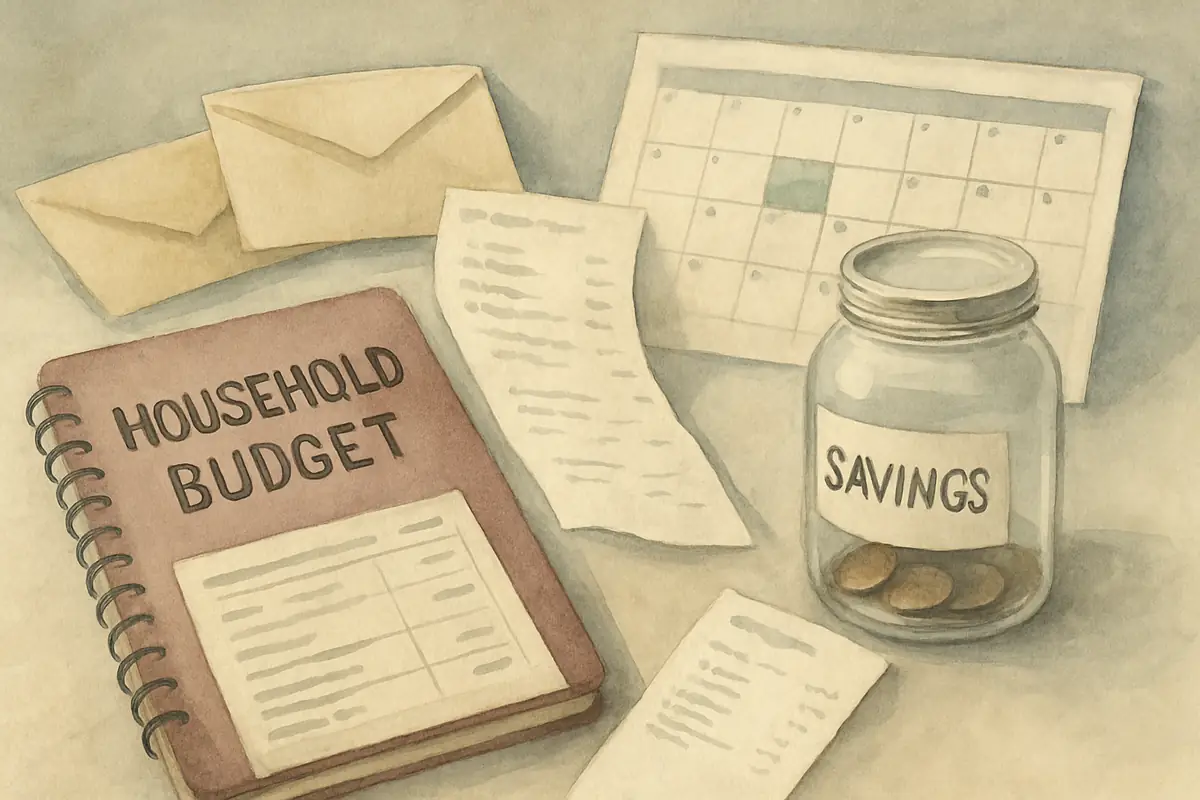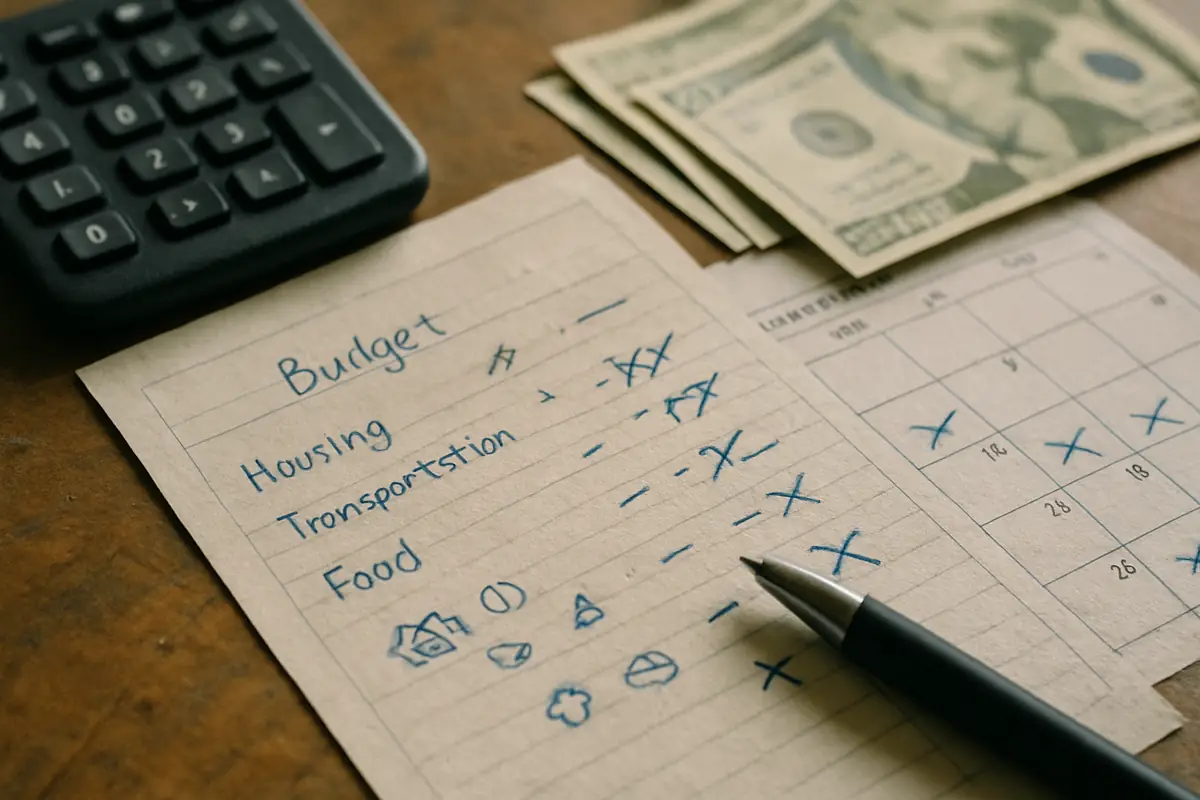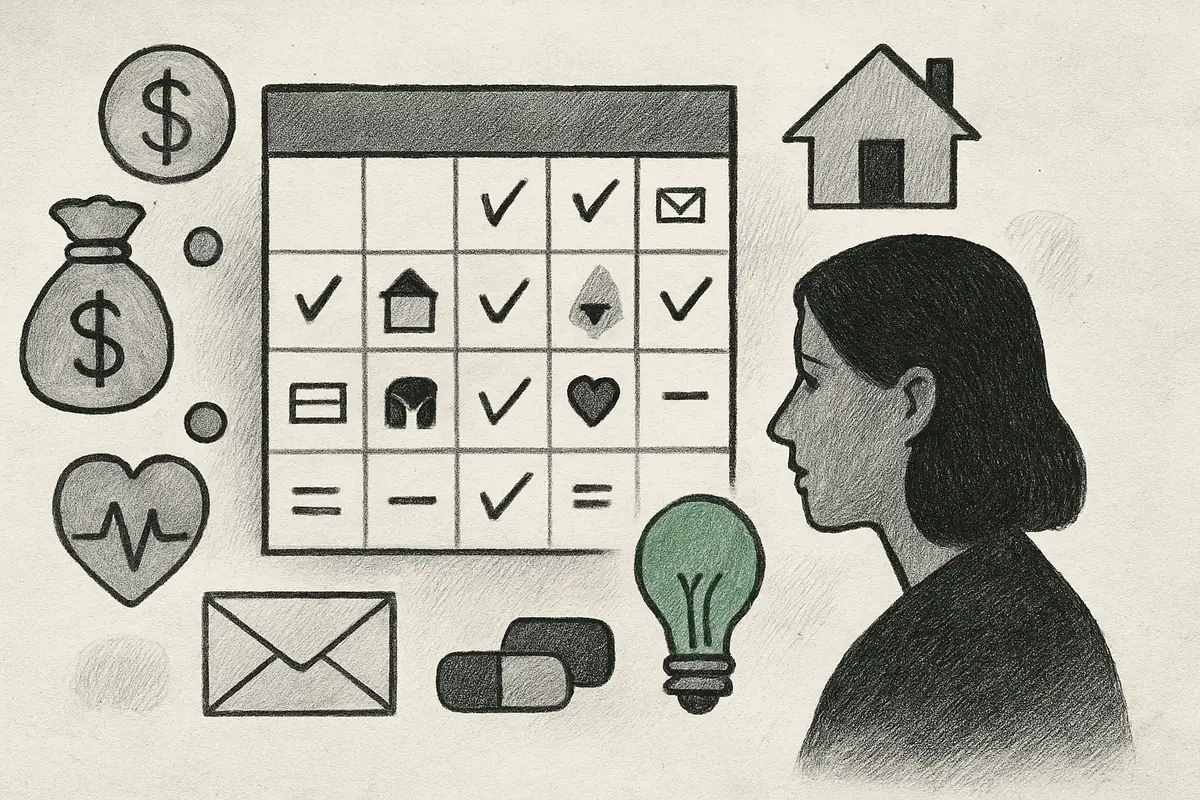
Emma sits at the kitchen table, reviewing her bank statement and a stack of bills. Her credit card minimum payment, which used to be around $75, has now increased to nearly $100. Meanwhile, her grocery spending has risen by 12% over the last year, and her utility bills are averaging $30 higher each month. Like many households, Emma is navigating the challenge of cash flow planning in a period of persistent inflation.
Inflation’s Quiet Impact on Household Budgets
Inflation, the general increase in prices over time, doesn’t just raise the cost of groceries or gas—it affects every aspect of household finances. For borrowers like Emma, this means the money earmarked for recurring commitments—such as loan repayments, credit card bills, or rent—covers less than before. When wage growth lags behind inflation, which has historically ranged from 2% to over 8% in recent years, cash flow tightens and families must make difficult choices about spending and borrowing.
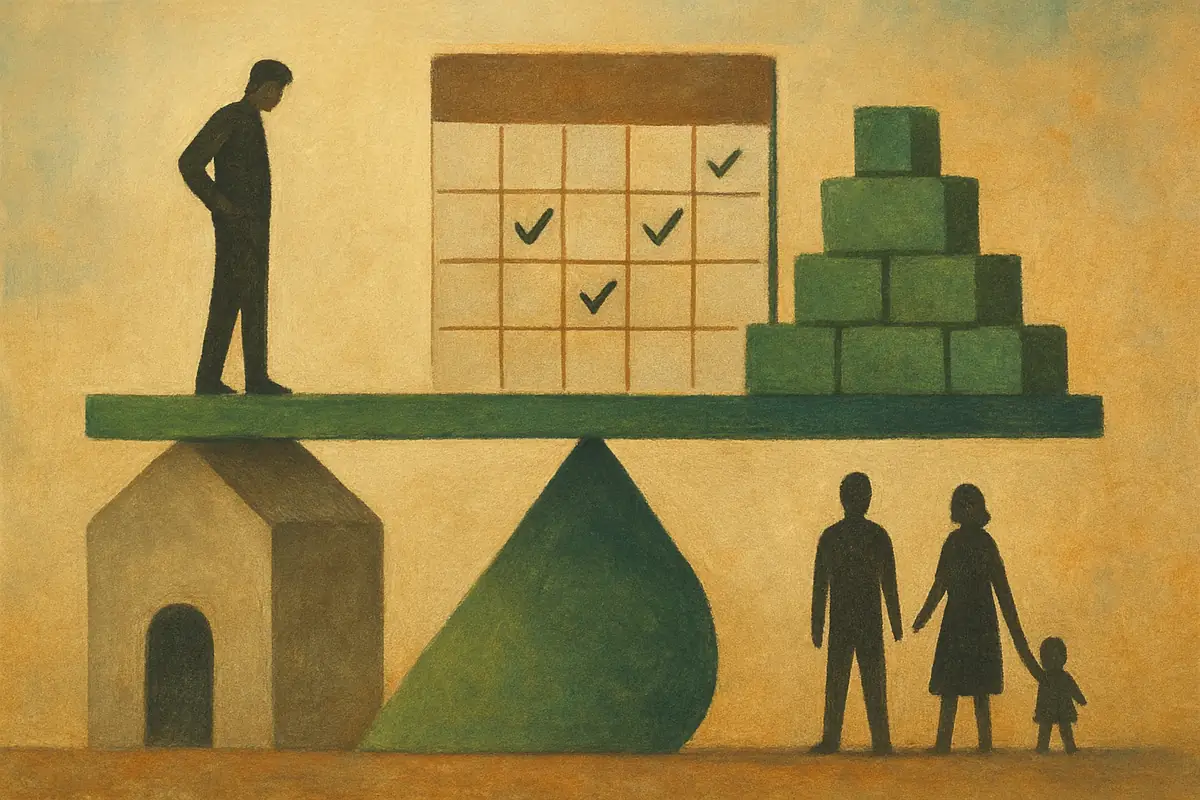
Borrowing during inflation presents a paradox. For those with fixed-rate debts, such as a traditional mortgage or personal loan, repayment amounts stay the same even as the value of money decreases, making these payments easier to manage in real terms. However, when daily expenses climb by 10% or more and incomes do not keep pace, maintaining positive cash flow to service all debts becomes more challenging. This dynamic forces a fresh look at budget planning and prompts borrowers to adjust their financial strategies.
How this can look in practice
Meet John and Maya: A couple with two children, a $1,750 monthly mortgage payment at a fixed rate, and $6,000 in credit card debt with an average APR (Annual Percentage Rate, the yearly interest cost of borrowing) of 22%. Over the past year, John’s salary increased by 3%, but their combined monthly expenses for groceries, utilities, and transportation have risen by 14%. They are deciding whether to refinance their mortgage or rely more heavily on credit cards to cover unexpected costs.
For John and Maya, stable cash flow now means prioritizing essential costs and reconsidering discretionary spending. Their ability to borrow depends on whether future income increases will offset higher living expenses or if they need to explore options like debt consolidation to avoid financial strain.
Payment timing
Synchronize loan payments with paychecks to minimize periods when cash is low, especially when inflation pushes expenses up by $100 or more per month.
Variable vs fixed rates
Assess how fixed-rate loans (with unchanging interest rates) protect against rising costs, while variable-rate loans may see rates increase by 2–4 percentage points as central banks adjust policy in response to inflation.
Emergency buffers
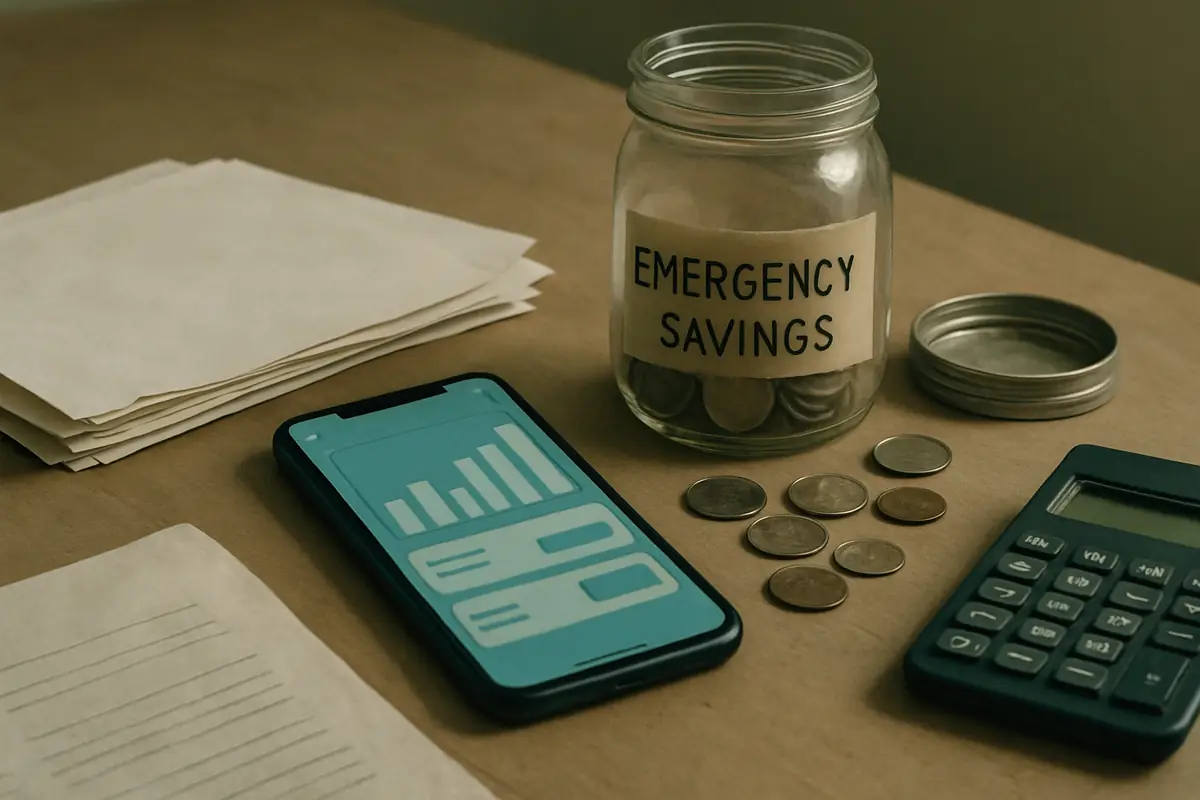
Maintain or increase emergency savings—typically 3 to 6 months’ worth of expenses—to absorb unexpected inflation-driven price jumps or income gaps.
Rising Prices Intensify Pressure on Credit Card Borrowers
"Credit card balances can spiral quickly when everyday expenses grow," says Olivia Hayes, a household money writer specializing in practical cash flow management. "Many families use credit cards to bridge timing gaps between income and bills, but with inflation pushing up both the cost of purchases and minimum payments, balances can become unmanageable."
For example, if a family that previously charged $500 per month for groceries and gas now spends $650 due to a 30% price increase, and their income remains steady, their monthly minimum payment—often calculated as 2% to 4% of the balance—will also rise. A $1,500 balance at a 3% minimum payment means a $45 minimum, but if the balance grows to $2,000, the minimum jumps to $60, straining the budget further.
How this can look in practice
Lisa, a single mother working part-time, relied on her credit card for flexible spending. When food and gas costs rose by 18% in less than a year, her monthly credit card charges increased from $400 to $475. With her minimum payment rising from $16 to $19 (at a 4% minimum), Lisa had to adjust her budget and negotiate a payment plan with her lender to avoid falling behind.
Lisa’s experience is common. Borrowers who depend on revolving credit (credit lines that can be used and repaid repeatedly, like credit cards) often experience "payment shock" when inflation increases both their balances and the required minimum payments. If credit card APRs (the annual cost of borrowing) range from 18% to 30%, carrying a balance for even a few months can add $20–$50 or more in interest charges each cycle, making proactive cash flow management critical.
Mortgage Strategies Change as Inflation Rises
Fixed-rate mortgages, where the interest rate and monthly payment remain constant, offer borrowers relief during inflationary periods by protecting against rising interest costs. However, homeowners still face increases in property taxes and insurance premiums, which can rise by 5% to 12% annually in some regions, impacting the total monthly housing expense.
Borrowers considering refinancing must weigh current fixed rates—often between 5% and 7% in inflationary cycles—against the risk that rates may climb higher if inflation persists. Extending the loan term to lower monthly payments can reduce immediate cash flow pressure but may result in higher total interest paid over the life of the loan if inflation drives costs up elsewhere.
How this can look in practice
Mark and Sophie refinanced their $320,000 mortgage from a variable rate of 4.5% (subject to annual adjustments) to a fixed rate of 6%. Their monthly payment increased from $1,620 to $1,860, but they now have predictable payments for the next 25 years. While this provides stability, it limits their flexibility if they need to move or change jobs unexpectedly.
This shift highlights the tradeoff between stability and adaptability. Borrowers with a clear understanding of their future cash flow—factoring in likely increases in taxes, insurance, and maintenance costs of 3% to 10% per year—can avoid surprises that disrupt long-term financial plans.
Cash Flow Prioritization When Unpredictable Expenses Arise
Tracking every dollar becomes more important—and more challenging—as inflation pushes up the cost of living. Unplanned expenses, such as a car repair or medical bill, can increase by 10% to 25% in a single year, straining already tight budgets.
When incomes do not rise as quickly as prices, families may need to choose between paying debt and covering urgent needs. For example, a household facing a $400 emergency car repair (up from $320 the previous year) may need to delay discretionary purchases or renegotiate payment terms on existing loans.
How this can look in practice
Susan, who is repaying $22,000 in student loans at a 5.5% interest rate, saw her utility bills rise by nearly 20%—from $110 to $132 per month—over the past year. With little room in her budget, Susan prioritizes minimum loan payments of $240 per month and postpones non-essential spending such as dining out or new clothing purchases.
This approach is typical: core obligations like rent, utilities, and minimum debt payments come first, while flexible spending is cut back until income increases or expenses stabilize.
Prioritize essentials
Focus on housing, utilities, groceries, and minimum debt payments, which often make up 60%–80% of a household budget.
Delay non-essential purchases
Postpone discretionary items, which can account for $100–$400 per month, until budget pressure subsides.
Review payment plans
Contact lenders proactively if upcoming payments risk default due to cost spikes; some lenders offer hardship programs or temporary payment reductions.
Emergency Savings Become More Critical as Costs Rise
Emergency savings play a vital role when inflation sends costs higher. Having three to six months’ worth of living expenses in accessible accounts can provide a buffer against sudden price surges or income disruptions. However, maintaining this buffer is harder during inflation, as each dollar saved loses purchasing power if held in accounts earning less than the inflation rate—such as standard savings accounts with rates below 1% while inflation runs at 5% or higher.
How this can look in practice
Carlos maintains an emergency fund equal to three months’ expenses, or about $7,500. As his rent increases by $75 per month each year, his buffer covers less time—shrinking from three months to about 2.7 months’ expenses after two years. Carlos considers increasing his savings target or moving funds to a high-yield account earning 4% to help offset inflation’s impact.
This tension between saving enough and keeping up with rising costs means emergency fund goals should be revisited regularly, especially when inflation exceeds 3%–4% annually for more than a year.
Synchronizing Income and Debt Payments to Manage Inflation
Households often experience mismatches between when money is received and when bills are due—a challenge made worse by inflation-driven cost spikes. Aligning the timing of income and debt payments can help avoid overdraft fees, late charges, or the need for short-term borrowing at high interest rates.
For example, setting up automatic loan payments for a date shortly after payday ensures that funds are available, reducing the risk of missed payments. This is especially important when inflation increases monthly expenses by $100 or more, leaving little margin for error.
How this can look in practice
Nina is paid biweekly, but her $350 car loan payment is due on the 1st of each month. As fuel and maintenance costs rise by 15% in a year, Nina reschedules her loan payment to the 5th, just after payday, ensuring her account balance covers both the loan and new, higher expenses without risking overdraft fees of $25–$35 per incident.
Synchronizing cash flows in this way helps households avoid unnecessary finance charges and maintain smoother budgeting, especially during periods when inflation drives up costs unpredictably.
Preparing for the Next Phase of Inflation’s Impact on Borrowing
As economies move through cycles of rising and stabilizing prices, borrowers benefit from flexible cash flow strategies rather than rigid plans. Reviewing budgets every three to six months allows households to adjust for changes in expenses, income, and interest rates—helping prevent financial pressure from escalating.
How this can look in practice
Emma now conducts quarterly budget reviews, tracking her spending categories and noting when her electricity bill jumps by $40 or her grocery bill increases by $60 month-over-month. These regular check-ins help her identify opportunities to cut costs early, such as switching to generic brands or negotiating service contracts, before her credit card balance grows beyond manageable levels.
By adopting habits of ongoing vigilance and realistic expectations—recognizing that perfect budgeting is unlikely during persistent inflation—borrowers can protect both their immediate financial stability and their long-term resilience.
Adapting Cash Flow Strategies Amid Rising Inflation
As inflation rates rise—sometimes by 5% to 9% annually—borrowers must rethink cash flow strategies to maintain stability. Inflation erodes purchasing power, so $100 today may buy only $91 worth of goods next year at a 9% inflation rate. To adapt, individuals should recalibrate their budgets to reflect increases in core expenses such as groceries, utilities, and transportation, which together can make up 50%–70% of monthly spending. Seeking additional income through part-time work, freelancing, or side businesses can help offset higher costs and reduce reliance on borrowing.
Borrowers also need to reassess the timing and structure of debt repayments. Inflation often leads to higher interest rates, increasing borrowing costs—variable-rate loans can see rates rise by 2–5 percentage points within a year. Refinancing variable-rate debt into fixed-rate loans can lock in current rates, while those with existing fixed-rate loans may find their payments become easier to manage in real terms as inflation rises. Understanding terms like amortization (the gradual repayment of a loan over time) and APR is essential for optimizing cash flow.
Prioritizing essential versus discretionary spending is also key. During inflation, non-essential items—such as entertainment or travel—are often the first to be reduced or eliminated. Using budgeting tools or spreadsheets to track and categorize expenses helps borrowers ensure essentials are covered and avoid accumulating high-interest debt.
Inflation affects emergency savings as well. Cash reserves in accounts yielding less than the inflation rate lose value over time. Borrowers may consider moving some emergency funds to accounts with higher yields—such as high-yield savings or short-term bond funds—to better preserve their real value, while maintaining enough liquidity for emergencies.
Debt prioritization strategies should also be revisited. Paying down high-interest debt, such as credit cards with APRs of 18%–30%, remains a top priority since these balances can quickly become unmanageable when expenses rise. Conversely, borrowers with low-interest, fixed-rate debt taken out before inflation surged may benefit by allocating surplus cash to investments with returns above their loan’s interest rate, depending on their risk tolerance.
Financial institutions typically respond to inflation by tightening lending standards and raising interest rates, making it more difficult to secure new credit or refinance existing loans. Being aware of these market dynamics enables borrowers to make informed decisions—such as delaying large purchases or proactively negotiating with lenders before further rate increases occur.
Practical Examples: Managing Borrowing During Inflation
Consider a homeowner with a $250,000 adjustable-rate mortgage at an initial rate of 4%. If inflation causes rates to rise to 6% at their next adjustment, their monthly payment could increase from approximately $1,193 to $1,432—a $239 jump. By refinancing to a fixed-rate mortgage at 5.5% before the rate reset, their payment would be about $1,419, providing stability and avoiding further increases if rates climb again. If they pay an extra $50 per month toward the principal, they will save approximately $8,000 in interest over a 30-year term.
Alternatively, a recent college graduate with $35,000 in student loans at a 6% fixed rate may prioritize cutting $150 per month in discretionary spending to offset a 10% increase in rent and utilities. Simultaneously, pursuing a certification that leads to a $300 monthly income boost helps maintain positive cash flow as living costs rise.
- Refinance variable-rate debts into fixed-rate loans before anticipated rate hikes of 2–4 percentage points.
- Update budgets quarterly to reflect changes in essential expenses, which may rise by 10% or more annually during inflationary periods.
- Focus on paying down high-interest debts, as carrying a $5,000 balance at a 24% APR can cost $1,200 in interest annually.
- Maintain emergency funds in accounts earning 3%–5% to help offset inflation’s effects.
- Monitor economic trends, as central bank rate changes can affect loan costs within weeks or months.
- Seek additional income streams to help bridge the gap when expenses rise faster than wages.