Managing several debts—such as credit cards with APRs typically between 18% and 30%, personal loans, and retail accounts—can overwhelm borrowers with multiple due dates, variable interest rates, and unpredictable minimum payments. Debt consolidation, which combines these balances into a single loan, is often presented as a way to streamline monthly payments. However, this approach can introduce new financial risks if not carefully evaluated, particularly regarding long-term costs and exposure to asset loss.
Common Borrower Situations Leading to Debt Consolidation
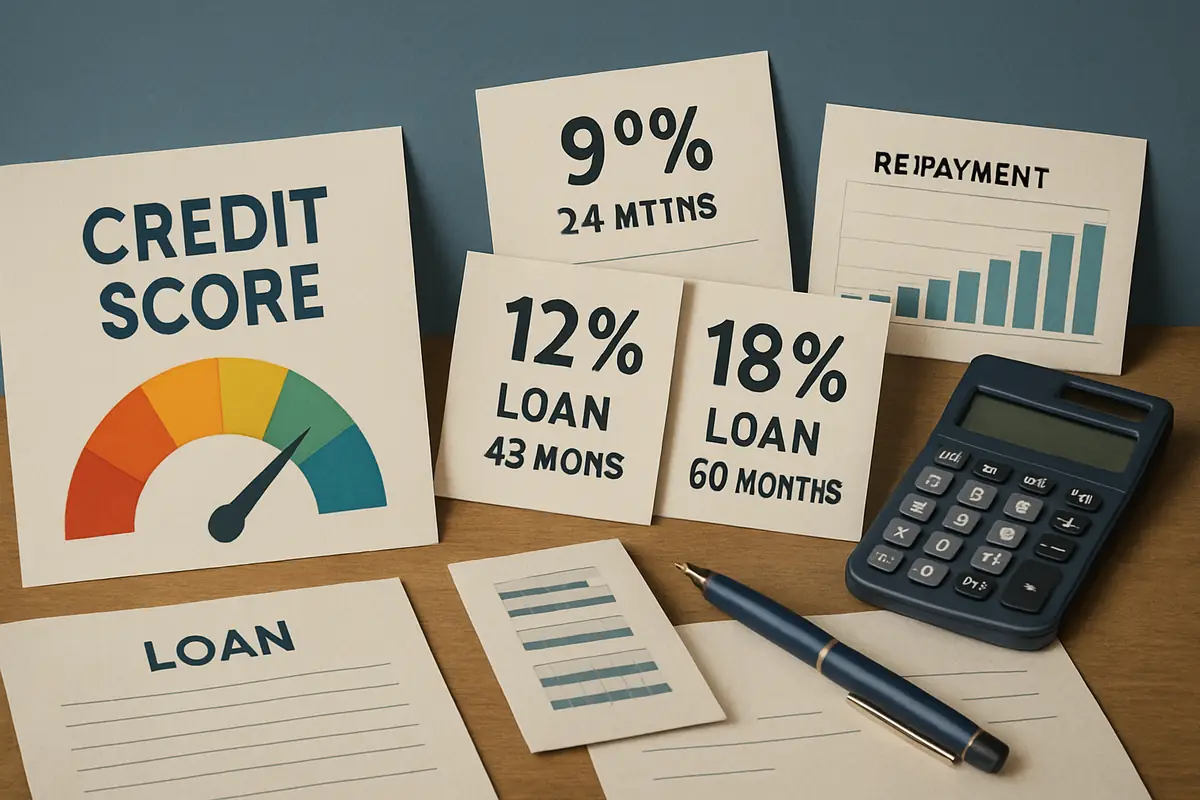
Borrowers frequently consider debt consolidation when juggling three or more debts, each with unique payment schedules and interest rates. For example, someone carrying $15,000 in credit card balances across four cards may find it difficult to track payments, leading to late fees that can range from $25 to $40 per missed payment. Debt consolidation, often executed via a personal loan, home equity loan, or balance transfer, promises a single payment—sometimes with a lower interest rate, such as 9% to 15%, compared to the original credit card rates.
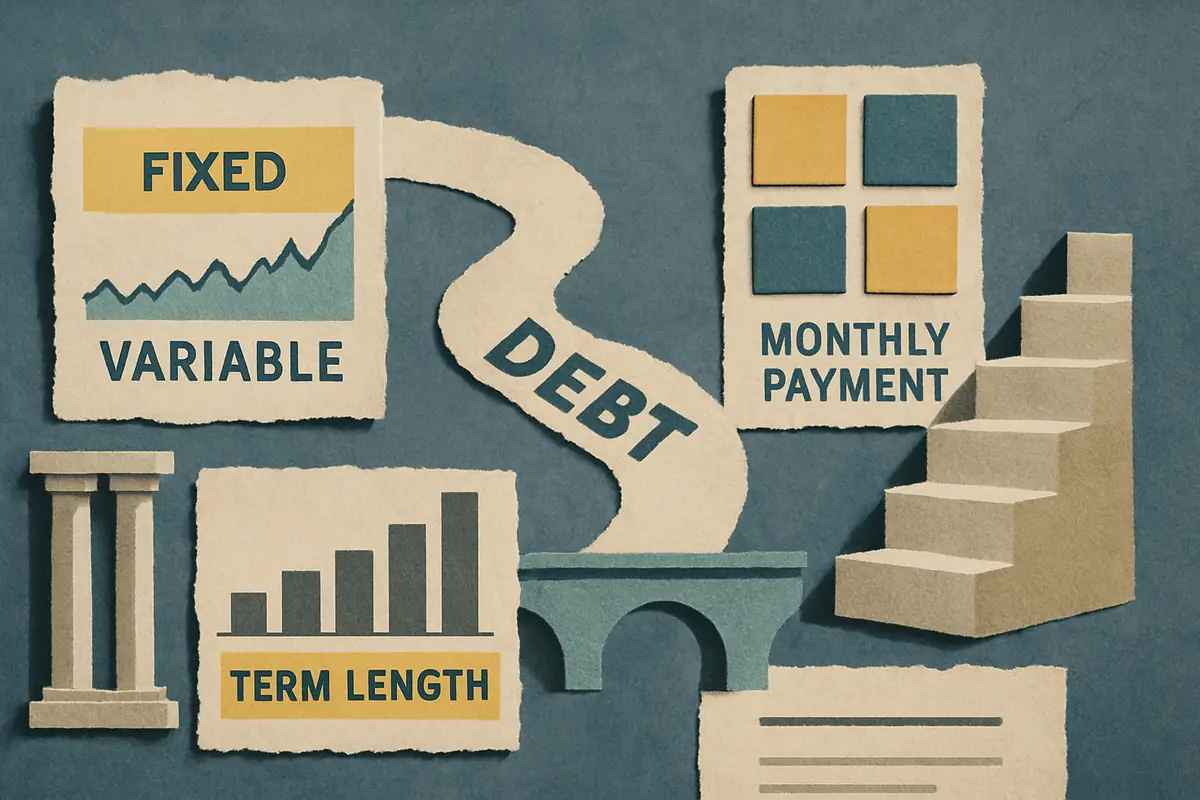
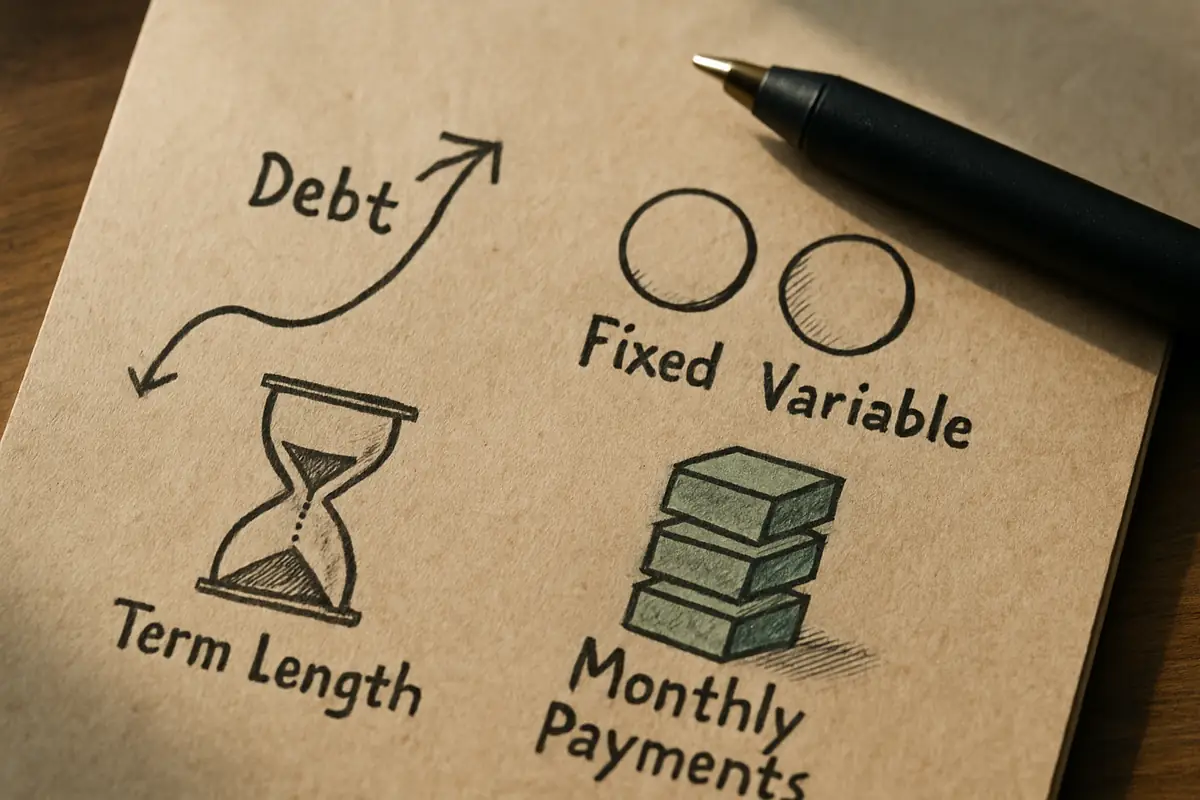
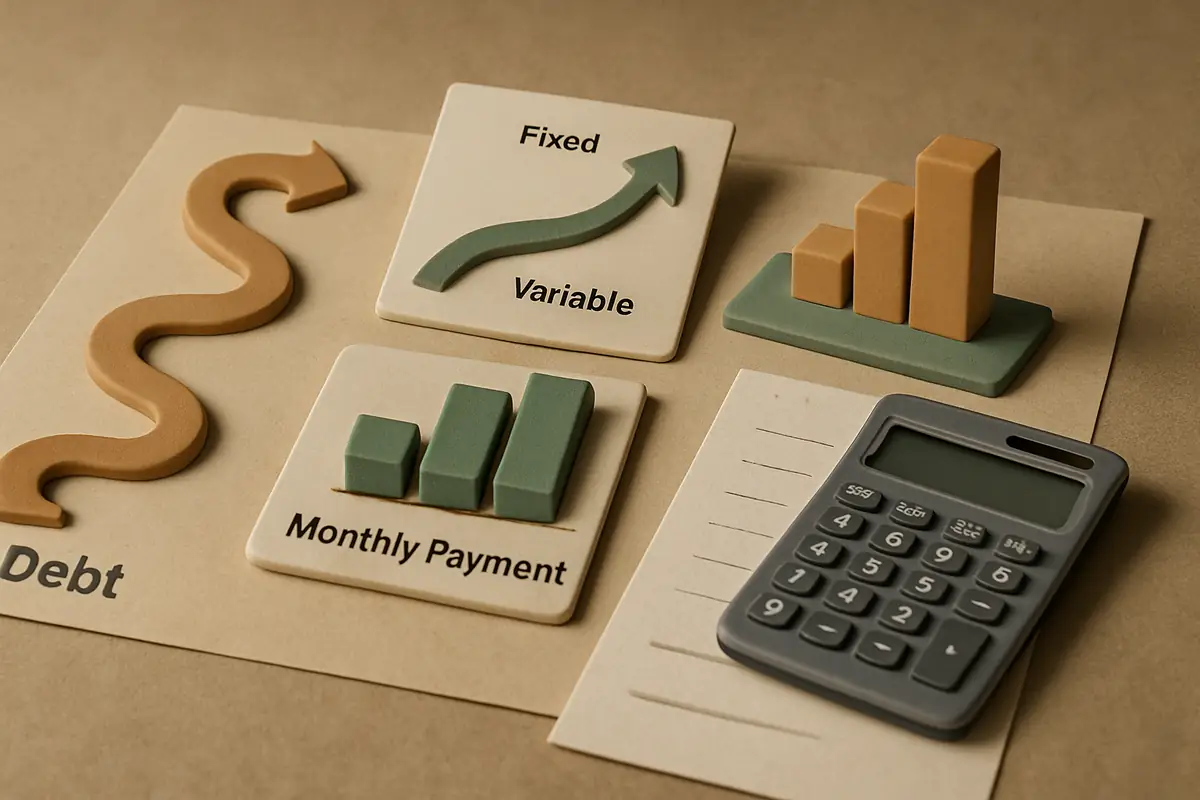
Some use consolidation to convert variable-rate debts into a fixed-rate loan, aiming for predictable payments over a set term, such as 36 to 84 months. Others consolidate to replace revolving debt with installment debt, which can help with budgeting but may also reset the repayment timeline. It’s essential to scrutinize whether the new loan reduces the total interest paid, not just the monthly payment, and to consider the impact of any fees or collateral requirements.
Understanding the True Cost Structure of Debt Consolidation Loans
Debt consolidation loans often feature lower monthly payments by extending the repayment period or providing a lower initial interest rate. However, the Annual Percentage Rate (APR)—which includes the stated interest rate plus all associated fees—reflects the true annualized cost of borrowing. For example, a loan with a 10% interest rate but a 5% origination fee can have an effective APR closer to 11% to 13%.
Common fees include origination fees (typically 1% to 8% of the loan amount), prepayment penalties, and closing costs. Secured loans may also require collateral appraisal fees, which can range from $200 to $500. Loans with variable rates may see rate increases after an introductory period, causing payments to rise by 2 to 5 percentage points over time. Evaluating the complete repayment schedule, not just the APR, is crucial to understanding the total cost.
| Cost Factor | Description | Potential Risk |
|---|---|---|
| APR | Annual Percentage Rate: the annualized cost of borrowing, including interest and fees | May be higher than advertised if fees or variable rates apply |
| Origination Fees | One-time fee for processing the loan, commonly 1%–8% of the amount | Raises the upfront and total borrowing cost |
| Term Length | Repayment period, often 3–7 years for personal loans, up to 30 years for mortgages | Longer terms reduce monthly payments but increase total interest paid |
| Collateral Requirement | Assets such as a home or car pledged as security | Risk of losing the asset if payments are missed |
| Prepayment Penalties | Fees for repaying the loan early, sometimes 2%–5% of the remaining balance | Limits ability to refinance or pay off debt ahead of schedule |
Worked Calculation Example:
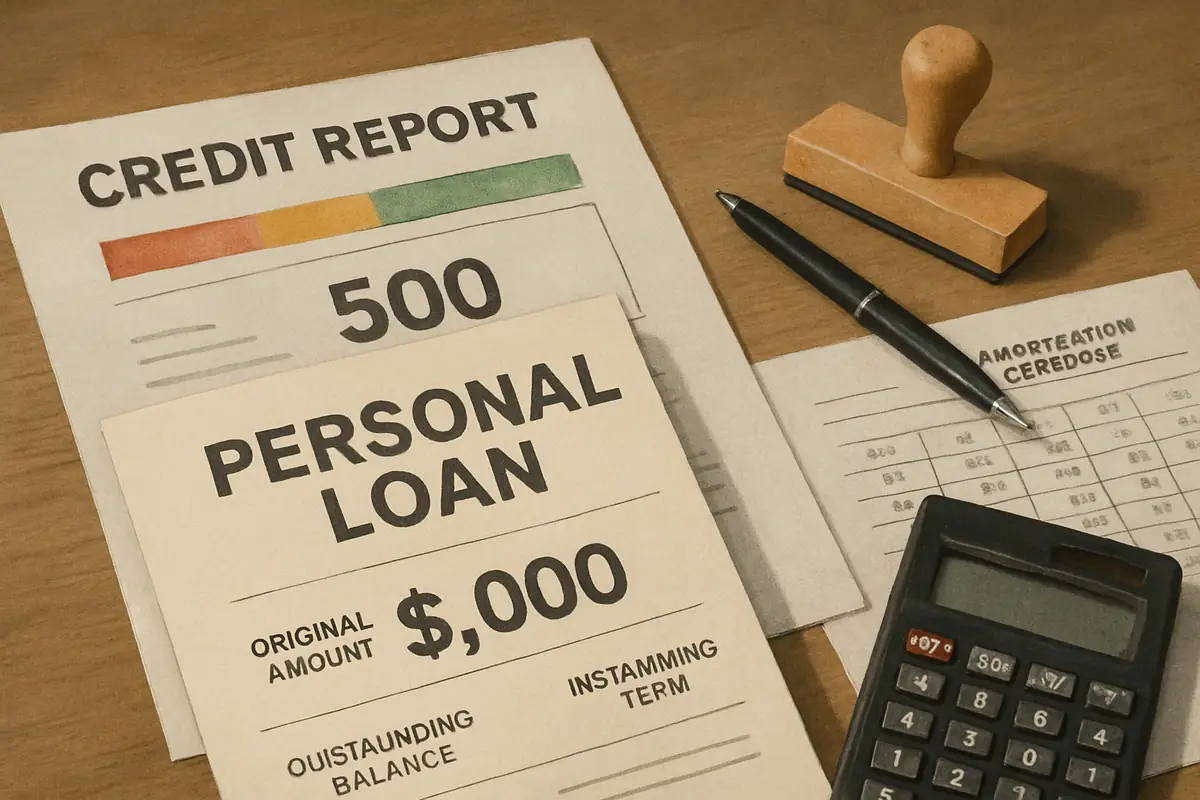
Suppose you consolidate $20,000 of credit card debt (average APR 24%) into a 5-year personal loan at a 10% fixed APR with a 5% origination fee ($1,000). The monthly payment would be about $425. Over 5 years, you would pay approximately $25,500 in total (principal + interest + fee). In contrast, paying off $20,000 over 5 years at 24% APR would cost around $30,000. However, if you extend the term to 7 years for a lower payment, total interest could exceed $30,000, offsetting any monthly savings.
Recognizing Contractual Risks in Consolidation Agreements
Debt consolidation contracts contain terms that can impact your financial security. These may define what constitutes a default, set late payment penalties (often $25–$50 per missed payment), and include clauses that accelerate repayment if you default. Some loans convert unsecured debts into secured debts by requiring collateral, such as a home or vehicle. This increases the risk: if you default, the lender can foreclose on your home or repossess your car, even if the original debts were unsecured.
Variable-rate consolidation products often include introductory rates—such as 0% to 6% for 6 to 18 months—that reset higher, sometimes to 15% or more, after the promotional period. If the contract lacks clear caps or adjustment schedules, monthly payments can rise quickly and unexpectedly, making budgeting difficult.
Behavioral Risks and Repayment Pressures After Consolidation
While consolidating debts into one payment can ease the mental burden, it may also create behavioral risks. For instance, a lower monthly payment—say, dropping from $900 to $400—can give a false sense of affordability, leading to renewed spending or new debt accumulation. This is especially true if the repayment term stretches from 3 years to 7 or more, increasing total interest paid.
"Payment shock" can occur when introductory rates expire or variable rates adjust upward, sometimes increasing payments by 20% to 40%. This can push borrowers back into minimum payments or even cause defaults, restarting the debt cycle.
How this can look in practice
Consider Jane, who combined three credit card balances into a $15,000 personal loan at 9% APR for 7 years. Her payment dropped from $700 to $270 per month, but total interest over the loan term nearly doubled compared to a 3-year payoff. Additionally, she used her car as collateral, risking repossession if she missed payments.
Tim, after consolidating $18,000 in variable-rate debt, saw his payment jump from $350 to $455 per month when the introductory rate expired after 12 months—a 30% increase—straining his budget and forcing him to use credit cards again for daily expenses.
Where Debt Consolidation Helps
- Simplifies multiple payments into a single monthly transaction, reducing late fees and missed payments
- Can lower monthly payments by extending the repayment term or securing a lower rate (e.g., from 22% to 12%)
- Fixed-rate loans offer predictable payments, aiding in budgeting
Where Caution is Needed
- Longer repayment terms, such as 5–10 years, increase total interest paid
- Secured loans put assets at risk if payments are missed
- Variable rates may rise, increasing future payments by 2–5 percentage points or more
- Origination fees and prepayment penalties can add 1%–8% to the total cost
Alternatives to Debt Consolidation: Strategies and Options
Before choosing debt consolidation, consider negotiating with creditors for reduced interest rates or extended terms—some lenders may lower rates to 10%–15% for hardship cases without refinancing. Credit counseling agencies can help set up debt management plans, often reducing fees and interest without taking out new loans. The avalanche method—paying off the highest-interest debt first while making minimum payments on others—can reduce total interest paid without incurring new fees or extending terms.
- Negotiate lower rates or payment plans directly with lenders
- Use balance transfer credit cards with 0% introductory APR for 12–18 months, if you can repay before the rate increases
- Engage certified credit counseling agencies for structured repayment plans
- Implement strict budgeting to accelerate repayment of existing debts
- Consider partial settlements only if you cannot afford full repayment and understand potential credit score impacts
Checklist: Steps to Take Before Opting for Debt Consolidation
- Request full APR disclosures, including all fees, from each lender
- Compare total repayment costs for 3-, 5-, and 7-year terms
- Determine if collateral is required and understand the consequences of default
- Check if the interest rate is fixed or variable, and how and when it may adjust
- Review contract details for prepayment penalties, late fees, and default triggers
- Calculate affordability by projecting payments under worst-case rate scenarios
- Assess your ability to avoid new debt after consolidation
- Explore non-loan alternatives such as creditor negotiation or credit counseling first
Where readers should be careful
Be wary of offers that emphasize low initial payments without transparent disclosure of total costs, especially if the loan term is extended or rates can adjust. Using assets as collateral for previously unsecured debts increases your risk—commit only if you are confident in your ability to meet all payment obligations under variable conditions.
Uncovering Hidden Costs in Debt Consolidation
Debt consolidation can reduce the hassle of managing multiple bills, but it often comes with hidden costs. Extending your repayment period from, for example, 3 years to 7 years can increase total interest by thousands of dollars—even if your monthly payment drops. Origination fees of 3%–6% and prepayment penalties of 2%–5% can further raise the overall cost. Always compare the total cost of the consolidation loan to your current repayment plan, factoring in all fees and the full term.
Another often-overlooked cost is the impact on your credit score. Applying for a consolidation loan triggers a hard inquiry, which can temporarily lower your score by 5 to 10 points. If you pay off credit cards but continue to use them, your credit utilization ratio—the percentage of available credit you’re using—can rise, negatively affecting your score. Closing old accounts after consolidating can also reduce your available credit, further increasing your utilization ratio and potentially lowering your score.
Key Risk Factors That Can Undermine Debt Consolidation
Debt consolidation introduces several risks. Behavioral risk is significant: after consolidating and paying off old debts, some borrowers resume high spending, quickly accumulating new debt. Without disciplined budgeting, the benefits of consolidation can evaporate within months. Converting unsecured debt to secured debt—such as via a home equity loan—puts your home at risk if you miss payments, which can have far worse consequences than missing a credit card payment.
Loan terms may include variable interest rates, which can increase by 2%–5% after a promotional period, raising monthly payments unexpectedly. Promotional rates, such as 0% for 12 months, may reset to 18%–25%, dramatically increasing your payment. Always ask lenders about potential rate changes and how they are calculated, as well as any contract clauses that could alter your payment schedule or amount.
Effective Strategies for Reducing Debt Consolidation Risks
To make debt consolidation work for you, start with a detailed budget that accounts for all monthly expenses and debts. This helps prevent new debt accumulation after consolidation. Shop around for loans—interest rates can vary from 6% to 20% for similar borrowers depending on credit history and loan type. Use online calculators to compare offers and total repayment costs over the full term.
Avoid pledging collateral unless absolutely necessary, as losing a home or car can have severe long-term consequences. Consider unsecured consolidation loans or balance transfer cards with 0% APR for 12–18 months, but only if you can repay before the rate increases. Monitor your credit report during and after consolidation to quickly address errors or negative trends, maintaining access to favorable financial products.
When Debt Consolidation Is Beneficial: Practical Examples
Sarah, facing $12,000 in credit card debt across five accounts with rates between 20% and 28%, consolidated into a $12,000 personal loan at 11% fixed APR for three years. Her payment became $395 per month—lower than the combined minimums before consolidation—and she avoided late fees, which had previously totaled $120 per year. By not accumulating new debt, she paid off the loan on schedule, saving over $2,000 in interest compared to making minimum payments on the cards.
In contrast, John used a $30,000 home equity line of credit (HELOC) at 7% APR to pay off high-interest cards but continued to use his credit cards, accumulating another $8,000 in balances. Now he faced both the HELOC payment and new card minimums, increasing his total monthly obligation from $750 to $1,050. Missing a HELOC payment put his home at risk, highlighting the danger of using secured loans without strict spending controls.
Identifying Hidden Risks in Debt Consolidation Loans
Debt consolidation can make monthly bills easier to manage, but it also introduces risks that are not always apparent. Extending your repayment period from 5 to 10 years, for example, can lower your payment by $150–$300 per month but result in paying $5,000–$10,000 more in interest. Variable-rate loans may increase by several percentage points over time, raising your payment and total cost. If you use a secured loan and miss payments, you could lose your home or car, even if your original debts were unsecured.
Consolidation can also impact your credit if mismanaged. Taking on new debt but returning to old spending patterns can increase your total indebtedness. Missing payments on a consolidation loan—now a single, larger obligation—can hurt your credit score more than missing a smaller payment on a credit card. Some loans include prepayment penalties or hidden fees, making it costly to pay off the loan early or refinance.
Real-World Outcomes: When Debt Consolidation Fails
Sarah consolidated $20,000 in credit card debt into a five-year personal loan at 10% APR, reducing her monthly payment from $600 to $425. However, she used her paid-off cards for new purchases, accumulating $8,000 in new debt within two years. Her total monthly payments climbed to $675, and a temporary job loss made it difficult to keep up, highlighting the importance of behavioral change after consolidation.
Jonathan refinanced his mortgage to consolidate $40,000 in consumer debt at a 5% rate, lowering his immediate payments by $300 per month but extending repayment over 30 years. He ultimately paid over $20,000 more in interest compared to his prior plan and risked foreclosure when his income dropped, demonstrating the long-term risks of using secured loans for consolidation.
Mitigating Debt Consolidation Risks: Actionable Strategies
To reduce risks, always compare total repayment costs, not just monthly payments. For example, a $25,000 loan at 8% APR over 7 years costs about $35,000 in total payments, versus $30,000 over 5 years. Fixed-rate loans protect against future payment increases. Create a strict budget and avoid new credit card use until the consolidated loan is fully repaid. If using a secured loan, such as a home equity loan, consult a financial counselor to understand the risks and alternatives before putting your assets on the line.
Key Takeaways: Weighing the Pros and Cons of Debt Consolidation
Debt consolidation can be a valuable tool for simplifying payments and reducing stress, but only if used with full awareness of its risks and costs. Without changes in spending habits, the benefits can be short-lived or even counterproductive. Always read all loan terms and disclosures, including interest type, fees, penalties, and collateral requirements, before signing. If uncertain, seek guidance from financial professionals to ensure the chosen strategy aligns with your long-term financial health.