In 2023, Americans held an average credit card balance of about $5,300 per household, with many experiencing at least one suspicious transaction annually. Credit card fraud can turn a routine purchase into a stressful ordeal involving lost time, potential fees, and credit score concerns. But how much do the security features banks offer actually lower your risk? And are there hidden costs or behaviors that can undermine these protections? This article walks through the practical risks of credit card fraud, explains the common safeguards built into cards and accounts, and shows how thoughtful use helps keep your financial life safer.
What types of credit card fraud should consumers watch for?
Credit card fraud covers several scenarios where someone uses your card information without permission. The two main types are "card-present" fraud and "card-not-present" fraud. Card-present fraud happens when someone steals or clones your physical card and uses it in stores or ATMs. Card-not-present fraud involves unauthorized charges online or over the phone where the card isn’t physically swiped or inserted.
Identity theft is another related risk, where criminals steal enough personal data—like your Social Security number and address—to open new accounts in your name. In 2022, approximately 1 in 15 Americans reported some form of identity fraud or theft impacting their finances. Fraudulent charges can range from small transactions under $50 to large expenses exceeding $1,000, depending on how quickly the theft is detected.
How do credit card fraud protection features work?
Most credit cards include built-in fraud protection mandated by U.S. law. One key safeguard is zero liability policies, which mean consumers aren’t responsible for unauthorized charges if they report them promptly. Typically, you must notify your issuer within 60 days after your statement showing the illegal charge is issued to avoid liability.
Card issuers also use transaction monitoring software that flags unusual spending patterns—such as a sudden purchase in a distant state or a high-value payment inconsistent with prior behavior. These alerts may trigger a temporary hold on the card while the issuer contacts you for verification.
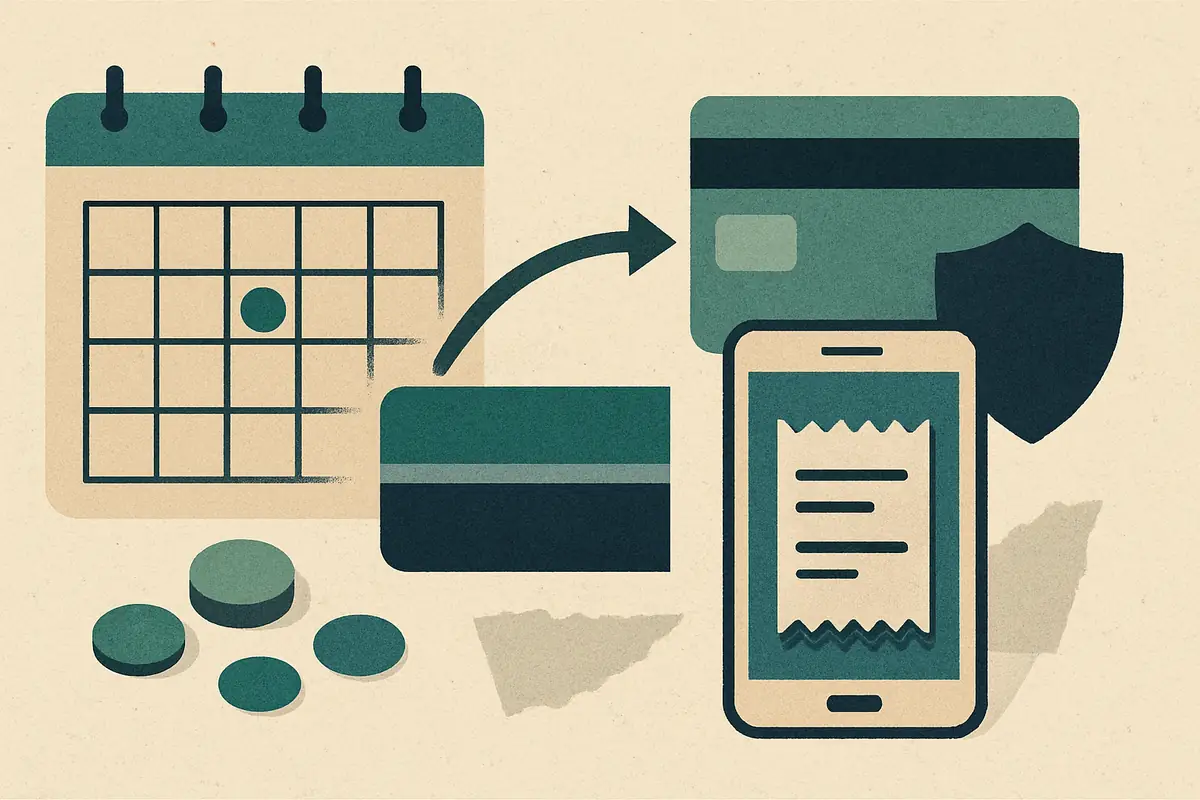
Additionally, chip-enabled cards (EMV technology) help prevent counterfeit fraud by creating unique transaction codes for each purchase that criminals can’t reuse easily. Contactless payments add another layer since they require close physical proximity.
Are there hidden costs connected to credit card fraud protection?
While zero liability limits direct financial loss from fraud, there can still be indirect costs that affect you. For example, resolving fraudulent charges often requires time spent on phone calls and paperwork with your bank and merchants. This process typically lasts several weeks but can stretch up to three months depending on complexity.
Some cards charge annual fees ranging from $25 to over $500 for premium services that include enhanced security tools like real-time transaction notifications via mobile apps or insurance against identity theft expenses. Whether these extra features justify their cost depends on your spending habits and risk tolerance.
If fraudulent purchases go undetected for months because you don’t review statements carefully, interest fees will accrue on those balances at rates commonly between 18% and 30% APR (annual percentage rate). For example, a $2,000 fraudulent balance carried over without payment for two billing cycles at 24% APR could add roughly $80 in interest charges before being cleared.
What typical consumer behavior affects fraud risk and recovery?
Consumers who regularly check their statements and set up alerts tend to catch unauthorized activity earlier, reducing losses and stress. For instance, receiving email or text notifications for every transaction can shorten detection time from weeks to days.
On the other hand, ignoring monthly statements or waiting until the due date increases the chance of missing fraudulent charges on time. This delay could mean higher minimum payments since unpaid balances grow with interest.
Another common pitfall is sharing card information loosely—for example, entering numbers into insecure websites or giving out details over unsolicited calls—exposing yourself to phishing scams designed to harvest data silently.
How does credit card fraud impact your credit score?
Fraud itself won’t directly lower your credit score if handled quickly because zero liability policies prevent you from paying for unauthorized charges. However, if fraudulent activity leads to unpaid balances that linger past due dates or max out your available limits (also called high utilization), your score can suffer temporary damage.
Credit utilization—the ratio of your current balances relative to total available credit—is a major scoring factor making up about 30% of most credit scoring models. Using more than 30% of your available credit consistently can reduce scores by tens of points until balances come down again.
For example, if you have a $10,000 total credit limit across cards but fraudulent activity causes balances to spike above $7,000 (70% utilization), this signals higher risk to lenders until resolved.
What steps should I take after suspecting credit card fraud?
Where readers should be careful
If you spot suspected fraudulent charges on your statement or app: 1) Contact your card issuer immediately using verified phone numbers; 2) Review all recent transactions carefully; 3) Request a replacement card with new numbers; 4) File a report with the Federal Trade Commission; 5) Monitor your credit reports frequently over several months for new unauthorized accounts; 6) Consider placing a fraud alert or credit freeze with major reporting agencies to block new lines opened without consent.
Prompt reporting within 60 days usually prevents you from paying any out-of-pocket costs for the stolen charges. But delaying notification risks full liability for those amounts plus any interest accrued.
Which security features offer the best balance of convenience and protection?
Benefits of Common Security Features
- EMV chip technology reduces counterfeit risks significantly during in-person transactions.
- Transaction alerts help detect unusual spending quickly without requiring constant manual tracking.
- Zero liability policies eliminate direct financial loss when reporting timely.
- Contactless payments add protection by minimizing physical card exposure.
- Mobile app controls allow temporary holds or instant freezes if suspicious activity arises.
Limitations to Keep in Mind
- Fraud monitoring systems may produce false positives causing declined legitimate transactions.
- Not all merchants support EMV chip or contactless technology yet.
- Alerts depend on consumer responsiveness; ignoring them delays detection.
- Premium fraud protection add-ons often come with annual fees that may not be justified for low-risk users.
- Identity theft prevention requires vigilance beyond just securing cards—personal data security matters too.
Can rewards programs increase consumer vulnerability to fraud?
'Rewards fatigue' can lead some users to focus more on earning points or cash back than scrutinizing their bills carefully. If someone steals rewards points through unauthorized spending or transfers rewards accounts without notice, recovering those benefits is difficult as issuers rarely reimburse lost points like cash charges.
'Stacking' multiple promotional offers might tempt overspending beyond comfortable repayment limits. High balances increase exposure if fraud occurs because interest accrues faster on larger outstanding amounts at variable APRs typically between 20% and 28%. Understanding how rewards interact with statement cycles and payment timing helps avoid surprises.
What everyday habits protect me best against credit card fraud? Answering common consumer questions.
How often should I review my credit card statements?
Ideally, review statements every month as soon as they arrive digitally or by mail. Setting calendar reminders helps avoid overlooking suspicious charges early.
Is using mobile payment apps safer than swiping my physical card?
'Mobile wallets' using tokenization provide an extra security layer by never revealing actual card numbers during transactions—making them generally safer than magnetic stripe swipes.
Can I dispute fraudulent charges after paying my statement balance?
Yes. Reporting unauthorized transactions after payment still triggers investigations under zero liability rules but acting sooner reduces hassle and potential late fees from delayed resolution.
What should I do if my physical card is lost but I don’t see suspicious activity yet?
Report loss immediately so the issuer can deactivate the old number and issue a new one before misuse occurs—even if no fraudulent charges appear yet.
How might common misunderstandings increase my risk? Examining misconceptions about security features.
'I’m fully protected, so I don’t need to check my account regularly.' Relying solely on issuer monitoring means you might miss early signs since automated systems sometimes fail to flag subtle patterns quickly enough.'
'If someone steals my rewards points it’s just like losing money.' Actually, points aren’t insured like cash balances under federal rules so recovering them depends entirely on issuer goodwill which varies widely.'
'Contactless cards are completely immune to cloning.' While harder to clone due to dynamic cryptograms per tap, wireless skimming devices have been documented—though rare—and proximity usually must be very close.
Everyday scenario: Missing fraudulent charges during a busy billing cycle.
How this can look in practice
['Imagine Sarah has multiple cards with total limits of $15,000 but only reviews her monthly statements sporadically due to her busy schedule managing family finances.', 'One month she misses noticing unauthorized online purchases totaling $1,200 charged over three days.', 'Because her minimum payments were already tight at around $300 monthly with some carryover balance near her usual utilization threshold (~25%), these extra charges pushed her utilization above 35%. Her issuer flags some transactions but Sarah overlooks texts asking her to confirm recent spending.', 'By the time Sarah catches up four weeks later during her next statement review she faces accrued interest around $60 (at ~24% APR), urgent calls from customer service requesting verification details delaying standard payment deadline adherence.', 'Though Sarah eventually disputes all fraudulent charges successfully under zero liability rules without paying those amounts herself she spends several hours communicating with bank reps plus suffers temporary stress impacting sleep and daily tasks.', 'This scenario shows how even protective features require active engagement by consumers—regular review habits combined with swift responses help minimize financial disruption and preserve good credit health.']
The Role of Behavioral Analytics in Fraud Detection
Behavioral analytics has become an increasingly vital tool in the fight against credit card fraud. By examining patterns in how consumers use their cards—such as transaction frequency, location, and typical purchase amounts—issuers can identify anomalies that might signal fraudulent activity. For example, if a cardholder usually shops locally but suddenly makes multiple large purchases overseas within a short period, the system may flag these transactions for review or decline them altogether. This method moves beyond traditional static rules and leverages artificial intelligence to adapt dynamically to changing fraud tactics. As a result, consumers benefit from enhanced protection without constant manual intervention or excessive false positives that could inconvenience legitimate use.
Moreover, behavioral analytics can minimize the risk of fraud-related losses by enabling quicker responses. Once suspicious activity is detected, issuers can promptly contact cardholders or temporarily lock accounts before significant damage occurs. This proactive approach reduces the financial burden on both consumers and credit providers while fostering trust in the security infrastructure. As fraudsters evolve their techniques to mimic legitimate behaviors, ongoing advancements in machine learning models ensure continuous improvement in detecting subtler threats that traditional systems might miss.
Emerging Technologies Enhancing Credit Card Security
Innovations such as biometric authentication and tokenization are revolutionizing how credit card security is implemented. Biometrics, including fingerprint scanning, facial recognition, and voice verification, provide an added layer of defense that is difficult to replicate or steal compared to passwords or PINs. Many modern smartphones and payment platforms integrate biometric verification to authorize transactions seamlessly and securely. This technology reduces reliance on static information vulnerable to hacking and improves consumer convenience by speeding up the checkout process.
Tokenization substitutes sensitive card details with unique digital tokens during transactions, preventing actual data from being exposed or stored by merchants. Even if
Understanding Liability Protection Policies
Consumer liability protection policies play a crucial role in managing the financial risks associated with credit card fraud. Most major credit card networks offer zero-liability guarantees that shield cardholders from unauthorized charges if their card is lost or stolen and used fraudulently. However, understanding the nuances of these policies is essential because protection levels can vary based on factors such as timely reporting of suspicious activity and adherence to the issuer’s terms.
For instance, while zero-liability policies generally prevent consumers from being held responsible for fraudulent transactions they did not authorize, negligence on the part of the cardholder—like failing to report a lost card promptly—may limit this protection. Additionally, certain types of transactions such as those made with PIN entry may have different liability rules depending on the issuer or network's guidelines. Being informed about these details empowers consumers to act swiftly when fraud occurs and understand their rights regarding dispute resolution.
The Impact of Consumer Education on Fraud Risk Mitigation
While advanced security features significantly reduce risk exposure, informed consumer behavior remains a critical defense against credit card fraud. Educating users about safe payment practices—such as regularly monitoring account statements, using secure networks for online purchases, enabling multi-factor authentication (MFA), and recognizing phishing attempts—can prevent many fraudulent incidents before they occur. Financial literacy programs often emphasize these habits alongside explanations of technological safeguards to create a comprehensive risk reduction strategy.
Additionally, awareness campaigns about emerging scams help consumers stay vigilant against sophisticated fraud schemes that exploit trust or manipulate emotions. When users understand how criminals operate, they are less likely to fall victim to social engineering attacks that bypass technical protections entirely. Ultimately, combining cutting-edge security measures with well-informed consumers creates a robust environment that significantly lowers overall fraud rates.
References
- https://consumer.ftc.gov/articles/what-know-about-identity-theft
- https://www.fdic.gov/consumer-resource-center/credit-cards
- https://www.consumerfinance.gov/consumer-tools/credit-cards/
- https://www.consumerfinance.gov/consumer-tools/credit-reports-and-scores/
- https://www.identitytheft.gov/
- https://www.consumerfinance.gov/ask-cfpb/what-is-a-credit-score-en-315/