Imagine receiving your credit card statement and suddenly spotting a $50 fee you didn’t expect or realizing your rewards points won’t cover the purchase you planned. With credit cards constantly evolving—new fees, reward changes, and shifting payment rules—it’s easy to feel overwhelmed. Many cardholders struggle to keep up with the details that directly affect their wallets and credit scores. This guide breaks down what to watch for as spending habits and card offers change, helping you stay in control without sacrificing benefits.
How Changes in Credit Card Features Affect Your Spending
Credit card providers regularly update their terms—things like annual fees, interest rates (APR), reward categories, and payment deadlines. For example, typical APRs (annual percentage rates) usually hover between 18% and 30%, but some cards may increase these rates based on your payment history or market shifts. Additionally, rewards that once applied seamlessly to multiple purchase categories can become limited or require minimum spending thresholds. These updates influence how much you pay when carrying balances and how you earn cashback or points.
Consider a cardholder with a $3,000 balance carrying over from month to month with an 24% APR. That APR means you’d pay roughly $60 in interest for that month alone if you only made the minimum payment. If the card increases fees or changes the grace period for payments, your cost could rise further without immediate notice. Staying alert to these feature changes helps prevent surprise costs that disrupt budgets.
Understanding Fees and Timing: The Hidden Costs Behind Everyday Purchases
Fees are one of the most common reasons cardholders overpay without realizing it. Annual fees can range from $0 for basic cards to more than $550 for premium cards offering extensive travel perks. Other common charges include late payment fees (generally $25 to $40), over-the-limit fees (if allowed), foreign transaction fees averaging around 3%, and cash advance fees of about 3% to 5% of the amount withdrawn plus a high APR.
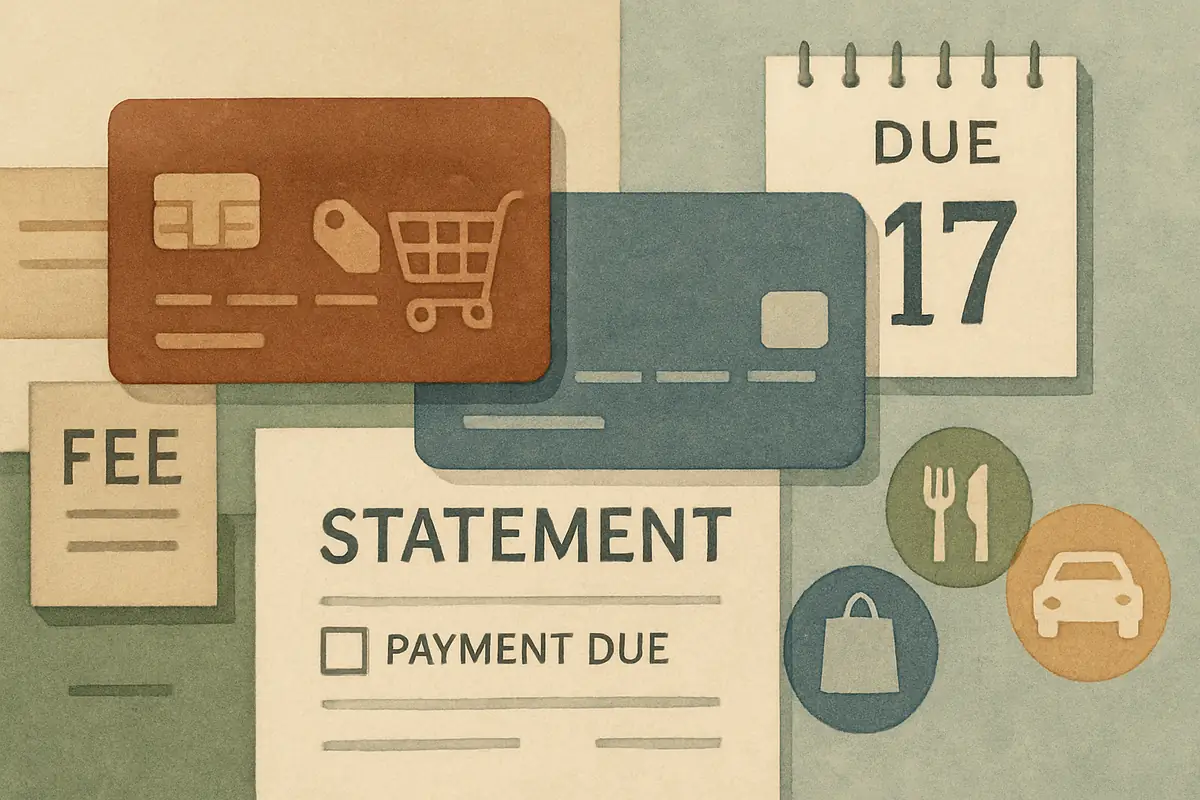
Payment timing is crucial. Most cards have monthly billing cycles lasting about 28 to 31 days, followed by a grace period of roughly 21 to 25 days before interest starts accruing on new purchases if you don’t pay in full. Missing this window means paying interest from the transaction date—not just from when you missed the payment—which can quickly increase your balance.
Where readers should be careful
Warning: Missing even one payment deadline can lead not only to late fees but also to an increase in your APR for penalty interest rates that commonly range from 29% up to as high as 34%. These penalty APRs often apply until you make several consecutive on-time payments.
Behavior-Driven Decisions: How Your Actions Shape Costs and Credit
Your spending and repayment habits heavily influence ongoing costs and credit health. Carrying high balances relative to your credit limits—known as credit utilization—can hurt your credit score. Experts usually recommend keeping utilization below 30%, meaning if your limit is $10,000, try not to carry more than $3,000 in balances at month’s end.
For instance, spending $4,500 on a card with a $5,000 limit results in a 90% utilization rate—a red flag for scoring models predicting risk of default. Lower scores can lead to higher interest rates or declined applications when seeking new credit. Regularly paying at least the statement balance (not just the minimum) helps avoid costly interest charges and signals financial responsibility.
Minimum Payments Explained
Minimum payments typically amount to about 1% to 3% of your balance plus any accrued interest and fees each month. Paying only this amount extends debt duration and increases total interest paid.
Statement Cycles Simplified
A statement cycle is usually one calendar month during which all transactions post. The closing date ends the cycle; after it, you have a grace period before payment is due.
"APR" Defined
"Annual Percentage Rate" represents yearly borrowing cost expressed as a percentage, including interest but not always fees.
"Rewards" Aren't Always Free Money: Weighing Benefits Against Behavior
"Rewards" programs—cashback, points, miles—tempt many consumers but come with nuances affecting real value. Cashback percentages often range from 1% on general purchases up to around 5% on select categories such as groceries or gas—but these higher rates may be capped quarterly at amounts like $1,500 spent.
"Reward chasing" can lead consumers into spending more than intended just to hit bonus categories or minimum spend requirements needed for sign-up bonuses—typically between $500 and $4,000 within three months. The real cost of extra spending often outweighs gained rewards if not done carefully.
"Where Rewards Programs Help"
- "Earn back part of your spending through cashback or points."
- "Enjoy perks like travel insurance or purchase protection bundled with rewards cards."
- "Motivate disciplined spending aligned with budgeted categories."
"Where Caution Is Needed"
- "Extra spending beyond budget reduces net savings despite rewards."
- "Reward values fluctuate; points may devalue or expire if unused."
- "Cards with generous rewards often carry higher annual fees."
"Scenario: Facing Unexpected Costs After Rewards Changes"
How this can look in practice
"Jessica used her card for groceries expecting 5% cashback on up to $1,500 quarterly spend. Mid-year, her issuer reduced grocery rewards to 3%. She spent $2,000 expecting full cashback benefit but learned only the first $1,500 qualified at 5%, rest earned less or nothing. Jessica ended paying off her statement late one month due to tight budget timing, incurring a $35 late fee plus penalty APR increasing from her usual 22% to nearly 30%. The combined effect erased much of her anticipated cashback savings."
"Jessica’s story highlights why closely monitoring reward program updates matters—and why relying solely on points can be risky if payment behavior slips."
Checking Your Credit Score Impact From Card Use
Credit scores range roughly from 300 (poor) up to about 850 (excellent). Key factors include payment history (35%), amounts owed/utilization (30%), length of credit history (15%), types of credit used (10%), and new credit inquiries (10%). Using multiple cards responsibly by paying full statements on time generally supports better scores over time.
However, maxing out cards close to limits or making late payments damages scores quickly. For example, having two cards each maxed at a $5,000 limit ($10,000 total) shows high utilization even if overall debt stays manageable elsewhere.
Tracking Statement Cycles To Optimize Payments And Rewards
Statements usually close once per month; transactions during the cycle post until that closing date. If you pay off the full balance by due date—generally within three weeks—you avoid interest on those purchases entirely thanks to the grace period.
Making a payment right after the closing date but before due date helps lower reported balances seen by credit bureaus because many lenders report balances at statement closing times. This tactic reduces utilization shown on reports which benefits your score.
Where readers should be careful
Warning: Not all cards offer grace periods—especially if you carry a balance from previous months—meaning purchases start accruing interest immediately.
Checklist: Practical Steps To Manage Your Future Spending Behavior
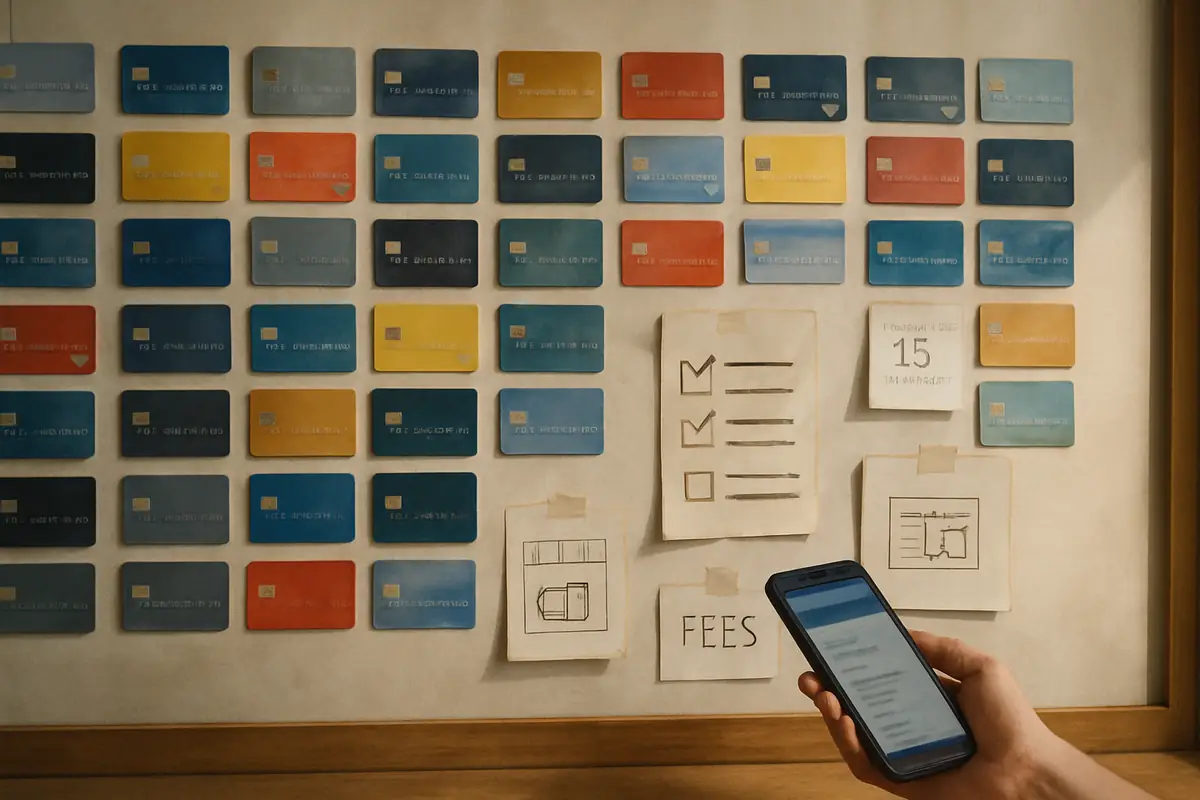
- "Review card agreements annually for updated fees or APR changes."
- "Set reminders for statement closing dates and payment due dates."
- "Aim to pay full statement balances when possible; avoid rolling over debt."
- "Keep track of reward category limits and expiration dates."
- "Monitor credit utilization; target below 30% repayment threshold each billing cycle."
- "Avoid impulse overspending just for rewards; factor true cost-benefit."
How does carrying a balance affect my monthly costs?
Carrying a balance means you will likely be charged interest calculated based on your card's APR (Annual Percentage Rate). For example, with a $3,000 balance at an APR of 24%, you'd pay roughly $60 in interest for one month if only minimum payments are made.
What is credit utilization and why does it matter?
Credit utilization is the ratio of your current credit card balances compared to your total available credit limits. Keeping this below 30% helps maintain good credit scores since high utilization signals higher risk.
Are rewards worth chasing if they encourage extra spending?
While rewards can offset some costs, overspending just to earn bonuses often outweighs benefits because extra purchases may cause higher balances leading to more interest charges.
How do statement cycles impact my payments?
Statement cycles determine when transactions post and set billing periods ending with closing dates. Paying off full statements by due dates avoids interest thanks to grace periods typically lasting around three weeks.
Impact of Digital Wallets on Spending Habits
Digital wallets have rapidly transformed how consumers engage with their finances, particularly when it comes to spending behavior. Unlike traditional credit cards that require physical interaction, digital wallets allow users to make purchases seamlessly through smartphones or wearable devices. This convenience reduces friction during checkout, which can lead to increased spending frequency and impulse purchases. Moreover, digital wallets often integrate loyalty programs and personalized offers, encouraging consumers to spend within specific ecosystems. For example, users might be more inclined to shop at stores where their wallet app offers cashback or rewards, subtly influencing spending patterns. As these technologies become more sophisticated, we can expect them to play a pivotal role in shaping consumer choices and financial discipline.
Despite the convenience, reliance on digital wallets also presents challenges for budgeting and financial control. The immediacy of transactions and the reduction in tangible exchange — like handing over cash or a card — can diminish the psychological impact of spending money. This phenomenon may result in less thoughtful purchasing decisions and higher overall expenditure. However, many digital wallet platforms now offer real-time notifications and spending analytics, helping users stay aware of their outflows. By leveraging these tools effectively, consumers can balance convenience with control, maintaining healthier spending habits in an increasingly digitized financial landscape.
AI-Powered Credit Card Features and Consumer Behavior
Artificial intelligence is revolutionizing credit card services by providing highly personalized financial insights and automated management features. AI algorithms analyze transaction data to identify spending trends and suggest tailored budgeting strategies. For instance, some credit card apps now offer proactive alerts when they detect unusual spending patterns or potential overspending within certain categories. This early-warning mechanism empowers cardholders to adjust their behavior before financial difficulties arise. Additionally, AI-driven chatbots provide instant customer support and advice on optimizing credit usage, making it easier for consumers to make informed choices about financing options and repayment schedules.
Beyond individual benefits, AI integration has broader implications for the credit industry itself. Lenders are using machine learning models to assess creditworthiness more accurately by incorporating diverse data points beyond traditional credit scores. This shift enables better risk assessment but also encourages more responsible lending practices that consider the unique circumstances of each borrower. As a result, consumers may have access to more customized credit products aligned with their spending habits and financial goals. Ultimately, AI's influence will continue to reshape both consumer behavior around credit cards and the operational strategies of financial institutions.
The Role of Behavioral Economics in Credit Card Use
Behavioral economics sheds light on why people often deviate from rational financial decisions despite having access to information and tools designed for optimal money management. When applied to credit card usage, this field explains how cognitive biases such as present bias — the tendency to prioritize immediate gratification over long-term benefits — drive consumers toward higher credit card debt levels than they initially intended. Marketers leverage these tendencies by designing reward structures that trigger emotional responses and encourage repeat usage through points accumulation or limited-time bonus offers.
Understanding these psychological triggers allows both consumers and issuers to develop strategies that mitigate negative outcomes while enhancing positive behaviors. For example, some apps incorporate nudges that remind users about upcoming payment due dates or visualize future savings gained from paying off balances promptly. On the issuer side, designing transparent fee disclosures and fair interest rate policies can reduce confusion and build trust with customers. Recognizing the interplay between behavioral tendencies and product design is essential for fostering healthier credit card habits that benefit all stakeholders.
Environmental Considerations Influencing Spending Choices
Increasingly, environmental awareness is becoming a factor influencing consumer spending decisions linked to credit card use. Many individuals now prefer brands that demonstrate corporate social responsibility or offer sustainable products. Credit cards themselves are evolving to reflect these values; some issuers provide options made from recycled materials or contribute a portion of transaction fees toward environmental causes. Consumers who prioritize sustainability may choose cards that support green initiatives or provide rewards redeemable for eco-friendly products.
Furthermore, environmental concerns affect broader spending behavior by motivating conscious consumption habits such as reducing waste or minimizing unnecessary purchases. Credit cards equipped with detailed spending reports enable users to track not only how much they spend but also categorize expenditures by environmental impact categories like transportation or energy consumption. As awareness grows about the connection between financial activities and ecological footprints, we anticipate further innovations in credit products designed explicitly for environmentally minded consumers.
Privacy Challenges in Evolving Credit Card Technologies
While technological advancements enhance user experience, they also raise significant privacy concerns regarding data security in credit card transactions. The accumulation of extensive personal spending data through digital wallets, AI analytics, and integrated apps creates lucrative targets for cybercriminals seeking identity theft or fraudulent activities. Consumers must remain vigilant about the permissions granted to financial applications and demand robust encryption standards from providers.
Regulatory frameworks are evolving alongside technology but often lag in addressing new threats comprehensively. Consequently, safeguarding privacy requires collaboration between regulators, issuers, technology developers, and end-users themselves. Practically speaking, adopting multi-factor authentication methods and regularly monitoring account activity form essential parts of protecting oneself in this digital age of credit card use.