This dynamic explains why two territories with similar resources—say, both with annual rainfall between 800 and 1,200 millimeters and comparable mineral deposits—can experience vastly different economic outcomes. The critical factor is not simply the volume of assets, but how effectively those assets are coordinated. Coordination can unlock growth, while lack of it leaves capacity underutilized.
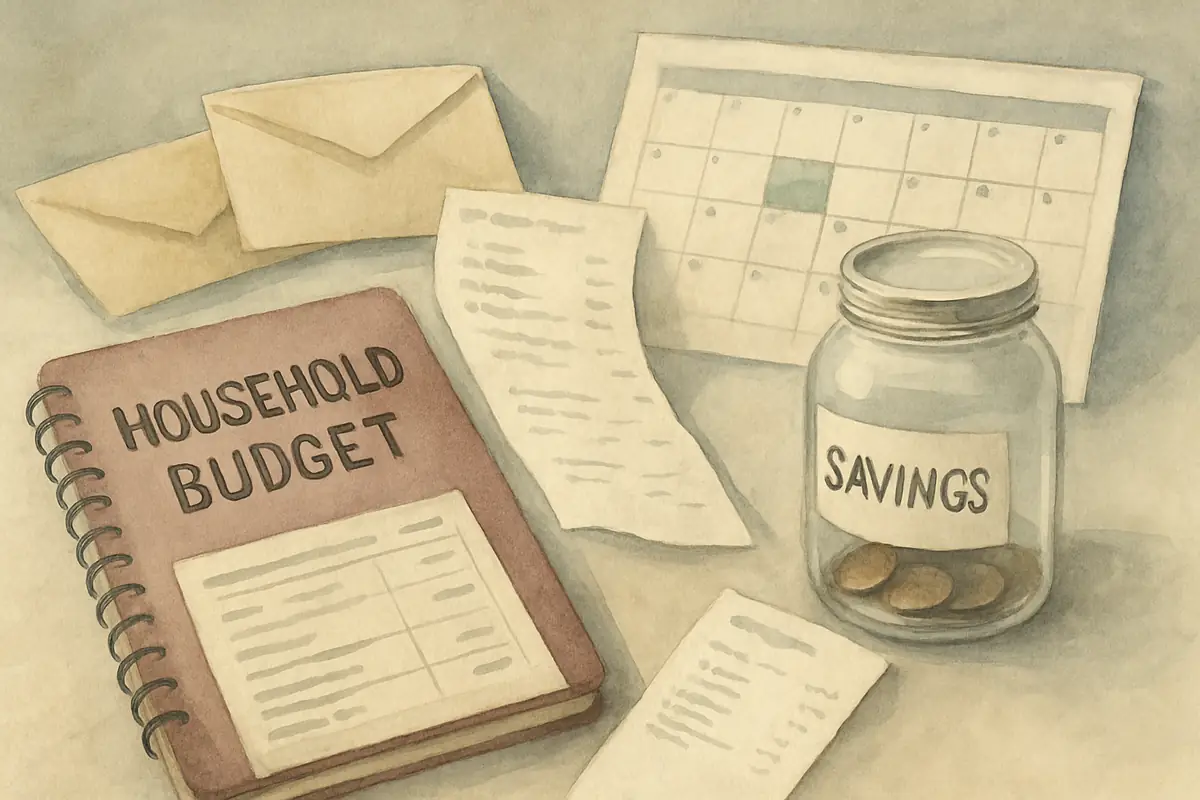
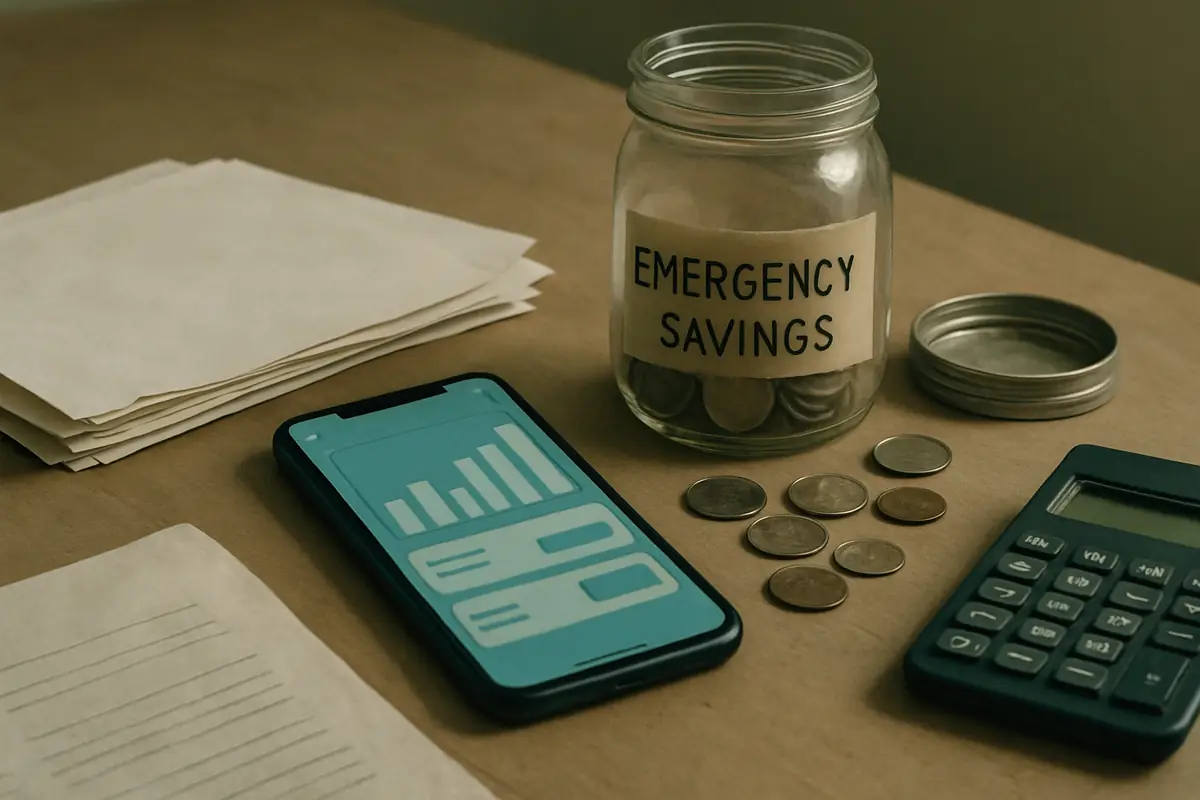
On an individual level, the same principle applies. Financial expansion is usually triggered not by a sudden increase in opportunities, but by optimizing the interaction of existing resources. For instance, reallocating 10% of a household budget from discretionary spending to a high-yield savings account (typically earning between 3% and 5% annual percentage yield, or APY—the yearly rate of return including compounding) can accelerate wealth accumulation over time.
Sustainable economic development—whether local, regional, or personal—depends less on isolated interventions and more on the underlying structure that connects production, knowledge, trust, and continuity. Without this structure, even substantial resources often fail to produce lasting results.
Single-Sector Dependence Creates Fragile Economic Growth
Many regions initially experience growth driven by one dominant sector, such as:
- Agriculture (sometimes accounting for 40% or more of local GDP)
- Tourism (which may employ up to 25% of a region's workforce during peak seasons)
- Industrial extraction (with commodity prices fluctuating by 20% to 50% in a single year)
- Public employment
- External investment concentration (where over 70% of capital inflows target a single industry)
This initial concentration can generate strong momentum: incomes may rise by 15% to 30% over five years, and employment rates can improve significantly. However, reliance on a single growth engine introduces structural fragility.
A single external shock—such as a 30% drop in commodity prices, a supply chain disruption lasting several months, or a sudden policy shift—can undermine years of progress. For example, a region dependent on tourism may see revenues fall by 50% during a global downturn, exposing underlying vulnerabilities.
This is why resilient economic systems intentionally develop secondary and tertiary productive layers, even when the primary sector remains profitable. Diversification helps buffer against volatility and supports more stable long-term growth.
Unlocking Potential by Connecting Existing Assets
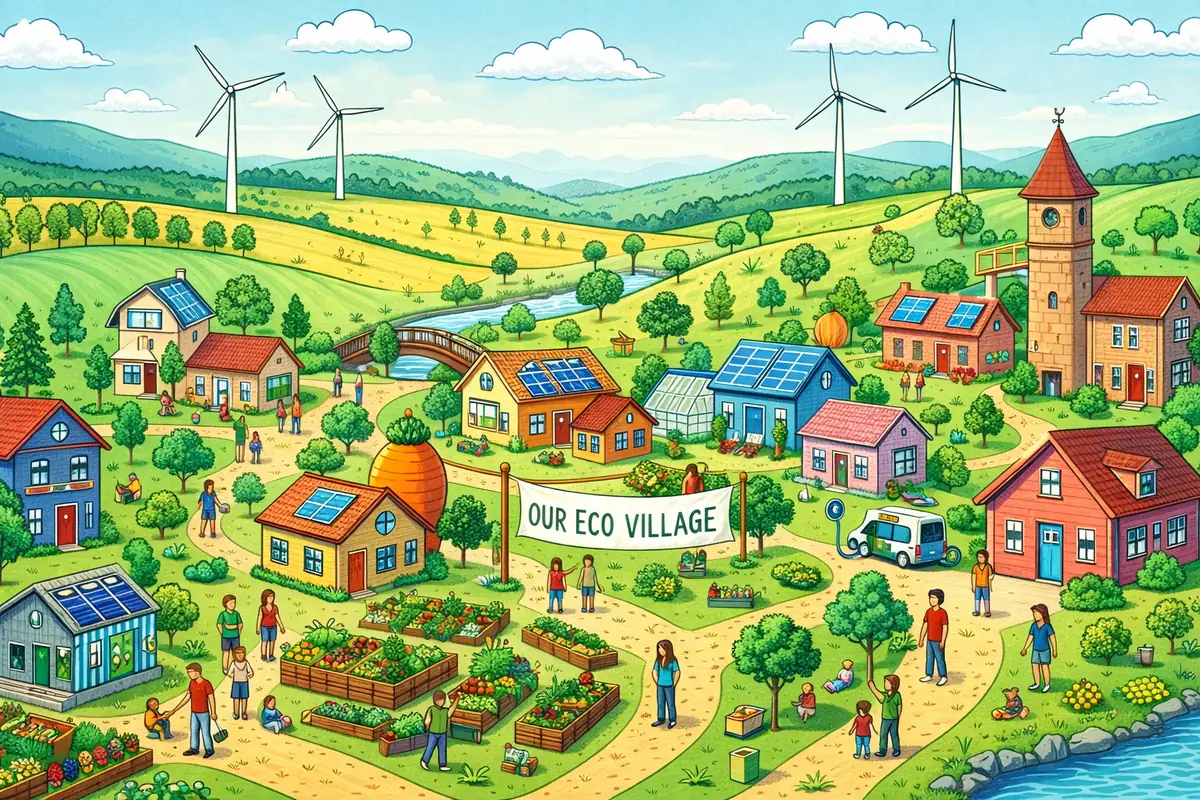
Communities often look externally for growth, but significant opportunity typically exists within their own boundaries:
- Unused productive traditions (such as artisanal crafts with market potential of $500,000 to $2 million annually)
- Local knowledge (including agricultural techniques that can boost yields by 10% to 20%)
- Underdeveloped service chains (where improved logistics can reduce costs by up to 15%)
- Small producers lacking coordination (with average revenues below $10,000 per year)
- Skills disconnected from formal markets
These resources often remain economically weak not due to lack of intrinsic value, but because they are isolated. For example, a group of small producers may each generate $8,000 annually, but by forming a cooperative and pooling logistics, their collective bargaining power and profitability can increase substantially.
A territory may possess productive abilities for decades without translating them into stable economic performance if key elements such as logistics, market visibility, financing, or coordination are missing. Connecting these elements can convert dormant capacity into measurable growth.
Institutional Infrastructure Is as Critical as Physical Infrastructure
Physical infrastructure—such as roads, transport systems, telecommunications, and logistics—often dominates development discussions. For instance, improving road quality can reduce transportation costs by 20% to 40% for local businesses.
However, institutional infrastructure is equally vital. This includes:
- Administrative clarity (clear processes that reduce business registration time from several months to a few weeks)
- Predictable regulation (consistent rules that lower compliance costs, typically ranging between 2% and 8% of operating expenses)
- Trustworthy local coordination
- Accessible financing channels (such as microloans with annual percentage rates, or APRs, commonly between 10% and 25%)
Even when physical infrastructure is robust, the absence of these institutional elements can slow or stall economic growth. For example, delays in permit approvals or unpredictable regulations can deter investment and limit expansion.
This is why many growth plans falter not in their design, but during execution—when institutional gaps become apparent and impede progress.
Human Capital Accelerates Every Economic Strategy
No economic plan can achieve lasting impact without adaptive human capital. Human capital refers to the collective skills, knowledge, and experience of a population, which drive productivity and innovation.
Education is crucial at all levels, not just in universities but across practical domains:
- Technical formation (vocational training that can improve worker productivity by 15% to 25%)
- Digital literacy (enabling access to e-commerce markets, which can increase revenues by 10% to 30%)
- Commercial understanding (basic financial literacy, such as understanding expense ratios—the proportion of operating expenses to total revenue, often targeted below 20%)
- Managerial discipline
Environments where local actors quickly absorb and apply new knowledge often see multiplier effects. For example, a workforce where 70% have completed secondary education may adapt more rapidly to new technologies, influencing surrounding practices and accelerating overall growth.
To illustrate, consider a small business that invests $2,000 in staff training. If productivity rises by 20%, and annual output increases from $50,000 to $60,000, the return on training investment is $10,000 in additional revenue—demonstrating the tangible value of human capital development.
Incremental Innovation Drives Lasting Economic Improvement
Innovation is often associated with dramatic technological breakthroughs, but in many local economies, incremental improvements can have a stronger cumulative effect. For instance:
- Better storage systems (reducing post-harvest losses by 10% to 25%)
- Improved distribution timing (cutting delivery delays from weeks to days)
- Adoption of digital payments (lowering transaction costs from 3% to 1% per sale)
- Packaging upgrades (increasing shelf life by up to 30%)
- Basic production standardization (reducing defects and waste, improving margins by 5% to 10%)
Individually, these changes may seem minor. However, when combined, they can significantly boost productivity, trust, and scalability, laying the foundation for broader economic transformation.
External Investment Requires Local Absorptive Capacity
External capital is frequently viewed as a key indicator of economic promise, with foreign direct investment inflows sometimes exceeding $100 million annually in emerging regions.
However, investment alone does not guarantee sustainable development. If incoming capital remains disconnected from local supply chains, its benefits may be limited to:
- Temporary employment (jobs lasting less than 12 months)
- Minimal knowledge transfer (less than 5% of workers receiving new skills)
- Weak long-term multiplier effects (local reinvestment rates below 15%)
Stronger outcomes occur when external resources are integrated with local suppliers, services, and workforce development. For example, if 40% of investment is channeled to local partners, the positive impact is more widely distributed.
The core question is not simply whether capital arrives, but whether the local economy can absorb and productively utilize it—transforming external funding into sustained growth.
Measuring Economic Health Requires Looking Beyond Headline Growth
Development narratives often focus on visible growth indicators such as:
- Output increases (GDP growth rates of 3% to 7% per year)
- Large investment announcements
- Short-term employment spikes (unemployment rates dropping by 2 to 4 percentage points)
However, deeper measurement should consider:
- Improvement in income distribution (reducing the Gini coefficient by 0.05 to 0.1 points)
- Increased local resilience (ability to withstand downturns without 10%+ job losses)
- Widening productive networks (growth in supplier numbers by 20% or more)
- Reduction in dependence on single sectors (no sector accounting for more than 40% of GDP)
Without these broader metrics, growth may appear statistically positive while remaining structurally fragile and vulnerable to shocks.
Broad Participation Underpins Economic Stability
Economic strategies designed without local participation often struggle to outlast their initial phases. Long-term stability depends on the engagement of those who remain after initial programs conclude, including:
- Small entrepreneurs (who may represent 60% to 80% of local businesses)
- Local institutions
- Families
- Community organizations
When these groups are involved early, strategies are more likely to persist, as ownership becomes distributed and adaptation is more agile. For example, community-driven projects have been shown to last 30% longer on average than top-down initiatives.
Tourism, Creativity, and Services Succeed When Rooted in Local Identity
Regions often pursue rapid diversification through tourism or creative economy models. These sectors can be powerful drivers, with tourism alone sometimes contributing 10% to 20% of regional GDP.
However, success is most likely when these industries reinforce authentic local identity. Attempts to replicate external models without grounding in local culture or resources frequently fail, as visitors and markets quickly perceive a lack of authenticity.
The most resilient economic narratives emerge when new sectors amplify existing strengths—such as unique cultural traditions or natural assets—rather than imitating external formulas. This approach supports both sustainability and differentiation in competitive markets.
Sustainable Development Follows a Strategic Sequence
The sequence of decisions is critical to sustainable development. Too often, regions pursue scale before establishing reliability, resulting in growth that is rapid but fragile.
Strong economic development typically follows a deliberate sequence:
- Understand resources (conducting asset mapping to identify strengths and gaps)
- Strengthen local capacity (investing in training and infrastructure)
- Improve coordination (aligning stakeholders and processes)
- Expand intelligently (scaling only after foundational elements are secure)
For example, a region with $10 million in annual agricultural output might first invest $500,000 in logistics and training, raising output by 15% in two years. Only after these gains are solidified should larger-scale expansion be pursued.
Skipping foundational stages often produces growth that appears impressive in the short term but weakens quickly under stress. Long-term economic potential is unlocked when progress is cumulative, with each stage building on the last for sustainable results.
References
- https://www.fdic.gov/resources/consumers/
- https://www.consumerfinance.gov/consumer-tools/educator-tools/your-money-your-goals/
- https://www.federalreserve.gov/consumerscommunities/shed.htm
- https://www.fdic.gov/resources/consumers/money-smart/
- https://www.federalreserve.gov/publications/report-economic-well-being-us-households.htm