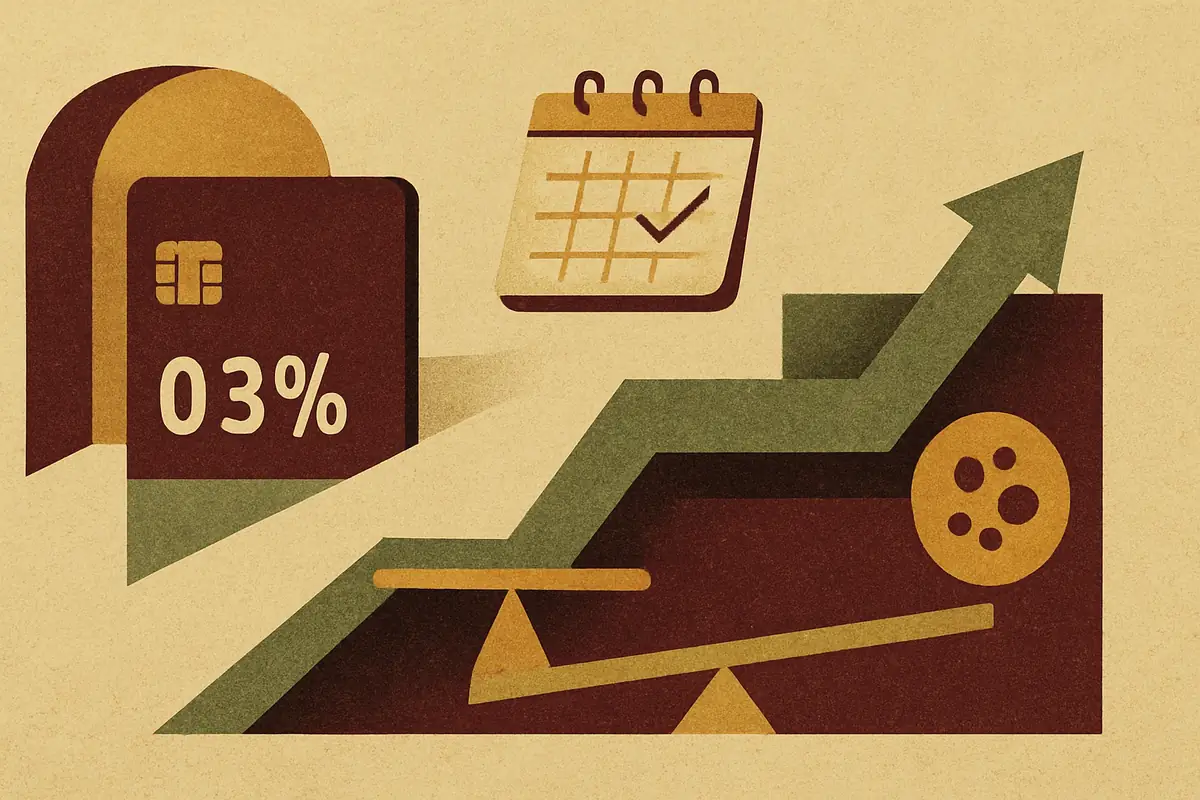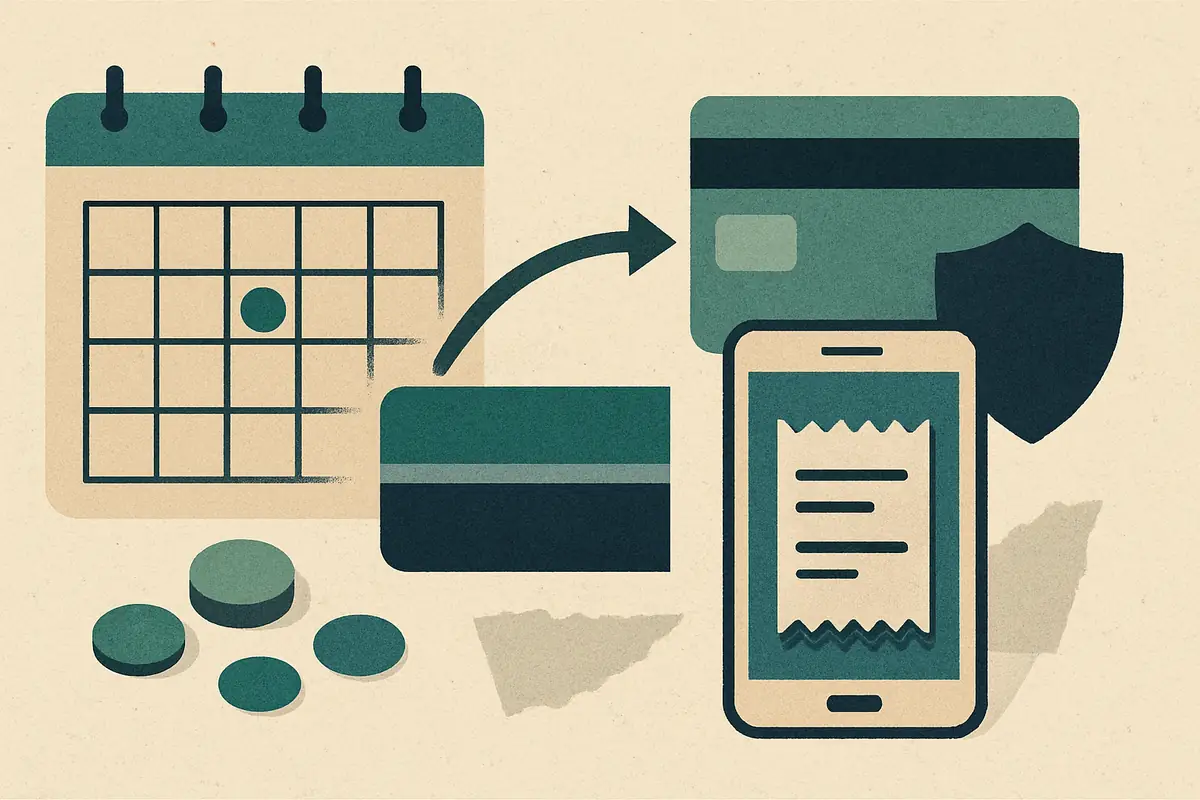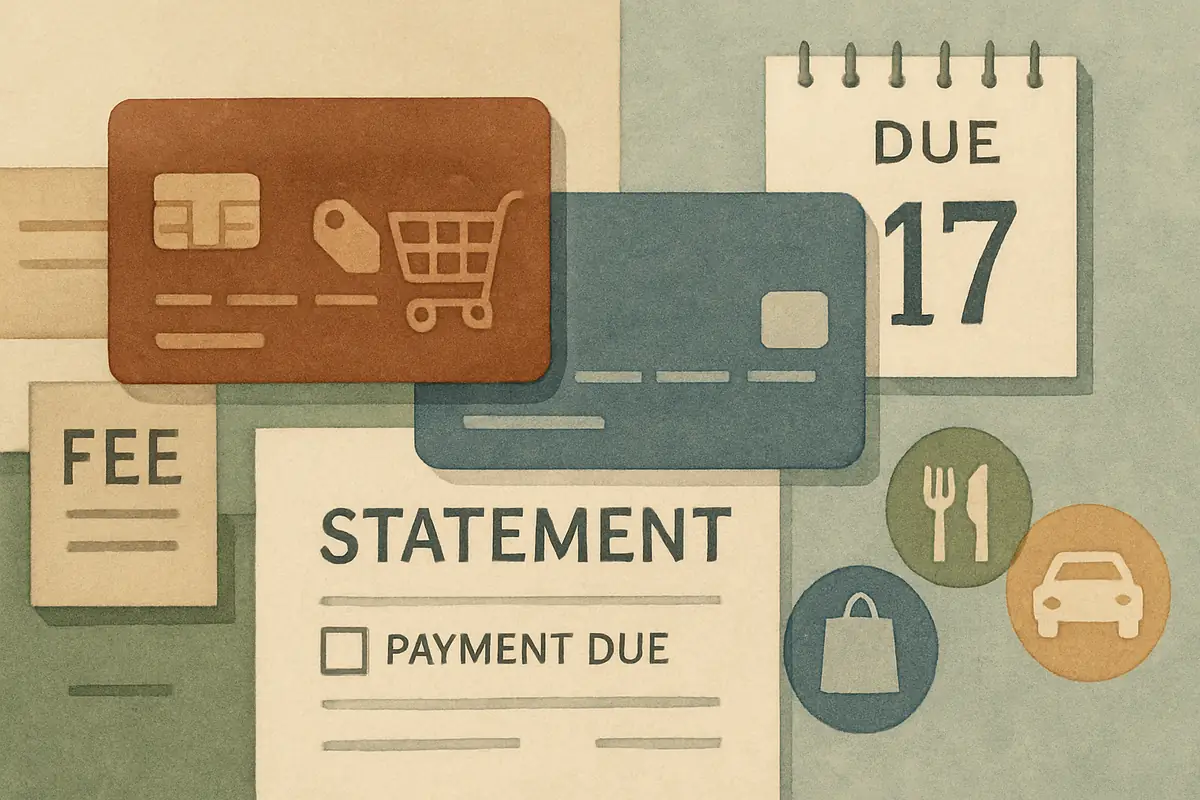
At first glance, both microloans and credit cards solve the same problem: enabling purchases or payments without having the full cash amount on hand. However, the way they function and the total costs over time can vary widely.
Structurally, these products are fundamentally different.
A microloan is a fixed, short-term debt with a set repayment schedule. In contrast, a credit card offers a revolving line of credit, meaning you can borrow, repay, and borrow again, with costs that depend heavily on how you manage your balance.
Understanding these differences is crucial, as the same urgent $500 expense could be resolved affordably with one product and become expensive with the other, depending on repayment habits.
Structural Differences Shape Borrower Experience and Costs
Both microloans and credit cards provide rapid access to funds—often within minutes to a day. However, similarities end there.
Microloan
- Fixed borrowed amount (often $100–$1,000)
- Defined repayment calendar (typically 2 weeks to 12 months)
- Short maturity (rarely more than 1 year)
Credit Card
- Reusable credit line (limits often $500–$10,000 for new users)
- Flexible payment structure (minimums often 1%–3% of balance)
- Revolving balance possible, with no fixed end date
These structural differences affect not just the mechanics of repayment but also how borrowers feel about their debt.
A fixed debt, like a microloan, creates clear boundaries: you know exactly how much you owe and when it must be paid. In contrast, a credit card’s revolving structure can blur those boundaries, making it easier to accumulate debt over time.
Microloans: Accessible, Predictable, and Short-Term
Microloans are popular among borrowers with thin or no credit history, as approval often relies on minimal documentation and fast digital verification. Many microloan applications require only proof of income and identity, and funds can be transferred within hours.
- Minimal documentation (often just a pay stub and ID)
- Digital identity verification
- Approval in as little as 15 minutes to 1 business day
- Immediate transfer, sometimes within the hour
These features make microloans attractive when:
- No credit card is available
- Credit history is limited or new
- The need is urgent and specific
For first-time borrowers, the appeal is also in the clarity: a microloan typically involves borrowing a set amount—say, $400—with a fixed repayment date, such as in 30 days or 3 months. The total repayment amount is disclosed upfront.
For example, a microloan of $500 might come with a $50 fee for 30 days. The borrower knows they must repay $550 on the due date, with no further obligation.
Credit Cards Offer Ongoing Flexibility—But Require Discipline
Credit cards provide access to a revolving credit line, which means you can make multiple purchases up to your credit limit, repay some or all of the balance, and borrow again. This flexibility is powerful for managing day-to-day expenses, travel reservations, or recurring bills.
- Daily purchases (groceries, gas, etc.)
- Travel and hotel reservations
- Recurring subscriptions (streaming, utilities)
- Short-term liquidity for unexpected expenses
However, this flexibility can affect borrower psychology. Credit cards typically require only a minimum payment—often 2% to 4% of the outstanding balance—each month. If you carry a balance past the grace period (usually 21–25 days after the statement closes), interest accrues at an annual percentage rate (APR) commonly between 18% and 30%.
Total Cost: The Impact of Repayment Timing (With Example)
Microloan costs are concentrated and upfront, while credit card costs can be spread out and less obvious. A microloan might charge a 10% fee for a 30-day term, equating to a high annualized rate, but the obligation ends quickly. Credit cards may seem cheaper initially due to small minimum payments, but costs can rise sharply if balances are not paid in full.
Let’s see how this plays out with a worked example:
- Scenario: You need $600 for an emergency.
- Microloan: You borrow $600 for one month with a $60 fee (10% of the principal). You repay $660 in 30 days. The effective APR is about 120% if annualized, but you’re done after one payment.
- Credit Card: You charge $600 to a card with a 24% APR and make only minimum payments (let’s say 3% of balance, or $18 per month to start). If you only pay the minimum each month, it could take over 3 years to pay off the balance, and you would pay approximately $250–$300 in interest, depending on how the minimum payment declines over time.
This example shows that while the microloan’s cost is high in percentage terms, the total dollar amount is predictable and limited. With a credit card, the total cost depends entirely on how quickly you repay the balance. If you pay the full $600 within the grace period, you may pay no interest at all.
In summary: microloans have a high but transparent cost for short periods; credit cards can be low-cost or very expensive depending on repayment speed.
Microloans Offer Psychological Closure
A valuable feature of microloans is the sense of closure they provide. The borrower faces a single, non-reusable obligation:
- One principal amount
- One repayment deadline
- One completed debt cycle
This structure makes it less tempting to borrow again immediately and can help prevent recurring debt cycles, as new applications are usually required for each loan. For temporary financial shocks—like a $350 car repair or a $200 medical copay—this can help keep debt manageable and short-lived.
Credit Cards Enable Ongoing Access—and Ongoing Temptation
Credit cards remain available after each payment, making it easy to make frequent small purchases. Over time, this can normalize borrowing, and credit limits (often $1,000–$5,000 for many users) may feel less concrete.
- Small purchases (under $50) feel routine
- Repeated use can lead to unnoticed debt accumulation
- Credit utilization (the ratio of balance to limit, ideally kept below 30%) may creep up, affecting credit scores
For disciplined users who pay in full each month, this is efficient and can even earn rewards. For less disciplined users, balances can silently accumulate, leading to higher interest charges and potential financial stress.
Situations Where Microloans Are More Appropriate
Microloans are best suited for urgent, one-time expenses where the repayment source is known—such as a paycheck arriving within two weeks—and where the borrower values a clear end date. Typical uses include:
- Emergency vehicle repairs ($200–$800)
- Medical bills ($100–$1,000)
- Short-term cash flow gaps (under $1,000)
Because microloans are not revolving, they help keep financial boundaries clear and prevent ongoing debt cycles.
When Credit Cards Provide Greater Value
Credit cards are more effective when used for regular purchases, and when the borrower pays off the balance within the grace period each month. This allows users to avoid interest, manage cash flow, and benefit from extra features such as:
- Rewards points or cash back (typically 1%–5% of purchases)
- Travel or purchase insurance
- Purchase protection (against theft or damage, up to $1,000–$10,000 per year)
- Fraud protection and zero liability policies
These advantages are only fully realized when balances are paid in full and revolving debt is avoided.
Potential Credit Impact of Misusing Either Product
Both microloans and credit cards can harm your credit score if payments are missed or late. Consequences may include:
- Penalty interest rates (often 29%–36% APR for cards, or additional fees for microloans)
- Late fees (commonly $25–$40 per incident)
- Negative credit reporting (late payments typically reported after 30 days past due)
Microloan stress can escalate quickly because repayment windows are short—sometimes just 14–30 days. Credit card stress may build slowly, as balances remain open and minimum payments delay full repayment, potentially for years.
Financial Knowledge Drives Better Outcomes Than Product Selection Alone
The outcome of borrowing depends less on the product itself than on the borrower’s understanding of costs and habits. Key factors include:
- Reading the effective APR (annual percentage rate, the yearly cost of borrowing including fees and interest)
- Understanding the repayment sequence (how payments are applied to principal, interest, and fees)
- Knowing personal spending patterns and self-discipline
A disciplined borrower can use either tool safely, while undisciplined borrowing can lead to financial strain with both.
Choosing Based on Repayment Timeline, Not Just Urgency
Urgency often drives the initial decision, but the most important question is: How long will this debt remain active?
If repayment can be made quickly and in full, a microloan often provides clarity and closure—despite a higher upfront fee. If spending is ongoing and repayment is reliably managed within the grace period, a credit card offers more efficiency and added benefits.
Ultimately, the best choice depends less on the product and more on whether the repayment structure matches your real financial behavior and time horizon.
References
- https://www.consumerfinance.gov/consumer-tools/credit-cards/
- https://www.fdic.gov/consumer-resource-center/credit-cards
- https://www.consumerfinance.gov/consumer-tools/credit-reports-and-scores/
- https://www.consumerfinance.gov/ask-cfpb/what-is-a-credit-score-en-315/
- https://consumer.ftc.gov/articles/what-know-about-identity-theft
- https://www.consumerfinance.gov/consumer-tools/bank-accounts/