In 2023, the average American household spent between $500 and $700 more per month on essentials like groceries, gas, and utilities compared to just two years prior. As these costs climb, many people turn to credit cards to bridge the gap in their monthly budgets. But relying on minimum payments—a practice where only a small portion of the outstanding balance is paid each month—can have both immediate and long-lasting financial consequences. This article examines the mechanics and effects of minimum payments on credit cards during periods of inflation, equipping you to navigate rising costs more strategically.
How Minimum Payments Became a Widespread Tool
Minimum payments are designed by credit card issuers as a safeguard, allowing cardholders to avoid late fees (which typically range from $25 to $40 per missed payment) and negative marks on their credit reports. The minimum payment is usually calculated as 1% to 3% of the outstanding principal balance, plus any new interest and fees for that cycle. For example, if your card balance is $1,000 and your card’s minimum payment is set at 2%, you’d owe $20, plus the month’s interest—often bringing the total to $30–$40. This structure offers short-term relief, freeing up cash for other bills and emergencies.
Many Americans—nearly one in three according to industry surveys—use minimum payments during months when unexpected costs arise or income is tight, preferring to maintain liquidity rather than tap into savings or emergency funds. However, this approach means most of the payment covers interest and fees, with only a small portion reducing the principal balance.
Rising Costs Make Minimum Payment Reliance Riskier
Inflation, which has pushed annual price increases to between 4% and 8% in recent years, puts additional pressure on household budgets. When essentials like food or gas rise by $50 to $150 per month, less money remains for debt repayment. Credit card users who stick to minimum payments under these conditions may see their balances stagnate or even grow, due to interest compounding.
Credit card Annual Percentage Rates (APRs)—the yearly cost of borrowing expressed as a percentage—commonly fall between 18% and 30%. At these rates, a $2,000 balance can accrue $30 to $50 in interest each month if only the minimum is paid. Over six months, that could mean $180 to $300 in interest alone, not including any new purchases. This dynamic can trap cardholders in a cycle where debt reduction feels impossible.
Scenario: Juggling Bills with Minimum Payments Under Pressure
Maria’s monthly grocery bill increased by 20%, or about $80, within a single quarter. To keep up with rent and higher utility bills, she dropped her monthly credit card payment to the $40 minimum on a $1,200 balance at 23% APR. Over the next six months, interest and occasional late fees added $350 to her total debt, raising her minimum payment to $47 and putting her credit utilization ratio—a measure of how much of her available credit she’s using—above the recommended 30% threshold.
The True Costs Hidden in Minimum Payments
While minimum payments can help avoid immediate penalties, they often hide the real, long-term costs of borrowing. Interest on credit cards compounds daily, meaning you are charged interest not just on your original balance but also on unpaid interest from previous cycles. Because minimum payments typically cover only new interest and a small fraction of the principal, balances shrink slowly—sometimes by less than $10 per month on a $1,000 debt.
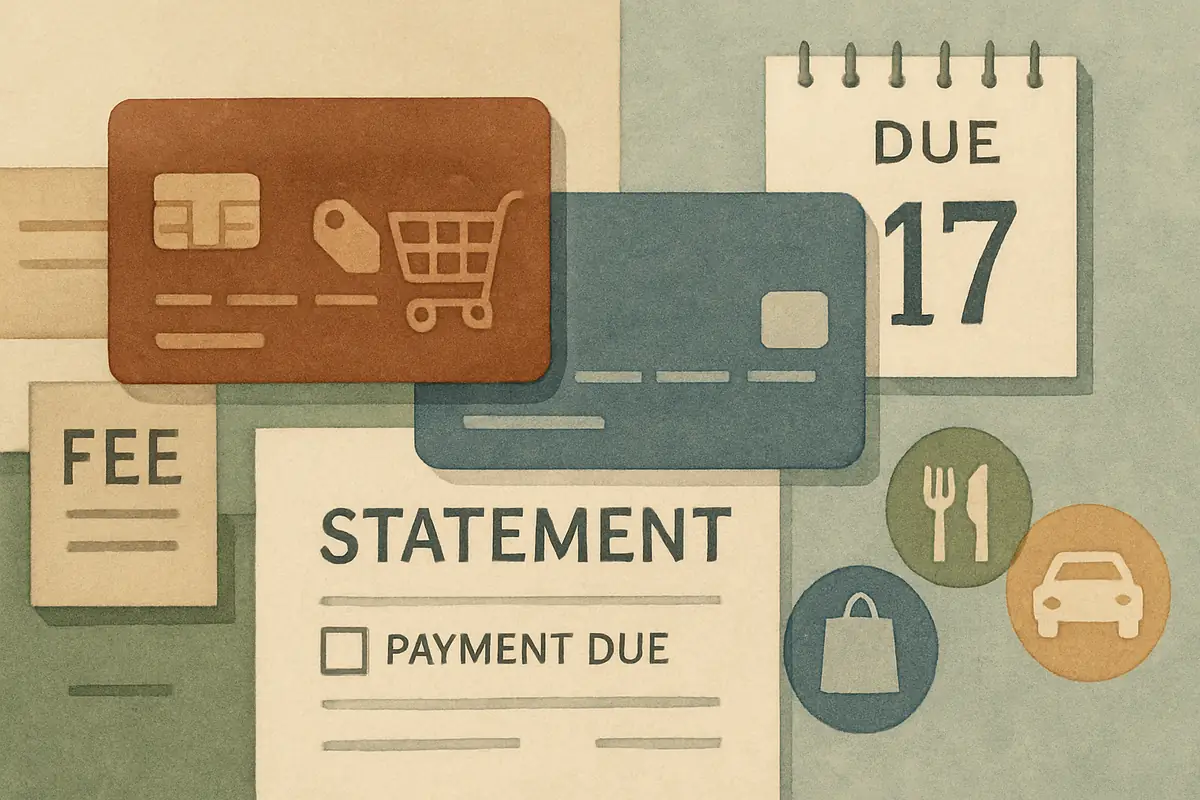
Other costs can add up: annual fees (often $50–$100), penalty interest rates (which can spike to 29.99% or higher after a single missed payment), and late fees. The timing of your payment also matters. If you pay just after your statement closes, more of your payment goes to interest, and your principal reduction is delayed. The statement cycle—the monthly period when purchases and payments are tallied—determines when interest begins accruing on new charges.
Where readers should be careful
Making only the minimum payment each month, especially during inflation, can lead to a debt spiral—where balances grow instead of shrink—raising total repayment costs and putting your credit score at risk.
Behavioral Impacts: How Payment Habits Affect Credit Health
Your payment strategy affects more than just your current balance. Two crucial credit score factors are your payment history (which makes up about 35% of most scoring models) and your credit utilization ratio (typically 30% of your score). Utilization ratio is calculated by dividing your current card balances by your total credit limits. Experts generally recommend keeping utilization below 30%, but during inflation, more cardholders see ratios climb to 40% or even 50% when only minimums are paid.
Consistently paying only the minimum can extend debt payoff timelines from a few months to several years. For example, a $3,000 balance at 20% APR, with a 2% minimum payment (about $60/month), could take over 15 years to repay if no new charges are added—and total interest paid may exceed $4,000.
Balancing Rewards and the Real Cost of Minimum Payments
Credit card rewards, such as 1–2% cash back or points on purchases, can seem attractive during periods of high spending. However, when balances are carried month to month and only minimum payments are made, the rewards earned are often overshadowed by interest charges. For instance, earning $20 in cash back on $1,000 of purchases is quickly negated by $15–$25 in monthly interest at a 20% APR.
- Statement cycles, which typically last 28–31 days, determine when new purchases count toward rewards and when interest starts. - Annual fees ($50–$120) on rewards cards can further erode the value of points or cash back if you’re not paying off your balance each month. - Some cards delay posting rewards until the statement closes, which can postpone their benefit if you’re only making minimum payments.
Where Making Minimum Payments Still Helps
- Keeps your account in good standing, avoiding late fees of $25–$40.
- Preserves cash flow during months when expenses exceed income.
- Maintains a positive payment history if payments are on time.
Where Caution Is Needed
- Significantly extends the time required to pay off debt—sometimes by a decade or more.
- Leads to paying more in interest than in principal reductions, especially at APRs above 20%.
- Increases overall borrowing costs due to compounding fees and interest.
- Can push your credit utilization ratio above 30%, negatively impacting your credit score.
Calculating the Impact: A Step-by-Step Example
Let’s see how minimum payments affect debt repayment in concrete terms. Suppose you have a $2,500 balance at a 24% APR, with a minimum payment set at 2% of the balance (or $50, whichever is greater).
- First month: Minimum payment is $50. Interest for the month is about $50 (24% annual rate divided by 12 months, multiplied by $2,500 = $50). Almost your entire payment goes to interest, leaving the principal nearly unchanged.
- Second month: Balance is now about $2,500 (since only a few dollars went to principal). Another $50 in interest accrues, and you pay another $50 minimum.
- If you continue this pattern, after 12 months you’ll have paid about $600, but your balance will have only dropped by about $60–$70, with the rest going to interest. At this rate, it could take over 20 years to pay off the original balance, and total interest paid could exceed $4,000.
Why Payment Timing Within Statement Cycles Matters
Statement cycles, usually lasting 28 to 31 days, determine when your purchases and payments are recorded. Paying before the statement closing date can reduce your reported balance, which is the amount lenders see when they check your credit. This can help lower your credit utilization ratio and improve your credit score.
However, if you wait to pay until after the statement posts, your balance may appear higher to credit bureaus, even if you pay in full right after. Interest also accrues daily, so paying earlier in the cycle can slightly reduce the total interest charged for that period. Payment timing becomes even more important during inflation, when balances may be higher and every dollar counts.
Where readers should be careful
If rising costs force you to delay payments so that only last-minute minimums are made after the statement closes, you could end up with higher accrued interest and a less favorable credit report snapshot—even if you never miss a payment.
Checklist: Practical Steps for Managing Minimum Payments During Inflation
To stay ahead of debt during periods of rising prices, consider these steps:
- Track all monthly expenses and identify areas where you can cut $25–$100 to free up cash for debt repayment.
- Prioritize paying more than the minimum on the highest-APR card if possible, even if it’s just $10–$20 extra per month.
- Set up payment reminders a week before your statement closes to maximize credit score benefits.
- Review your card statements for annual fees or penalty charges that could be avoided or negotiated.
- Monitor your credit utilization ratio monthly; aim to keep it below 30%, even if that means spreading balances across multiple cards.
Rethinking Debt Management Strategies in a High-Cost Environment
With household expenses rising by 10% or more in some regions since 2021, relying solely on minimum payments is increasingly unsustainable. Strategic debt management means not just meeting the minimum, but also making incremental improvements—like adjusting payment timing, rounding up payments by $10–$50, or temporarily pausing discretionary spending to attack the principal balance.
Credit cards, when used wisely, remain valuable tools for managing cash flow and earning rewards. But during inflationary cycles, it’s crucial to actively manage balances and understand how payment timing, interest rates, and utilization ratios interact. Small changes—such as making payments twice per month or targeting the highest-interest card—can yield significant long-term savings and protect your financial health.
Long-Term Effects of Minimum Payments on Credit Health
While minimum payments can keep your account in good standing and help you avoid late fees, the extended timeline for paying off debt means you may pay double or triple the original borrowed amount in interest. For example, a $5,000 balance at 22% APR, with only minimum payments made, could take over 20 years to repay and cost $8,000–$12,000 in interest alone.
High and persistent credit utilization—such as carrying balances above 40% of your available limit—can lower your credit score by 20–50 points, making future borrowing more expensive. Issuers often reward customers who pay more than the minimum with credit line increases or lower APR offers. In contrast, those who rely on minimums may see fewer benefits and more restrictions over time.
How Inflation Shapes Payment Behavior and Credit Costs
When inflation drives up expenses by hundreds of dollars per month, more consumers turn to minimum payments to manage cash flow. This trend increases the average balance carried month to month, which in turn raises the total interest paid and the risk of financial strain. Surveys show that during periods of high inflation, the percentage of cardholders making only minimum payments can rise from 25% to over 40%.
Inflation can also affect credit card interest rates, especially for cards with variable APRs that adjust based on benchmark rates. If the Federal Reserve raises rates to combat inflation, credit card APRs may climb by 1–3 percentage points, making existing balances even more costly to carry. This further amplifies the impact of relying on minimum payments as a long-term strategy.
Supplementing Minimum Payments: Smart Strategies for Costly Times
To counteract the downsides of minimum payment reliance, consider these approaches:
- Focus extra payments—however small—on the card with the highest APR to reduce total interest paid.
- Contact your issuer to request a lower APR or inquire about hardship programs if your income has dropped or expenses have surged. Some companies offer temporary rate reductions or payment deferrals.
- Use windfalls, such as tax refunds or bonuses, to make lump-sum payments that immediately reduce principal and future interest costs.
Budget Adjustments: Freeing Up Funds for Debt Repayment
Reevaluating your budget is essential during periods of rising costs. Start by listing all sources of income and fixed expenses, then identify discretionary spending—such as dining out, streaming services, or non-essential shopping—that can be reduced or paused. Even cutting $30–$75 per month from these categories can accelerate debt payoff timelines by months or years.
Digital budgeting tools can help track spending and send alerts when you approach preset limits. These tools support consistent, above-minimum payments by highlighting where your money goes and where adjustments can be made.
When Minimum Payments Fit into a Broader Repayment Plan
Minimum payments aren’t always a sign of financial distress. During brief periods of reduced income or unexpected costs—such as a job change or medical bill—they can serve as a temporary safety net. The key is to establish a clear timeline for returning to higher payments, such as within three to six months, and to build a small emergency fund to prevent future reliance on minimums.
Pairing minimum payments with a plan to increase payments as soon as possible helps prevent long-term debt accumulation and protects your credit profile.
Debt Repayment Methods: Snowball vs. Avalanche
Two popular debt reduction strategies can enhance the effectiveness of minimum payments:
- Snowball method: Make minimum payments on all debts, but pay extra toward the smallest balance first. This builds psychological momentum as individual debts are paid off, even if it’s not always the fastest route to zero.
- Avalanche method: Make minimum payments on all debts, but pay extra toward the debt with the highest APR. This approach minimizes total interest paid and can save hundreds or thousands of dollars over time.
Both methods require discipline and regular review, but when paired with even modest above-minimum payments, they can help break the cycle of revolving debt—especially important during periods when inflation makes every dollar count.
References
- https://www.consumerfinance.gov/consumer-tools/credit-cards/
- https://www.fdic.gov/consumer-resource-center/credit-cards
- https://www.consumerfinance.gov/consumer-tools/bank-accounts/
- https://www.consumerfinance.gov/consumer-tools/credit-reports-and-scores/
- https://consumer.ftc.gov/articles/what-know-about-identity-theft