Installment loans are a common way for households to finance large purchases, such as vehicles, home repairs, or education, with over $100 billion in new personal installment loans originated annually in the United States alone. While fixed payments and predictable end dates can help with budgeting, the true long-term impact of these loans depends on interest rates, fees, and your ability to keep up with scheduled payments over several years. Small missteps can quietly escalate costs and disrupt your household's financial stability.
Where readers should be careful
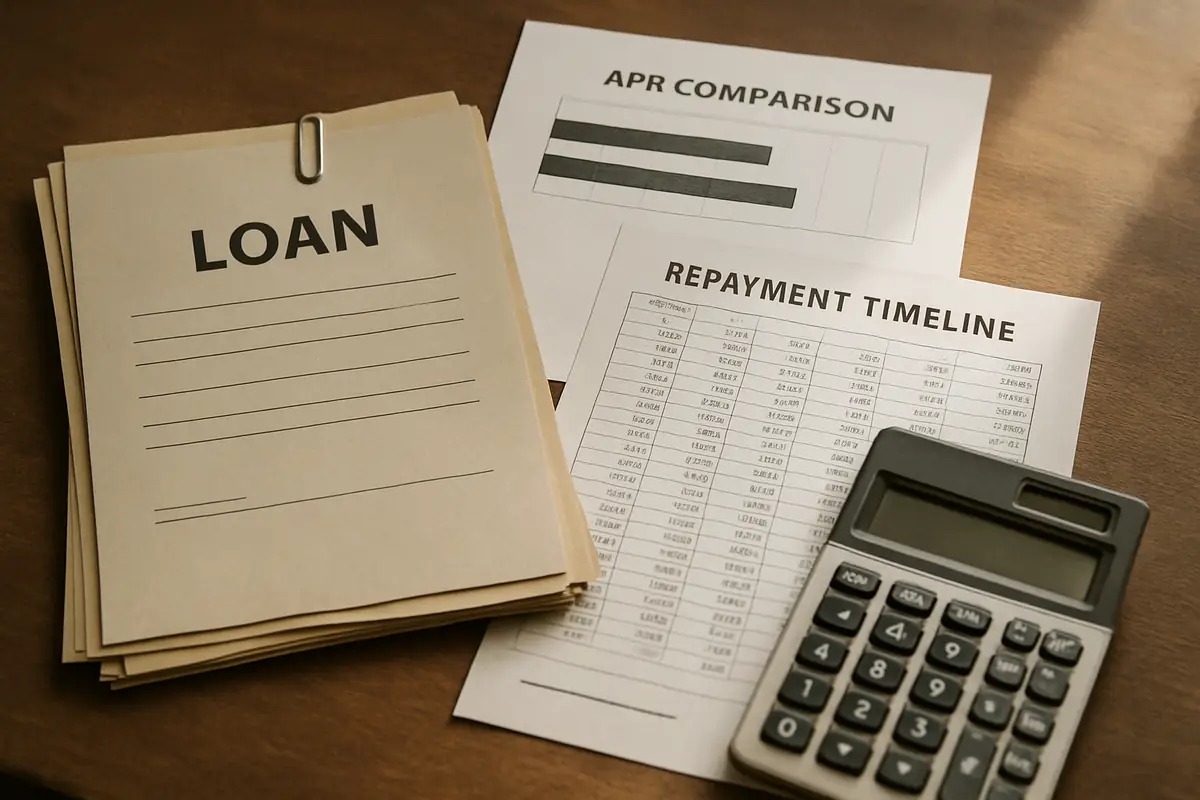
Many borrowers focus only on the advertised monthly payment, overlooking the full cost of an installment loan. The real total includes the annual percentage rate (APR)—which combines the nominal interest rate with origination, processing, and other fees—plus the repayment term and any penalties for late or early payments. For example, origination fees for personal loans typically range from 1% to 8% of the loan amount, while late payment penalties can add $30 to $50 or more per missed payment. Failing to account for these factors can lead to higher total costs and tighter monthly budgets than expected.
Key Terms That Shape Installment Loan Costs
An installment loan is a type of credit that is repaid over a set period with a fixed number of scheduled payments. Unlike revolving credit (such as credit cards, which let you borrow repeatedly up to a limit and pay variable amounts each month), installment loans have fixed payment amounts and a predetermined end date. Common types include auto loans (often 3 to 7 years), personal loans (1 to 5 years), mortgages (15 to 30 years), and student loans (10 to 25 years). Each type has its own risk profile and cost structure, but all involve interest charges accruing over the loan term and a commitment to make regular payments.
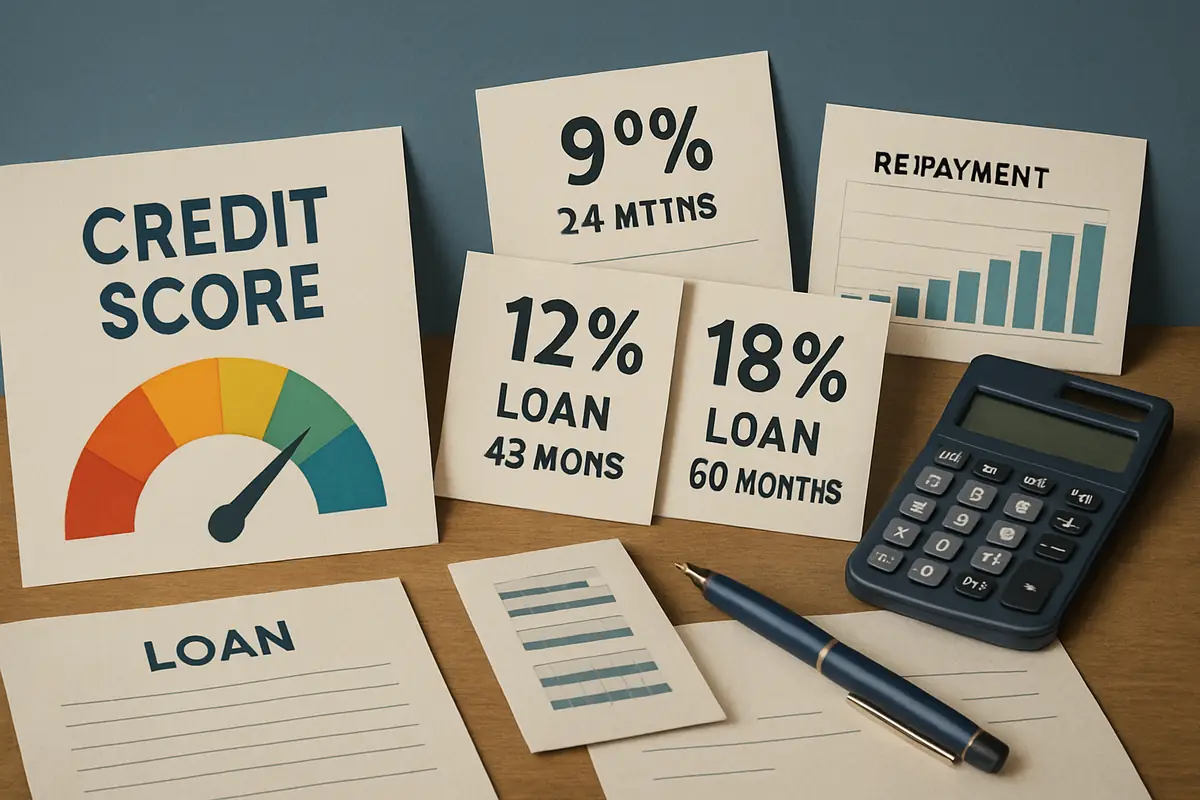
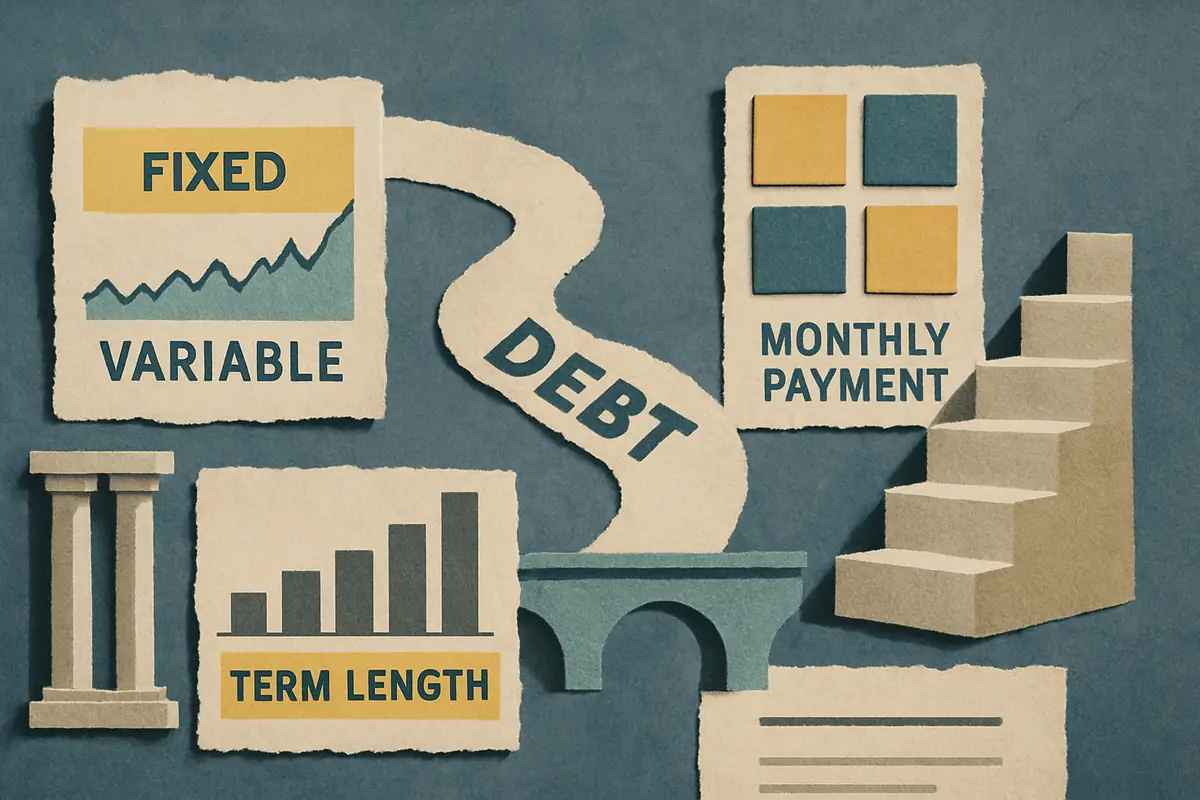
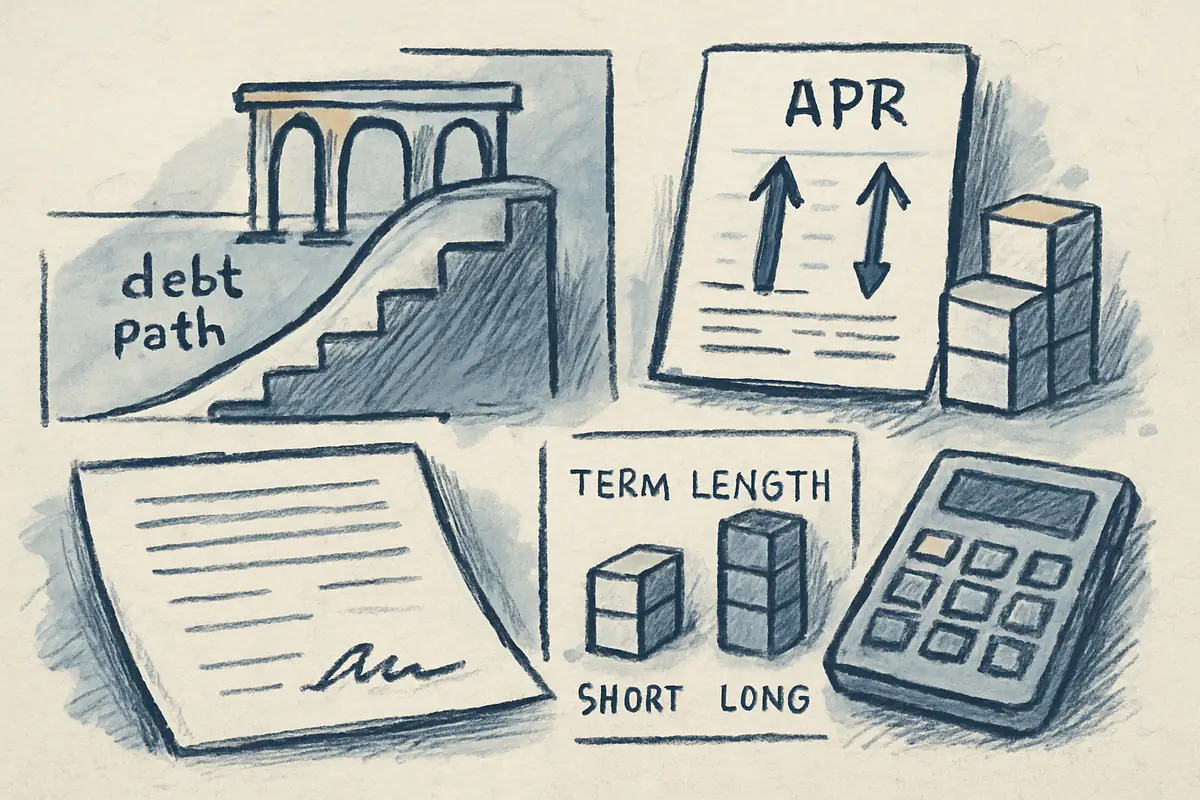
The annual percentage rate (APR) is a measure of the total cost of borrowing, expressed as a yearly rate. It includes not only the base interest rate but also fees like origination charges and required insurance. For example, a personal loan may advertise a 7% interest rate, but with a 5% origination fee, the APR could rise to 9% or more. The repayment term—the number of months or years over which you pay the loan back—also matters: shorter terms mean higher monthly payments but less total interest, while longer terms (such as 72- or 84-month auto loans) lower monthly payments but can increase the total cost by thousands of dollars over time.
The Fernandez Family’s Auto Loan: Uncovering Hidden Costs
How this can look in practice
The Fernandez family financed a $20,000 car with a five-year (60-month) installment loan at an advertised 5% APR. However, the lender added a $600 processing fee and required gap insurance costing $900 per year (totaling $4,500 over five years), all rolled into the loan. The actual APR rose closer to 7%. When the family missed two payments, they incurred $80 in late fees per missed month and additional interest on the overdue balance. In the end, their total repayment exceeded $24,500—over 22% more than the original car price.
This scenario illustrates how fees and insurance can significantly increase the real cost of borrowing. Even small payment lapses can trigger penalties and extra interest, compounding the total expense. Fixed monthly payments may seem manageable, but hidden costs and penalty clauses can accelerate debt burdens unexpectedly.
Emily’s Personal Loan for Home Repairs: The Impact of Penalties
How this can look in practice
Emily took out a $10,000 personal installment loan at a 12% APR for three years (36 months) to repair her roof. The lender charged a 4% ($400) origination fee, which was subtracted from her disbursement, so she received $9,600 upfront. Her monthly payment was about $332. When an unexpected medical bill forced her to miss a payment in month six, she was charged a $40 penalty and her interest rate increased by 3 percentage points to 15% for the remaining balance. This raised her future monthly payments and total interest owed by over $300.
Emily’s experience demonstrates how missing even a single payment can quickly escalate costs. Most installment loans have strict penalties for late payments, and some include clauses that raise the interest rate after a default, making the debt harder to manage and more expensive over time. Unlike credit cards, installment loans rarely offer flexible grace periods, so falling behind can have immediate and lasting effects.
Calculating the True Cost of an Installment Loan
To fully understand the impact of installment loans on your finances, it’s important to calculate the total repayment amount, including all fees and interest. For example, suppose you borrow $8,000 for a home appliance purchase at a 10% APR over 4 years (48 months), with a 3% ($240) origination fee added to the loan.
- Loan principal: $8,000 + $240 = $8,240
- Monthly payment: Using a standard amortization formula, the monthly payment would be about $209.
- Total payments over 48 months: $209 x 48 = $10,032
- Total interest and fees paid: $10,032 - $8,000 = $2,032
This example shows that borrowing $8,000 could cost over $2,000 in interest and fees, or about 25% of the original amount, even without late payments or additional penalties. Understanding these calculations is essential for realistic long-term planning.
How Installment Loans Affect Long-Term Debt Planning
Integrating installment loans into your financial strategy requires a clear view of how they influence your monthly cash flow and overall borrowing capacity. Because installment loans create fixed monthly obligations—often $200 to $600 for auto or personal loans, and $1,000 or more for mortgages—they can reduce your flexibility to handle new expenses or income changes. The debt-to-income ratio (DTI), which compares your total monthly debt payments to gross monthly income, is a key metric: lenders often prefer a DTI below 36% for most loans, and exceeding 43% can make qualifying for new credit difficult.
Taking on multiple installment loans without coordinating repayment schedules can lead to debt stacking, where combined monthly payments exceed manageable levels. For example, a household with a $400 car loan, $250 in student loan payments, and a $1,200 mortgage is already committing $1,850 per month to fixed debts. Adding another installment loan could strain the budget and increase the risk of missed payments or reliance on high-interest credit cards for emergencies.
Factors That Increase Installment Loan Risks
Borrowers should examine loan contracts carefully to identify all fees, penalties, and repayment requirements. Some common risk factors include:
- Variable APRs: While many installment loans have fixed APRs, some feature variable rates that can rise with market conditions, increasing monthly payments mid-loan.
- Prepayment penalties: Some lenders charge 1% to 3% of the remaining balance if you pay off a loan early, reducing the benefit of refinancing or early repayment.
- Balloon payments: A few loans require a large final payment, which can catch borrowers unprepared.
- Mandatory insurance: Lenders may require insurance products costing $300 to $1,200 per year, adding to the total cost.
Simulating different scenarios—including missed payments, early payoff, or changes in income—can help forecast the total cost and identify potential pain points before committing to a loan.
Raj’s Business Loan: The Challenge of Inflexible Terms
How this can look in practice
Raj secured a $35,000 business installment loan at a 9% APR over four years (48 months) to upgrade equipment. The lender based the approval on optimistic revenue projections and did not permit payment deferrals during slow periods. When Raj’s business faced a market downturn in year two, his fixed $870 monthly payment became difficult to cover without tapping into emergency savings. There were no options for restructuring or forbearance in his contract, forcing Raj to make tough choices between loan payments and other business expenses.
This case highlights the importance of negotiating for flexible repayment options, such as hardship forbearance or payment holidays, especially in business loans where income can fluctuate. Fixed, inflexible installment obligations can amplify financial stress during downturns if no relief provisions are available.
Benefits and Risks: A Practical Comparison
Installment loans offer several advantages, including predictable payments, fixed payoff dates, and typically lower APRs than credit cards or payday loans. For example, personal loan APRs often range from 6% to 36%, while credit card APRs commonly fall between 18% and 30%. Mortgages can offer even lower rates, often 5% to 8% for borrowers with good credit. However, risks include the potential for high total interest over long terms, strict penalties for missed payments, and reduced financial flexibility due to fixed monthly obligations. Understanding these trade-offs is crucial for effective debt management.
Installment Loans in Long-Term Debt Planning: Key Considerations
Installment loans—such as mortgages, auto loans, and personal loans—play a major role in shaping financial health over the long term. Their fixed repayment schedules help with budgeting, but the total cost and impact on credit depend on the loan’s APR, fees, and your payment history. For instance, mortgages typically run 15 to 30 years, and even a 1% difference in APR can add or save tens of thousands of dollars over the life of the loan.
One important consideration is the debt-to-income ratio (DTI). For example, if your monthly gross income is $5,000 and your total monthly debt payments are $1,800, your DTI is 36%. Many lenders set their maximum acceptable DTI thresholds between 36% and 43%, and exceeding these can raise borrowing costs or lead to loan denial.
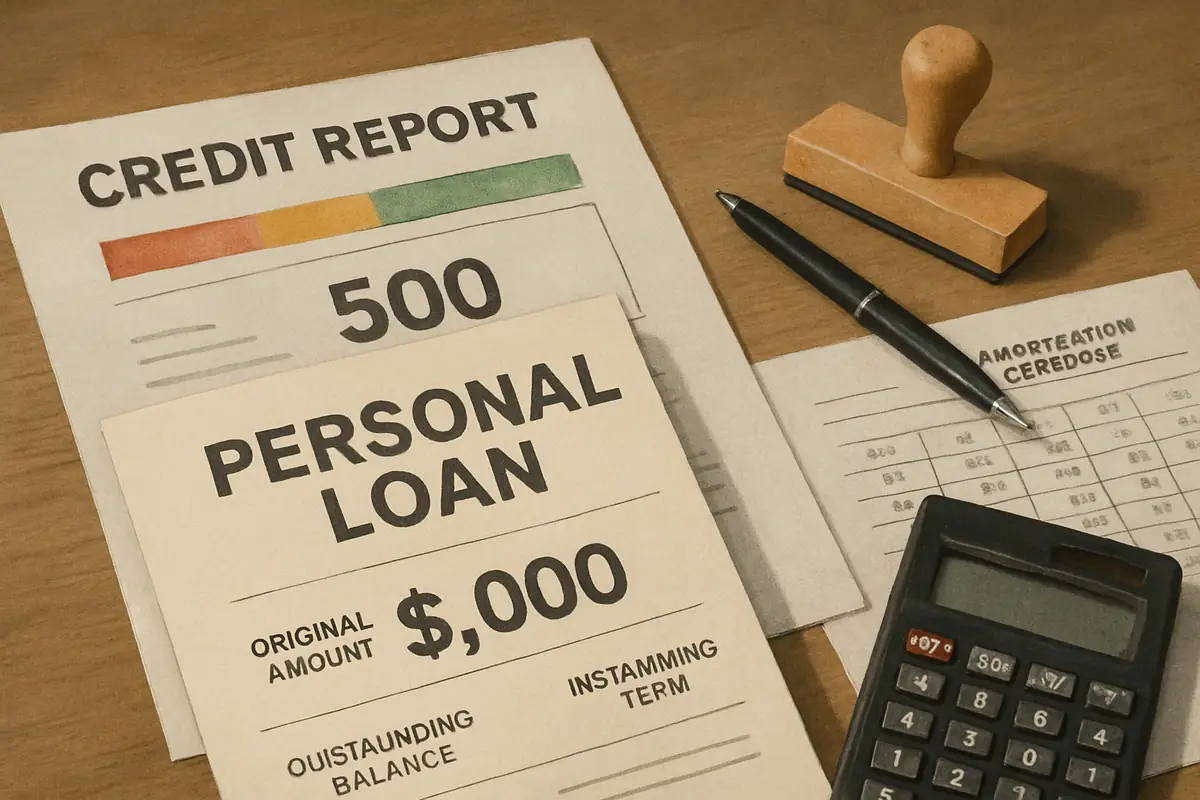
Another key factor is the amortization schedule—the timeline showing how each payment splits between principal and interest. Early in the loan, payments mostly cover interest, with principal reduction accelerating in later years. Choosing a shorter term, such as a 15-year mortgage instead of a 30-year, typically results in higher monthly payments but can save $30,000 to $60,000 in interest on a $250,000 loan.
Installment loans also impact your credit score. Timely payments build a positive credit history, while late or missed payments can lower your score by 60 to 100 points and remain on your report for up to seven years. A robust payment strategy is essential for maintaining good credit and borrowing flexibility.
Finally, it’s important to check for prepayment penalties and refinancing restrictions. Some loans charge 1% to 2% of the outstanding balance for early payoff, so knowing these terms can inform decisions about paying off or refinancing debt as your financial situation evolves.
Effective Strategies for Managing Installment Loans
Managing installment loans well starts with tracking all details: loan balances, APRs, payment due dates, and remaining terms. Creating a cash flow plan that prioritizes timely payments—while allowing for living expenses and savings—helps avoid late fees and credit damage. Automating payments is a practical step; many lenders offer auto-debit options that reduce the risk of missing due dates and can even lower your APR by 0.25% to 0.5%.
Regularly reviewing your loans against current market rates and your financial situation can reveal opportunities for refinancing. For example, if rates drop by 2% or more, refinancing a $15,000 loan could save you over $1,000 in interest over several years, even after accounting for new origination fees.
For those juggling several installment loans—such as auto, student, and personal loans—debt consolidation can simplify payments and potentially lower your overall interest rate. However, extending the term to achieve a lower payment can increase the total interest paid, so it’s important to balance monthly affordability with long-term costs.
Building an emergency fund of three to six months’ living expenses before accelerating loan repayments helps protect against setbacks like job loss or medical emergencies. This buffer can prevent the need for high-interest borrowing if your regular income is disrupted.
The Psychological Side of Managing Installment Loans
Installment loans offer psychological benefits by providing structure and predictability. Fixed monthly payments—such as $350 for a car or $1,500 for a mortgage—make it easier to plan and track progress as balances decline. This sense of control can reduce anxiety compared to revolving debts, where payments and balances fluctuate.
However, some borrowers may feel stress from being locked into long-term commitments, especially if their income is variable or unexpected expenses arise. In these cases, seeking loans with flexible repayment features or communicating proactively with lenders can help manage stress and avoid default.
Setting short-term milestones, such as paying off a small personal loan before tackling a larger mortgage, can provide motivation and a sense of accomplishment. This "snowball" approach leverages psychological rewards to sustain momentum toward full debt repayment.
Common Pitfalls When Using Installment Loans for Long-Term Planning
One frequent mistake is underestimating the total cost of borrowing by focusing only on monthly payments. For instance, a $15,000 auto loan at 7% APR over 72 months results in lower payments than a 48-month term, but adds over $1,500 in extra interest. Borrowers may also overlook the risk of income changes—such as job transitions or family emergencies—that make fixed payments harder to sustain.
Juggling multiple installment loans without regularly reviewing your overall debt picture can lead to overextension. For example, carrying a $500 car loan, $400 student loan, and $1,000 mortgage can quickly consume 40% or more of a $5,000 monthly income, leaving little room for savings or unexpected expenses.
Another pitfall is failing to communicate with lenders at the first sign of trouble. Many lenders offer hardship options or temporary payment reductions, but only if you reach out proactively. Ignoring payment issues can result in penalties, credit damage, and even repossession or foreclosure.
Where readers should be careful
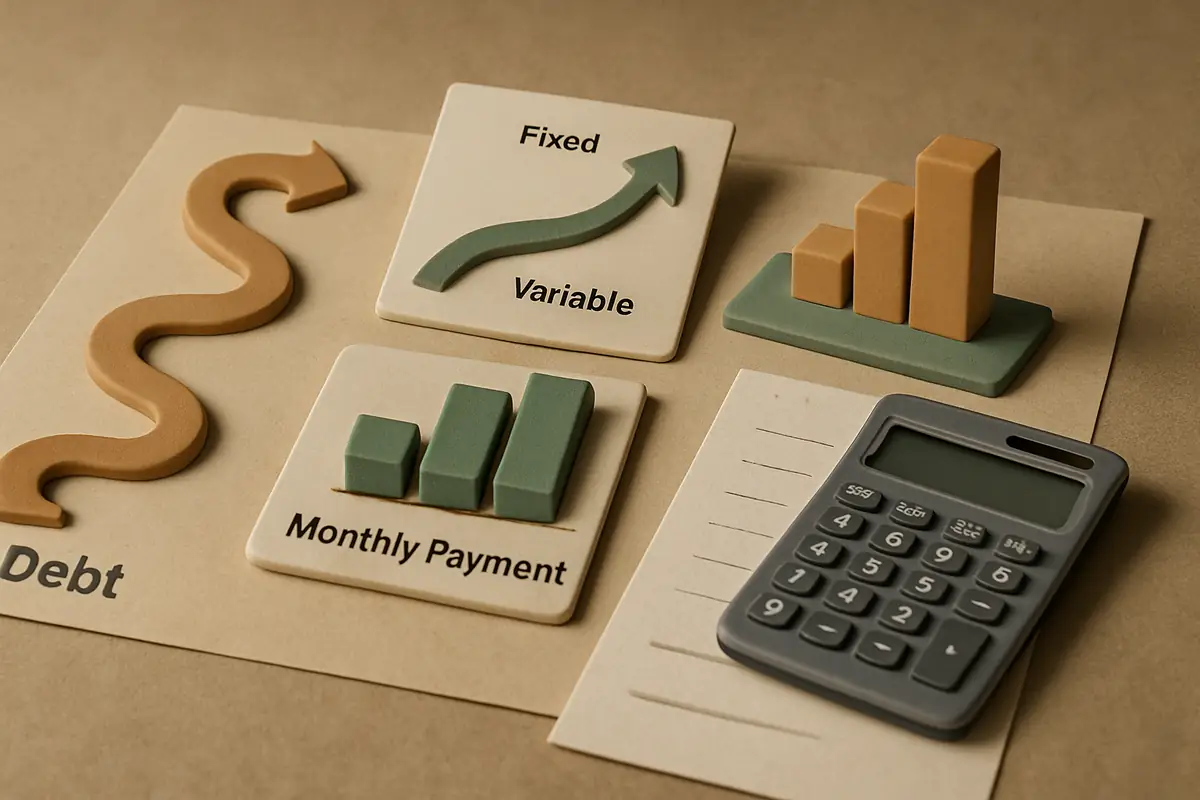
Not all installment loans are created equal. Secured loans (like auto loans or mortgages) are backed by collateral, often resulting in lower APRs (typically 4% to 10%), while unsecured loans (like most personal loans) carry higher rates (6% to 36%) and stricter approval criteria. Fixed-rate loans offer payment stability, while variable-rate loans can rise unexpectedly. Always compare lender policies, fees, and contract terms before committing.
Maximizing the Benefits of Installment Loans
When used strategically, installment loans can help achieve major life goals. Mortgages make homeownership possible, often at APRs between 5% and 8%, while building equity and potentially offering tax benefits. Auto loans allow buyers to spread a $25,000 vehicle cost over five years, with typical monthly payments of $450 to $550 depending on the rate and term. Personal loans can consolidate high-interest debts—such as credit card balances at 20% to 30% APR—into single payments at rates as low as 7% to 15%, reducing total interest and simplifying management.
The key is aligning loan use with necessity and affordability. Avoid using installment loans for rapidly depreciating purchases or discretionary spending, as this can lock in long-term payments without lasting value. Instead, focus on needs that support stability and growth, such as education, home improvements, or debt consolidation.
Integrating Installment Loans Into a Long-Term Financial Plan
Strategically incorporating installment loans into your financial plan involves balancing short-term needs with long-term objectives. Fixed repayment schedules can aid planning, but multiple loans can restrict flexibility if not managed carefully. For example, a household with a $1,200 mortgage, $350 car loan, and $250 student loan may have little room for additional debt without risking overextension.
Prioritize repaying higher-interest loans first, and avoid accumulating more installment debt than your budget can support. Using budgeting tools or financial counseling can help maintain a healthy balance between leveraging loans for growth and preserving financial stability. Consistently making on-time payments can improve your credit score by demonstrating reliability, which may qualify you for lower rates on future loans.
Contingency planning is also vital. Setting aside an emergency fund equal to three to six months of expenses can help you maintain payments during periods of unemployment or unexpected costs. Some installment loans allow deferment or forbearance in hardship situations—review these provisions before signing.
Regularly reviewing your loan terms and personal circumstances ensures that your debt strategy remains aligned with changing goals and income. Refinancing when rates drop or your credit improves can reduce costs, but always compare new fees and total interest before proceeding.
Comparing Installment Loans to Other Debt Types in Long-Term Planning
Installment loans differ from revolving credit in structure and cost. With installment loans, you borrow a lump sum and repay in equal installments over a set term—common for auto loans (3 to 7 years), mortgages (15 to 30 years), and personal loans (1 to 5 years). Revolving credit, like credit cards, lets you borrow repeatedly up to a limit, with variable payments and interest charges based on your balance. Typical credit card APRs range from 18% to 30%, while installment loans often offer 6% to 15% for borrowers with good credit.
Installment loans provide budgeting predictability but less flexibility. Missing a payment can trigger immediate penalties, while credit cards may offer minimum payments and short-term hardship programs. However, credit cards are riskier for carrying large balances due to high interest rates and the risk of debt spiraling.
When planning long-term, weigh the pros (predictable payments, lower rates) and cons (less flexibility, risk of overextension) of each debt type. Combining installment loans for major purchases with careful use of revolving credit for variable expenses can help balance predictability with adaptability.
Managing Installment Loan Risks in Long-Term Debt Planning
Key risks of installment loans include fixed monthly obligations that can become unmanageable if your income drops, the temptation to overborrow, and the potential for high total interest over long terms. For example, extending a $20,000 auto loan from 48 to 72 months may lower payments by $120 per month but increase total interest by $1,000 or more.
To mitigate these risks, track all loans in a single budget, maintain an emergency fund, and communicate with lenders at the first sign of trouble. Understand all fees, including origination charges (1% to 8%), late payment penalties ($30 to $50 per missed payment), and prepayment penalties (1% to 3% of the remaining balance).
Variable-rate installment loans can rise if market rates increase, so review your contract carefully and consider fixed-rate options if stability is important. Always compare the total cost of borrowing—not just monthly payments—when evaluating loan offers.
How Installment Loans Build Credit Over Time
Installment loans can significantly strengthen your credit profile. On-time payments are reported to credit bureaus and can raise your credit score by 20 to 50 points over several years. Unlike revolving credit, where high utilization (using more than 30% of your limit) can hurt your score, installment loans show steady principal reduction, which is viewed positively by lenders.
For those rebuilding credit, a small secured installment loan (such as a $1,000 credit-builder loan) can demonstrate responsible payment behavior. However, missed payments can drop your score by 60 to 100 points and remain on your credit report for up to seven years. Monitoring your credit report regularly helps ensure accuracy and detect issues early.
When to Use Installment Loans as Part of a Debt Strategy
Installment loans are most effective for funding large, essential purchases—such as vehicles, home improvements, or education—or for consolidating higher-interest debts. For example, using a $12,000 personal loan at 10% APR to pay off credit card balances at 24% APR can save over $1,000 in interest over three years.
Because installment loans require fixed payments, they work best for borrowers with stable income and a clear repayment plan. Avoid using installment loans for non-essential purchases or when uncertain about your ability to make consistent payments, as this can lead to long-term financial strain.
Ultimately, the best use of installment loans is to support investments in your future—such as building home equity, advancing your career, or consolidating debt—while maintaining affordability and flexibility in your overall financial plan.