You get your credit card statement. The balance is higher than you hoped, but the minimum payment looks reasonable—say, $75 on a $2,500 balance. It’s tempting to pay just that amount and keep more cash for the month. But beneath the surface, this choice quietly leads you toward extra costs and mounting risk. Over time, paying only the minimum can turn a manageable bill into a persistent financial burden, with interest charges that grow faster than you’d expect. Many Americans fall into this cycle without realizing how quickly it can become harder to break.
Why Minimum Payments Exist and How They’re Calculated
Credit card companies design minimum payments as a way for borrowers to stay in good standing without paying off their entire monthly balance. Typically, the minimum payment is calculated as a small percentage of your outstanding balance—usually between 1% and 3%, plus any interest charges and fees from the previous month. For example, if you owe $2,500 and your card’s minimum is set at 2% of the balance plus interest (let’s say $41 in interest), your minimum payment might be around $91. This structure helps ensure that at least some of your payment goes toward reducing principal, but most of it—especially early on—covers interest and fees.
On a practical level, paying only the minimum means your debt shrinks very slowly. That’s because the majority of each monthly payment covers just the new interest charges rather than making a serious dent in what you actually owe. Over time, this not only increases your total interest paid but also extends how many months (or even years) you’ll be making payments.
The True Cost of Carrying a Balance
APR stands for "annual percentage rate"—the yearly cost you’ll pay to borrow money on your credit card if you carry a balance. In real life, credit card APRs commonly fall between 18% and 30%. Let’s walk through an example: if you have a $2,500 balance at an APR of 23%, and you make only the minimum payment (assume 2% or $50 at first), it could take over 12 years to pay off that debt if you don’t charge anything new. During those years, you might pay more than $2,900 in interest alone—more than the original purchase amount.
| Starting Balance | APR | Minimum Payment (%) | Time to Pay Off |
|---|---|---|---|
| $2,500 | 23% | 2% | ~12 years |
| $5,000 | 19% | 2% | ~15 years |
| $1,200 | 26% | 3% | ~5 years |
These numbers are not outliers—many households see similar outcomes. The higher your interest rate and the lower your minimum payment percentage, the longer it takes to escape debt. Even if you stop using the card entirely but stick to only minimum payments, interest continues to rack up each month based on your average daily balance.
"Safe" Isn’t Always What It Seems: Hidden Risks Behind The Minimum
"Safe" can feel like whatever keeps creditors off your back. After all, making the required payment protects your account from late fees (often $29–$41 per missed due date) and keeps your credit report free from negative marks. But this sense of safety is misleading. As balances linger or even grow slightly due to daily spending habits or emergencies, several risks quietly pile up:
Why Minimum Payments Can Be Tempting
- Keeps accounts current and avoids late fees or penalty APRs.
- Preserves short-term cash for other bills or expenses.
- Protects your credit report from late-payment marks if made on time.
Where Minimum Payments Become Risky
- Debt payoff takes much longer—sometimes a decade or more.
- Total interest paid may far exceed what was originally borrowed.
- "Credit utilization" stays high, which can lower your credit score.
- "Snowballing" balances can make it tougher to afford larger payments later.
- "Rewards" earned may be wiped out by growing interest charges.
"Credit utilization" is another factor most people overlook when sticking to minimums. This term describes the portion of your available credit that you're using—calculated by dividing your card balance by its credit limit. For example: If your card has a $4,000 limit and you carry a $2,500 balance month after month, your utilization rate is about 63%. Credit scoring models generally view anything above 30% as potentially risky behavior for lenders; high usage could mean lower scores or tighter borrowing terms down the line.
"Rewards" vs Reality: Why Points Rarely Outweigh Interest
"Cashback," points programs and travel rewards are big incentives for using credit cards—but they’re almost always dwarfed by interest costs when balances are carried over multiple cycles. For example: even if you earn 1% cashback ($25 on $2,500 spent), an APR of 22% could cost you nearly $40 in monthly interest alone until that balance is paid off. This means that every point or dollar in rewards is quickly canceled out—and then some—by ongoing finance charges. If you tend to hold balances while chasing rewards offers or sign-up bonuses, consider whether those perks truly justify the extra expense over time.
"Statement cycles" add one more layer: Interest begins accruing on unpaid amounts immediately after each statement closes unless you've paid in full by the due date. This resets every month; so carrying even part of a balance means new purchases may also start generating immediate interest charges unless your issuer offers a special promotion.
"But Isn’t My Credit Card Protecting Me?" — Fraud Protections vs Debt Protection
"Zero liability" fraud protection is one of the best features of modern credit cards: If someone steals your card information and makes unauthorized purchases, federal law limits what you're on the hook for—often nothing if you report promptly. But this doesn’t protect against debt accumulated by legitimate spending or slow repayment habits. In fact, as balances climb due to low payments or ongoing use (even with no fraud involved), you're still responsible for every dollar plus any accrued interest.
Fraud Protections
Covers unauthorized transactions reported quickly.
Debt Liability
All legitimate purchases and resulting balances remain borrower’s responsibility.
Penalty Fees
Missed payments can add fees ($29–$41) plus possible penalty APRs.
"Debt protection plans" sometimes offered by issuers may delay payments during unemployment or hardship—but most come with added costs and limitations that don’t actually erase existing debt; they just push off when it becomes due.
"If I’m Stuck With Only Paying Minimums Now… What Happens Next?"
"Snowballing" happens fast: Even without big emergencies or splurges, routine use paired with low payments lets compounding do its work against you—not for you.
"How Does This All Affect My Credit Score?"
The Illusion of Security: Why Minimum Payments Feel Manageable
Minimum payments can seem like a lifeline when money is tight. Credit card statements make this option look appealing, showcasing a much smaller figure compared to the full balance. For many cardholders, especially those juggling multiple bills or unpredictable expenses, the minimum payment offers a sense of control and breathing room. However, this feeling of security is largely an illusion fostered by how credit card companies structure their billing. The psychology behind minimum payments exploits our tendency to focus on immediate relief rather than long-term consequences. As you pay only the minimum, the remaining balance quietly accrues interest—often at rates exceeding 15% or even 20%. Over time, this leads to ballooning debt that can feel overwhelming once you realize how little progress is being made toward actually eliminating what you owe. While it may seem like you're managing your finances responsibly by making the minimum payment on time each month, this strategy traps you in a cycle where your debt remains nearly stagnant and financial freedom drifts further out of reach.
Credit card companies designed minimum payments to ensure they receive consistent revenue from interest while allowing consumers enough flexibility to avoid defaulting entirely. This system often encourages cardholders to maintain balances longer than they otherwise would. The statements themselves tend to highlight the minimum payment due more prominently than the total balance or interest rate details, subtly nudging users toward paying less now while paying more over time. Many people underestimate just how slowly their debt will shrink with minimum payments alone; for example, a $3,000 balance at 18% APR might take over a decade to pay off with just minimum payments and could cost thousands in interest. This dynamic creates a false sense of accomplishment—seeing that payment go through each month—while obscuring the real financial risks building up in the background.
Real-World Consequences: How Carrying Balances Impacts Life Goals
Carrying ongoing credit card balances doesn't just affect your monthly statements—it can have tangible impacts on your broader financial life and personal ambitions. Persistent debt often hampers efforts to save for emergencies, invest for retirement, or afford milestones like homeownership and starting a family. Lenders review your credit utilization (the ratio of outstanding balances to available credit), and high utilization from carried balances can significantly lower your credit score. This means higher interest rates on future loans or even denial of favorable financing altogether. In addition, the stress associated with mounting debt can spill into other areas: relationships may strain under financial pressure, long-term plans may be postponed, and mental health may suffer as anxiety about rising debt grows. Ultimately, what started as manageable minimum payments can erode your ability to build wealth and achieve life goals—not through large mistakes but through small, repeated compromises.
Consider individuals who want to save for their children’s education or purchase their first home. Ongoing credit card debt diminishes available funds that could be redirected toward these objectives. Even small monthly interest charges eat into budgets earmarked for savings or investments, compounding the opportunity cost over years. Moreover, carrying high balances becomes an obstacle when applying for mortgages, as lenders evaluate both your existing obligations and your track record with revolving credit. Thus, choosing only to make minimum payments doesn’t just risk financial backsliding—it actively undermines long-term security and mobility.
Breaking Down Interest Accumulation: A Closer Look
Understanding how interest compounds on unpaid balances is crucial for recognizing why minimum payments are so risky in the long run. Credit cards typically charge daily periodic interest based on your average daily balance throughout each billing cycle. When you make only the minimum payment, most of that payment goes toward interest accrued since your last statement rather than reducing your principal balance. As a result, it takes far longer—and costs far more—to repay what you originally borrowed than most people anticipate. For instance, with an APR of 20%, carrying a $5,000 balance and paying only the $125 minimum each month could mean spending more than $6,000 in interest alone over decades before the original debt is cleared.
To make matters worse, any new purchases added to your card compound this problem even further by increasing your average daily balance and thus the amount of interest charged every day. Many consumers are surprised by how little progress they see despite years of diligent monthly payments—especially if they continue using their cards while carrying a balance. This pattern not only keeps you indebted but also drains resources that could otherwise be used for personal growth or investment opportunities.
Scenario: The Long Haul Trap
How this can look in practice
"Maria has a $4,000 balance at an 18% APR on her credit card. She decides to pay only her $100 minimum payment each month so she can keep up with other bills and maintain some spending flexibility. After two years of sticking with minimum payments—and occasionally adding modest purchases—Maria is shocked to find she's still nowhere near paying off her initial debt. In fact, most months she paid close to $60 in interest alone! Not only did her principal decrease at a snail’s pace, but she also lost out on potential savings and faced growing stress as her overall financial picture stalled."
Stories like Maria’s are all too common: people who intend to use credit strategically but find themselves trapped by slow-moving balances due to reliance on minimum payments. This highlights how seemingly reasonable short-term decisions can lead to prolonged periods of indebtedness and lost opportunities.
Strategies for Escaping the Minimum Payment Cycle
Taking control begins with acknowledging that paying only the minimum should be treated as a last resort—and then actively seeking out ways to accelerate repayment whenever possible. One effective approach is setting up automatic extra payments above the required minimum; even small additional amounts can dramatically shorten payback times and save hundreds or thousands in interest over the lifetime of your debt. Another strategy includes prioritizing high-interest debts first (the avalanche method) or tackling smaller debts quickly for psychological wins (the snowball method). Negotiating lower rates directly with creditors or consolidating multiple balances with a personal loan or zero-interest transfer offer may also provide relief and structure.
Budgeting plays an essential role: tracking spending closely reveals areas where cutbacks can free up cash for larger credit card repayments each month. Some individuals benefit from designating windfalls—such as tax refunds or bonuses—entirely toward reducing principal rather than splurging on non-essentials. Financial counselors recommend committing any increase in income directly toward debt reduction before lifestyle inflation sets in; this proactive approach helps break free from dependency on minimum-only strategies.
- Automate higher monthly payments above the minimum due.
- Apply windfalls (bonuses/tax refunds) directly toward principal.
- Use either avalanche (highest rate first) or snowball (smallest balance first) methods.
- Seek lower APRs via negotiation or balance transfer offers.
- Track all expenses closely and identify areas for spending cuts.
- Avoid new purchases until old balances are repaid.
Building Healthy Habits: Preventing Future Balance Traps
Once free from revolving credit card balances, adopting new habits ensures you stay out of future debt cycles triggered by minimum payment temptation. Start by treating credit cards as tools for convenience rather than sources of extra income—striving always to pay off new charges in full each month before interest accrues. Consider keeping limits low enough so that overspending remains unlikely but high enough not to negatively impact your credit score due to utilization ratios.
Establishing an emergency fund is another foundational habit; having three-to-six months’ living expenses set aside protects against unexpected costs that might otherwise force reliance on cards during tough times. Make reviewing statements part of your routine—not just checking due dates but also monitoring balances and scrutinizing any fees or changes in terms that could impact your finances going forward.
Psychological Traps That Make Minimum Payments Appealing
One of the most subtle dangers with credit card debt is the psychological comfort that minimum payments provide. For many, seeing a relatively small required payment on their statement can be a relief during tight months—especially when cash flow is unpredictable or unexpected expenses pop up. This perceived manageability can lead to a habit of only paying the minimum, avoiding the immediate pain of a larger outflow. However, this behavior is often fueled by cognitive biases such as the 'present bias,' which causes us to prioritize short-term relief over long-term financial health. The credit card industry’s design plays into this tendency by making minimum payments easily accessible and less intimidating than paying off the full balance. Over time, this creates a mental trap where borrowers convince themselves they’re staying afloat, even as their overall debt grows due to accumulated interest. Recognizing these psychological traps is an important first step toward building healthier repayment habits.
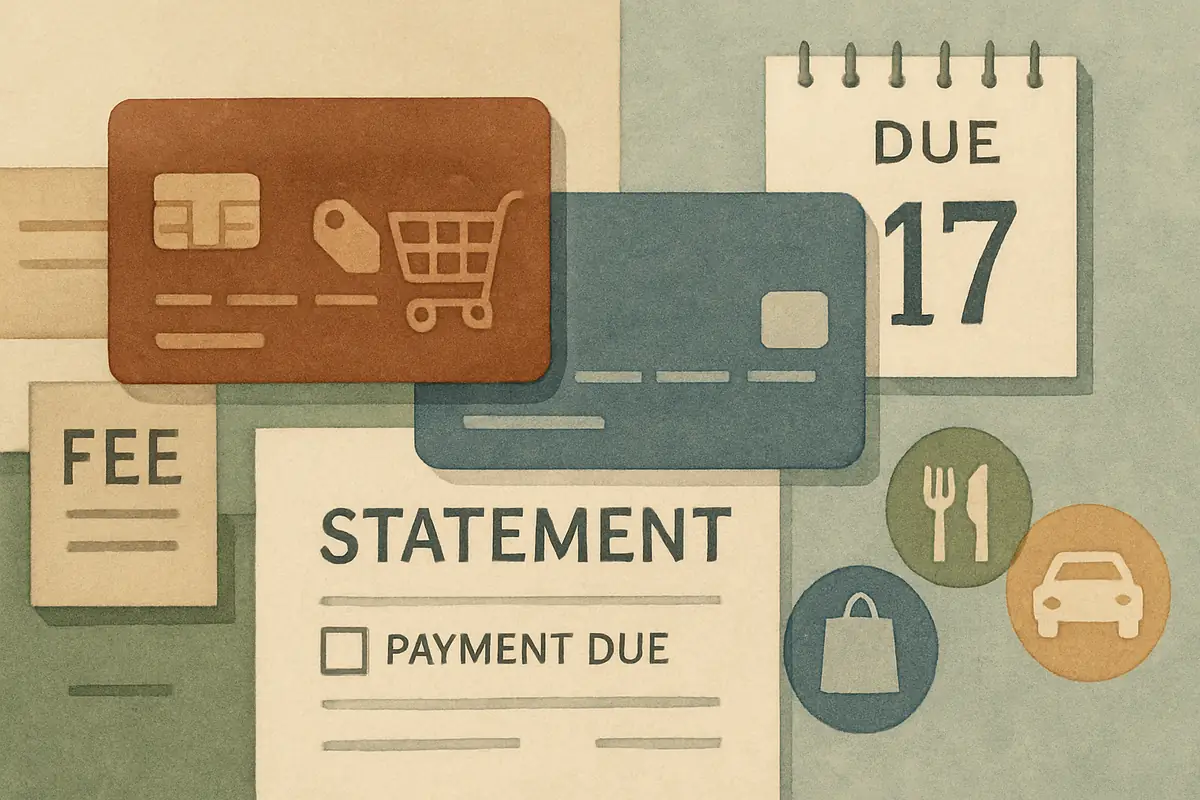
Credit card statements may also subtly encourage minimum-only payments by displaying them more prominently than the full balance or suggested payment amounts. Visual cues—such as bold fonts or colored boxes around the minimum due—can subconsciously influence how much you choose to pay. Research has shown that people are more likely to anchor on the most visible figure, leading them to believe it’s an adequate or recommended amount, rather than simply the lowest possible threshold to avoid late fees. This anchoring effect can be especially strong for those who are new to credit or facing financial stress and looking for the easiest way forward. By understanding how these design choices affect decision-making, consumers can better guard against falling into patterns that ultimately extend their debt burden.
Long-Term Impacts on Credit Health and Financial Flexibility
Consistently making only minimum payments does more than just prolong your payoff timeline—it can have far-reaching effects on your broader financial life. High balances relative to your available credit limit negatively impact your credit utilization ratio, one of the key factors in calculating your credit score. If your utilization remains high because you’re not aggressively reducing balances, your score may stagnate or even decline over time, making future borrowing more expensive or difficult. Additionally, persistent minimum payments mean you’ll free up less of your credit line each month, reducing your flexibility to respond to emergencies or seize new opportunities requiring short-term financing. This scenario creates a cycle where credit cards become less of a tool for convenience and more of a financial constraint.
Over time, creditors may also interpret ongoing minimum payments as a signal that you’re under financial strain or unable to repay debts promptly—potentially affecting decisions about increasing your credit limits or offering favorable terms in the future. Lenders prefer borrowers who demonstrate responsible usage by paying down balances regularly and not carrying large amounts of revolving debt for extended periods. If you hope to qualify for significant loans down the road—like a mortgage or auto loan—your history with revolving debt will play an important role in underwriting decisions. Habitual reliance on minimum payments today could subtly hamper your financial mobility years later.
Hidden Costs: Interest Accrual and Compounding Explained
A key reason minimum payments are so risky is how interest accrues on remaining balances—especially when compounded daily or monthly by most issuers. Each month that you carry a balance, interest is charged not just on the original amount but also on any previously accrued interest if it's not paid off in full. This compounding effect means that even modest purchases can snowball into significant debt over time if left unchecked. For example, carrying a $3,000 balance at an 18% annual percentage rate (APR) while making only minimum payments could result in thousands of dollars in additional interest over several years before you finally pay off the principal.
What makes this particularly insidious is that cardholders often underestimate how quickly compounding works against them. Unlike fixed installment loans with clear payoff schedules, revolving credit lines allow interest charges to pile up indefinitely unless actively managed down with larger-than-minimum payments. The result is that what may seem like manageable monthly expenses actually mask the gradual growth of total repayment costs—a reality that becomes painfully clear only after reviewing long-term statements or using online amortization calculators.
Practical Steps: Breaking Out of the Minimum Payment Cycle
Fortunately, breaking free from a cycle of minimum payments is possible with consistent effort and smart planning. Start by reviewing all your current balances and interest rates across multiple cards; prioritize paying extra toward those with the highest APRs while maintaining at least minimums elsewhere—the so-called 'avalanche' method. Alternatively, some people find motivation in knocking out smaller debts first (the 'snowball' method), but either approach should involve consistently contributing more than just the minimum required each month wherever possible.
Consider setting up automatic transfers for higher monthly payments right after payday so that extra funds are applied before they’re spent elsewhere. You might also explore consolidating debts via balance transfer offers with introductory 0% APR periods (while being mindful of transfer fees) or personal loans at lower fixed rates if your credit profile allows. Importantly, celebrate each successful payoff milestone—no matter how small—to reinforce new habits and maintain motivation over what can be a lengthy process.
References
- https://www.consumerfinance.gov/consumer-tools/credit-cards/
- https://www.fdic.gov/consumer-resource-center/credit-cards
- https://www.consumerfinance.gov/consumer-tools/credit-reports-and-scores/
- https://www.consumerfinance.gov/consumer-tools/bank-accounts/
- https://consumer.ftc.gov/articles/what-know-about-identity-theft