You don’t have to max out your credit cards or miss payments to run into trouble. In reality, most long-term credit card issues start with simple habits—tapping for coffee, rounding up those reward points, or choosing the minimum payment "just this month." While these choices can seem harmless, even routine spending behaviors often create risks that many people underestimate until balances pile up or credit scores drop unexpectedly. Let’s break down where these hidden dangers live, how everyday actions shape your financial standing, and what you can do to turn caution into control.
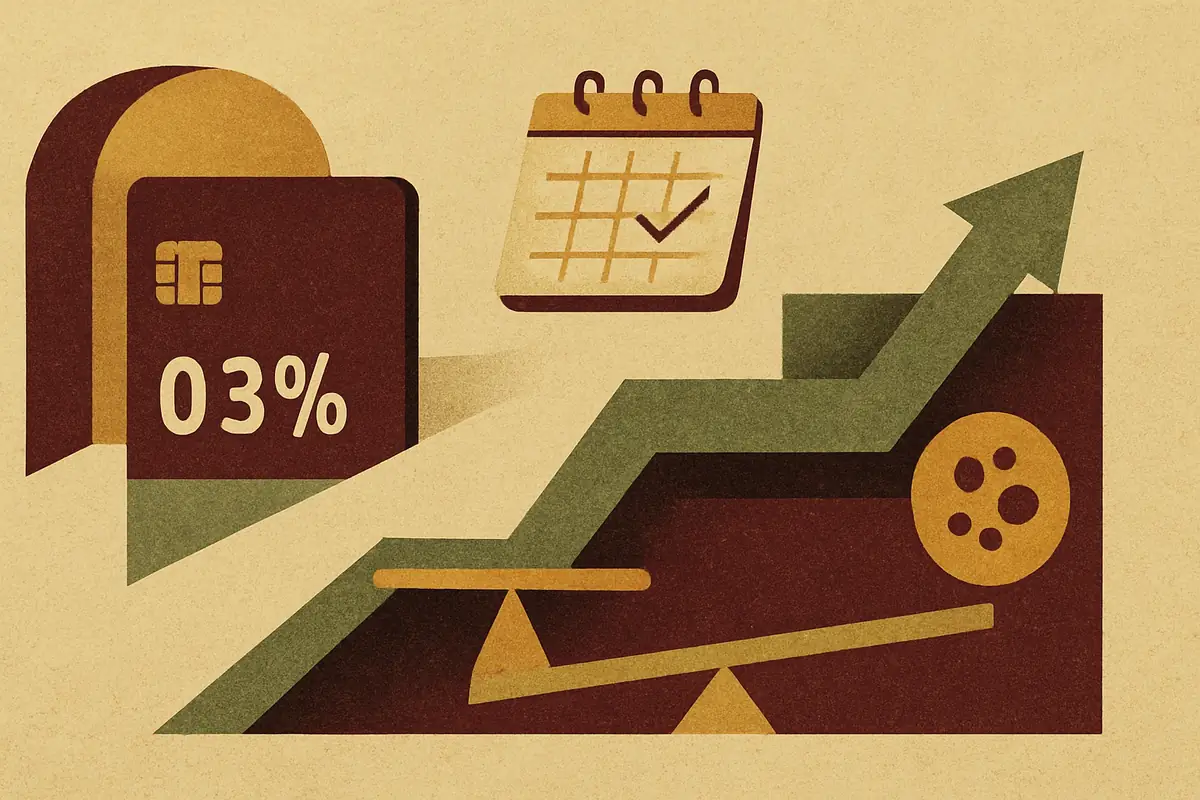
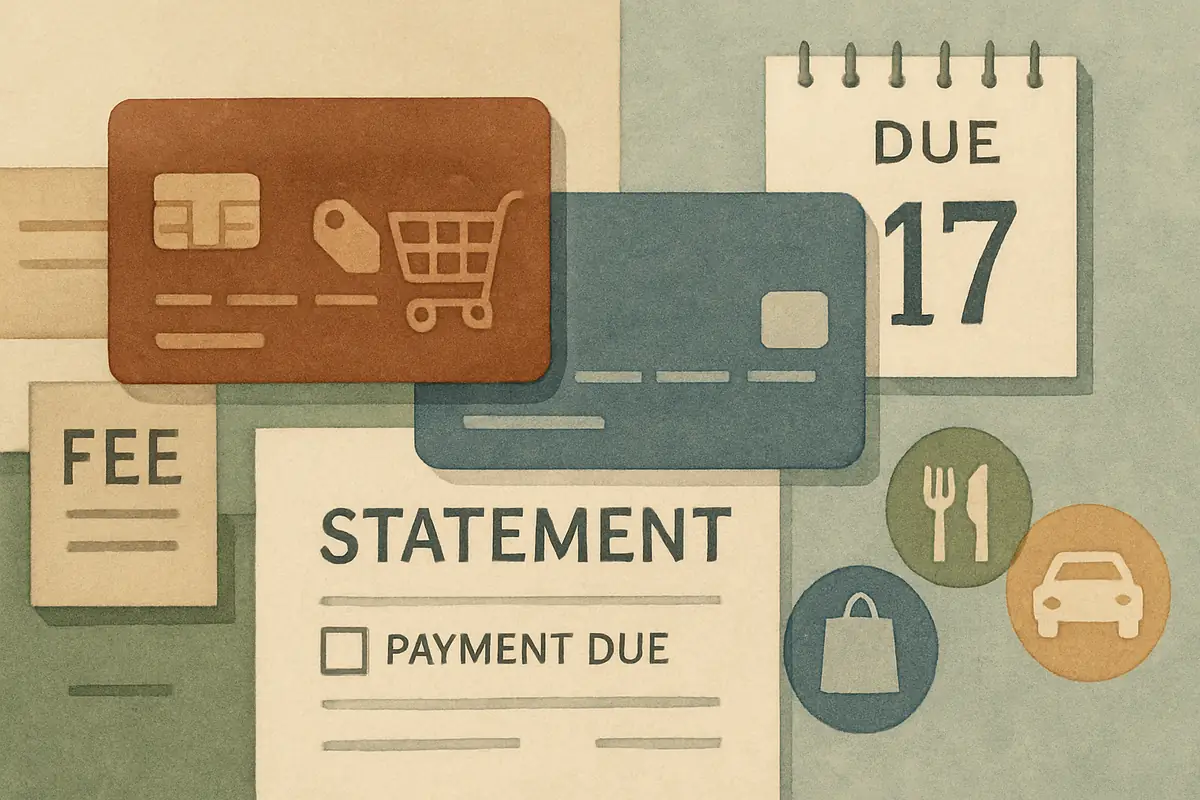
Statement cycle timing
Missing the grace period by even one day can trigger interest charges on every purchase from that cycle.
Minimum payments
Paying just the minimum might seem safe, but it stretches repayment and increases total interest dramatically.
Reward spending traps
Chasing points or cash back often encourages extra purchases that outweigh the value of the rewards.
The Real Cost of Everyday Credit Card Spending
It’s easy to think of credit cards as a convenience tool—tap for lunch here, online order there. But the cost of this convenience reaches much further than most realize. The average credit card APR (annual percentage rate) in the U.S. typically ranges from 18% to 30%, depending on credit profile and issuer. If you carry a $2,000 balance at a 22% APR and only make minimum payments (usually about 2%–3% of your balance), it can take more than a decade to pay off—and you may spend over $2,500 in interest. That’s more than the original purchase value just for borrowing flexibility. Even those who pay off most of their bill each month may get caught by lingering small balances, which rack up interest when left unpaid for just one cycle.
Many people believe that as long as they don’t go wild with large purchases or always pay before due dates, they are using their cards wisely. However, two less obvious factors also matter: how much of your available credit you use (called ‘credit utilization’) and when exactly you repay purchases relative to your statement cycle. Both can impact interest costs and your overall credit score. For most issuers, exceeding about 30% utilization on any card—even temporarily near statement close—can drag down a good score by dozens of points. If you’re regularly letting balances climb near half your limit (say $1,500 on a $3,000 line), lenders may view you as higher risk even if you always pay on time.
Warning: The Illusion of Safe Habits Can Be Costly
"It’s common to believe that making just the minimum payment is a conservative approach until things get easier next month. In reality, this habit is where debt grows fastest and interest costs spiral. Most cardholders underestimate how quickly small remaining balances accrue interest each cycle—even if they never miss a due date."
Chasing Rewards Without Doing the Math
"Earning points for every purchase" sounds like a great deal on paper—but there’s a costly catch. Most reward programs offer between 1% and 2% in cash back or points value on general purchases. That means for every $100 you spend, you earn just $1 or $2 in rewards. But if chasing these perks leads you to spend an extra $50 per month on things you wouldn’t normally buy, you’re paying far more than you gain. And if any of those purchases end up carried as a balance past the grace period? The interest (often $10–$15 per month on even moderate balances) quickly dwarfs any cash back earned.
"Special category" bonuses—like 5% back at grocery stores or gas stations—encourage shifting spending habits but often come with caps (such as maximum earnings on the first $1,500 spent per quarter). Once that ceiling is reached, rates drop back to base levels. Over-optimizing for these promos sometimes leads people to spend simply to unlock more rewards rather than focusing on actual needs or budgeting discipline.
"Minimum Payment" Mindset: Hiding True Costs
"Just making the minimum" is one of the most common traps—and where many people misjudge both risk and real cost. Minimum payments are designed so that most of what you pay goes toward interest while barely chipping away at principal (the amount you actually owe). For example: With a $1,000 balance at 18% APR and a minimum payment set at 2% ($20/month), about $15 goes toward interest in early months while only $5 hits principal. At that pace—and assuming no new charges—it would take over five years to fully pay off that single balance, with total interest likely exceeding $500 over time.
"Why are minimums so sticky? Because paying off debt feels easier in smaller bites—but this stretches out payments drastically and allows new purchases to keep piling on top. This makes it far too easy for balances to grow slowly out of sight until monthly statements become overwhelming."
"Grace Period Gaps": When Good Timing Goes Wrong
"One overlooked detail about credit cards is how the grace period works—a window usually between 21 and 25 days after each statement closes during which no interest accrues if you pay the full balance by the due date. But what happens if even a small part isn’t paid? Not only does that portion accrue interest going forward; in most cases, all new purchases lose grace period protection until the entire balance is wiped out."
Suppose your billing cycle ends on May 10th with a statement balance of $800 due June 4th. If you pay only $400 by then—leaving half unpaid—you’ll be charged daily interest not just on what's left but also likely on any new purchases until you've cleared everything from prior cycles. Over several months of partial payments (even without adding new charges), your effective borrowing rate increases sharply because every dollar starts working against you rather than for free during those missing grace days.
Credit Utilization: The Score Drop You Don’t See Coming
Credit utilization describes how much of your available limit is used at any time—calculated as current balance divided by total limit and expressed as a percentage (e.g., $600 used out of a $2,000 limit = 30%). Lenders use this number heavily when setting rates or approving loans: As utilization rises above about one-third (30%), scores tend to fall noticeably—even without missed payments or collections on record. Peaks above half (50%) can drag down otherwise healthy profiles very quickly.
It’s common for shoppers who pay off cards monthly to assume they’re safe from score impact—but many are surprised when limits are reported mid-cycle with higher-than-expected balances still showing up on credit reports. For instance: Using $900–$1,200 each month on a card with a $2,000 line puts reported utilization near half even if paid down later; this alone can lower scores by dozens of points during lending reviews.
The True Cost Behind Annual Fees and “Perks”
"Not all costs are obvious upfront: Many premium cards charge annual fees between $95 and $550 in exchange for better rewards or perks such as airport lounge access or travel insurance coverage. But unless yearly benefits clearly outweigh those fees—and unless balances are paid fully each month—the math rarely works out favorably for typical households."
For example: If your card offers bonus points worth roughly 1¢ each but requires spending thousands each year to earn enough for free flights or hotel nights—while also charging a hefty annual fee—the net value may disappear once finance charges start stacking up alongside those fees. A family earning just under $300 in annual rewards often finds those wiped away completely by late charges ($29–$40 per incident), cash advance fees (typically either $5–$10 flat or around 5% per transaction), foreign transaction costs (frequently around 3%), plus any lingering annual fee.
The result? Many consumers end up paying more in combined fees and lost rewards value than they ever gain from premium features unless they track every benefit closely—and consistently redeem them before expiration dates hit.
Small Fees That Slip Through the Cracks
Not all risks come from large numbers; sometimes it’s small recurring fees that make the biggest dent over time. Late payment fees typically run between $29–$40 per missed cycle—and can be triggered by simply forgetting to schedule an autopay after switching banks or missing an email reminder during busy periods. Cash advances are another trap: withdrawing cash from an ATM using your card not only incurs immediate fees (often around 5% per amount withdrawn) but also starts accruing high interest immediately without any grace period protection.
Even seemingly modest annual fees ($39–$99) can eat into budgets if forgotten about or justified only by occasional use—for example: holding onto multiple cards “just in case” while rarely using their perks enough to offset costs throughout the year.
Behavioral Triggers: Why We Overspend Without Realizing It
Why do smart people still fall into these traps? A lot comes down to invisible triggers built into card design and human psychology alike. It feels easier mentally to tap plastic than hand over cash; research shows people spend noticeably more when using cards instead of physical currency—often by 12%–18%. Also, seeing available credit climb again after making payments makes it tempting to celebrate progress with new purchases—even before last month’s charges are fully cleared.
How Carrying Balances Impacts Your Credit Score Over Time
Most consumers know missed payments will lower their score—but fewer understand how “carrying” even moderate balances month-to-month reduces scores behind-the-scenes through rising credit utilization rates and persistent debt loads visible to other lenders. Even if no payment is ever late, a card reporting a steady balance above one-third its limit will usually lead lenders’ algorithms to assign higher risk—which may mean denied future applications or higher loan rates later.
Long-term impacts add up fast: Keeping several cards above half their limit—even with timely payments—can bring scores down by over 50 points compared with keeping utilization under 10%. A higher score not only helps with future borrowing but often determines eligibility for low-interest offers—including promotional zero-interest deals available only above certain thresholds.
Fraud Risks From Everyday Inattention
Beyond spending habits themselves lies another hidden threat: fraud from lost cards or overlooked transactions online. Federal law limits consumer liability for unauthorized charges in most cases—but only if losses are reported promptly (usually within two business days after noticing something wrong). Wait longer than sixty days after getting your statement? You could be responsible for much larger amounts.
A Worked Example: How Interest Adds Up If You Slip For Just One Cycle
Let’s walk through one realistic scenario step-by-step using round numbers familiar to most families:
- You have a card with a 22% APR and usually pay off full balances.
- In March you make several routine purchases totaling $1,200 but forget a final payment—the first time all year.
- When April’s statement arrives there’s still an unpaid balance ($1,200) accruing daily interest at roughly 0.06%. After one full month unpaid this means about $14–$15 in interest added—not huge alone but now next month’s purchases start accruing immediately too since grace period protection is lost until paid in full.
- If this slip leads you into carrying even moderate balances for three consecutive months before catching up—with some months adding new charges while others see partial payments—the cumulative extra cost from lost grace periods plus rolling interest could easily exceed $60–$80 by summer.
- This is before considering late fees ($29+) if any deadlines were missed entirely.
Closing Down Risk: Building Protective Habits Into Your Routine
'So what does risk control look like in practice?' Start by setting practical policies based on real routine—not wishful plans:
- Aim for utilization below 30% at all times—even mid-cycle—to avoid score dips.
- Avoid relying on rewards as justification for unplanned spending; treat them as occasional bonuses instead.
- Automate full-balance payments whenever possible so nothing gets left behind accidentally.
- Keep active tabs on fee schedules—including less obvious ones like foreign transaction surcharges and dormant account penalties.
- If tempted by sign-up bonuses or premium perks, calculate all-in net value after annual fees—and skip unless benefits clearly beat simple no-fee alternatives.
- If possible keep one low-limit emergency-only card untouched except when truly needed; this supports average age-of-account calculations which also benefit scores long term.
The Hidden Impact of Emotional Spending
Emotional spending is a subtle yet powerful driver behind many credit card mistakes. It's common for people to use shopping as a way to cope with stress, boredom, or even celebrate achievements. Over time, these purchases may not seem significant individually but can collectively derail financial stability. For instance, a rough week at work might justify a splurge on clothes or takeout, but if this becomes routine, the resulting balances can quickly spiral out of control. The convenience of credit cards often masks the immediate consequences, making it easier to disconnect from the reality of debt accumulation. Recognizing personal triggers that lead to emotional spending is the first step in changing these behaviors. Many find it useful to keep a purchase diary or use budgeting apps that flag non-essential expenses linked to mood or impulse. By consciously pausing before swiping and asking whether a purchase addresses a need or an emotion, individuals can begin to break the cycle and make more intentional choices.
Social influences play a significant role in shaping credit card habits. With social media showcasing curated lifestyles and peer recommendations, it’s easy to feel pressure to keep up—even when it’s financially imprudent. Friends planning group trips or celebrating milestones often leads to overspending “for the sake of participation,” sometimes at the expense of long-term goals. This phenomenon, often referred to as ‘FOMO’ (Fear Of Missing Out), can subtly nudge people toward using credit cards for experiences or items they might not otherwise prioritize. Moreover, some consumers may equate status with spending capacity, using their available credit as a symbol rather than a tool. To counteract these pressures, setting clear financial priorities and communicating boundaries are crucial strategies. It’s also beneficial to have honest conversations with friends and family about personal budgets; often, others share similar challenges and appreciate the transparency.
Credit card rewards programs are designed to encourage spending, often leading consumers to justify unnecessary purchases in pursuit of points or cash back. While maximizing rewards can be smart when aligned with needs and paid off monthly, it becomes problematic when users overspend just to earn incremental benefits. For example, someone might upgrade their airline seat or add extra items during checkout solely because there’s an attractive bonus offer attached—but those costs often outweigh any perceived savings if balances aren’t paid in full each cycle. Understanding how reward structures work is key: many programs include spending thresholds or limited-time offers that can lure users into financial traps. Consumers should regularly review their reward redemptions versus interest paid; if the latter significantly exceeds gains from points, it’s time to reassess priorities.
Lifestyle inflation is another common mistake tied closely to rising incomes and evolving social circles. As salaries increase or job roles change, there’s an understandable temptation to upgrade lifestyles—dining out more frequently, purchasing luxury goods, or moving into pricier homes—all made easier by accessible lines of credit. However, habitual reliance on credit cards during these transitions can mask underlying affordability issues. Without strict self-imposed limits and regular budget check-ins, it’s easy for monthly obligations to swell beyond comfort levels. To prevent lifestyle creep from undermining progress, experts recommend instituting automatic transfers into savings each time income rises and periodically reviewing all recurring expenses for necessity and value.
Many consumers overlook how small recurring charges—such as subscriptions and memberships—add up over months when paid by credit card. Services like streaming platforms, fitness apps, magazines, and online learning sites often continue billing unnoticed unless monitored closely. Because these charges are typically modest individually (and sometimes come with free trials that convert automatically), they escape scrutiny but collectively siphon away substantial funds over time. Reviewing monthly statements line by line is essential for catching redundant services or forgotten auto-renewals. Some banks now offer tools that categorize subscriptions and alert users before renewals occur; taking advantage of these features can help reduce wasteful spending and free up room in monthly budgets for higher-priority needs.
An underestimated consequence of poor credit card management is its long-term impact on mental health and family dynamics. Persistent debt creates stress that can spill over into relationships and personal well-being—leading to anxiety over bills or even avoidance behaviors when faced with mounting balances. Within families or partnerships where finances are shared, misaligned spending habits may trigger conflicts about priorities or trust issues regarding money allocation. In some cases, secrecy about debt (sometimes called 'financial infidelity') erodes communication further. Tackling these issues head-on through open dialogue and joint planning sessions helps ensure everyone is working toward shared objectives while keeping emotional fallout in check.
Another pitfall stems from misunderstanding minimum payments—a feature that provides flexibility but often traps consumers into long-term debt cycles. Paying only the minimum due each month extends the repayment period dramatically while racking up heavy interest charges; this means even moderate balances can take years (or decades) to clear fully if left unchecked. The psychology behind minimum payments is complex: seeing a low required amount gives false reassurance about affordability while obscuring the true cost of borrowing over time. Financial literacy resources provided by card issuers are helpful here; many now illustrate payoff timelines based on payment levels directly on statements so consumers can visualize how much faster debts shrink when paying above the minimum regularly.
Finally, failing to adjust credit card usage in response to life changes—such as job loss, illness, or major moves—often results in compounding financial strain. During periods of uncertainty or reduced income, continuing pre-existing spending patterns without recalibration leads to rapid debt accumulation just when resources are most constrained. Building flexibility into budgets is critical: periodically reassessing all discretionary expenses ensures adjustments match current realities instead of outdated assumptions. Setting up emergency funds ahead of time also reduces reliance on high-interest debt during tough periods; even modest reserves provide invaluable breathing room for recovery without derailing financial progress.
References
- https://www.consumerfinance.gov/consumer-tools/credit-cards/
- https://www.fdic.gov/consumer-resource-center/credit-cards
- https://www.consumerfinance.gov/consumer-tools/credit-reports-and-scores/
- https://consumer.ftc.gov/articles/what-know-about-identity-theft
- https://www.consumerfinance.gov/ask-cfpb/what-is-a-credit-score-en-315/
- https://www.federalreserve.gov/consumerscommunities/shed.htm