Fixed interest rates offer predictable monthly payments, but the real expense of borrowing can be much higher than it first appears. For example, a $200,000 fixed-rate mortgage at 5% may seem straightforward, yet borrowers often overlook how additional fees, penalties, and loan terms can add tens of thousands to the total cost. Before finalizing a fixed-rate loan, it is essential to reexamine factors such as the Annual Percentage Rate (APR), all associated fees, the loan’s term, collateral requirements, penalty clauses, and the pressure of fixed repayments. This article clarifies where lender advertising may omit crucial details and how these elements shape the true cost and risk of fixed-rate loans.
Understanding the True Cost Beyond the Stated Interest Rate
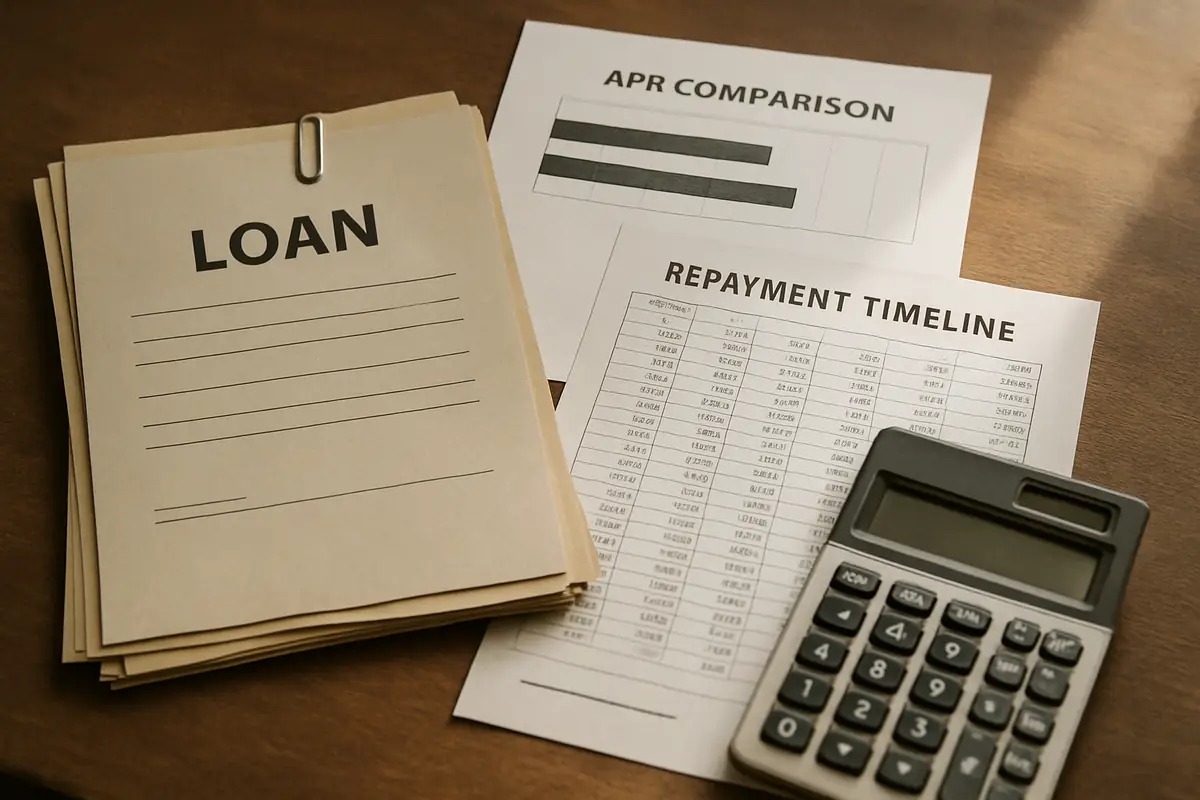
The fixed interest rate—the stated yearly percentage charged on the loan principal—only reflects part of what you’ll pay. Borrowers often focus on this rate and overlook the Annual Percentage Rate (APR), which is a broader measure including interest plus most mandatory fees, such as origination, underwriting, and sometimes insurance costs. For example, while a loan may advertise a 4% fixed rate, the APR could rise to 4.7% to 5.2% once all fees are considered. APR is intended to provide a more accurate yearly cost of borrowing, but lenders may present it in ways that downplay its true impact.
Additional fees—such as application charges (typically $100–$500), processing fees (often 0.5%–1% of the loan amount), and administrative costs—are not included in the nominal interest rate but significantly increase your monthly payment or overall loan balance. Scrutinizing the loan disclosure statement is critical to uncover these expenses. In some cases, upfront fees can add $2,000–$5,000 to a standard home loan or $50–$200 to a personal loan.
| Factor | What it Means | Risk for Borrowers |
|---|---|---|
| Fixed Interest Rate | The stated yearly interest percentage on the principal | May not reflect total borrowing cost |
| APR | Annual Percentage Rate, including interest and most fees | Better cost measure, but can be understated |
| Upfront Fees | Loan initiation and administration fees, often 1%–2% of the loan | Increase effective borrowing cost |
| Term Length | Duration of loan repayment (e.g., 3–30 years) | Longer terms raise total interest paid |
| Collateral Requirements | Assets pledged as security for the loan | Risk of losing valuable property if unable to repay |
Loan Term Length Increases Total Interest Paid on Fixed-Rate Loans
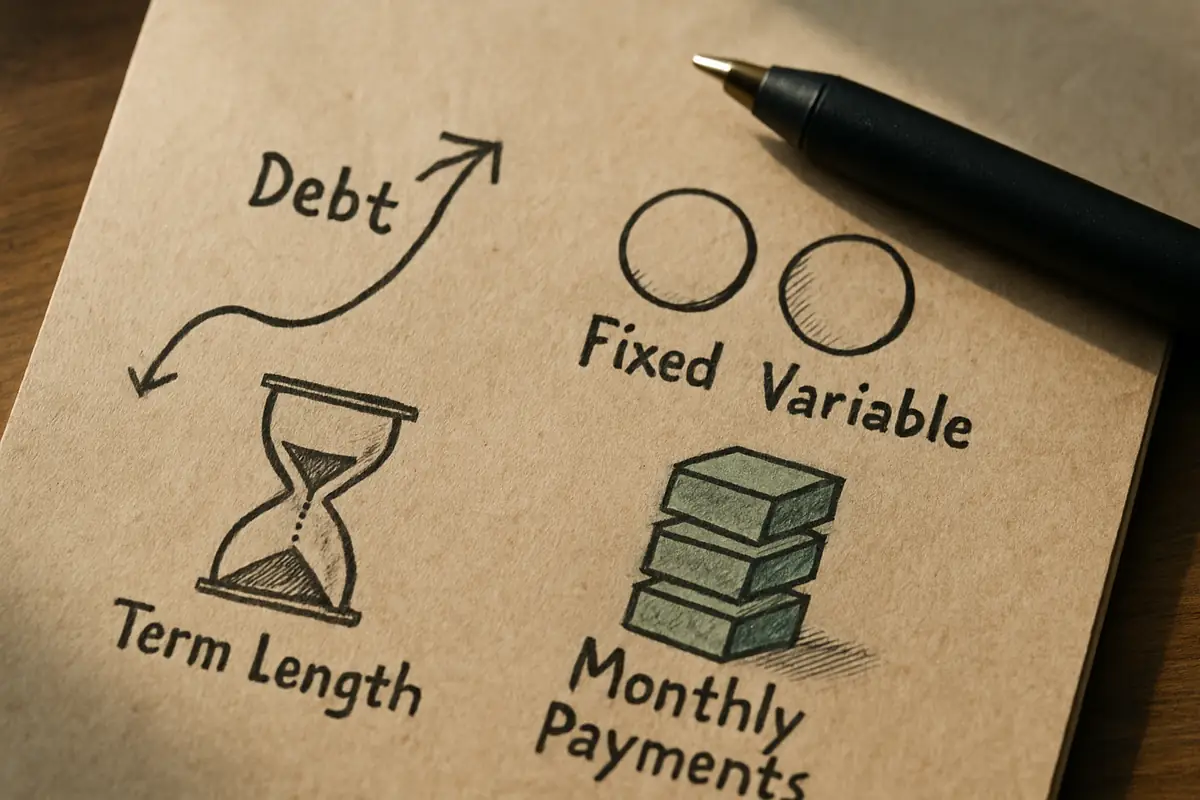
While fixed interest rates provide stability, the length of your loan term dramatically affects how much interest you pay overall. For instance, a 30-year fixed-rate mortgage at 5% will result in much higher total interest than a 15-year loan at the same rate. Many borrowers are drawn to lower monthly payments on longer terms but underestimate how this extends the period over which interest accrues, often adding $50,000–$150,000 in extra interest on a typical mortgage compared to a shorter term.
Longer loan terms may also come with additional fees or stricter conditions. Some lenders charge higher origination fees or impose more severe prepayment penalties for loans exceeding 20 years. Borrowers should be disciplined about early repayment—otherwise, they may get locked into expensive, long-term debt with limited flexibility due to penalties for early payoff or refinancing.
Scenario: Comparing Two Fixed-Rate Home Loans with Different Terms
John selects a 15-year fixed-rate mortgage at 4% with $3,000 in upfront fees. Maria chooses a 30-year fixed-rate mortgage at the same 4% with $1,500 in fees. John’s monthly payment is $1,480, while Maria’s is $955. Over 15 years, John pays $266,400 in total ($180,000 principal + $86,400 interest), while Maria, over 30 years, pays $343,800 ($180,000 principal + $163,800 interest)—nearly double the interest. Maria also faces a 2% prepayment penalty if refinancing in the first 5 years. This illustrates how term length and fee structures interact to affect the total cost.
Collateral as a Key Risk Factor in Fixed-Rate Loans
Collateral refers to assets—such as a home, vehicle, or savings account—pledged to secure a loan. Many fixed-rate loans, especially mortgages and auto loans, require collateral. If you default, the lender has the legal right to seize and sell the collateral to recover the outstanding debt. For example, a $20,000 auto loan may use the car as collateral, while a $250,000 mortgage uses the house.
Borrowers often underestimate this risk. If unexpected events—such as job loss or medical expenses—disrupt your ability to repay, you could lose property worth far more than the remaining loan balance. Before signing, clarify exactly what assets are at risk, how they’re valued (e.g., appraised value vs. purchase price), and the specific circumstances under which the lender can repossess them. Lack of transparency or misunderstanding these terms can turn a fixed-rate loan into a significant liability.
Collateral Risk Warning
Do not assume that a fixed interest rate protects your assets. Missing payments on collateral-backed loans puts your property at immediate risk of foreclosure or repossession—sometimes after as few as 60–90 days of missed payments. Always verify collateral terms and maintain strict repayment discipline.
Prepayment Penalties Add Hidden Costs to Fixed-Rate Loans
While a fixed rate suggests predictability, it does not guarantee flexibility. Many lenders impose prepayment penalties—fees charged if you pay off your loan early or refinance before a specified period (often within the first 3–5 years). These penalties compensate lenders for lost interest income and can range from 1%–5% of the outstanding balance or be calculated as several months’ worth of interest.
For example, on a $100,000 loan with a 3% prepayment penalty, paying off the loan early could cost an extra $3,000. Always review your contract for details about how prepayment penalties are calculated and when they apply, as these costs can erase savings from refinancing or early repayment.
Scenario: Early Loan Payoff Gone Wrong
Emma refinances her $25,000 fixed-rate personal loan after two years to take advantage of lower rates. Her original lender charges a penalty equal to six months’ interest at 6%, totaling $750—negating much of the benefit from the new loan’s lower rate.
APR Comparison Is Essential for Assessing Fixed-Rate Loans
The Annual Percentage Rate (APR) is designed to help borrowers compare loans by reflecting both interest and most fees as a single yearly rate. However, lenders may calculate APR differently, sometimes excluding certain charges or using varying assumptions about repayment schedules. Promotional materials may highlight a nominal fixed rate (e.g., 3.5%) while the true APR, including all fees, is closer to 4.2%–4.8%.
It is crucial to demand full transparency: ensure the APR includes all mandatory fees, such as service charges (typically $100–$500), required insurance premiums, and potential late payment fees. Comparing APRs across different loans is the most reliable way to assess true borrowing costs, especially for products with similar interest rates but varying fee structures.
Penalty Clauses Beyond Prepayment Can Escalate Costs
In addition to prepayment penalties, fixed-rate loans may include other punitive clauses—such as late payment fines, which can be $25–$50 per missed payment, or automatic interest rate increases triggered by missed installments. Some contracts apply penalty interest rates as high as 8%–12% if payments are late by more than 30 days. These measures can quickly compound financial difficulties for borrowers who experience short-term cash flow issues.
It is vital to carefully review all penalty clauses in the contract, including those buried in fine print, to understand what actions trigger additional costs and how steep those costs can be. Being aware of these risks helps avoid unexpected financial setbacks.
Advantages of Fixed Interest Rates When Properly Understood
- Predictable monthly payments, typically unchanged for 3–30 years, support budgeting discipline.
- Protection from market interest rate increases during the loan period.
- Simplifies long-term planning by locking in known costs.
Risks When Key Details Are Overlooked or Misunderstood
- Ignoring fees can raise total cost by 10%–20% or more.
- Collateral loss can occur after just 2–3 missed payments.
- Penalty clauses may reduce flexibility or add hundreds to thousands in costs.
- Long terms can double or triple cumulative interest paid.
- Incomplete APR understanding leads to poor loan comparisons.
Stable Rates Can Hide Repayment Pressure
Even with a fixed interest rate, borrowers may underestimate the pressure of consistent monthly payments—especially if their income fluctuates or unexpected expenses arise. For example, a $1,200 monthly mortgage payment may be manageable today, but if job loss or a medical emergency occurs, missing just two payments can trigger default proceedings and risk of collateral loss. Therefore, it is essential to build an emergency fund—typically covering at least 3–6 months of payments—to safeguard against unforeseen events.
Market Fluctuations Indirectly Impact Fixed-Rate Borrowing
Fixed interest rates shield borrowers from immediate market rate hikes, but broader economic changes still affect the real cost of borrowing. For example, if inflation rises from 2% to 6% during your loan term, the real value of your fixed payments declines, effectively reducing your debt burden in today’s dollars. Conversely, if market rates drop from 7% to 4%, you may miss out on potential interest savings since you are locked into a higher fixed rate.
Central bank policy shifts and global economic trends can also alter lender criteria, fee structures, or loan availability. For instance, a tightening monetary policy may result in stricter approval standards or increased upfront costs, even for fixed-rate products. Staying informed about these trends helps anticipate changes that could affect your loan’s competitiveness or your ability to refinance.
Prepayment flexibility varies: some lenders allow early repayment or refinancing without penalties if market rates drop, but others enforce strict exit fees. If your fixed rate is 1–2% higher than current market rates several years into your loan, refinancing could save thousands—provided penalties are manageable. Always review prepayment terms in advance.
Loan term selection should also reflect your financial goals. Locking in a fixed rate for 10–30 years may not suit borrowers expecting significant life changes, such as a job move or income shift. In these cases, a shorter fixed period or hybrid structure (e.g., 5 years fixed, then variable) can provide greater flexibility.
Insurance products—like payment protection or mortgage life insurance—may be required with some fixed-rate loans. These can add $20–$100 monthly to your costs, and their terms may shift if you refinance or change repayment schedules. Periodically review insurance coverage to ensure it remains appropriate and cost-effective.
While fixed monthly payments aid budgeting, related expenses—property taxes, insurance premiums, maintenance—can fluctuate independently, sometimes rising by 2%–5% per year. Build contingency buffers into your financial plan to absorb such increases without jeopardizing loan repayment.
Lender competition and market innovation may introduce better fixed-rate offers over time. Regularly comparing rates—every 1–2 years—can reveal opportunities to refinance or switch lenders, potentially saving thousands if exit penalties are low. Staying proactive empowers borrowers to adapt as financial landscapes evolve.
Can I renegotiate my fixed interest rate before it expires?
Most lenders do not allow renegotiation of fixed rates mid-term. However, you may be able to refinance once specific conditions are met, though this often involves fees or penalties.
How does inflation affect my fixed-rate loan?
Rising inflation reduces the real value of your fixed payments, making the debt easier to repay in inflation-adjusted dollars. If inflation falls, the real cost of your loan increases.
Inflation Changes the Real Value of Fixed-Rate Loan Payments
Inflation can significantly alter the real cost of fixed-rate loan repayments. While your payment amount stays the same, inflation reduces the purchasing power of money over time, making fixed payments less burdensome in high-inflation environments. For example, if annual inflation averages 5% and your fixed loan rate is 6%, the real interest rate you pay is closer to 1%.
However, if inflation drops to 1%, your real interest cost rises, making your fixed payment more expensive relative to your income. Borrowers should consider current inflation trends and projections—typically ranging from 2%–6% in many economies—when deciding whether to lock in a fixed rate. This helps ensure your loan remains affordable even as economic conditions shift.
Worked Calculation Example: Suppose you borrow $100,000 at a 5% fixed rate for 10 years. Your monthly payment is $1,060. Over 10 years, you pay $27,200 in interest. If inflation averages 3% annually, the real value of your payments declines, and the effective real interest paid is closer to 2% per year. This means your total real interest cost is about $10,400, not $27,200, when adjusted for inflation’s impact on purchasing power.
Loan Terms and Conditions Affect Affordability and Flexibility
Beyond the interest rate, the fine print of your loan agreement can significantly impact affordability and flexibility. Some fixed-rate loans include setup fees of $500–$2,000, early repayment penalties up to 5% of the outstanding balance, or restrictions on making extra payments. These features can offset the benefits of a lower fixed rate.
It is also crucial to understand how your lender handles refinancing or partial prepayments. Some lenders allow partial repayments without penalty, while others impose fees or limit how much you can pay off early. Reviewing these terms ensures your loan can adapt to life changes, such as moving, changing jobs, or receiving a windfall.
Credit Score and Personal Financial Health Influence Fixed Rates
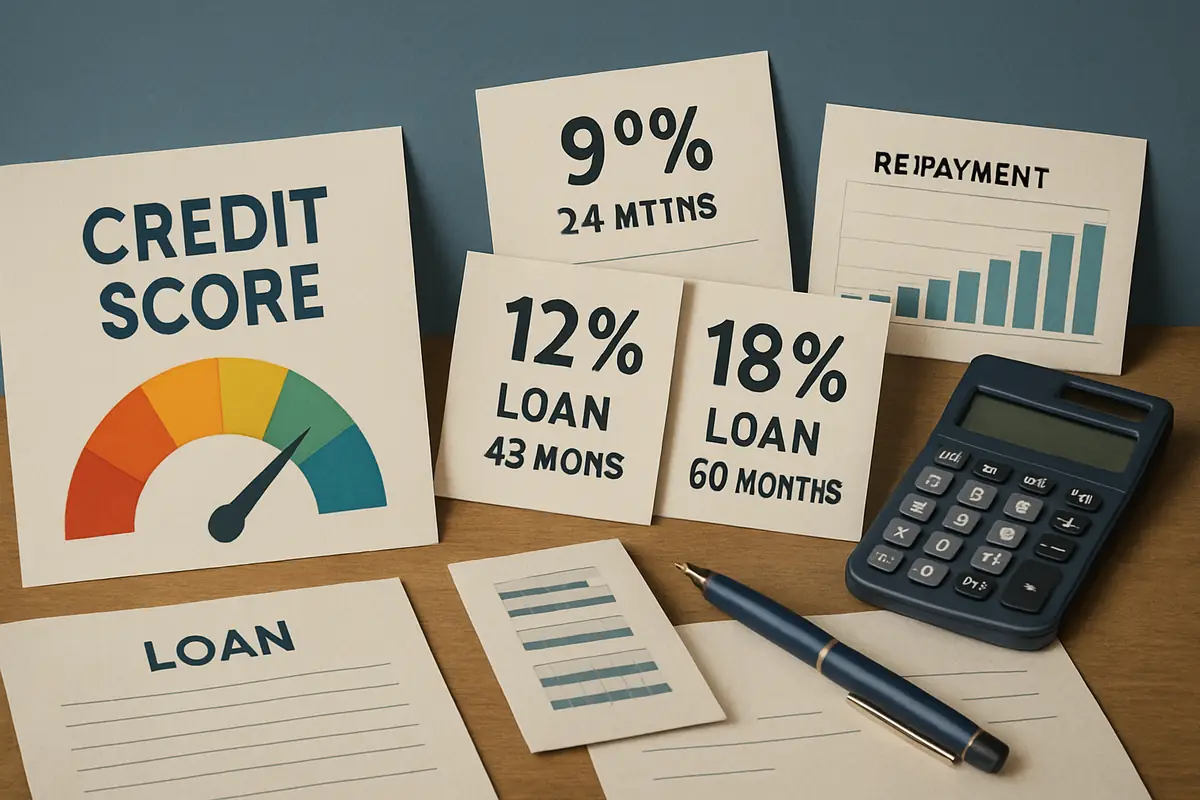
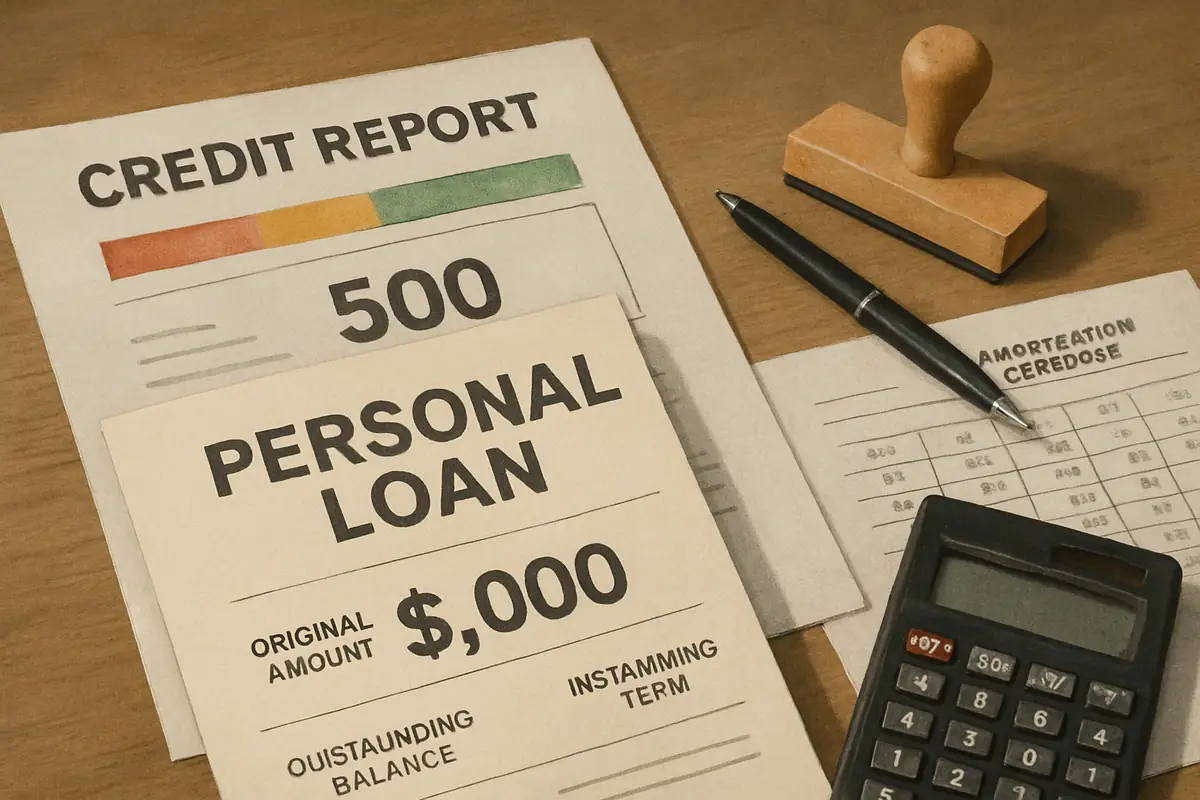
Your credit score—a numerical representation of your creditworthiness, usually ranging from 300 to 850—directly affects the fixed rate you are offered. Borrowers with scores above 740 often qualify for the best fixed rates, sometimes 1%–2% lower than those with scores below 650. Before applying, review your credit report for errors and pay down outstanding debts to improve your score.
Broader financial health—such as a debt-to-income ratio below 36%, stable income, and an emergency fund covering at least three months of expenses—also affects eligibility and your ability to manage fixed repayments. Reassess your financial situation if you experience major changes, such as a new job, a growing family, or new obligations, to ensure your fixed-rate loan remains manageable.
Comparing Fixed Rates with Variable Alternatives Reveals Trade-Offs
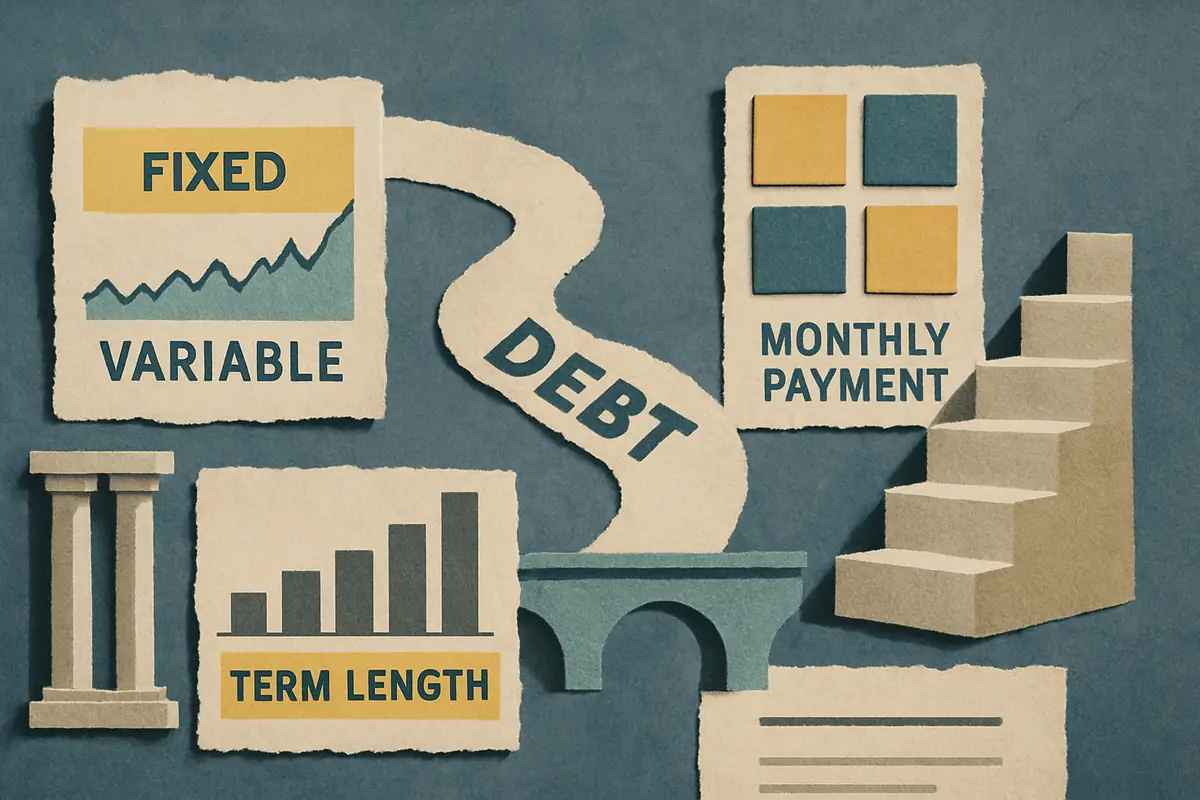
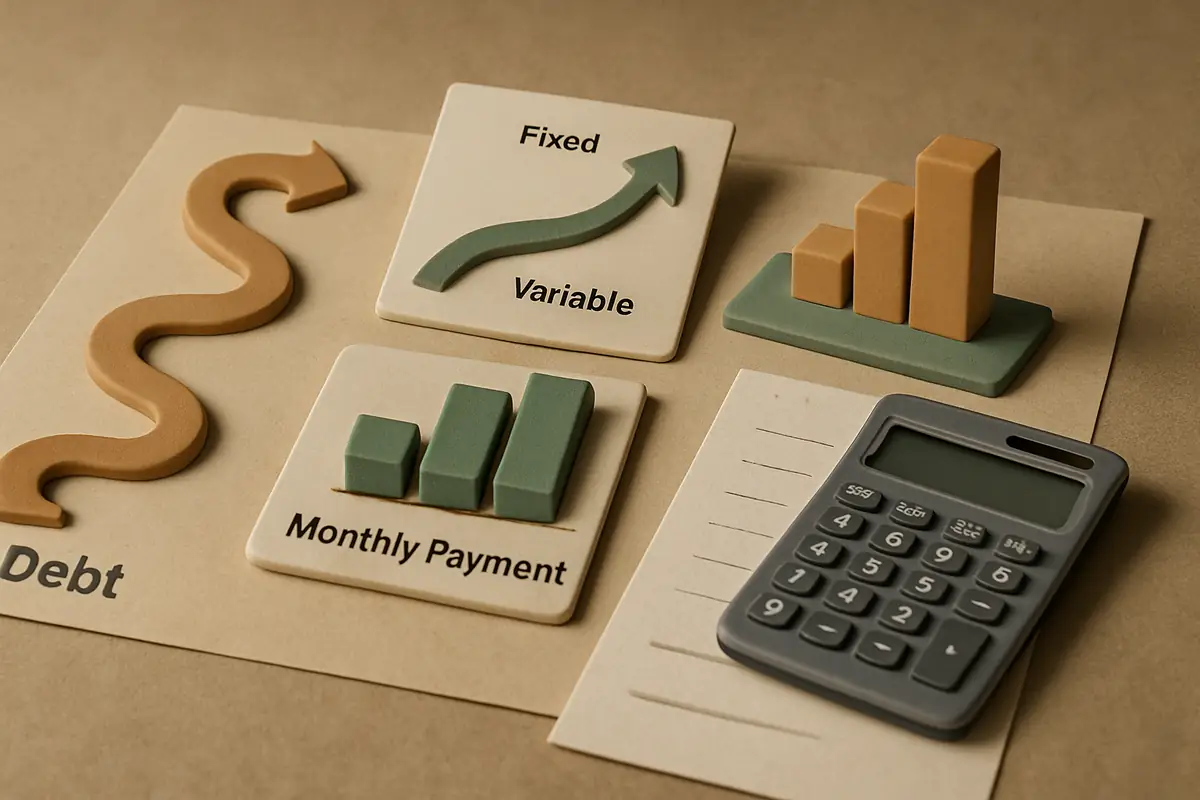
Fixed rates provide certainty, but variable or adjustable rates can offer lower initial payments—sometimes 0.5%–2% below fixed rates—depending on market conditions. However, variable rates can rise sharply if benchmark rates increase, potentially raising monthly payments by hundreds of dollars or more within a few years.
In stable or declining rate environments, variable loans may save money, but the risk of payment spikes remains. Side-by-side comparisons—factoring in projected payment scenarios over 3, 5, and 10 years—help clarify the trade-off between predictability and potential cost savings. For example, a $200,000 loan at 4% fixed yields a $955 monthly payment, while a 3% variable rate starts at $843 but could rise to $1,100 if rates climb by 2%.
Macroeconomic Policy Shifts Influence Fixed-Rate Loan Attractiveness
Central bank decisions, such as raising or lowering benchmark interest rates, directly impact the cost of new fixed-rate loans. For example, during periods of monetary tightening, fixed rates on mortgages and other loans may rise by 0.5%–1.5% within a year. Conversely, government stimulus or interest deferral policies may temporarily reduce repayment pressure but do not always affect new fixed-rate products.
Monitoring economic policy helps borrowers anticipate whether locking in a fixed rate now is advantageous or if waiting could yield better terms. For instance, if rates are expected to rise, securing a fixed rate sooner can prevent higher costs later. Conversely, if rates are likely to fall, waiting or choosing a variable rate may be more cost-effective.
Practical Steps to Recheck Fixed Rate Loan Decisions
References
- https://www.consumerfinance.gov/ask-cfpb/what-is-apr-en-45/
- https://www.federalreserve.gov/releases/h15/
- https://www.consumerfinance.gov/consumer-tools/
- https://www.consumerfinance.gov/ask-cfpb/what-is-the-difference-between-a-fixed-rate-and-adjustable-rate-mortgage-arm-loan-en-100/
- https://www.fdic.gov/consumer-resource-center/loans
- https://www.consumerfinance.gov/consumer-tools/auto-loans/