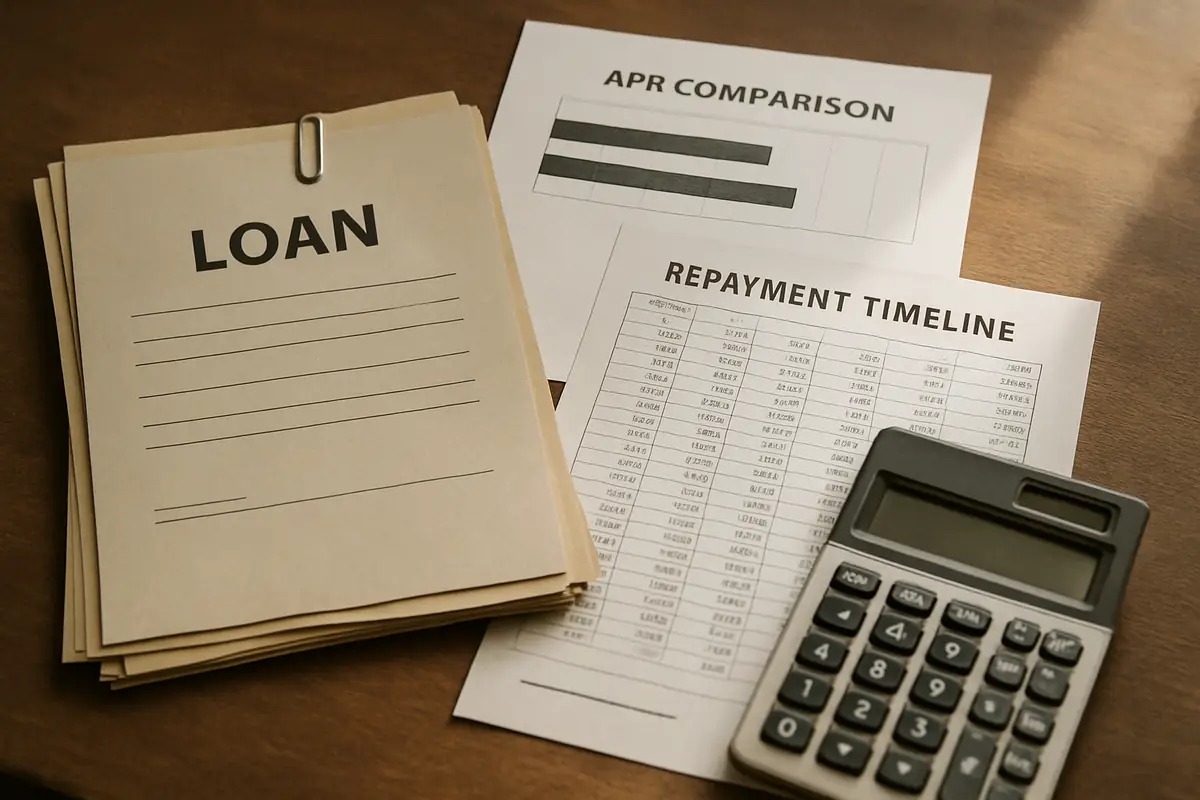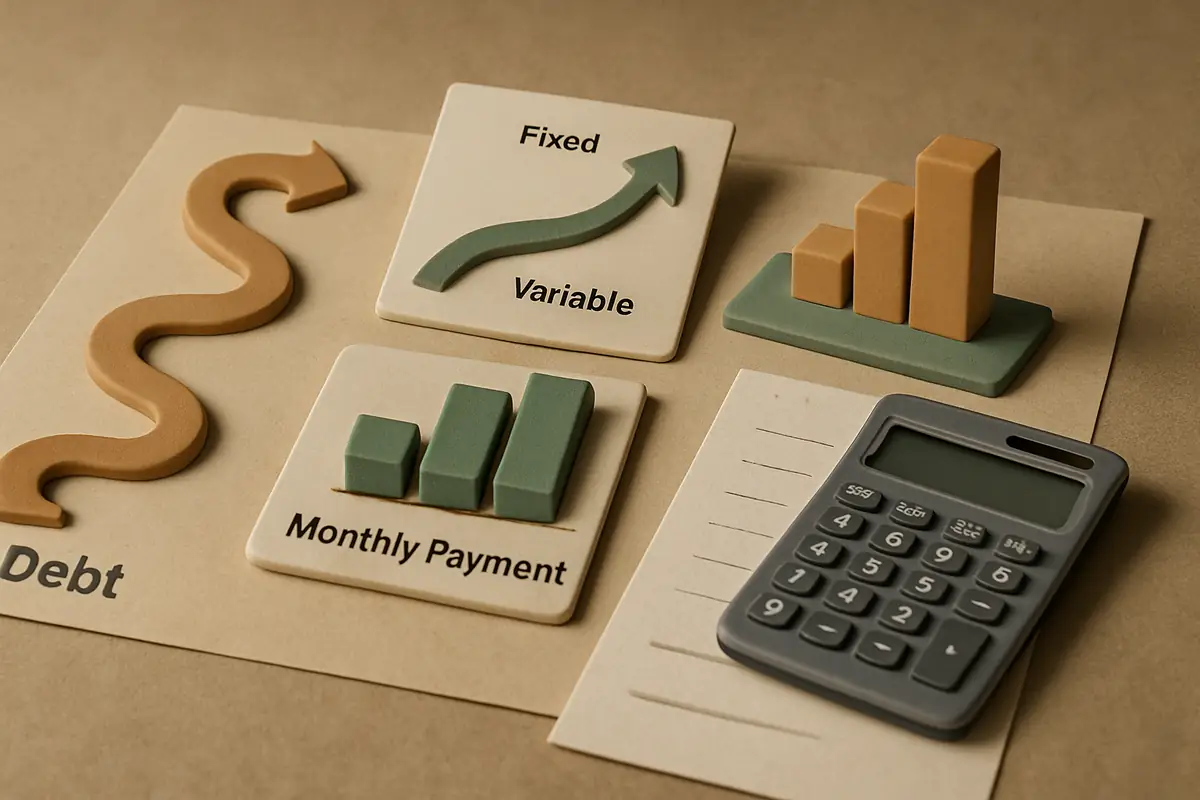
When deciding on a loan, one of the most critical choices is the length of the loan tenure—the period over which you agree to repay the borrowed amount. Whether considering a $15,000 car loan or a $250,000 mortgage, the selected term directly impacts not only your monthly payment but also the total interest paid over time and your financial flexibility. Borrowers often face tension between lower monthly payments with longer terms and higher overall costs with shorter terms. This analysis delves into these trade-offs, providing a detailed lens on how loan tenure affects real borrowing expenses, contract risks, repayment pressure, and refinancing considerations.
The Fundamentals: How Loan Tenure Influences Interest Costs
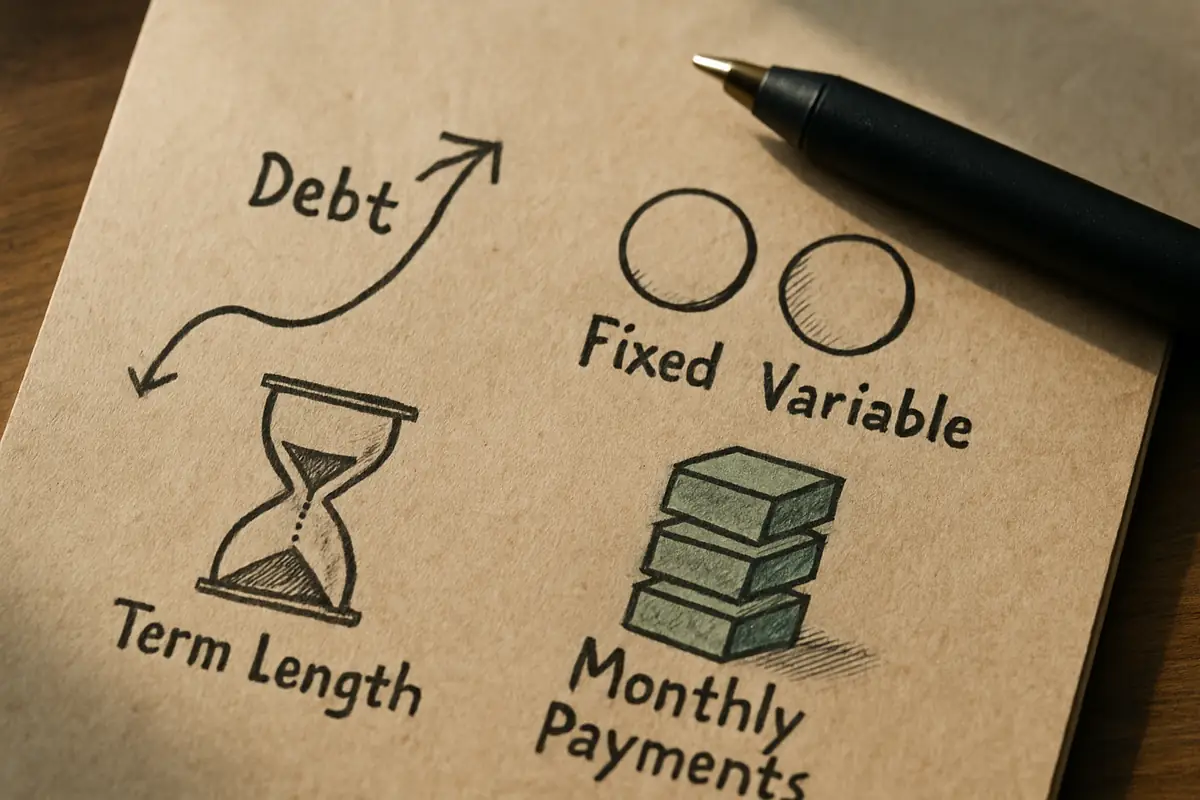
Loan tenure is the total duration from loan disbursement to full repayment. Common tenures range from short-term loans of 6 months to long-term mortgages spanning up to 30 years. The Annual Percentage Rate (APR) reflects the true yearly cost of borrowing, including fees and interest. Loan tenure affects how interest accumulates over time: longer tenures typically mean more interest paid overall because interest accrues throughout more periods, even if monthly payments are smaller.
For example, consider a $20,000 auto loan with a fixed APR of 6%. Over 3 years (36 months), monthly payments average around $608. Over 5 years (60 months), payments drop to approximately $386 monthly but total interest paid rises significantly. Specifically, at 3 years, total interest might be about $1,888; at 5 years it could approach $3,160. The borrower pays nearly double in interest for spreading out payments over a longer timeline.
This example shows why loan tenure is key in calculating true borrowing costs: shorter tenures increase monthly pressure but reduce total interest expense; longer tenures relieve monthly cash flow constraints but inflate overall cost.
Repayment Pressure and Monthly Budget Impact
Monthly repayment pressure refers to the fixed amount borrowers must allocate regularly towards loan repayments. Longer loan tenures reduce this pressure by dividing principal and interest into more installments. Shorter loans demand higher monthly payments because principal repayment accelerates.
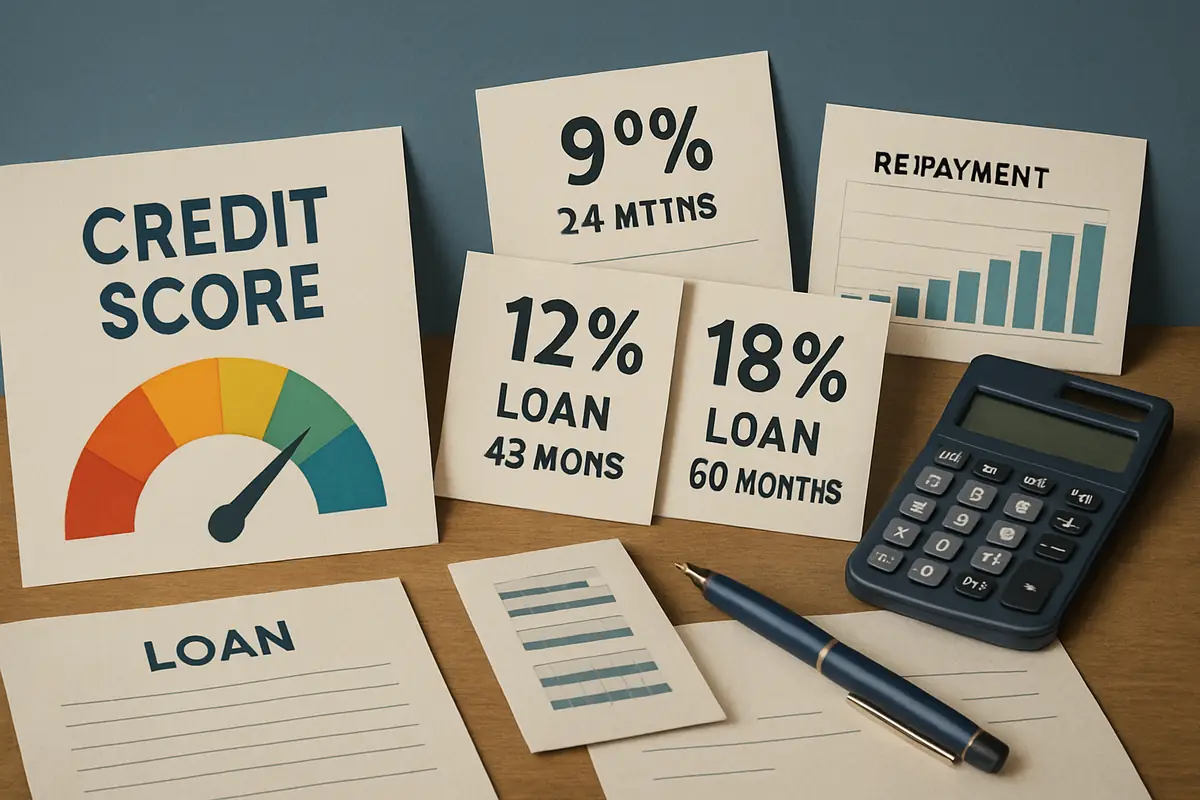
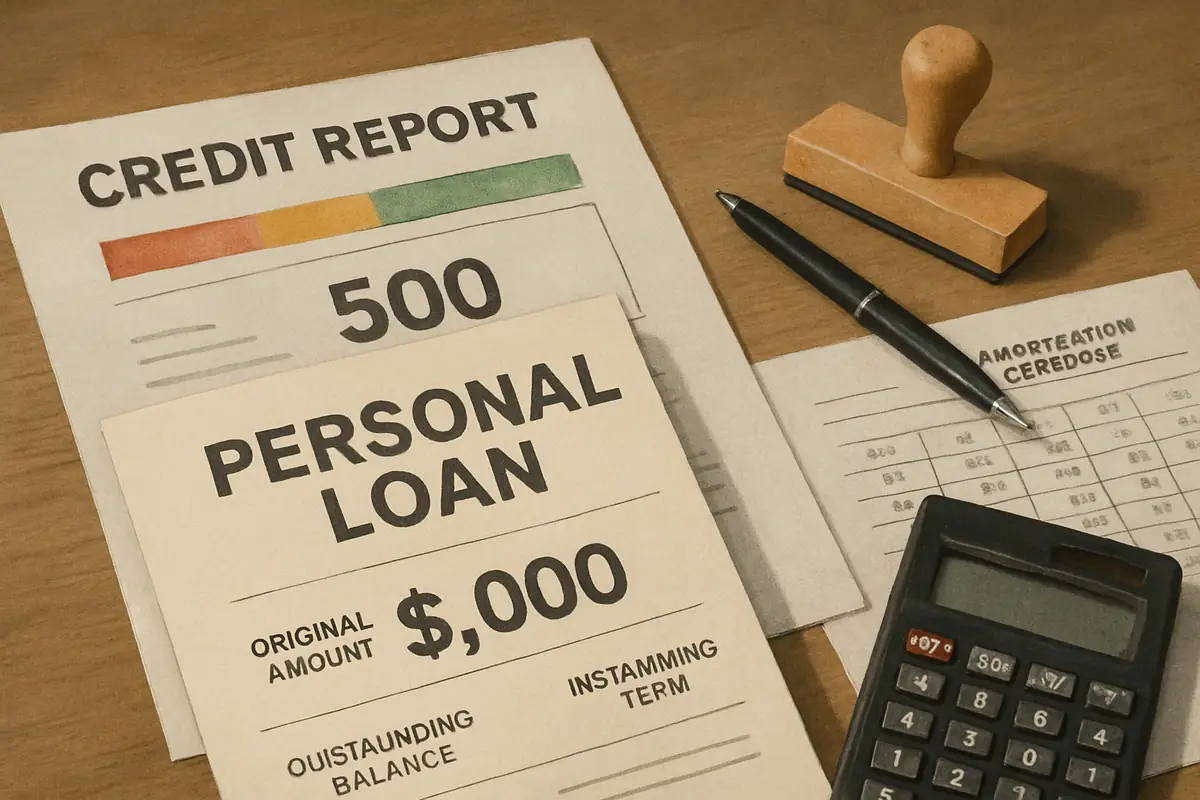
For instance, a $10,000 personal loan at an APR of 12% will cost about $888 per month for an 12-month term but around $176 per month if stretched over 72 months (6 years). However, longer tenure means much higher total interest—roughly $2,672 versus $666 for the shorter term.
Borrowers should weigh their steady income streams against these repayment amounts. If income is stable and sufficient to handle higher payments comfortably, opting for a shorter term saves considerable money in interest. If income fluctuates or tightens unexpectedly, longer terms provide breathing room to avoid late payments or default penalties.
Collateral and Contractual Risks Relating to Tenure
Secured loans—those backed by collateral such as vehicles or real estate—introduce additional risks tied to tenure length. Longer tenures increase exposure to collateral depreciation risks and changing market conditions that may affect refinancing or sale value.
For example, in auto loans with typical terms of 36 to 72 months, depreciation can outpace principal reduction during longer loans. A borrower with a 72-month auto loan may owe more than the car’s current market value for several years (negative equity), raising risks in case of default or trade-in scenarios.
Similarly in mortgages spanning decades, changes in property values influence borrower options if financial trouble arises long before full amortization completes. Additionally, some contracts impose early repayment penalties that vary by loan age and outstanding balance—these fees often increase the effective cost of shortening tenure later.
Where readers should be careful
['"Watch for early repayment penalties or prepayment fees that lenders charge if you repay before scheduled term ends."', '"Collateral depreciation can create situations where owing exceeds asset value during extended tenures."']
Variable Rates and Refinancing Pressure Over Extended Terms
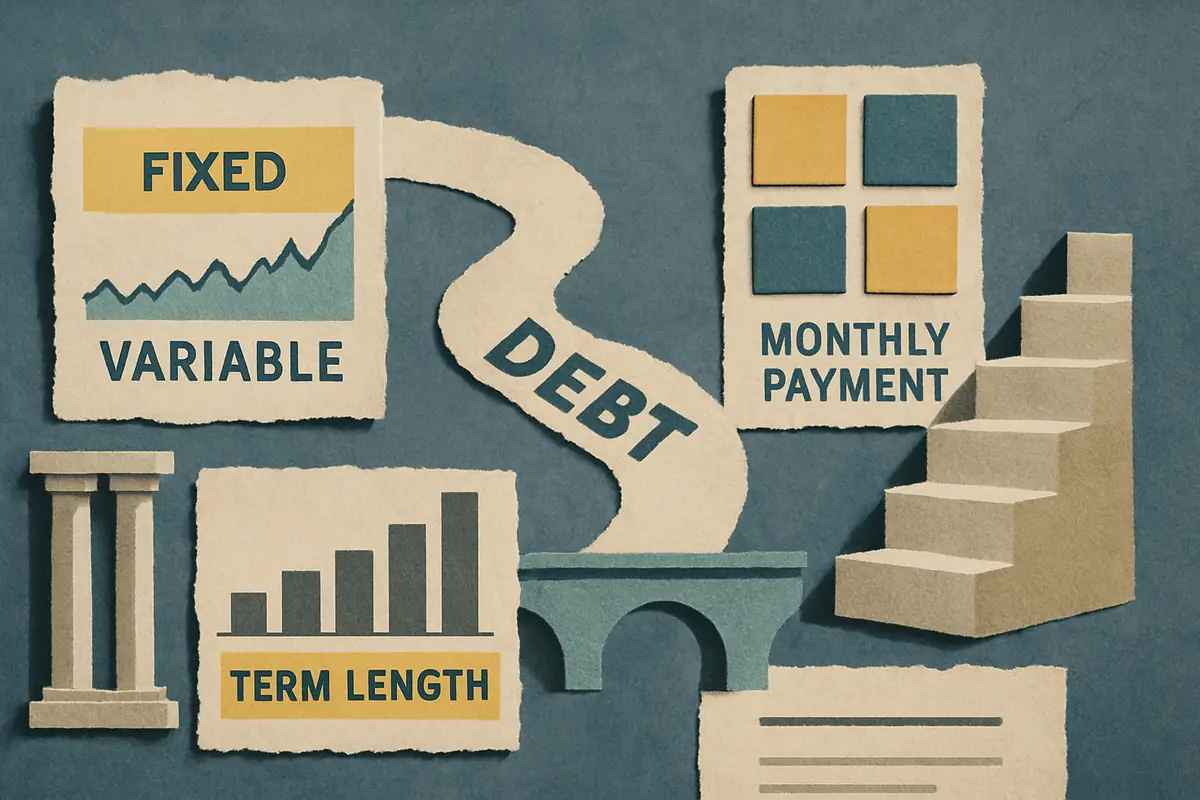
"Variable rate" loans adjust their interest periodically based on benchmark rates plus lender margin. Longer tenures increase exposure to rate fluctuations that can raise payment amounts unexpectedly over time.
"Refinancing" is replacing an existing loan with a new one under different terms—often used when rates drop or financial situations change. While refinancing may lower payments or reduce rates on long-term loans, it comes with fees and resets amortization schedules adding complexity and potential extra costs.
How this can look in practice
Consider a homeowner who took out a $250,000 mortgage at a fixed APR of 4% for 30 years with monthly payments near $1,193. After five years they refinance at a lower rate of 3%, but pay closing costs near $3,500 upfront; while monthly savings are significant ($150 less each month), total fees plus extended amortization can offset benefits if they move or refinance again too soon.
Advantages of Longer Loan Tenure
- Lower monthly repayments improve short-term cash flow flexibility.
- Useful when income is variable or tight.
- May enable qualification for larger principal amounts due to affordability.
- Allows spreading fees over longer periods reducing immediate impact.
Risks When Choosing Longer Terms
- Higher total interest paid over life of loan increases borrowing cost significantly.
- Increased exposure to variable rate fluctuations raising future payment burden.
- Greater vulnerability to collateral depreciation risking negative equity.
- Early repayment penalties can limit refinancing or lump sum paydown flexibility.
Understanding APR
Annual Percentage Rate includes both nominal interest rate and additional fees expressed annually to reflect true borrowing cost.
Amortization
Payment structure where each installment covers accrued interest plus some principal reduction so balance decreases over time.
Collateral Risk
Potential loss scenarios related to pledged assets backing secured loans if borrower defaults or asset value falls below owed amount.
How does loan tenure affect my credit score?
Loan tenure itself does not directly impact your credit score; however, consistent timely repayments throughout the term contribute positively by building payment history — a key credit score factor. Conversely missed payments increase risk regardless of term length.
Is it cheaper to pay off a loan early?
Generally yes — paying off principal earlier reduces future accrued interest since many loans calculate interest daily on outstanding balance. Beware early repayment penalties that might offset some savings depending on contract terms.
Can I switch from long-term to short-term after borrowing?
Refinancing or re-amortizing your loan might let you shorten tenure later but often involves fees and qualification checks. Always evaluate if benefits outweigh costs before proceeding.
Are fixed-rate loans safer than variable-rate over long terms?
Fixed-rate loans offer predictable payments protecting against rising market rates but may start with higher initial rates. Variable-rate loans might start lower but carry risk of increased payments if rates climb especially over long durations.
Borrower Case Study: Choosing Between a 5-Year vs 7-Year Auto Loan
['Marta needs a $25,000 auto loan; offers include:', '- A 5-year fixed APR option at approximately 5.5%, requiring ~$480/month payments.', '- A longer 7-year option at roughly 6% APR offering lower monthly payments around $375/month.', 'Marta’s stable job suggests she can afford higher payments without strain.', 'The shorter term saves her roughly $1,900 in total interest compared to the extended plan.', 'However she values monthly budget flexibility since unexpected expenses arise occasionally.', 'This case illustrates common tension between minimizing long-term expense and safeguarding short-term liquidity.']
Long-Term vs. Short-Term Loans: Balancing Interest Costs and Flexibility
When considering loan tenure, one of the primary trade-offs borrowers face is between long-term and short-term loans. A longer tenure generally results in lower monthly payments, which can improve immediate cash flow and financial flexibility. However, extending the repayment period often means paying substantially more interest over the life of the loan. For example, a 30-year mortgage might have significantly lower monthly installments than a 15-year mortgage, but the total interest paid can be twice as much or more. Borrowers must weigh their need for manageable payments against their long-term financial goals to make an informed decision.
On the other hand, a shorter loan tenure increases monthly payment amounts but reduces the total interest burden. This approach can accelerate wealth building by freeing up future income earlier and potentially improving credit scores due to faster debt elimination. However, higher payments may strain budgets during unexpected financial hardships, such as job loss or medical emergencies. Borrowers should consider their income stability and emergency savings before opting for shorter tenures to avoid default risk.
In practice, many lenders offer flexible repayment options allowing borrowers to switch between different tenures or make lump-sum prepayments without penalties. This flexibility can help manage interest costs without sacrificing liquidity. For instance, a borrower might choose a longer tenure initially for affordability but then increase payments or make extra contributions when financial situations improve. Such strategies effectively reduce interest expense while maintaining emergency cash reserves.
Impact of Loan Tenure on Creditworthiness and Future Borrowing
Loan tenure also plays a significant role in shaping an individual's credit profile and eligibility for future loans. Longer tenures mean prolonged debt obligations appearing on credit reports, which can affect debt-to-income ratios and perceived risk by lenders. While consistent payments over time build positive credit history, an extended repayment period may restrict borrowing capacity for other needs due to ongoing commitments.
Conversely, shorter tenures lead to faster loan closure, positively impacting credit utilization ratios and potentially enabling borrowers to qualify for larger or additional loans sooner. For example, a homeowner who finishes repaying a mortgage early may find it easier to access personal or auto loans with favorable terms since fewer liabilities show on their report. Thus, understanding how loan tenure influences credit metrics is crucial for strategic financial planning.
Additionally, certain types of loans have tenure limits imposed by lenders based on age or income considerations. For instance, some mortgage products restrict maximum tenures to ensure full repayment before retirement age. Borrowers approaching these limits may face higher interest rates or limited options, emphasizing the importance of aligning loan terms with long-term career and life plans.
Practical Strategies to Optimize Loan Tenure Decisions
To optimize loan tenure choices, borrowers should conduct detailed budgeting exercises incorporating projected income changes, expected expenses, and potential financial shocks. Sensitivity analysis—testing how different scenarios impact ability to meet payments—can reveal optimal tenures balancing cost and flexibility. Tools like amortization calculators help visualize total interest costs across various terms, aiding transparent decision-making.
Another effective strategy involves negotiating customized tenure arrangements with lenders upfront. Many financial institutions offer tiered products where borrowers select from multiple term lengths or hybrid plans combining short- and long-term features. Exploring these options ensures alignment with unique financial circumstances rather than adopting generic solutions that may not suit personal goals.
Borrowers should also factor in inflation expectations and potential changes in interest rates when choosing tenure since these affect real payment burdens over time. In environments where inflation rises steadily, longer fixed-rate loans might become advantageous as repayments are made with relatively cheaper future dollars. Conversely, in volatile rate climates or where variable rates predominate, shorter tenures reduce exposure to rising costs.
Balancing Loan Tenure with Financial Goals
When selecting a loan tenure, borrowers must carefully evaluate how the duration aligns with their broader financial objectives. A longer tenure might reduce monthly payments, making it easier to manage cash flow and meet other expenses or savings targets. However, this convenience comes at the cost of higher cumulative interest payments, which can erode overall wealth-building potential. Conversely, opting for a shorter tenure accelerates debt repayment but necessitates larger periodic payments that could constrain budgets and limit funds available for investments or emergencies. Understanding this balance is crucial for tailoring loan terms that complement an individual's unique financial roadmap rather than hamper future stability.
For instance, consider a young professional aiming to buy a home while also building an emergency fund and contributing to retirement accounts. Choosing a moderate loan tenure could help preserve monthly liquidity for these parallel priorities. On the other hand, retirees or those with stable income streams might prioritize faster loan payoff to eliminate debt burdens and free up income in later years. The decision is highly contextual; therefore, borrowers benefit from projecting cash flows under different tenure scenarios and analyzing how each option influences their capacity to meet immediate needs without compromising long-term goals.
Moreover, certain life events such as career changes, starting a family, or unexpected health expenses can dramatically affect one’s financial situation over the course of a loan. Longer tenures provide flexibility during these periods by keeping payments manageable, but they also prolong indebtedness. In contrast, shorter tenures may reduce overall exposure to interest but offer less breathing room if financial circumstances tighten unexpectedly. A comprehensive assessment should factor in potential volatility and incorporate buffers where appropriate, ensuring the chosen tenure supports resilience against life's uncertainties.
Impact of Loan Tenure on Interest Costs: A Detailed Example
To illustrate the concrete effects of loan tenure on interest costs, let’s examine a hypothetical scenario involving a $100,000 personal loan at an annual interest rate of 8%. If repaid over 5 years (60 months), the monthly payment would be approximately $2,028 with total interest paid around $21,700. Extending the tenure to 10 years (120 months) reduces the monthly installment significantly to about $1,213 but increases total interest paid to roughly $45,560—more than double the shorter term's interest costs.
This example underscores how elongating loan tenure lowers immediate payment burdens yet dramatically inflates cumulative interest obligations. Borrowers must ask whether the short-term relief justifies paying over twice as much in interest across the loan life. Such insights help prioritize repayment strategies by highlighting trade-offs between affordability and cost efficiency rather than focusing solely on monthly cash flow.
Additionally, understanding amortization schedules clarifies how early payments primarily cover interest rather than principal under longer tenures. This means reducing loan length can accelerate equity buildup or debt elimination more effectively despite larger installments initially. Being aware of these dynamics empowers borrowers to negotiate terms with lenders or plan refinancing opportunities that minimize unnecessary interest expenses.
Financial Flexibility Through Adjustable Loan Terms
Some lenders offer adjustable or flexible loan tenures that allow borrowers to modify repayment periods during the life of the loan based on evolving financial conditions. This feature can provide valuable flexibility by enabling shorter tenures when income rises or lengthening terms temporarily during economic hardship without defaulting.
For example, a borrower might start with a 15-year mortgage but choose to shorten it later as promotions increase earnings or windfalls enable lump-sum repayments toward principal reduction. This adaptability helps optimize interest savings while maintaining manageable monthly payments aligned with current affordability.
However, borrowers should carefully review any fees associated with adjusting tenures and consider how changes impact amortization schedules and total payable interest. Consulting financial advisors or conducting detailed cost-benefit analyses ensures decisions about flexible terms enhance rather than complicate loan management strategies.