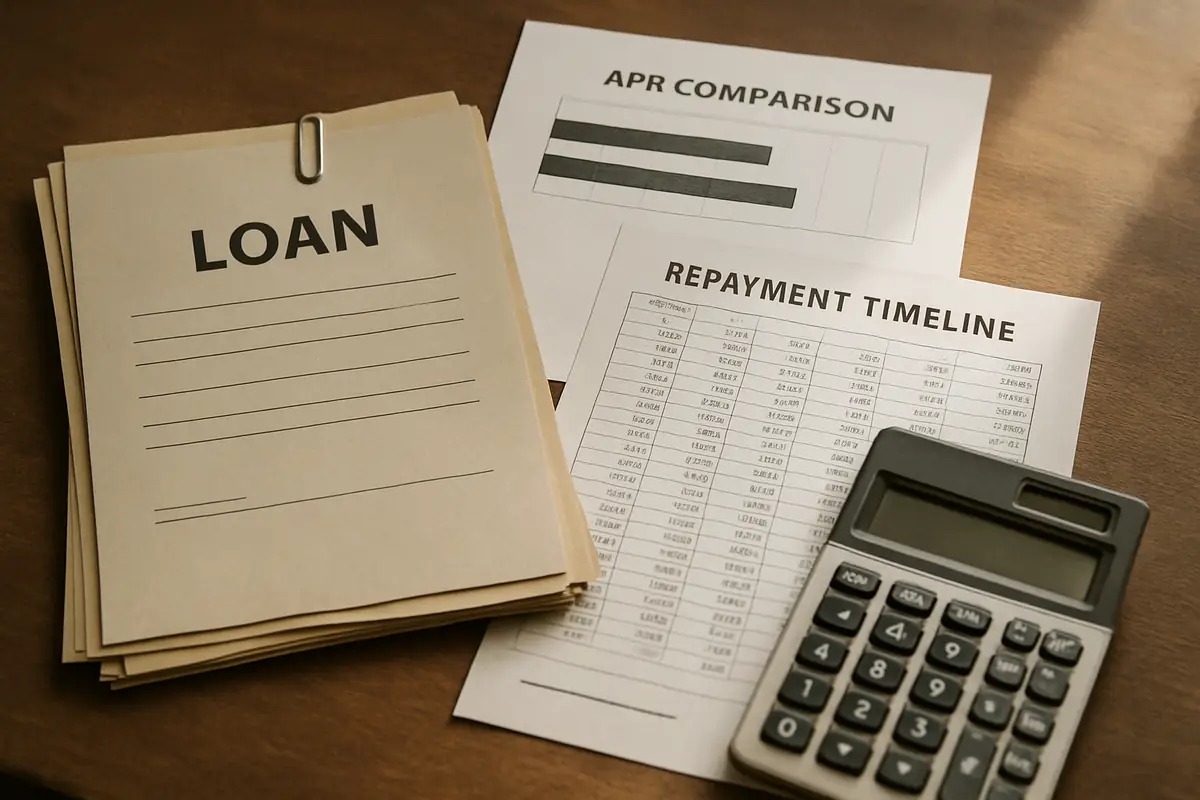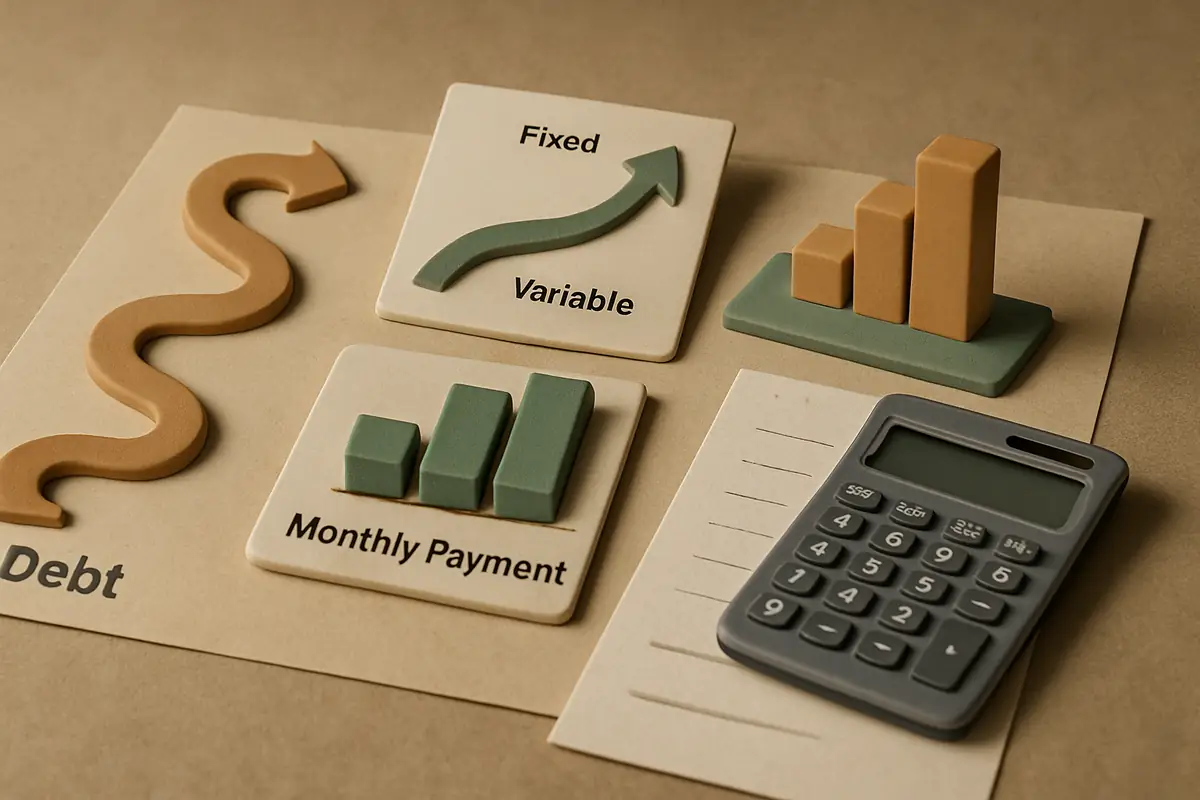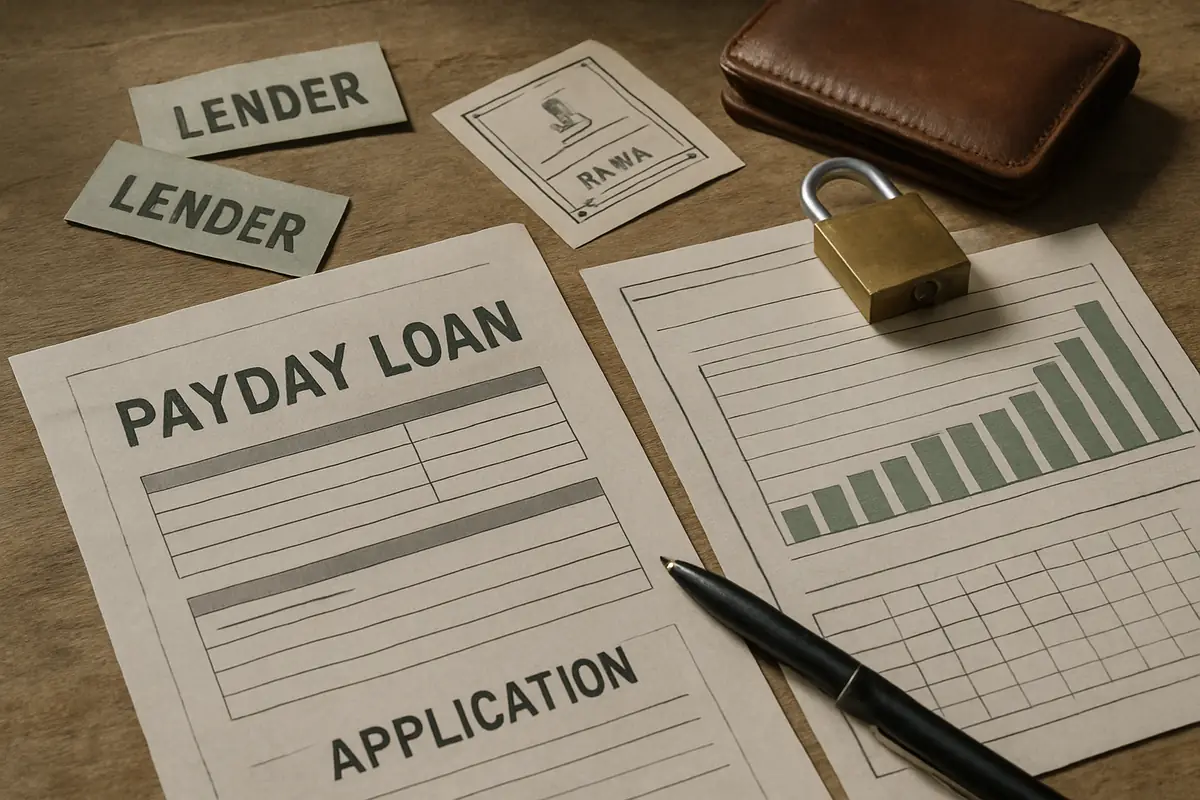
Payday loans often promise quick cash when financial emergencies strike, but beneath their rapid approval lies a complex web of high fees, steep annual percentage rates (APR), short repayment terms, and significant repayment pressure. Borrowers frequently underestimate the true cost and contract demands of these loans, which can escalate a temporary shortfall into a prolonged debt cycle.
Understanding Payday Loan Cost Mechanics
Payday loans are short-term, unsecured loans typically intended to be repaid by the borrower’s next paycheck. Unlike traditional loans amortized over months or years, payday loans generally carry terms between 7 to 30 days. The headline cost is often expressed as a fixed fee rather than a nominal interest rate—for example, a $15 fee per $100 borrowed. While this may sound straightforward, when converted into an annual percentage rate (APR), payday loans commonly range between 300% and 700%, far exceeding most other credit products.
To illustrate the effective cost, consider borrowing $500 with a $75 fee due in two weeks. The simple interest rate for the term is 15%, but when annualized over 26 two-week periods in a year, the APR inflates to about 390%. This high APR reflects how fees scale for very short periods and highlights why payday loans are expensive compared to installment loans or credit cards charging typical APRs between 18% and 36%.
How this can look in practice
Imagine Jane faces an unexpected $600 car repair bill just days before her payday. She takes out a $600 payday loan requiring repayment of $690 in two weeks ($600 principal + $90 fee). Jane’s tight budget makes repaying almost $700 in 14 days challenging. If she misses this payment, she could incur rollover fees or default penalties that compound her debt rapidly.
Contractual Risks and Repayment Pressure
Payday loan contracts often contain clauses that increase borrower risk beyond the headline fees. Common risks include automatic rollovers (renewing the loan for another short term with additional fees), prepayment penalties that discourage early payoff, and aggressive collection practices. Unlike secured loans that use collateral like a car or house, payday loans usually require no collateral but instead rely on post-dated checks or electronic access to bank accounts.
Repayment pressure is acute because borrowers must repay the full balance plus fees within a single paycheck cycle. Failure to repay leads either to loan renewal with new fees—effectively increasing borrowing costs exponentially—or collections actions such as bank overdraft fees if lenders debit accounts without sufficient funds. These dynamics create strong incentives for borrowers to refinance repeatedly or take additional loans.
Where readers should be careful
['Warning: Payday loan APRs typically exceed 300%, making them among the most expensive credit options available.', 'Warning: Short-term repayment schedules increase risk of missed payments and additional fees.', 'Warning: Loan rollovers multiply costs quickly; repeated refinancing can trap borrowers in cycles of escalating debt.', 'Warning: Contract terms may include automatic bank account debits that can cause overdrafts and added penalties.']
Comparing Payday Loans with Other Short-Term Credit Options
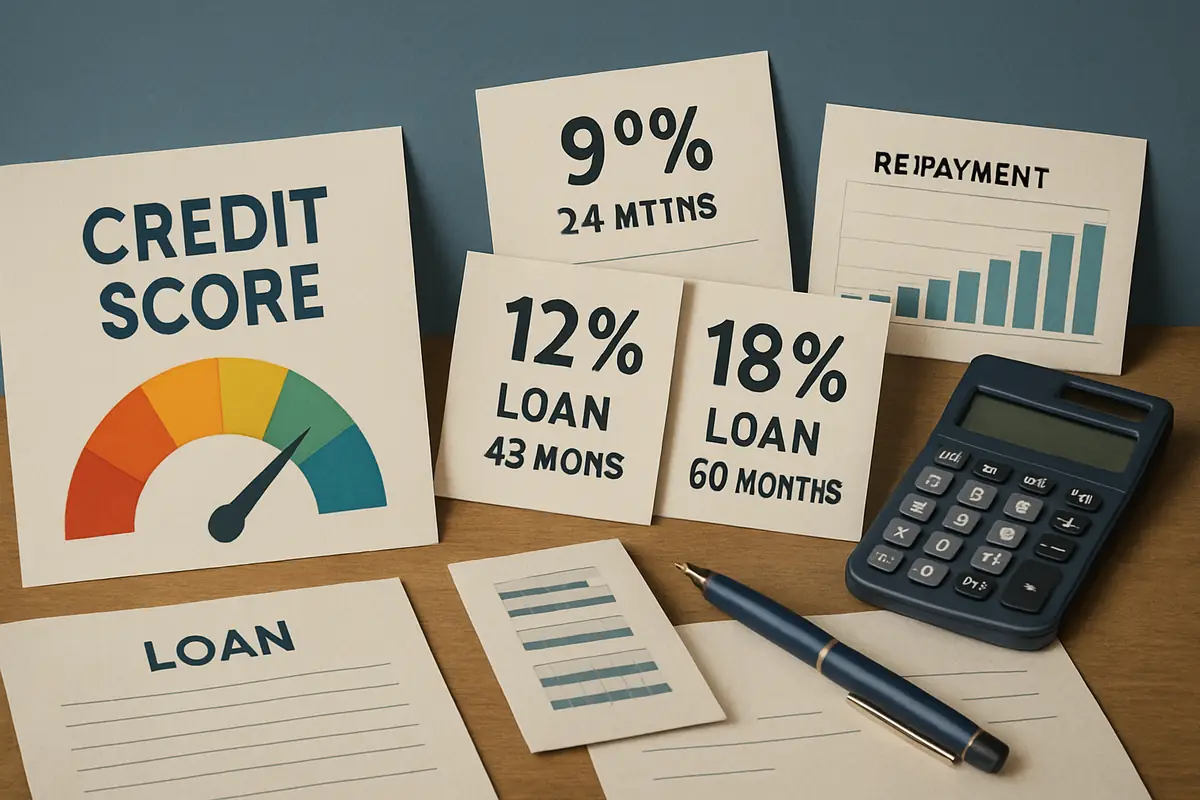
Some consumers consider alternatives such as credit cards, personal installment loans, or borrowing from friends or family. Credit cards typically have lower APRs—commonly between 18% and 30%—and offer flexible minimum payments over extended periods. Personal installment loans allow fixed monthly payments amortized over six months to several years at APRs from roughly 6% to 36%, depending on creditworthiness.
While these options may require more documentation and take longer to access funds compared to payday loans’ fast approval process, they reduce extreme repayment pressure and costly rollovers. Even small personal lines of credit or employer advances often carry lower overall costs if available.
Hidden Costs Beyond Interest Rates
Beyond explicit fees and APR calculations, payday loan borrowers often face hidden costs including transaction fees for electronic debits or check processing, late payment penalties sometimes exceeding initial charges, and indirect expenses like credit score damage that raise future borrowing costs. Some lenders require access to checking accounts through electronic withdrawals or post-dated checks, which can trigger additional bank overdraft fees ranging from $20 to $40 per incident.
"Effective cost" can balloon if borrowers refinance multiple times. For example, rolling over a $400 loan for four consecutive two-week periods at a $60 fee each time means paying an extra $240 in fees on top of principal within just eight weeks—a cumulative expense equivalent to an APR well over 4000%. This cycle increases financial stress sharply.
"Worked Example: Calculating Total Cost on a Typical Payday Loan"
"Suppose you borrow $300 with a lender charging a flat fee of $45 due in 14 days."
"Step 1: Calculate simple interest rate for two weeks: Fee ($45) divided by principal ($300) equals 0.15 or 15%."
"Step 2: Annualize this short-term rate by multiplying by number of two-week periods in one year (26): 15% × 26 = 390% APR."
"Step 3: Understand total amount owed at end of term is principal plus fee: $300 + $45 = $345."
"Step 4: Consider consequences if unable to repay after two weeks — rollover may add another $45 fee resulting in total due of $390 after four weeks."
"Step 5: Multiple rollovers amplify total cost quickly; three rollovers mean paying original principal plus four fees totaling $180 in additional charges."
Understanding the True Cost of Payday Loans
Payday loans often appear as quick and easy solutions during financial emergencies, but understanding their true cost is essential before deciding to use one. These loans typically come with extremely high annual percentage rates (APRs), sometimes exceeding 400%, which can translate to paying back two or three times the amount borrowed if the loan is rolled over multiple times. Borrowers may initially focus on the small dollar amount they need and overlook the cumulative fees that accumulate with each renewal or missed payment. This can create a debt spiral that becomes difficult to escape. For example, a $500 payday loan might require repayment of $575 within two weeks, but if the borrower cannot repay on time and takes out another loan to cover the first, fees multiply quickly. Recognizing these potential costs is vital for anyone considering a payday loan.
Additionally, many borrowers do not realize that payday lenders often require access to their bank accounts, permitting automatic withdrawals that can further complicate financial management. If funds are insufficient when these automatic payments are attempted, additional overdraft or NSF fees from banks may be incurred, adding layers of expense beyond the interest charged by the lender. This interconnectedness between payday loans and banking systems means that a single loan could trigger multiple fees, making it even more difficult for borrowers to regain control of their finances. Understanding these mechanics helps illustrate why payday loans should be approached with caution, despite their apparent convenience.
Situations Where Payday Loans Might Be a Viable Option
While payday loans carry significant risks, there are scenarios where they can serve as a practical solution—especially when alternatives are limited. For instance, in sudden emergencies such as unexpected medical expenses, urgent car repairs necessary for commuting to work, or immediate housing needs like avoiding eviction, a payday loan might provide quick access to money that can prevent more severe consequences. In these cases, a short-term loan can act as a bridge until the next paycheck arrives or other funds become available. It’s important that borrowers carefully evaluate whether they truly have no other option and plan ahead for repayment within the stipulated timeframe to minimize costs.
Moreover, some borrowers may use payday loans strategically when their credit history prevents them from accessing traditional credit products such as credit cards or personal installment loans. Because payday lenders typically approve loans based on income and employment rather than credit scores, this accessibility makes payday loans appealing to those with poor credit. However, even in these cases, it is critical to understand all terms and fees involved and avoid using payday loans as a long-term financial strategy. Temporary use in well-defined situations can be effective if accompanied by strong repayment discipline.
Alternatives to Payday Loans That Should Be Explored
Before resorting to payday loans, exploring alternative options can reduce financial stress while avoiding high costs. One commonly overlooked alternative is negotiating directly with creditors or service providers for payment plans or extensions during emergencies. Many utility companies, landlords, or healthcare providers offer hardship programs that allow deferred payments or smaller installments without exorbitant fees. This approach preserves your credit standing and avoids predatory lending.
Community resources such as local nonprofits or charities may also offer emergency financial assistance for rent, food, utilities, or basic needs without requiring repayment under punitive terms. Additionally, borrowing from family or friends with clear agreements might be more manageable than taking on high-interest debt. Finally, some employers have emergency paycheck advances or short-term loan programs available internally that could serve as less expensive alternatives compared to traditional payday lenders.
The Impact of Payday Loans on Credit Scores and Financial Health
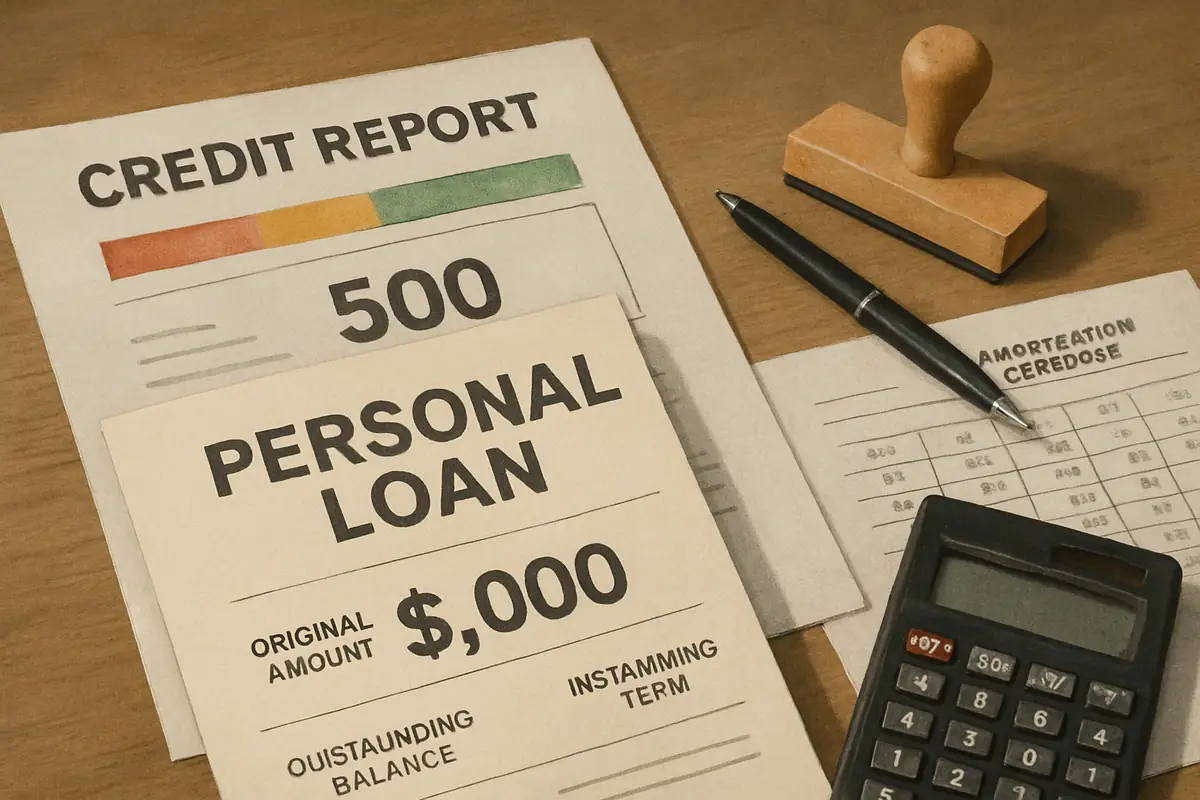
Contrary to popular belief, most payday lenders do not report timely repayments to major credit bureaus; however, failure to repay can lead to collections actions that negatively impact credit scores. If a payday loan defaults and is handed over to third-party collectors or legal action ensues, this damage can take years to repair and restrict access to more affordable credit in the future. Furthermore, frequent reliance on payday loans signals chronic cash flow challenges that may indicate deeper financial instability requiring longer-term solutions.
Repeated use of high-cost short-term loans can also erode savings capacity and increase stress levels due to continuous debt obligations. The psychological burden of managing mounting fees coupled with limited options often leads borrowers into cycles of borrowing just to meet minimum obligations rather than building positive financial momentum. Awareness of these broader impacts emphasizes the importance of treating payday loans strictly as last-resort tools rather than routine financial practices.
Regulatory Landscape and Consumer Protections
The regulatory environment governing payday lending varies significantly by jurisdiction—some states or countries impose strict caps on interest rates and loan terms while others have minimal restrictions allowing aggressive lending practices. Recent regulatory efforts aim at increasing transparency by mandating clearer disclosure of fees and repayment requirements so consumers understand what they are agreeing to upfront. Some regulations also restrict rollovers or limit the number of consecutive short-term loans permitted within certain timeframes in an effort to curtail debt traps.
Consumers should familiarize themselves with local laws affecting payday lenders in their area as protections might include cooling-off periods between loans or mandatory access to non-predatory lending alternatives before approving high-cost credit products. Advocacy groups continue pushing for reforms designed to balance consumer access with safeguards against exploitative practices—staying informed about ongoing changes helps borrowers make better choices aligned with evolving standards.
Alternatives to Payday Loans in Financial Emergencies
While payday loans offer quick access to cash, exploring alternative options can mitigate long-term financial risks. One common alternative is seeking a personal loan from a bank or credit union, which typically provides lower interest rates and more manageable repayment terms. Although these options might involve more paperwork or longer approval times, they often result in less financial strain over time. Additionally, some employers offer paycheck advances or emergency funds as part of employee benefits, which can be a cost-effective substitute. Considering community assistance programs or non-profit organizations that provide emergency grants or interest-free loans can also help in times of urgent need without incurring crippling debt.
Another important alternative includes borrowing from family or friends. While this option requires trust and clear communication to avoid damaging relationships, it can often provide the necessary funds without exorbitant fees or interest. Setting clear repayment expectations and maintaining transparency is essential to make such arrangements successful and stress-free. Exploring these alternatives before opting for a payday loan enables borrowers to evaluate options that preserve their financial stability more effectively.
Understanding the True Cost of Payday Loans
Many borrowers underestimate how costly payday loans can be once fees and interest are factored in. The annual percentage rates (APR) on payday loans frequently exceed 300%, meaning the actual debt can quickly balloon if repayments are delayed or rolled over. For example, a $500 loan with a typical two-week term might cost an additional $75 to $100 in fees alone, translating into very high effective interest if the loan is renewed multiple times. This compounding effect can trap individuals in cycles of debt where each new loan serves primarily to pay off previous balances rather than providing meaningful relief.
Furthermore, failing to repay payday loans on schedule often results in additional penalties and collection activities that damage credit scores and increase financial stress. These consequences make it increasingly difficult for borrowers to access mainstream credit or secure housing, employment, and insurance at reasonable rates. Understanding these hidden costs helps borrowers approach payday lending with greater caution and encourages proactive planning for repayment strategies. Careful budgeting and seeking professional advice before committing to such loans can reduce the risk of spiraling debt.
Regulatory Measures Impacting Payday Lending
In recent years, there has been increased regulatory scrutiny of payday lending practices due to concerns over predatory behavior and consumer harm. Several states have implemented caps on interest rates, restrictions on rollovers, and requirements for clearer disclosure of loan terms. These regulations aim to protect vulnerable consumers from unfair lending cycles while maintaining access to emergency credit where appropriate. However, regulatory environments vary widely across regions, affecting the availability and terms of payday loans.
Some federal proposals seek to standardize protections nationwide but face opposition from industry advocates who argue that overly strict rules could eliminate access for those with poor credit histories. Borrowers should stay informed about local laws impacting payday lending as these rules may create safer borrowing conditions or restrict certain practices previously common in the market. Awareness of regulatory trends also empowers consumers to report abusive lenders and seek legal recourse when necessary.
The Role of Credit Counseling in Managing Emergency Debt
Credit counseling services provide valuable support for individuals facing financial emergencies by offering budgeting assistance, debt management plans, and education on responsible borrowing. Engaging with a reputable credit counselor can help borrowers assess whether a payday loan is truly necessary or if alternative strategies exist to address their cash shortfall without incurring unsustainable debt. Counselors often negotiate with creditors on behalf of clients to establish affordable repayment schedules that prevent default or collection escalation.
By developing a comprehensive financial plan tailored to an individual’s income and expenses, credit counseling helps reduce reliance on high-cost solutions like payday loans over time. Additionally, counselors educate clients on building emergency savings to buffer future crises. Seeking professional guidance early during financial distress can improve outcomes considerably by equipping individuals with tools and knowledge rather than simply resorting to quick fixes.
References
- https://www.consumerfinance.gov/consumer-tools/
- https://www.consumerfinance.gov/consumer-tools/auto-loans/
- https://www.fdic.gov/consumer-resource-center/loans
- https://www.consumerfinance.gov/consumer-tools/mortgages/
- https://www.consumerfinance.gov/consumer-tools/student-loans/
- https://www.consumerfinance.gov/ask-cfpb/what-is-the-difference-between-a-fixed-rate-and-adjustable-rate-mortgage-arm-loan-en-100/