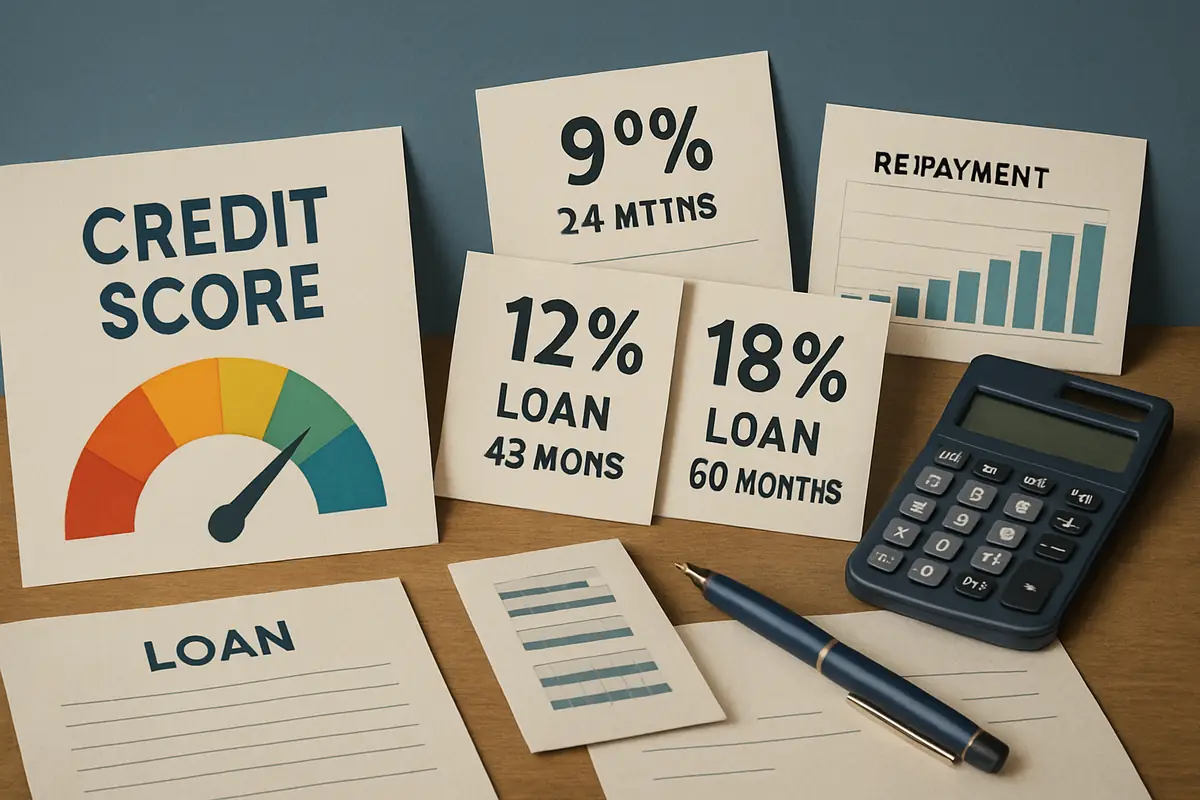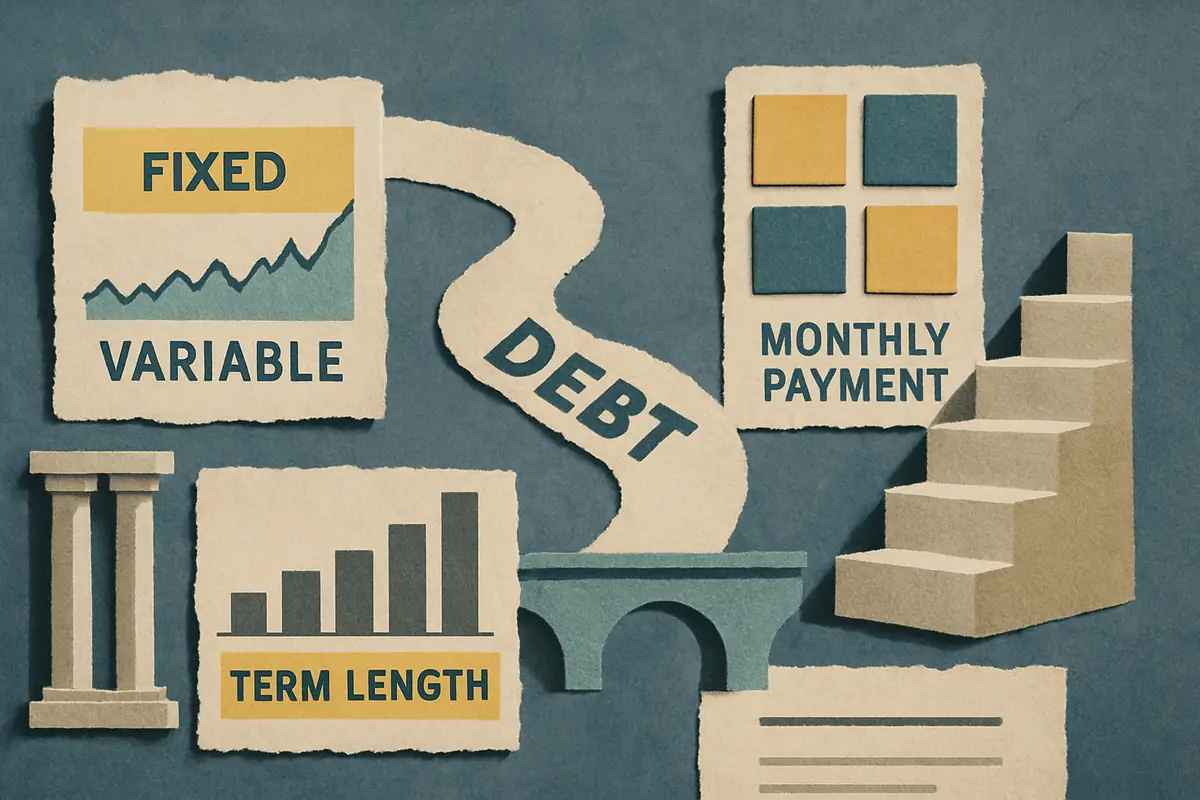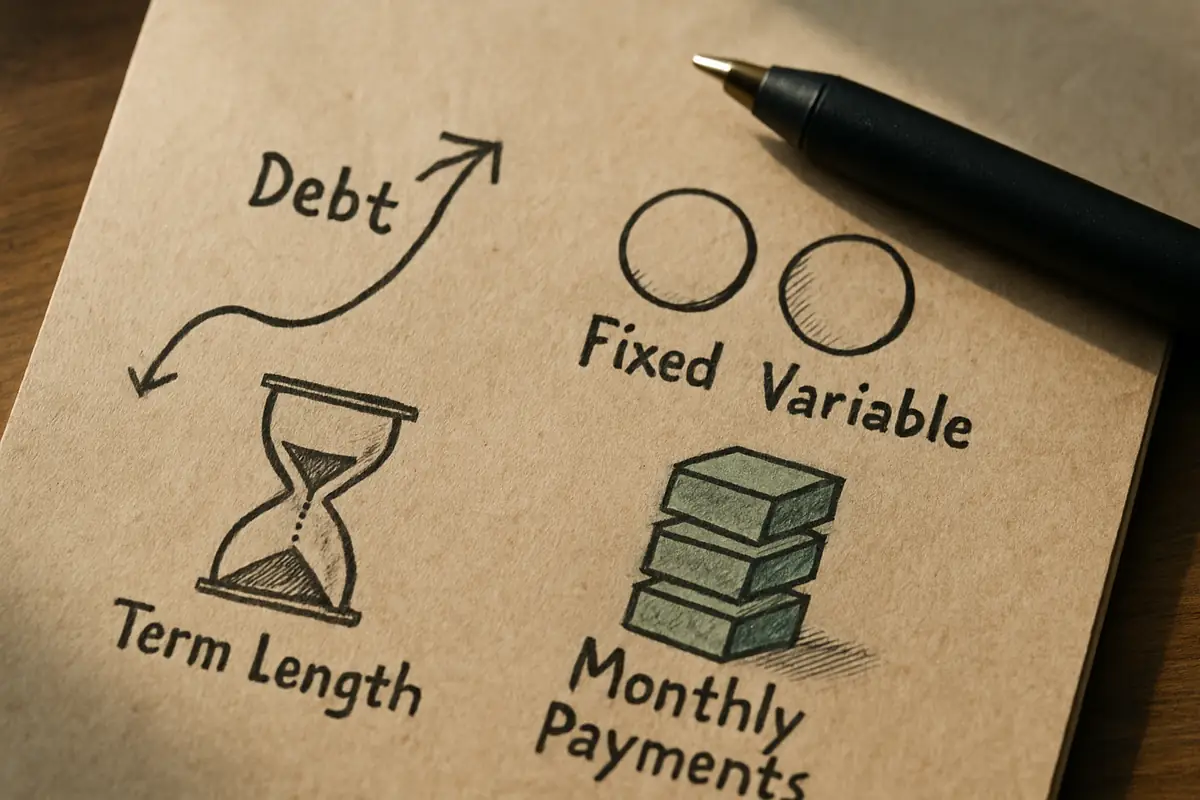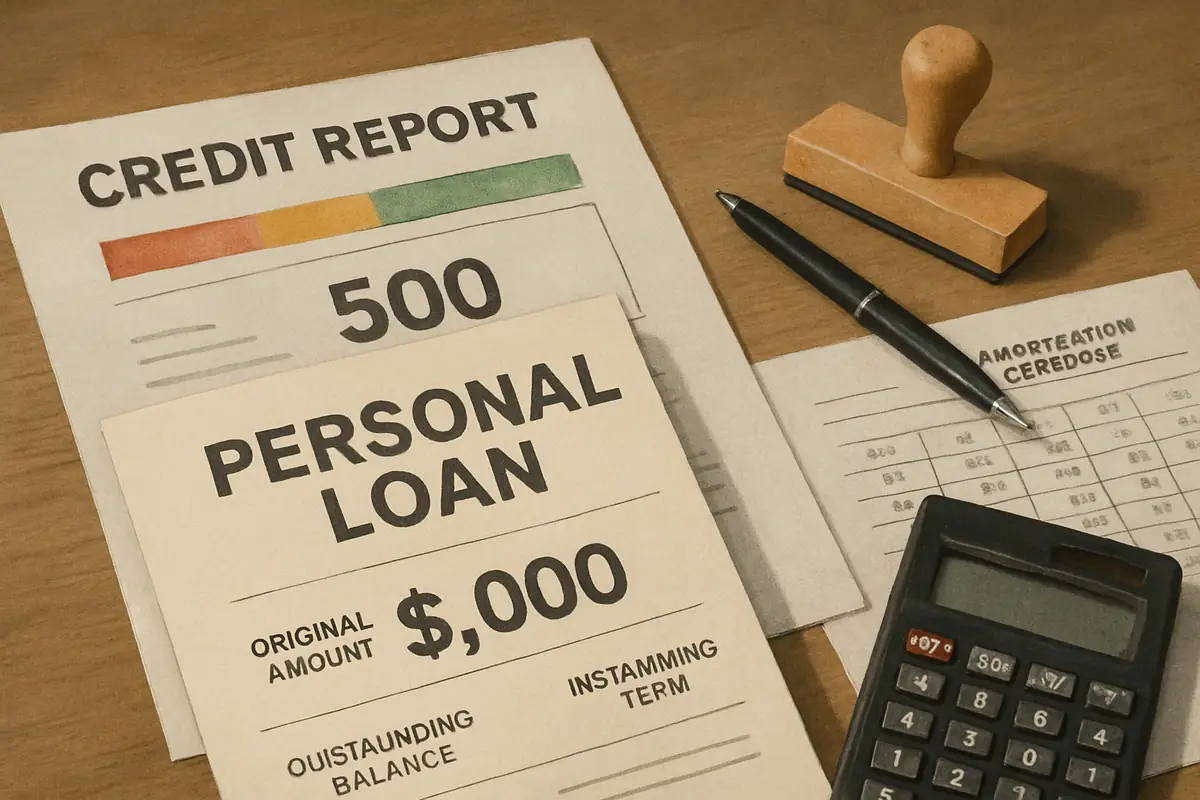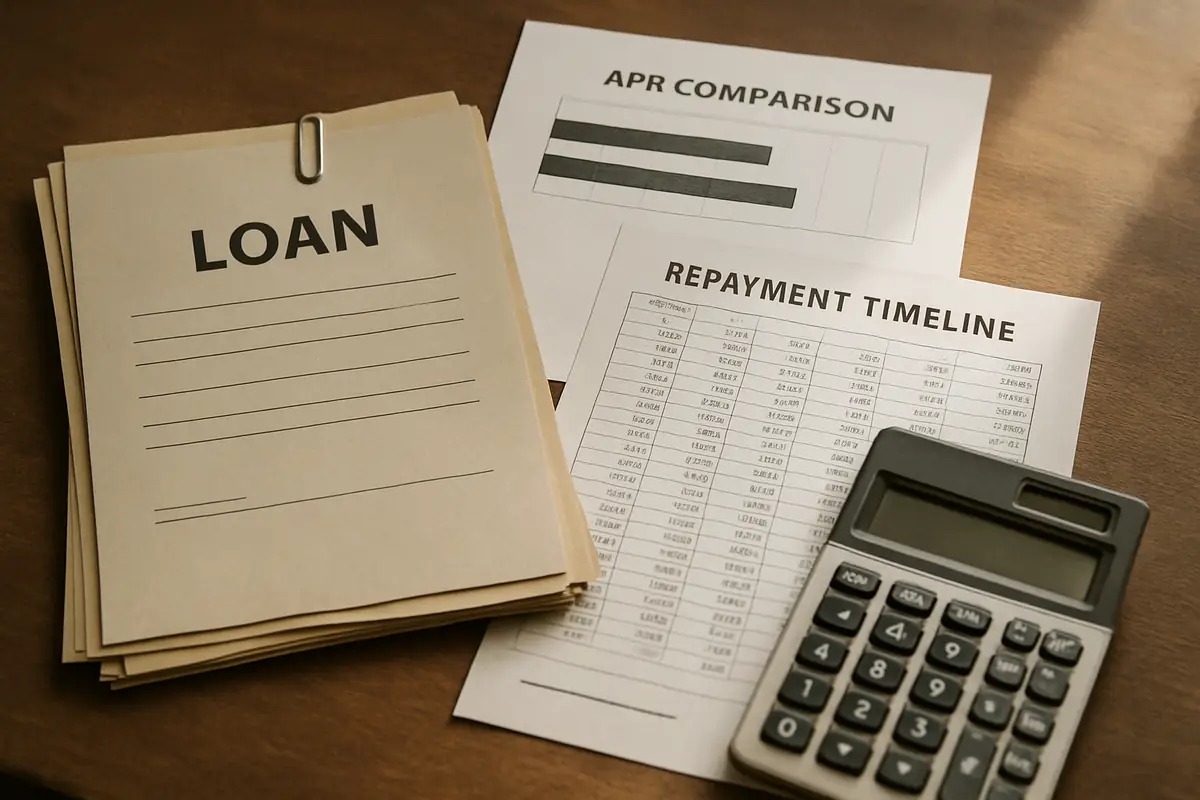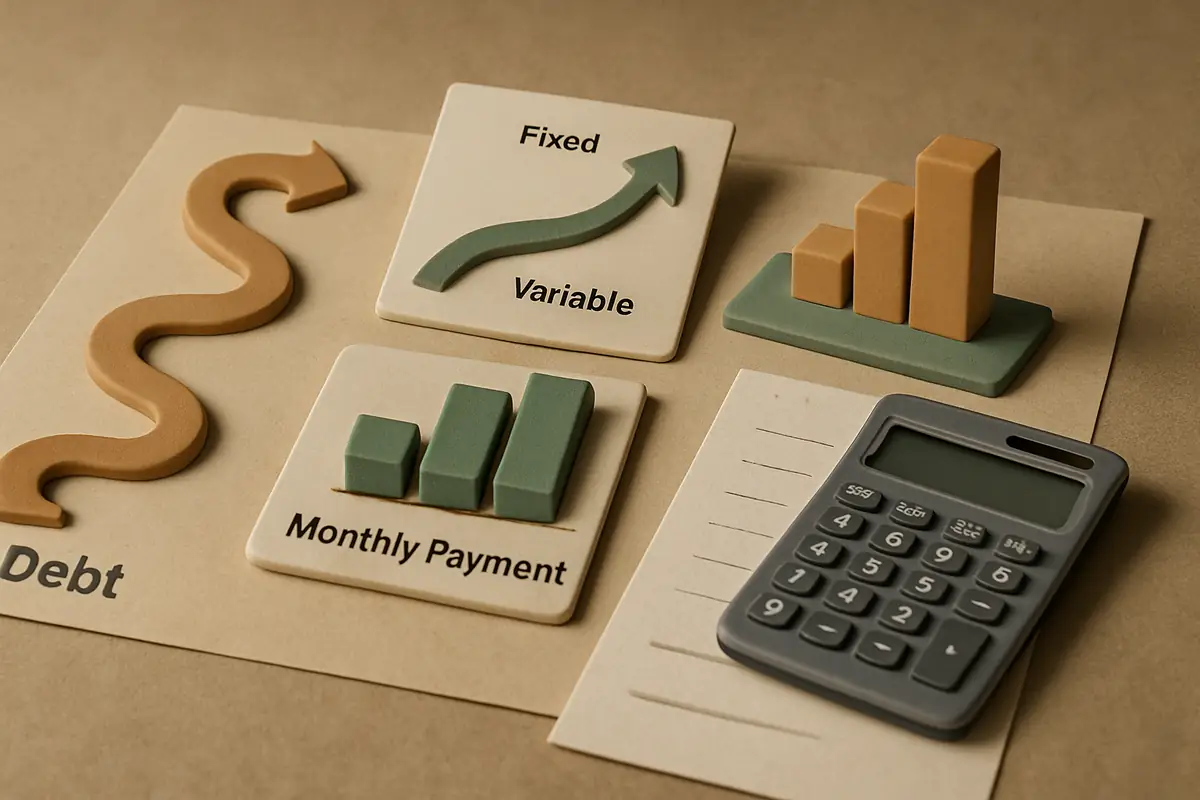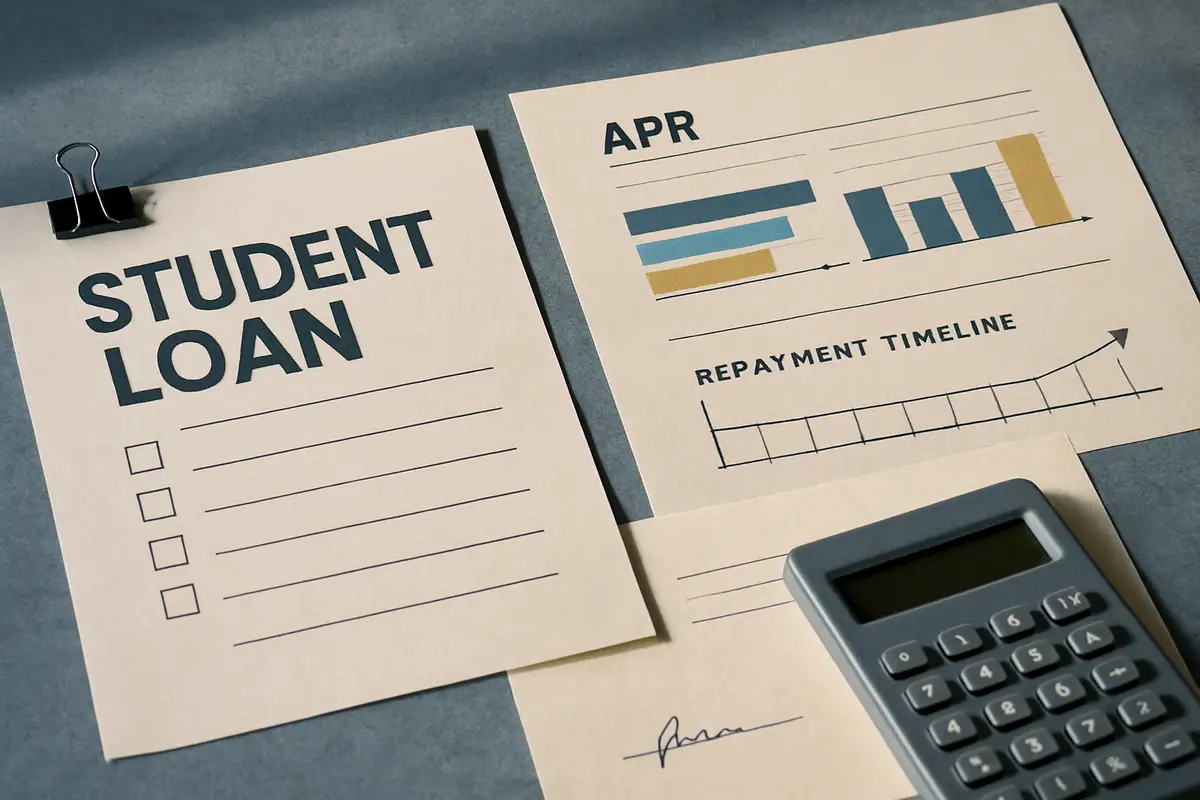
Many borrowers underestimate the actual financial burden of student loans by focusing solely on headline interest rates or monthly payments. Behind a seemingly affordable offer lies a complex matrix of fees, variable rate risks, collateral requirements, and repayment conditions that can extend debt well beyond graduation. This article opens with the key hidden risks to watch for before committing and provides a practical checklist backed by realistic cost scenarios.
Understanding the Real Cost: APR Versus Nominal Interest Rate
When comparing student loans, the Annual Percentage Rate (APR) is the comprehensive measure of borrowing cost over one year, including not only the stated interest rate but also fees and costs bundled into the loan. Many lenders advertise nominal interest rates ranging typically from 3% to 9%, but APRs often rise by 0.5% to 3% above this after factoring in origination fees, insurance premiums, or guarantee fees. Borrowers should never confuse a low nominal rate with cheap credit. For example, a $10,000 student loan at 5% nominal interest with a 1% origination fee has an APR closer to 6%. The APR directly affects total interest paid and monthly installments.
Consider a $15,000 loan with a nominal rate of 6% fixed over 10 years and a one-time upfront fee of $300 (2%). The monthly payment calculated on the principal and nominal rate would be approximately $166. However, when spreading that $300 fee across payments and recalculating as APR, the effective borrowing cost climbs near 6.5%. This half percent increase may seem small but adds nearly $500 in extra interest expense over the life of the loan. Understanding APR helps avoid surprises from embedded fees not shown in the nominal rate.
Common Fees That Inflate Student Loan Costs
Beyond interest rates, several recurring or one-off fees substantially increase borrowing costs but are frequently overlooked by borrowers prioritizing quick approval or monthly affordability. These include:
- Origination Fees: Typically between 1% and 5% of the loan amount deducted upfront or rolled into repayments.
- Late Payment Penalties: Ranging from $15 to $40 per missed payment plus potential increases in interest rates.
- Prepayment Penalties: Some private loans charge fees if you repay early, often a percentage of remaining principal or interest.
- Servicing Fees: Monthly administrative charges can add $5–$15 per month without being clearly disclosed.
- Cosigner Release or Transfer Fees: If applicable, these can range from $100 to $300.
These fees accumulate even if your principal balance remains steady. For illustration, on a $20,000 loan with a 4-year term at 7% fixed interest and a 3% origination fee ($600), total interest paid might be about $3,000. Add late fees after two missed payments ($80), and servicing fees of $10 monthly for four years ($480), pushing total costs closer to $3,560—nearly 19% more than just principal plus base interest.
Impact of Term Length and Repayment Flexibility on Total Cost
Student loans typically offer repayment terms between 5 and 20 years. A longer term reduces monthly payments but increases total interest accrued substantially due to extended amortization schedules. Conversely, shorter terms demand higher monthly cash flow but lower overall borrowing costs.
For example, let’s compare two repayment plans on a $25,000 loan at a fixed annual nominal rate of 6%. Under a 10-year term, monthly payments approximate $277 with total interest around $8,240 over the loan life. Stretching this to 15 years lowers monthly payments to about $211 but increases total interest expense to nearly $13,000 — an additional $4,760 owed just by extending duration five years.
"Repayment flexibility" refers to options for deferment, forbearance (temporary pause or reduction in payments), or income-driven repayment adjustments linked to borrower earnings. While valuable during hardship periods, these options can prolong the debt duration and increase total interest dramatically if misused or misunderstood. Borrowers must carefully evaluate how these features affect amortization.
"Grace Period vs Immediate Repayment: Hidden Interest Accumulation"
Consider Jane who takes out a $30,000 unsubsidized federal student loan at an average rate of 5%. Her lender offers a six-month grace period post-graduation before repayment starts. During this time, unpaid interest accrues daily—adding roughly $4 per day (calculated as Principal × Rate ÷ Days per year = $30,000 × 0.05 ÷ 365). After six months (about 180 days), Jane owes an additional nearly $720 added to her principal balance once repayment begins. Missing this detail inflates her real borrowing cost significantly beyond advertised terms.
Variable Versus Fixed Rate Loans: Risk Considerations
"Fixed-rate" loans maintain a constant interest rate throughout the life of the loan providing predictable monthly payments and stable budgeting. Rates commonly range from about 3% to 8% depending on creditworthiness and lender type. "Variable-rate" loans start lower—sometimes as low as 1% to 4%—but reset periodically based on indexes tied to market benchmarks plus margins set by the lender. This introduces uncertainty as rates can increase sharply over time.
"Adjustable-rate" student loans often have initial ‘teaser’ rates fixed for one to five years followed by annual resets that may substantially raise payments if market rates climb. Borrowers exposed to rising variable rates risk payment shock: sudden increases making timely repayment difficult and risking default.
"Fixed-Rate Loans" Advantages
- "Predictable payments simplify budgeting over many years."
- "Protection against rising interest rates during economic volatility."
"Fixed-Rate Loans" Disadvantages
- "Initial rates tend to be higher than starting variable rates."
- "May lack flexibility if refinancing becomes advantageous later."
"Variable-Rate Loans" Advantages
- "Lower starting rates reduce initial payments."
- "Possibility of falling rates reduces overall cost if market conditions improve."
"Variable-Rate Loans" Risks
- "Uncertainty in future payment amounts complicates financial planning."
- "Rising rates can inflate total borrowing costs substantially over time."
Collateral and Cosigner Obligations in Private Student Loans
(Federal student loans rarely require collateral.) Private lenders may ask for cosigners or secured assets such as vehicles or savings accounts as collateral against default risk. This increases approval chances but shifts risk onto family members or personal property.
"Cosigner obligations" mean that if the borrower fails repayments due to unemployment or other hardships, the cosigner is legally responsible to cover missed payments including accrued penalties and collection costs. This can cause strained relationships or legal complications.
Where readers should be careful
"Warning: Signing as cosigner transfers full legal liability regardless of borrower intent or circumstances. Borrowers should communicate clearly with cosigners about risks before agreeing."
"Collateral Impact Scenario: Vehicle Repossession Risk"
John took a private student loan secured against his car valued at approximately $7,000. After losing his job post-graduation he missed three consecutive payments triggering default clauses allowing repossession within six months if no resolution occurs. The repossession resulted in loss of transportation critical for job search efforts plus damaged credit scores adding indirect financial burdens beyond immediate debt.
Repayment Pressure: Penalties and Default Consequences
Borrowers underestimate how quickly missed payments escalate into severe consequences including increased penalties and negative credit reporting affecting future borrowing capacity for years. Late fees commonly increase outstanding balances by up to $40 per missed installment plus sometimes trigger hikes in underlying interest rates by up to several percentage points depending on contract terms.
Defaulting on federal student loans leads not only to collection actions but government wage garnishment without court order plus seized tax refunds which intensify financial pressure significantly more than private loans where collections generally require court judgments first but still damage credit severely.
Refinancing Student Loans: Potential Benefits and Risks
Refinancing consolidates multiple loans into one new loan potentially at lower fixed or variable rates improving cash flow or reducing total interest expense if market conditions favor borrowers with good credit scores (typically above mid-600s range). However refinancing may lead to loss of federal protections such as income-driven repayment options or deferment benefits which are critical during hardship periods.
Also refinancing triggers new contract terms resetting amortization schedules which means longer repayment duration could erase short-term savings through increased long-term interest expense despite lower nominal rate offers.
Practical Checklist Before Committing to Any Student Loan Offer
- Confirm whether quoted rates are nominal or APR; request full disclosure of all fees included in APR calculation.
- Identify all one-time origination fees and recurring servicing charges explicitly; ask how they affect monthly payment.
- Ask about possibility of rate adjustments if loan includes variable components; understand reset schedules.
- Check length of grace periods versus when unpaid interest starts accruing.
- Clarify prepayment penalties if you plan early payoff or refinancing options.
- Evaluate need for cosigners or collateral commitments carefully; understand legal liabilities involved.
- Review available repayment plans including income-driven options if applicable.
- Inquire about consequences for late payments including penalty amounts and default timelines.
- Compare total projected cost under different term lengths using sample amortization calculations.
Understanding Loan Terms and Their Impact on Your Financial Future
When evaluating student loan options, it is crucial to dive deep into the specific terms outlined in the loan agreement. Interest rates, whether fixed or variable, directly influence the total amount you will repay over time. Fixed interest rates provide stability by keeping your payment amounts consistent throughout the life of the loan, which can help with budgeting. Conversely, variable rates might start lower but can increase depending on market conditions, potentially raising your monthly payments unexpectedly. Beyond interest rates, the length of the repayment period also affects your financial outlook. Longer repayment periods usually mean smaller monthly payments but result in more interest paid overall. Conversely, shorter terms require higher monthly payments but reduce total interest costs. Recognizing these nuances allows you to tailor loan choices to your income expectations and financial resilience after graduation.
Another key term to consider is whether the loan offers deferment or forbearance options. These provisions allow borrowers to temporarily pause or reduce payments during times of financial hardship such as unemployment or unexpected medical expenses. However, it’s important to note that interest may continue to accrue during these periods depending on the loan type, which can lead to a higher balance once repayment resumes. Additionally, some loans impose prepayment penalties if you pay off your debt early, restricting your ability to save on interest by accelerating payments. Understanding these subtleties enhances your ability to anticipate future costs and prevent surprises that could strain your finances.
Hidden Fees: What They Are and How to Spot Them
In addition to loan terms, hidden fees often complicate the true cost of borrowing. Origination fees are one example; these are upfront charges deducted from the loan amount before funds are disbursed. While they might seem small as a percentage, they effectively reduce the money you receive while increasing your debt burden. Late payment fees and returned payment fees add further costs if you miss deadlines or have insufficient funds during scheduled transactions. These fees vary significantly across lenders and may not always be clearly disclosed in initial advertisements or brochures.
To avoid being caught off guard by such expenses, carefully review all documentation provided by lenders before signing any agreement. Request clarification on any ambiguous charges and verify whether there are caps on fees or waivers for certain circumstances like automatic payments. Some private lenders offer transparent fee structures with no surprises, while others rely heavily on penalty fees as revenue streams. Comparing this aspect can be just as important as comparing interest rates because excessive fees can erode any apparent savings gained from lower rates.
Repayment Flexibility: Why It Matters for Long-Term Financial Health
Repayment flexibility is a critical factor that borrowers should prioritize when evaluating student loans. Life after college rarely follows a perfectly predictable path—job markets fluctuate, career goals evolve, and unexpected events occur. Loans offering multiple repayment plans allow you to adjust monthly payments based on income levels or financial hardship scenarios without facing default risks immediately. Options like income-driven repayment plans tie your monthly dues to a percentage of your discretionary income rather than a fixed amount, providing breathing room during lean periods.
Moreover, some lenders permit payment holidays or graduated repayment schedules where initial payments start low and increase over time as earnings typically rise. These features enable smoother transitions into full financial responsibility without overwhelming new graduates unprepared for large debts early in their careers. On the other hand, loans lacking such flexibility may trap borrowers in rigid frameworks that contribute to stress and potential delinquency if incomes don’t meet expectations promptly.
Scenario: Choosing Between Federal and Private Student Loans
How this can look in practice
"Imagine two recent graduates: Sarah opts for a federal student loan with standard fixed interest but enjoys access to income-driven repayment plans and deferment options; Michael selects a private loan offering a lower initial rate but with fewer protections and stricter terms." This scenario illustrates how differing priorities influence loan choice outcomes.
Sarah benefits from predictable budgeting and peace of mind knowing she can modify repayments if job changes occur or emergencies arise without immediate penalty. Michael’s lower rate initially seems advantageous but lacks options such as postponements or income-based adjustments, increasing his risk of late payments if his financial situation worsens unexpectedly. This underscores why evaluating repayment flexibility alongside cost factors is essential rather than focusing solely on headline interest rates.
Takeaway: Comprehensive Evaluation Empowers Better Decisions
References
- https://www.consumerfinance.gov/consumer-tools/student-loans/
- https://www.consumerfinance.gov/consumer-tools/
- https://studentaid.gov/manage-loans/repayment/plans
- https://www.consumerfinance.gov/ask-cfpb/what-is-the-difference-between-a-fixed-rate-and-adjustable-rate-mortgage-arm-loan-en-100/
- https://www.fdic.gov/consumer-resource-center/loans