Emily, a 34-year-old graphic designer, recently applied for a $15,000 personal loan to renovate her home. Despite steady employment, her credit score hovered around 620, which led to a higher interest rate offer than she anticipated. This scenario underlines the significant role credit scores play in determining not just loan eligibility but also the total cost of borrowing.
Understanding Credit Scores: Foundation of Loan Decisions
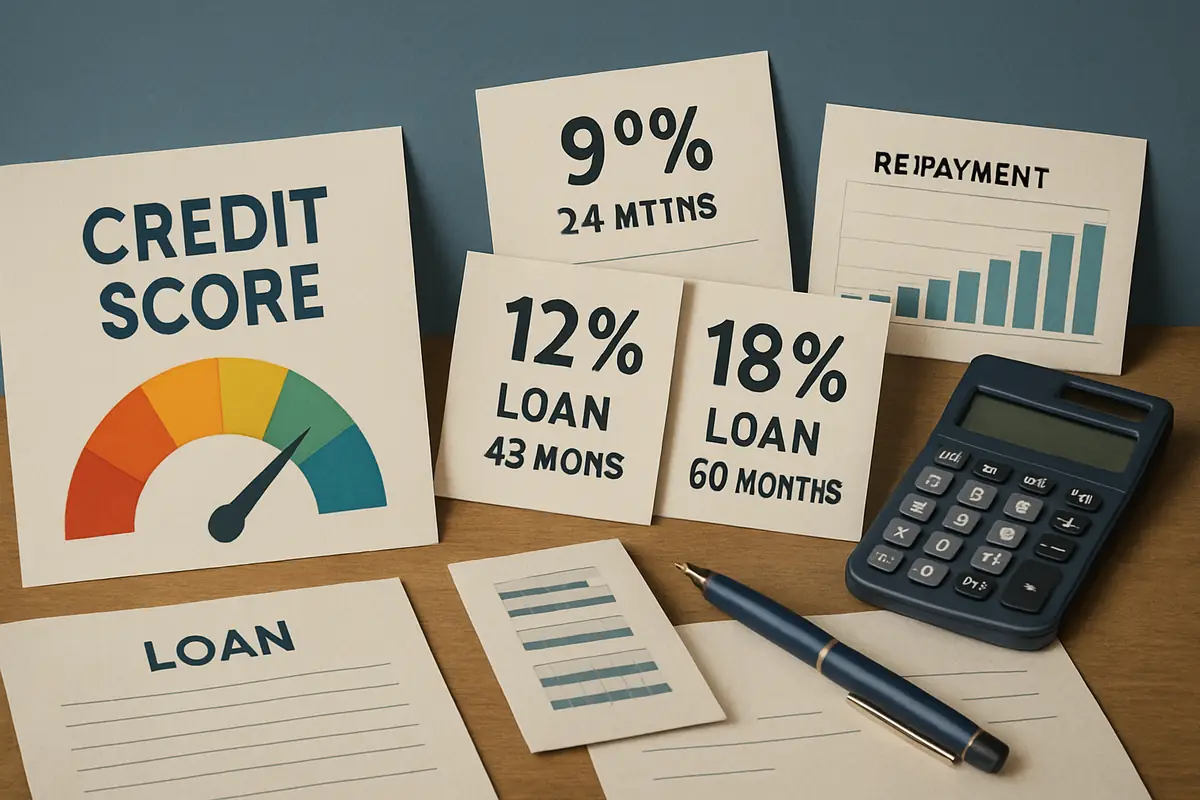
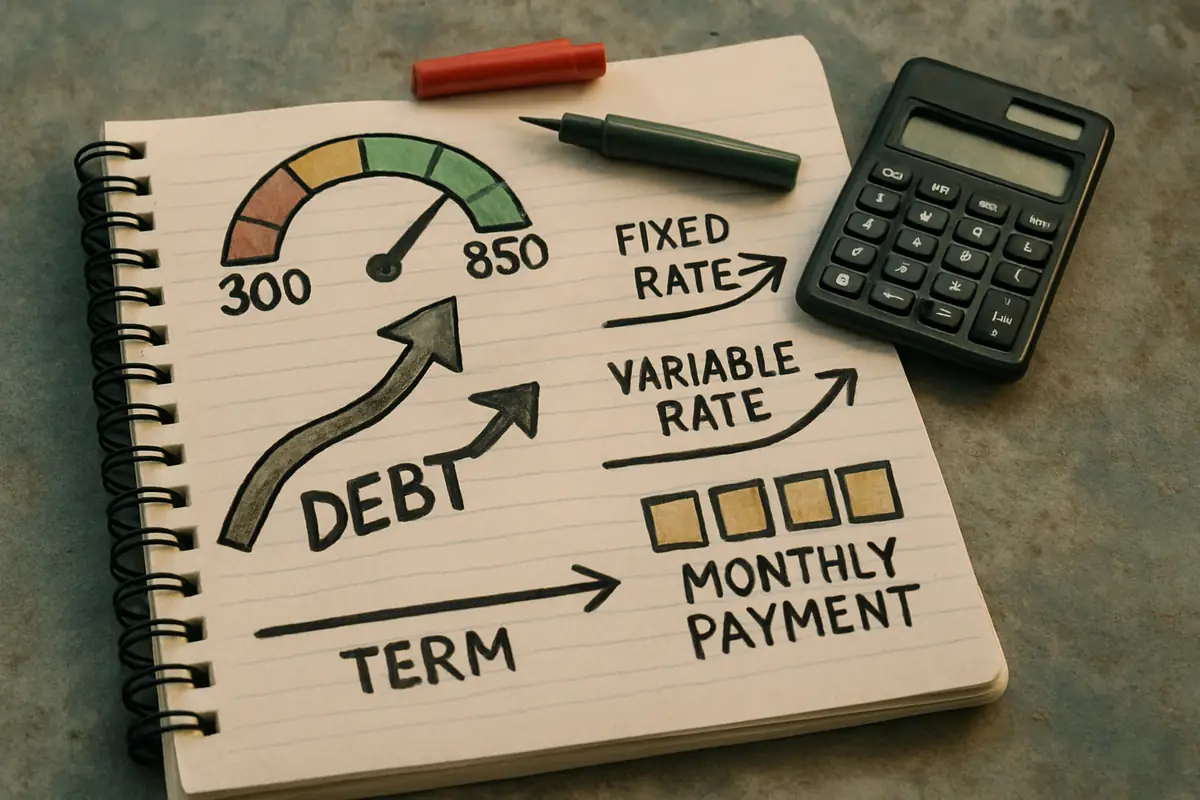
A credit score is a numerical representation of an individual's creditworthiness based on their credit history. Most lenders rely on scores from 300 to 850 when reviewing loan applications. Scores above 720 are generally considered good and may qualify borrowers for favorable loan terms. Conversely, scores below 640 often signal higher risk, triggering stricter scrutiny or higher interest rates. The score aggregates factors such as payment history, amounts owed, length of credit history, new credit inquiries, and types of credit used.
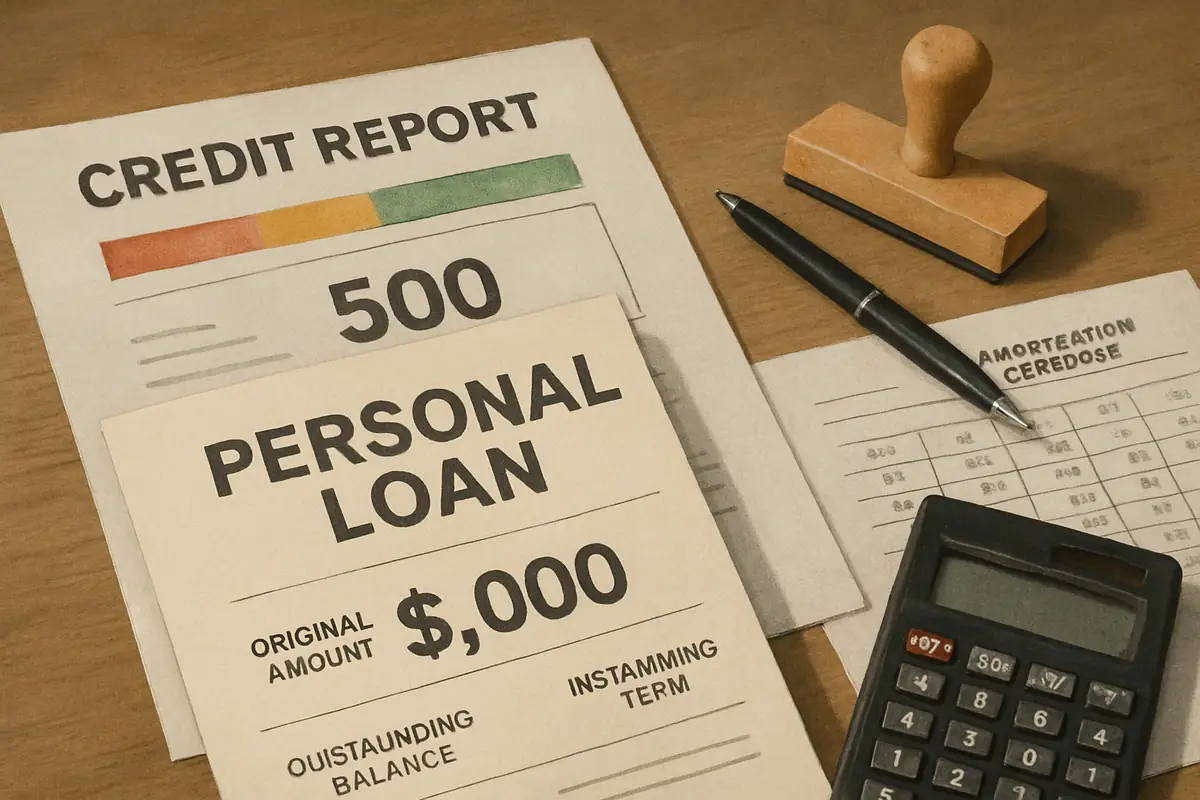
Credit reports feed these scores by detailing debts, repayment timeliness, and outstanding balances. For example, late payments recorded in the past two years weigh heavily against a good credit rating. A single missed payment can lower your score by 50 to over 100 points depending on prior history. Thus, maintaining consistent payments is fundamental to sustaining or improving loan eligibility.
How Credit Scores Influence Loan Approval
Lenders use credit scores as a primary filter to assess whether an applicant meets their risk tolerance thresholds. For instance, many personal loan providers require minimum scores ranging from 600 to 660 for approval. Mortgage lenders often set slightly higher bars near 620 or above due to larger loan amounts and longer terms involved.
Borrowers with scores below these cutoffs may encounter outright denial or be forced into loans with significantly less favorable conditions. In practical terms, this means higher down payments or collateral requirements may be imposed if approval is granted at all. For example, a borrower with a 590 score applying for a $10,000 unsecured loan might be declined or asked to provide a cosigner or asset-backed guarantee.
Advantages of Higher Credit Scores in Loans
- Access to a wider range of lenders and loan products.
- Lower interest rates reducing total borrowing costs.
- Fewer collateral requirements or cosigner demands.
- More flexible repayment terms and longer amortization periods.
Challenges with Lower Credit Scores
- Higher APRs increasing monthly payments significantly.
- Increased likelihood of loan application rejection.
- Shorter loan terms leading to increased repayment pressure.
- Additional fees such as origination or risk-based surcharges.
Interest Rates and Their Real Cost Impact
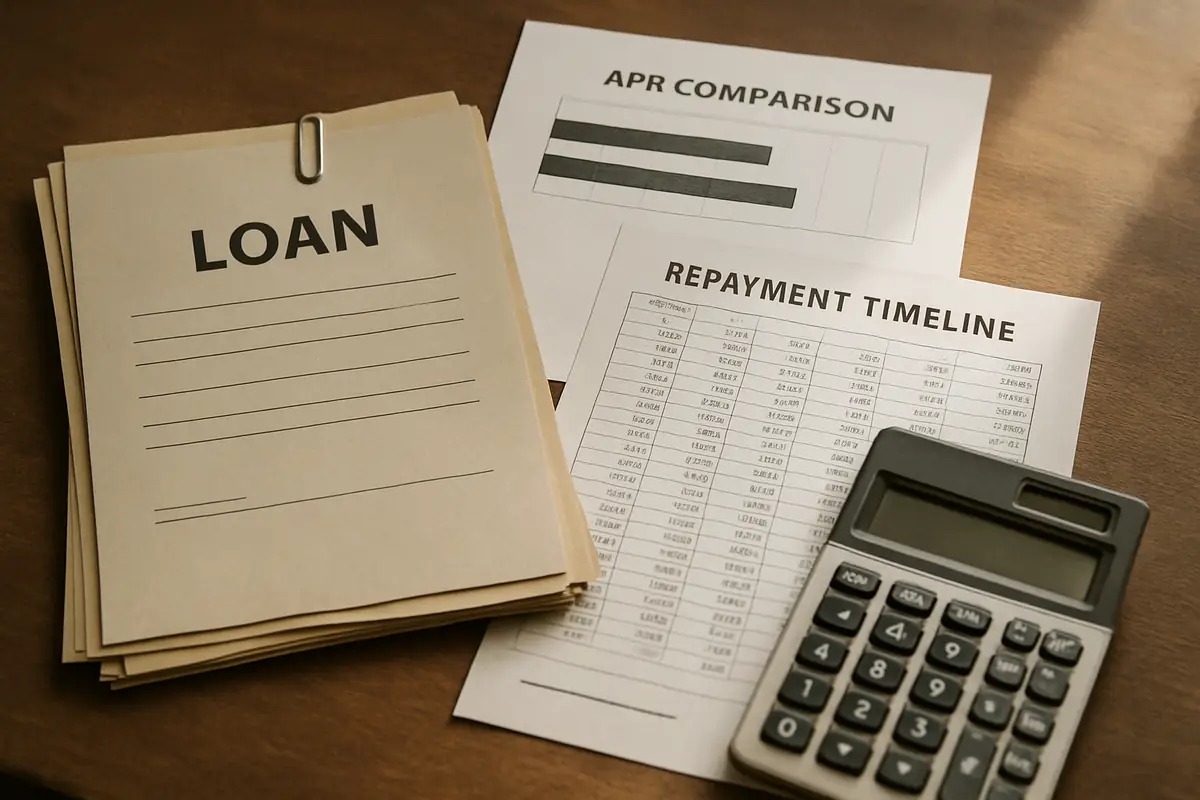
The Annual Percentage Rate (APR) expresses the yearly cost of borrowing inclusive of interest and certain fees. It's the most comprehensive metric for comparing loans. For borrowers with excellent credit (above 750), unsecured personal loan APRs typically range between 6% and 12%. Those with fair credit (620–689) may see offers between 15% and 25%, while subprime borrowers often face APRs exceeding 30%.
Consider Emily's example: offered a $15,000 personal loan at a 20% APR over three years (36 months). Calculating monthly payments using the formula for amortizing loans gives approximately $552 per month. Total repayment sums close to $19,872 — over $4,800 more than the principal amount borrowed. This extra cost reflects the elevated risk lenders assign based on her credit profile.
(Calculation details: The monthly interest rate equals APR divided by 12 months = 0.20/12 ≈ 0.0167. Using standard amortization formulas or calculators: Monthly payment = P * r / (1 - (1 + r)^-n), where P=$15,000; r=0.0167; n=36 months results in roughly $552.)
Fixed Versus Variable APRs: What Borrowers Should Know
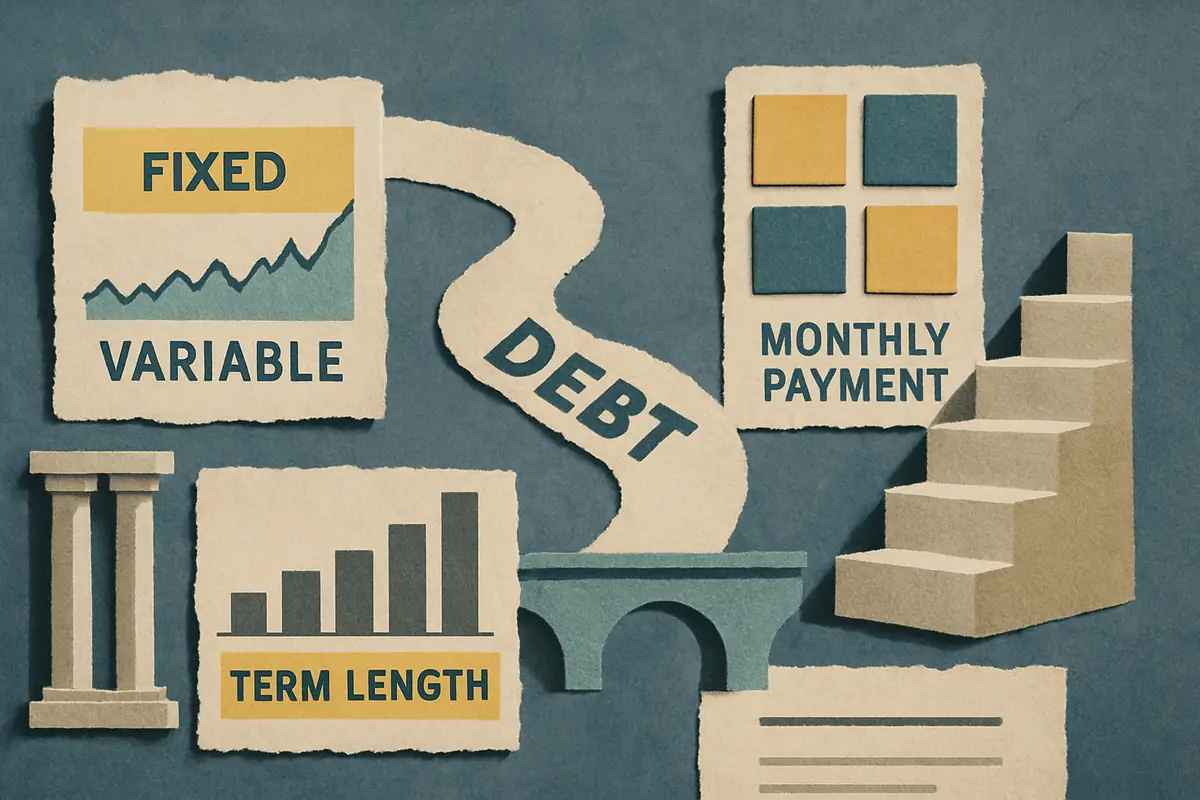
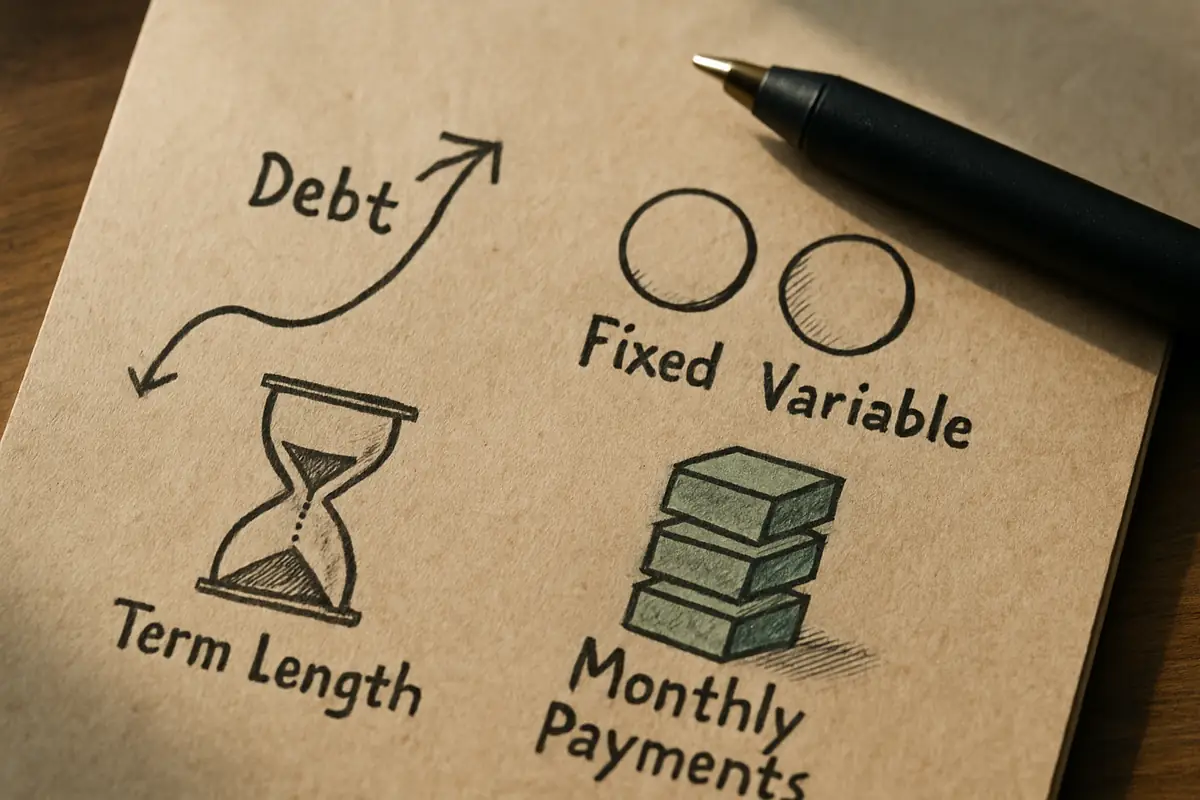
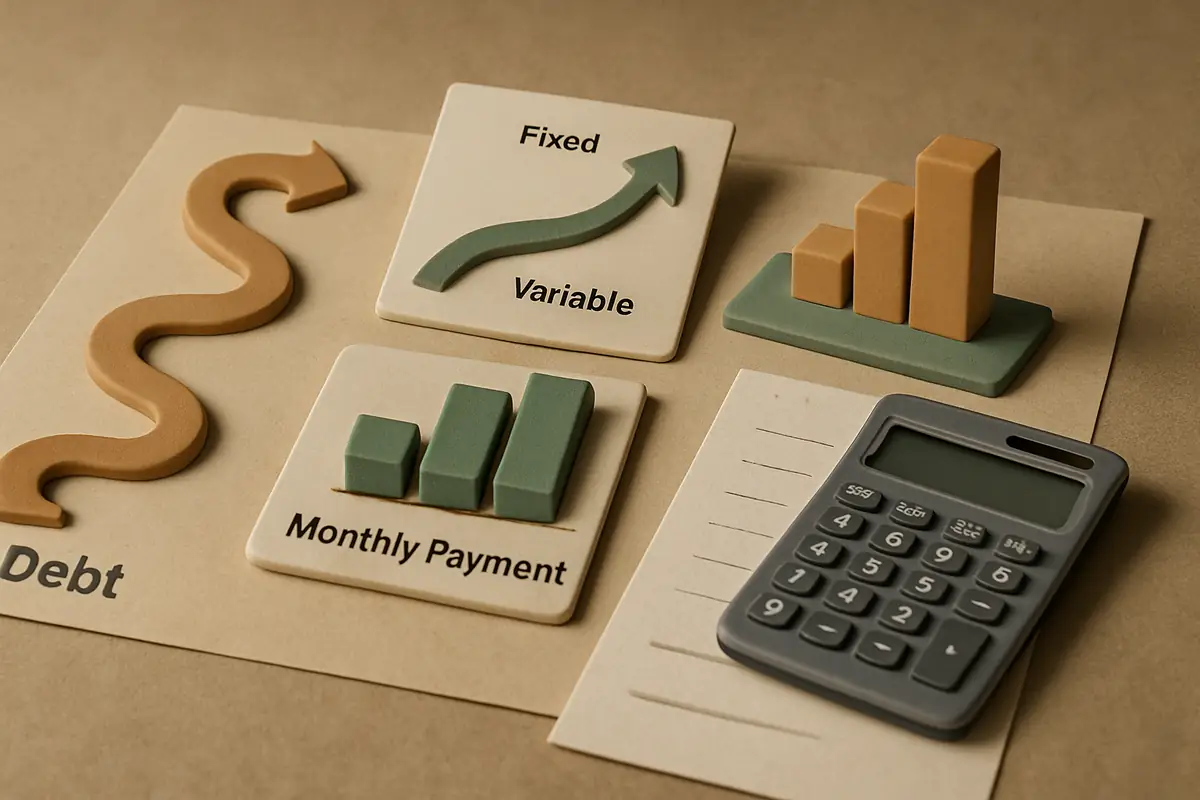
"Fixed APR" indicates the interest rate remains constant throughout the loan term barring unusual contract provisions. It provides predictability in monthly payments but can start higher than initial variable offers. "Variable APR" loans adjust periodically based on an underlying benchmark rate plus a margin determined by lender risk assessment.
"For example," if Emily had chosen a variable-rate loan tied to an index currently at 5%, plus a lender margin of 10%, her starting APR would be approximately 15%. However, if the index rises by even 1% annually during her three-year term, her effective APR could increase accordingly, pushing total costs higher over time."
Collateral Requirements Linked to Credit Scores
Loan types requiring collateral—such as auto loans or home equity lines—allow lenders greater security against default risk. Borrowers with lower credit scores frequently face stricter collateral demands or lower advance rates against assets pledged.
For instance, a lender might finance only up to 70% of an automobile’s value for someone with strong credit but limit it to 50% if the borrower's profile is weaker. Such constraints increase upfront cash needs or reduce available financing amounts.
Repayment Pressure and Risks for Borrowers with Low Credit Scores
Elevated interest rates combined with shorter loan terms frequently result in higher monthly payments for borrowers with compromised credit profiles. Such repayment pressure can strain household budgets.
Missed payments in these scenarios carry severe consequences: late fees commonly range from $25 to $40 per incident, delinquency can lower credit scores further by up to 100 points in some cases, and eventual default risks repossession or legal action depending on collateral status.
Where readers should be careful
Borrowers should avoid taking loans where monthly payments exceed roughly one-third of their monthly income as this escalates default probability substantially.
Refinancing Considerations Based on Credit Score Evolution
Improving your credit score after obtaining a high-cost loan can enable refinancing opportunities that reduce overall borrowing costs significantly.
For example, if Emily improves her score from 620 to above 700 within two years after initial borrowing, she might refinance remaining balances at an APR closer to 10%, lowering monthly payments by several hundred dollars depending on remaining term length.
Understanding the Role of Credit Scores in Interest Rate Determination
Credit scores play a pivotal role not just in whether a borrower can qualify for a loan, but significantly influence the interest rates offered by lenders. A higher credit score typically signals to lenders that the borrower is less risky, leading to more favorable interest rates and terms. This is because lenders rely on credit scores as a quantifiable indicator of a borrower's creditworthiness, which helps them estimate the likelihood of timely repayments. Conversely, borrowers with lower credit scores often face higher interest rates, reflecting the increased risk lenders associate with potential defaults. Such differentiation in interest rates can dramatically affect the total cost of borrowing over the life of a loan.
For example, consider two individuals applying for a $20,000 auto loan. One has an excellent credit score above 750, while the other’s score hovers around 620. The first applicant might receive an interest rate as low as 3%, whereas the second could be quoted rates closer to 10% or more. Over a typical five-year term, this difference can translate into thousands of dollars in additional interest payments for the lower-score borrower. This disparity underscores why maintaining or improving one’s credit score is crucial not only for approval but also for ensuring manageable borrowing costs.
Lenders also use credit scores to segment borrowers into risk tiers, which directly impacts their lending strategies. These tiers help lenders balance their portfolios by deciding what percentage of loans they are willing to extend to higher-risk applicants at premium interest rates versus safer borrowers at lower rates. Consequently, even modest improvements in your credit score can shift you into a better risk category, offering more competitive loan terms and potentially saving substantial amounts of money over time.
How Different Types of Loans Respond to Credit Scores
Not all loans respond equally to credit scores; various types of loans weigh credit factors differently based on their inherent risks and underwriting standards. Mortgage loans, for instance, are heavily influenced by credit scores because they involve large sums and long repayment periods. Lenders often require higher minimum scores to approve mortgages and use scoring thresholds to determine whether applicants qualify for conventional loans or government-backed alternatives.
On the other hand, smaller personal loans or payday loans may have less stringent credit requirements but often come with significantly higher interest rates regardless of credit history. Auto loans occupy a middle ground where good credit can secure favorable terms but subprime lending options exist for borrowers with lower scores — albeit usually at steep cost premiums. Understanding these nuances helps consumers make strategic choices about which loan products best accommodate their current financial standing.
Additionally, business loans and student loans have distinct mechanisms where credit scores may be supplemented or replaced by other assessments such as cash flow analysis or co-signer evaluations. For startups without extensive credit history, lenders might focus more on business plans and collateral than personal credit scores alone. Meanwhile, federal student aid programs typically do not consider credit scores for most types of aid but private student lenders do incorporate them heavily.
The Impact of Credit Score Changes on Loan Eligibility Over Time
Credit scores are dynamic and fluctuate based on borrowing behavior, payment history, and changes in debt levels. Improved score trends can open new loan opportunities that were previously inaccessible or too expensive due to high interest rates. For instance, a borrower who initially qualified only for subprime auto financing might become eligible for prime lender offers after six months or a year of consistent on-time payments and responsible credit management.
Conversely, deteriorating credit scores can lead to tightened eligibility criteria or increased borrowing costs over time. Missing payments even once can cause significant score drops that persist for months or years depending on severity. Therefore, understanding how different actions affect your score allows you to plan ahead if you anticipate needing a loan soon — timing applications when your score is strongest may yield notably better results.
Regularly monitoring your credit report enables early detection of errors or fraudulent activity that could unfairly harm your score and subsequently your loan eligibility. Disputing inaccuracies promptly with reporting agencies ensures that your score accurately reflects your financial responsibility and protects access to better loan products.
Strategies to Improve Your Credit Score Before Applying for Loans
If you’re planning to apply for a loan soon but have concerns about your current credit score, there are several effective strategies you can employ to improve it in relatively short order. Prioritizing timely payments is paramount since payment history constitutes the largest portion of most scoring models—consistently paying bills on time prevents negative marks that drastically lower your score.
Reducing outstanding debt levels relative to your available credit (known as your utilization ratio) is another critical tactic. High utilization ratios signal risk and can drag down your score even if payments are timely. Aim to keep balances below 30% of your total available revolving credit or lower if possible.
Additionally, avoid opening multiple new accounts shortly before applying for a loan since hard inquiries from lenders appear on your report and may temporarily reduce your score slightly. Establishing a longer average length of credit history also benefits your rating; therefore maintaining older accounts rather than closing unused ones can help improve this factor.
Effects of Credit Scores on Loan Terms and Conditions
Credit scores do more than just determine whether a borrower is eligible for a loan; they significantly influence the specific terms and conditions attached to that loan. Lenders use credit scores as a risk assessment tool to decide on interest rates, repayment schedules, and collateral requirements. For example, borrowers with higher credit scores typically receive lower interest rates, which can save thousands of dollars over the life of a loan. Conversely, individuals with lower scores may be offered loans with higher rates, shorter repayment periods, or increased collateral demands to offset the perceived risk. This dynamic means that improving your credit score not only increases your chances of approval but also enables access to more favorable financial products.
In practical terms, this means that two applicants seeking the same loan amount could face very different repayment obligations based solely on their credit scores. A borrower with an excellent credit score might secure a 4% annual percentage rate (APR), while another with a fair or poor score might receive an offer with an APR well above 10%. Over years, this difference compounds dramatically. Moreover, loan fees such as origination charges or prepayment penalties may also vary with creditworthiness. Understanding how these elements interplay is crucial for prospective borrowers aiming to optimize their loan costs and manage their debt effectively.
Additionally, credit scores influence non-financial aspects of loans. Some lenders adjust customer service levels or offer flexible payment options to borrowers with stronger credit histories. For instance, individuals with high credit scores may have access to grace periods or easier refinancing options if financial circumstances change. In contrast, those with lower scores might face stricter controls and less leniency in case of missed payments. Recognizing these nuances helps borrowers anticipate what kind of treatment they can expect from lenders and plan their finances accordingly.
Strategies for Improving Credit Scores Prior to Loan Applications
Before applying for a loan, borrowers can take concrete steps to enhance their credit profiles, thereby improving eligibility and securing better interest rates. One effective approach is to reduce existing debt balances, especially revolving credit such as credit card debt. High utilization ratios can negatively impact credit scores; by paying down balances below 30% of available limits, consumers demonstrate responsible financial management. Additionally, correcting errors on credit reports by disputing inaccuracies can lead to immediate score improvements. These corrections often go unnoticed but can have substantial effects on lending decisions.
Another method involves establishing a consistent history of on-time payments across all accounts. Since payment history constitutes the largest portion of most scoring models—upwards of 35%—even a few months of consecutive timely payments can lead to score increases. Borrowers new to credit should consider secured credit cards or credit-builder loans as tools to build positive payment records. However, it is crucial to avoid opening multiple new accounts simultaneously since that could temporarily lower scores due to hard inquiries and reduced average account age.
Moreover, maintaining a diverse mix of credit types (e.g., installment loans combined with revolving accounts) shows lenders a borrower's ability to handle various financial obligations responsibly. While not as influential as payment history or utilization rate, this factor adds depth to a borrower’s profile. Importantly, patience is key; improvements in credit scores generally take time and consistent effort rather than quick fixes or one-off actions.
Impact of Credit Scores on Different Types of Loans
Credit score requirements and their impact differ depending on the type of loan being sought. For instance, mortgage lenders usually enforce stricter minimum score thresholds compared to auto or personal loan providers because home loans involve larger amounts and longer terms. A high credit score can qualify borrowers for conventional mortgages with better terms while a lower score might force them toward government-backed loans like FHA or VA programs which have unique underwriting standards but sometimes higher costs.
Auto loans also exhibit variance based on credit ratings. Borrowers with strong scores often receive promotional interest rates from manufacturers’ financing arms or competitive offers from banks and credit unions. Those with poor scores might find themselves limited to subprime lenders who charge higher premiums reflecting increased default risk. Personal loans tend to be more price-sensitive since they are usually unsecured; here again, better scores translate into lower APRs and larger borrowing limits.
Small business loans represent another category where personal credit scores can significantly affect terms despite being business-related debts. Lenders frequently use the business owner’s personal credit as an indicator of financial discipline when business financials alone are insufficient or unavailable. Entrepreneurs looking for startup capital should therefore prioritize maintaining solid personal credit profiles alongside building business credit histories for optimal financing opportunities.
Role of Credit Scores in Loan Approval Automation
In recent years, many lenders have adopted automated underwriting systems heavily reliant on credit scoring algorithms to streamline approval processes. These systems quickly analyze applicants’ data points — including income verification and debt-to-income ratios — but weight heavily on the numeric value assigned by credit agencies. As a result, individuals with borderline or low scores may be rejected automatically without human review unless exceptions are made through manual underwriting options.
"Automation offers speed and efficiency but reduces nuance," explains lending experts. For example, someone with recent negative marks but overall strong cash flow might be denied due to rigid score cutoffs embedded in algorithms rather than subjective assessments by experienced loan officers who could consider mitigating circumstances.