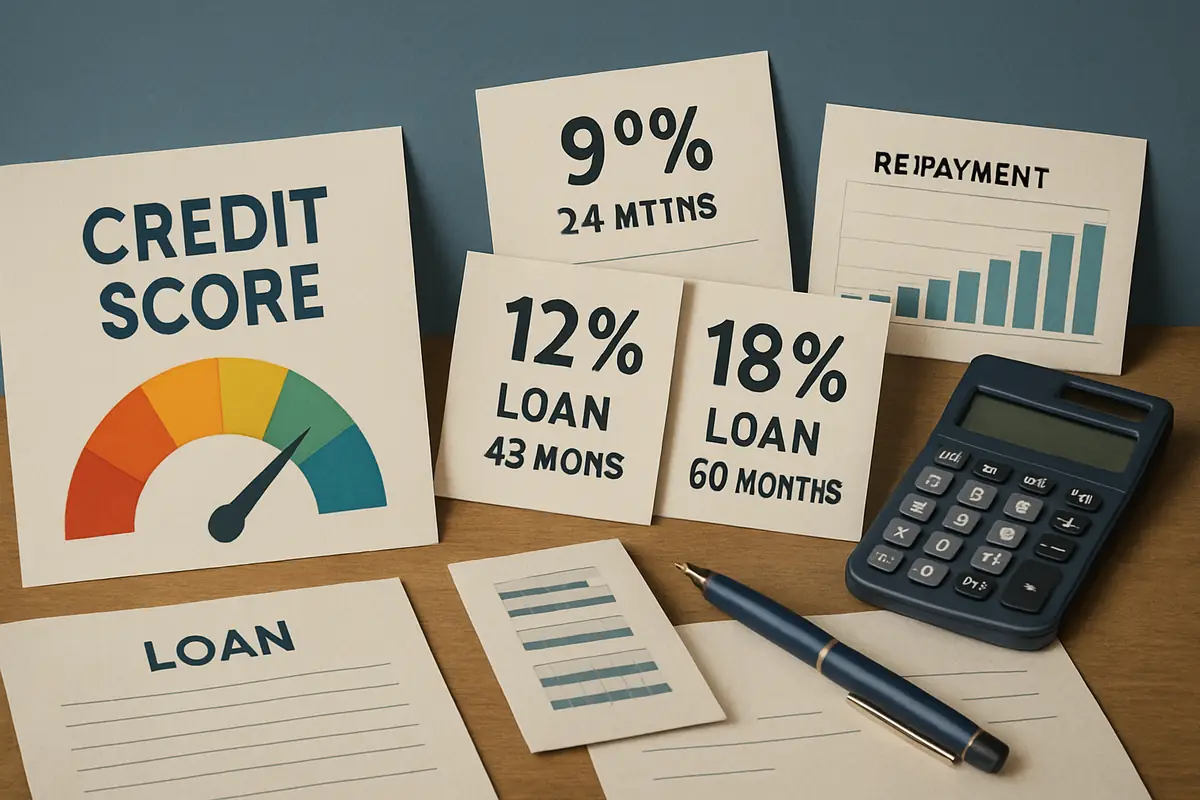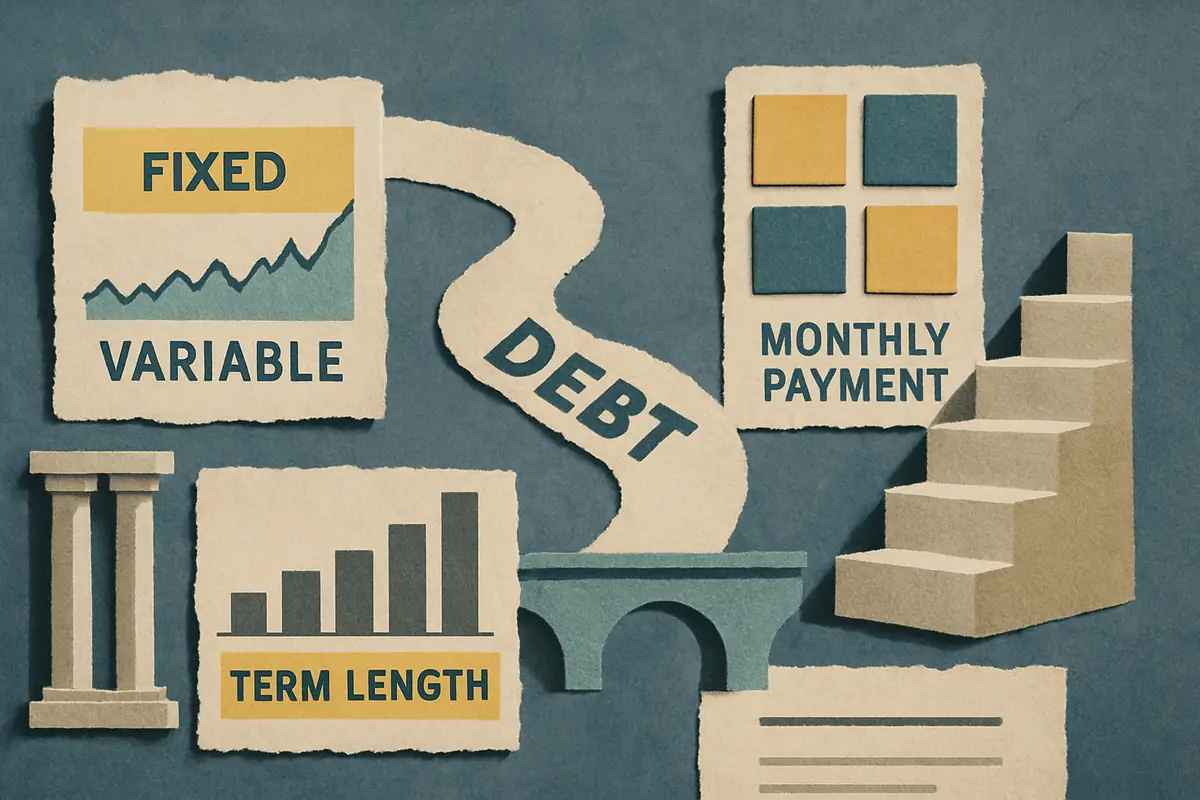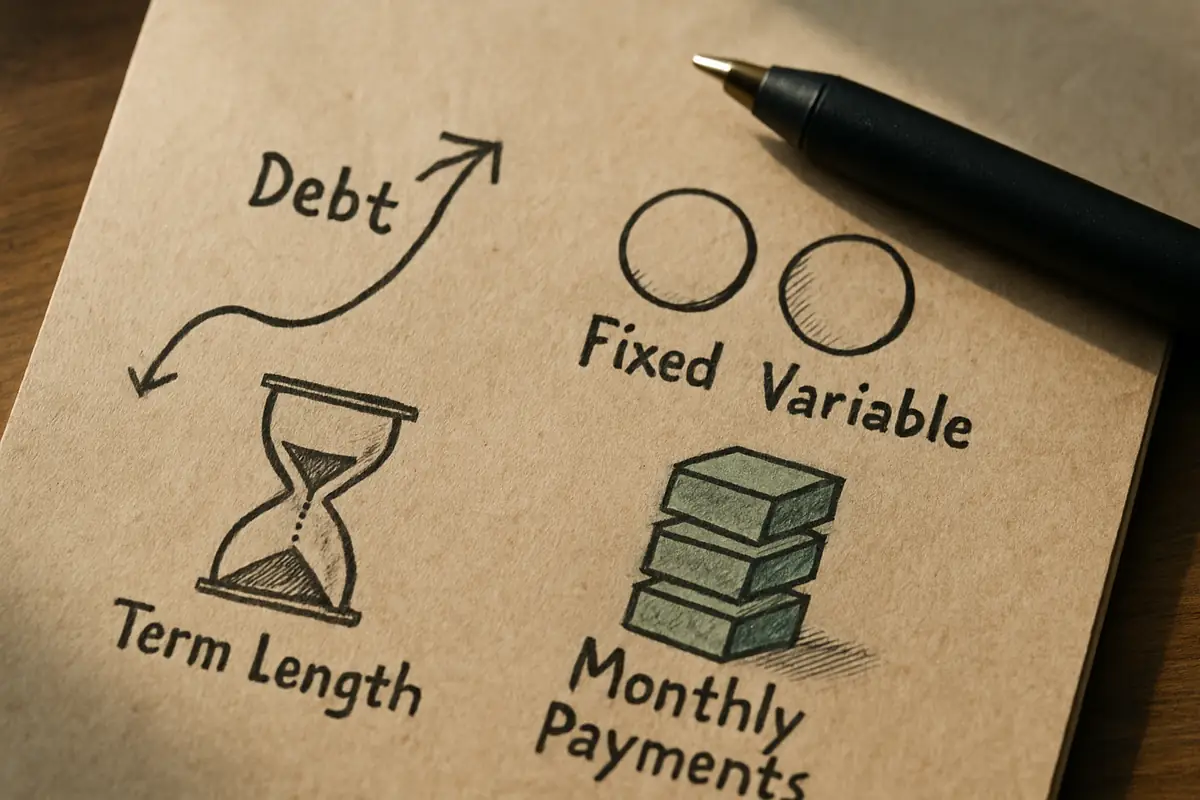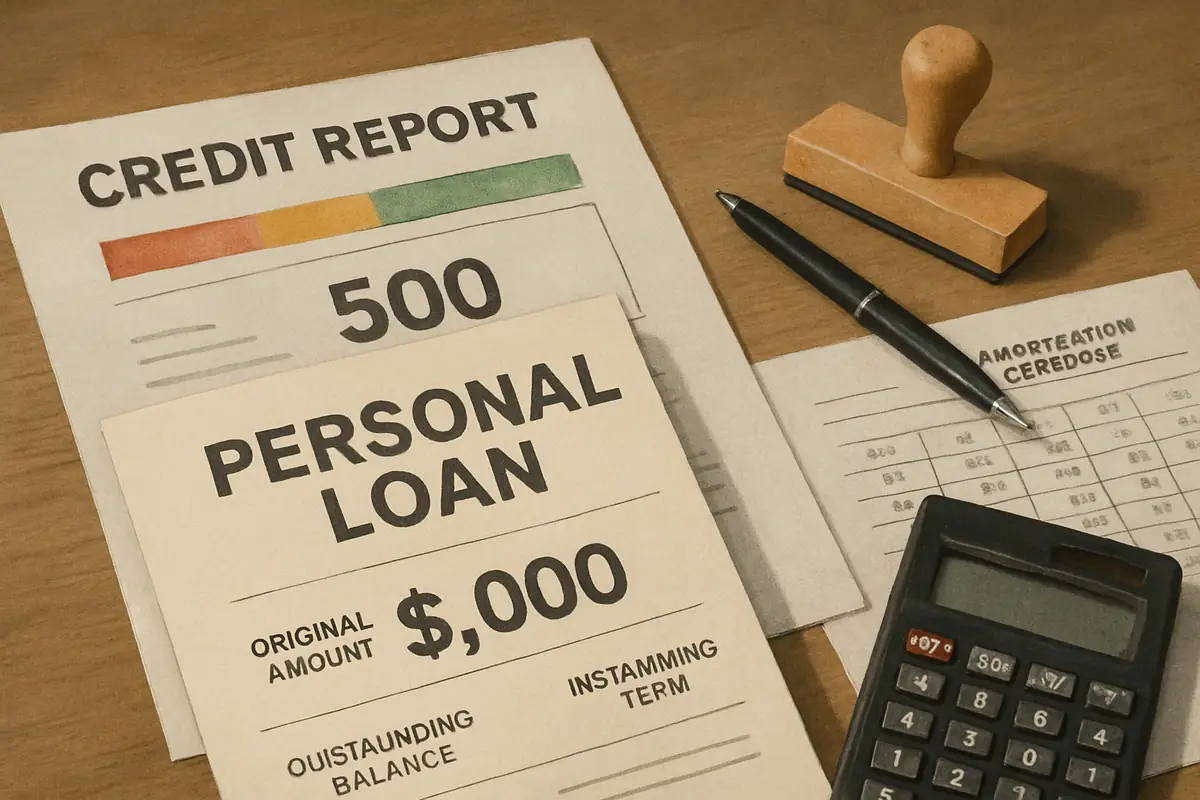
Borrowers often face a crucial financial decision when seeking credit: whether to choose a secured loan, which requires collateral such as a home or vehicle, or an unsecured loan, which does not require asset pledges. Secured loans generally offer lower interest rates—typically between 5% and 13% APR (Annual Percentage Rate, the total yearly cost of borrowing including interest and fees)—due to reduced lender risk, but they carry the risk of losing the collateral if payments are missed. Unsecured loans, by contrast, usually have higher APRs ranging from 12% to 36%, reflecting the increased risk lenders take without collateral. These loans often come with stricter contract terms and higher fees, which can create significant financial strain if not managed carefully. Understanding the differences in fees, APR, loan terms, repayment schedules, and associated risks is essential to making informed borrowing decisions and avoiding long-term financial hardship.
Concrete Borrower Situations Illustrating Loan Type Choices
Imagine a borrower needing $15,000 for urgent home repairs. They may consider two options: a secured home equity line of credit (HELOC) or an unsecured personal loan. The secured HELOC might have an APR between 6% and 10%, reflecting the lender’s lower risk due to the home as collateral. However, failure to repay could lead to foreclosure or loss of home equity. In contrast, an unsecured personal loan for the same amount might carry an APR from 12% to 25%, compensating for the lack of collateral. This results in higher monthly payments and total interest over the loan’s life.
For example, a $15,000 secured loan at 7.5% APR over five years would require monthly payments of about $300, totaling approximately $18,000 repaid and around $3,000 in interest. Meanwhile, an unsecured loan of $15,000 at 18% APR over three years would have monthly payments near $535, with total interest exceeding $3,260 despite the shorter term. This illustrates how higher interest rates and shorter terms on unsecured loans can create steeper monthly payment demands.
Consider another case: an individual borrowing $3,000 for car repairs. A secured auto title loan might charge APRs between 25% and 40% with repayment terms of six to twelve months. Such short terms create intense monthly payment pressure—monthly installments could be as high as $280 to $320—placing the vehicle at risk of repossession if payments are missed. Alternatively, an unsecured installment loan for $3,000 could spread payments over two years at APRs between 15% and 30%, resulting in monthly payments ranging from approximately $140 to $180. Borrowers must weigh the immediate risk to assets against the longer-term interest expense and payment flexibility.
Where readers should be careful
Warning: High APRs combined with short loan terms can cause monthly payments to rise sharply. For instance, a $5,000 unsecured personal loan at 20% APR repaid over two years requires monthly payments exceeding $250. Missing payments not only triggers costly penalties but may also severely damage credit scores, compounding financial difficulties.
Understanding Cost Mechanics: APR, Fees, and Term Length Differences
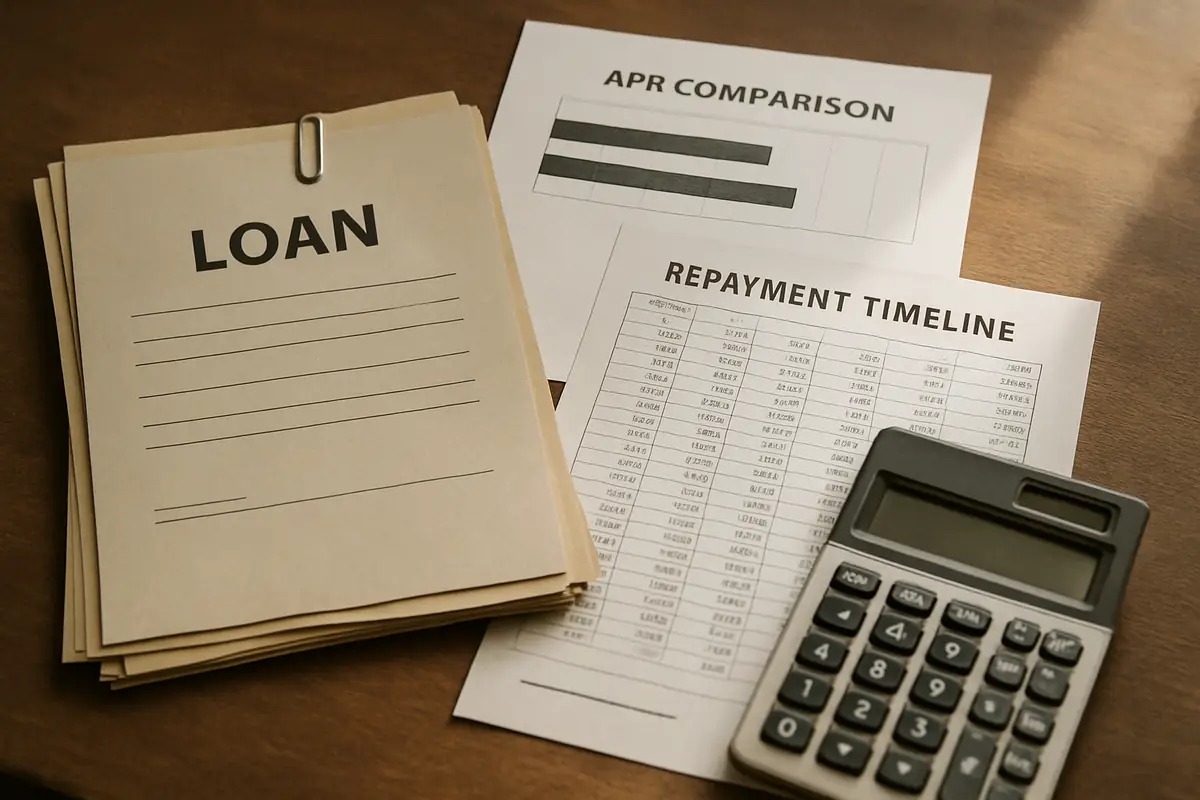
APR, or Annual Percentage Rate, is a standardized measure expressing the total yearly cost of borrowing, including interest and most fees, as a percentage of the principal loan amount. This metric helps borrowers compare loan costs across different products. Secured loans such as mortgages or auto loans typically have APRs ranging from 5% to 13%, benefiting from the reduced risk lenders face when collateral is involved. Unsecured loans, lacking collateral, often have APRs between 12% and 36%, reflecting higher lender risk.
Loan origination fees also vary by loan type. Secured loans often include appraisal fees and closing costs, which can add 1% to 3% of the loan amount upfront. For example, a $20,000 mortgage might incur $200 to $600 in appraisal fees alone, plus additional closing costs. Unsecured personal loans may charge origination fees ranging from 1% to 6%, which, if financed rather than paid upfront, increase the total repayment cost significantly.
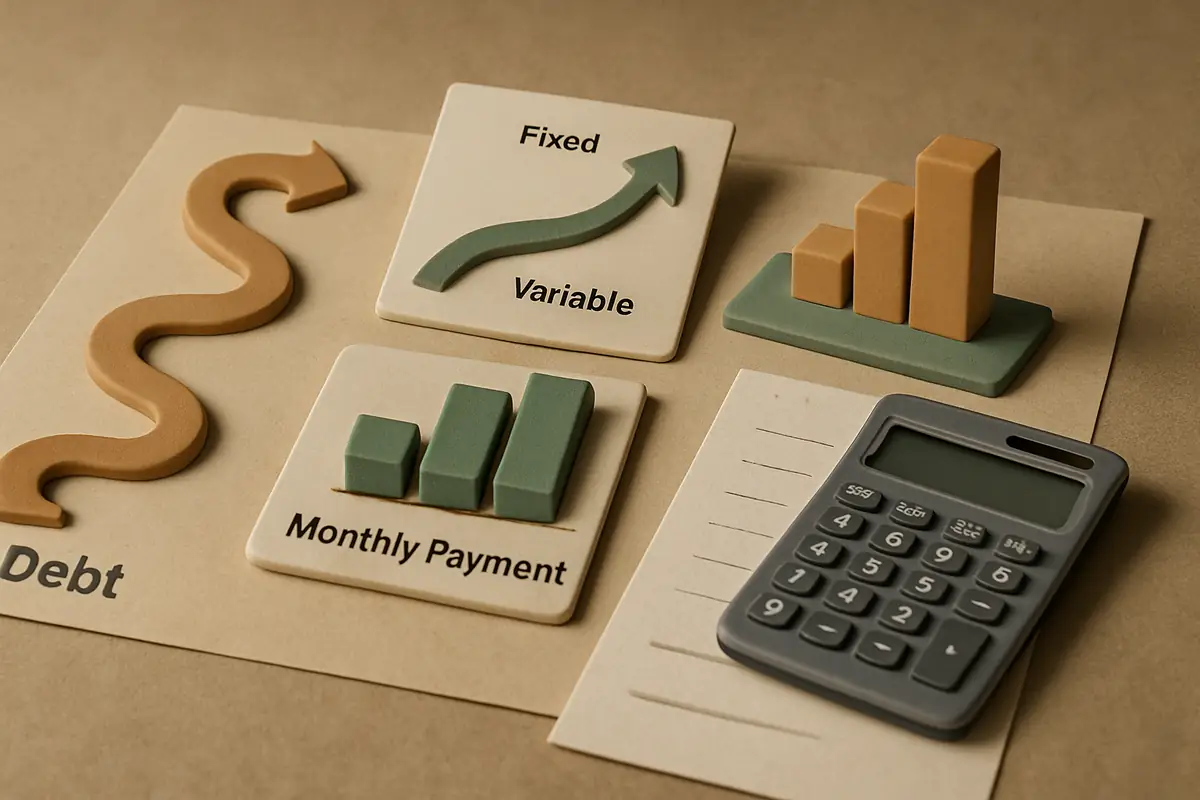
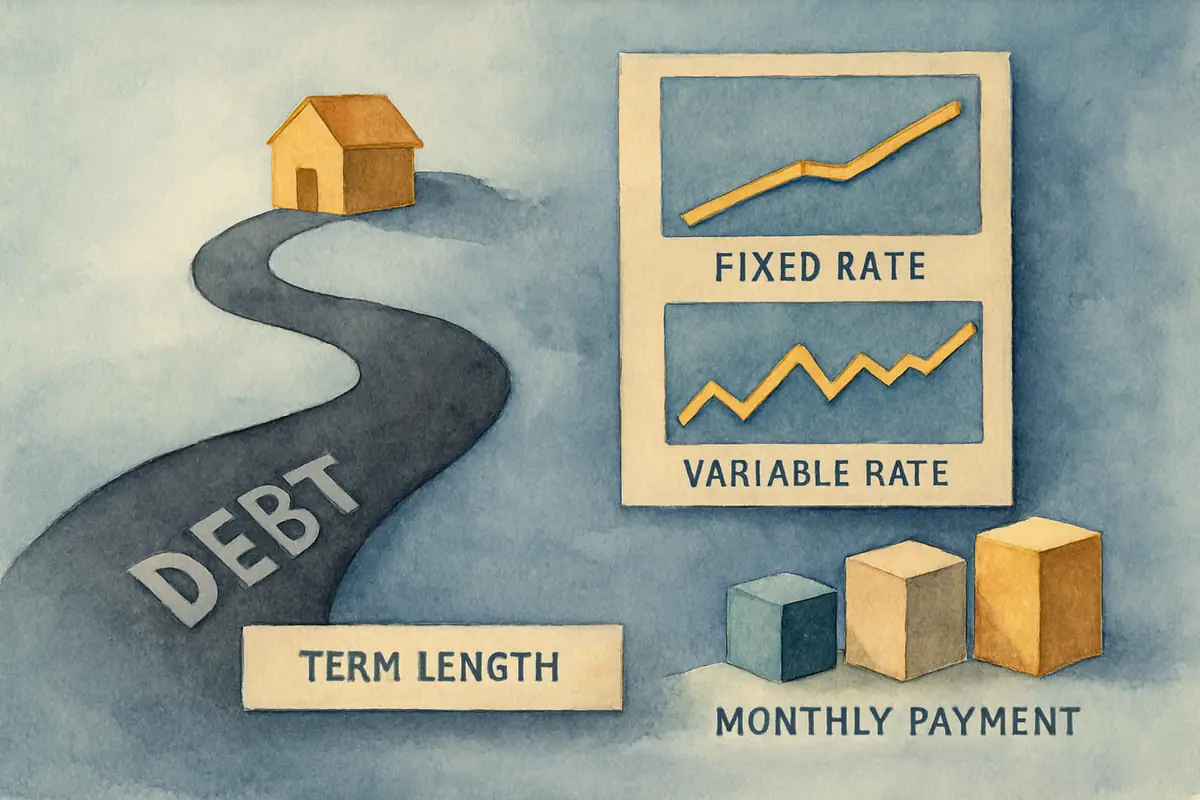
Loan term length—the time over which the loan is repaid—dramatically affects overall cost and monthly payment size. For example, a $10,000 loan at 8% APR amortized over five years requires monthly payments of about $202. Extending the term to seven years reduces monthly payments to approximately $149 but increases total interest paid by roughly $1,200. Shorter terms minimize total interest but increase monthly payment pressure.
| Factor | Secured Loan Typical Range | Unsecured Loan Typical Range | Impact on Borrower |
|---|---|---|---|
| APR | 5% - 13% | 12% - 36% | Higher unsecured APR increases total borrowing cost |
| Fees | 1% - 3% (appraisal/closing) | 1% - 6% (origination) | Fees increase effective cost, especially if financed |
| Term Length | 3 - 30 years | 6 months - 7 years | Longer terms reduce monthly pressure but increase total interest |
| Collateral Requirement | Yes (property, vehicle) | No | Collateral reduces lender risk but increases asset loss risk |
| Repayment Flexibility | Usually stricter schedules | Sometimes flexible but with penalty risk | Flexibility may come with higher costs or penalties |
To further illustrate cost mechanics, consider a worked example: A borrower takes a $12,000 secured loan at 7% APR, repaid over 5 years. The monthly payment can be calculated using the amortization formula, which spreads principal and interest evenly over the term. Using a standard loan amortization calculator, the monthly payment is approximately $237. Over 60 months, total payments amount to $14,220, with $2,220 paid in interest. This example highlights how APR and term length combine to determine monthly payment size and total borrowing cost.
Examining Contractual Risks: Collateral Clauses Versus Personal Credit Obligations
Secured loans require borrowers to pledge specific property—such as a home, vehicle, or other valuable asset—as collateral. The loan contract includes clauses that allow lenders to repossess or foreclose on the collateral if the borrower defaults, which typically means missing payments beyond a grace period of 10 to 30 days. The lender may recover the outstanding debt by selling the collateral, including any recovery costs. This legal process can be swift or protracted depending on jurisdiction and lender policies.
Unsecured loans do not involve collateral but rely on the borrower’s creditworthiness and income verification. Lenders enforce repayment through credit reporting agencies, collections, and legal action rather than asset seizure. While unsecured loans avoid immediate physical asset risk, missed payments can trigger late fees, penalty interest rates, and escalating debt balances. Penalty APRs on unsecured loans can increase by several percentage points—sometimes doubling the initial rate—after missed payments or expiration of introductory periods.
Where readers should be careful
Warning: Some unsecured loans feature variable-rate terms where an initial APR of around 15% may rise by 3 to 10 percentage points following missed payments or after introductory periods end. This can dramatically increase total borrowing costs if borrowers are not vigilant in managing repayments.
Additionally, some secured loan contracts include "balloon" payment clauses requiring a large lump sum payment after a series of smaller monthly installments, often after three to five years. This is common in certain auto loans or home equity loans. Borrowers unfamiliar with balloon payments may face unexpected refinancing needs or forced sale of collateral at loan maturity.
Collateral Risk Scenario: The Auto Title Loan Trap
A borrower takes a $4,000 auto title loan with an advertised APR of 25%. The loan requires repayment within one year, with monthly payments near $370, plus potential late fees up to $100 per missed payment. Failure to meet this aggressive schedule can lead to quick vehicle repossession since the car serves as collateral. This sudden loss extends beyond credit damage to immediate loss of transportation.
Unsecured Loan Contract Pressure: Growing Late Fees and Penalties
A borrower obtains a $6,000 unsecured personal loan at a fixed rate of 14%, repaid over three years with monthly payments near $205. Missing payments triggers late fees equal to approximately 5% of the installment amount and may increase the interest rate after two missed payments, pushing the effective APR well beyond the advertised rate and causing the loan balance to balloon unexpectedly.
Repayment Pressure: The Hidden Strain Beyond Monthly Payments
Many borrowers focus primarily on advertised interest rates without fully considering how repayment schedules and loan terms create ongoing financial pressure. For example, a secured mortgage at 6% APR amortized over 30 years on a $250,000 principal results in fixed monthly principal and interest payments around $1,500, excluding taxes and insurance. While these payments are stable and predictable, failure to maintain them risks foreclosure, directly threatening the borrower’s housing security.
Conversely, unsecured personal loans rarely reach such high balances but are common in smaller amounts, such as $10,000, with repayment terms capped around seven years due to lender risk policies. The higher APRs on unsecured loans mean that missed payments quickly accumulate penalties, late fees, and increased interest charges, causing the total debt to grow rather than shrink steadily.
This contrast explains why some borrowers inadvertently extend their debt cycles by refinancing or relying on rapid payoff schemes. These attempts often fail because many secured loans carry prepayment penalties ranging from 0% up to 3% of the outstanding principal, which can negate expected savings from refinancing lower rates.
Where readers should be careful
Warning: Prepayment penalties reduce flexibility. Always request full disclosure of any prepayment fees before signing loan agreements, especially with secured loans where refinancing costs can offset the benefits of lower initial interest rates.
Moreover, many unsecured lenders embed clauses that trigger automatic rate hikes after multiple missed payments or allow compounding late fees charged monthly. This practice can double the effective annual borrowing cost within less than two years if repayment discipline lapses.
Therefore, conducting a careful cash-flow analysis is essential before committing to any loan type. Unexpected life events—such as job loss or medical emergencies—can disrupt income streams, making fixed loan obligations difficult to sustain. Elevated penalty structures amplify long-term financial harm far beyond the original principal amount.
Practical Alternatives and Borrower Checklist Before Committing
Borrowers should explore alternatives to traditional secured or unsecured loans. Credit unions often offer personal loans with competitive interest rates and modest collateral requirements. Peer-to-peer lending platforms may provide more transparent terms, although loan approval and rates still depend heavily on creditworthiness.
Before signing any loan contract, secured or unsecured, consider the following checklist:
- Confirm the true Annual Percentage Rate (APR), including all mandatory fees and charges.
- Understand the exact collateral rights granted to the lender and what assets are at risk.
- Verify the repayment schedule, including timing and amount of each installment.
- Check for the existence and size of any prepayment penalties.
- Review conditions under which interest rates can change post-signing, such as variable or penalty rates.
- Ask about grace periods and late fee structures to understand default consequences.
- Assess your ability to meet consistent repayments even under unforeseen income reductions.
Implications of Loan Types on Credit Scores and Financial Health
Understanding how secured and unsecured loans affect your credit score is critical for maintaining strong financial health. Secured loans, backed by collateral, typically have lower interest rates and predictable payment schedules, which encourage timely repayments and positively impact credit history. However, defaulting on secured loans can lead to asset repossession, which severely damages credit ratings and overall financial standing.
Unsecured loans generally have higher interest rates due to increased lender risk but do not place assets directly at risk. Missing payments on unsecured loans can quickly lead to late fees, collection actions, and legal proceedings that negatively affect credit scores. Borrowers should carefully evaluate their repayment capacity, as consistent payment behavior directly influences long-term creditworthiness and borrowing potential.
Another important factor is the effect of loan types on debt-to-income ratio (DTI), a key metric lenders use when evaluating credit applications. Secured loans often involve large sums backed by valuable assets like real estate or vehicles, which can significantly increase DTI ratios. Maintaining a manageable DTI—typically below 36% to 43% depending on lender standards—is crucial; high ratios indicate overleveraging and may restrict access to additional credit.
Unsecured loans, often smaller, still contribute to overall debt levels and impact financial flexibility. Borrowers should monitor their DTI regularly and plan repayments to avoid overextension.
The choice between secured and unsecured loans can also affect bankruptcy risk and recovery options. Secured loans provide lenders with direct recourse through collateral liquidation if payments lapse, often accelerating default resolution but increasing asset loss risk for borrowers. Unsecured loan defaults may lead to prolonged negotiations or court proceedings without asset seizure, affecting creditor recovery and borrower stress differently. Understanding these dynamics assists individuals in planning effective debt management or restructuring strategies.
Practical Examples: Choosing Between Secured and Unsecured Loans
Consider a recent college graduate seeking funds to purchase a car versus one needing money for unexpected medical bills. The graduate opting for a secured auto loan benefits from lower interest rates—typically between 4% and 9% APR—because the vehicle serves as collateral. However, they must be prepared to risk losing the car if payments are missed. This option suits borrowers confident in their repayment ability and willing to accept asset risk for financial advantages.
Conversely, using an unsecured personal loan for medical expenses avoids collateral demands but usually carries higher interest rates in the range of 12% to 28%. This option suits those prioritizing quick access without risking property but who can manage potentially larger monthly payments.
Small business owners face similar trade-offs when seeking financing. Secured business loans may require pledging equipment or real estate but offer better terms that enable investment in growth or inventory at affordable costs. Unsecured business lines of credit provide flexibility without collateral but often come with stricter qualification requirements and higher interest rates, commonly between 10% and 30% APR. Business owners must weigh asset portfolio strength against projected cash flow before committing to a loan that aligns with operational needs and risk tolerance.
Homeowners refinancing mortgages illustrate another example where secured loan dynamics are critical. Refinancing secured debt allows borrowers to leverage home equity to secure lower rates or consolidate debts under a single payment plan, potentially reducing monthly burdens. However, this increases property-related obligations and necessitates stable income to avoid foreclosure during economic downturns or job loss.
Regulatory Considerations Affecting Secured and Unsecured Loans
Loan regulations vary by jurisdiction but generally aim to protect consumers from predatory lending while ensuring transparent terms for both secured and unsecured credit products. Regulations typically require clear disclosure of interest rates, fees, repayment schedules, default penalties, and borrower rights regarding collateral forfeiture or debt collection.
For example, some jurisdictions impose interest rate caps on unsecured consumer loans to prevent excessive charges that could trap vulnerable borrowers in cycles of debt. Others mandate strict documentation proving collateral ownership before secured loans can be legally approved. Awareness of these regulatory protections helps borrowers avoid misunderstandings about contractual obligations and liabilities associated with different loan types.