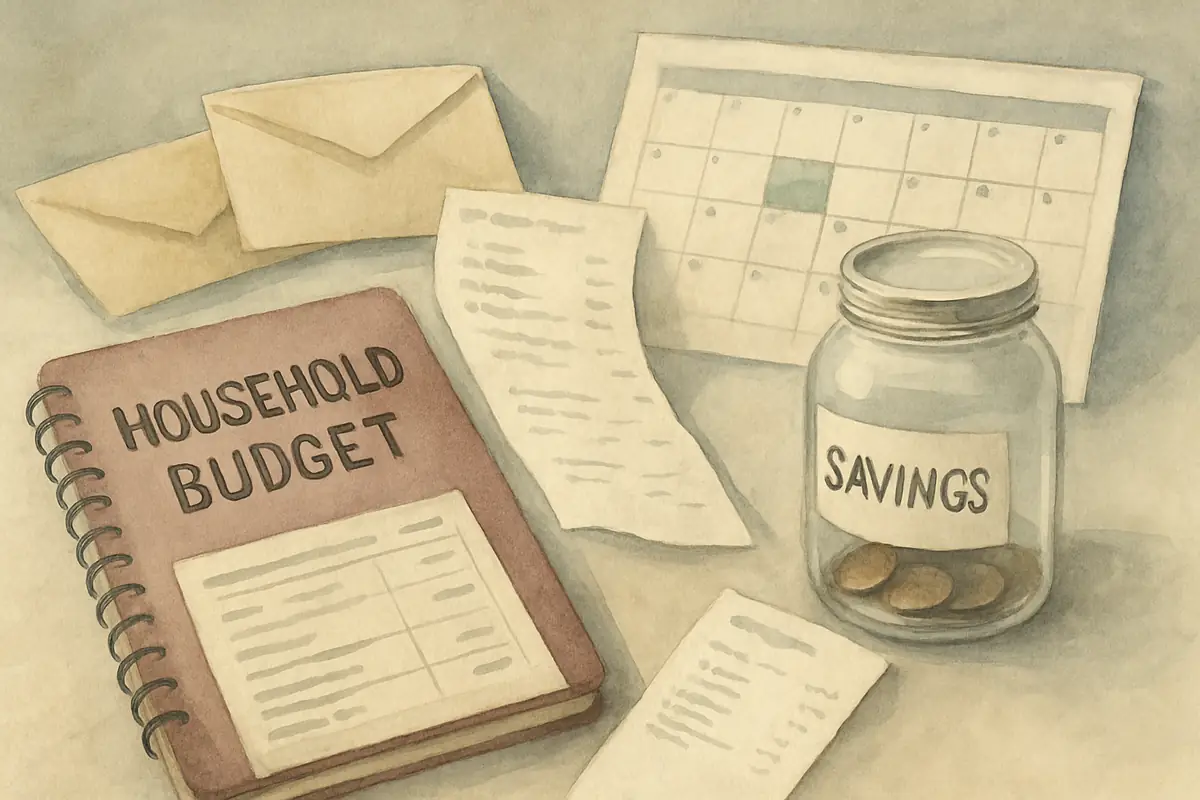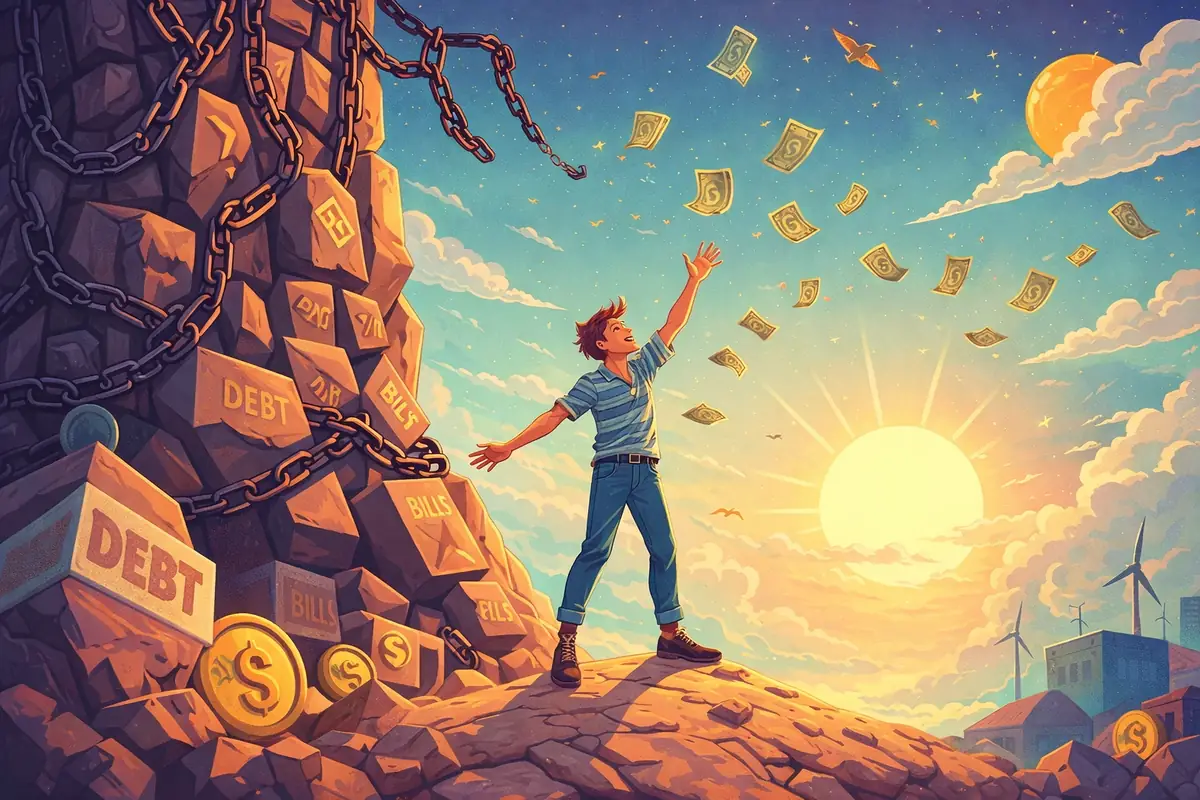
Across Latin America, debt is both a national and household challenge. Regional external debt typically represents between 45% and 55% of GDP, and some countries face even higher ratios. For households, debt-to-income ratios often range from 25% to 45%, meaning a significant portion of monthly earnings is committed to repayments. While national statistics reveal the scale, they do not fully capture the day-to-day impact on families dealing with late payments, unpredictable cash flow, and the mental burden of ongoing financial obligations.
Moving from denial to action is a critical turning point in debt recovery. Before repayment habits can improve, it is essential to restore financial visibility and address the emotional barriers that often keep people from confronting their true financial situation.
Debt in Latin America: The Importance of Regional Dynamics
As of 2025, Latin America continues to experience significant debt pressure. Although some nations have reduced their external obligations in recent years, total regional debt still hovers near half of GDP and, in several cases, exceeds 60%. This ongoing burden shapes government decisions, forcing tough choices between servicing debt, maintaining infrastructure, and funding public programs.
For households, these macroeconomic pressures translate into real consequences. When governments allocate 15% to 25% of public budgets to debt payments, resources for social programs and economic support become limited. Higher global interest rates, which have ranged from 4% to 7% in recent years, make refinancing more expensive and expose vulnerable economies to sudden shocks, such as currency devaluations or commodity price swings.
When a country faces increased debt servicing costs, households may encounter reduced subsidies, higher taxes, or inflation, all of which can shrink disposable income and make personal debt harder to manage.
Regional weight
External debt in Latin America remains close to half of regional GDP according to recent estimates.
Interest pressure
Higher rates increase servicing cost and reduce fiscal flexibility.
The Emotional Cost of Debt Is Significant and Often Overlooked
Debt can create psychological pressure long before any formal delinquency occurs. Studies and surveys show that even when debt payments are current, up to 60% of borrowers report anxiety or sleeplessness linked to their financial obligations. This emotional toll often stems from uncertainty—wondering if next month's income will cover all bills, or fearing that a single emergency could trigger a cascade of missed payments.
The stress is not just mental. Physical symptoms such as fatigue, headaches, and digestive discomfort are common. In some cases, chronic financial stress can contribute to high blood pressure or exacerbate existing health conditions. These effects may appear even when the total debt is relatively modest—for example, individuals with $1,000 to $3,000 in revolving credit card debt may still experience significant stress if their income is unstable or if interest rates are high.
Common Emotional Effects
- Anxiety
- Insomnia
- Mental fatigue
- Difficulty concentrating
Physical Effects
- Fatigue
- High blood pressure
- Digestive discomfort
- Persistent tension
Research consistently shows a two-way relationship: debt stress can intensify depression or anxiety, and emotional overload can reduce the ability to make effective financial decisions—such as choosing which debts to prioritize or when to seek help.
Barriers That Cause People to Delay Addressing Debt
Avoidance is one of the most common obstacles to debt recovery. Many people delay reviewing their full balances because the numbers feel overwhelming. For instance, someone with five different debts—each ranging from $300 to $2,000—may avoid calculating the total, fearing the combined sum will be too stressful to handle.
While avoidance may provide short-term relief, it often leads to increased costs over time. Missed payments can trigger late fees, penalty interest rates (which can exceed 30% APR—annual percentage rate, the yearly cost of borrowing including fees and interest), and damage to credit scores, making future borrowing more expensive.
Typical barriers include:
- Fear of judgment by family or creditors
- Shame about financial struggles
- Uncertainty about available solutions
- Fear of discovering a larger-than-expected total debt
- Loss of confidence in managing money
Denial can be the most expensive phase of debt, as interest and penalties may accumulate rapidly during periods of inaction.
Practical Steps for Moving from Denial to Action
The first practical step is achieving complete visibility. Every obligation—whether a $150 utility bill or a $10,000 personal loan—should be listed with the amount owed, interest rate, due date, penalty terms, and urgency. This process can reveal hidden charges or forgotten debts, which often account for 10% to 20% of total obligations in household reviews.
Recognize every debt
No recovery plan works if important obligations remain hidden.
Build a realistic budget
Payment plans must match actual monthly cash flow.
Negotiate early
Many creditors offer alternatives before severe delinquency appears.
Education about debt terms is essential. For example, understanding how APR (annual percentage rate) works can help borrowers prioritize which debts to pay first. If a credit card has a 24% APR and a personal loan has a 12% APR, focusing extra payments on the higher-rate debt reduces total interest paid over time.
Worked Example: Suppose you owe $1,000 on a credit card with a 24% APR. If you pay only the $30 minimum each month, it could take over 4 years to pay off, and you might pay more than $600 in interest alone. However, increasing your payment to $60 per month could reduce the payoff period to about 1.7 years and cut total interest to roughly $220. This illustrates how payment size and interest rates interact to affect total repayment costs.
When borrowers understand which debt is most expensive, they can make informed decisions. Prioritizing high-interest obligations typically saves the most money and accelerates recovery.
Without Structure
- Random payments
- Repeated stress
- Low visibility
With Structure
- Payment sequence
- Monthly clarity
- Visible progress
Support Systems Enhance Recovery Outcomes
Debt recovery is more sustainable when support systems are in place. Community programs, public financial education, advisory services, and peer support groups can all help maintain progress. In some Latin American cities, up to 30% of participants in financial literacy workshops report improved payment consistency within six months.
Professional financial guidance can help reduce emotional overload, as decisions become more objective and less influenced by stress or shame. For example, working with a counselor may help a borrower negotiate lower interest rates or consolidate multiple debts, making repayment more manageable.
Rebuilding Confidence Through Consistent Small Progress
Large debts, such as a $15,000 student loan or a $7,000 credit card balance, can feel overwhelming when viewed as a single sum. Focusing on smaller, achievable steps—such as reducing a balance by $50 to $100 each month—can help restore a sense of control and momentum. Even a 5% reduction in total debt over six months can boost confidence and motivation.
Setting clear weekly or monthly targets, tracking visible reductions, and celebrating small wins are all proven ways to maintain progress. Over time, discipline and repeated action build financial resilience, even if dramatic changes are not possible right away.
Confidence often returns gradually, as each successful payment reinforces the ability to manage and eventually eliminate debt.
Is emotional stress normal during debt?
Yes. It is one of the most common consequences of prolonged financial pressure.
Should debt always be faced immediately?
Yes. Delay usually increases both cost and stress.
Can small progress matter?
Yes. Repeated small action often creates durable recovery.