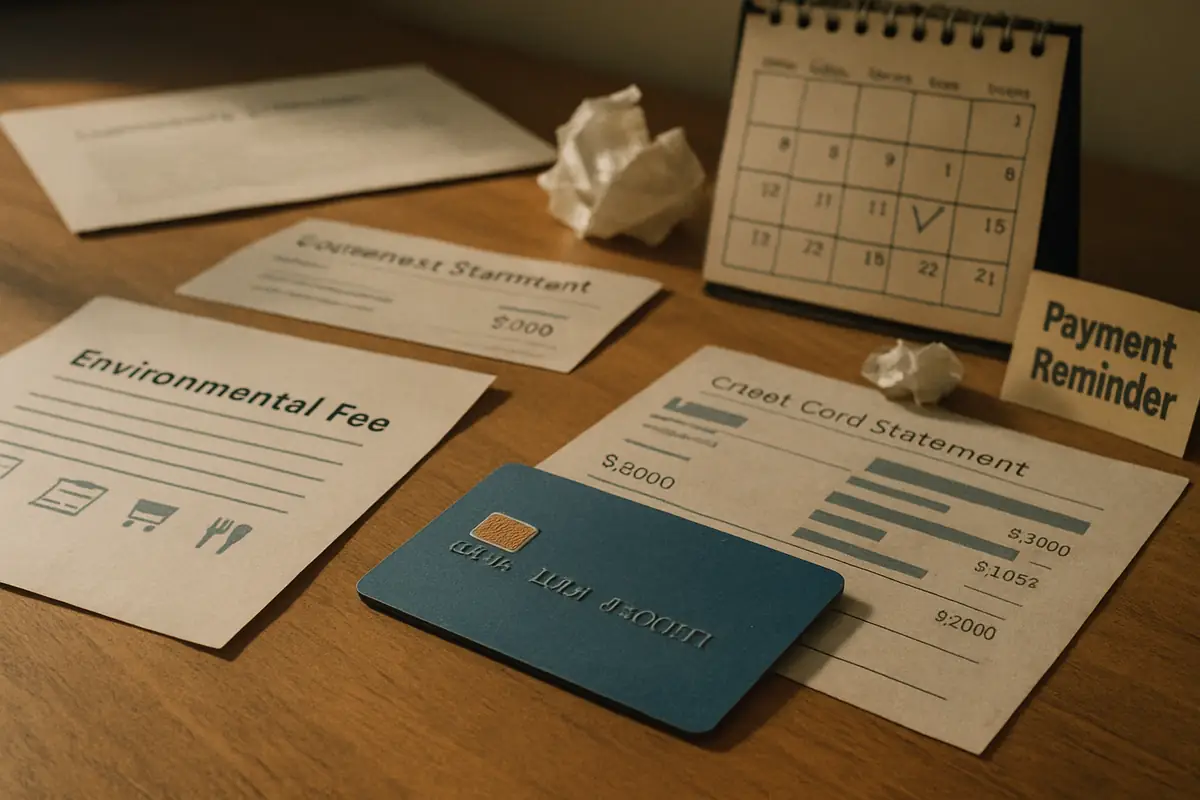
Revolving credit, such as credit cards, is structured to keep debt active unless a proactive repayment plan interrupts the cycle. Unlike installment loans, which have a set payoff schedule, credit cards allow balances to carry month to month, making it easy for debt to linger and grow.
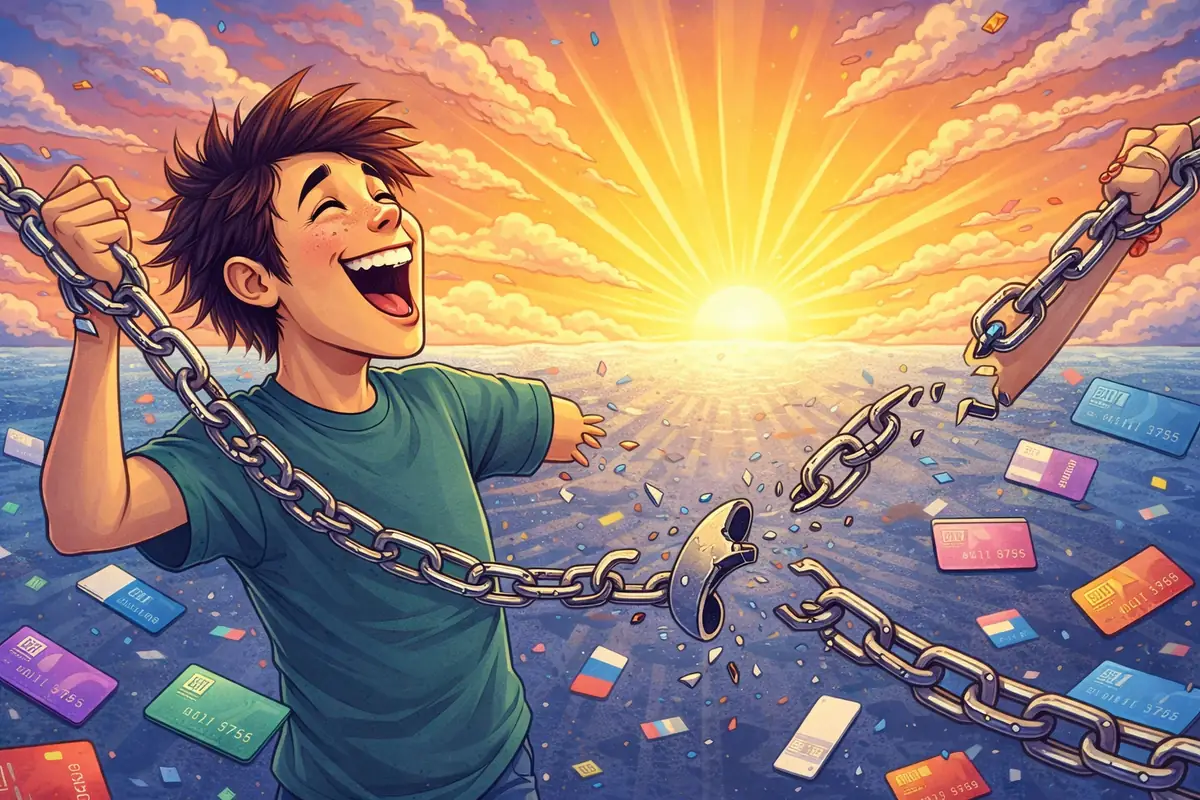
Debt consolidation attracts attention because it offers a powerful psychological shift: turning several unpredictable obligations into a single, structured payment.
However, consolidation is not an automatic fix. In some cases, it creates a real path to financial recovery. In others, it simply repackages debt, leaving underlying spending habits unchanged.
Credit Card Debt Is Structurally Harder to Control Than Fixed Loans
Credit card balances differ from fixed-term loans because repayment is flexible—minimum payments are typically 1% to 3% of the balance—making them seem harmless while the true cost grows rapidly.
Minimum payments create a dangerous illusion of progress:
- The balance decreases very slowly, sometimes by less than $20 per $1,000 owed each month
- Interest is charged monthly, often adding $15 to $25 per $1,000 in balance
- Available credit is restored as payments are made
- New purchases can be added before old debt is paid off, extending the cycle
This flexibility provides short-term liquidity but leads to long-term expense. For example, paying only the minimum on a $5,000 balance at a 24% APR could take over 20 years to pay off and cost more than $7,000 in interest alone.
With several cards in use, borrowers can lose track of their total monthly obligations, increasing the risk of missed payments and additional fees.
Debt Consolidation Alters Structure, Not the Amount Owed
A common misconception is that debt consolidation reduces the amount owed. In reality, it does not erase the principal balance.
Instead, consolidation changes the organization of debt:
- Multiple card balances are combined into one loan
- One payment date replaces several due dates
- The interest rate may be lower, sometimes dropping from 25% to 10%–15% APR
- The repayment period becomes fixed and predictable, often 3 to 7 years
This simplification can bring immediate psychological relief by reducing uncertainty and administrative hassle.
However, it is important to remember that relief is not the same as elimination of debt.
A Single Payment Can Improve Financial Discipline
Managing one payment often changes how borrowers approach repayment.
Multiple credit cards create fragmented mental accounting:
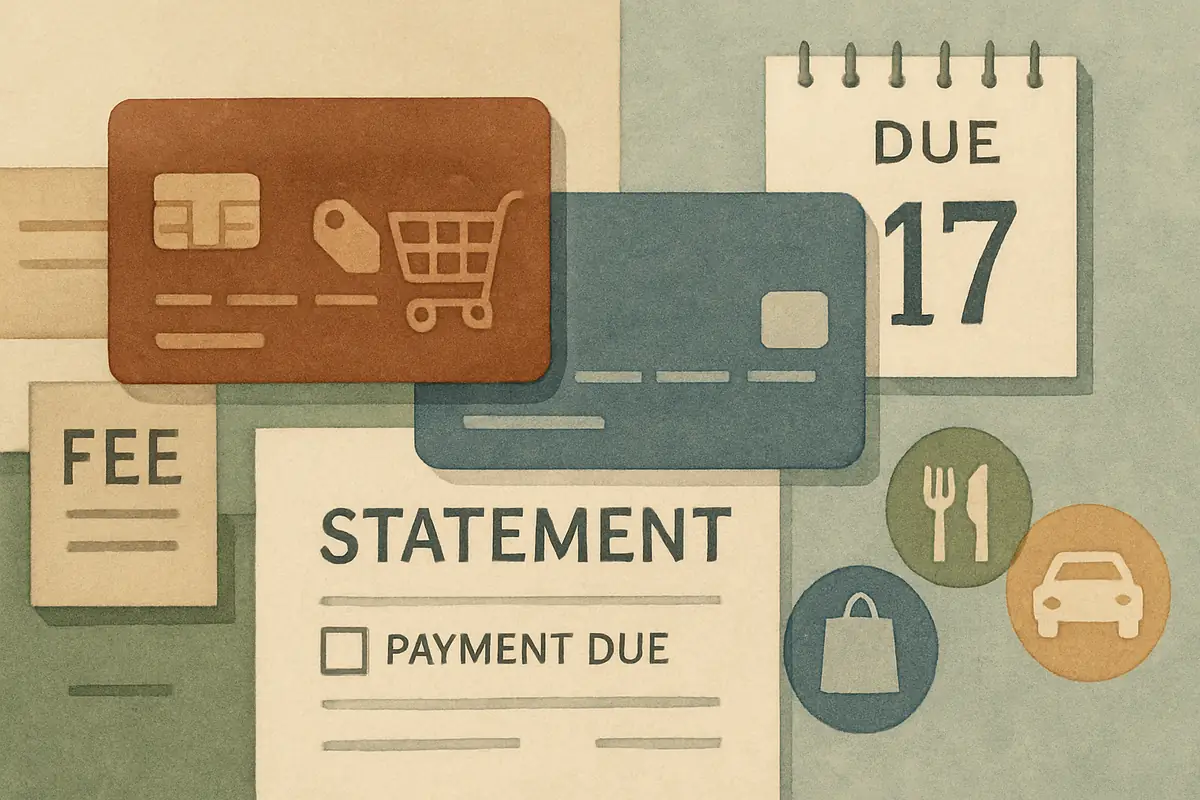
- Various due dates throughout the month
- Different APRs, sometimes ranging from 18% to 29%
- Minimum payments that vary from $25 to over $100 per card
This fragmentation can lead to procrastination and missed opportunities to reduce debt efficiently.
A structured installment loan, with a fixed monthly payment and a clear end date, makes the obligation more visible and easier to prioritize in a monthly budget.
Multiple Card Balances
- Fragmented visibility
- High behavioral fatigue
- Frequent missed optimization
Consolidated Structure
- Single obligation
- Clear amortization path (a schedule showing how each payment reduces the balance and interest over time)
- Higher payment clarity
Interest Rate Reduction Is the Main Financial Advantage
The primary benefit of consolidation is not just administrative simplicity, but the potential for a lower interest rate. Many credit cards charge APRs between 18% and 30%, while personal loans for consolidation often offer rates from 7% to 15% for qualified borrowers.
However, the true savings must be calculated carefully, taking into account:
- Origination fees, which may range from 1% to 8% of the loan amount
- Balance transfer fees, often 3% to 5% of each amount transferred
- Any insurance or ancillary charges
- Penalty clauses for late or missed payments
A lower nominal APR does not always guarantee a lower total cost, especially if fees are high or the repayment period is extended.
Worked Example:
Suppose you have three credit cards with a total of $9,000 in debt:
- Card A: $3,000 at 24% APR
- Card B: $4,000 at 22% APR
- Card C: $2,000 at 28% APR
Balance Transfers Offer Savings, but Require Strict Timing
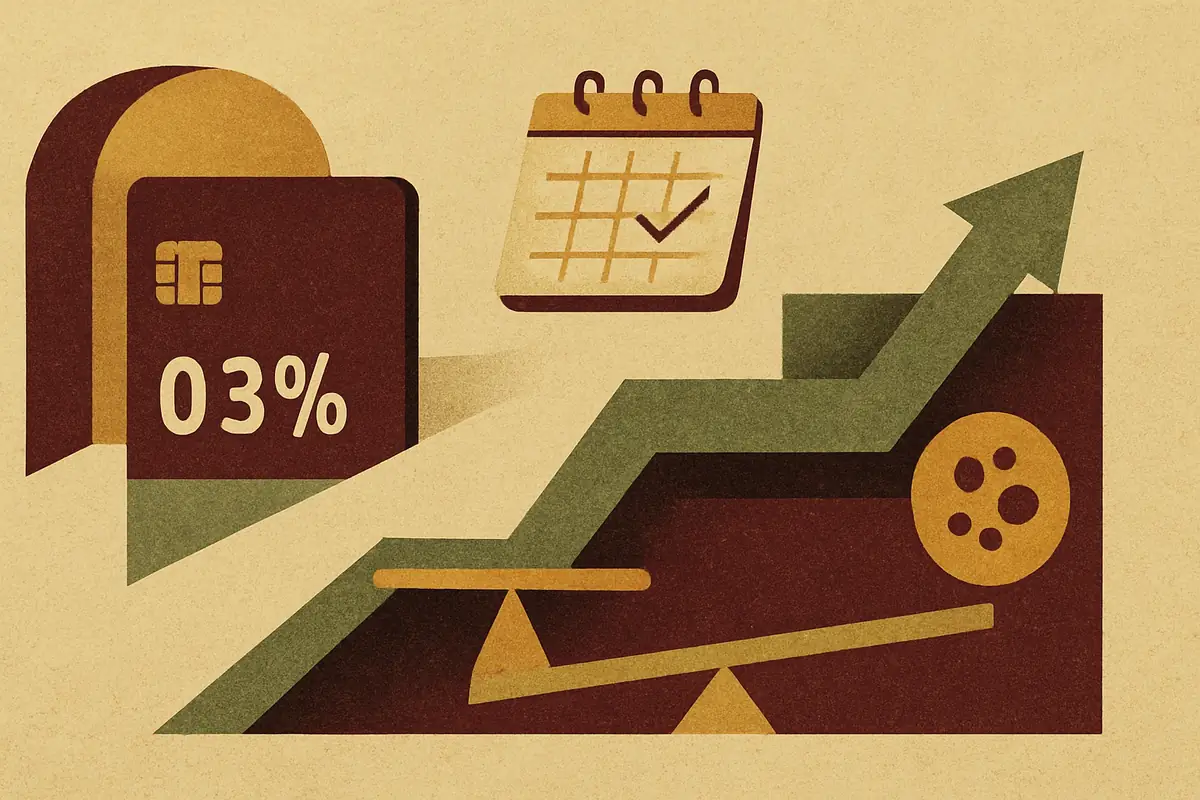
Balance transfer credit cards often advertise 0% APR for an introductory period, typically 12 to 21 months. This can be a powerful tool if you have the discipline to pay off the balance before the promotional period ends.
However, balance transfer fees usually apply—commonly 3% to 5% of the amount transferred. If $8,000 is transferred, this fee could be $240 to $400 upfront.
If the balance is not fully paid off before the promotional window closes, the remaining amount is typically subject to a much higher APR, sometimes 20% or more.
This method requires careful budgeting and strong repayment discipline.
Secured Consolidation: Lower Cost, Higher Risk
Some borrowers consider consolidating unsecured credit card debt with a secured loan, such as a home equity loan or auto loan.
Secured loans often offer lower interest rates—sometimes under 8% APR—because they are backed by collateral, such as a house or vehicle.
However, this approach changes the risk profile. If you default, the lender can claim the collateral, which could mean losing your home or car.
Previously unsecured debt now becomes tied to an asset:
- Property (e.g., home equity loan)
- Vehicle (e.g., auto title loan)
- Other secured collateral
While the cost may decrease, the legal and financial consequences of default increase significantly.
Consolidation Is Most Effective for Certain Borrowers
Debt consolidation tends to work best when these three conditions are met:
- Multiple high-interest balances exist (typically more than $5,000 total at APRs above 18%)
- Income is stable enough to support a fixed monthly payment
- New borrowing is strictly controlled—no new card spending during repayment
If any of these conditions are missing, the benefits of consolidation may be short-lived.
Income stability is especially important, as a consolidation loan requires consistent payments, often $150 to $400 per month depending on the loan size and term.
Why Consolidation Sometimes Fails
The most common pitfall is repeating old behaviors. After consolidating, borrowers may pay off their cards, but then use them again, accumulating new balances while still repaying the consolidation loan.
This can result in layered debt:
- A new installment loan
- Reopened revolving card balances
- Higher total debt than before consolidation
This is why many financial experts recommend cutting up cards or placing a freeze on accounts during the repayment period.
Credit Score Impact Depends on Repayment Behavior
Many borrowers worry that debt consolidation will hurt their credit score. The impact is nuanced.
Short-term effects may include:
- A hard inquiry from a new loan application (may lower score by a few points temporarily)
- Opening a new account, which can slightly reduce the average age of accounts
Medium-term improvements can include:
- Lower credit utilization ratio (the percentage of available credit being used—ideally kept below 30%)
- More consistent, on-time payments
- Reduced risk of missed payments
Long-term credit health depends more on making timely payments and avoiding new debt than on the act of consolidation itself.
Preparation Is Key Before Signing a Consolidation Loan
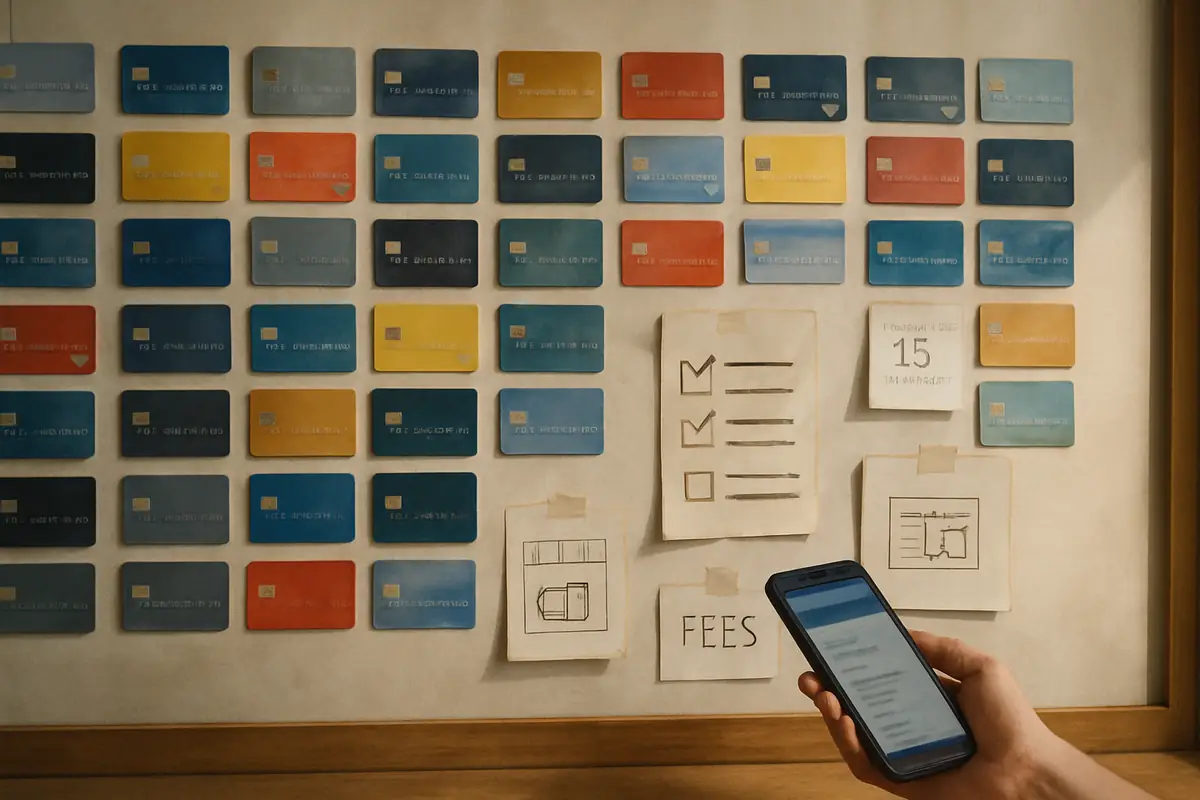
Before accepting a consolidation offer, borrowers should create a clear inventory of their current debt:
- Total balance owed across all cards
- Each card's APR (annual percentage rate—total yearly cost of borrowing, including fees)
- Each minimum payment amount
- Total monthly payment required
With this information, you can accurately compare the cost and terms of consolidation offers. Without it, decisions may be driven by the temporary relief of fewer bills, not by a true reduction in financial burden.
Consolidation Only Works if It Changes Debt Trajectory
The real value of consolidation is not just in making your finances feel more organized. It is the chance to interrupt a cycle of compounding interest—where unpaid interest is added to the balance, increasing future interest charges.
When used correctly, consolidation can provide:
- A clear timeline to debt freedom (often 3 to 7 years)
- Lower total interest paid
- Predictable, manageable monthly payments
If spending habits do not change, however, consolidation simply creates a more streamlined version of the same unresolved debt cycle.
References
- https://www.consumerfinance.gov/consumer-tools/credit-cards/
- https://www.fdic.gov/consumer-resource-center/credit-cards
- https://www.consumerfinance.gov/consumer-tools/credit-reports-and-scores/
- https://consumer.ftc.gov/articles/what-know-about-identity-theft
- https://www.consumerfinance.gov/ask-cfpb/what-is-a-credit-score-en-315/