Millions of Americans carry multiple debts, with the average household owing upwards of $7,000 on credit cards alone. Debt consolidation offers a way to combine these balances into a single loan or payment, potentially streamlining finances and lowering monthly obligations. However, the process comes with significant trade-offs: introductory interest rates that may climb from 0% to over 20% after a few months, origination fees ranging from 1% to 8% of the loan amount, loan terms that stretch repayment from three years to seven or more, and collateral requirements that may put your home or car at risk. This guide examines these risks up front—overlooking them could turn several smaller debts into a larger, costlier problem over time.
Understanding Debt Consolidation: The Mechanics and What to Watch For
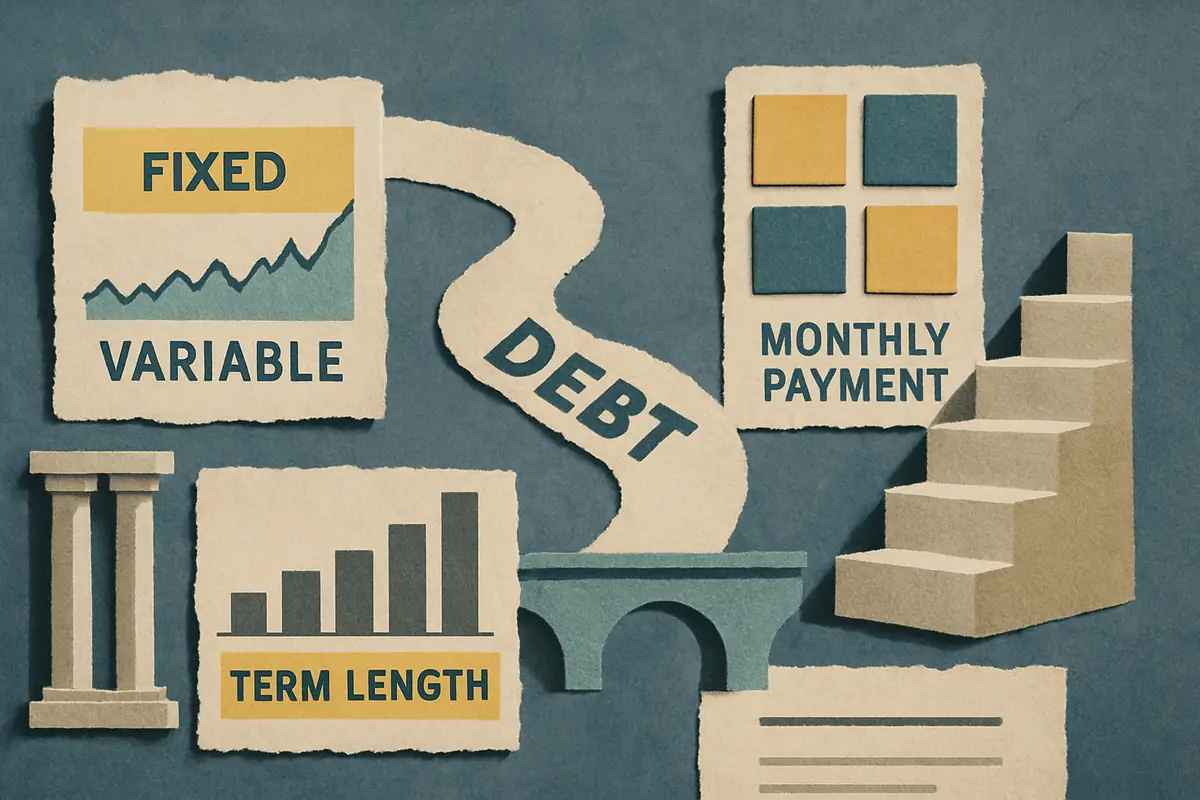
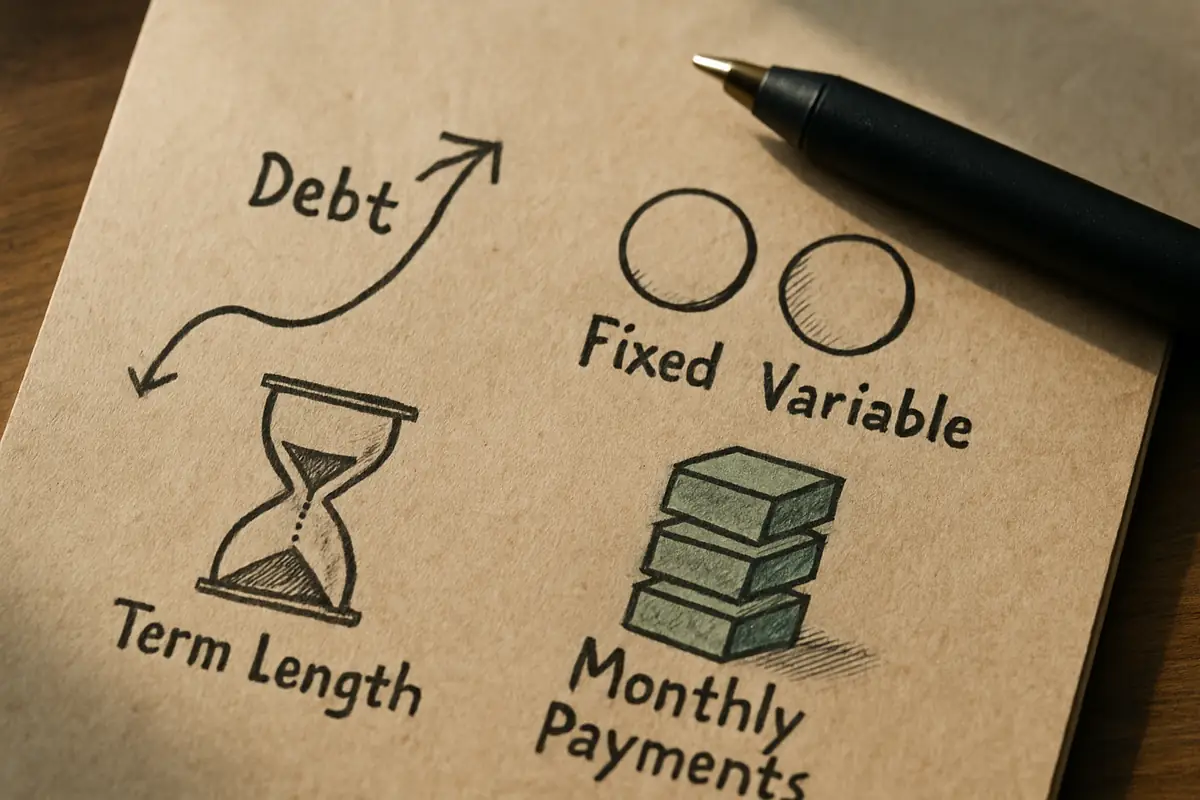
Debt consolidation most often involves taking out a new loan—such as a personal loan, balance transfer credit card, or home equity loan—to pay off existing debts including credit cards, medical bills, or payday loans. While this can reduce the number of monthly payments and may lower your overall interest rate, it is not a guaranteed path to financial relief. Key factors to analyze include the annual percentage rate (APR), which is the total yearly cost of borrowing expressed as a percentage and includes interest as well as fees; upfront or recurring charges such as origination or maintenance fees; the loan term, or length of repayment; collateral requirements; and penalties for missed or late payments. Failing to account for these elements can turn consolidation into a more expensive, longer-lasting obligation.
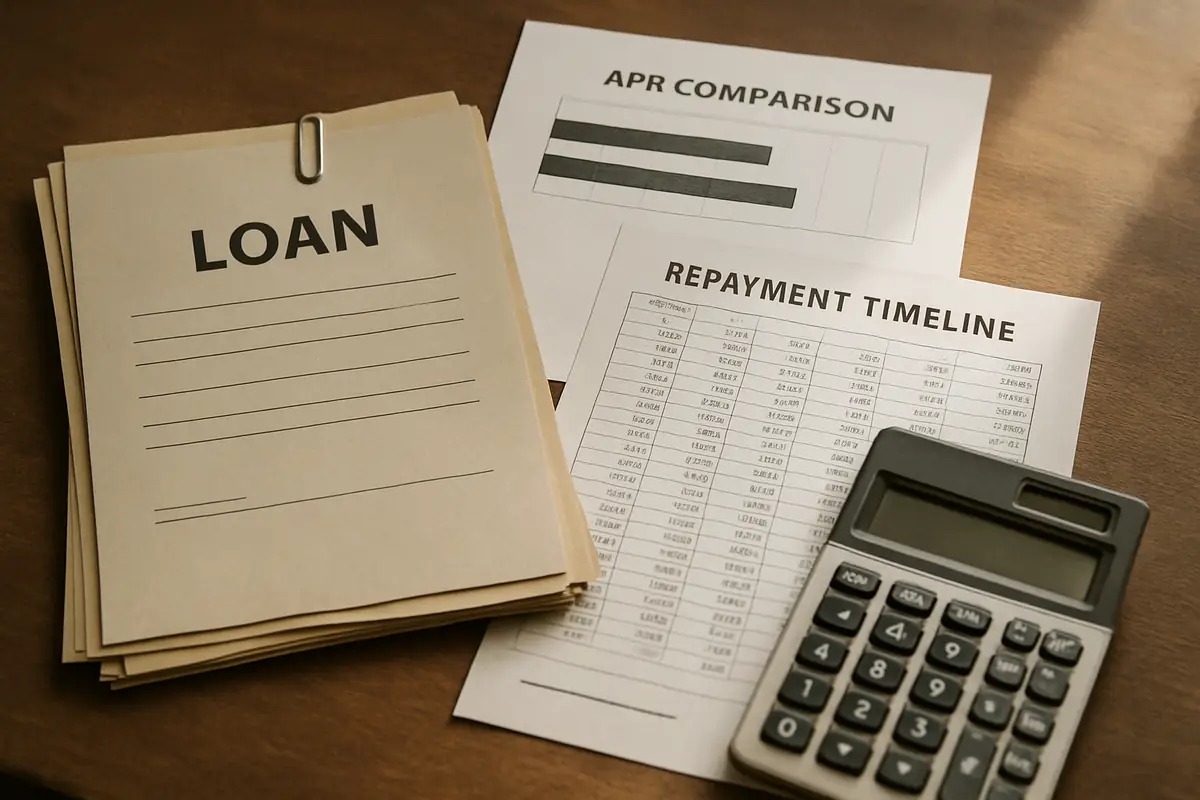
APR is a critical figure—it incorporates not just the base interest rate but also fees and the effects of compounding, providing a clearer picture of the real cost of borrowing. For example, a loan with a 7% interest rate and a 3% origination fee has an APR closer to 8.5% over a five-year term. Introductory APRs on balance transfer cards may start at 0% for 6–18 months, but after the promotional period, rates often revert to between 17% and 29%. Origination fees on personal loans commonly range from $100 to $1,000 or more, depending on the loan size. Longer loan terms—such as moving from a 3-year to a 7-year payoff—may cut your monthly payment by half but can double the total interest paid. Collateralized loans, like home equity loans, put your property at risk if you default. Missing payments can trigger penalty APRs or immediate repayment demands, and may drop your credit score by 50 points or more. Each of these risks can quietly erode the benefits of consolidation if not carefully managed.
Common Pitfalls Borrowers Encounter After Consolidating Debts
Many borrowers expect immediate relief from consolidation, but several common pitfalls can arise. First, introductory APRs on balance transfer cards often last just 6 to 18 months; after that, rates can jump from 0% to over 20%, increasing monthly payments by $100 or more on a typical $5,000 balance. Second, fees—such as a 5% balance transfer fee on a $10,000 transfer (equal to $500)—can instantly increase your debt load. Origination fees on personal loans may add $300 to $800 to your principal, stretching out your repayment period and increasing total interest costs.
Extending loan terms is another risk. For example, replacing a 24-month $10,000 credit card balance at 22% APR with a 60-month personal loan at 10% APR reduces the monthly payment from about $525 to $212, but total interest paid rises from around $2,400 to over $2,700. Collateralized loans, such as home equity loans, may offer lower APRs (often 6% to 9%) but put your home at risk if you miss payments. Lastly, missing a single payment on a consolidated loan can trigger late fees of $25 to $50, penalty interest rates exceeding 29%, or even an acceleration clause demanding immediate full repayment. These consequences can be far harsher than those associated with individual debts.
Where readers should be careful
Warning: Do not focus solely on monthly payment amounts when evaluating debt consolidation. A lower payment may conceal years of added interest and costly fees buried in the fine print. Always request a complete repayment schedule, including APR details and all penalty clauses, before making a decision.
APR and Advertised Rates: The Numbers You Need to See
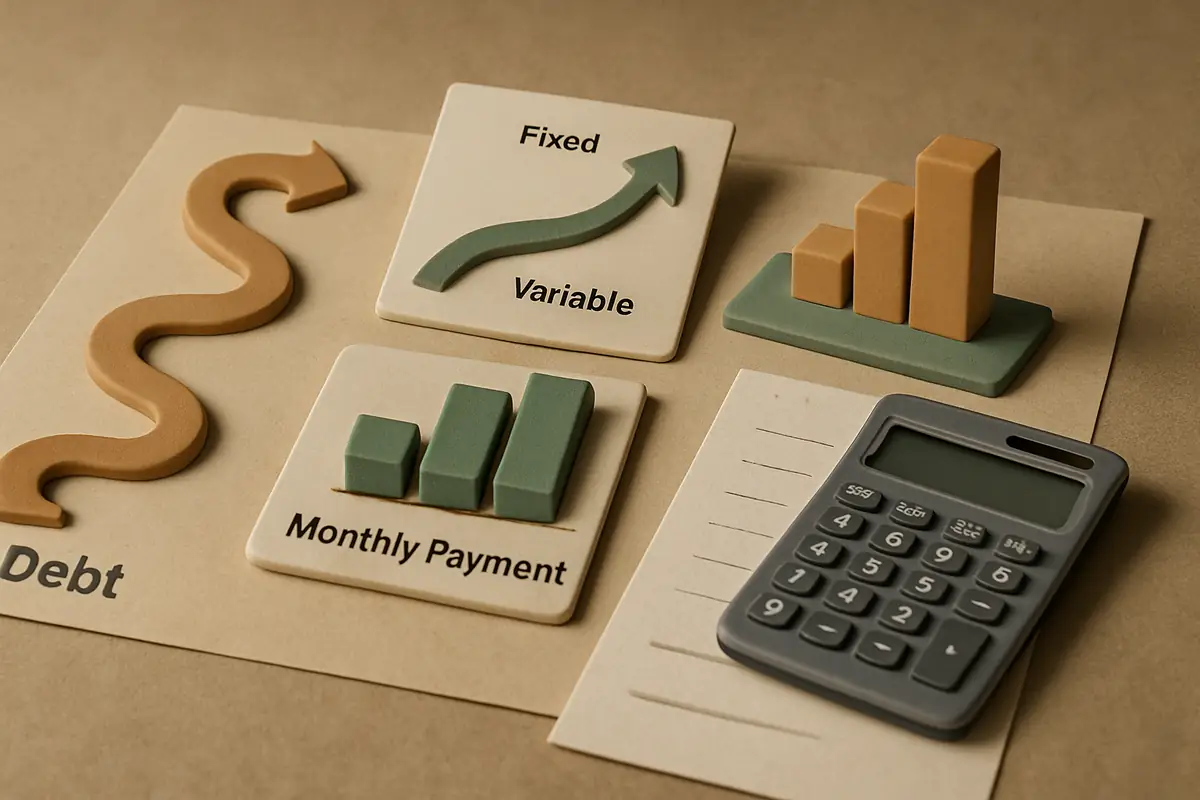
Lenders often highlight attractive introductory rates—sometimes as low as 0%—to entice borrowers, but these rates typically last only 6 to 18 months. Afterward, the APR often resets to a much higher variable or fixed rate, frequently between 17% and 29% for credit cards or 8% to 15% for personal loans. Always request a full breakdown showing what happens after the introductory period ends.
APR, or annual percentage rate, is a comprehensive measure that combines the base interest rate, all fees, and the effects of compounding over the loan term. A higher APR means you’ll pay more over the life of the loan, even if the monthly payment seems affordable. Insist on standardized disclosures from lenders that show how APR is calculated and ask to see worst-case scenarios—such as how rates could rise if you miss a payment or if market rates increase.
Worked Example: Suppose you consolidate $12,000 in credit card debt into a 5-year (60-month) personal loan at a 9% APR with a 5% origination fee. The origination fee is $600, increasing your total loan to $12,600. Monthly payment on $12,600 at 9% APR over 60 months is about $261. Over five years, you’ll pay $3,060 in interest, making your total repayment $15,660. In contrast, keeping the $12,000 on a credit card at 22% APR and paying $261 per month would take over 7 years to repay and cost over $11,000 in interest. This example shows how APR, fees, and term length interact to affect your total cost.
Fees and Penalties: The Hidden Costs of Consolidation
Interest isn’t the only cost to watch. Origination fees, which are one-time charges for processing loans, commonly range from 1% to 8% of the loan amount—so a $15,000 loan could carry a fee of $150 to $1,200. Application fees, typically $25 to $100, may be non-refundable even if you don’t complete the loan. Prepayment penalties, found in some loan agreements, can cost 2% to 5% of the remaining balance if you pay off early. Late payment fees often fall between $25 and $50 per incident and may trigger penalty APRs that double or triple your interest rate. These costs can quickly add up, eroding any anticipated savings from consolidation.
| Fee Type | What It Means for You | Risk |
|---|---|---|
| Origination Fee | One-time charge for processing the loan, often 1–8% of principal. | Can add hundreds or thousands to principal. |
| Application Fee | Fee charged when applying, usually $25–$100. | Non-refundable cost even if you don’t finalize. |
| Late Payment Fee | Penalty charge if payment arrives late, often $25–$50. | Increases monthly cost; can trigger penalty terms. |
| Prepayment Penalty | Fee charged for paying off early, typically 2–5% of remaining balance. | Discourages early repayment; raises total cost. |
Collateralized and Unsecured Consolidation Loans: Key Differences
Debt consolidation loans come in two main types: secured (collateralized) and unsecured (non-collateralized). Secured loans require you to pledge an asset—such as your home or car—as collateral. This reduces lender risk and often results in lower interest rates, commonly between 6% and 9% for home equity loans, and allows for larger loan amounts (sometimes $50,000 or more). However, if you default, you risk losing your property. Unsecured loans do not require collateral, but rates are typically higher—often 8% to 20%—and qualification may demand a higher credit score, usually 660 or above. These loans protect your assets but may limit how much you can borrow and increase your monthly cost.
Secured Loan Advantages
- Typically lower interest rates than unsecured loans (6–9% vs. 8–20%).
- May allow borrowing larger sums, sometimes up to $100,000.
Secured Loan Risks & Downsides
- Risk of losing collateral asset (home/car) if you default.
- Qualification may be easier, but consequences for missed payments are more severe.
- Processing times may be longer due to property valuation requirements.
Term Lengths: Why Longer Repayment Can Mean Higher Costs
Extending the term length on a consolidated loan lowers your monthly payment but increases the total interest paid over the life of the loan—sometimes by thousands of dollars. For example, a $20,000 consolidation loan at 8% APR over 3 years costs about $2,600 in interest; stretching the same loan to 7 years increases interest paid to over $6,200. While the monthly payment drops from roughly $627 to $311, the long-term cost nearly doubles. This trade-off can delay debt freedom and increase overall financial burden.
Stretching payments over a longer term should be undertaken only with full understanding of the cumulative interest and the impact on your financial goals, not just for immediate budget relief.
Repayment Pressure: The Impact of Missing a Payment
Consolidation is often promoted as a way to simplify repayment—one bill instead of many. However, this also means that missing a single payment can have outsized consequences. Late fees of $25 to $50, penalty APRs jumping to 29% or higher, and even acceleration clauses (which demand immediate repayment of the full balance) are common. Credit scores can drop by 50 to 100 points after a missed payment, affecting your ability to borrow in the future.
Consolidating debts transfers the risk from multiple creditors to a single lender. While this can simplify your finances, it also concentrates the risk: missing a payment on a consolidated loan can be more damaging than missing one payment among several smaller debts.
Where readers should be careful
Warning: Consolidation does not eliminate risk—it concentrates it. Ensure you have reliable income and an emergency fund of at least one to three months’ expenses before committing, since missing consolidated loan payments can carry harsher penalties than individual debts.
Evaluating Offers: Essential Criteria for Borrowers
Evaluating Debt Consolidation Options: Methods and Trade-Offs
When considering debt consolidation, it’s crucial to compare the available options to determine which aligns with your financial situation. Common methods include personal loans, balance transfer credit cards, home equity loans or lines of credit, and debt management plans through credit counseling agencies. Personal loans generally offer fixed interest rates and terms—typically 3 to 7 years and rates from 8% to 20%—providing predictable payments. Balance transfer cards may feature 0% introductory rates for 6 to 18 months, but often come with 3% to 5% transfer fees and require a credit score of 670 or higher for approval. Home equity loans use your property as collateral, commonly offering rates between 6% and 9%, but carry the risk of foreclosure if you default. Debt management plans negotiated by credit counselors may reduce rates to 7% to 10% and streamline payments, but can impact your credit score and restrict new credit use during the program.
Each option brings distinct pros and cons. A personal loan might reduce your monthly payment by $100–$300 but could extend your payoff period, increasing total interest. Balance transfer cards can save hundreds in interest if the balance is paid before the promotional period ends; if not, the remaining balance may be charged retroactive interest at rates of 20% or more. Home equity options allow for larger loans at lower rates but put your home at risk. Understanding these trade-offs helps you avoid unintended consequences and align your choice with long-term financial stability.
Credit Scores: How They Shape Your Debt Consolidation Options
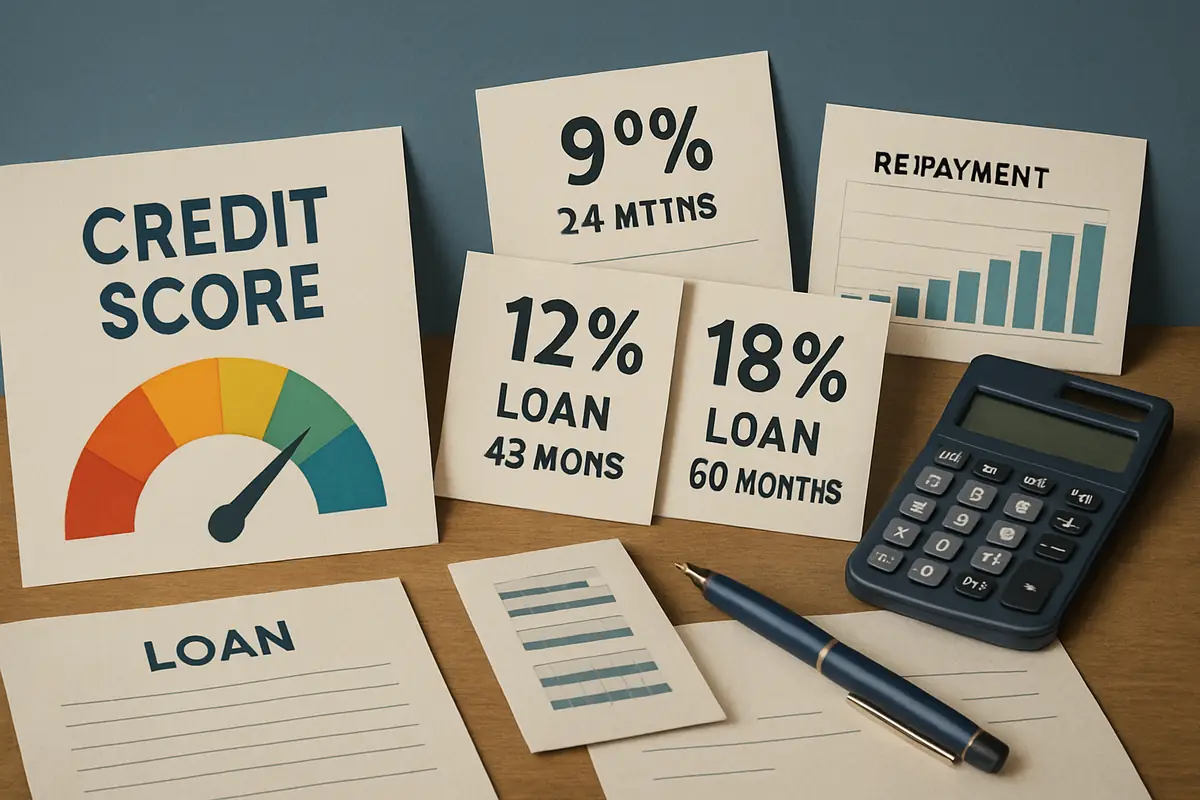
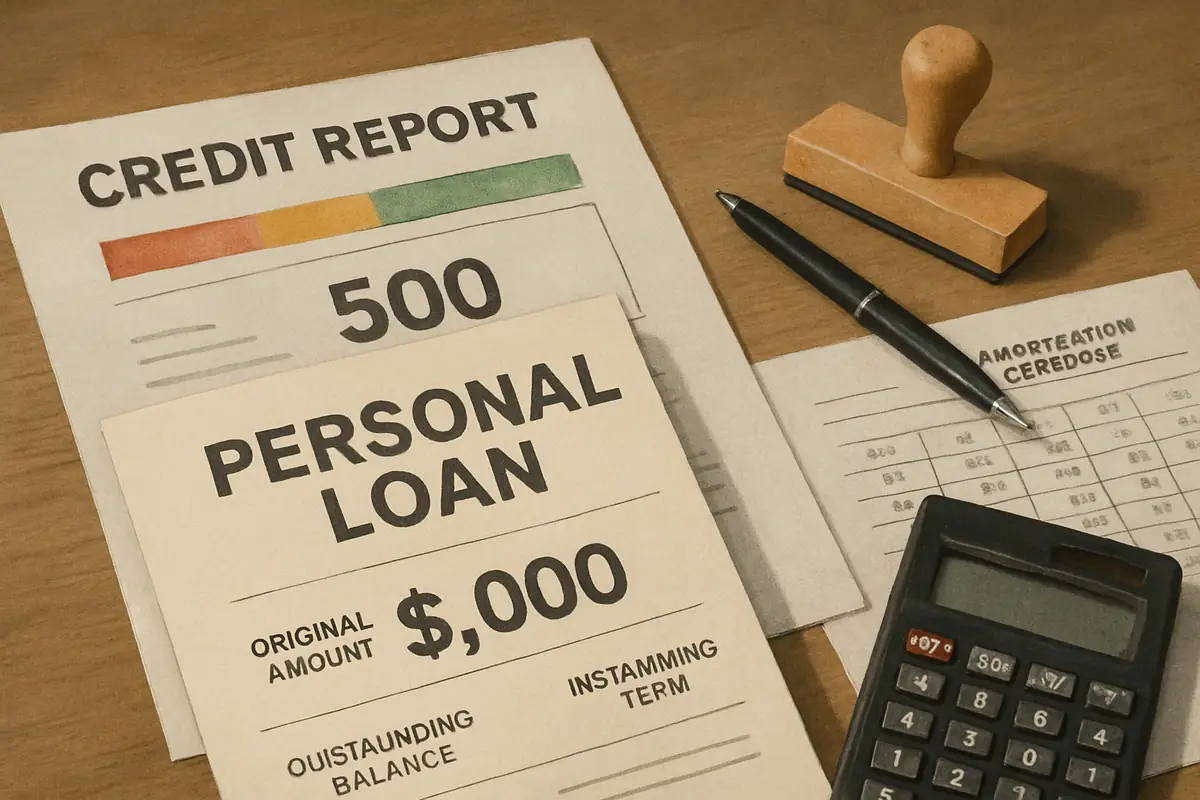
Your credit score plays a major role in the terms and accessibility of debt consolidation products. Scores above 700 may qualify you for the lowest interest rates (as low as 6% for some secured loans), while scores below 650 often result in higher rates (up to 29%) or fewer loan options. Reviewing your credit report for errors and resolving outstanding issues before applying can raise your score and improve your terms.
Improving your score before applying—by paying down balances to keep credit utilization below 30%, settling disputes, or limiting new credit inquiries—can save you thousands in interest over the life of a loan. Some lenders offer secured loans or allow co-signers for those with lower scores, but these come with higher rates or additional requirements. Being aware of how credit affects your options is key to planning an effective consolidation strategy.
Potential Risks and Pitfalls of Debt Consolidation
While debt consolidation can provide relief, it also introduces new risks. One common pitfall is accumulating new debt after consolidating old balances, especially if spending habits remain unchanged. This can lead to a cycle of increasing debt and financial strain. Upfront fees—sometimes $500 or more—can reduce anticipated savings, and extended repayment periods may double the total interest paid. Consolidating unsecured debts into a secured loan, such as a home equity loan, shifts risk to your personal assets: missing payments could result in foreclosure or repossession.
Additionally, some programs require you to close existing credit accounts, which can lower your credit score by reducing your available credit and increasing your utilization ratio (the percentage of your credit limit you’re using). Carefully weigh these risks before proceeding with consolidation.
Strategies for Successful Debt Consolidation
Effective debt consolidation requires more than merging balances—it demands disciplined budgeting and proactive planning. Establishing a realistic monthly budget helps ensure you meet payment obligations and avoid default. Building an emergency fund of at least $1,000, or ideally one to three months’ expenses, provides a safety net against unexpected costs.
Negotiating with lenders for fixed interest rates or the removal of prepayment penalties can improve your terms and allow for faster repayment without extra fees. Seeking guidance from certified credit counselors or financial professionals can help tailor a plan to your circumstances and maximize your chances of success.
Real-World Examples: How Debt Consolidation Has Helped Borrowers
Consider Sarah, who owed $25,000 across several credit cards with APRs ranging from 18% to 24%. By consolidating into a personal loan at a 10% APR over three years, she reduced her monthly payment by $200 and cut her total interest paid by more than $4,000 compared to making only minimum payments on her cards. The fixed repayment schedule also helped her stay on track.
In another scenario, Mark used a home equity line of credit (HELOC) at 7% APR to pay off $40,000 in medical and personal loan debt, lowering his monthly payment by $350. While he benefited from a lower rate, Mark understood that defaulting would risk his home, so he built a three-month emergency fund before proceeding. These examples illustrate both the benefits and the importance of fully understanding the risks before consolidating.