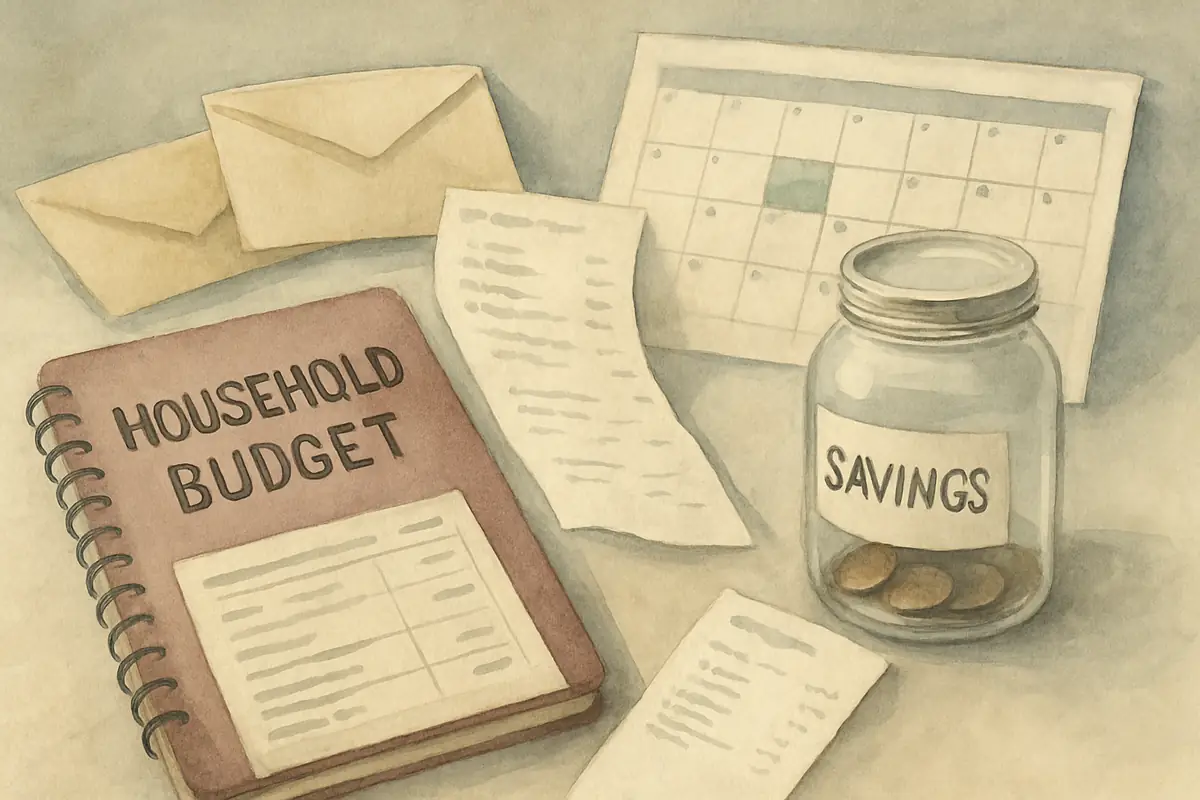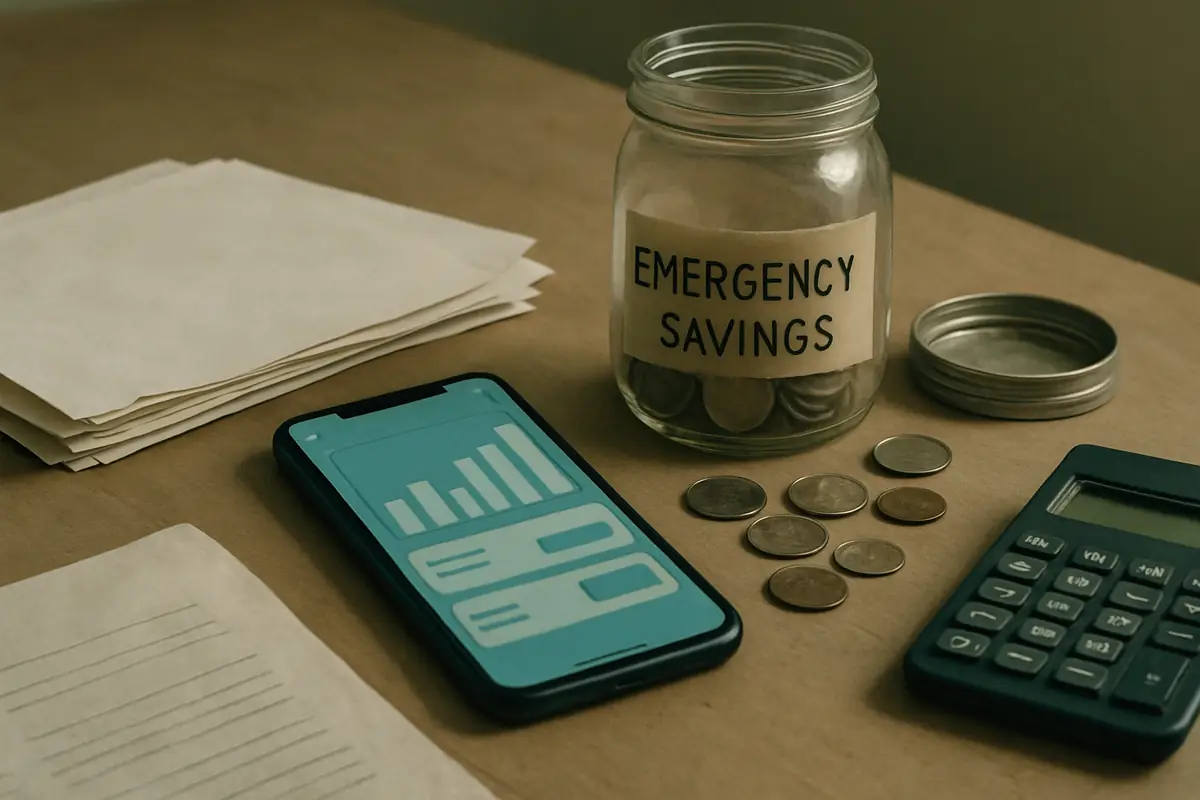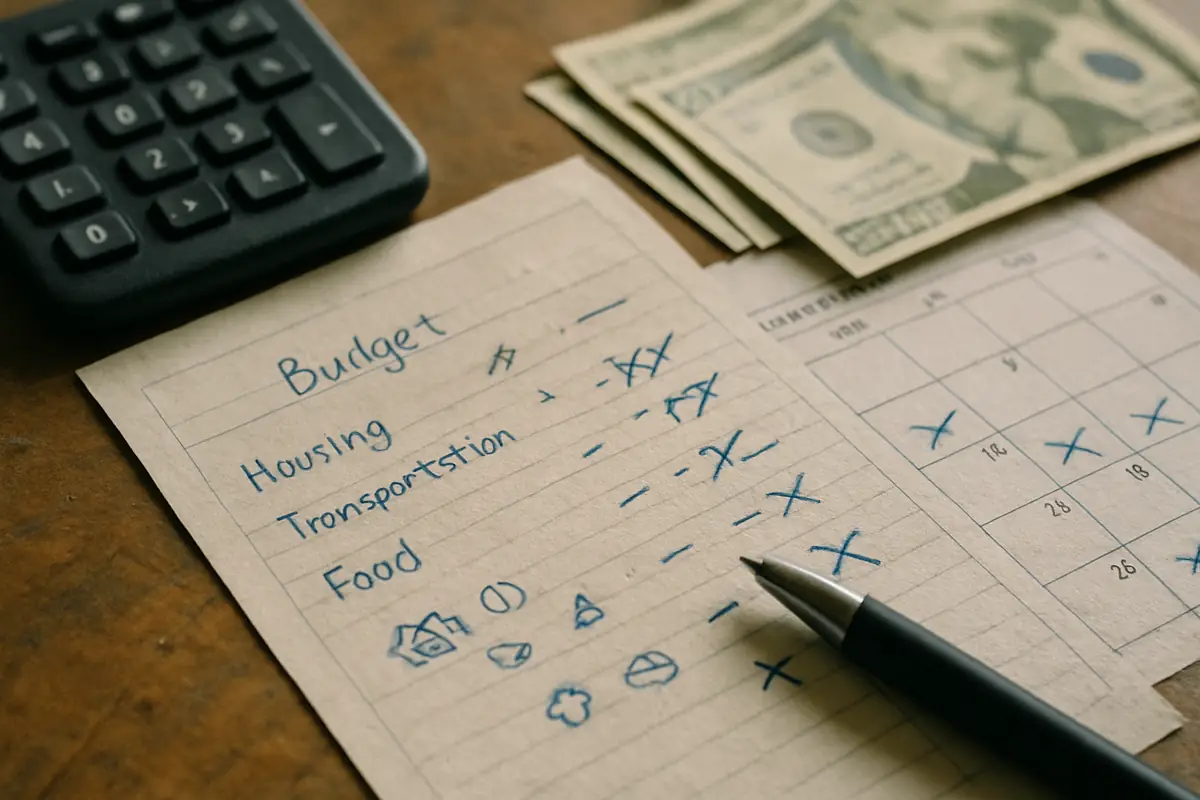
In 2023, the average U.S. household spent between $5,600 and $7,200 per month, with essentials like housing, food, and transportation accounting for over 70% of that total. When costs rise faster than income—such as when grocery prices jump 10-15% in a year or utility bills climb $30 to $50 monthly—household budgets are put to the test. Budgeting remains vital, not as a rigid formula, but as a flexible, adaptive process shaped by real-life pressures and shifting priorities.
Rising Costs and Their Impact on Everyday Household Budgets
Consider a household where last month’s grocery bill was $500, and this month it’s $570—a 14% increase. If utility bills, which averaged $150, now reach $180, that’s another $30 monthly squeeze. Fixed expenses like rent or mortgage (often $1,200–$2,500 per month for many families) may stay the same, but variable costs like food and transportation often rise unpredictably. Inflation rates of 4% to 8% annually can push up prices for essentials, while wage growth may lag at 2% to 4%. For families balancing school fees (which might increase by $100 per term), medical expenses, and debt repayments, even a $50 monthly increase in one category can disrupt the entire budget. These incremental changes are not just numbers—they translate into tighter margins and more difficult choices for millions of households.
Traditional budgets, often based on last year’s figures, can quickly become obsolete in periods of high inflation. The challenge is not only external—rising prices—but also internal, as households must adapt their spending habits, routines, and expectations to new economic realities, all while maintaining their well-being.
How Budgeting Becomes More Challenging as Prices Increase
Budgeting works best when income and expenses are predictable. When costs rise rapidly—groceries up 10%, gasoline fluctuating between $3 and $5 per gallon, utility bills spiking by 20%—predictability disappears. The margin for error shrinks: a family with $200 left after bills last year may now have just $50 or less. This often forces tough decisions, such as cutting discretionary spending by 15–30% or pausing contributions to retirement accounts.
Beyond the numbers, this unpredictability can cause frustration and anxiety. The mental load of tracking every dollar becomes heavier when paychecks don’t stretch as far. Households may feel discouraged from maintaining detailed records, and motivation can wane if perceived progress stalls.
Designing a Flexible Budget System for Real-World Changes
Rigid budgets—such as assigning $400 monthly to groceries regardless of actual prices—can quickly become unworkable. Instead, adopting a flexible framework is more effective. For instance, instead of fixed amounts, households might calculate the average grocery spend over the past three months (say, $520, $540, $570), then add an inflation buffer (e.g., 10%) to anticipate further increases, resulting in a new target of around $627 for the next month.
Budgeting should be an ongoing dialogue, not a one-time event. Categories may need to stretch or shrink: a $300 car repair this month could mean reducing dining out by $75 and entertainment by $50. Seasonal sales might allow for clothing purchases at 25–40% discounts, easing pressure in other categories. This adaptability keeps budgets relevant and connected to actual needs.
Emergency Buffer
Allocate extra funds—such as $100 per month—beyond regular savings to absorb unexpected price spikes or urgent repairs.
Rolling Review
Reevaluate budget categories monthly, adjusting based on recent spending patterns rather than fixed historic numbers.
Priority Tiers
Rank expenses by necessity and flexibility to pinpoint where a 5–10% cut will have the least impact on well-being during tight months.
Understanding the Trade-Offs in Household Financial Decisions
Every financial decision in a high-cost environment involves trade-offs. For example, prioritizing savings (aiming for 10–15% of income) may feel out of reach when utility bills or groceries consume a larger share of the budget. Managing debt versus saving is another common tension: paying down high-interest credit card debt (with annual percentage rates, or APRs, commonly between 18% and 30%) lowers long-term costs, but diverting all spare cash to debt leaves little for emergencies.
Cutting discretionary spending—such as reducing entertainment by $50–$100 monthly—can help balance the budget but may also reduce quality of life. Recognizing these trade-offs helps families avoid unrealistic expectations and unnecessary guilt, embracing financial resilience as an ongoing process rather than a quest for perfection.
A Real-World Example: The Martinez Family Adjusts Their Budget
How this can look in practice
The Martinez family—two working parents earning a combined $5,000 monthly, with two school-age children—used an envelope system to manage their budget. Over six months, their grocery costs rose from $480 to $560 (a 17% increase), and tuition fees went up by $25 per month. Each payday, they debated whether to use extra funds to pay down a credit card with a 22% APR (meaning a $2,000 balance could accrue $440 in interest annually if unpaid) or to build their emergency fund.
They chose a balanced approach: they reduced entertainment spending from $150 to $120 per month (a 20% cut), kept debt payments at $100 per month (above the minimum), and raised the grocery budget by 15% to $560. By tracking receipts weekly, they identified savings—such as shopping at farmers’ markets to cut produce costs by $15 per week. This strategy kept their finances stable and prevented burnout, even as prices fluctuated.
Worked Calculation Example: Suppose the Martinez family’s monthly expenses are as follows: rent $1,600, groceries $560, utilities $180, transportation $250, tuition $225, entertainment $120, debt payment $100, and miscellaneous $100. Their total expenses: $1,600 + $560 + $180 + $250 + $225 + $120 + $100 + $100 = $3,135. With a $5,000 income, they have $1,865 left. If inflation pushes groceries up 10% (to $616) and utilities up 15% (to $207), new expenses are $1,600 + $616 + $207 + $250 + $225 + $120 + $100 + $100 = $3,218, leaving $1,782. This $83 reduction in leftover cash may require trimming discretionary categories or adjusting savings goals.
Where readers should be careful
Avoid seeking one-size-fits-all budget formulas during inflation. Each household’s income patterns, expense categories, and emotional needs are unique. Overly rigid rules can increase stress and undermine financial control.
Tracking Cash Flow: Managing Money Movement Without Overwhelm
When expenses are volatile, understanding cash flow—the timing of money in and out—becomes crucial. For example, if paychecks arrive biweekly but major bills (like rent or mortgage) are due at the start of the month, a gap can occur. Even if monthly income covers all expenses, a $300 utility bill due before payday can cause short-term strain.
Cash flow calendars can help. Marking pay dates and recurring bills on a calendar, along with estimates for variable costs (like $140–$180 weekly for groceries or $60–$100 for fuel), helps households anticipate tight periods and avoid overdrafts or late fees, which typically range from $25 to $35 per occurrence.
Making Inflation Planning Part of Household Habits
Addressing rising costs isn’t just about monthly budgeting—it’s about building habits that anticipate inflation. This can include increasing emergency fund targets by 10–20% annually, reviewing subscriptions (which may total $50–$100 per month) to eliminate unused services, and negotiating with service providers when fees rise (for example, asking for a better rate on a $70 monthly internet bill after a price hike).
Over time, cultivating additional income streams—such as freelance work or a side business generating $200–$500 monthly—can also buffer against inflation’s impact. Regularly reviewing household spending helps ensure habits evolve with changing prices.
Emergency Savings: Essential Yet Difficult to Grow in Inflationary Times
Building an emergency fund—ideally three to six months of essential expenses, or $9,000–$18,000 for a household with $3,000 monthly costs—becomes even more critical as prices rise. Yet, with budgets stretched thin, saving even $40–$60 per month can feel challenging.
Small, consistent contributions matter. For example, saving $15 weekly adds up to $780 annually. Even modest buffers can prevent reliance on high-interest credit cards (with APRs commonly above 20%) for emergencies. The key is prioritizing regular saving, however small, and gradually increasing contributions as circumstances allow.
Reevaluating Budget Categories to Match New Cost Realities
When inflation is high, traditional budget categories may need to be redefined. Fixed expenses like rent or mortgage may hold steady for a year or more, but variable costs—groceries, utilities, transportation—can rise 8–20% in a single year. Households that continue allocating static percentages (e.g., 10% for groceries) risk underestimating real needs. Instead, it’s important to review each category: if transportation costs rise from $200 to $260 monthly due to higher fuel prices, that’s a 30% increase and may require shifting funds from other areas.
Breaking down categories—such as separating groceries from dining out, or distinguishing between essential and discretionary utilities—gives a clearer picture of where adjustments are possible. Tracking expenses for four to six weeks, analyzing receipts and bank statements, can reveal overlooked costs, like subscription services totaling $20–$50 monthly or infrequent but necessary purchases (e.g., annual insurance premiums). This process supports smarter, more responsive budgeting.
Using Technology to Improve Budgeting During Cost Increases
Budgeting apps and financial software can make expense tracking and planning more efficient. Many tools offer real-time expense tracking, automatic categorization, and alerts if spending nears set limits. For example, an app might notify users when grocery spending approaches $600 in a month, or when discretionary spending exceeds a $200 cap. Some platforms also provide forecasts based on historical spending, helping households anticipate how a 5–10% price increase might affect future budgets.
Technology can also enhance collaboration—partners can both access spending reports and jointly decide on adjustments. Some apps allow users to set explicit savings goals, such as building a $2,000 emergency fund, and track progress automatically. However, it’s important to select tools that match comfort levels; overly complex systems can discourage use, while too-simple tools may lack needed features. Starting with a user-friendly app and adding features gradually is often best.
Building Flexibility Into Budget Plans to Handle Volatile Costs
Rigid plans can backfire when prices jump unexpectedly. Instead, building flexibility—such as allocating a 5–10% buffer in key categories—helps absorb temporary spikes without immediate cuts elsewhere. For example, if monthly grocery spending averaged $550, budgeting $600 provides room for price increases.
Shortening review intervals—checking budgets monthly instead of quarterly—allows for quicker adjustments. This approach enables families to respond to a $50 increase in one category by trimming another, rather than overspending. Flexibility also encourages creative solutions, like switching to lower-cost brands or using community resources (such as food co-ops or bulk buying clubs) to manage costs.
Being adaptable reduces stress and fosters proactive problem-solving, rather than reactive measures when expenses overrun expectations.
Why Emergency Funds Matter Even More as Living Costs Rise
Emergency funds serve as a buffer against unexpected expenses—such as a $600 car repair or a $1,000 medical bill—which may be further inflated by rising service charges. Financial planners typically recommend saving enough to cover three to six months of essential expenses, but when costs increase, targets should be recalculated. For example, if essential monthly costs rise from $2,800 to $3,200, the emergency fund goal should rise from $8,400–$16,800 to $9,600–$19,200.
Maintaining liquidity—keeping funds in easily accessible accounts—is crucial. Temporary reductions in discretionary spending, such as pausing a $50 monthly streaming subscription, can help redirect funds toward emergency savings. Periodic reviews—every six to twelve months—ensure the emergency fund keeps pace with living costs and avoids both underfunding and unnecessary over-allocation.
Smart Debt Management Strategies in Inflationary Times
Rising costs often tempt households to rely on debt for immediate shortfalls or large purchases. However, prudent debt management is essential, especially as interest rates may rise alongside inflation. Credit card APRs (annual percentage rates, the yearly cost of borrowing) typically range from 18% to 30%, making it costly to carry balances. Prioritizing repayment of high-interest debt can save significant money over time—for example, paying off a $3,000 balance at 25% APR saves $750 in annual interest compared to minimum payments.
Fixed-rate loans (such as mortgages or auto loans locked in before rate increases) can become advantageous, as payments remain steady even as inflation rises. Refinancing may reduce monthly payments but can extend loan terms and increase total interest paid. Households should weigh immediate relief against long-term costs, and seek guidance from qualified financial counselors when needed. Responsible borrowing—aligned with realistic, regularly updated budgets—supports financial resilience during uncertain times.
Where this helps
- Creates a structured approach for conscious spending decisions during volatile periods.
- Highlights non-essential expenses where 10–20% cuts or substitutions are possible.
- Encourages regular monitoring, increasing awareness of financial health.
- Improves preparedness by adjusting emergency funds for current living costs.
Where caution is needed
- Can cause stress if applied too rigidly, leading to frustration.
- Requires frequent updates, which some households find time-consuming.
- May overlook psychological impacts, such as feeling restricted, affecting spending habits.
- If not adapted properly, static budgets can become inaccurate and lead to poor decisions.