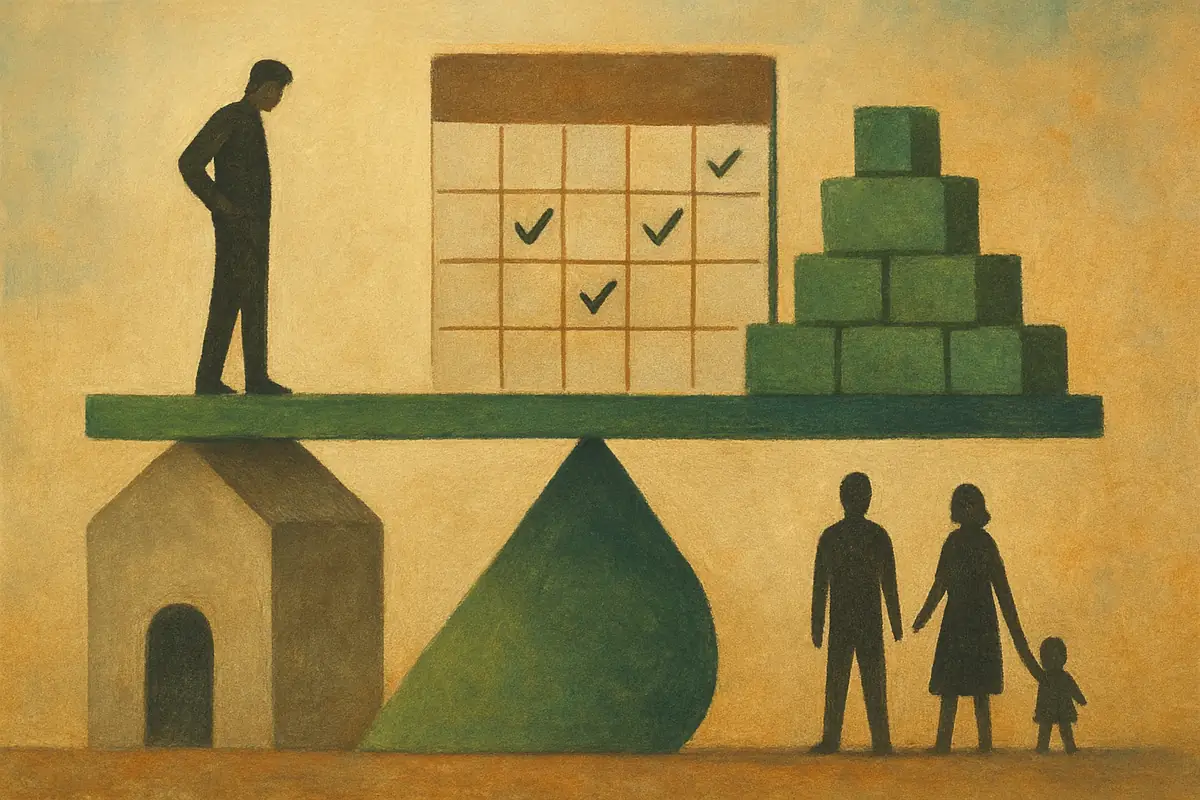
A family’s grocery bill climbs $75 in a single month. Should they cut back on outings or pause their savings deposit for now? This is the heart of inflation planning: each new price spike forces live decisions, not just on paper but in daily routines. Families face a constant balancing act—between making ends meet, protecting savings, and giving kids some normalcy. In this article, we compare how households rethink monthly planning during periods of rising costs, with plain examples of what changes first, what stays non-negotiable, and where risks quietly build up.
Stretching the Same Income: The First Challenge When Prices Jump
For most families, inflation means their income buys less each month—often suddenly. A typical household with two working adults might bring in $5,000 after taxes monthly. Over one year, even a moderate inflation rate of 6% can increase core living costs (groceries, utilities, rent or mortgage) by $200–$400 per month. While wages sometimes adjust upward, pay raises often lag behind price hikes for essentials. This creates a gap that many households fill with short-term fixes: dipping into emergency funds, using credit cards more heavily, or deferring savings goals. These responses buy time but carry their own risks.
The first visible sign for many is the grocery receipt or utility bill creeping higher than planned. If a family’s food budget was $800 last year and prices rise 8%, that means spending could hit $864 before any change in habits. At the same time, fixed costs—like rent or child care—leave little flexibility elsewhere in the budget. As these numbers shift upward together, families make dozens of micro-decisions every week trying to match cash flow with reality.
Quick Fixes versus Systematic Adjustments
When faced with higher bills mid-month, many families reach first for the nearest patch: skipping a discretionary purchase (takeout dinner, streaming service), pulling from a savings jar earmarked for another need, or letting a utility payment slide by a week. These adaptive moves can limit immediate damage but don’t solve the long-term squeeze if prices stay high. For instance, using credit to bridge a $300 gap one month introduces new costs down the line—a typical credit card annual percentage rate (APR), which is the yearly cost of borrowing expressed as a percentage of your balance, falls between 18% and 30%. Carrying a balance adds interest charges fast.
Systematic adjustments take longer but offer more stability. This might mean reviewing every expense category monthly instead of once per season; renegotiating insurance or subscription rates; or rebalancing goals—for example, reducing vacation savings temporarily to keep essential bills paid without debt. Every option involves compromise: cutting one area to protect another exposes different risks and stress points.
Warning: Short-Term Fixes Can Accumulate Hidden Risks
Using credit cards or dipping repeatedly into emergency funds to bridge inflation gaps can quietly raise your financial risk profile. Interest charges on revolving credit can snowball quickly—if you carry a $2,000 balance at 24% APR and only make minimum payments (typically around 2% of balance), it can take over ten years to pay off and cost thousands in extra interest.
"What Can Wait?"—How Families Prioritize Expenses Under Pressure
"What can wait until next month?" is probably the most common question in inflation budgeting. When households compare recurring bills to cash available each pay period, they start weighing urgency: groceries and housing are usually untouchable; clothing and entertainment get deferred. A family might also stagger bill payments within grace periods—paying utility A on time but waiting an extra week on utility B if late fees are not immediate.
"Non-essential" often becomes a moving target as well. For example, if car repairs come up ($500–$1,500 for major work), parents may skip birthdays out or delay routine health appointments. Each decision temporarily relieves pressure but brings other downsides: lost discounts for early bill payers; surprise overdraft fees; wear on household morale when simple pleasures disappear.
| Expense Category | Flexible? | Typical Compromise |
|---|---|---|
| Groceries | Low | "Swap brands or switch stores; rarely skip meals" |
| Utilities | Medium | "Delay within grace period; conserve usage if possible" |
| Child Care | Very low | "Try shifting schedules; rarely cut outright" |
| Savings Deposit | High | "Pause transfer this month; plan to catch up later" |
| Entertainment/Outings | High | "Reduce frequency or switch to low-cost options" |
"Paper Budget" vs What Actually Happens Each Month
(Scene) It’s Tuesday night at Sofia and Mark’s kitchen table. Their budget spreadsheet shows $1,200 left after all expected expenses—including $200 earmarked for emergencies and $100 into holiday savings. But there’s already an unplanned dentist bill pending ($180) and gas costs have shot up by $60 over last month. By week’s end, their careful allocations feel undermined by reality—the numbers don’t lie but they don’t always match life either.
"Paper budgets"—a set plan made at the start of the month—are crucial as guardrails but rarely anticipate every variable in inflationary times. Many families find themselves updating spending trackers mid-cycle or keeping handwritten lists just to keep pace with fluctuating prices on staples like milk and eggs (which can see double-digit percentage increases year-on-year). This mismatch between plans and outcomes creates budgeting fatigue—a sense that no matter how careful you are with numbers upfront, something will slip through.
"Emergency Savings": How Planning Collides with Reality During Inflation
Trade-Offs Between Debt Use and Savings Preservation
Families wrestling with rising living costs often face another tough choice: whether to use available credit (loans or credit cards) or dip into hard-earned savings when bills exceed income. Each route has clear upsides—and real risks attached if used routinely during long stretches of inflation. For example: Putting an unexpected $600 car repair on a credit card at 22% APR means paying roughly $11 per month just in interest if not paid off immediately—but protecting your emergency fund for true crises. Alternatively, tapping into savings avoids interest altogether yet leaves less backup should job loss or medical events strike within months.
Neither strategy is inherently right or wrong—the best choice depends on repayment prospects (will next month’s cash flow improve?), stability of employment income (how predictable is overtime work?), and emotional comfort with carrying either debt or low reserves. In practice many households blend both tactics over time—for instance putting half an expense on credit while covering the rest from savings—to spread risk despite added complexity.
Realistic Calculation Example: Cost Implications Over Six Months
Let’s look at how recurring inflation-related budget gaps compound over half a year. Suppose groceries run $80 over budget each month due to rising prices—a total unexpected cost of $480 across six months.
Scenario A: The family uses their emergency fund every time. - Withdraws $80/month × 6 = $480 drained from savings. - No interest charges incurred—but the emergency buffer shrinks. Scenario B: They use a credit card with 20% APR instead. - Each new monthly deficit adds up ($80 × 6 = $480). - Assuming only minimum payments (~$15/month) are made: -- After six months they still owe about $410 principal plus approximately $27 in interest already accrued (using simplified calculations). -- If left unpaid further interest accrues rapidly. What this shows is that borrowing comes with visible extra cost—but repeated saving withdrawals quietly reduce safety margin too.
How Families Adapt Routines When Planning Alone Isn’t Enough
Many families find that rigid 'set-and-forget' budgets break down under repeated price hikes—even when intentions are good at the start of each month. Instead some shift toward more iterative routines: - Weekly check-ins replacing monthly reviews - Shopping lists updated based on live prices - Coordinating big purchases with paycheck timing Even simple acts like delaying shopping until after direct deposit clears can help avoid overdrafts when cash runs tight.
Stress Points and Emotional Costs That Numbers Don’t Show
Beyond spreadsheet math lies the daily emotional load: anxiety over missed payments; friction between partners about which sacrifices feel fair; guilt about pausing kids’ extracurriculars to shore up essentials. Surveys show that more than half of households experience increased stress during sustained high-inflation periods—even when incomes are steady—mostly due to unpredictability rather than absolute deprivation.
Small strategies help manage these pressures: - Agreeing as a household on which trade-offs are temporary vs permanent - Celebrating small successes (a zero-balance utility bill) even when bigger goals stall - Keeping lines open about what feels hardest—not just what fits mathematically No plan eliminates stress entirely; acknowledging its presence goes further than pretending it doesn’t exist.
Planning Ahead—But Knowing Not Everything Can Be Controlled
At its core the struggle with inflation isn’t just about numbers—it’s about uncertainty management over weeks and months where few variables behave as expected. Despite best efforts at forecasting expenses or building buffers, surprise events (appliance breaks down, kids need new shoes sooner than planned, gasoline spikes overnight) mean even disciplined households must adjust repeatedly. This isn’t proof that budgeting 'failed'—rather, it shows why flexible systems matter more than perfect plans.
Anticipating Variable Expenses and Building Flexibility
One of the most challenging aspects for families managing finances during periods of inflation is handling variable expenses. These can include groceries, utility bills, transportation, and other essentials that often rise unpredictably. To address this, many households adopt a flexible approach to budgeting—allocating a buffer or contingency fund specifically for unexpected cost increases. For example, a family might review their average grocery spending over several months and then add a 10-15% buffer during times when food prices are rising. Others use digital budgeting tools to track fluctuations weekly, allowing them to reallocate funds from discretionary categories toward necessities as prices change. This flexibility not only prevents shortfalls but also reduces stress by creating an adaptive safety net. Families report that treating certain budget lines as adjustable rather than fixed makes it easier to respond quickly without feeling like they’re constantly falling behind. They often revisit these categories each month, looking for patterns in price changes and recalibrating as needed—a dynamic process that supports resilience in uncertain times.
Another practical strategy involves negotiating or shopping around for better rates on recurring expenses wherever possible. During inflationary periods, service providers—like cell phone carriers or car insurance companies—may be more open to discussing discounts or alternative plans to retain customers. Families recount experiences where a simple phone call led to modest monthly savings, which were then redirected toward offsetting increased costs elsewhere. In addition, many have adopted bulk buying for non-perishables or leveraging loyalty programs to lock in lower prices before anticipated hikes. Some even join community co-ops or participate in collective buying arrangements with neighbors to maximize purchasing power. These approaches foster both financial stability and a sense of agency, empowering households to proactively manage the impact of inflation instead of passively absorbing every price increase.
Adjusting Family Priorities: From Wants to Needs
A recurring theme among families navigating inflation is the need to distinguish sharply between wants and needs when planning monthly finances. While this distinction seems obvious in theory, its real-world application often requires honest conversations and compromises among household members. For instance, some families create lists of essential versus non-essential expenses together at the start of each month; this transparency helps everyone understand why certain purchases—like streaming subscriptions or dining out—might be paused or limited temporarily. Children may be involved in these discussions as well, which not only teaches valuable financial skills but also helps them adapt emotionally to changes in lifestyle or routine luxuries. Parents report using this opportunity to reinforce the importance of saving during challenging times and redirecting focus toward shared goals such as maintaining emergency funds or saving up for future family experiences.
Beyond simply cutting back on non-essentials, some families take the extra step of identifying affordable alternatives that still meet emotional and social needs. Instead of expensive outings, they might prioritize free community events or at-home activities that foster connection without straining the budget. For birthdays and special occasions, homemade gifts or group experiences replace material purchases. These shifts can strengthen family bonds while instilling an appreciation for creative problem-solving under constrained circumstances. Over time, such adaptations become ingrained habits that persist even after inflation subsides, laying a foundation for lasting financial prudence.
Reflections on Emotional Resilience and Financial Communication
Financial stress is a common byproduct of inflationary pressures, but families who weather these periods successfully often highlight the importance of open communication and emotional resilience within the household. Regular check-ins about financial goals, anxieties, and progress help prevent misunderstandings and resentment from building up over difficult choices. Some couples schedule weekly ‘money meetings’ where they review bills together and brainstorm solutions collaboratively rather than assigning blame when challenges arise. Others establish simple routines—like updating a shared spreadsheet or using budgeting apps—that keep everyone informed about current balances and upcoming obligations.
Managing emotions is just as critical as managing numbers during turbulent times. Parents describe strategies such as naming worries aloud (“We’re concerned about paying the higher heating bill next month”) so they can address them proactively rather than letting anxiety grow unchecked. They also recognize signs of stress in children—like frustration over canceled plans—and work together to find constructive outlets or compromises that maintain morale. Through these practices, families build trust and mutual support systems that serve them well not only financially but also in broader aspects of life.
Scenario: The Davis Family’s Monthly Review Ritual
Consider the Davis family: two working parents with three school-aged children living in a mid-sized city where food and utility costs have climbed steadily over recent months. At the end of each month, they gather around the kitchen table for their “review ritual”—a frank discussion about what went well financially and which areas posed challenges due to price increases. Each child is encouraged to share observations (such as noticing higher cafeteria prices), fostering awareness about economic changes in daily life. Together, they brainstorm small adjustments for the coming month: one child suggests switching from brand-name snacks to store brands; another recommends organizing clothing swaps with friends instead of buying new items out-of-pocket.
The Davis family also uses this time to celebrate successes—like sticking to their meal plan despite temptations—and set achievable savings targets based on upcoming needs (for example, budgeting early for winter coats). By involving everyone in transparent decision-making, they build consensus around sacrifices while reinforcing shared values about resourcefulness and teamwork during challenging periods.
Leveraging Community Resources During Inflation
Inflation can drive many families to explore local resources they may have previously overlooked—from food banks and subsidized childcare programs to workshops on energy efficiency sponsored by community centers or utilities companies. Seeking out these supports is not just practical but often leads families to new social networks that offer additional advice and encouragement. Some neighborhoods establish informal swap groups where members trade items like children’s clothing or unused household goods; others organize bulk-buying clubs at local markets with negotiated discounts for members.
In interviews with community leaders, families frequently mention how tapping into local resources helped them stretch their budgets further without sacrificing quality of life—sometimes discovering ongoing programs (such as free after-school activities) that continue providing value even after inflation recedes. There’s also an emotional benefit: participating in mutual aid efforts fosters solidarity during tough times, easing feelings of isolation while creating opportunities for skill-sharing and collaboration across generations.